Tag: yoga

  • Fertility Yoga: A Natural and Nurturing Practice for Women Trying to Conceive

    Blog Post: Fertility Yoga: A Natural and Nurturing Practice for Women Trying to Conceive

    Fertility is a topic that has always been surrounded by myths, misconceptions, and even taboos. For many women, the journey to conceive can be a challenging and emotionally draining experience. While there are medical interventions available, more and more women are turning to alternative methods to boost their fertility. One such method is fertility yoga, which has gained popularity in recent years for its natural and nurturing approach to fertility. In this blog post, we will explore the benefits of fertility yoga and how it can support women on their journey to conceive.

    What is Fertility Yoga?

    Fertility yoga is a form of yoga specifically designed to support women who are trying to conceive. It combines traditional yoga poses with breathing techniques, meditation, and relaxation exercises to create a holistic practice that promotes physical, mental, and emotional well-being. Fertility yoga is not a quick fix, but rather a long-term approach to improving overall health and fertility.

    Benefits of Fertility Yoga

    1. Reduces Stress and Anxiety

    Stress and anxiety can have a significant impact on a woman’s fertility. When the body is under stress, it produces cortisol, a hormone that can interfere with the production of reproductive hormones. Fertility yoga helps to reduce stress and anxiety through the practice of deep breathing and relaxation techniques. This, in turn, can help to regulate hormone levels and improve fertility.

    2. Improves Blood Flow to the Reproductive Organs

    The various yoga poses and movements in fertility yoga help to improve blood flow to the reproductive organs, including the ovaries and uterus. This increased blood flow brings fresh oxygen and nutrients to these organs, promoting their health and function. It can also help to reduce inflammation and tension in the pelvic area, which can have a positive effect on fertility.
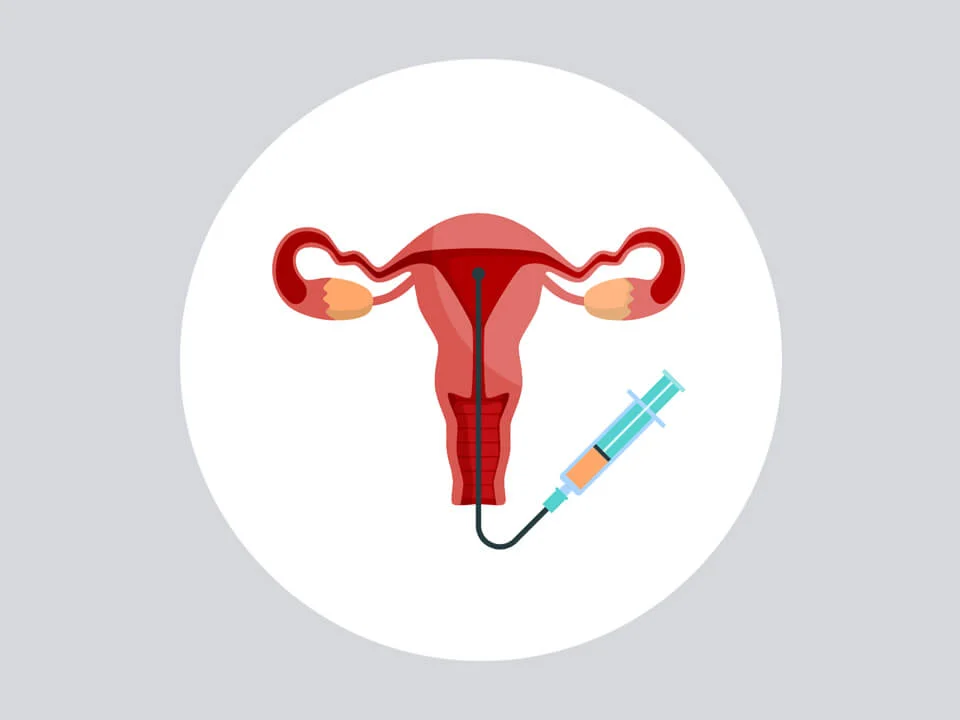
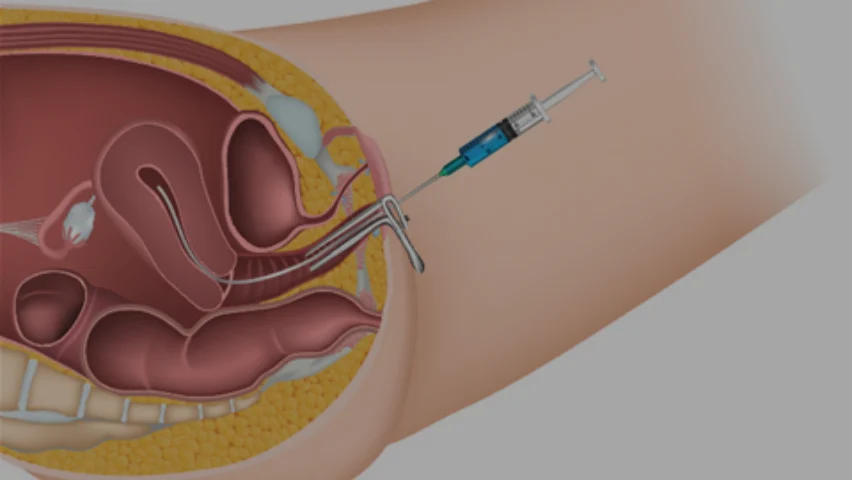
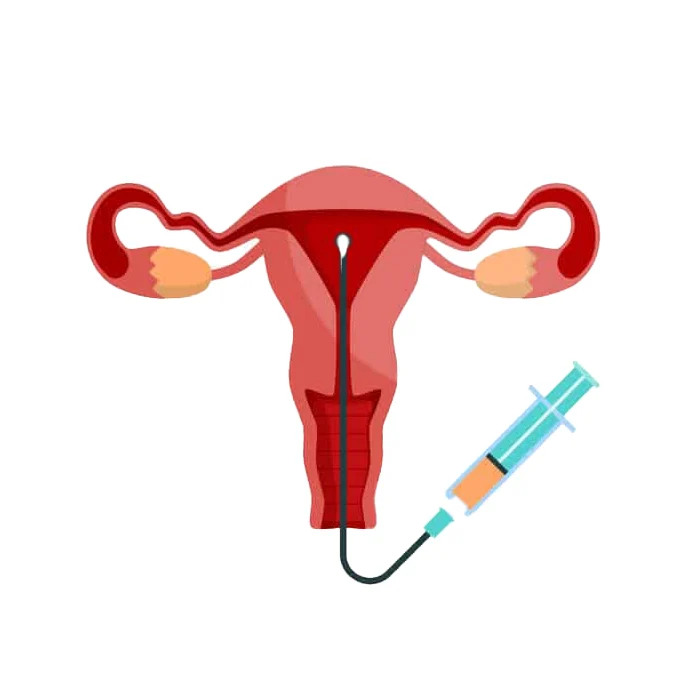
    Illustration of a uterus with a syringe, representing intrauterine insemination (IUI) procedure.

    Fertility Yoga: A Natural and Nurturing Practice for Women Trying to Conceive

    3. Balances Hormones

    Hormonal imbalances can affect a woman’s fertility by disrupting the menstrual cycle and ovulation. Fertility yoga can help to balance hormonal levels by stimulating the endocrine system, which is responsible for the production of hormones. The practice of specific poses, such as the supported bridge pose and the seated forward bend, can also have a direct effect on the reproductive glands, helping to regulate hormone production.

    4. Increases Mind-Body Connection

    Fertility yoga is not just about the physical practice; it also incorporates mindfulness and meditation techniques. These practices help to cultivate a deeper mind-body connection, which can be beneficial for women trying to conceive. By becoming more in tune with their bodies, women can better understand their menstrual cycles and ovulation, making it easier to time intercourse for conception.

    5. Supports Emotional Well-being

    The journey to conceive can be an emotional rollercoaster, filled with excitement, hope, and disappointment. Fertility yoga can provide a safe and nurturing space for women to process their emotions and release any tension or stress they may be carrying. The practice of yoga, meditation, and breathing exercises can also help to improve mood, reduce anxiety and depression, and promote overall emotional well-being.

    How to Practice Fertility Yoga

    Unlike traditional yoga, fertility yoga is not a one-size-fits-all practice. It is essential to find a qualified yoga instructor who specializes in fertility yoga and can guide you through a personalized practice based on your specific needs and goals. It is recommended to start with a few basic poses, such as the butterfly pose, legs up the wall pose, and the supported bridge pose, and gradually add more poses and techniques as you become more comfortable with the practice.

    Summary

    Fertility yoga is a natural and nurturing practice that can support women on their journey to conceive. It combines traditional yoga poses, breathing techniques, meditation, and relaxation exercises to promote physical, mental, and emotional well-being. Fertility yoga can help to reduce stress and anxiety, improve blood flow to the reproductive organs, balance hormones, increase mind-body connection, and support emotional well-being. It is essential to find a qualified instructor and personalize the practice based on individual needs and goals.
  • Fertility Yoga vs Traditional Exercise: Which Is More Effective for Improving Egg Quality?

    Blog Post: Fertility Yoga vs Traditional Exercise: Which Is More Effective for Improving Egg Quality?

    Fertility is a topic that many women are concerned about, especially as they get older and start to think about having children. One aspect of fertility that is often overlooked is egg quality. Many factors can affect the quality of a woman’s eggs, including age, diet, and lifestyle choices. In recent years, there has been a growing interest in using yoga as a way to improve egg quality. But is fertility yoga really more effective than traditional exercise when it comes to this specific goal? In this blog post, we will explore the benefits of both fertility yoga and traditional exercise and determine which one is more effective for improving egg quality.

    Fertility Yoga: What Is It?

    Fertility yoga is a specialized form of yoga that focuses on the reproductive system and aims to improve fertility. It incorporates specific poses, breathing techniques, and meditation practices to support reproductive health. Fertility yoga also places a strong emphasis on stress management, as high levels of stress can negatively impact fertility.

    One of the main principles of fertility yoga is the belief that certain poses can increase blood flow to the reproductive organs, promoting hormonal balance and improving egg quality. Some of the most commonly recommended poses for fertility are the butterfly pose, supported bridge pose, and legs-up-the-wall pose.

    Traditional Exercise: How Does It Affect Egg Quality?

    Traditional exercise, such as running, weightlifting, or cycling, has been proven to have numerous health benefits. Regular physical activity can improve cardiovascular health, strengthen muscles, and boost mood and energy levels. But can it also improve egg quality?

    Research has shown that exercise can indeed have a positive impact on fertility. A study published in the journal Fertility and Sterility found that women who exercised regularly had a lower risk of ovulation disorders, which can affect egg quality. Another study from the University of North Carolina found that exercise can increase the production of antioxidants in the body, which can help protect egg cells from damage.

    Fertility Yoga vs Traditional Exercise: Which Is More Effective for Improving Egg Quality?

    Now that we have a better understanding of fertility yoga and traditional exercise, let’s compare the two to determine which one is more effective for improving egg quality.

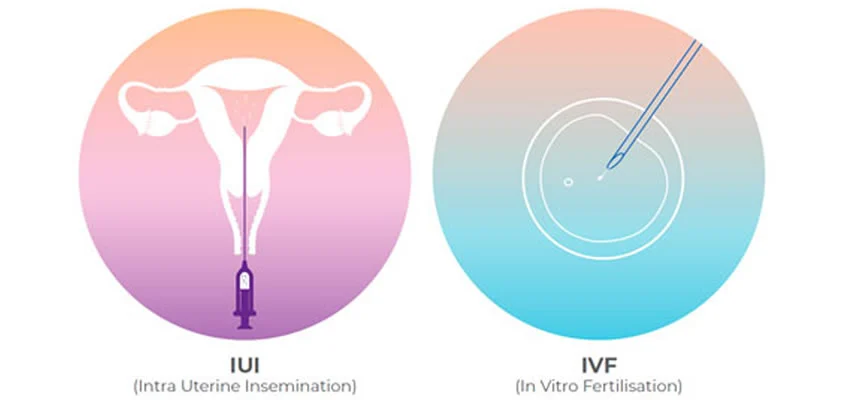
    comparison of IUI and IVF procedures illustrated with simple graphics and labels

    Fertility Yoga vs Traditional Exercise: Which Is More Effective for Improving Egg Quality?

    1. Blood Flow

    Both fertility yoga and traditional exercise can increase blood flow to the reproductive organs. However, fertility yoga’s specific poses are designed to target the reproductive system, making it more effective in this aspect. The butterfly pose, for example, is believed to stimulate the ovaries, while the legs-up-the-wall pose can increase blood flow to the uterus.

    2. Stress Management

    High levels of stress can have a detrimental effect on fertility, as they can disrupt hormonal balance and decrease egg quality. Fertility yoga’s emphasis on stress management through breathing techniques and meditation can be highly beneficial for women trying to conceive. Traditional exercise, while also known to reduce stress, may not be as targeted in this aspect.

    3. Hormonal Balance

    Hormonal imbalances can negatively impact egg quality and fertility. Fertility yoga’s focus on specific poses that stimulate the endocrine system can help regulate hormone levels and improve egg quality. Traditional exercise, on the other hand, may not have the same targeted effect on hormone balance.

    4. Antioxidants

    As mentioned earlier, exercise can increase the production of antioxidants in the body, which can help protect egg cells from damage. However, fertility yoga may have an edge in this aspect as well. Certain poses, such as the supported bridge pose, can stimulate the thyroid gland, which is responsible for producing antioxidants.

    Summary:

    In summary, both fertility yoga and traditional exercise can have a positive impact on fertility and egg quality. However, fertility yoga may be more effective in improving egg quality due to its specific poses and focus on stress management and hormone balance. Traditional exercise, while beneficial for overall health, may not have the same targeted effects on reproductive health. It is also important to note that a combination of both fertility yoga and traditional exercise may be the most effective approach for improving egg quality.

  • Yoga for Fertility: A Comprehensive Guide to Preparing Your Body and Mind for Pregnancy

    Yoga for Fertility: A Comprehensive Guide to Preparing Your Body and Mind for Pregnancy

    Yoga has long been known for its physical and mental health benefits, but did you know it can also help boost fertility? For couples who are trying to conceive, incorporating yoga into their daily routine can not only improve their overall well-being but also increase their chances of getting pregnant. In this comprehensive guide, we will explore the many ways that yoga can aid in fertility and how to incorporate it into your lifestyle.

    Understanding Fertility and How Yoga Can Help

    Before diving into the specific yoga poses and practices that can aid in fertility, it’s essential to understand the connection between yoga and fertility. Fertility is the ability to conceive and carry a child to term, and it involves multiple factors such as hormonal balance, stress levels, and overall physical and mental health. Yoga, with its focus on breathing, movement, and mindfulness, can address these factors and create a more conducive environment for conception.

    The Role of Stress in Fertility

    Stress is a significant factor that can impact fertility. When the body is under stress, it produces higher levels of cortisol, a hormone that can interfere with the reproductive system and lead to irregular ovulation or even stop ovulation altogether. Additionally, stress can also cause tension in the pelvic area, making it challenging for sperm to reach the egg. Yoga, through its relaxation techniques and mindful movements, can help reduce stress levels and promote hormone balance.

    Improving Blood Flow to the Reproductive Organs

    The movements and poses in yoga can also help improve blood flow to the reproductive organs, including the uterus and ovaries. This increased blood flow can nourish these organs and help with hormone production, making it easier to conceive. Poses such as the Cobra pose, Bridge pose, and Legs Up the Wall pose are particularly beneficial for increasing blood flow to the pelvic area.

    Regulating Hormones

    Hormonal balance is crucial for fertility, and yoga can help regulate hormones through its impact on the endocrine system. The endocrine system is responsible for producing and regulating hormones, and certain yoga poses, such as the Shoulder Stand and the Fish pose, can stimulate the thyroid and pituitary glands, which play a vital role in hormone production.

    Promoting Emotional Well-being

    Trying to conceive can be a stressful and emotionally taxing journey for many couples. Yoga, with its focus on mindfulness and relaxation, can help alleviate some of the emotional burdens and promote a more positive mindset. Regular yoga practice can help reduce anxiety and depression, which can have a significant impact on fertility. Additionally, the breathing techniques in yoga can help calm the mind and increase feelings of relaxation and well-being.

    Yoga Poses and Practices for Fertility

    Now that we understand how yoga can aid in fertility let’s explore some specific poses and practices that you can incorporate into your routine.

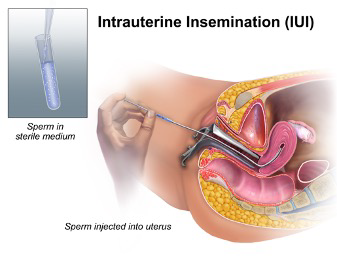
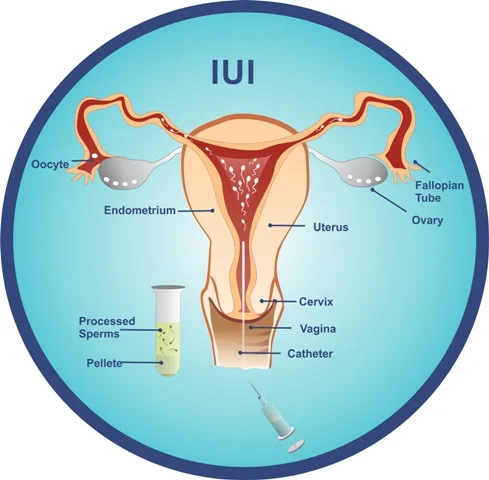
    diagram illustrating intrauterine insemination (IUI) with labeled reproductive anatomy and procedures

    Yoga for Fertility: A Comprehensive Guide to Preparing Your Body and Mind for Pregnancy

    Breathing Techniques

    Pranayama, or breathwork, is an essential aspect of yoga and can help with fertility. Slow, deep breathing can help calm the nervous system and reduce stress levels. The Three-Part Breath and the Alternate Nostril Breath are two techniques that are particularly beneficial for fertility.

    Hip-Opening Poses

    Opening up the hips is essential for fertility as it can help release tension and increase blood flow to the pelvic area. Poses such as the Butterfly pose, Happy Baby pose, and Goddess pose are great for opening up the hips and preparing the body for pregnancy.

    Inversions

    Inversions, where the heart is above the head, can help stimulate the endocrine system and promote hormonal balance. Poses such as the Supported Headstand and the Shoulder Stand are beneficial for fertility.

    Meditation

    Meditation is a powerful tool for reducing stress and promoting emotional well-being. It can also help you connect with your body and cultivate a positive mindset. A simple meditation practice of sitting in a comfortable position, closing your eyes, and focusing on your breath can do wonders for fertility.

    Yoga for Fertility: Dos and Don’ts

    While yoga can be incredibly beneficial for fertility, it’s essential to keep a few things in mind to ensure you are practicing safely and effectively.

    Dos:

    – Consult with your doctor before starting any new exercise routine, including yoga.
    – Find a qualified yoga instructor who has experience working with individuals trying to conceive.
    – Listen to your body and modify poses as needed.
    – Practice regularly, preferably three to four times a week.

    Don’ts:

    – Avoid hot yoga or any activities that raise your body temperature too high, as this can interfere with ovulation.
    – Avoid strenuous or advanced yoga poses that could put too much pressure on the pelvic area.
    – Stop practicing if you experience any pain or discomfort.

    In summary, yoga can be a valuable tool for those on the journey to pregnancy. By reducing stress, improving blood flow, regulating hormones, and promoting emotional well-being, yoga can create a more conducive environment for conception. Incorporating specific poses and practices into your routine, along with following the dos and don’ts, can help increase your chances of getting pregnant.

  • The Benefits of Yoga for Male Fertility: A Comparison to Traditional Workouts

    Yoga has been practiced for centuries and has gained popularity in recent years for its numerous health benefits. While it is often associated with flexibility and stress relief, many may not realize that it can also have a positive impact on male fertility. In fact, research has shown that incorporating yoga into a regular fitness routine can be more beneficial for male fertility compared to traditional workouts. In this blog post, we will explore the benefits of yoga for male fertility and compare them to traditional workouts.

    First, let’s define male fertility. It refers to a man’s ability to impregnate a woman and is affected by various factors such as sperm count, sperm motility, and sperm quality. Infertility affects about 15% of couples, and in about one-third of these cases, the issue lies with the male partner. This is where yoga can play a crucial role.

    One of the main benefits of yoga for male fertility is stress reduction. Stress has been linked to infertility in men as it can lower sperm count and quality. Yoga incorporates breathing exercises and meditation, which have been shown to reduce stress levels. By reducing stress, yoga can improve sperm production and quality, making it easier for men to impregnate their partners.

    In contrast, traditional workouts such as weightlifting and cardio can actually increase stress levels. The intense and fast-paced nature of these exercises can elevate cortisol levels, the stress hormone, which can negatively impact sperm production. Additionally, traditional workouts can also put a strain on the body, leading to muscle tension and fatigue, which can also affect fertility.

    Another significant benefit of yoga for male fertility is its impact on hormone balance. Hormones play a crucial role in male fertility, and imbalances can lead to issues such as low sperm count and poor sperm quality. Yoga poses, especially inverted poses, can stimulate the endocrine system, which is responsible for hormone production and regulation. This can help balance hormones, leading to improved fertility.

    On the other hand, traditional workouts may not have the same effect on hormone balance. In fact, excessive exercise, particularly endurance training, has been linked to lower testosterone levels, which can impact fertility. This is because the body may perceive intense exercise as a source of stress, leading to the release of cortisol, which can suppress testosterone production.

    Flexibility is another essential aspect of yoga that can benefit male fertility. Many yoga poses focus on stretching and opening up the hips, which can improve blood flow to the pelvic area. This increased blood flow can help nourish the reproductive organs and improve their function. It can also help alleviate any tension or tightness in the pelvic area, which can impede sperm movement.

    Illustration of intrauterine insemination (IUI) procedure with syringe and catheter in the uterus.

    The Benefits of Yoga for Male Fertility: A Comparison to Traditional Workouts

    In comparison, traditional workouts may not have a significant focus on flexibility. Exercises such as weightlifting and running may actually tighten the muscles, leading to restricted blood flow and potential discomfort in the pelvic area. This can have a negative impact on male fertility.

    In addition to the physical benefits, yoga can also have a positive impact on mental and emotional well-being, which can indirectly benefit male fertility. As mentioned earlier, stress can have a significant impact on fertility, and yoga can help alleviate it. By promoting relaxation and mindfulness, yoga can improve overall mental health and create a more conducive environment for fertility.

    Furthermore, yoga can also improve the mind-body connection. By practicing yoga, men can become more in tune with their bodies, allowing them to recognize and address any potential issues that may affect fertility. This increased awareness can also help men make healthier lifestyle choices, such as maintaining a balanced diet and avoiding harmful habits.

    On the other hand, traditional workouts may not have the same focus on the mind-body connection. While they can provide physical benefits, they may not address the mental and emotional aspects of overall health that can impact fertility.

    In conclusion, yoga offers numerous benefits for male fertility and can be more beneficial compared to traditional workouts. Its focus on stress reduction, hormone balance, flexibility, and overall well-being can have a positive impact on sperm production and quality. By incorporating yoga into their fitness routine, men can improve their chances of conceiving and create a healthier mind and body.

    Summary:

    – Yoga can have a positive impact on male fertility by reducing stress levels, balancing hormones, and improving flexibility.
    – Traditional workouts may increase stress and put a strain on the body, which can negatively affect fertility.
    – Yoga poses, especially inverted poses, can stimulate the endocrine system and improve hormone balance.
    – Flexibility in yoga can improve blood flow to the pelvic area, nourishing reproductive organs and improving function.
    – Yoga can have a positive impact on mental and emotional well-being, indirectly benefiting fertility.
    – By promoting relaxation and mindfulness, yoga can create a more conducive environment for fertility.
    – The mind-body connection in yoga can help men make healthier lifestyle choices that can impact fertility.

  • Fertility Yoga: A Gentle and Restorative Practice for Women with Fertility Issues

    Fertility Yoga: A Gentle and Restorative Practice for Women with Fertility Issues

    Infertility is a heartbreaking and often isolating experience for many women. While there are various medical treatments available, there is also a growing interest in holistic approaches to improve fertility. One such approach is fertility yoga, which combines gentle physical movements, deep breathing, and relaxation techniques to support the reproductive system and promote overall wellness. In this blog post, we will delve into the benefits of fertility yoga, how it can help women with fertility issues, and some specific poses to try.

    The Benefits of Fertility Yoga

    1. Reduces Stress and Anxiety

    Stress and anxiety can have a significant impact on a woman’s fertility. When the body is under constant stress, the production of stress hormones can interfere with the reproductive hormones, making it difficult to conceive. Fertility yoga is a powerful tool to combat stress and anxiety. The practice of slow and mindful movements combined with deep breathing can activate the parasympathetic nervous system, which helps the body to relax and release tension.

    2. Increases Blood Flow to the Reproductive Organs

    Certain yoga poses, such as hip openers and inversions, can increase blood flow to the pelvic area, which in turn can improve the function of the reproductive organs. This increased blood flow can also help to nourish the eggs and improve the quality of the uterine lining, making it more conducive to implantation.

    3. Balances Hormones

    Hormonal imbalances can be a major cause of fertility issues. Fertility yoga can help to balance hormones by stimulating the endocrine glands responsible for hormone production. The gentle movements and stretches also work to regulate the flow of energy within the body, which can have a positive impact on hormonal balance.

    4. Relieves Physical Tension

    Women with fertility issues often experience physical tension and discomfort in their bodies. This can be due to a combination of stress and the effects of hormonal imbalances. Fertility yoga can help to relieve physical tension by stretching and strengthening the muscles and releasing tightness in the body.

    5. Enhances Mind-Body Connection

    Fertility yoga is not just about the physical poses; it also incorporates mindfulness and breathwork. By tuning into the body and focusing on the present moment, women can develop a deeper mind-body connection. This can be beneficial for fertility as it can help to reduce negative thoughts and emotions and create a more positive and relaxed mindset.

    Fertility Yoga Poses to Try

    1. Baddha Konasana (Bound Angle Pose)

    Illustration of intrauterine insemination (IUI) procedure, showing sperm injection into the uterus.

    Fertility Yoga: A Gentle and Restorative Practice for Women with Fertility Issues

    This pose helps to open up the hips and groin area, increasing blood flow to the pelvic region. It also stretches the inner thighs and groin muscles, which can be beneficial for women with polycystic ovarian syndrome (PCOS).

    To do this pose, sit on the floor with your legs extended in front of you. Bend your knees and bring the soles of your feet together, letting your knees drop out to the sides. Hold onto your feet and gently press your knees towards the floor. You can also use props such as blocks or blankets under your knees for support.

    2. Viparita Karani (Legs Up the Wall Pose)

    This restorative pose can help to relieve fatigue and stress, and improve blood circulation to the pelvic area. It also helps to calm the nervous system and promote relaxation.

    To do this pose, sit with one side of your body against a wall. Lie down on your back and lift your legs up the wall, keeping your legs straight. You can also place a pillow or blanket under your hips for support. Stay in this pose for 5-10 minutes, focusing on your breath.

    3. Balasana (Child’s Pose)

    Child’s Pose is a gentle resting pose that can help to release tension in the back, shoulders, and hips. It also allows for deep relaxation and can help to calm the mind and reduce stress.

    To do this pose, start on your hands and knees, with your big toes touching and your knees slightly wider than your hips. Sit back on your heels and lower your chest towards the floor, extending your arms in front of you. Rest your forehead on the ground and take slow, deep breaths.

    4. Janu Sirsasana (Head-to-Knee Forward Bend)

    This seated pose helps to stretch the hamstrings and open up the hips. It can also help to improve digestion and stimulate the reproductive organs.

    To do this pose, sit on the floor with your legs extended in front of you. Bend your right knee and place the sole of your foot on the inside of your left thigh. Inhale and lengthen your spine, then exhale and fold forward, reaching for your left foot. If you can’t reach your foot, you can use a strap or towel around your foot to help. Hold for a few breaths, then switch sides.

    5. Prasarita Padottanasana (Wide-Legged Forward Bend)

    This standing pose helps to stretch the hamstrings, inner thighs, and hips. It also helps to calm the mind and increase blood flow to the pelvic region.

    To do this pose, stand with your feet about 3-4 feet apart, toes pointing forward. Inhale and lift your arms out to the sides, then exhale and fold forward, bringing your hands to the floor. If you can’t reach the floor, you can place your hands on blocks or a chair. Hold for a few breaths, then slowly come back up to standing.

    In summary, fertility yoga is a gentle and restorative practice that can offer numerous benefits for women with fertility issues. It can help to reduce stress and anxiety, increase blood flow to the reproductive organs, balance hormones, relieve physical tension, and enhance the mind-body connection. By incorporating these poses into a regular yoga practice, women can support their reproductive health and overall well-being.

  • Fertility Yoga: A Mind-Body Practice for Women on Their Fertility Journey

    Blog Post Title: Fertility Yoga: A Mind-Body Practice for Women on Their Fertility Journey

    Summary:

    Fertility struggles can be a challenging and emotional journey for many women. Along with medical treatments, incorporating mind-body practices such as yoga can be beneficial for women trying to conceive. Fertility yoga is a specialized form of yoga that focuses on supporting women on their fertility journey by balancing their physical, emotional, and spiritual well-being. In this blog post, we will discuss the benefits of fertility yoga and how it can help women on their fertility journey.

    The Benefits of Fertility Yoga:
    1. Reduces Stress and Anxiety: Stress and anxiety can negatively impact fertility by disrupting hormones and ovulation. Fertility yoga incorporates breathing techniques, relaxation, and meditation, which can reduce stress and promote a sense of calm and well-being.

    2. Improves Blood Flow to the Reproductive Organs: Certain yoga poses, such as the butterfly pose and the cobra pose, can improve blood flow to the reproductive organs, promoting a healthy reproductive system. This increased blood flow can also help to nourish the eggs and prepare the uterus for pregnancy.

    3. Balances Hormones: Fertility yoga helps to balance the endocrine system, which is responsible for producing hormones that regulate the menstrual cycle and ovulation. Certain poses, such as the supported headstand, can stimulate the thyroid gland, which plays a crucial role in hormone production.

    4. Releases Tension in the Pelvic Area: The pelvic area can hold a lot of tension, which can affect fertility. Fertility yoga includes poses that target the pelvis, releasing tension and promoting a healthy flow of energy in the reproductive system.

    5. Increases Mind-Body Connection: The mind and body are interconnected, and fertility yoga helps to strengthen this connection. By focusing on the breath and being present in the moment, women can become more aware of their bodies and better understand their fertility journey.

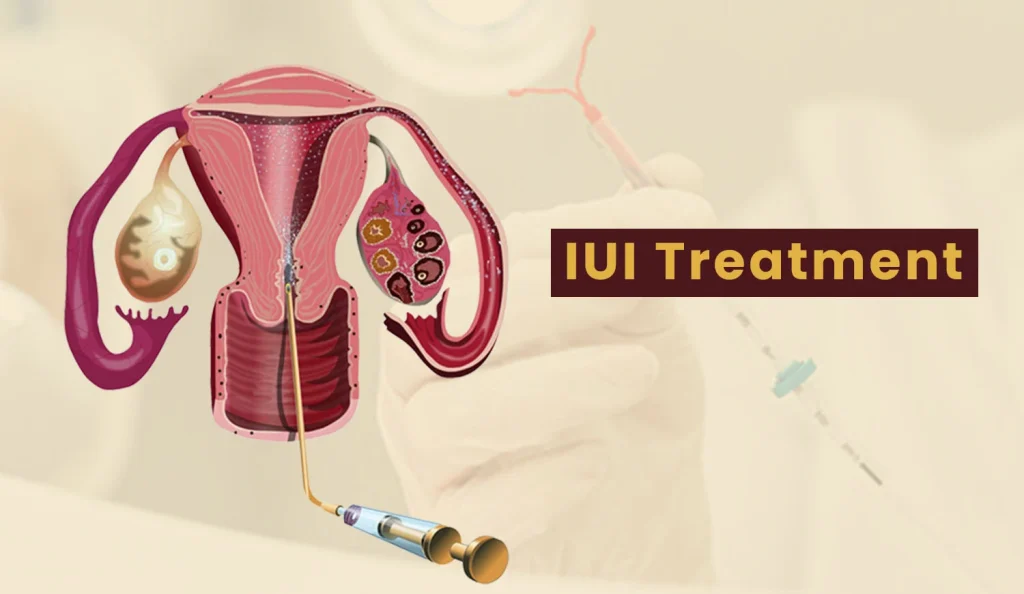
    illustration of the uterus and ovaries with a syringe, labeled "IUI Treatment" in the background

    Fertility Yoga: A Mind-Body Practice for Women on Their Fertility Journey

    6. Provides Emotional Support: Fertility struggles can take a toll on a woman’s emotional well-being. Fertility yoga incorporates meditation and visualization techniques that can help women cope with the emotional challenges of trying to conceive.

    7. Can Complement Medical Treatments: Fertility yoga is not a replacement for medical treatments, but it can be a helpful addition to them. By reducing stress and balancing hormones, fertility yoga can potentially improve the chances of success with medical treatments.

    How to Practice Fertility Yoga:
    Fertility yoga involves a series of gentle and restorative poses that are suitable for all levels, including beginners. It is recommended to practice fertility yoga at least three times a week, but even a few minutes a day can have a positive impact. Fertility yoga classes are also available, where women can receive guidance and support from a qualified instructor.

    Important Poses in Fertility Yoga:
    1. Supta Baddha Konasana (Reclining Bound Angle Pose): This pose helps to open the hips and pelvis, promoting blood flow to the reproductive organs.

    2. Bhujangasana (Cobra Pose): This pose stretches the pelvic area and improves blood flow to the reproductive organs.

    3. Salamba Sarvangasana (Supported Shoulder Stand): This pose helps to stimulate the thyroid gland and balance hormones.

    4. Viparita Karani (Legs up the Wall Pose): This pose helps to relieve tension in the pelvic area and promote relaxation.

    5. Pranayama (Breathing Techniques): Fertility yoga incorporates various pranayama techniques, such as Nadi Shodhana (alternate nostril breathing), which can help to reduce stress and balance hormones.

    In conclusion, fertility yoga can be a beneficial practice for women on their fertility journey. It not only helps to prepare the body for pregnancy but also supports the emotional well-being of women going through this challenging time. By incorporating fertility yoga into their routine, women can find a sense of peace and balance as they work towards their goal of conceiving.

  • Fertility Yoga for Menstrual Health: How It Can Help Regulate Cycles and Improve Fertility

    Summary:

    Fertility yoga has gained popularity in recent years as a natural and holistic method for improving reproductive health. While it is often associated with women, fertility yoga can also have numerous benefits for men and their menstrual health. By incorporating yoga into their daily routine, men can regulate their cycles and improve their chances of conceiving.

    In this blog post, we will explore the ways in which fertility yoga can benefit men’s menstrual health. We will discuss the connection between yoga and fertility, the specific poses and practices that can help regulate cycles, and the overall benefits of incorporating yoga into a regular routine.

    The Connection Between Yoga and Fertility:

    Yoga has been practiced for thousands of years and is rooted in the belief that the mind, body, and spirit are interconnected. By combining physical poses with controlled breathing and meditation, yoga aims to bring balance and harmony to the entire being. This balance is essential for fertility, as stress and anxiety can often hinder reproductive health.

    Studies have shown that practicing yoga can reduce stress, anxiety, and depression, all of which can have a negative impact on hormonal balance and menstrual health. Yoga has also been found to regulate the endocrine system, which is responsible for hormone production and regulation. By calming the mind and balancing hormones, yoga can improve fertility and menstrual health in men.

    Specific Poses and Practices for Menstrual Health:

    While practicing any form of yoga can have benefits for fertility and menstrual health, there are specific poses and practices that are particularly beneficial for men. These include:

    1. Balasana (Child’s Pose): This gentle pose helps to relax the mind and body, releasing tension and stress. It also stimulates the reproductive organs, helping to regulate the menstrual cycle.

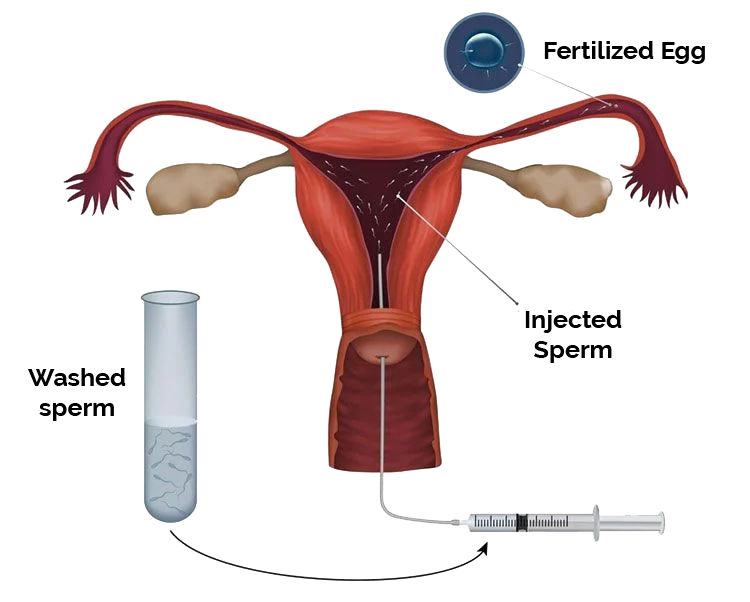
    diagram of the female reproductive system with an IUI syringe and test tube for artificial insemination

    Fertility Yoga for Menstrual Health: How It Can Help Regulate Cycles and Improve Fertility

    2. Bhujangasana (Cobra Pose): This backbend pose helps to open up the chest and abdomen, improving circulation to the reproductive organs. It also strengthens the pelvic floor muscles, which can aid in fertility.

    3. Viparita Karani (Legs Up the Wall Pose): This restorative pose helps to improve blood flow to the pelvic area and release tension in the hips and lower back. It also has a calming effect on the nervous system, reducing stress and anxiety.

    4. Pranayama (Breathwork): Focusing on the breath is a fundamental aspect of yoga, and specific pranayama techniques can have a profound effect on reproductive health. By practicing deep breathing exercises, men can reduce stress and stimulate the parasympathetic nervous system, which is responsible for regulating hormones.

    Benefits of Incorporating Yoga into Daily Routine:

    In addition to regulating menstrual cycles and improving fertility, there are many other benefits of incorporating yoga into a daily routine for men. These include:

    1. Improved overall physical health: Yoga helps to improve flexibility, strength, and balance, which can have a positive impact on overall physical health. This can be especially beneficial for men who may have underlying health conditions that can affect fertility.

    2. Stress reduction: Chronic stress can have a significant impact on reproductive health, so finding ways to manage stress is crucial. Yoga provides a space for men to disconnect from the outside world and focus on their breath and movements, promoting relaxation and reducing stress.

    3. Mind-body connection: As mentioned earlier, yoga aims to bring balance to the mind, body, and spirit. By connecting with their bodies through movement and breath, men can become more in tune with their reproductive health and make necessary changes to improve it.

    4. Increased sexual energy: Practicing yoga can also help to increase sexual energy and libido in men. By improving circulation and reducing stress, yoga can enhance sexual function and desire.

    In conclusion, fertility yoga is a powerful tool for improving menstrual health in men. By incorporating yoga into a regular routine, men can regulate their cycles, reduce stress and anxiety, and improve their chances of conceiving. Whether you are trying to conceive or simply looking to improve your overall reproductive health, fertility yoga is a natural and effective method that can benefit men of all ages.

  • The Connection Between Fertility and Flexibility: How Yoga Can Help

    Blog Post: The Connection Between Fertility and Flexibility: How Yoga Can Help

    Fertility is a complex and often misunderstood topic, but one thing is for sure: it plays a crucial role in our overall health and well-being. Many factors can affect fertility, including age, genetics, and lifestyle choices. But did you know that flexibility can also impact fertility? In recent years, there has been growing evidence to suggest that yoga, specifically, can improve fertility and increase the chances of conceiving. In this blog post, we will explore the connection between fertility and flexibility and how yoga can help in the journey towards parenthood.

    The Relationship Between Flexibility and Fertility

    Flexibility is often associated with physical fitness and athletic performance, but it goes beyond that. Flexibility refers to the range of motion in our joints and muscles, and it is essential for our overall health and well-being. When we have good flexibility, our bodies can move freely and without pain, which can improve our posture, balance, and mobility. But how does this relate to fertility?

    Research has shown that women with higher levels of flexibility tend to have a better chance of conceiving. This is because flexibility is closely linked to our hormonal balance. Hormones play a crucial role in the menstrual cycle and ovulation, and any imbalances can affect fertility. When we are stressed, our bodies produce a hormone called cortisol, which can disrupt the delicate balance of our reproductive hormones. This can lead to irregular periods, ovulation problems, and even infertility. By practicing yoga and improving our flexibility, we can help reduce stress and regulate our hormones, thus increasing our chances of conceiving.

    The Benefits of Yoga for Fertility

    Yoga is an ancient practice that combines physical postures, breathing techniques, and meditation. It has been around for thousands of years and has been proven to have numerous physical and mental health benefits. When it comes to fertility, yoga can be a powerful tool for both men and women. Here are some of the ways yoga can help improve fertility:

    1. Reduces Stress: As mentioned earlier, stress can have a significant impact on fertility. It can disrupt our hormonal balance and make it challenging to conceive. Yoga has been shown to reduce stress levels by activating the parasympathetic nervous system, also known as the “rest and digest” response. By slowing down our breathing and focusing on the present moment, we can calm our minds and reduce stress.

    2. Regulates Hormones: As we have seen, hormonal imbalances can affect fertility. Yoga can help regulate our hormones by stimulating the endocrine glands, which are responsible for producing hormones. Specific yoga poses, such as twists and forward folds, can help massage and tone these glands, promoting hormonal balance.

    3. Increases Blood Flow to the Reproductive Organs: Certain yoga poses, such as inversions and hip openers, can increase blood flow to the reproductive organs. This can help nourish these organs and improve their function, making it easier to conceive.

    Cost breakdown for IUI components, including requirements, impacts, and alternatives.

    The Connection Between Fertility and Flexibility: How Yoga Can Help

    4. Improves Pelvic Floor Strength: The pelvic floor muscles play a crucial role in fertility and childbirth. These muscles support the uterus, bladder, and bowel and help control urinary and bowel functions. Weak pelvic floor muscles can lead to pelvic pain, incontinence, and other issues that can affect fertility. Yoga can help strengthen these muscles through specific poses and breathing techniques.

    5. Promotes Mind-Body Connection: Yoga is not just a physical practice; it also involves focusing on the breath and being present in the moment. This can help us tune into our bodies and become more aware of any imbalances or issues that may be affecting our fertility. By connecting the mind and body, we can better understand our bodies’ needs and make necessary changes to improve fertility.

    How to Incorporate Yoga into Your Fertility Journey

    If you’re trying to conceive, incorporating yoga into your daily routine can be beneficial. Here are some tips to help you get started:

    1. Find a Qualified Instructor: It’s essential to practice yoga under the guidance of a qualified instructor, especially if you’re new to the practice. Look for a yoga class that focuses on fertility or find an instructor who has experience working with people trying to conceive.

    2. Practice Mindful Breathing: Mindful breathing is an essential aspect of yoga and can help reduce stress and improve fertility. Find a quiet place and practice deep belly breathing, where you inhale and exhale through your nose, focusing on the rise and fall of your belly.

    3. Focus on Hip-Opening Poses: As mentioned earlier, hip-opening poses can increase blood flow to the reproductive organs. Incorporate poses like butterfly, pigeon, and goddess into your yoga practice.

    4. Listen to Your Body: Every person’s body is different, and what works for one person may not work for another. Listen to your body and only do what feels comfortable for you. Avoid any poses that cause pain or discomfort.

    5. Be Patient: Just like with any form of exercise, it takes time to see results. Don’t get discouraged if you don’t notice changes in your fertility right away. Be patient and trust in the process.

    The Connection Between Fertility and Flexibility: Summary

    In summary, there is a strong connection between fertility and flexibility, and incorporating yoga into your daily routine can have a positive impact on your fertility journey. By reducing stress, regulating hormones, improving blood flow to the reproductive organs, and strengthening the pelvic floor, yoga can help increase the chances of conceiving. Remember to find a qualified instructor, practice mindful breathing, focus on hip-opening poses, listen to your body, and be patient. With a consistent yoga practice, you may just find yourself on the path to parenthood.

  • Fertility Yoga vs Traditional Exercise: Which Is More Beneficial for Women Over 35?

    Blog Post:

    As women age, their fertility naturally declines, making it more difficult to conceive a child. For women over 35, this can be a cause of concern and many may turn to various methods to improve their fertility. One such method that has gained popularity in recent years is fertility yoga. But how does it compare to traditional exercise when it comes to improving fertility in women over 35? In this blog post, we will delve into the benefits of fertility yoga and traditional exercise and determine which one may be more beneficial for women over 35.

    Fertility Yoga:

    Fertility yoga is a specific type of yoga that focuses on increasing fertility by targeting the reproductive system. It combines various yoga poses, breathing techniques, and meditation to promote relaxation, reduce stress, and balance hormones. Many fertility yoga classes also incorporate elements of traditional Chinese medicine, such as acupressure points, to further enhance its effectiveness.

    One of the main benefits of fertility yoga is its ability to reduce stress. High levels of stress have been linked to decreased fertility and can also disrupt the menstrual cycle. Fertility yoga helps to calm the mind and body, promoting relaxation and reducing stress levels. This can help to regulate the menstrual cycle and improve overall fertility.

    Another benefit of fertility yoga is its ability to improve blood flow to the reproductive organs. Certain yoga poses, such as the butterfly pose and the pigeon pose, can help to increase circulation to the ovaries and uterus. This can improve the health of these organs and increase the chances of conception.

    Fertility yoga also focuses on strengthening the pelvic floor muscles, which can be beneficial for women over 35. As women age, the pelvic floor muscles may weaken, leading to issues such as urinary incontinence and prolapse. Strengthening these muscles can not only improve fertility but also prevent these issues.

    Traditional Exercise:

    On the other hand, traditional exercise has numerous benefits for overall health and can also potentially improve fertility in women over 35. Regular exercise can help to maintain a healthy weight, which is important for fertility. Being overweight or underweight can affect hormone levels and disrupt the menstrual cycle, making it more difficult to conceive.

    illustration of a uterus with a syringe for intrauterine insemination (IUI) procedure

    Fertility Yoga vs Traditional Exercise: Which Is More Beneficial for Women Over 35?

    Exercise also helps to improve circulation and reduce stress, similar to fertility yoga. Additionally, it can boost endorphins, also known as the “feel-good” hormones, which can further reduce stress and promote relaxation. This can have a positive impact on fertility, as stress can interfere with ovulation and hormone production.

    In addition to these general benefits, certain types of traditional exercise can also target the reproductive system. For example, Pilates and barre exercises focus on strengthening the core and pelvic floor muscles, which can improve fertility in women over 35. These exercises also help to improve posture, which can aid in proper alignment of the reproductive organs.

    Another type of traditional exercise that may be beneficial for women over 35 is strength training. As women age, their bone density decreases, making them more prone to osteoporosis. Strength training exercises can help to maintain bone density and prevent osteoporosis. This is important for women over 35 who may be trying to conceive, as having strong bones can support a healthy pregnancy.

    Which Is More Beneficial for Women Over 35?

    Both fertility yoga and traditional exercise have their own unique benefits for women over 35. However, when it comes to improving fertility, fertility yoga may have an edge. Its focus on reducing stress and improving circulation to the reproductive organs can directly impact fertility. Additionally, the incorporation of traditional Chinese medicine elements can also provide added benefits.

    That being said, traditional exercise should not be overlooked. Its ability to improve overall health, maintain a healthy weight, and target the reproductive system can also have a positive impact on fertility. The best approach may be to incorporate both fertility yoga and traditional exercise into a well-rounded fitness routine.

    It is important to note that fertility yoga and traditional exercise should not be seen as a replacement for medical treatment or advice. Consulting with a healthcare professional is always recommended for women over 35 who are trying to conceive.

    In conclusion, fertility yoga and traditional exercise both offer unique benefits for women over 35 looking to improve their fertility. While fertility yoga may have a slight advantage, incorporating both into a fitness routine can provide a holistic approach to improving overall health and fertility.

    Summary:

    As women age, their fertility declines, making it more difficult to conceive. Fertility yoga and traditional exercise are two methods that can potentially improve fertility in women over 35. Fertility yoga focuses on reducing stress, improving circulation, and strengthening pelvic floor muscles, while traditional exercise can help maintain a healthy weight, improve circulation, and target the reproductive system through specific exercises. While fertility yoga may have a slight advantage, incorporating both into a fitness routine can provide a holistic approach to improving overall health and fertility.

  • Fertility Yoga: A Natural Way to Improve Fertility and Boost Your Chances of Conceiving

    Summary:

    illustration of a uterus with a syringe for intrauterine insemination (IUI) procedure

    Fertility Yoga: A Natural Way to Improve Fertility and Boost Your Chances of Conceiving

    Fertility yoga is a natural and holistic approach to improving fertility and increasing the chances of conception. This ancient practice combines physical postures, breathing techniques, and mindfulness to create a mind-body connection that can positively impact fertility. Fertility yoga can help regulate hormones, reduce stress and anxiety, improve circulation to the reproductive organs, and promote overall well-being. It is a safe and gentle way to prepare the body for pregnancy and can be practiced by individuals or couples. In this blog post, we will dive deeper into the benefits of fertility yoga, the best poses to try, and tips for incorporating it into your fertility journey.