Fertility struggles can be a challenging and emotionally taxing experience for individuals and couples. When faced with difficulties in conceiving, there are various treatment options available, such as fertility medications and surgical treatments. Both types of treatments have their own benefits and risks, but the emotional impact they have on individuals can differ greatly. In this blog post, we will explore the emotional impact of fertility medications vs surgical treatments, and how individuals can cope with the emotional rollercoaster that comes with these treatments.
Fertility Medications:
Fertility medications are often the first line of treatment for individuals seeking to conceive. These medications work by stimulating the ovaries to produce more eggs, increasing the chances of pregnancy. Some common fertility medications include Clomid, Letrozole, and Gonadotropins. While these medications can be effective in helping individuals conceive, they also come with a range of emotional side effects.
One of the most common emotional side effects of fertility medications is mood swings. The hormonal changes caused by these medications can lead to increased irritability, mood swings, and even depression. This can be difficult for both the individual undergoing treatment and their partner, as it can put a strain on their relationship. In addition, the uncertainty and stress of not knowing if the treatment will be successful can also contribute to emotional distress.
Another emotional impact of fertility medications is the feeling of loss of control. Unlike natural conception, where the timing and outcome are largely out of our hands, fertility medications involve a strict schedule and monitoring. This can make individuals feel like they have lost control over their own bodies and their fertility journey. This loss of control can lead to increased anxiety and feelings of helplessness.
Surgical Treatments:
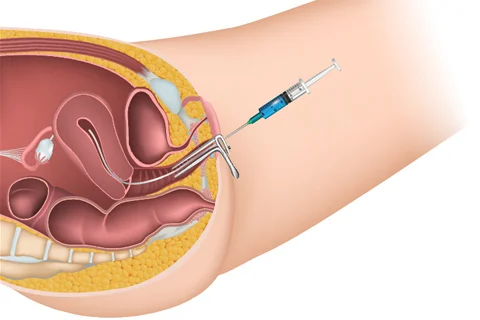
If fertility medications are not successful, or if there are underlying medical conditions that prevent pregnancy, surgical treatments may be recommended. These treatments can include procedures such as intrauterine insemination (IUI), in vitro fertilization (IVF), and surgical interventions like laparoscopy or hysteroscopy. While surgical treatments can offer higher success rates, they also come with their own emotional impact.
One of the most significant emotional impacts of surgical treatments is the financial burden. These treatments can be expensive, and often require multiple rounds before success. This can lead to added stress and pressure, as individuals and couples try to navigate the financial aspect of fertility treatments.

The Emotional Impact of Fertility Medications vs Surgical Treatments
Another emotional impact of surgical treatments is the physical toll it takes on the body. These procedures can be invasive and require a recovery period, which can be emotionally taxing for individuals. In addition, the uncertainty of whether the treatment will be successful or not can also contribute to feelings of anxiety and stress.
Coping with Fertility Treatments:
Dealing with the emotional impact of fertility treatments can be difficult, but there are ways to cope with these challenges. One of the most important things is to seek emotional support. Whether it is from a partner, family member, or therapist, having someone to talk to and lean on can make a significant difference in managing the emotional rollercoaster of fertility treatments.
It is also essential to prioritize self-care during this time. Fertility treatments can be physically and emotionally draining, so it is crucial to take care of oneself. This can involve engaging in activities that bring joy and relaxation, such as yoga, meditation, or spending time with loved ones.
Additionally, it is essential to have realistic expectations and be prepared for potential setbacks. Fertility treatments can be a long and challenging journey, and it is crucial to acknowledge that there may be bumps along the way. Having a support system and being mentally prepared for these challenges can help individuals cope better with the emotional impact of fertility treatments.
In conclusion, fertility medications and surgical treatments can have a significant emotional impact on individuals seeking to conceive. While fertility medications can lead to mood swings and a loss of control, surgical treatments can bring financial and physical stress. However, with the right support and coping strategies, individuals can navigate these emotional challenges and continue their journey towards building a family.
SEO metadata: