Tag: parenting

  • The Debate on Disclosure: Should Donor-Conceived Children Know Their Biological Father?

    The use of assisted reproductive technology has become increasingly common in today’s society, resulting in a growing number of donor-conceived children. These children are conceived through the use of donated sperm, eggs, or embryos, and often have little to no information about their biological parents. This raises a significant debate on whether donor-conceived children should have the right to know and have a relationship with their biological father.

    On one hand, many argue that it is a child’s fundamental right to know their genetic origins and have a relationship with their biological father. The argument is based on the belief that it is essential for a child’s identity and well-being to know where they come from and have a complete understanding of their family history. This can also help them better understand and potentially address any hereditary health concerns.

    Furthermore, proponents of disclosure argue that keeping secrets from children can have negative psychological effects. When children are not told the truth about their origins, it can lead to feelings of confusion, betrayal, and a lack of trust. As they grow older and discover the truth on their own, it can cause significant emotional distress and harm the relationship with their parents.

    On the other hand, there are those who believe that donor-conceived children do not have the right to know their biological father. They argue that the donor’s role in the child’s life was solely to provide genetic material and that the intended parents are the only ones who should have a relationship with the child. Additionally, some argue that revealing the truth to the child can disrupt the family dynamic and potentially harm the child’s relationship with their non-biological parent.

    Religious and ethical considerations also play a significant role in the debate on disclosure. Some religious groups believe that creating a child through assisted reproductive technology is against the natural order of procreation and goes against their beliefs. Therefore, they may argue against disclosure to prevent the child from learning the truth and questioning their beliefs.
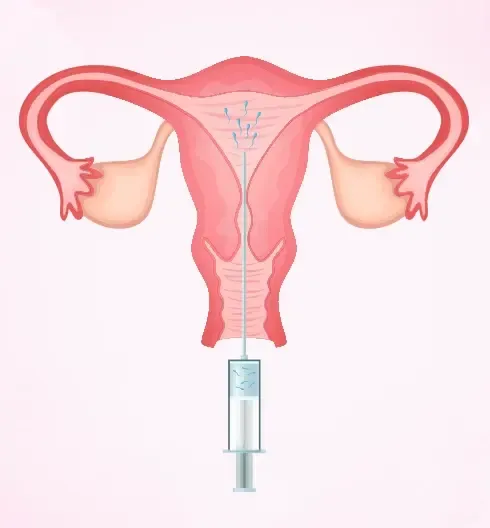
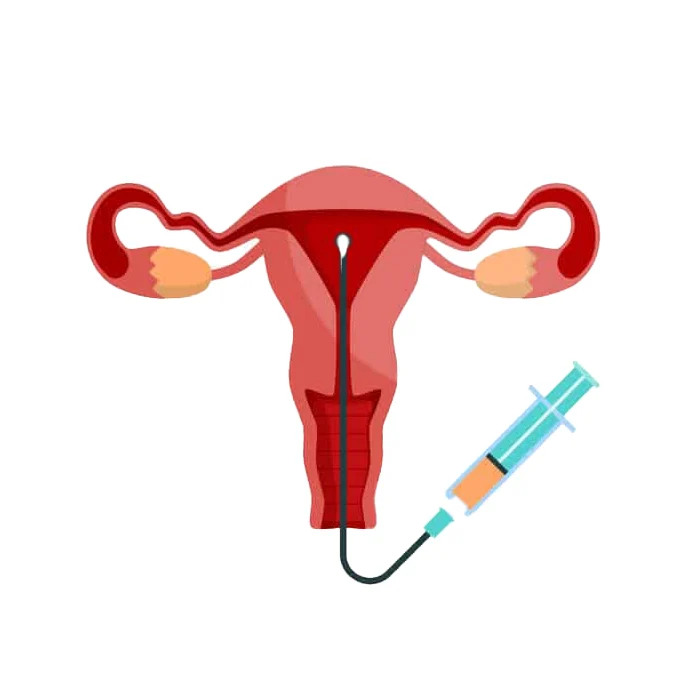
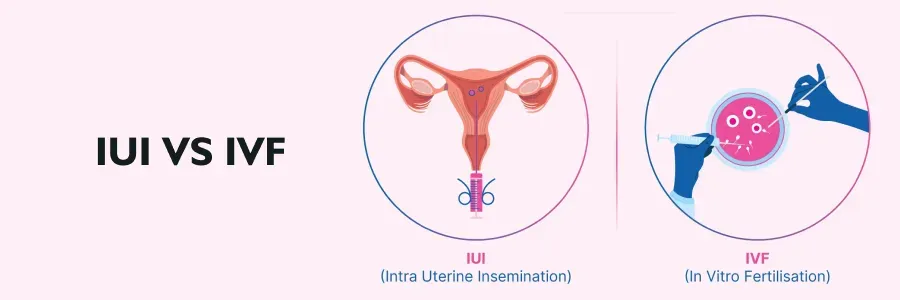
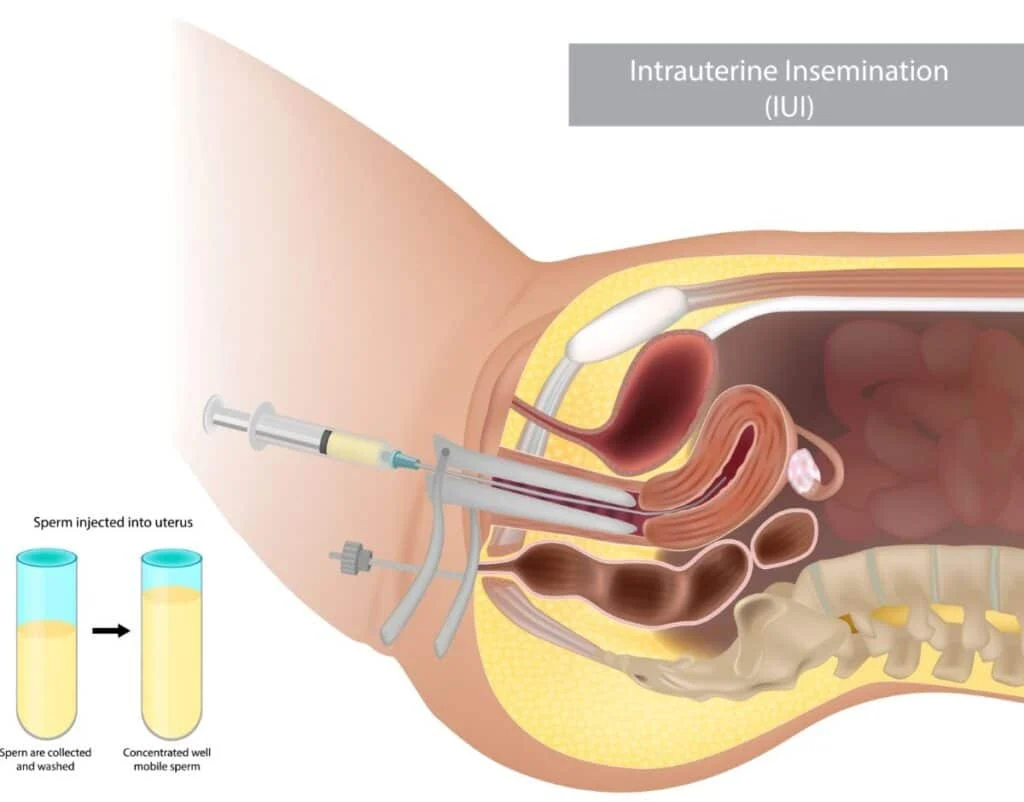
    Illustration of a uterus with a syringe indicating an intrauterine insemination procedure.

    The Debate on Disclosure: Should Donor-Conceived Children Know Their Biological Father?

    Another factor to consider is the legal aspect of disclosure. Laws regarding disclosure vary greatly from country to country and even within different states or provinces. In some places, donors have the right to remain anonymous, and the intended parents have no legal obligation to disclose the child’s origins. In other areas, donors are required to provide identifying information, and children have the right to access this information once they reach a certain age.

    In recent years, there has been a shift towards more openness and transparency in donor-conception. Many countries have implemented laws that allow donor-conceived children to access their genetic information and potentially have a relationship with their biological father. This has led to the creation of online platforms and registries that connect donors, donor-conceived children, and their families.

    Despite the ongoing debate on disclosure, there is a growing consensus that it is essential to have open and honest communication within families. While some may argue that it is not necessary for the child to know their biological father, it is crucial for parents to have these discussions and come to a decision together. It is also essential for parents to prepare for potential questions and have age-appropriate conversations with their children about their origins.

    In conclusion, the debate on disclosure of donor-conceived children’s biological father is a complex one with valid arguments on both sides. While it is crucial to respect the privacy and rights of all parties involved, the well-being and best interests of the child should remain the top priority. Ultimately, it is up to each family to determine what is best for them, but open and honest communication is key in navigating this sensitive topic.

    Summary: The use of assisted reproductive technology has led to a debate on whether donor-conceived children should know and have a relationship with their biological father. While some argue it is a child’s right to know their genetic origins, others believe it is not necessary. Factors such as legal, ethical, and religious considerations play a significant role in the discussion. However, the importance of open and honest communication within families is crucial in navigating this sensitive topic.
  • The Debate on Nature vs Nurture in Sperm Banks vs Known Donors

    The Debate on Nature vs Nurture in Sperm Banks vs Known Donors

    When it comes to starting a family, there are many options available for those who are unable to conceive naturally. One of these options is the use of sperm donors, which can come from either sperm banks or known donors. However, this raises the age-old debate of nature vs nurture – do genetics or the environment play a bigger role in a child’s development? In this blog post, we will explore the different perspectives on this debate in the context of sperm banks and known donors.

    Nature vs Nurture: A Brief Overview

    The nature vs nurture debate has been ongoing for centuries, with philosophers, psychologists, and scientists all weighing in on the topic. The nature side argues that genes and biological factors determine a person’s behavior and characteristics, while the nurture side believes that environmental factors and experiences shape a person’s development.

    In terms of child development, the debate often centers around the role of genetics and parenting in shaping a child’s personality, intelligence, and behavior. And this debate becomes even more complex when it comes to the use of sperm donors, where the genetic makeup of the child is greatly influenced by the donor.

    Sperm Banks: The Nature Perspective

    Sperm banks are institutions that collect and store donated sperm, which can then be used for artificial insemination or in vitro fertilization. The donors are usually anonymous, and recipients can choose a donor based on physical characteristics, education, and other factors.

    From a nature perspective, sperm banks provide a way for parents to select a donor with desirable genetic traits. This can include physical characteristics like height, hair and eye color, as well as educational background and health history. By choosing a donor with certain traits, parents hope to pass on those traits to their child, leading to a predetermined nature-based outcome.

    However, this perspective also raises concerns about the potential for eugenics – the idea of selectively breeding individuals based on desired traits. It also overlooks the impact that the environment and parenting can have on a child’s development.

    Known Donors: The Nurture Perspective

    Illustration of the uterus with a syringe, depicting the intrauterine insemination procedure.

    The Debate on Nature vs Nurture in Sperm Banks vs Known Donors

    Known donors, on the other hand, are individuals who donate sperm directly to a recipient, often a single woman or a same-sex couple. In this case, the donor’s identity is known, and they may play a role in the child’s life as a father figure.

    From a nurture perspective, known donors provide an opportunity for the child to have a relationship with their biological father, which can have a significant impact on their development. This relationship can also provide a sense of identity and belonging for the child.

    However, this perspective also raises concerns about the potential for conflict and confusion in the child’s life, especially if the donor is involved in parenting decisions. It also overlooks the fact that the donor’s genetics still play a role in the child’s development, regardless of their level of involvement.

    Nature vs Nurture in Sperm Banks vs Known Donors: Finding a Balance

    The truth is, both nature and nurture play a role in a child’s development, and neither should be disregarded in the debate. Sperm banks and known donors offer different options for individuals or couples looking to start a family, and the decision ultimately depends on personal beliefs and preferences.

    However, finding a balance between nature and nurture is key in ensuring a child’s overall well-being. Parents who use sperm banks can still provide a nurturing environment for their child, while those who use known donors can still consider the genetic aspects of their child’s development.

    Moreover, the debate on nature vs nurture should not overshadow the importance of a child’s individuality and the unique combination of genetic and environmental factors that shape them.

    In conclusion, the debate on nature vs nurture in sperm banks vs known donors is complex and multifaceted. While sperm banks offer a way to select for desirable genetic traits, known donors provide the opportunity for a child to have a relationship with their biological father. Ultimately, the most important factor is the love and care that parents provide for their child, regardless of the method of conception.

    Summary:

    The use of sperm donors, whether from sperm banks or known donors, raises the age-old debate of nature vs nurture – do genetics or the environment play a bigger role in a child’s development? Sperm banks provide a way to select for desirable genetic traits, while known donors offer the opportunity for a child to have a relationship with their biological father. Ultimately, finding a balance between nature and nurture is key in ensuring a child’s overall well-being, and the most important factor is the love and care that parents provide for their child.

  • The Role of the Surrogate Mother in Traditional and Gestational Surrogacy

    Blog Post Title: The Role of the Surrogate Mother in Traditional and Gestational Surrogacy

    Surrogacy, the practice of a woman carrying and giving birth to a child for another individual or couple, has become increasingly popular in recent years as a way for individuals or couples to fulfill their dreams of having a child. While there are different types of surrogacy, two of the most common are traditional and gestational surrogacy. In both cases, the surrogate mother plays a crucial role in the surrogacy process. In this blog post, we will delve into the roles and responsibilities of a surrogate mother in traditional and gestational surrogacy.

    Traditional Surrogacy:
    Traditional surrogacy, also known as genetic or partial surrogacy, involves the surrogate mother using her own egg to conceive the child. In this type of surrogacy, the surrogate mother is also the biological mother of the child. The process usually involves artificial insemination, where the sperm of the intended father or a donor is injected into the surrogate mother’s uterus.

    The Role of the Surrogate Mother:
    In traditional surrogacy, the surrogate mother has a significant role in the child’s conception and birth. She will undergo medical and psychological screenings to ensure that she is physically and emotionally capable of carrying a child. Once she is deemed suitable, she will then undergo fertility treatments to prepare her body for pregnancy.

    During the pregnancy, the surrogate mother will receive regular prenatal care and will be responsible for maintaining a healthy lifestyle to ensure the well-being of the child. She will also have to adhere to any medical instructions given by the fertility clinic or the intended parents. As the biological mother, she may also experience a strong emotional connection to the child, which can make the process more challenging for her.

    Legal Responsibilities:
    In traditional surrogacy, the surrogate mother also has legal responsibilities towards the child. As the biological mother, she has the right to keep the child if she chooses to do so. This is why it is crucial to have a legally binding contract in place before starting the surrogacy process. The surrogate mother will have to relinquish her parental rights to the intended parents, and they will become the legal parents of the child.

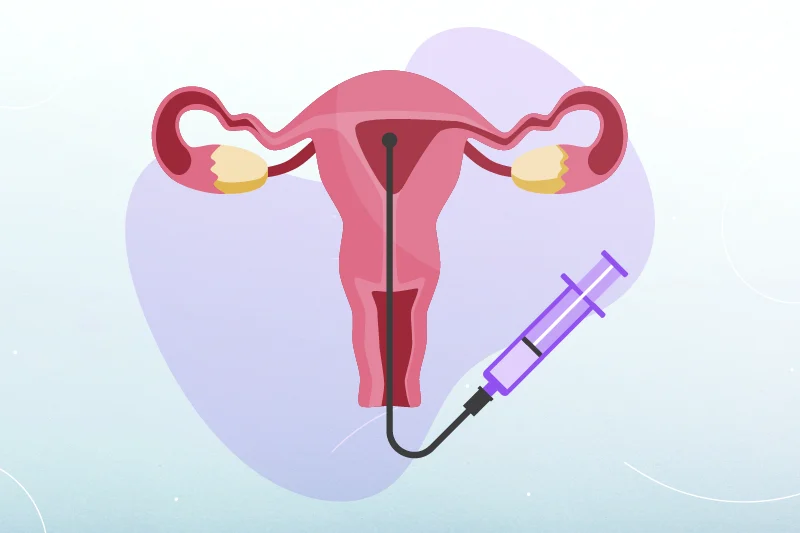
    Diagram illustrating intrauterine insemination (IUI) procedure with sperm injection into the uterus.

    The Role of the Surrogate Mother in Traditional and Gestational Surrogacy

    Gestational Surrogacy:
    Gestational surrogacy, also known as full surrogacy, is a more common form of surrogacy. In this type of surrogacy, the surrogate mother is not biologically related to the child. The intended parents’ egg and sperm are used, and the fertilized embryo is transferred to the surrogate mother’s uterus through in vitro fertilization (IVF).

    The Role of the Surrogate Mother:
    In gestational surrogacy, the surrogate mother’s role is primarily to carry and give birth to the child. She will still undergo medical and psychological screenings to ensure that she is a suitable candidate for surrogacy. However, since she is not the biological mother, she may have a less emotional connection to the child, making the process more manageable for her.

    During the pregnancy, the surrogate mother will receive regular prenatal care and will be responsible for following any medical instructions given by the fertility clinic or the intended parents. She will also have to make lifestyle changes to ensure the health of the child. The intended parents may also wish to involve the surrogate mother in the pregnancy, such as attending doctor’s appointments or being present during the birth.

    Legal Responsibilities:
    In gestational surrogacy, the surrogate mother does not have any legal rights or responsibilities towards the child. The intended parents will be the child’s legal parents from the moment of conception. This is why it is essential to have a legally binding agreement in place to avoid any potential legal issues in the future.

    The Emotional and Physical Toll on Surrogate Mothers:
    Both traditional and gestational surrogacy can take a significant emotional and physical toll on the surrogate mother. The process of carrying someone else’s child can be emotionally challenging, and the physical toll of pregnancy and childbirth should not be underestimated. It is crucial for the intended parents to provide emotional support and ensure that the surrogate mother’s needs are met throughout the process.

    In conclusion, the role of the surrogate mother is crucial in both traditional and gestational surrogacy. They play a significant part in helping individuals or couples fulfill their dreams of having a child. Whether it is the genetic connection in traditional surrogacy or the physical support in gestational surrogacy, the surrogate mother’s role is invaluable. It is essential to have a clear understanding of the responsibilities and legal aspects of surrogacy to ensure a successful and positive experience for all parties involved.

    Summary:
    In this blog post, we discussed the roles and responsibilities of a surrogate mother in traditional and gestational surrogacy. In both types of surrogacy, the surrogate mother plays a crucial role in the conception and birth of the child. In traditional surrogacy, she is the biological mother of the child, while in gestational surrogacy, she carries the child for the intended parents. The surrogate mother also has legal responsibilities towards the child, which is why it is essential to have a legally binding contract in place. Surrogacy can take an emotional and physical toll on the surrogate mother, and it is crucial for the intended parents to provide support and meet their needs throughout the process.

  • Breaking the Stigma: Traditional vs. Gestational Surrogacy

    Breaking the Stigma: Traditional vs. Gestational Surrogacy

    Surrogacy is a method of assisted reproduction where a woman carries and gives birth to a child for another person or couple. While it has been around for centuries, it has only recently gained more attention and acceptance in society. However, there are still many misconceptions and stigmas surrounding surrogacy, particularly when it comes to traditional surrogacy versus gestational surrogacy. In this blog post, we will explore the differences between these two types of surrogacy and break the stigma surrounding them.

    Traditional Surrogacy

    Traditional surrogacy, also known as genetic or partial surrogacy, is when the surrogate mother uses her own egg to become pregnant. This egg is fertilized with the intended father’s sperm through intrauterine insemination (IUI) or in-vitro fertilization (IVF). As a result, the surrogate mother is both the biological and gestational mother of the child.

    One of the main stigmas surrounding traditional surrogacy is the perceived lack of control over the genetic makeup of the child. Since the surrogate mother is using her own egg, there is a possibility that she may have a genetic connection to the child. This can lead to concerns about the surrogate mother wanting to keep the child or having a difficult time giving the child up after birth. However, it is important to note that all parties involved in the surrogacy process sign a legal contract outlining their rights and responsibilities, and the intended parents have full legal custody of the child.

    Another stigma surrounding traditional surrogacy is the potential for emotional attachment between the surrogate mother and the child. This is often fueled by the belief that the surrogate mother is “giving up” her own child. However, most surrogate mothers enter into the process with a clear understanding that the child is not biologically theirs and that they are helping another family create a family. In fact, many surrogate mothers have their own children and are excited to help others experience the joy of parenthood.

    Gestational Surrogacy

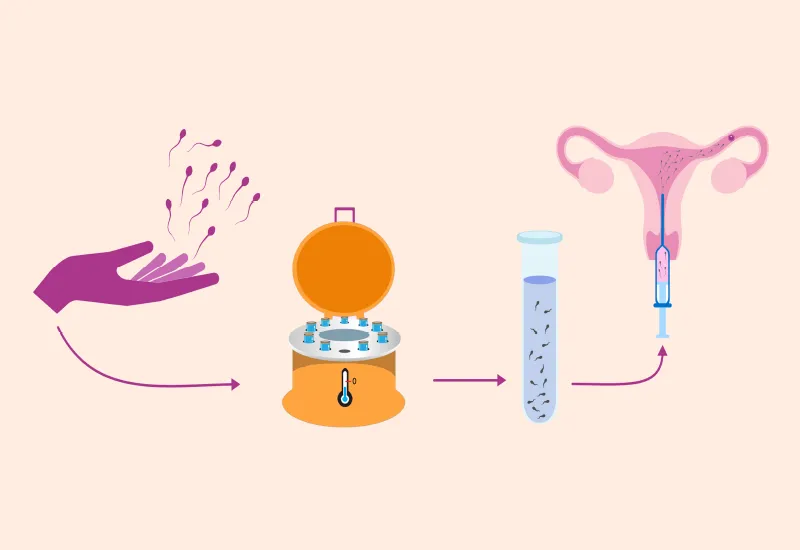
    illustration of the IUI process, showing sperm collection, preparation, and insertion into the uterus

    Breaking the Stigma: Traditional vs. Gestational Surrogacy

    Gestational surrogacy, also known as full surrogacy, is when the surrogate mother carries the pregnancy but is not genetically related to the child. In this process, the intended parents’ egg and sperm are fertilized in a laboratory through IVF, and the resulting embryo is then transferred to the surrogate mother’s uterus.

    One of the main stigmas surrounding gestational surrogacy is the perceived lack of emotional connection between the surrogate mother and the child. Since the surrogate mother is not genetically related to the child, some may believe that she may not bond with the child as she would with her own biological child. However, many gestational surrogate mothers have reported feeling a strong emotional connection to the child throughout the pregnancy, as they carry and nurture the child for nine months.

    Another stigma surrounding gestational surrogacy is the belief that it is only for the wealthy. With the high costs of IVF and surrogacy, many may assume that only the wealthy can afford this option. However, there are various financial options and resources available, such as surrogacy agencies and grants, to make gestational surrogacy more accessible to those who may not have the financial means to pursue it.

    Breaking the Stigma

    Both traditional and gestational surrogacy have their own unique processes and challenges, but they both serve the same purpose – to help create families. As with any family-building option, there are risks and challenges involved, but the end result is often worth it for the intended parents. It is important to understand that surrogacy is a selfless act and not a means for financial gain. Surrogate mothers are motivated by the desire to help others and to make a positive impact in someone’s life.

    In recent years, there has been a shift in public perception of surrogacy, with more people understanding and accepting it as a viable option for building families. However, there is still a long way to go in breaking the stigma surrounding traditional and gestational surrogacy. By educating ourselves and others about the process and the motivations behind it, we can help break down these stigmas and support those who choose surrogacy as their path to parenthood.

    In summary, traditional and gestational surrogacy are two different methods of assisted reproduction that have their own unique processes and challenges. Traditional surrogacy involves the surrogate mother using her own egg, while gestational surrogacy involves the use of the intended parents’ egg and sperm. Both types of surrogacy are viable options for those who cannot carry a child on their own, and it is important to break the stigmas surrounding them and support those who choose surrogacy as their path to parenthood.

  • Surrogacy vs Adoption: What’s Best for the Child?

    Surrogacy and adoption are two methods of creating a family for couples who are unable to have children on their own. While both options have their own unique advantages and challenges, the ultimate decision should always be based on what is best for the child. In this blog post, we will explore the differences between surrogacy and adoption, and discuss the various factors that should be considered when making this important decision.

    Surrogacy is a process in which a woman carries and gives birth to a child on behalf of another couple or individual. This can either be through traditional surrogacy, where the surrogate’s own egg is used, or gestational surrogacy, where the embryo is created using the intended parents’ egg and sperm. On the other hand, adoption is the legal process of assuming the parental rights and responsibilities of a child who is not biologically related to the adoptive parents.

    One of the main arguments in favor of surrogacy is the genetic link between the child and at least one of the intended parents. For many couples, this is an important factor as they want their child to share their DNA and have a biological connection. However, this can also create complex emotional and legal issues, especially in cases of traditional surrogacy where the surrogate is genetically related to the child. In contrast, adoption offers the opportunity to provide a loving home to a child who may not have any biological ties to the adoptive parents. This can foster a strong sense of family and belonging, even without a genetic connection.

    Another consideration when deciding between surrogacy and adoption is the level of control and involvement in the pregnancy and birth process. In surrogacy, the intended parents have the ability to choose the surrogate and be involved in the pregnancy, from attending doctor’s appointments to being present at the birth. This can be a very rewarding experience for the intended parents, but it also means that they have to navigate the delicate relationship with the surrogate and respect her decisions and wishes. In adoption, the birth mother may choose the adoptive parents, but the level of involvement during the pregnancy and birth is usually limited. This can be a less emotionally charged process, but it also means that the adoptive parents have less control over the prenatal care and birth experience.

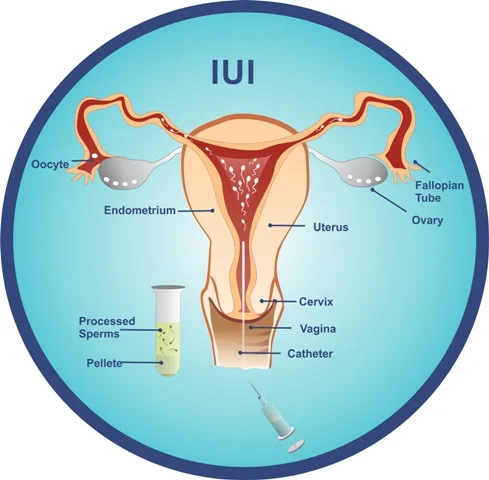
    diagram illustrating intrauterine insemination (IUI) with labeled reproductive anatomy and procedures

    Surrogacy vs Adoption: What's Best for the Child?

    The financial aspect is another important consideration when comparing surrogacy and adoption. Surrogacy can be a very expensive process, with costs ranging from $80,000 to $120,000 on average. This includes fees for the surrogate, medical expenses, legal fees, and agency fees. On the other hand, adoption costs can vary greatly, depending on whether it is a domestic or international adoption, and whether it is done through a public agency, private agency, or independently. While adoption can still be a significant financial investment, there are also resources available such as grants and tax credits to help offset the costs.

    One of the most crucial factors in deciding between surrogacy and adoption is the well-being and best interests of the child. In surrogacy, there is often a greater emphasis on the rights and needs of the intended parents, while adoption places a strong emphasis on the rights and needs of the child. Surrogacy contracts may include clauses that require the surrogate to follow specific guidelines during the pregnancy, such as avoiding certain foods or activities. This can be viewed as infringing on the surrogate’s autonomy, but it is also done in the best interest of the child. Adoption, on the other hand, involves a rigorous screening process to ensure that the adoptive parents are suitable and able to provide a safe and loving home for the child. This includes home visits, background checks, and counseling to prepare for the challenges of adoption.

    There are also some potential risks and complications associated with both surrogacy and adoption. In surrogacy, there is a risk of the surrogate developing complications during pregnancy, which can result in a higher chance of medical interventions and expenses. There is also the possibility of the surrogate changing her mind and wanting to keep the child, which can lead to a lengthy and emotionally draining legal battle. In adoption, there is a risk of the birth mother changing her mind before the adoption is finalized, which can be devastating for the adoptive parents. There is also the risk of the adopted child experiencing emotional or behavioral issues due to their history or traumatic experiences before adoption.

    In conclusion, both surrogacy and adoption have their own set of advantages and challenges, and the decision ultimately comes down to what is best for the child. It is important for couples to carefully consider all factors, including their personal preferences, financial situation, and the well-being of the child. Whether it is through surrogacy or adoption, the ultimate goal should always be to provide a loving and stable home for a child in need.

  • The Surrogacy vs Adoption Debate: Finding Common Ground

    The Surrogacy vs Adoption Debate: Finding Common Ground

    The decision to start a family is a life-changing and deeply personal one. For many couples and individuals, the traditional path to parenthood is not always feasible. This has led to an ongoing debate between surrogacy and adoption as alternative means of building a family. Both options have their own benefits and challenges, and the debate between the two can often be divisive. However, it is important to find common ground and have a deeper understanding of both surrogacy and adoption in order to make an informed decision. In this blog post, we will explore the surrogacy vs adoption debate and the potential for finding common ground between the two options.

    Understanding Surrogacy

    Surrogacy is the process of using a third party, known as a surrogate, to carry and give birth to a child for a couple or individual who is unable to conceive or carry a child themselves. There are two types of surrogacy: traditional surrogacy, where the surrogate’s egg is used, and gestational surrogacy, where the intended parent’s sperm and egg are used. Surrogacy is a complex and expensive process, involving legal contracts, medical procedures, and emotional considerations. However, for many people, it offers a chance to have a biological child and experience pregnancy and childbirth.

    Pros of Surrogacy

    One of the main benefits of surrogacy is the ability to have a biological child. For couples or individuals who are unable to conceive or carry a child themselves, surrogacy provides a way to have a child who shares their DNA. This can be a major factor in the decision-making process for those considering surrogacy. Additionally, surrogacy allows intended parents to be involved in the pregnancy and childbirth process, which can be a deeply meaningful experience for many.

    Cons of Surrogacy

    Surrogacy also has its challenges and drawbacks. The cost of surrogacy can be a major barrier for many, with the average cost in the United States ranging from $80,000 to $120,000. This high cost can make surrogacy inaccessible for many people, especially those who are already facing financial challenges due to infertility or other factors. Additionally, the legal and emotional complexities of surrogacy can be overwhelming for both the intended parents and the surrogate, and there is always a risk of legal disputes or emotional strains arising during the process.

    Understanding Adoption

    Adoption is the process of legally assuming the parental rights and responsibilities for a child who is not biologically related to the adoptive parents. There are several types of adoption, including domestic, international, and foster care adoption. Adoption offers a way for individuals and couples to become parents and provide a loving home for a child in need. However, it also comes with its own set of challenges and considerations.

    Pros of Adoption

    diagram illustrating intrauterine insemination (IUI) procedure with uterus, sperm, and catheter labeled

    The Surrogacy vs Adoption Debate: Finding Common Ground

    One of the main benefits of adoption is the ability to provide a child with a loving and stable home. Adoption offers a chance for children who may not have a permanent family to have a sense of belonging and security. Additionally, adoption can be a more affordable option compared to surrogacy, with the average cost in the United States ranging from $20,000 to $40,000. This can make adoption a more accessible option for many people.

    Cons of Adoption

    Adoption also has its challenges and limitations. One of the main drawbacks is the lack of genetic connection between the child and the adoptive parents. This can be a significant factor for those who are considering adoption, as it may impact the bonding and attachment process. Additionally, the adoption process can be lengthy and emotionally taxing, as it involves navigating legal and bureaucratic procedures and often requires prospective parents to go through extensive screening and background checks.

    Finding Common Ground

    The surrogacy vs adoption debate often pits these two options against each other, with each side arguing for their own merits. However, it is important to recognize that both surrogacy and adoption offer unique benefits and challenges, and there is potential to find common ground between the two.

    For couples or individuals who are considering surrogacy, it is important to acknowledge the challenges and complexities of the process and be prepared to address them. This includes having open and honest communication with the surrogate and understanding the legal and financial implications of surrogacy. Additionally, it is important to consider the potential emotional impact on all parties involved and have a support system in place.

    On the other hand, for those considering adoption, it is important to recognize the importance of genetic connection and the potential challenges of bonding with a child who is not biologically related. It is also crucial to have a realistic understanding of the adoption process and be prepared for the emotional rollercoaster it may entail. Having a support system and seeking guidance from experienced adoptive parents can also be helpful in navigating the process.

    Ultimately, the decision between surrogacy and adoption should not be a competition, but rather a personal and informed choice that takes into consideration individual circumstances and preferences. It is important to have a deeper understanding of both options and to seek guidance and support from professionals and those who have gone through similar experiences.

    In conclusion, the surrogacy vs adoption debate is a complex and emotional one, but there is potential to find common ground and have a deeper understanding of both options. Whether it is surrogacy or adoption, the ultimate goal is to provide a loving and stable home for a child and to fulfill the desire to become a parent. By recognizing the benefits and challenges of both options, individuals and couples can make an informed decision that is best for them and their future family.

    Summary:

    The debate between surrogacy and adoption as alternative means of building a family can often be divisive. However, it is important to find common ground and have a deeper understanding of both options in order to make an informed decision. Surrogacy offers the ability to have a biological child, while adoption allows for providing a loving home for a child in need. Both options have their own benefits and challenges, and it is crucial to acknowledge and prepare for them. Ultimately, the decision between surrogacy and adoption should not be a competition, but rather a personal and informed choice that takes into consideration individual circumstances and preferences.

  • The Surrogacy vs Adoption Decision: A Couple’s Journey

    Becoming parents is a dream shared by many couples. However, for some, the journey to parenthood may not be as straightforward as they had hoped. Infertility, medical conditions, or personal reasons may make it difficult or impossible for a couple to conceive a child naturally. In such situations, couples may consider two options: surrogacy or adoption. Both options have their own unique set of challenges and rewards, and the decision can be a difficult one to make. In this blog post, we will dive into the surrogacy vs adoption decision and explore the journey of a couple as they navigate this important choice.

    First, let’s define surrogacy and adoption. Surrogacy is the process of using a surrogate, a woman who carries and gives birth to a child for another couple or individual. There are two types of surrogacy: traditional and gestational. Traditional surrogacy involves using the surrogate’s own egg, while gestational surrogacy uses the intended mother’s or a donor’s egg. On the other hand, adoption is the legal process of becoming the parent of a child who is not biologically related to you. It involves taking on the responsibility of raising and caring for a child as your own.

    Now, let’s meet the couple at the center of this decision – Sarah and John. Sarah and John have been married for 5 years and have always dreamed of having a family. However, after trying to conceive for a few years, they were told by their doctor that Sarah has a medical condition that makes it difficult for her to carry a pregnancy to full term. Devastated by this news, Sarah and John were faced with the difficult decision of choosing between surrogacy and adoption.

    Like many couples in their situation, Sarah and John were overwhelmed with emotions and faced with many questions. They wondered about the cost, the legal aspects, and the emotional impact of both options. They also had concerns about how they would bond with a child who was not biologically related to them. The couple spent many sleepless nights discussing and researching both options, trying to find the best path for them.

    After much contemplation, Sarah and John decided to explore surrogacy first. They were drawn to the idea of having a biological connection to their child and the ability to be involved in the pregnancy and birth. However, as they delved deeper into the process, they realized the high cost of surrogacy and the potential legal complications involved. They also had concerns about the relationship and boundaries with the surrogate, and how to explain the process to their child in the future.

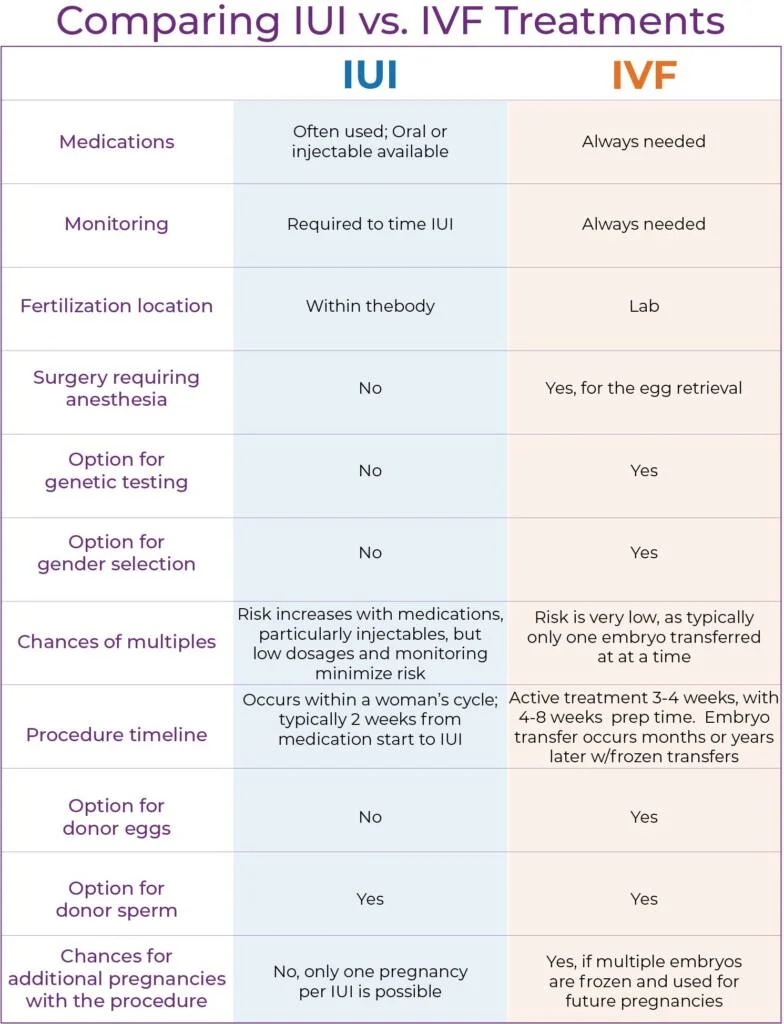
    Comparison chart of IUI and IVF treatments, detailing medications, monitoring, procedures, and success rates.

    The Surrogacy vs Adoption Decision: A Couple's Journey

    Feeling overwhelmed and unsure, Sarah and John decided to take a step back and consider adoption. They attended an information session at a local adoption agency and were surprised to learn about the different types of adoption – domestic, international, and foster care. They were also relieved to discover that there were financial and emotional support available for adoptive families. After much research and reflection, Sarah and John decided to pursue domestic adoption.

    Their journey towards adoption was not without its challenges. They went through a thorough screening process and had to wait for several months before they were matched with a birth mother. During this time, they also had to deal with the emotions of potential matches falling through and the fear of not being chosen by a birth mother. However, when they finally received the call that a birth mother had chosen them, they were overwhelmed with joy and gratitude.

    As Sarah and John welcomed their daughter into their family, they realized that the love they had for her was just as strong as if she were biologically related to them. They also found that the adoption process had brought them closer as a couple and they were grateful for the support and guidance they received from their agency throughout the process.

    In the end, Sarah and John’s journey to parenthood was not an easy one, but it was worth it. They had explored both surrogacy and adoption and found that each option had its own set of challenges and rewards. Their decision to pursue adoption had led them to their beautiful daughter, and they were grateful for the opportunity to become parents.

    In summary, the surrogacy vs adoption decision is a complex and personal one. There is no right or wrong answer, and each couple must weigh their options carefully to find the best fit for their family. Both surrogacy and adoption have their own unique challenges and rewards, and it’s important for couples to do their research and seek guidance before making a decision. For Sarah and John, their journey towards parenthood through adoption was a challenging but ultimately rewarding experience, and they couldn’t be happier with their decision.

    In conclusion, the decision between surrogacy and adoption is a deeply personal one for couples facing infertility or other challenges in starting a family. By exploring the pros and cons of each option, doing thorough research, and seeking support, couples can make an informed decision that is best for them and their future family.

  • The Emotional Rollercoaster: Surrogacy vs Adoption

    The journey to parenthood is often filled with unexpected twists and turns, and for many couples, the decision to have children comes with its own unique set of challenges. For some, the path to starting a family may involve surrogacy or adoption, both of which can be emotional rollercoasters. In this blog post, we will delve into the complexities of surrogacy and adoption, exploring the emotional aspects of each journey and the important factors to consider when making such a life-changing decision.

    Surrogacy is a process in which a woman carries and gives birth to a child for another individual or couple. This can be done through traditional surrogacy, where the surrogate uses her own egg and is artificially inseminated with the intended father’s sperm, or through gestational surrogacy, where the surrogate carries a child created with the intended parents’ egg and sperm or through a donor egg and sperm. In both cases, the surrogate has no genetic connection to the child she carries.

    Adoption, on the other hand, is the legal process by which an individual or couple becomes the legal parent(s) of a child who is not biologically their own. This can be done through domestic adoption, where a child is adopted within the same country, or through international adoption, where a child is adopted from another country.

    Both surrogacy and adoption offer the opportunity to become parents, but the emotional journey and implications of each decision can be vastly different. Let’s explore the emotional rollercoaster of surrogacy and adoption and the factors that may influence a couple’s decision.

    The Desire to Have a Biological Connection

    For many individuals or couples, the desire to have a biological connection to their child is a significant factor in their decision to pursue surrogacy or adoption. Surrogacy allows for a genetic connection to the child, as the intended parents can use their own genetic material or that of a donor. This can be a comforting thought for those who want a child that is biologically related to them.

    On the other hand, adoption may not offer this biological connection, as the child may have a different genetic makeup and background. This can be a source of grief for some couples and may lead them to consider surrogacy as an option.

    The Emotional Journey of Surrogacy

    The process of surrogacy can be an emotional rollercoaster for all parties involved. For the intended parents, there may be feelings of excitement, hope, and anxiety as they embark on this journey to parenthood. They may also experience fear and uncertainty as they navigate the legal and medical aspects of the process.

    For the surrogate, there may be a mix of emotions as well. While she is helping someone else achieve their dream of becoming a parent, she may also experience a sense of loss as she carries a child that is not biologically her own. This can be especially difficult in cases of traditional surrogacy, where the surrogate has a genetic connection to the child she carries.

    During the pregnancy, both the intended parents and the surrogate may experience a range of emotions as they anticipate the birth of the child. For the intended parents, there may be a sense of joy and anticipation as they prepare to meet their child. However, there may also be feelings of guilt and worry as they rely on someone else to carry their child.

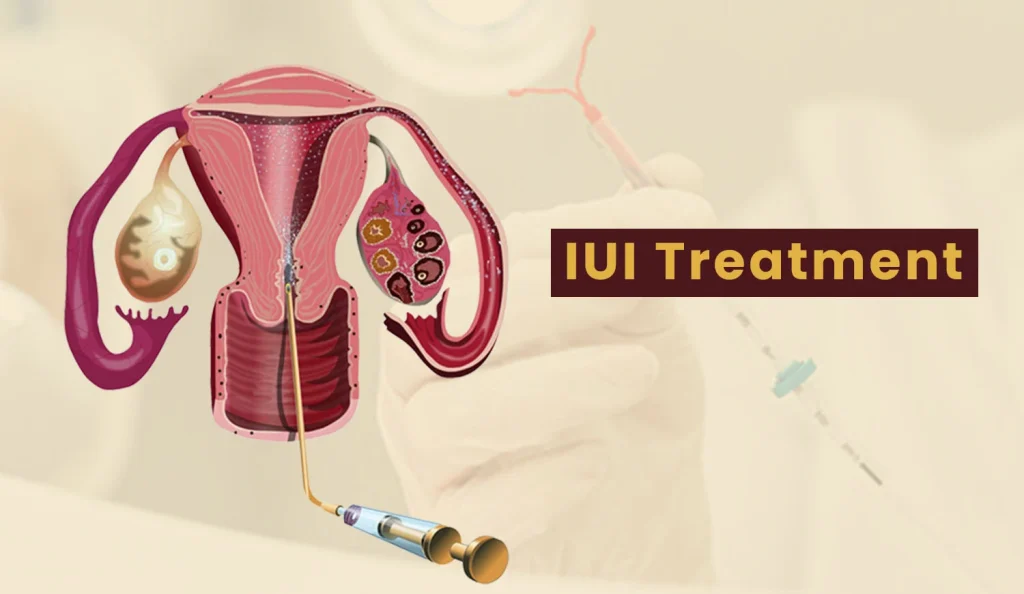
    illustration of the uterus and ovaries with a syringe, labeled "IUI Treatment" in the background

    The Emotional Rollercoaster: Surrogacy vs Adoption

    The Emotional Journey of Adoption

    Adoption can also be an emotional rollercoaster for all parties involved. For the adoptive parents, there may be feelings of excitement and joy as they welcome a child into their family. However, there may also be feelings of anxiety and uncertainty as they navigate the adoption process, which can be lengthy and complex.

    For the birth parents, the decision to place their child for adoption can be a difficult and emotional one. They may experience a sense of loss and grief as they say goodbye to their child. This can be especially challenging for birth mothers, who may have a physical and emotional bond with the child they carry.

    During the adoption process, there may also be a range of emotions for both the adoptive and birth parents. For the adoptive parents, there may be a sense of excitement and anticipation as they prepare to welcome their child into their home. However, there may also be feelings of worry and anxiety as they wait for the legal process to be finalized.

    For the birth parents, there may be a mix of emotions as well. They may feel a sense of relief knowing their child will be cared for and loved by the adoptive parents, but they may also experience feelings of sadness and loss as they say goodbye.

    Factors to Consider

    When deciding between surrogacy and adoption, there are several important factors to consider. These include the emotional journey, cost, legal implications, and the potential impact on the child.

    The emotional journey of surrogacy and adoption can be challenging, but it is important to consider how each process may affect you and your family. It is also important to assess the financial costs and legal implications of both options, as they can vary greatly.

    Additionally, the potential impact on the child should be carefully considered. In surrogacy, the child may have questions about their genetic background and may have to navigate complex family dynamics. In adoption, the child may have to process feelings of grief and loss, and may also face questions about their birth family.

    Summary:

    The decision to start a family is often filled with unexpected challenges, and for many couples, this may involve surrogacy or adoption. While both options offer the opportunity to become parents, they also come with their own emotional journey. Surrogacy allows for a genetic connection to the child, but may also involve complex family dynamics, while adoption may not offer a biological connection but can bring up feelings of loss and grief. When considering surrogacy or adoption, it is important to take into account the emotional journey, cost, legal implications, and potential impact on the child.

  • Surrogacy vs Adoption: A Psychological Perspective

    Blog Post: Surrogacy vs Adoption: A Psychological Perspective

    The decision to have a child is one of the most significant choices a person or couple can make in their lifetime. For some, this decision comes easily, while for others, it can be a long and challenging process. For those who struggle with fertility issues or cannot conceive naturally, the options of surrogacy and adoption can be considered. Both surrogacy and adoption allow individuals or couples to fulfill their desire to have a child, but they differ significantly in terms of process and psychological implications. In this blog post, we will explore the psychological perspectives of surrogacy and adoption, and the factors that may influence a person’s decision between the two.

    Surrogacy is a method of assisted reproduction in which a surrogate mother carries and delivers a baby for another individual or couple. This process involves the use of in vitro fertilization (IVF), where the egg and sperm of the intended parents or donors are fertilized in a laboratory and then transferred to the surrogate’s uterus for pregnancy and delivery. Surrogacy can be either traditional or gestational, with traditional surrogacy involving the use of the surrogate’s own egg and gestational surrogacy using a donated egg. Surrogacy is often chosen by couples or individuals who cannot carry a pregnancy themselves due to medical reasons or same-sex couples who want to have a biological connection to their child.

    On the other hand, adoption is the legal process of permanently transferring parental rights and responsibilities from the birth parents to the adoptive parents. Adoption can be domestic or international, with domestic adoption involving the placement of a child from the same country as the adoptive parents and international adoption involving the placement of a child from a different country. Adoption is often chosen by couples or individuals who are unable to conceive or carry a child, but still want to experience the joys of parenthood and provide a loving home for a child in need.

    One of the significant differences between surrogacy and adoption is the level of control and involvement in the pregnancy and birth process. In surrogacy, the intended parents are actively involved in the pregnancy, from selecting the surrogate to making decisions regarding prenatal care and being present for the birth. This level of involvement can create a sense of connection and bonding with the surrogate and the unborn child. In contrast, adoption involves a more passive role for the adoptive parents, as they have limited control over the pregnancy and birth process. This can lead to feelings of uncertainty and lack of control, as the adoptive parents must rely on the birth mother to make decisions regarding the pregnancy and birth.

    illustration of a uterus with a syringe for intrauterine insemination (IUI) procedure

    Surrogacy vs Adoption: A Psychological Perspective

    Another important factor to consider is the psychological impact on the child involved in surrogacy or adoption. In surrogacy, the child may have a genetic connection to the intended parents, but they may also have a relationship with the surrogate. This can create a complex family dynamic, and the child may struggle with issues of identity and belonging. In adoption, the child may not have a genetic connection to the adoptive parents, but they are legally recognized as their child. However, the child may also have questions about their biological family and may struggle with feelings of loss and abandonment.

    The decision between surrogacy and adoption can also be influenced by cultural and societal norms. In some cultures, adoption may be stigmatized, and the idea of raising a child who is not biologically related to the parents may be seen as taboo. This can create pressure for couples or individuals to choose surrogacy instead of adoption. On the other hand, surrogacy can also be a controversial topic, with concerns about exploitation of women and commodification of children. These societal factors can play a significant role in a person’s decision and may also impact their emotional well-being throughout the process.

    It is essential to consider the psychological implications for all parties involved in surrogacy or adoption. The intended parents may experience feelings of grief and loss if they are unable to conceive naturally and may also struggle with the idea of not carrying the child themselves. The surrogate or birth mother may also experience emotional challenges, as they must carry a child for someone else and then give the child up after birth. In adoption, the birth mother may also experience grief and loss as they must give up their child, and the adoptive parents may struggle with feelings of guilt and inadequacy, wondering if they can provide a loving and nurturing home for the child.

    In conclusion, both surrogacy and adoption are viable options for individuals or couples who are unable to conceive or carry a child on their own. Each option has its unique advantages and challenges, and the decision between the two should not be taken lightly. It is crucial for individuals or couples to consider their emotional and psychological well-being, as well as that of the child, when making this life-changing decision. Seeking support from a therapist or counselor can also be beneficial in navigating the complex emotions that may arise throughout the process.

    Summary:

    The decision between surrogacy and adoption is a complex and personal one, with significant psychological implications for all parties involved. Surrogacy involves a more active role in the pregnancy and birth process, while adoption is a more passive experience. Factors such as control, genetic connection, societal norms, and emotional well-being should all be considered when making this decision. Seeking support from a therapist or counselor can also be beneficial in navigating the complex emotions that may arise throughout the process.

  • The Surrogacy vs Adoption Debate: Who’s Right?

    The decision to start a family is one of the biggest and most life-altering choices a person can make. For some, the journey to parenthood is straightforward and natural. But for others, it can be a more complicated and emotional process. This is where the debate between surrogacy and adoption comes into play. While both options offer the opportunity to become parents, they have their own unique set of pros and cons that can leave people wondering, “Who’s right?”

    In this blog post, we will delve into the surrogacy vs adoption debate and explore the various arguments and perspectives surrounding these two methods of building a family. We will also discuss the ethical considerations and societal attitudes towards each option, as well as the emotional impact on both the intended parents and the child.

    Surrogacy: A Modern Solution to Infertility

    Surrogacy is a method of assisted reproduction where a woman, known as the surrogate, carries a child for another individual or couple, known as the intended parents. There are two types of surrogacy: traditional and gestational. In traditional surrogacy, the surrogate’s egg is fertilized with the intended father’s sperm, while in gestational surrogacy, the embryo is created using the intended parents’ genetic material or donated gametes.

    One of the main reasons why people opt for surrogacy is because they are unable to conceive naturally. This can be due to various reasons such as infertility, medical conditions, or same-sex couples. Surrogacy provides a solution for these individuals to have a biological child and experience the joys of parenthood.

    Another advantage of surrogacy is that the intended parents have a greater control over the pregnancy and birth process. They can be involved in every step, from selecting the surrogate to being present at the birth of their child. This level of involvement may provide a sense of security and satisfaction for the intended parents, as they are able to witness the development of their child from the very beginning.

    However, surrogacy also comes with its own set of challenges. One of the most significant concerns is the financial aspect. Surrogacy is an expensive process, with the cost ranging from $90,000 to $130,000 on average. This high cost can make it inaccessible for many people, especially those from lower socioeconomic backgrounds.

    Another issue that is often raised is the potential exploitation of the surrogate. Critics argue that the surrogate is being paid to carry a child and that this can lead to a commodification of both the woman and the child. There have been cases where the surrogate was forced to terminate the pregnancy or give up the child due to contractual obligations. This raises questions about the ethical implications of surrogacy and whether it is right to treat a woman’s body as a means for someone else’s reproductive needs.

    Adoption: A Selfless Act of Love

    Adoption, on the other hand, is the legal process of permanently transferring parental rights and responsibilities from the biological parents to the adoptive parents. It is often seen as a selfless act of love, where individuals or couples choose to give a child a loving and stable home.

    One of the most significant advantages of adoption is that it provides a solution for children who are in need of a permanent home. There are millions of children worldwide who are waiting to be adopted, and by choosing to adopt, individuals can make a significant impact on a child’s life.

    Adoption also offers a more affordable option compared to surrogacy. The cost of adoption can range from $0 to $50,000, with many agencies offering financial assistance and subsidies for families with lower incomes.

    Additionally, adoption allows individuals to choose from a wide range of children, including infants, older children, and even children with special needs. This flexibility allows individuals to find a child that they feel is the best fit for their family.

    Comparison of IUI and IVF with illustrations of each procedure.

    The Surrogacy vs Adoption Debate: Who's Right?

    However, the adoption process can be lengthy and emotionally taxing for the individuals involved. Adoptive parents must go through extensive screening and training, and there is always the risk of the biological parents changing their minds and wanting their child back. There are also concerns about the adoptive child’s emotional well-being and whether they will feel a sense of belonging in their new family.

    The Debate: Ethics and Attitudes

    The surrogacy vs adoption debate often boils down to ethics and societal attitudes. Both methods involve bringing a child into the world, but the circumstances and motivations behind each are different.

    One of the main arguments against surrogacy is that it promotes a “designer baby” mentality, where people can choose the characteristics of their child. This can further perpetuate the idea that certain traits or characteristics are more desirable than others, leading to discrimination and inequality.

    Adoption, on the other hand, is often seen as a more ethical and selfless choice. By giving a child a home, adoptive parents are providing a loving and stable environment for a child in need. However, there is also the concern that adoption can reinforce the idea of the “savior complex,” where adoptive parents may feel superior to the child and their birth parents.

    Societal attitudes towards surrogacy and adoption also play a role in the debate. Surrogacy is still a relatively new concept, and many people are not familiar with the process and its implications. This lack of understanding can lead to misconceptions and negative attitudes towards surrogacy. Adoption, on the other hand, has been around for centuries and is generally viewed more positively. However, there is still a stigma attached to adoption, and many adoptive families face discrimination and judgment.

    The Emotional Impact on All Parties Involved

    The surrogacy vs adoption debate also has a significant emotional impact on all parties involved. For intended parents, the journey can be filled with hope, anxiety, and uncertainty. The fear of not being able to have a child biologically can take a toll on their mental and emotional well-being. Similarly, adoptive parents may experience a range of emotions, from joy and excitement to grief and loss, as they navigate the complexities of the adoption process.

    The surrogate and the birth parents also go through their own emotional journey. For the surrogate, carrying a child for nine months and then giving them away can be a challenging experience. They may struggle with conflicting emotions of attachment and detachment. Birth parents, on the other hand, may experience feelings of guilt and grief as they give up their child for adoption.

    Ultimately, both surrogacy and adoption involve bringing a child into the world and creating a family. Each has its own unique set of challenges and benefits, and there is no right or wrong answer to the debate. It ultimately comes down to what is best for the individuals involved and their personal circumstances.

    In Conclusion

    The surrogacy vs adoption debate is a complex one with no clear winner. While surrogacy offers a way for individuals to have a biological child, adoption provides a loving home for children in need. Both options have their own ethical considerations and emotional impacts. It is important to have open and honest discussions about these methods of creating a family and to support and respect the choices of those involved.

    SEO metadata: