Exploring Natural Fertility Treatments: Intrauterine Insemination vs Timed Intercourse
For couples struggling with infertility, the idea of using assisted reproductive technologies (ART) can be daunting. These medical procedures can be expensive, invasive, and emotionally draining. As a result, many couples are turning to natural fertility treatments as a less invasive and more affordable option. In this blog post, we will explore two common natural fertility treatments: intrauterine insemination (IUI) and timed intercourse. We will discuss the process, effectiveness, and potential risks of each treatment to help you make an informed decision about which option is right for you.
Understanding Infertility and Natural Fertility Treatments
Before we dive into the specifics of IUI and timed intercourse, it’s important to understand what infertility is and how natural fertility treatments work. Infertility is defined as the inability to conceive after one year of trying for couples under 35 years old and after six months for couples over 35. It affects approximately 15% of couples worldwide and can be caused by a variety of factors, including ovulation disorders, low sperm count, blocked fallopian tubes, and age-related decline in fertility.
Natural fertility treatments aim to improve the chances of conception by working with the body’s natural processes. These treatments typically involve lifestyle changes, such as improving diet and exercise, reducing stress, and tracking ovulation. They can also include alternative therapies like acupuncture and herbal supplements. While natural fertility treatments may not work for everyone, they can be a good option for couples with unexplained infertility or for those who prefer a more holistic approach to fertility.
Intrauterine Insemination (IUI)
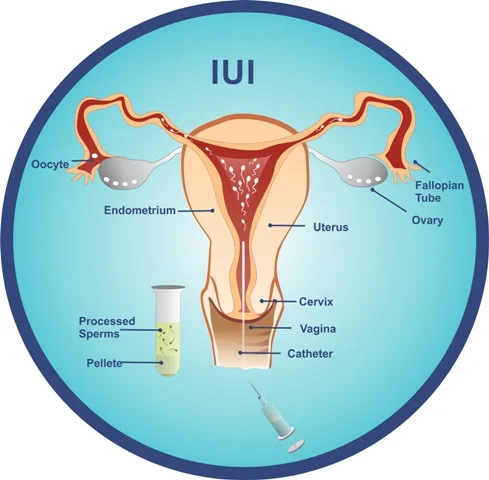
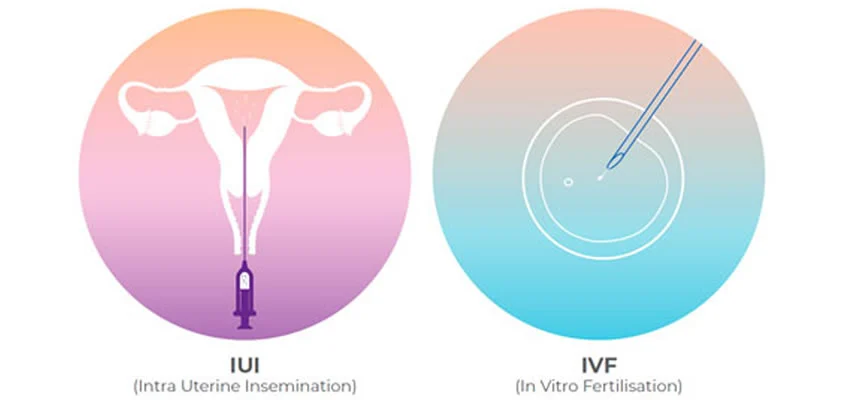
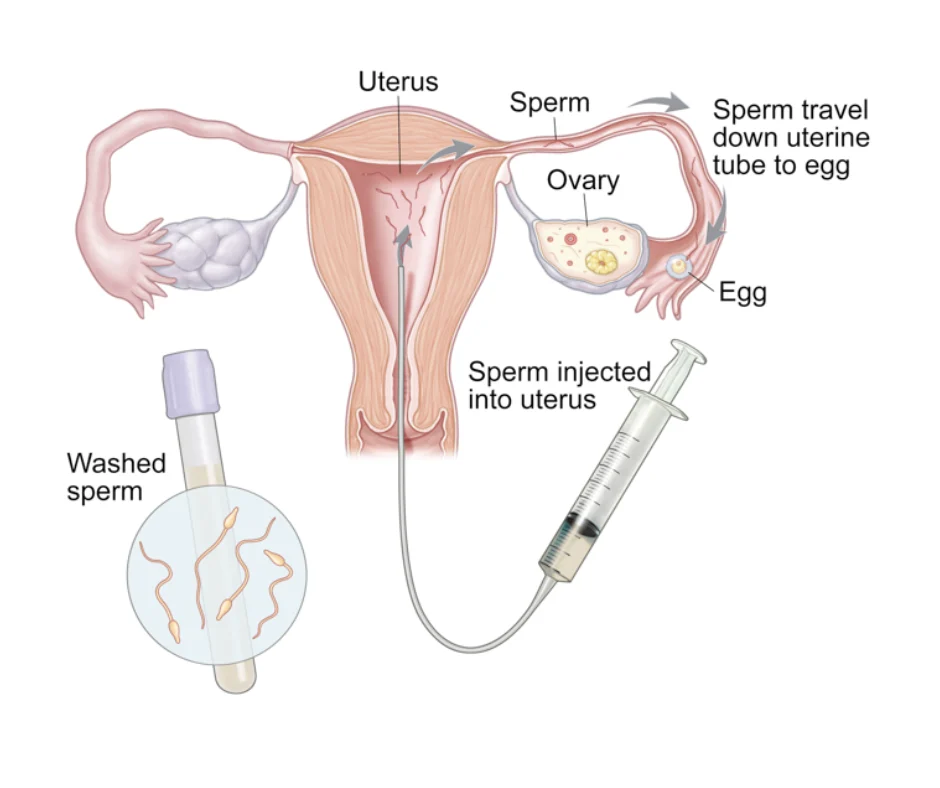
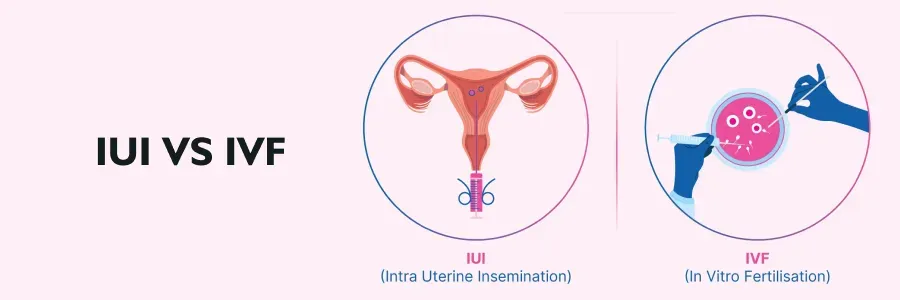
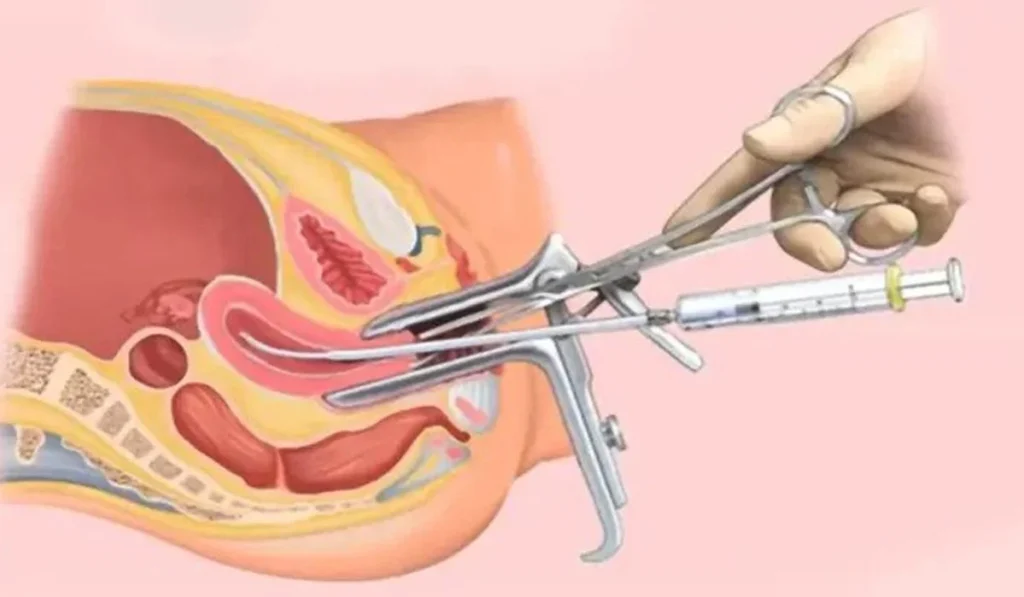
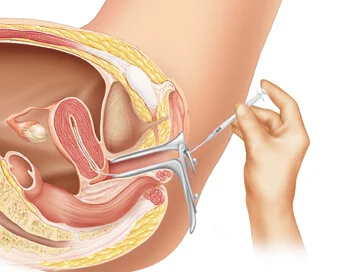
Intrauterine insemination, also known as artificial insemination, involves placing sperm directly into the uterus to increase the chances of fertilization. This procedure is typically recommended for couples with low sperm count or motility, unexplained infertility, or mild endometriosis. It can also be used by single women or same-sex couples using donor sperm.
The IUI process begins with the male partner providing a semen sample, which is then washed and concentrated to increase the number of healthy sperm. The female partner’s cervix is then gently opened, and the sperm is inserted into the uterus using a thin catheter. The procedure takes only a few minutes and is relatively painless. Some women may experience mild cramping afterward, but this usually subsides quickly.
Effectiveness and Risks of IUI
Exploring Natural Fertility Treatments: Intrauterine Insemination vs Timed Intercourse
The success rate of IUI varies depending on factors such as the age of the woman, the quality of sperm, and the cause of infertility. On average, the success rate for IUI is around 10-20% per cycle. However, multiple cycles may be needed to achieve pregnancy. It’s important to note that IUI does not guarantee pregnancy, and there is always a chance of multiple pregnancies, which can increase the risk of complications.
Timed Intercourse
Timed intercourse, also known as natural cycle intercourse, is a method of trying to conceive by tracking ovulation and having sex during the woman’s most fertile days. This method is often recommended for couples with regular menstrual cycles and no known fertility issues. It involves tracking ovulation using methods such as basal body temperature, ovulation predictor kits, and cervical mucus monitoring.
Tracking ovulation allows couples to know when the woman is most likely to conceive and time intercourse accordingly. This method has the advantage of being completely natural and does not require any medical procedures or interventions.
Effectiveness and Risks of Timed Intercourse
The success rate of timed intercourse depends on factors such as the age of the woman and the regularity of her menstrual cycle. On average, the success rate is around 30% per cycle. However, like IUI, multiple cycles may be needed to achieve pregnancy. The main risk of timed intercourse is that it relies on accurate tracking of ovulation, which can be challenging for some women. Additionally, there is always a chance of pregnancy complications, such as ectopic pregnancy.
Which Option is Right for You?
Ultimately, the best fertility treatment option for you will depend on your individual circumstances and preferences. If you have known fertility issues, such as low sperm count or blocked fallopian tubes, IUI may be a better option. On the other hand, if you have regular menstrual cycles and prefer a natural approach, timed intercourse may be a good choice.
It’s also essential to consider the emotional and financial toll of each treatment. IUI can be more expensive and may involve more invasive procedures, while timed intercourse is a more affordable and less invasive option. It’s important to talk to your doctor and thoroughly weigh your options before making a decision.
In conclusion, both intrauterine insemination and timed intercourse are viable natural fertility treatment options for couples struggling with infertility. They offer different benefits and risks, and the best option will depend on your unique situation. With proper guidance and support from a healthcare provider, you can make an informed decision and increase your chances of conceiving naturally.