Planning for the Future: Fertility Preservation for Women in Their 20s
For many women in their 20s, the idea of fertility preservation may not even be on their radar. After all, this is the time when career, education, and relationships are typically the top priorities. However, as women get older, the reality of declining fertility becomes more apparent. That’s why it’s crucial for women in their 20s to start thinking about fertility preservation as a way to plan for their future.
In this blog post, we will discuss the importance of fertility preservation for women in their 20s, the different options available, and how to make the best decision for your unique situation.
Why Fertility Preservation Matters
The average age of first-time mothers has been steadily increasing over the years, with more and more women choosing to have children later in life. While this may seem like a positive trend, it also means that women are facing a higher risk of fertility issues. According to the American Society for Reproductive Medicine, a woman’s fertility starts to decline significantly after the age of 35. This means that women who delay starting a family may face difficulties getting pregnant or carrying a pregnancy to term.
Fertility preservation allows women to take control of their reproductive health and preserve their options for the future. It can be especially beneficial for women in their 20s who may not be ready to start a family right away but want to keep the option open for later in life.
Options for Fertility Preservation
There are several options available for women in their 20s to preserve their fertility. These include egg freezing, embryo freezing, and ovarian tissue freezing.
Egg freezing, also known as oocyte cryopreservation, involves extracting a woman’s eggs and freezing them for later use. This method is commonly used for women who may not have a partner or are not ready to start a family but want to preserve their eggs for future use.
Embryo freezing, on the other hand, involves retrieving eggs and fertilizing them with sperm to create embryos, which are then frozen for later use. This option is typically used by couples who are undergoing fertility treatment or for women who have a partner but are not ready to have a child yet.
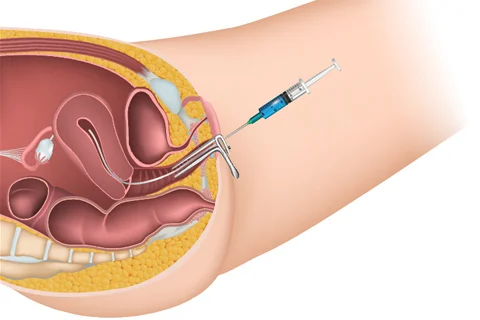
Planning for the Future: Fertility Preservation for Women in Their 20s
Lastly, ovarian tissue freezing involves removing a small piece of ovarian tissue and freezing it for later use. This method is still considered experimental but has shown promising results for women who have cancer or other medical conditions that may affect their fertility.
Making the Decision
Deciding on the best fertility preservation option can be overwhelming and should not be taken lightly. It’s essential to consult with a fertility specialist who can help you understand the pros and cons of each option and make an informed decision based on your individual circumstances.
Factors to consider when making this decision include your age, medical history, relationship status, and personal preferences. It’s also crucial to be aware of the success rates and potential risks associated with each method. For example, egg freezing has a higher success rate compared to ovarian tissue freezing but also has a higher cost.
It’s important to note that fertility preservation is not a guarantee of future pregnancy, but it does provide women with more options and control over their reproductive health.
Other Considerations
Aside from the medical aspect, there are also other factors to consider when thinking about fertility preservation. These include the cost, which can range from a few thousand dollars to tens of thousands of dollars, depending on the method and location. Insurance coverage for fertility preservation is still limited, so it’s essential to plan and budget accordingly.
Additionally, it’s crucial to consider the emotional and mental toll of undergoing fertility preservation. It’s a deeply personal decision, and women should take the time to think about their feelings and emotions surrounding the process.
In Conclusion
Fertility preservation is a critical consideration for women in their 20s who want to plan for their future. It allows women to take control of their reproductive health and preserve their options for later in life. With advancements in technology and more awareness about fertility issues, more women are turning to fertility preservation as a way to plan for their future. By understanding the different options available and consulting with a fertility specialist, women can make an informed decision that best suits their unique situation.
In summary, fertility preservation is a crucial step for women in their 20s to take control of their reproductive health and preserve their options for the future. With options such as egg freezing, embryo freezing, and ovarian tissue freezing, women can make an informed decision with the help of a fertility specialist. Factors such as age, medical history, and personal preferences should be considered, along with the cost and emotional toll of the process. By planning for the future now, women can have more control over their journey to motherhood.