Tag: holistic approach

  • The Debate: Traditional Medicine vs Fertility Clinics and Hospitals

    Traditional medicine and fertility clinics/hospitals are two vastly different approaches to treating infertility. On one hand, traditional medicine relies on natural remedies and holistic practices, while fertility clinics and hospitals offer more modern and advanced medical procedures. The debate between these two options has been ongoing, with proponents and critics on both sides. In this blog post, we will delve into the debate between traditional medicine and fertility clinics/hospitals and explore the pros and cons of each approach.

    Traditional medicine has been practiced for thousands of years and is deeply rooted in cultural and spiritual beliefs. It encompasses a wide range of practices, including herbal medicine, acupuncture, massage, and dietary changes. The goal of traditional medicine is to restore balance and harmony in the body, which is believed to be the key to treating infertility. Many people turn to traditional medicine as a first-line treatment for infertility, as it is often seen as a more natural and less invasive option compared to fertility clinics and hospitals.

    One of the main advantages of traditional medicine is its holistic approach. Traditional medicine practitioners not only focus on treating the physical symptoms of infertility but also take into account the emotional and spiritual well-being of the individual. This can be particularly beneficial for couples struggling with the emotional toll of infertility. Traditional medicine also relies heavily on natural remedies, which are believed to have fewer side effects compared to pharmaceutical drugs used in fertility clinics and hospitals.

    However, one of the major criticisms of traditional medicine is the lack of scientific evidence to support its effectiveness. Many traditional remedies lack adequate research and studies to back up their claims. This can make it difficult for couples to determine which treatments are actually beneficial and which are simply based on anecdotal evidence. Additionally, traditional medicine may not be suitable for all types of infertility, and in some cases, may even delay more effective treatments.

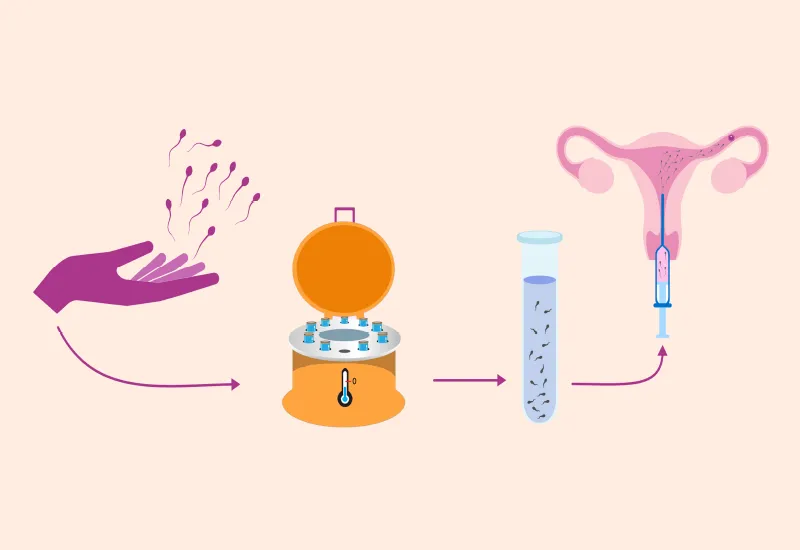
    On the other hand, fertility clinics and hospitals offer a more modern and scientific approach to treating infertility. These medical facilities have access to advanced technology and procedures, such as in vitro fertilization (IVF) and intrauterine insemination (IUI). These treatments have been extensively researched and have a higher success rate compared to traditional medicine.

    Another advantage of fertility clinics and hospitals is the expertise of their medical staff. These facilities have highly trained and specialized doctors, nurses, and technicians who are well-versed in the latest advancements in infertility treatment. This can provide couples with a sense of reassurance and confidence in their treatment.

    However, one of the main criticisms of fertility clinics and hospitals is the high cost of treatment. IVF, for example, can cost tens of thousands of dollars and is not always covered by insurance. This can be a significant barrier for many couples, especially those who have already spent a significant amount of money on traditional medicine treatments.
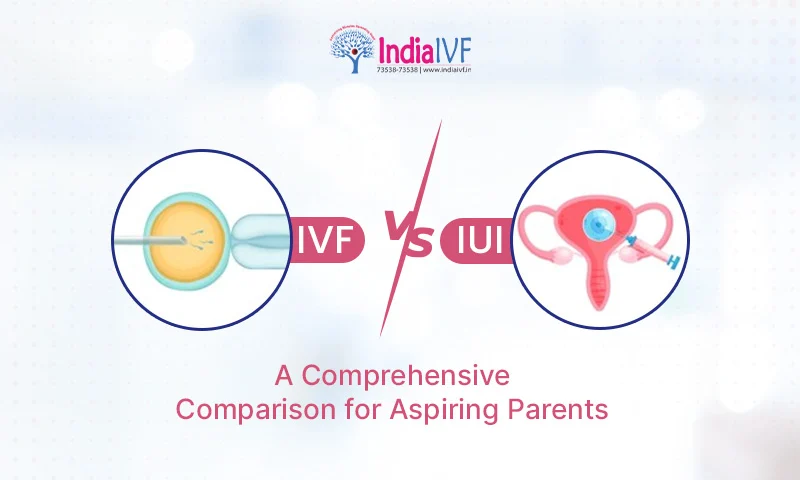
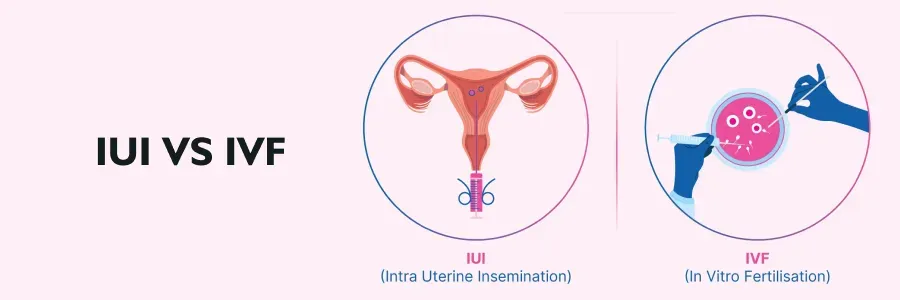
    IVF vs IUI comparison graphic highlighting reproductive methods for aspiring parents.

    The Debate: Traditional Medicine vs Fertility Clinics and Hospitals

    Moreover, the invasive nature of some fertility treatments can also be a concern for couples. IVF, in particular, involves a series of injections and surgical procedures, which can be physically and emotionally taxing. The high success rates of these treatments also come with the risk of multiple pregnancies, which can be complicated and potentially dangerous.

    In addition to the cost and invasiveness of fertility treatments, there is also the ethical concern of the creation and disposal of unused embryos. Many fertility clinics and hospitals offer the option of freezing and storing unused embryos for future use, which raises questions about the moral implications of creating and potentially discarding human life.

    So, which approach is better for treating infertility? The answer is not so simple. Both traditional medicine and fertility clinics/hospitals have their own set of advantages and disadvantages. The decision ultimately depends on the individual and their specific needs and beliefs.

    For those who prefer a more natural and holistic approach, traditional medicine may be a good option. It can provide emotional and spiritual support, and may even help improve overall health and well-being. However, it is important to seek out reputable and qualified practitioners and to be cautious of any treatments that lack scientific evidence.

    Meanwhile, fertility clinics and hospitals may be a better choice for those who want a more scientific and modern approach. These facilities offer advanced technology and specialized medical staff, which can increase the chances of success. However, the high cost and invasive nature of treatments should be carefully considered before making a decision.

    In conclusion, the debate between traditional medicine and fertility clinics/hospitals is ongoing and there is no clear winner. Both approaches have their own strengths and weaknesses, and the best option for treating infertility depends on the individual’s preferences and needs. It is important to carefully research and consider all options before making a decision, and to always consult with a medical professional.

    Summary:
    The debate between traditional medicine and fertility clinics/hospitals is ongoing, with proponents and critics on both sides. Traditional medicine relies on natural remedies and holistic practices, while fertility clinics and hospitals offer more modern and advanced medical procedures. Traditional medicine has a holistic approach and relies on natural remedies, but lacks scientific evidence. Fertility clinics and hospitals offer advanced technology and specialized medical staff, but can be expensive and invasive. The decision ultimately depends on the individual’s needs and beliefs, and it is important to carefully research and consider all options before making a decision.
  • Fertility Nutrition: A Holistic Approach to Boosting Fertility

    Blog Post:

    Fertility is a topic that is often surrounded by myths and misconceptions. Many couples struggle with fertility issues and may not know where to turn for help. While medical interventions such as fertility treatments can be helpful, there is also a growing body of evidence that suggests that nutrition plays a significant role in fertility. In this blog post, we will explore the connection between fertility and nutrition and how taking a holistic approach to fertility can boost your chances of conceiving.

    The Importance of Nutrition for Fertility

    When it comes to fertility, both partners’ nutrition is crucial. Not only does good nutrition support the overall health of the body, but it also plays a vital role in the reproductive system’s function. For women, nutrition can affect the menstrual cycle, ovulation, and hormone levels. In men, it can impact sperm quality and quantity.

    A study published in the Journal of the American College of Nutrition found that women who followed a Mediterranean-style diet had a 40% greater chance of getting pregnant via IVF compared to those who did not follow the diet. This is just one example of how nutrition can impact fertility.

    The Holistic Approach to Fertility Nutrition

    A holistic approach to fertility nutrition means looking at the whole person – mind, body, and spirit. It involves making conscious decisions about what you eat, how you manage stress, and incorporating lifestyle changes to support your fertility journey. Here are some essential aspects to consider when taking a holistic approach to fertility nutrition:

    1. Eat a Balanced Diet

    A balanced diet is the foundation of good nutrition for fertility. Make sure to include a variety of whole, unprocessed foods in your meals. Focus on nutrient-dense foods such as fruits, vegetables, whole grains, lean proteins, and healthy fats. Avoid highly processed and sugary foods, as they can negatively impact fertility.

    2. Increase Your Intake of Fertility-Boosting Foods

    Certain foods are known to boost fertility and can be easily incorporated into your diet. These include:

    – Leafy greens: High in folate, which is essential for healthy ovulation.
    – Avocado: A good source of healthy fats, which can support hormone production.
    – Berries: Rich in antioxidants, which can help protect reproductive cells from damage.
    – Salmon: A great source of omega-3 fatty acids, which can improve sperm quality.
    – Nuts and seeds: High in zinc, which is essential for male fertility.
    – Beans and legumes: Rich in iron, which is important for women’s fertility.

    3. Stay Hydrated

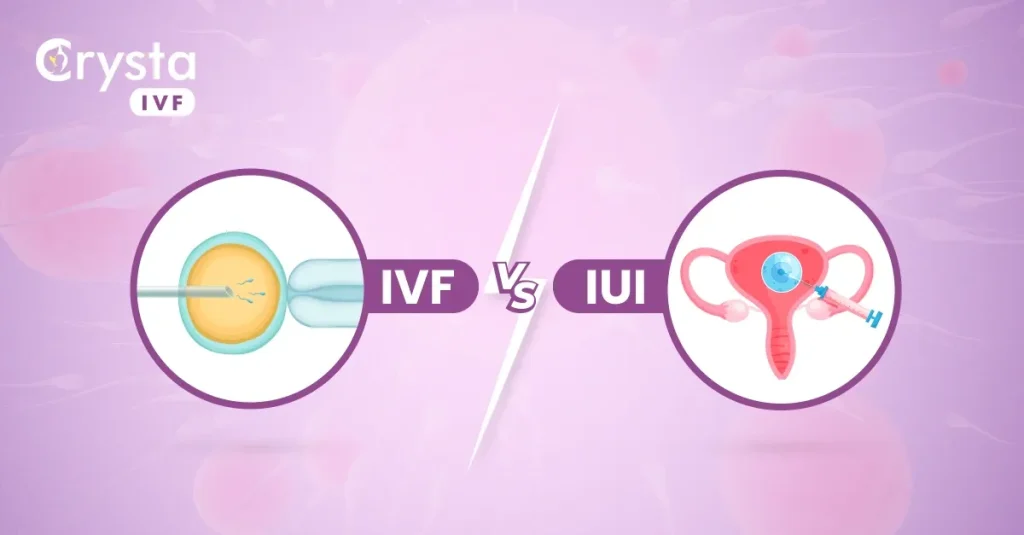
    Comparison of IVF and IUI procedures with illustrations of each method.

    Fertility Nutrition: A Holistic Approach to Boosting Fertility

    Drinking enough water is crucial for fertility. It helps with hormone balance, regulates body temperature, and supports egg and sperm health. Aim for at least 8 glasses of water per day, and limit your intake of sugary and caffeinated drinks.

    4. Manage Stress

    Stress can have a significant impact on fertility, as it can disrupt hormone balance and affect ovulation and sperm production. Incorporating stress management techniques such as meditation, yoga, deep breathing, or regular exercise can benefit both partners’ fertility.

    5. Consider Supplements

    While a balanced diet should provide most of the essential nutrients for fertility, some supplements can help fill in the gaps. Talk to your doctor or a registered dietitian about which supplements may be beneficial for you and your partner.

    6. Avoid Harmful Substances

    Smoking, excessive alcohol consumption, and drug use can all negatively impact fertility. If you are trying to conceive, it is essential to avoid these harmful substances to maximize your chances of getting pregnant.

    7. Seek Professional Help

    Working with a registered dietitian who specializes in fertility nutrition can be beneficial. They can create a personalized nutrition plan tailored to your specific needs and guide you throughout your fertility journey.

    The Bottom Line

    Fertility nutrition is a crucial aspect of overall fertility health. By taking a holistic approach and incorporating healthy eating habits, stress management techniques, and making lifestyle changes, you can boost your fertility and increase your chances of conceiving. It is also essential to seek professional help and guidance to create a personalized nutrition plan that works for you and your partner.

    Summary:

    Fertility nutrition plays a significant role in the reproductive system’s function for both men and women. A balanced diet, incorporating fertility-boosting foods, staying hydrated, managing stress, avoiding harmful substances, and seeking professional help are all essential components of a holistic approach to fertility nutrition. By taking a holistic approach, you can increase your chances of conceiving and support your overall fertility health.

  • Intrauterine Insemination vs Low-Tech IVF: Exploring Natural Cycle Options

    Blog Post Title: Intrauterine Insemination vs Low-Tech IVF: Exploring Natural Cycle Options

    In recent years, there has been a growing interest in natural cycle fertility treatments, specifically Intrauterine Insemination (IUI) and Low-Tech In Vitro Fertilization (IVF). These methods offer a more gentle and holistic approach to fertility treatments, compared to traditional high-tech IVF procedures. In this blog post, we will explore the differences between IUI and low-tech IVF, and why they may be a better option for some individuals or couples.

    What is Intrauterine Insemination (IUI)?

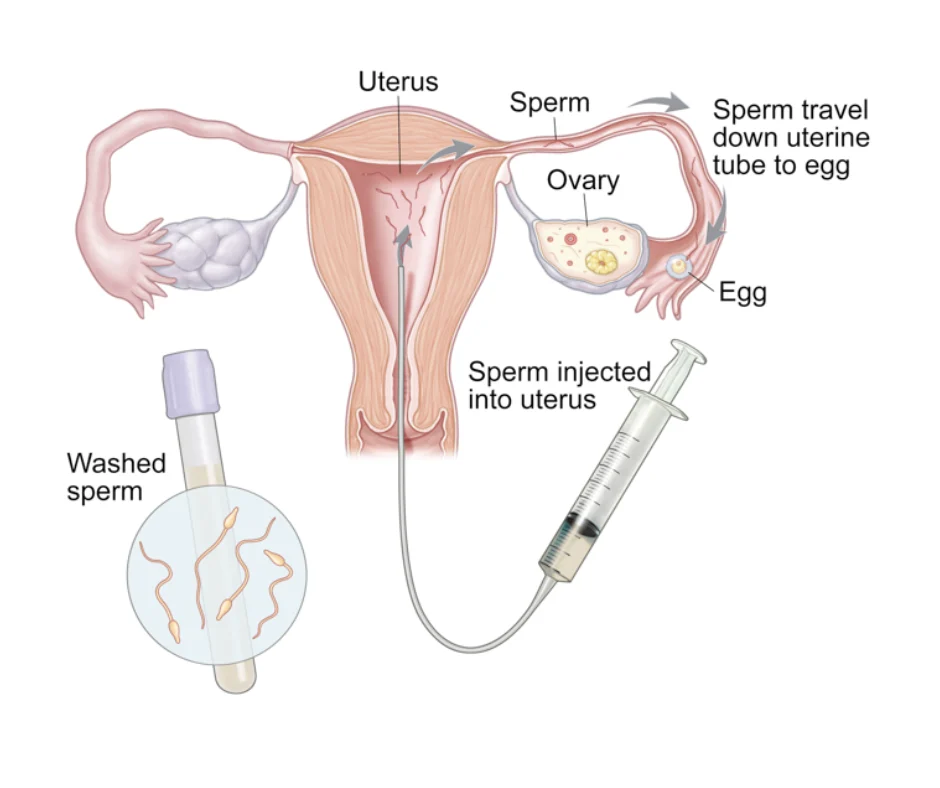
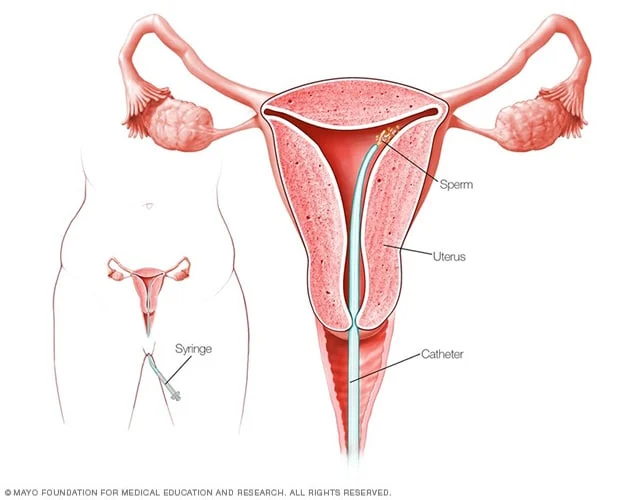
    IUI is a form of assisted reproductive technology (ART) that involves placing washed and concentrated sperm directly into the uterus during the woman’s ovulation. This procedure is usually done after the woman has taken fertility medications to stimulate ovulation. The goal of IUI is to increase the number of sperm that reach the fallopian tubes and increase the chances of fertilization.

    What is Low-Tech In Vitro Fertilization (IVF)?

    Low-tech IVF is a modified version of traditional IVF, which involves stimulating the ovaries with fertility medications to produce multiple eggs. In low-tech IVF, the woman’s natural cycle is monitored, and only one egg is retrieved and fertilized. The resulting embryo is then transferred back into the uterus, without the use of any additional hormones or medications.

    Key Differences between IUI and Low-Tech IVF

    1. Stimulation of Ovaries
    The main difference between IUI and low-tech IVF is the stimulation of the ovaries. In IUI, fertility medications are used to stimulate ovulation, whereas in low-tech IVF, the woman’s natural cycle is monitored without the use of any additional hormones.

    2. Number of Eggs Retrieved
    In IUI, only one egg is released during ovulation, whereas in low-tech IVF, multiple eggs are retrieved. This means that IUI is a less invasive procedure, with a lower risk of complications.

    3. Success Rates
    The success rates of IUI and low-tech IVF vary, depending on factors such as age and underlying fertility issues. Generally, low-tech IVF has higher success rates compared to IUI, as more eggs are retrieved and fertilized.

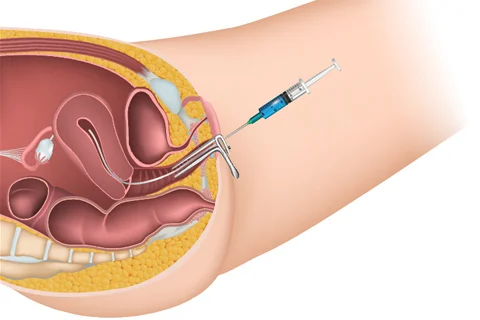
    illustration of intrauterine insemination procedure with a syringe and catheter in the uterus.

    Intrauterine Insemination vs Low-Tech IVF: Exploring Natural Cycle Options

    4. Cost
    IUI is a more cost-effective option compared to low-tech IVF. This is because IUI involves fewer medications and procedures, making it a more affordable choice for couples struggling with fertility issues.

    Why Choose Natural Cycle Options?

    1. Less Invasive
    Both IUI and low-tech IVF are less invasive compared to traditional high-tech IVF procedures. This means a lower risk of complications and a more gentle and holistic approach to fertility treatments.

    2. Fewer Side Effects
    The use of fertility medications in traditional IVF can cause side effects, such as bloating, mood swings, and hot flashes. With natural cycle options like IUI and low-tech IVF, there are no additional hormones or medications involved, reducing the risk of side effects.

    3. Lower Cost
    As mentioned earlier, IUI and low-tech IVF are more affordable compared to traditional high-tech IVF procedures. This makes them a more accessible option for individuals and couples struggling with fertility issues.

    4. More Control
    With natural cycle options, there is more control over the fertility treatment process. The woman’s natural cycle is monitored, and the procedures are done at the right time, increasing the chances of success.

    Conclusion

    Intrauterine Insemination (IUI) and Low-Tech In Vitro Fertilization (IVF) are both natural cycle options for couples struggling with fertility issues. They offer a more gentle and holistic approach to fertility treatments, with fewer side effects and a lower cost. While they may not be suitable for everyone, they are worth exploring as an alternative to traditional high-tech IVF procedures.

    Summary:

    Intrauterine Insemination (IUI) and Low-Tech In Vitro Fertilization (IVF) are natural cycle options for couples struggling with fertility issues. IUI involves placing washed and concentrated sperm directly into the uterus, while low-tech IVF retrieves one egg and fertilizes it without the use of additional hormones or medications. These methods are less invasive, have fewer side effects, and are more affordable compared to traditional high-tech IVF procedures. They also offer more control over the fertility treatment process.

  • Intrauterine Insemination vs Low-Tech IVF: A Holistic Approach

    Blog Post:

    In recent years, more and more couples have been turning to alternative fertility treatments in hopes of starting or expanding their families. Two popular options that have gained attention are Intrauterine Insemination (IUI) and Low-Tech In Vitro Fertilization (IVF). Both of these treatments have their benefits and drawbacks, but there is a third option that is often overlooked – a holistic approach that combines elements of both IUI and Low-Tech IVF.

    In this blog post, we will explore the differences between Intrauterine Insemination and Low-Tech IVF, as well as the benefits of a holistic approach to fertility treatment.

    What is Intrauterine Insemination (IUI)?

    Intrauterine Insemination, also known as artificial insemination, is a type of fertility treatment where sperm is inserted directly into the woman’s uterus during ovulation. This procedure can be done with the partner’s sperm or donor sperm. The goal of IUI is to increase the number of sperm that reach the fallopian tubes and increase the chances of fertilization.

    The process of IUI involves monitoring the woman’s ovulation cycle and timing the procedure accordingly. The sperm is washed and prepared before being inserted into the uterus with a thin catheter. IUI is a relatively non-invasive procedure and can be done in a doctor’s office.

    What is Low-Tech In Vitro Fertilization (IVF)?

    In Vitro Fertilization, or IVF, is a more complex fertility treatment that involves retrieving eggs from the woman’s ovaries and fertilizing them with sperm in a laboratory. The fertilized eggs, or embryos, are then transferred back into the woman’s uterus.

    Low-Tech IVF, also known as mini-IVF or mild stimulation IVF, is a less intense version of traditional IVF. It involves using lower doses of fertility drugs to stimulate the ovaries and produce fewer eggs. This results in a smaller number of eggs retrieved, but with a higher quality. The rest of the process is similar to traditional IVF, with the embryos being transferred back into the uterus.

    The Benefits of a Holistic Approach

    diagram illustrating intrauterine insemination process, showing sperm injection into the uterus and egg fertilization pathway

    Intrauterine Insemination vs Low-Tech IVF: A Holistic Approach

    While both IUI and Low-Tech IVF have their advantages, a holistic approach to fertility treatment combines the best of both worlds. This approach takes into account the physical, emotional, and environmental factors that can affect fertility.

    One of the main benefits of a holistic approach is the focus on overall health and well-being. This includes addressing any underlying health issues that may be contributing to infertility, such as hormonal imbalances or nutritional deficiencies. By improving overall health, it can increase the chances of success with any fertility treatment.

    Another benefit of a holistic approach is the use of natural methods to support fertility. This can include acupuncture, herbal remedies, and dietary changes. These methods can help regulate hormones, improve egg quality, and reduce stress levels, all of which can have a positive impact on fertility.

    A holistic approach also takes into account the emotional aspect of fertility treatment. Going through fertility struggles can be emotionally draining and can take a toll on a couple’s relationship. By addressing the emotional aspect through counseling and support, a holistic approach can help couples cope with the ups and downs of fertility treatment.

    Intrauterine Insemination vs Low-Tech IVF: Which is Right for You?

    The decision between IUI and Low-Tech IVF ultimately depends on the individual’s specific fertility issues and goals. For couples with unexplained infertility or mild fertility issues, IUI may be a good option. It is less expensive and less invasive than IVF, making it a more accessible choice for some.

    On the other hand, Low-Tech IVF may be a better option for couples with more severe fertility issues or for those who have not had success with IUI. It has a higher success rate compared to IUI, but it also comes with a higher price tag.

    Conclusion

    In conclusion, Intrauterine Insemination and Low-Tech IVF are two popular fertility treatments, each with its own benefits and drawbacks. However, a holistic approach that combines elements of both treatments can offer a more comprehensive and personalized approach to fertility treatment. By addressing overall health, natural methods, and emotional support, a holistic approach can increase the chances of success and improve the overall well-being of couples on their fertility journey.

    Summary:

    Intrauterine Insemination and Low-Tech IVF are two popular fertility treatments that have gained attention in recent years. While both have their benefits and drawbacks, a holistic approach that combines elements of both treatments can offer a more comprehensive and personalized approach to fertility treatment. This approach takes into account overall health, natural methods, and emotional support, and can increase the chances of success for couples on their fertility journey.

  • Fertility Massage: A Comprehensive Approach to Addressing Underlying Issues

    Blog Post Title: Fertility Massage: A Comprehensive Approach to Addressing Underlying Issues

    Introduction:

    Infertility affects millions of couples worldwide and can be a challenging and emotional journey. While there are various medical treatments available, many couples are turning to alternative therapies to improve their chances of conceiving. One such alternative therapy gaining popularity is fertility massage. This comprehensive approach addresses underlying issues that may be contributing to infertility and can be used as a standalone treatment or in conjunction with other fertility treatments. In this blog post, we will discuss fertility massage, its benefits, and how it can help couples struggling with infertility.

    What is Fertility Massage?

    Fertility massage is a holistic approach that involves using massage techniques to improve reproductive health and increase the chances of conception. It is based on the principles of traditional abdominal massage, which has been used for centuries to address various reproductive issues. Fertility massage focuses on supporting the reproductive organs, improving circulation, and detoxifying the body to promote overall reproductive health.

    Benefits of Fertility Massage:

    1. Reduces Stress and Anxiety: Stress and anxiety can significantly impact fertility by disrupting hormone levels and ovulation. Fertility massage helps to reduce stress and promote relaxation, which can improve fertility outcomes.

    2. Improves Circulation: Fertility massage uses specific techniques to increase blood flow to the reproductive organs. This increased circulation can help to nourish the reproductive organs and improve their function.

    3. Balances Hormones: Hormonal imbalances can be a common cause of infertility. Fertility massage stimulates the endocrine system, which can help to regulate hormone levels and improve reproductive health.

    4. Supports Egg Quality: Fertility massage can help improve the quality of eggs by increasing blood flow and oxygenation to the ovaries. This can be especially beneficial for women over the age of 35, who may have a lower egg quality.

    Comparison of IUI and IVF with illustrations of each procedure.

    Fertility Massage: A Comprehensive Approach to Addressing Underlying Issues

    5. Detoxifies the Body: Fertility massage includes techniques that help to detoxify the body by stimulating the lymphatic system. This can help to remove toxins and improve the overall health of the reproductive organs.

    6. Addresses Underlying Issues: Fertility massage is a holistic approach that aims to address underlying issues that may be contributing to infertility. It takes into account the physical, emotional, and energetic aspects of fertility, providing a more comprehensive approach to treatment.

    The Fertility Massage Process:

    Fertility massage is usually performed by a trained therapist who has specialized in this technique. The process typically begins with a thorough consultation to understand the couple’s fertility journey and any underlying issues. The massage is then tailored to the individual’s needs, and specific techniques are used to address any imbalances or concerns.

    The massage typically focuses on the abdomen, lower back, and hips, as these are the areas that house the reproductive organs. It may also include reflexology, acupressure, and lymphatic drainage techniques to support overall reproductive health. The therapist may also recommend lifestyle changes and self-care practices to further support fertility.

    Fertility massage is a non-invasive and gentle process that takes between 60-90 minutes. It is recommended to receive at least three sessions, with a break of approximately two weeks between each session to allow the body to adjust and respond to the treatment.

    Who Can Benefit from Fertility Massage?

    Fertility massage can benefit anyone struggling with infertility, regardless of the cause. It can be used by couples who are trying to conceive naturally or those undergoing assisted reproductive treatments such as IVF or IUI. Fertility massage can also be beneficial for women with irregular menstrual cycles, endometriosis, PCOS, and other reproductive issues.

    Conclusion:

    Fertility massage is a comprehensive approach to addressing underlying issues that may be contributing to infertility. It offers a natural and holistic alternative to traditional fertility treatments and can be used as a standalone treatment or in conjunction with other therapies. With its many benefits, fertility massage is gaining popularity among couples who are looking to improve their chances of conceiving. If you are struggling with infertility, consider exploring this gentle and non-invasive approach to support your reproductive health.

    In summary, fertility massage is a holistic approach that uses massage techniques to improve reproductive health and increase the chances of conception. It reduces stress, improves circulation and hormone balance, supports egg quality, detoxifies the body, and addresses underlying issues. It is a non-invasive and gentle process that can benefit anyone struggling with infertility, and it can be used as a standalone treatment or in conjunction with other therapies.

  • Why More Couples Are Turning to Fertility Massage for Conception

    Blog Post:

    Infertility can be a frustrating and heartbreaking journey for many couples trying to conceive. With the increasing prevalence of fertility issues, more couples are turning to alternative methods such as fertility massage to aid in their conception journey. Fertility massage is a holistic approach that has gained popularity in recent years for its ability to support reproductive health and enhance fertility. In this blog post, we will explore why more couples are turning to fertility massage for conception.

    What is Fertility Massage?

    Fertility massage is a specialized massage technique that focuses on the abdominal and pelvic area to improve reproductive health and increase the chances of conception. The massage uses gentle, non-invasive techniques to increase blood flow, reduce tension, and stimulate the reproductive organs. This type of massage is often combined with other holistic practices such as acupuncture and herbal remedies to provide a comprehensive approach to fertility.

    The Benefits of Fertility Massage for Conception

    1. Improves Blood Flow to Reproductive Organs

    One of the key benefits of fertility massage is its ability to improve blood flow to the reproductive organs. By using specific massage techniques, the massage therapist can promote circulation and oxygenation to the ovaries, uterus, and fallopian tubes. This increased blood flow helps to nourish the reproductive organs and remove any built-up toxins, creating an optimal environment for conception.

    2. Reduces Stress and Tension

    Stress and tension can negatively impact fertility by disrupting the delicate balance of hormones in the body. Fertility massage helps to release tension and promote relaxation, which can help to regulate hormone levels. The massage also stimulates the release of endorphins, which are natural painkillers that help to reduce stress and promote a sense of well-being.

    3. Balances Hormones

    Hormonal imbalances can be a major obstacle for couples trying to conceive. Fertility massage focuses on the endocrine system, which is responsible for producing and regulating hormones. By stimulating the endocrine glands, fertility massage can help to balance hormones and improve overall reproductive health.

    4. Improves Egg Quality and Ovulation

    diagram illustrating intrauterine insemination (IUI) procedure with uterus, sperm, and catheter labeled

    Why More Couples Are Turning to Fertility Massage for Conception

    Fertility massage can also help to improve egg quality and ovulation. By increasing blood flow and reducing tension in the pelvic area, the massage can improve the functioning of the ovaries and promote healthy egg development. This can be especially beneficial for women with conditions such as PCOS or endometriosis, which can affect ovulation and egg quality.

    5. Supports Men’s Reproductive Health

    Fertility massage is not just beneficial for women, but it can also support men’s reproductive health. By improving blood flow to the testicles, the massage can help to increase sperm production and motility. It can also reduce tension in the pelvic area, which can have a positive impact on erectile dysfunction and premature ejaculation.

    Why Couples Are Turning to Fertility Massage for Conception

    1. Non-Invasive and Natural Approach

    Many couples are drawn to fertility massage because it is a non-invasive and natural approach to improving fertility. Unlike other medical interventions, fertility massage does not involve any drugs or invasive procedures, making it a safer and more comfortable option for many couples.

    2. Cost-Effective

    Fertility treatments such as IVF can be expensive, and many couples may not have the financial means to pursue them. Fertility massage, on the other hand, is a more affordable option that can be done on a regular basis without breaking the bank.

    3. Addresses Underlying Issues

    Fertility massage takes a holistic approach to reproductive health by addressing underlying issues that may be hindering conception. By targeting the reproductive organs, endocrine system, and overall well-being, fertility massage can help to identify and address any barriers to fertility.

    4. Can Be Done at Any Stage of Conception Journey

    Whether a couple is just beginning their conception journey or have been trying for a while, fertility massage can be beneficial at any stage. It can be a proactive approach for couples who want to prepare their bodies for pregnancy or a supportive measure for those undergoing fertility treatments.

    In summary, fertility massage is a holistic approach to improving fertility that has gained popularity in recent years. It offers numerous benefits such as improving blood flow to reproductive organs, reducing stress and tension, balancing hormones, and supporting men’s reproductive health. With its non-invasive and natural approach, affordability, and ability to address underlying issues, it’s no wonder that more couples are turning to fertility massage for conception.

  • Fertility Massage vs. In Vitro Fertilization: Weighing the Pros and Cons

    Fertility Massage vs. In Vitro Fertilization: Weighing the Pros and Cons

    For couples struggling with infertility, the journey to starting a family can be a difficult and emotional one. With advancements in modern medicine, there are now more options available to help couples conceive, including fertility massage and in vitro fertilization (IVF). While both methods have their own benefits and drawbacks, it’s important for couples to understand the pros and cons of each before deciding on the best option for them.

    Fertility massage is a holistic approach to improving fertility and overall reproductive health. It involves gentle massage techniques that focus on the abdominal and pelvic areas to improve blood flow, release tension, and promote hormonal balance. This type of massage has been used for centuries in traditional medicine and has gained popularity in recent years as a natural fertility treatment.

    One of the biggest benefits of fertility massage is its ability to improve blood flow to the reproductive organs. This can help to nourish the ovaries and uterus, as well as remove any blockages that may be hindering fertility. The massage techniques also target the lymphatic system, which helps to remove toxins and boost the immune system. This can be especially beneficial for women with conditions such as endometriosis or PCOS, which can impact fertility.

    Another advantage of fertility massage is its ability to reduce stress and promote relaxation. Stress is known to have a negative impact on fertility, as it can disrupt hormone levels and interfere with ovulation. The relaxation techniques used in fertility massage can help to reduce stress and create a more welcoming environment for conception. Additionally, fertility massage can also help to improve emotional well-being, which is important for couples going through the emotional rollercoaster of infertility.

    On the other hand, in vitro fertilization (IVF) is a more invasive and expensive fertility treatment that involves fertilizing the egg outside of the body and then inserting the embryo into the uterus. While it is a highly effective treatment for infertility, it does come with its own set of pros and cons.

    One of the biggest advantages of IVF is its high success rate. For couples struggling with infertility, IVF offers a higher chance of conceiving compared to other fertility treatments. This is because IVF bypasses any potential issues with fertility, such as blocked fallopian tubes or low sperm count. Additionally, IVF allows for the use of donor eggs or sperm, making it an option for couples who may not be able to conceive naturally.

    Illustration of IUI procedure with uterus and syringe against a DNA background.

    Fertility Massage vs. In Vitro Fertilization: Weighing the Pros and Cons

    However, IVF also has some drawbacks, including the physical and emotional toll it can take on couples. The process involves multiple visits to the fertility clinic for blood tests, ultrasounds, and hormone injections. This can be physically and emotionally draining for both partners. IVF also comes with a high cost, which can be a barrier for many couples. The average cost of one cycle of IVF in the United States is around $12,000, with additional costs for medications and other procedures.

    In addition to the financial aspect, IVF also carries the risk of multiple pregnancies. To increase the chances of success, multiple embryos are often implanted, which can result in multiple pregnancies. While this may seem like a positive outcome, it can also come with its own set of risks, including premature birth and other complications for both the mother and babies.

    So, how do couples choose between fertility massage and IVF? The answer ultimately depends on each couple’s individual circumstances and preferences. For those looking for a more natural and holistic approach, fertility massage may be the better option. It can also be a good first step for couples before considering more invasive treatments like IVF.

    However, for couples with more complex fertility issues or those who are ready to explore all options, IVF may be the best choice. It offers a higher success rate and the ability to use donor eggs or sperm if needed. It’s also important to consider factors like age, overall health, and financial resources when making this decision.

    In conclusion, fertility massage and IVF are both viable options for couples struggling with infertility. Fertility massage offers a natural and holistic approach to improving fertility, while IVF is a more invasive but highly effective treatment. It’s important for couples to weigh the pros and cons of each and consult with a fertility specialist to determine the best option for their unique situation. With the right treatment and support, couples can overcome infertility and start their journey towards parenthood.

    Summary:

    Fertility massage and in vitro fertilization (IVF) are two options for couples struggling with infertility. Fertility massage is a holistic approach that aims to improve blood flow and reduce stress, while IVF is a more invasive and expensive treatment that offers a higher success rate. Factors such as individual circumstances, preferences, and resources should be considered when deciding between the two options. Ultimately, with the right treatment and support, couples can overcome infertility and start their journey towards parenthood.

  • Fertility Yoga: A Holistic Approach to Preconception Health and Wellness

    Blog Post Title: Fertility Yoga: A Holistic Approach to Preconception Health and Wellness

    Introduction:

    Fertility is a topic that affects many individuals and couples around the world. The journey to parenthood can be a challenging one, and for some, it may not be as straightforward as they had hoped. While there are many medical interventions available for fertility issues, more and more people are turning to holistic approaches to improve their chances of conception. One such approach is fertility yoga, which combines physical movements, breathing techniques, and mindfulness practices to support preconception health and overall well-being. In this blog post, we will explore the benefits of fertility yoga and how it can positively impact your journey towards parenthood.

    Understanding Fertility Yoga:

    Fertility yoga is a specialized form of yoga that focuses on supporting the body and mind for conception. It combines traditional yoga poses with breathing techniques and meditation to create a holistic approach to preconception health. Fertility yoga is not a one-size-fits-all solution, as each person’s journey to parenthood is unique. Therefore, it is essential to work with a certified fertility yoga instructor who can tailor the practice to your specific needs.

    Benefits of Fertility Yoga:

    1. Reduces Stress and Anxiety:

    The journey to parenthood can be stressful and overwhelming, and this stress can negatively impact fertility. Fertility yoga incorporates breathing techniques and meditation, which have been proven to reduce stress and promote relaxation. Yoga also helps release tension in the body, promoting a sense of calm and balance.

    2. Balances Hormones:

    Hormonal imbalances can be a significant factor in fertility issues. Fertility yoga focuses on poses that stimulate the endocrine system, which is responsible for hormone production. By practicing these poses, you can improve the balance of your hormones, increasing your chances of conception.

    3. Increases Blood Flow to the Reproductive Organs:

    Yoga poses, such as the Cobra pose, the Butterfly pose, and the Legs Up the Wall pose, are known to increase blood flow to the reproductive organs. This increased blood flow brings vital nutrients and oxygen to the reproductive organs, promoting their health and function.

    doctor discussing treatment with a patient in a medical office, featuring an ultrasound machine in the background

    Fertility Yoga: A Holistic Approach to Preconception Health and Wellness

    4. Strengthens the Pelvic Floor:

    The pelvic floor is a group of muscles that support the reproductive organs. These muscles can become weak due to factors such as age, pregnancy, and childbirth, which can affect fertility. Fertility yoga includes poses that target the pelvic floor, helping to strengthen and tone these muscles, which can improve fertility.

    5. Encourages Mind-Body Connection:

    Fertility yoga is not just about physical movements; it also incorporates mindfulness practices such as meditation and visualization. These practices help you connect with your body and your inner self, fostering a positive mindset and increasing your overall well-being.

    6. Supports Overall Health and Wellness:

    Fertility yoga is a holistic approach that focuses on the overall health and wellness of the individual. It not only targets fertility but also promotes a healthy body and mind. By practicing fertility yoga, you can improve your physical, mental, and emotional well-being, which can positively impact your fertility journey.

    Incorporating Fertility Yoga into Your Routine:

    Fertility yoga can be practiced by anyone, regardless of their age, fitness level, or yoga experience. It is recommended to start with gentle and basic poses and gradually progress to more advanced poses as you become comfortable. It is essential to listen to your body and not push yourself beyond your limits. You can join a fertility yoga class or practice at home with the help of online resources or a fertility yoga DVD.

    Conclusion:

    Fertility yoga is a holistic approach that can have a positive impact on your fertility journey. By incorporating physical movements, breathing techniques, and mindfulness practices, it can reduce stress, balance hormones, improve blood flow to the reproductive organs, strengthen the pelvic floor, and promote overall health and wellness. Whether you are trying to conceive naturally or undergoing fertility treatments, fertility yoga can be a beneficial addition to your routine. So, take a deep breath, find your inner peace, and let fertility yoga support you on your journey to parenthood.

    Summary:

    Fertility yoga is a specialized form of yoga that focuses on supporting the body and mind for conception. It combines physical movements, breathing techniques, and mindfulness practices to reduce stress, balance hormones, increase blood flow to the reproductive organs, strengthen the pelvic floor, and promote overall well-being. Fertility yoga can be practiced by anyone and is a holistic approach that can positively impact your fertility journey.

  • The Benefits of Fertility Yoga: A Comparison to Traditional Exercise

    BLOG POST:

    Fertility issues can be a difficult and emotional journey for many individuals and couples. While there are various medical treatments and procedures available, many are turning to alternative methods such as fertility yoga to help improve their chances of conceiving. Fertility yoga is a specialized form of yoga that focuses on poses and movements specifically designed to support reproductive health and enhance fertility. In this blog post, we will explore the benefits of fertility yoga and compare it to traditional exercise.

    First, let’s discuss the physical benefits of fertility yoga. Like traditional exercise, fertility yoga can improve overall physical health by increasing strength, flexibility, and stamina. However, what sets fertility yoga apart is its focus on the reproductive system. The practice includes specific poses and sequences that target the pelvic region, stimulating blood flow and increasing oxygen and nutrients to the reproductive organs. This can help regulate hormones and improve the function of the ovaries and uterus, ultimately improving fertility.

    Another major benefit of fertility yoga is its ability to reduce stress and promote relaxation. The journey towards parenthood can be incredibly stressful, and stress is known to have a negative impact on fertility. Fertility yoga incorporates breathing techniques and meditation, which can help calm the mind and reduce stress levels. This, in turn, can balance hormone levels and improve fertility.

    In addition to the physical and mental benefits, fertility yoga also has a spiritual aspect that can be beneficial for those trying to conceive. The practice of yoga focuses on connecting the mind, body, and spirit, allowing individuals to tune in to their inner selves and let go of any emotional blockages that may be hindering fertility. This can help individuals feel more positive and empowered, creating a sense of hope and optimism for their fertility journey.

    Now, let’s compare fertility yoga to traditional exercise. Traditional exercises such as running, weightlifting, and cycling are great for overall physical health and can also have a positive impact on fertility. However, these exercises tend to be more high-impact and can put a lot of stress on the body, especially for women who are trying to conceive. Fertility yoga, on the other hand, is a low-impact form of exercise that is gentle on the body. This makes it suitable for individuals who may have injuries or conditions that prevent them from doing more strenuous exercises.

    illustration of the IUI process, showing sperm collection, preparation, and insertion into the uterus

    The Benefits of Fertility Yoga: A Comparison to Traditional Exercise

    Furthermore, traditional exercise can sometimes be monotonous and repetitive. Fertility yoga, on the other hand, offers a variety of poses and sequences that can keep the practice interesting and engaging. This can be especially beneficial for those going through the emotional rollercoaster of fertility treatments, as it provides a sense of mindfulness and relaxation.

    Additionally, fertility yoga is a holistic approach to fertility that takes into account the mind, body, and spirit, whereas traditional exercise primarily focuses on the physical aspect. By incorporating breathing techniques, meditation, and a spiritual connection, fertility yoga can address the emotional and psychological aspects of fertility, which can have a significant impact on conception.

    It is also worth mentioning that fertility yoga can be done together with traditional exercise. In fact, many individuals and couples who are trying to conceive find that a combination of both can be highly beneficial. While traditional exercise can provide a good workout and improve overall physical health, fertility yoga can offer a more specialized approach to support reproductive health and enhance fertility.

    In conclusion, fertility yoga offers a unique and effective way to support fertility and improve overall well-being. Its focus on the reproductive system, along with its ability to reduce stress and promote relaxation, make it a valuable tool for individuals and couples trying to conceive. By incorporating fertility yoga into their daily routine, individuals can not only improve their chances of conceiving but also find a sense of balance and harmony in their fertility journey.

    SUMMARY:

    This blog post discussed the benefits of fertility yoga and compared it to traditional exercise. Fertility yoga offers physical benefits such as improved reproductive function and hormone balance, as well as mental benefits such as stress reduction and spiritual connection. Compared to traditional exercise, fertility yoga is low-impact, holistic, and can be done in combination with other exercises. By incorporating fertility yoga into their routine, individuals can improve their chances of conceiving and find a sense of balance and harmony in their fertility journey.

    SEO metadata:

  • Fertility Coaching: A Holistic Approach to Your Fertility Journey

    Summary:

    Fertility coaching is a holistic approach to supporting individuals and couples on their fertility journey. It combines emotional, physical, and spiritual support to help individuals navigate the challenges and complexities of trying to conceive. With the rise of infertility rates and the increasing demand for alternative methods of conception, fertility coaching offers a unique and personalized approach to fertility support. This blog post will explore the benefits of fertility coaching, how it works, and why it is becoming a popular option for those struggling with fertility issues.

    First, we will discuss the emotional aspect of fertility coaching. Trying to conceive can be an emotionally taxing experience, filled with feelings of frustration, disappointment, and even guilt. Fertility coaches provide a safe and supportive space for individuals to express their emotions and work through them. They help individuals identify and manage any negative thought patterns and beliefs that may be hindering their fertility journey. This emotional support is crucial as studies have shown that stress can have a significant impact on fertility.

    In addition to emotional support, fertility coaching also focuses on the physical aspect of fertility. Fertility coaches work closely with their clients to create a personalized plan that includes a healthy diet, exercise, and other lifestyle changes that can improve fertility. They may also recommend alternative therapies such as acupuncture, massage, and herbal remedies to support the body’s reproductive system. These holistic approaches can help improve overall health and increase the chances of conception.

    Illustration of IUI procedure with uterus and syringe against a DNA background.

    Fertility Coaching: A Holistic Approach to Your Fertility Journey

    Fertility coaching also addresses the spiritual aspect of fertility. It recognizes that conception is not just a physical process but also a spiritual one. Fertility coaches help individuals connect with their inner selves and find spiritual balance and harmony. This may involve meditation, visualization techniques, and other spiritual practices that can help individuals release any emotional or physical blockages that may be affecting their fertility.

    One of the significant benefits of fertility coaching is the personalized approach. Fertility coaches understand that everyone’s fertility journey is unique, and there is no one-size-fits-all solution. They work closely with their clients to create a customized plan that addresses their specific needs and concerns. This personalized approach makes fertility coaching more effective than traditional methods of fertility support.

    Another benefit of fertility coaching is the support and guidance provided throughout the entire fertility journey. Fertility coaches are there to support their clients through every step, from preconception to pregnancy and beyond. They can provide guidance on fertility treatments, help navigate the emotional rollercoaster of infertility, and provide support during pregnancy and postpartum.

    It is also worth noting that fertility coaching is not just for those struggling with infertility. It can also be beneficial for those who are planning to start a family or even just thinking about it. Fertility coaches can help individuals prepare their bodies for conception and provide education on fertility awareness and natural family planning methods.

    In conclusion, fertility coaching offers a comprehensive and holistic approach to supporting individuals and couples on their fertility journey. It addresses the emotional, physical, and spiritual aspects of fertility and provides a personalized and supportive approach. With the increasing demand for alternative methods of conception, fertility coaching is becoming a popular option for those looking for a more holistic and personalized approach to fertility support.