DIY Insemination and the Role of Ovulation Tracking: A Comprehensive Guide
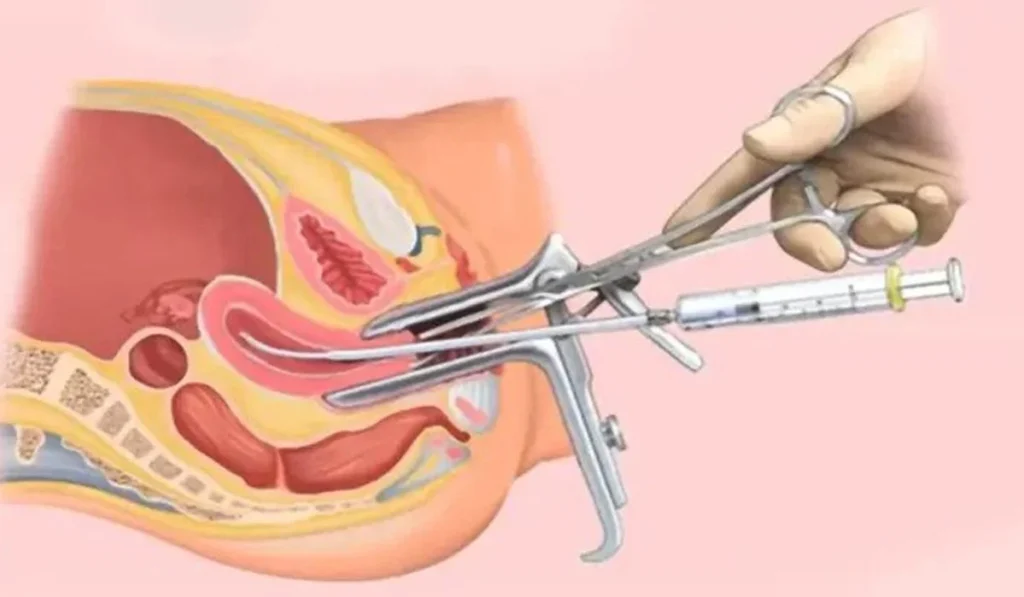
In recent years, the idea of do-it-yourself (DIY) insemination has gained popularity among individuals and couples who are trying to conceive. This method involves using at-home insemination kits or homemade devices to deposit sperm into the vagina, with the goal of achieving pregnancy. While this approach may seem unconventional, it can be an affordable and empowering option for those who are unable to or prefer not to pursue traditional medical interventions such as intrauterine insemination or in vitro fertilization. However, in order to increase the chances of success with DIY insemination, it is crucial to understand the role of ovulation tracking in the process. In this blog post, we will explore the ins and outs of DIY insemination and the importance of ovulation tracking in achieving pregnancy.
Understanding DIY Insemination
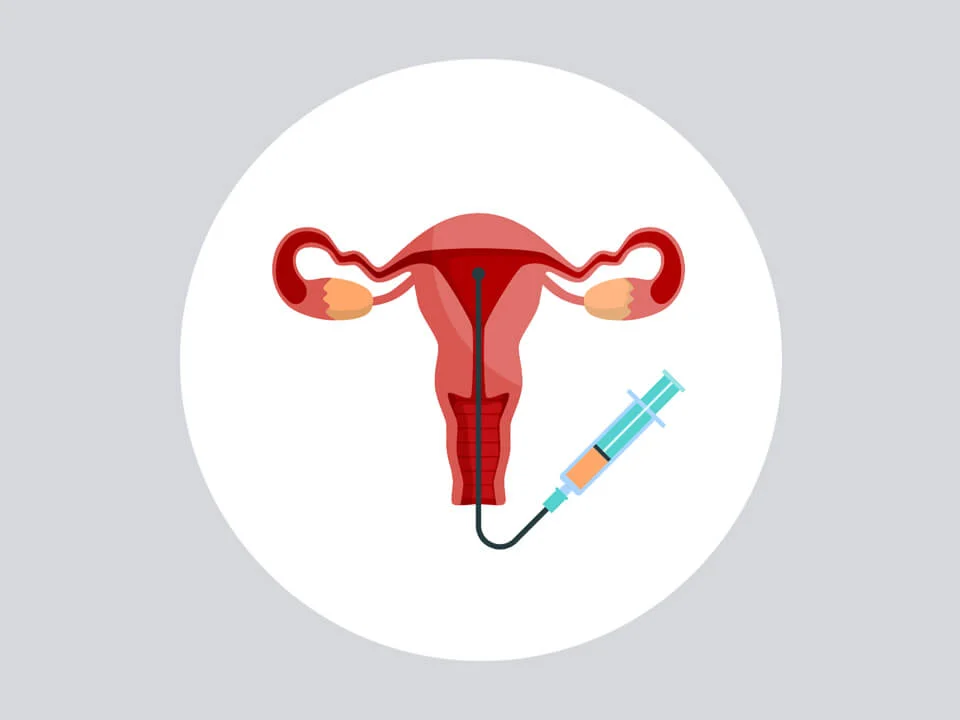
DIY insemination, also known as artificial insemination at home (AIH), involves manually placing sperm into the vagina in order to facilitate conception. There are several different methods and techniques for DIY insemination, but they all involve the same basic principle of depositing sperm near the cervix. Some popular methods include using a syringe or turkey baster, a soft cup or cervical cap, and even a menstrual cup. While these devices may seem unconventional, they have been used successfully by many individuals and couples to achieve pregnancy.
One of the major advantages of DIY insemination is its affordability. Traditional medical interventions for fertility, such as intrauterine insemination, can cost thousands of dollars and may not be covered by insurance. On the other hand, DIY insemination kits can be purchased for a fraction of the cost and can be used in the comfort of your own home. Additionally, DIY insemination can be a more intimate and personal experience for couples, as they can take an active role in the process.
The Role of Ovulation Tracking in DIY Insemination
In order for DIY insemination to be successful, it is important to track ovulation. Ovulation is the process in which a mature egg is released from the ovary and is available to be fertilized by sperm. Ovulation typically occurs once a month in a menstrual cycle, and tracking it can help determine the most fertile days for conception. There are several methods for tracking ovulation, including ovulation predictor kits, basal body temperature charting, and monitoring changes in cervical mucus.
Ovulation Predictor Kits (OPKs) are a popular method for tracking ovulation. These kits detect the levels of luteinizing hormone (LH) in urine, which rises just before ovulation. By using an OPK, you can determine when you are about to ovulate and plan for DIY insemination accordingly.
Basal body temperature (BBT) charting involves taking your temperature each morning before getting out of bed. During ovulation, there is a slight increase in BBT due to the release of progesterone. By tracking your BBT over the course of a few months, you can determine your average ovulation day and plan for DIY insemination during your most fertile days.
Another important factor to consider when tracking ovulation is cervical mucus. As the body prepares for ovulation, the consistency and amount of cervical mucus will change. Around ovulation, cervical mucus becomes clear, slippery, and stretchy, resembling raw egg whites. This fertile cervical mucus helps sperm travel through the cervix and into the uterus, increasing the chances of fertilization.
DIY Insemination and the Role of Ovulation Tracking
Combining these methods of ovulation tracking can provide a more accurate picture of your fertile window and increase the chances of successful DIY insemination. However, it is important to note that tracking ovulation is not an exact science and may not always be accurate. Factors such as stress, illness, and certain medications can affect ovulation and make tracking difficult. It is important to pay attention to your body and be flexible with your insemination plans.
Tips for Successful DIY Insemination
In addition to tracking ovulation, there are a few other tips that can help increase the chances of successful DIY insemination:
1. Have a healthy lifestyle: Maintaining a healthy diet and regular exercise can help improve fertility and increase the chances of successful DIY insemination.
2. Use quality sperm: If you are using donor sperm, make sure to purchase it from a reputable sperm bank and follow proper storage and handling instructions.
3. Follow the instructions: Whether using an at-home insemination kit or a homemade device, make sure to carefully follow the instructions provided to ensure the best chances of success.
4. Be patient: It may take a few cycles of DIY insemination before achieving pregnancy, so it is important to be patient and not get discouraged.
Summary
DIY insemination can be a cost-effective and empowering option for individuals and couples trying to conceive. By tracking ovulation, the most fertile days for conception can be determined, increasing the chances of successful DIY insemination. Methods such as ovulation predictor kits, basal body temperature charting, and monitoring cervical mucus can help determine the most fertile days. Additionally, living a healthy lifestyle and following instructions carefully can also increase the chances of success. While DIY insemination may not be the right option for everyone, it is important to understand the process and the role of ovulation tracking in achieving pregnancy.
In conclusion, DIY insemination can be a viable alternative for those who are trying to conceive. By understanding the process and the role of ovulation tracking, individuals and couples can increase their chances of success with DIY insemination. Whether using at-home insemination kits or homemade devices, tracking ovulation and following other tips for success can make the journey to parenthood a little easier and more affordable.