Tag: Exercise

  • A Holistic Guide to Boosting Male Fertility

    Summary:

    Male fertility is a crucial aspect of overall reproductive health and is often overlooked or ignored. However, there are many factors that can affect male fertility, and taking a holistic approach to boosting it can have significant benefits.

    This blog post will provide a comprehensive guide to boosting male fertility holistically. We will cover the various factors that can affect male fertility, such as diet, exercise, stress, environmental toxins, and more. We will also discuss the importance of a healthy lifestyle, including proper nutrition, exercise, and stress management, in improving male fertility. Additionally, we will explore natural remedies and supplements that can help improve male fertility, as well as the role of traditional medicine and assisted reproductive techniques. By the end of this blog post, you will have a better understanding of how to boost male fertility holistically and be equipped with the knowledge to take proactive steps towards improving your reproductive health.

    Introduction:

    Male fertility is the ability to produce healthy sperm that can fertilize a woman’s egg, resulting in a successful pregnancy. It is a crucial aspect of reproductive health and is often taken for granted. However, many factors can affect male fertility, and it is essential to address them to ensure optimal reproductive health.

    Factors Affecting Male Fertility:

    There are various factors that can affect male fertility, including:

    1. Diet: A healthy and balanced diet is crucial for maintaining good reproductive health. Diets high in processed foods, trans fats, and sugar can negatively impact male fertility. On the other hand, a diet rich in fruits, vegetables, whole grains, and healthy fats can improve sperm quality and count.

    2. Exercise: Regular exercise can help maintain a healthy weight, which is essential for male fertility. It also helps reduce stress and improve blood circulation, which can positively impact reproductive health.

    3. Stress: Chronic stress can affect hormones that play a crucial role in sperm production. High levels of stress can also lead to a decrease in sexual desire and erectile dysfunction. Therefore, managing stress is crucial for maintaining good reproductive health.

    4. Environmental Toxins: Exposure to environmental toxins, such as pesticides, chemicals, and pollutants, can have a detrimental effect on male fertility. These toxins can disrupt hormonal balance and sperm production, leading to decreased fertility.
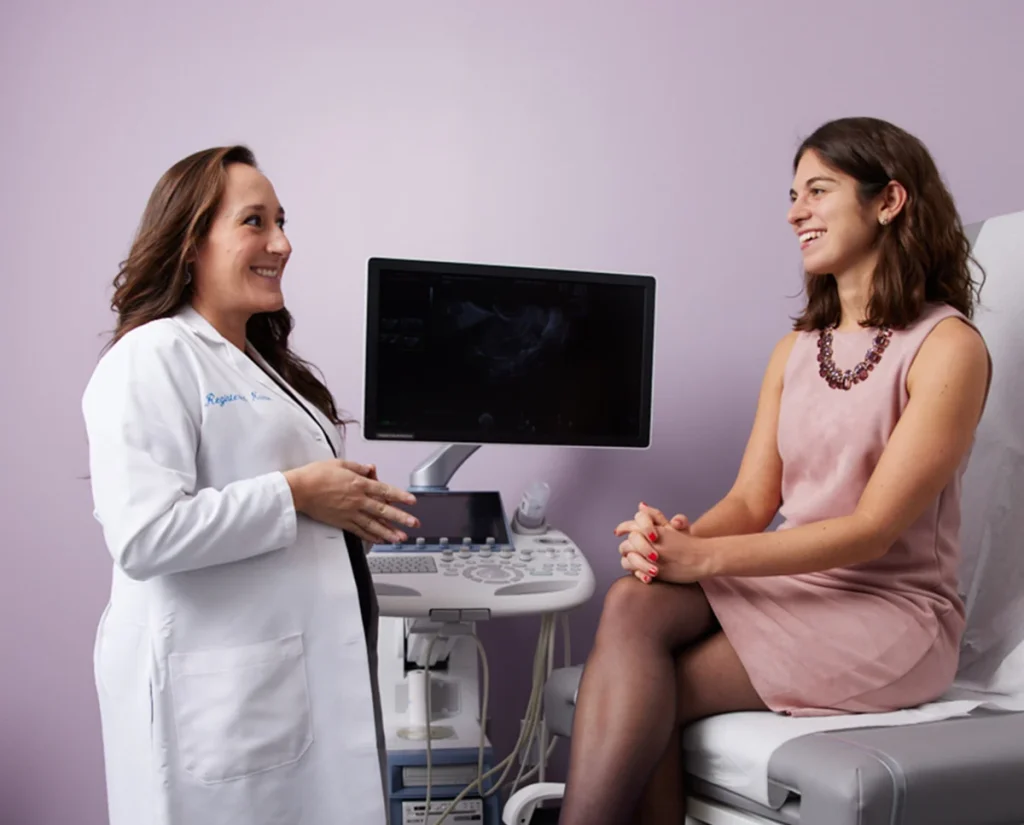
    doctor discussing treatment with a patient in a medical office, featuring an ultrasound machine in the background

    A Holistic Guide to Boosting Male Fertility

    5. Age: As men age, their sperm quality and quantity may decrease, making it more challenging to conceive. While this is a natural process, maintaining a healthy lifestyle can help slow down this decline.

    Holistic Approaches to Boosting Male Fertility:

    Taking a holistic approach to boosting male fertility means addressing all the factors mentioned above and making positive lifestyle changes. Here are some ways to improve male fertility holistically:

    1. Eat a Healthy Diet: A diet rich in fruits, vegetables, whole grains, and healthy fats can improve sperm quality and count. Including foods high in antioxidants, such as berries, nuts, and leafy greens, can also have a positive impact on male fertility.

    2. Exercise Regularly: Regular exercise can improve blood circulation, reduce stress, and maintain a healthy weight, all of which are crucial for male fertility. Aim for at least 30 minutes of moderate exercise, such as walking, jogging, or cycling, five days a week.

    3. Manage Stress: High levels of stress can have a significant impact on male fertility. Incorporating stress-management techniques such as yoga, meditation, or deep breathing can help reduce stress levels and improve reproductive health.

    4. Avoid Exposure to Environmental Toxins: Limiting exposure to environmental toxins can help protect sperm quality and quantity. If you work in an environment with potential toxins, make sure to take precautions, such as wearing protective gear.

    5. Consider Natural Remedies and Supplements: Some natural remedies and supplements have shown promise in improving male fertility. These include herbs like ashwagandha and maca, as well as supplements like CoQ10 and vitamin D. However, it is crucial to consult with a healthcare professional before taking any supplements.

    The Role of Traditional Medicine and Assisted Reproductive Techniques:

    While taking a holistic approach is essential, it is also essential to seek professional help if you are struggling with male fertility. Traditional medicine, such as acupuncture and herbal medicine, can help improve sperm quality and quantity. Additionally, assisted reproductive techniques, such as intrauterine insemination (IUI) and in-vitro fertilization (IVF), can also help couples struggling with fertility.

    Conclusion:

    Male fertility is a crucial aspect of reproductive health and should not be overlooked or ignored. By taking a holistic approach to boosting male fertility, individuals can address the various factors that can affect their reproductive health and make positive lifestyle changes. Additionally, seeking professional help and considering traditional medicine and assisted reproductive techniques can also be beneficial. With the right approach, individuals can improve their male fertility and increase their chances of starting a family.
  • A Holistic Guide to Preparing Your Body for Pregnancy

    Becoming pregnant is a life-changing experience and one that requires a lot of preparation both mentally and physically. Preparing your body for pregnancy is a holistic process that involves making changes to your lifestyle, diet, and overall health. In this blog post, we will guide you through the steps you need to take in order to prepare your body for pregnancy in a holistic and mindful way.

    Step 1: Focus on your nutrition

    A healthy and balanced diet is crucial for preparing your body for pregnancy. It is important to ensure that you are getting all the necessary nutrients, vitamins, and minerals in your diet. This includes foods that are rich in folic acid, iron, calcium, and omega-3 fatty acids. These nutrients are essential for the development of a healthy pregnancy and baby.

    It is also important to limit your intake of processed and junk foods, as well as foods high in sugar and saturated fats. These foods can negatively impact your fertility and overall health. Instead, focus on incorporating more whole foods, fruits, and vegetables into your diet. Eating a variety of foods will ensure that you are getting a wide range of nutrients that are essential for pregnancy.

    Step 2: Maintain a healthy weight

    Being either underweight or overweight can have a significant impact on your fertility and chances of getting pregnant. It is important to maintain a healthy weight before trying to conceive. If you are underweight, try to gain some weight by increasing your calorie intake and incorporating strength training exercises into your workout routine. If you are overweight, focus on losing weight through a healthy diet and regular exercise.

    Step 3: Exercise regularly

    Regular exercise is not only beneficial for your physical health but also for your mental health. It can help reduce stress, improve mood, and boost fertility. Aim for at least 30 minutes of moderate exercise, such as brisk walking, swimming, or yoga, most days of the week. However, it is important to listen to your body and not push yourself too hard. If you have any medical conditions or concerns, consult with your doctor before starting any new exercise routine.

    Step 4: Focus on your mental health

    Preparing your body for pregnancy also involves taking care of your mental health. Pregnancy can be a stressful and emotionally challenging time, so it is important to develop healthy coping mechanisms and reduce stress levels before conceiving. Consider incorporating relaxation techniques such as meditation, yoga, or deep breathing exercises into your daily routine. It is also important to seek support from friends, family, or a therapist if you are struggling with any mental health issues.

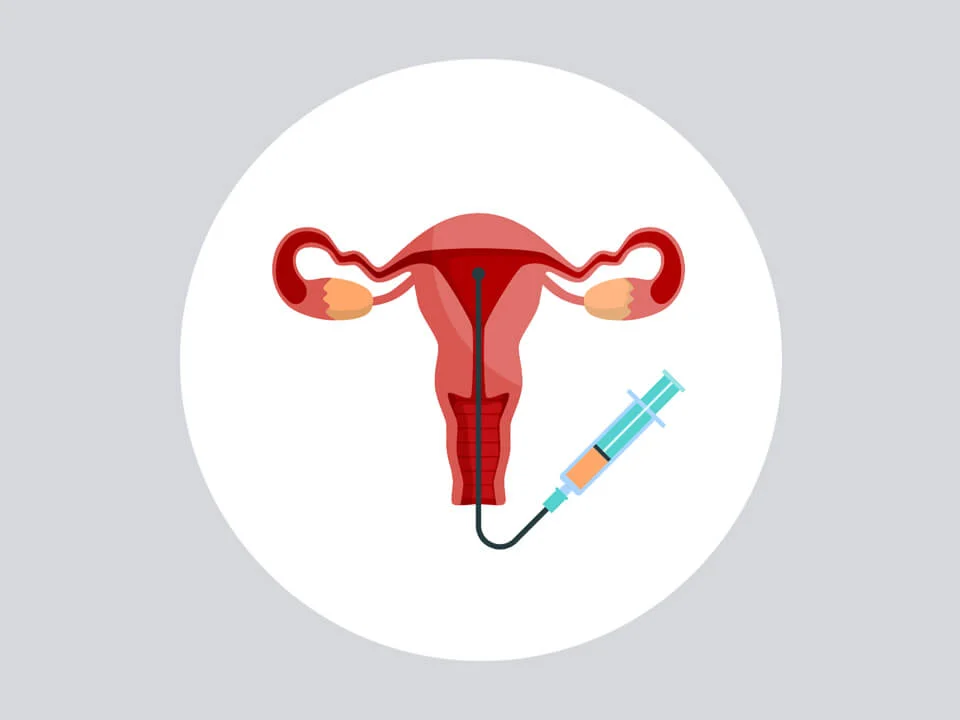
    illustration of a uterus with a syringe for intrauterine insemination (IUI) procedure

    A Holistic Guide to Preparing Your Body for Pregnancy

    Step 5: Address any health issues

    Before trying to conceive, it is important to address any underlying health issues that may affect your pregnancy. This includes chronic conditions such as diabetes, thyroid disorders, or high blood pressure. Make sure to visit your doctor for a preconception check-up to ensure that you are in good health and to address any potential concerns.

    Step 6: Consider a holistic approach to fertility

    If you have been struggling with fertility, consider exploring holistic options to boost your chances of conceiving. This can include acupuncture, herbal remedies, and mind-body practices such as meditation and yoga. These holistic approaches can help balance hormones, reduce stress, and improve overall reproductive health.

    Step 7: Limit exposure to toxins

    Toxins can have a negative impact on fertility and can also be harmful to a developing baby. It is important to limit your exposure to toxins such as cigarette smoke, alcohol, and certain chemicals. If you work in an environment where you are exposed to toxins, take necessary precautions and speak to your doctor about potential risks.

    Step 8: Communicate with your partner

    Preparing your body for pregnancy is not just a solo journey. It is important to communicate openly with your partner and involve them in the process. This can include making dietary and lifestyle changes together, attending doctor appointments together, and supporting each other through the emotional ups and downs of preparing for pregnancy.

    In conclusion, preparing your body for pregnancy is a holistic process that involves nurturing your physical, mental, and emotional health. By following these steps, you can increase your chances of conceiving and have a healthier and more enjoyable pregnancy journey. Remember, every person’s journey is unique, so be patient and kind to yourself throughout this process.

    SEO metadata:

  • Intrauterine Insemination vs Timed Intercourse: How to Prepare Your Body for Pregnancy

    Blog Post:

    Preparing your body for pregnancy is an important step for anyone looking to start a family. For couples struggling with fertility, there are two commonly used methods to increase their chances of conception: intrauterine insemination (IUI) and timed intercourse. Both options have their own unique benefits and considerations, and it’s important to understand the differences between the two in order to make an informed decision. In this blog post, we will explore the key differences between IUI and timed intercourse, as well as how to prepare your body for pregnancy using either method.

    Intrauterine Insemination (IUI):

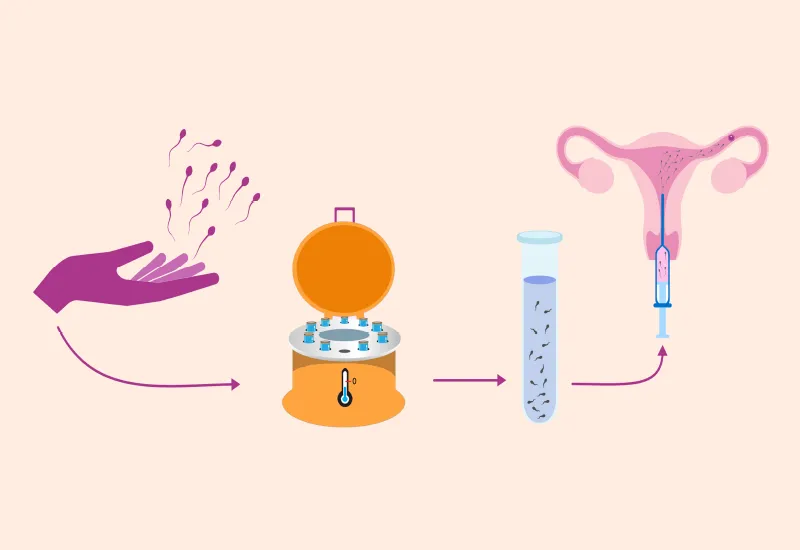
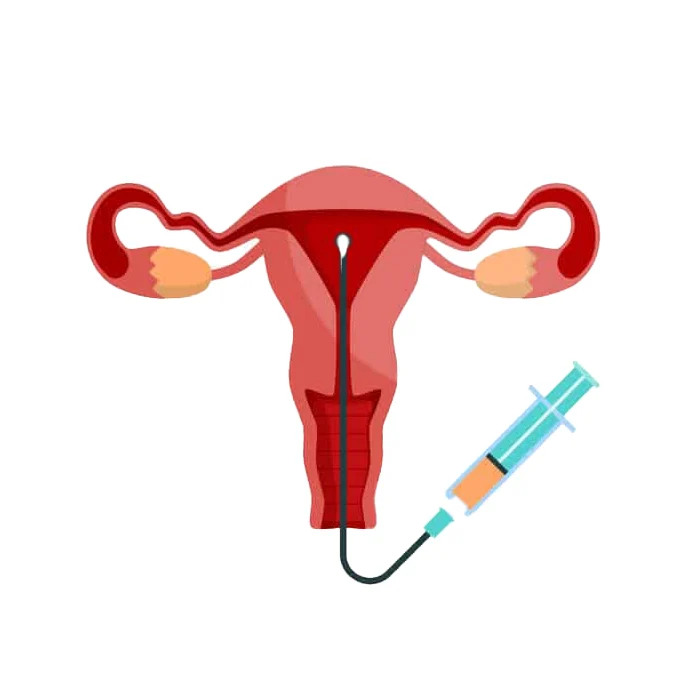
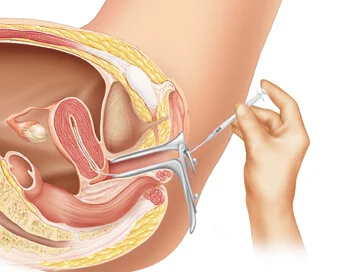
    IUI is a form of assisted reproductive technology (ART) where sperm is directly inserted into the uterus during a woman’s fertile window. This method is commonly used for couples with unexplained infertility, mild male factor infertility, or cervical issues. IUI can also be used for same-sex couples or single women who are using donor sperm.

    The procedure for IUI involves the use of a small catheter to insert the washed and prepared sperm into the uterus. This bypasses the cervix and allows the sperm to have a better chance of reaching the fallopian tubes and fertilizing the egg. IUI is typically painless and can be done in a doctor’s office without the need for anesthesia.

    Preparing Your Body for IUI:

    Before undergoing IUI, it’s important to prepare your body to increase your chances of success. This includes making lifestyle changes such as quitting smoking, reducing alcohol intake, and maintaining a healthy weight. It’s also important to have a pre-IUI checkup with your doctor to ensure that you are in good overall health and there are no underlying issues that may affect the procedure.

    In addition to lifestyle changes, your doctor may also prescribe fertility medications to stimulate ovulation and increase the number of eggs produced. These medications can include oral medications such as Clomid or injectable hormones like gonadotropins. It’s important to closely follow your doctor’s instructions and attend all monitoring appointments to ensure that the medications are working properly.

    illustration of intrauterine insemination procedure with a hand holding a speculum and syringe near the uterus

    Intrauterine Insemination vs Timed Intercourse: How to Prepare Your Body for Pregnancy

    Timed Intercourse:

    Timed intercourse is a natural method of trying to conceive where couples have sex during a woman’s fertile window. This is typically the five days leading up to ovulation and the day of ovulation itself. Timing is crucial for this method, as sperm can survive in the female reproductive tract for up to five days, while the egg is only viable for about 24 hours after ovulation.

    This method is often used for couples with unexplained infertility or mild male factor infertility. It can also be a more affordable option compared to IUI or other ART procedures. However, timed intercourse can be stressful for some couples, as it requires careful tracking of ovulation and frequent intercourse during the fertile window.

    Preparing Your Body for Timed Intercourse:

    Unlike IUI, there are no medical procedures involved in timed intercourse. However, there are still steps you can take to prepare your body for pregnancy. As with IUI, making lifestyle changes such as quitting smoking and reducing alcohol intake can improve fertility. Additionally, tracking ovulation through methods such as basal body temperature charting or ovulation predictor kits can help determine the best time for intercourse.

    It’s also important to maintain a healthy and balanced diet, as well as incorporating regular exercise into your routine. This can help regulate hormones and improve overall reproductive health. Some studies have also shown that certain supplements, such as folic acid, can improve fertility and increase the chances of conception.

    Summary:

    Intrauterine insemination (IUI) and timed intercourse are two commonly used methods for couples struggling with fertility. IUI involves the insertion of washed and prepared sperm into the uterus, while timed intercourse relies on natural conception during a woman’s fertile window. Both methods have their own unique benefits and considerations, and it’s important to prepare your body for pregnancy using either method. This includes making lifestyle changes, attending doctor appointments, and closely following instructions for fertility medications. Timed intercourse also requires careful tracking of ovulation and maintaining a healthy diet and exercise routine. By understanding the differences between IUI and timed intercourse and taking steps to prepare your body, you can increase your chances of conceiving and starting your journey towards parenthood.

  • The Role of Exercise in Fertility: Finding the Right Balance

    The Role of Exercise in Fertility: Finding the Right Balance

    Fertility is a topic that affects many individuals and couples, and there are a variety of factors that can impact one’s ability to conceive. While diet and stress levels often come to mind when discussing fertility, exercise is also a crucial factor that can greatly impact reproductive health. In this blog post, we will delve into the role of exercise in fertility and how finding the right balance is key for optimal reproductive health.

    Exercise and Fertility: The Connection

    Physical activity has numerous benefits for overall health and well-being, and it also plays a significant role in fertility. In fact, studies have shown that regular exercise can improve fertility by regulating hormones, increasing blood flow to reproductive organs, and reducing stress and inflammation in the body.

    Hormonal Regulation

    Hormonal imbalances can impact fertility in both men and women. Regular exercise can help regulate hormone levels by reducing insulin resistance, which can lead to polycystic ovary syndrome (PCOS) in women, a common cause of infertility. Exercise also helps to balance estrogen and progesterone levels, which are crucial for a healthy menstrual cycle and ovulation.

    Increased Blood Flow

    The reproductive organs require a good blood supply to function properly. Exercise helps to increase blood flow to these organs, providing them with the necessary nutrients and oxygen for optimal functioning. This can improve the quality of eggs and sperm, increasing the chances of conception.

    Stress Reduction

    Stress has a significant impact on fertility, as high levels of stress can disrupt hormones and interfere with ovulation and sperm production. Exercise is a proven stress reliever, as it releases endorphins, the body’s feel-good hormones, and reduces the levels of stress hormones such as cortisol. By incorporating regular exercise into one’s routine, individuals can reduce stress levels and improve their chances of conceiving.

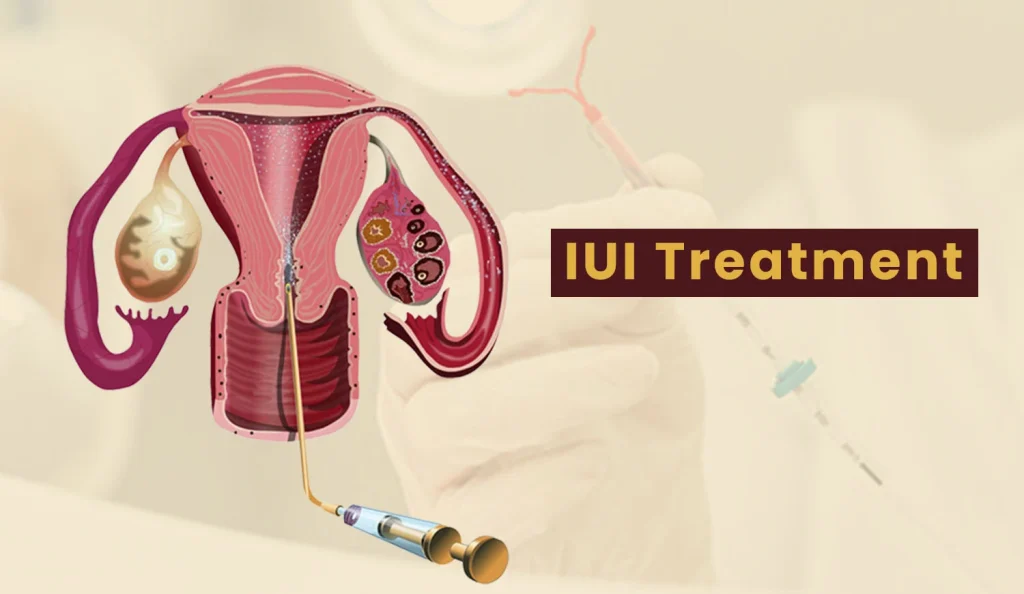
    illustration of the uterus and ovaries with a syringe, labeled "IUI Treatment" in the background

    The Role of Exercise in Fertility: Finding the Right Balance

    Inflammation Reduction

    Inflammation is a natural response in the body to injury or illness, but chronic inflammation can have negative effects on fertility. Exercise has been shown to reduce inflammation in the body, which can improve overall health and reproductive function.

    Finding the Right Balance

    While exercise is essential for fertility, finding the right balance is crucial. Too much or too little exercise can have adverse effects on reproductive health. For women, excessive exercise can lead to irregular menstrual cycles and even stop ovulation. On the other hand, a sedentary lifestyle can also negatively impact fertility. Therefore, it is essential to find a balance that works for one’s body and reproductive goals.

    Types of Exercise for Fertility

    When it comes to exercise and fertility, not all types of physical activity are created equal. Some exercises may be more beneficial than others in promoting reproductive health. Low-impact exercises such as walking, swimming, and yoga are ideal for fertility as they can help reduce stress levels and improve blood flow without putting too much strain on the body. High-intensity exercises, on the other hand, can increase stress levels and reduce fertility. It is crucial to consult with a healthcare professional to determine the best exercise plan for one’s specific needs and goals.

    Timing and Frequency

    The timing and frequency of exercise can also impact fertility. For women, exercising too much during the ovulation phase can affect the quality of eggs and reduce the chances of conception. On the other hand, men should avoid excessive exercise before and during the time of ovulation, as it can hinder sperm production. It is essential to maintain a consistent exercise routine, but also listen to one’s body and adjust accordingly.

    Other Considerations

    In addition to finding the right balance of exercise, there are other factors to consider when it comes to fertility. For women, proper nutrition is crucial for reproductive health, and exercise should be accompanied by a balanced and nutritious diet. For men, wearing tight clothing or using hot tubs can also impact sperm quality, so it is essential to avoid these activities when trying to conceive.

    In conclusion, exercise plays a significant role in fertility and should be a crucial component of one’s reproductive health plan. Finding the right balance of exercise, timing, and frequency is essential for optimal fertility. By incorporating low-impact exercises, managing stress levels, and listening to one’s body, individuals can improve their chances of conceiving and achieve their reproductive goals.

  • The Role of Diet and Exercise in Fertility: Tips for Optimal Conception

    Blog Post Title: The Role of Diet and Exercise in Fertility: Tips for Optimal Conception

    Summary:

    Fertility is a topic that can bring about a range of emotions, from excitement and hope to frustration and disappointment. Many couples struggle with infertility and turn to various medical interventions to try and conceive. However, what is often overlooked is the role that diet and exercise can play in fertility.

    In recent years, research has shown that lifestyle factors, such as diet and exercise, can significantly impact fertility in both men and women. In this blog post, we will discuss the importance of diet and exercise in fertility and provide tips for couples looking to optimize their chances of conception.

    The Impact of Diet on Fertility

    What we eat can have a profound effect on our overall health and well-being, and this includes our reproductive health. A balanced and nutritious diet is crucial for maintaining hormone levels, promoting regular ovulation, and supporting a healthy pregnancy.

    One significant factor in fertility is maintaining a healthy body weight. Being underweight or overweight can disrupt hormone levels and make it more challenging to conceive. It is essential to find a healthy weight range and maintain it through a balanced diet and regular exercise.

    In addition to weight, specific nutrients have been linked to improved fertility. These include folic acid, iron, omega-3 fatty acids, and antioxidants. Foods such as leafy greens, whole grains, lean proteins, and healthy fats are excellent sources of these nutrients and should be incorporated into a fertility-boosting diet.

    On the other hand, certain foods and drinks should be avoided or limited when trying to conceive. These include processed foods, alcohol, caffeine, and sugary drinks. These can all negatively impact hormone levels and fertility.

    The Importance of Exercise for Fertility

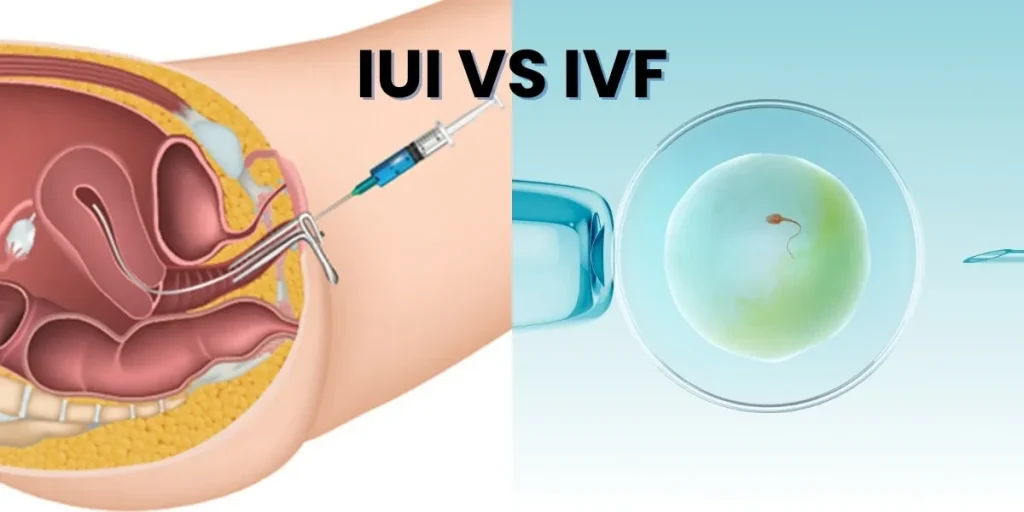
    comparison of IUI and IVF fertility treatments with illustrations of procedures and a petri dish with an egg and sperm

    The Role of Diet and Exercise in Fertility: Tips for Optimal Conception

    Regular exercise is not only crucial for overall health, but it can also have a significant impact on fertility. Studies have shown that women who engage in moderate exercise have a lower risk of infertility compared to those who are sedentary. Exercise can help regulate hormone levels, improve blood flow to the reproductive organs, and reduce stress, all of which can improve fertility.

    However, it is essential to strike a balance when it comes to exercise and fertility. Too much strenuous exercise can have the opposite effect and disrupt hormone levels. It is recommended to engage in moderate exercise, such as brisk walking, yoga, or swimming, for around 30 minutes a day, five days a week.

    Tips for Optimal Conception

    1. Focus on a healthy, balanced diet: As mentioned earlier, a nutritious diet is crucial for fertility. Aim to incorporate plenty of fruits, vegetables, whole grains, lean proteins, and healthy fats into your meals. Avoid processed foods and limit your intake of alcohol, caffeine, and sugary drinks.

    2. Maintain a healthy weight: As weight can significantly impact fertility, it is crucial to maintain a healthy weight range. Consult with a healthcare professional to determine a healthy weight for your body and make changes to your diet and exercise routine if needed.

    3. Stay active: Regular exercise is essential for both men and women when it comes to fertility. Aim for 30 minutes of moderate exercise, five days a week. However, avoid strenuous exercise that can disrupt hormone levels.

    4. Consider supplements: In addition to a healthy diet, certain supplements can also aid in fertility. These include folic acid, iron, vitamin D, and omega-3 fatty acids. Consult with a healthcare professional before starting any supplements.

    5. Manage stress: Stress can have a significant impact on fertility, so it is crucial to find ways to manage stress effectively. This can include practicing relaxation techniques, such as yoga or meditation, and engaging in activities that bring joy and relaxation.

    6. Be patient: Trying to conceive can be a long and emotional journey, so it is essential to be patient and kind to yourself. Remember that everyone’s fertility journey is unique, and it may take time to achieve pregnancy. Seek support from loved ones and consider counseling if needed.

    In conclusion, diet and exercise play a crucial role in fertility and can significantly impact a couple’s chances of conceiving. By focusing on a healthy, balanced diet, maintaining a healthy weight, staying active, and managing stress, couples can optimize their chances of conception. Remember to be patient, seek support, and consult with a healthcare professional for personalized advice.

  • The Mind-Body Connection in Fertility: How to Harness Its Power

    Blog Post Title: The Mind-Body Connection in Fertility: How to Harness Its Power

    Summary:

    The journey to parenthood can be a difficult and emotional one for many couples struggling with fertility issues. While modern medicine has made significant advancements in fertility treatments, there is growing evidence that suggests the mind-body connection plays a crucial role in fertility as well. Our thoughts, emotions, and overall mental and physical well-being can greatly impact our reproductive health.

    In this blog post, we will explore the mind-body connection in fertility and how you can harness its power to increase your chances of conceiving. From understanding the impact of stress on fertility to incorporating mind-body practices into your fertility journey, we will provide practical tips and insights to help you on your path to parenthood.

    The Impact of Stress on Fertility:

    It is no secret that stress can have a negative impact on our overall health and well-being. And when it comes to fertility, stress can play a significant role. When we are stressed, our bodies release the hormone cortisol, which can interfere with the production of reproductive hormones and affect ovulation. Chronic stress can also lead to inflammation in the body, which has been linked to infertility.

    Moreover, the emotional toll that comes with struggling to conceive can also contribute to stress levels. Feelings of anxiety, sadness, and guilt are common among couples dealing with infertility, and these emotions can further exacerbate the problem. It is essential to recognize the impact of stress on fertility and take steps to manage it.

    Incorporating Mind-Body Practices into Your Fertility Journey:

    Many mind-body practices have been shown to be effective in reducing stress and improving fertility. These practices focus on the mind-body connection and aim to promote relaxation, reduce stress, and improve overall well-being. Some of the most common mind-body practices used in fertility include meditation, yoga, acupuncture, and cognitive-behavioral therapy.

    Illustration of a uterus with a syringe, representing intrauterine insemination (IUI) procedure.

    The Mind-Body Connection in Fertility: How to Harness Its Power

    Meditation and mindfulness techniques can help reduce stress and promote relaxation. By focusing on your breath and being present in the moment, you can quiet your mind and alleviate feelings of anxiety and worry. Yoga, a mind-body practice that combines physical postures, breathing techniques, and meditation, has also been shown to have a positive impact on fertility. It can help reduce stress, regulate hormones, and improve blood flow to the reproductive organs.

    Acupuncture, an ancient Chinese practice that involves the insertion of thin needles into specific points on the body, has gained popularity in the Western world for its potential benefits in fertility. Research has shown that acupuncture can help regulate the menstrual cycle, improve blood flow to the uterus, and reduce stress levels.

    Cognitive-behavioral therapy (CBT) is a type of talk therapy that focuses on changing negative thought patterns and behaviors. It can be beneficial for couples struggling with infertility, as it can help them cope with the emotional toll of the process and develop healthy coping mechanisms. CBT has been shown to improve pregnancy rates in women undergoing fertility treatment.

    The Role of Nutrition and Exercise in Fertility:

    The mind-body connection in fertility also extends to nutrition and exercise. A healthy diet and regular exercise can help regulate hormones, improve overall health, and boost fertility. Eating a balanced diet that includes plenty of fruits, vegetables, whole grains, and lean proteins can provide the essential nutrients for reproductive health. It is also important to limit processed foods, sugar, and unhealthy fats, as they can contribute to inflammation and hormonal imbalances.

    Regular exercise can also have a positive impact on fertility. It helps manage stress levels, improve blood flow, and regulate hormones. However, it is essential to find a balance, as excessive exercise can also interfere with ovulation and disrupt the menstrual cycle.

    The Importance of a Support System:

    Going through fertility struggles can feel isolating and overwhelming. It is crucial to have a support system in place to lean on during this challenging time. Whether it is your partner, family, friends, or a support group, having someone to talk to and share your feelings with can help ease the emotional burden.

    Additionally, finding a support group specifically for couples dealing with fertility issues can be incredibly beneficial. It allows you to connect with others who are going through a similar experience and can provide a sense of community and understanding.

    In conclusion, the mind-body connection plays a significant role in fertility, and harnessing its power can improve your chances of conceiving. By managing stress levels, incorporating mind-body practices into your routine, and maintaining a healthy lifestyle, you can support your reproductive health and increase your chances of becoming a parent. Remember to also seek support from loved ones and professionals to help you navigate this journey with strength and resilience.

  • The Link Between Lifestyle Choices and Fertility: What At-Home Testing Can Reveal

    Blog Post:

    When it comes to fertility, there are many factors that can impact a person’s ability to conceive. While some of these factors, such as age and genetics, are beyond our control, there are certain lifestyle choices that can have a significant impact on fertility. From diet and exercise to stress levels and environmental toxins, our daily habits and choices can play a crucial role in our fertility journey.

    In recent years, at-home fertility testing has become increasingly popular, providing individuals with valuable insights into their reproductive health and potential fertility issues. These tests can reveal a lot about the link between lifestyle choices and fertility, helping individuals make more informed decisions about their health and fertility journey.

    Diet and Fertility

    A healthy and balanced diet is essential for overall health and well-being, but it can also have a significant impact on fertility. Studies have shown that a diet high in processed foods, refined sugars, and unhealthy fats can lead to hormonal imbalances, which can affect ovulation and sperm quality. On the other hand, a diet rich in whole foods, healthy fats, and lean proteins can help regulate hormones and improve fertility.

    At-home fertility tests can provide insights into a person’s hormone levels, including estrogen, progesterone, and testosterone, which can be affected by diet. By identifying any imbalances, individuals can make necessary changes to their diet to support their fertility.

    Exercise and Fertility

    Regular physical activity is crucial for maintaining a healthy weight, reducing stress levels, and promoting overall well-being. However, excessive or intense exercise can have a negative impact on fertility. Women who engage in intense exercise or have a low body mass index (BMI) may experience irregular or missed periods, affecting ovulation and fertility.

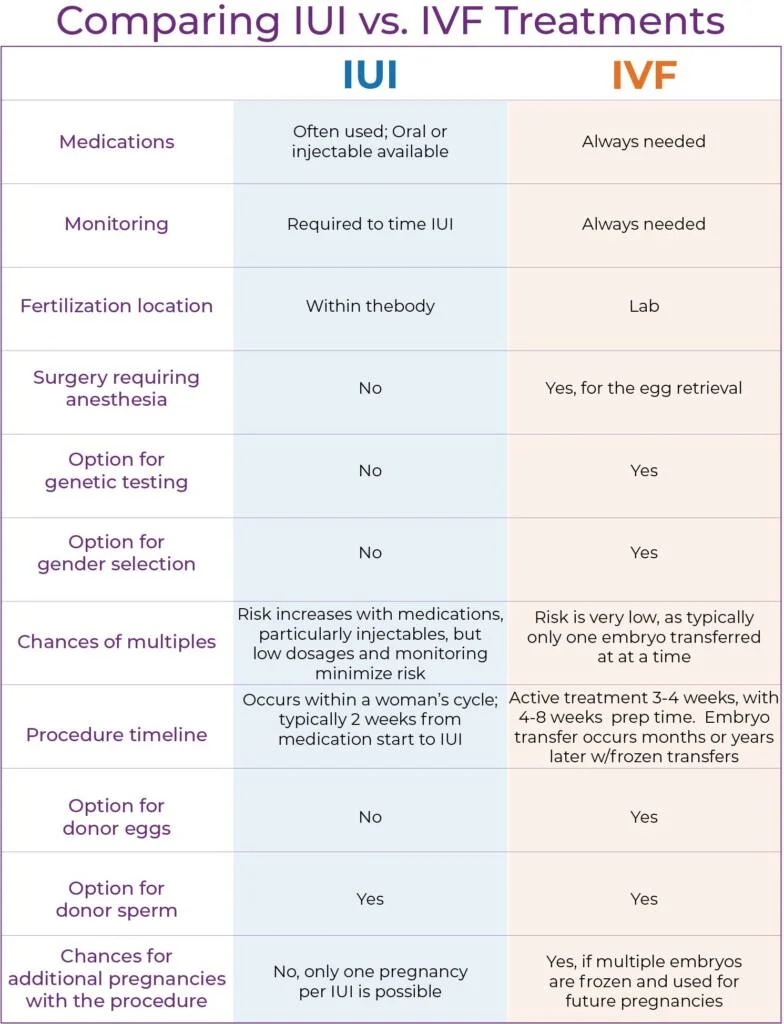
    Comparison chart of IUI and IVF treatments, detailing medications, monitoring, procedures, and success rates.

    The Link Between Lifestyle Choices and Fertility: What At-Home Testing Can Reveal

    At-home fertility tests can measure a person’s BMI and hormone levels, providing insights into how exercise may be impacting their fertility. If necessary, individuals can make adjustments to their exercise routine to support their reproductive health.

    Stress and Fertility

    Stress is a common factor in modern life, and it can have a significant impact on fertility. Chronic stress can lead to hormonal imbalances, disrupt ovulation, and decrease sperm quality. Additionally, stress can also lead to unhealthy coping mechanisms, such as smoking, excessive drinking, and poor dietary choices, which can further affect fertility.

    At-home fertility tests can measure cortisol levels, the hormone released during times of stress, and provide insights into how stress may be impacting fertility. Individuals can then take steps to manage their stress levels and find healthy coping mechanisms, which can help improve fertility.

    Environmental Toxins and Fertility

    We are exposed to various environmental toxins every day, from pollutants in the air to chemicals in our food and personal care products. These toxins can interfere with hormone production and disrupt the reproductive system, affecting fertility. For example, exposure to bisphenol-A (BPA), a chemical commonly found in plastics, has been linked to reduced sperm quality and female infertility.

    At-home fertility tests can measure the levels of environmental toxins in the body and provide individuals with valuable information about their potential impact on fertility. Armed with this knowledge, individuals can make changes to reduce their exposure to these toxins and improve their chances of conceiving.

    Summary:

    Our lifestyle choices can have a significant impact on fertility, and at-home fertility testing can provide valuable insights into this link. From diet and exercise to stress levels and environmental toxins, everything we do can affect our reproductive health. By using at-home fertility tests, individuals can identify any hormonal imbalances or potential fertility issues and make necessary changes to support their fertility journey. By emphasizing the importance of a healthy and balanced lifestyle, we can take control of our fertility and increase our chances of conceiving.

  • Surprising Ways to Boost Male Fertility Naturally

    Title: Surprising Ways to Boost Male Fertility Naturally

    Infertility is a common problem that affects couples worldwide. While there are many factors that can contribute to infertility, male fertility issues account for about 30% of all infertility cases. Factors like stress, poor diet, and exposure to toxins can affect sperm count, motility, and overall sperm health. The good news is that there are many natural ways to boost male fertility and increase the chances of conception. In this blog post, we will explore some surprising ways to boost male fertility naturally.

    1. Exercise Regularly

    Exercise is not only good for overall health but also for male fertility. Studies have shown that men who exercise regularly have higher sperm counts and better sperm quality compared to those who lead a sedentary lifestyle. Exercise also helps to reduce stress levels, which can have a negative impact on fertility. However, it is important to note that excessive exercise can have the opposite effect and decrease sperm quality. So, it is best to find a balance and avoid overexertion.

    2. Try Acupuncture

    Acupuncture is an ancient Chinese practice that involves inserting thin needles into specific points on the body. It is believed to help regulate the body’s energy flow and promote overall wellness. Studies have shown that acupuncture can help improve sperm quality and increase sperm count in men with fertility issues. It can also help reduce stress levels, which can have a positive impact on fertility. If you are considering acupuncture, make sure to consult a licensed acupuncturist experienced in treating male fertility issues.

    3. Include Antioxidant-Rich Foods in Your Diet

    Antioxidants are compounds that help protect the body from damage caused by free radicals. Free radicals can damage cells, including sperm cells, which can lead to fertility issues. Including antioxidant-rich foods in your diet can help combat free radicals and improve sperm health. Foods like berries, nuts, green leafy vegetables, and dark chocolate are excellent sources of antioxidants. Studies have also shown that supplementing with antioxidants like vitamin C, vitamin E, and CoQ10 can improve sperm quality and increase fertility.

    illustration of the IUI process, showing sperm collection, preparation, and insertion into the uterus

    Surprising Ways to Boost Male Fertility Naturally

    4. Get Enough Sleep

    Getting enough quality sleep is crucial for overall health and fertility. Lack of sleep can disrupt hormone levels, including testosterone, which is essential for sperm production. Studies have shown that men who sleep for less than six hours a night have lower sperm counts and poorer sperm quality compared to those who get seven to eight hours of sleep. So, make sure to prioritize getting enough restful sleep to boost male fertility.

    5. Manage Stress Levels

    Stress has a significant impact on overall health and fertility. It can disrupt hormone levels, affect sperm production, and reduce sperm quality. Chronic stress has also been linked to erectile dysfunction and low libido. To manage stress levels, try relaxation techniques like meditation, yoga, or deep breathing. You can also consider counseling or therapy to help deal with stress and improve overall well-being.

    6. Avoid Exposure to Toxins

    Exposure to toxins is one of the leading causes of male infertility. Toxins like pesticides, heavy metals, and chemicals found in household products can affect sperm quality and reduce sperm count. To reduce exposure to toxins, opt for organic produce and household products that are free from harsh chemicals. It is also essential to avoid smoking, excessive alcohol consumption, and drug use, as these can also have a negative impact on male fertility.

    7. Try Herbal Supplements

    Certain herbal supplements can also help boost male fertility naturally. Herbs like Maca, Tribulus Terrestris, and Ashwagandha have been used for centuries to improve male fertility. These herbs can help regulate hormone levels, improve sperm quality, and increase sperm count. However, it is crucial to consult a healthcare professional before taking any herbal supplements, as they may interact with other medications or have side effects.

    In conclusion, male fertility is a complex issue, and there is no one-size-fits-all solution. However, by making lifestyle changes like regular exercise, managing stress levels, and including antioxidant-rich foods in your diet, you can increase your chances of conceiving. It is also important to consult a healthcare professional if you are experiencing fertility issues to determine the underlying cause and develop a personalized treatment plan. With these natural methods, you can boost male fertility and take a step towards starting or expanding your family.

  • The Role of Exercise in Fertility and How to Incorporate it Naturally

    Blog post:

    Fertility is a topic that affects many couples and individuals, and it is often a journey filled with ups and downs. While there are many factors that can impact fertility, one aspect that is often overlooked is the role of exercise. Exercise not only has numerous physical and mental health benefits, but it can also play a significant role in fertility. In this blog post, we will explore the connection between exercise and fertility and provide tips on how to incorporate exercise into your daily routine naturally.

    The Link Between Exercise and Fertility:

    Research has shown that regular exercise can have a positive impact on fertility for both men and women. For women, regular physical activity can help regulate hormones, improve ovulation, and increase the chances of conception. Exercise can also improve blood flow to the uterus, which can enhance the chances of a fertilized egg implanting in the uterine lining.

    For men, exercise can improve sperm quality and quantity. Studies have shown that men who engage in regular physical activity have higher sperm counts and healthier sperm compared to those who are sedentary. Exercise can also help reduce stress and improve overall sperm function.

    Exercise can also be beneficial for couples undergoing fertility treatments. It can improve the success rates of in vitro fertilization (IVF) and other fertility procedures. In addition, exercise can help reduce stress and anxiety, which are common during fertility treatments.

    Tips for Incorporating Exercise into Your Daily Routine:

    test tube with sperm in blue liquid, promoting IUI success rate and factors influencing fertility.

    The Role of Exercise in Fertility and How to Incorporate it Naturally

    1. Start slow and listen to your body: If you are new to exercise, it is important to start slow and gradually increase your activity level. It is also essential to listen to your body and not push yourself too hard. Overexertion can cause stress on the body, which can have a negative impact on fertility.

    2. Find activities you enjoy: Exercise does not have to be a chore. Find activities that you enjoy, whether it’s walking, swimming, yoga, or dancing. When you enjoy the activity, it is more likely to become a regular part of your routine.

    3. Make it a part of your daily routine: Schedule a specific time for exercise each day to make it a part of your daily routine. This will help you stay consistent and make it easier to stick to your exercise plan.

    4. Be mindful of your fertility cycle: For women, it is essential to be mindful of your fertility cycle when planning your exercise routine. During ovulation, it is recommended to engage in low-impact exercises such as walking or yoga. High-intensity exercises should be avoided during this time as they can disrupt hormone levels and impact fertility.

    5. Get your partner involved: Exercise can be a great way to bond with your partner and support each other on your fertility journey. Plan activities together or join a couples’ workout class to make exercise a fun and enjoyable experience.

    6. Consider trying fertility-friendly exercises: There are certain exercises that are known to be more fertility-friendly, such as Pilates, swimming, and cycling. These types of exercises can help improve pelvic floor strength, which is essential for reproductive health.

    7. Stay hydrated and eat a balanced diet: Along with exercise, staying hydrated and eating a balanced diet is crucial for fertility. Make sure to drink plenty of water and incorporate a variety of fruits, vegetables, and lean proteins into your meals.

    In summary, exercise can play a significant role in fertility for both men and women. It can help regulate hormones, improve ovulation, and increase sperm quality and quantity. For couples undergoing fertility treatments, exercise can also improve success rates and reduce stress and anxiety. By incorporating exercise into your daily routine and making it a fun and enjoyable experience, you can improve your overall reproductive health and increase your chances of conceiving.

  • The Link Between Stress and Fertility: How Natural Methods Can Help

    The Link Between Stress and Fertility: How Natural Methods Can Help

    Infertility is a common issue that affects millions of couples worldwide. In fact, according to the World Health Organization, 1 in every 4 couples struggle with fertility issues. While there are various reasons for infertility, one factor that is often overlooked is stress. Studies have shown that stress can greatly impact a person’s reproductive health, leading to difficulties in conceiving. In this blog post, we will explore the link between stress and fertility and how natural methods can help improve fertility.

    What is Stress?

    Stress is a normal physical and emotional response to challenging situations. When a person is stressed, their body releases stress hormones such as cortisol and adrenaline. These hormones trigger the “fight or flight” response, preparing the body to react to potential danger. While stress is a natural and necessary response, chronic stress can have negative effects on our health.

    The Link Between Stress and Fertility

    Stress can affect fertility in various ways. For women, stress can disrupt the menstrual cycle, leading to irregular or absent periods. This can make it challenging to track ovulation, making it difficult to conceive. Stress can also affect the quality and quantity of cervical mucus, which is essential for sperm to reach the egg. In men, chronic stress can lower testosterone levels, affecting sperm production and quality.

    Moreover, stress can also affect a couple’s sex life, leading to a decrease in libido and sexual satisfaction. This can further add to the challenges of trying to conceive.

    Natural Methods to Reduce Stress and Improve Fertility

    While stress may seem like an inevitable part of life, there are natural methods that can help reduce its impact on fertility. These methods not only help alleviate stress but also promote overall well-being, making them a great choice for couples trying to conceive.

    1. Mind-Body Techniques

    illustration of the IUI process, showing sperm collection, preparation, and insertion into the uterus

    The Link Between Stress and Fertility: How Natural Methods Can Help

    Mind-body techniques, such as meditation, yoga, and deep breathing, can help reduce stress and promote relaxation. These practices can also help improve sleep quality, which is essential for hormonal balance and reproductive health. Studies have shown that women who practiced meditation had higher chances of getting pregnant compared to those who didn’t.

    2. Acupuncture

    Acupuncture, a traditional Chinese medicine practice, involves inserting thin needles into specific points on the body. This practice has been found to reduce stress levels and improve reproductive health. Research has shown that acupuncture can increase blood flow to the reproductive organs, regulate hormones, and improve egg quality.

    3. Herbal Remedies

    Certain herbs have been used for centuries to help reduce stress and improve fertility. These include ashwagandha, maca root, and holy basil. These herbs can help regulate hormones, reduce cortisol levels, and improve overall well-being.

    4. Exercise

    Regular exercise is known to have numerous benefits for both physical and mental health. It can also help reduce stress levels. Engaging in moderate physical activities such as walking, swimming, or yoga can help release endorphins, also known as the “feel-good” hormones, and promote relaxation.

    5. Nutrition

    Eating a well-balanced diet is crucial for overall health, including reproductive health. Consuming nutrient-dense foods such as fruits, vegetables, whole grains, and lean protein can help reduce stress levels and improve fertility. Foods rich in antioxidants, such as berries and leafy greens, can also help combat the negative effects of stress on the body.

    In addition to these natural methods, seeking support from a therapist or joining a support group can also be beneficial in managing stress and improving fertility.

    In summary, stress can have a significant impact on fertility, making it challenging for couples to conceive. However, by incorporating natural methods such as mind-body techniques, acupuncture, herbal remedies, exercise, and proper nutrition, couples can reduce stress levels and improve their chances of getting pregnant. These methods not only promote overall well-being but also provide a holistic approach to managing stress and improving fertility.