Tag: ethical concerns

  • Surrogacy vs Adoption: A Global Perspective

    Surrogacy and adoption are two methods of building a family that have become increasingly popular in recent years. Both options offer individuals and couples the opportunity to become parents, but they differ greatly in terms of process, cost, and legal implications. While both surrogacy and adoption have their own unique challenges and benefits, understanding the global perspective of these methods can help individuals make an informed decision about which option is best for them.

    Surrogacy is the process by which a woman carries a pregnancy for another individual or couple, with the intention of giving the child to them after birth. This can be done through traditional surrogacy, where the surrogate’s own egg is fertilized, or through gestational surrogacy, where the embryo is created using the intended parents’ egg and sperm or through a donor. Surrogacy is a highly regulated process and the laws and regulations surrounding it vary greatly from country to country.

    On the other hand, adoption is the legal process by which a child becomes a part of a new family, with the consent of their biological parents. Adoption can occur through various methods, including domestic adoption, international adoption, and foster care adoption. Similar to surrogacy, the laws and regulations surrounding adoption also vary greatly from country to country.

    One of the main differences between surrogacy and adoption is the cost involved. Surrogacy can be a costly process, with estimated costs ranging from $90,000 to $150,000 in the United States. This high cost is mainly due to the expenses involved in finding a surrogate, medical procedures, and legal fees. Adoption, on the other hand, can also be an expensive process, but the costs can vary greatly depending on the type of adoption and the country of origin. International adoptions can cost anywhere from $20,000 to $50,000, while domestic adoptions can range from $5,000 to $40,000.

    Another important aspect to consider when comparing surrogacy and adoption is the legal implications. Surrogacy is a highly regulated process and the laws surrounding it can be complex and vary greatly from country to country. In some countries, surrogacy is completely banned, while in others it is strictly regulated. In some cases, the intended parents may have to go through a lengthy legal process to establish their parental rights. On the other hand, adoption also involves a complex legal process, but once it is finalized, the adopted child is legally recognized as a member of the new family.

    Furthermore, the cultural and societal attitudes towards surrogacy and adoption also play a significant role in the global perspective of these methods. In some cultures, adoption is not widely accepted, and there may be a stigma attached to it. This can make the adoption process more challenging for individuals and couples from these cultures. On the other hand, surrogacy may be more culturally accepted in some countries, but the laws and regulations surrounding it may still be restrictive.
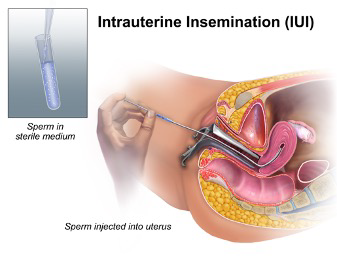
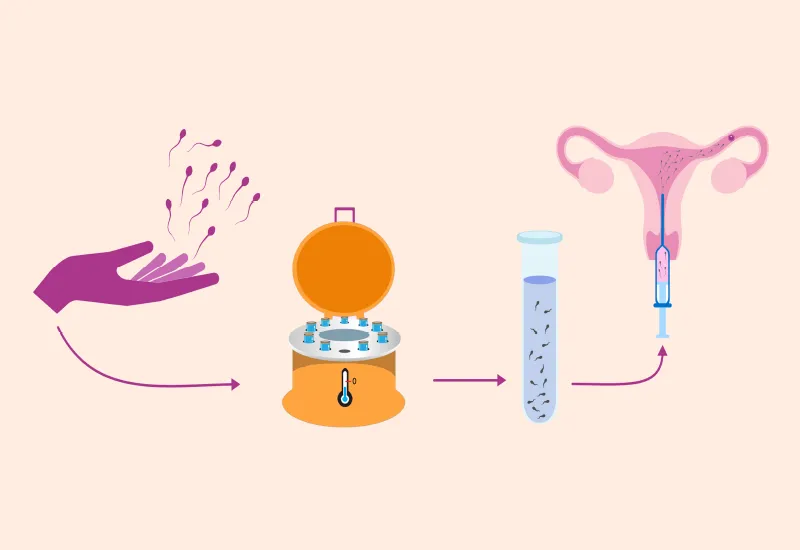
    Illustration of intrauterine insemination (IUI) procedure, showing sperm injection into the uterus.

    Surrogacy vs Adoption: A Global Perspective

    When considering the global perspective of surrogacy and adoption, it is also important to consider the ethical implications of these methods. Surrogacy has been a topic of ethical debates, as some argue that it commodifies the female body and exploits women from low-income backgrounds. On the other hand, adoption can also raise ethical concerns, especially in cases of international adoption, where there have been instances of child trafficking and exploitation.

    In terms of availability, adoption may be a more accessible option for individuals and couples, as surrogacy may not be available or legal in their country of residence. This can lead to individuals and couples seeking surrogacy services in other countries, which can be a complicated and expensive process. Additionally, the availability of children for adoption may also vary greatly depending on the country and type of adoption.

    Another aspect to consider is the emotional toll of both surrogacy and adoption. Both methods involve a lengthy process and can be emotionally challenging for all parties involved. For intended parents, the emotional journey of waiting for a child can be overwhelming, especially if the process is prolonged or unsuccessful. For surrogates and birth parents, the emotional experience of carrying a child and then giving them up can also be difficult.

    In conclusion, surrogacy and adoption are two methods of building a family that have their own unique challenges and benefits. The global perspective of these methods shows that there are significant differences in terms of cost, legal implications, cultural attitudes, availability, and ethical concerns. It is important for individuals and couples to carefully consider these factors and seek professional guidance before making a decision about which method is best for them.

    Summary:

    Surrogacy and adoption are two methods of building a family that have gained popularity in recent years. Surrogacy involves a woman carrying a pregnancy for another individual or couple, while adoption is the legal process by which a child becomes a part of a new family. Both options have their own unique challenges and benefits, and the global perspective of these methods highlights the differences in terms of cost, legal implications, cultural attitudes, availability, and ethical concerns. It is important for individuals and couples to carefully consider these factors and seek professional guidance before deciding which method is best for them.
  • The Debate Continues: Fertility Clinics vs Traditional Medicine

    The Debate Continues: Fertility Clinics vs Traditional Medicine

    In recent years, fertility treatments have become increasingly popular as more and more couples struggle with infertility. With the rise of fertility clinics offering advanced reproductive technologies, many are questioning the effectiveness and safety of these treatments compared to traditional medicine. While both options have their own merits, the debate continues on which is the better choice for couples looking to start a family.

    Fertility clinics, also known as assisted reproductive technology (ART) facilities, offer a wide range of services such as in vitro fertilization (IVF), intrauterine insemination (IUI), and egg or sperm donation. These technologies have revolutionized the way couples conceive, especially for those who have been unsuccessful with traditional methods. Fertility clinics also offer a higher success rate, with IVF alone having a success rate of 40% for women under the age of 35.

    On the other hand, traditional medicine, also known as natural or holistic medicine, focuses on treating the root cause of infertility rather than just the symptoms. This may include lifestyle changes, dietary adjustments, and herbal supplements. Traditional medicine also emphasizes the importance of overall health and wellness, as well as addressing any underlying issues that may be contributing to infertility.

    One of the main arguments against fertility clinics is the high cost of treatment. As these technologies often involve multiple procedures and tests, the expenses can add up quickly. This can be a major barrier for many couples, especially those who do not have insurance coverage for fertility treatments. In contrast, traditional medicine is often more affordable and accessible, making it a more viable option for couples with limited financial resources.

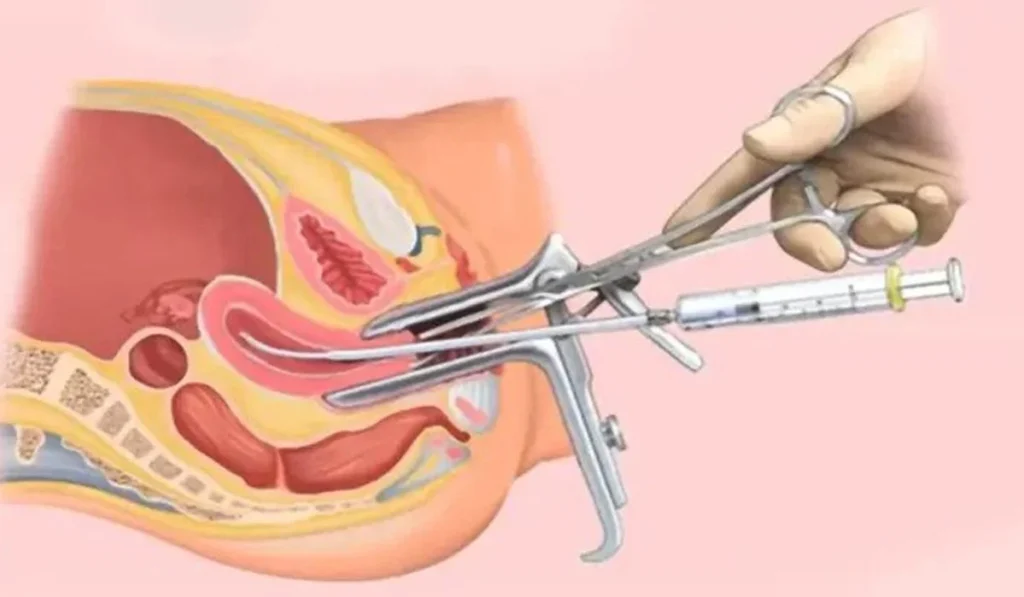
    illustration of an intrauterine insemination procedure with medical instruments and anatomical details

    The Debate Continues: Fertility Clinics vs Traditional Medicine

    Another concern with fertility clinics is the potential health risks associated with ART. Studies have shown that women who undergo IVF have a higher risk of developing ovarian hyperstimulation syndrome (OHSS) and multiple pregnancies, which can increase the chances of complications during pregnancy and delivery. In contrast, traditional medicine focuses on natural and non-invasive methods, reducing the risk of potential side effects or complications.

    In addition to the physical risks, there are also ethical concerns surrounding fertility clinics. The use of donor eggs or sperm, as well as the possibility of embryo selection for desired traits, has raised ethical questions about the commodification of human life. Traditional medicine, on the other hand, emphasizes the natural process of conception and respects the sanctity of human life.

    Despite these arguments, fertility clinics have their own advantages. In addition to their high success rates, they also offer a variety of options for couples who may have specific fertility issues such as male factor infertility or advanced maternal age. Fertility clinics also have a team of specialists who are trained and experienced in dealing with complex fertility cases, providing a more comprehensive and personalized approach to treatment.

    Moreover, fertility clinics also offer the option of freezing eggs or embryos for future use, giving women more control over their fertility and the ability to delay childbearing until they are ready. Traditional medicine may not have the same level of technology and resources to offer this option, making it a less desirable choice for some couples.

    In the end, the decision between fertility clinics and traditional medicine ultimately depends on the individual needs and preferences of the couple. Fertility clinics may offer a higher success rate and advanced technologies, but traditional medicine focuses on a holistic approach to treating infertility. It is important for couples to research and consult with medical professionals to determine the best course of action for their unique situation.

    In conclusion, the debate between fertility clinics and traditional medicine will likely continue as both have their own strengths and weaknesses. While fertility clinics may offer a higher success rate and advanced technologies, traditional medicine focuses on a more natural and holistic approach to treating infertility. Ultimately, the decision should be based on the individual needs and beliefs of the couple, with the guidance of medical professionals.

  • The Ethics of Artificial Insemination and IVF: Debating the Controversy

    Blog Post: The Ethics of Artificial Insemination and IVF: Debating the Controversy

    Artificial insemination and in vitro fertilization (IVF) are two commonly used methods of assisted reproductive technology (ART) that have sparked much debate and controversy. While these procedures have helped countless couples struggling with infertility to conceive, they also raise ethical questions and concerns. In this blog post, we will delve into the ethical implications of artificial insemination and IVF, exploring the arguments for and against these procedures.

    What is Artificial Insemination?

    Artificial insemination, also known as intrauterine insemination (IUI), is a form of ART where sperm is directly injected into a woman’s uterus to fertilize her eggs. This can be done with the sperm of a partner or a donor. The procedure is relatively simple and non-invasive, making it a popular choice for couples struggling with male infertility or other fertility issues.

    The Ethics of Artificial Insemination

    One of the primary ethical concerns surrounding artificial insemination is the use of donor sperm. While this may be a viable option for couples struggling with male infertility, it raises questions about the child’s right to know their biological father. Should children conceived through artificial insemination have the right to know the identity of their sperm donor? Some argue that the child has a right to know their genetic background and medical history, while others argue that the donor’s anonymity is necessary for the protection of both the donor and the child.

    Another ethical concern is the potential exploitation of women, particularly in commercial sperm banks. Women who choose to become sperm donors may be motivated by financial incentives, leading to ethical concerns about the commodification of human reproductive materials. Additionally, there have been cases of sperm donors fathering a large number of children, raising questions about the potential negative impact on the children and the possibility of unknowingly forming relationships with half-siblings.

    The Ethics of IVF

    IVF involves retrieving eggs from a woman’s ovaries and fertilizing them with sperm in a laboratory. The fertilized eggs, or embryos, are then transferred into the woman’s uterus. Similar to artificial insemination, IVF raises ethical concerns about the use of donor sperm or eggs. In addition, there are concerns about the fate of unused embryos, as it is common for multiple embryos to be created during the IVF process. These embryos may be cryopreserved for future use, donated to other couples, or discarded, raising questions about the value and sanctity of human life.

    illustration of the IUI process, showing sperm collection, preparation, and insertion into the uterus

    The Ethics of Artificial Insemination and IVF: Debating the Controversy

    Another ethical concern with IVF is the potential for “designer babies.” With advancements in technology, it is now possible to screen embryos for genetic disorders and select embryos with desired traits. This raises questions about the ethics of choosing certain traits for a child and the potential implications for society.

    Arguments for ART

    Advocates for ART argue that these procedures have helped millions of couples to have children and fulfill their dreams of starting a family. They argue that every individual has the right to reproductive autonomy and that ART allows individuals to exercise this right when natural conception is not possible.

    Furthermore, ART has also helped the LGBTQ+ community to start families, allowing same-sex couples and single individuals to have children through sperm or egg donation and surrogacy. This has opened up new possibilities for individuals who were previously unable to have children.

    Arguments Against ART

    On the other hand, opponents of ART argue that these procedures go against the natural and traditional way of conceiving a child. They believe that ART interferes with the natural process of reproduction and that it is a form of playing “God.”

    Moreover, opponents argue that ART is a costly procedure that is not accessible to everyone, creating an inequality in the ability to have children. This raises concerns about the potential for a “designer baby” industry, where only those with financial means can afford to select desirable traits for their children.

    In addition, there are concerns about the potential physical and emotional risks associated with ART, such as multiple pregnancies, ovarian hyperstimulation syndrome, and the psychological impact of failed procedures.

    Summary

    In conclusion, artificial insemination and IVF have revolutionized the world of assisted reproduction, giving hope to millions of couples struggling with infertility. However, these procedures also raise ethical concerns about the use of donor sperm and eggs, the fate of unused embryos, and the potential for “designer babies.” While advocates argue that ART is a fundamental right and has helped many individuals to start families, opponents raise concerns about the interference with natural reproduction and potential societal implications. As with any complex ethical issue, there is no easy answer, and the debate surrounding ART will continue to evolve as technology advances.

  • The Role of Technology: How Artificial Insemination and IVF Have Evolved

    Blog Post:

    Technology has played a crucial role in the advancement of reproductive medicine, specifically in the fields of artificial insemination and in vitro fertilization (IVF). The ability to assist in pregnancy and childbirth through these methods has revolutionized the way we think about parenthood and helped countless couples achieve their dream of having a family. In this blog post, we will explore the history and evolution of artificial insemination and IVF, how technology has played a role in their development, and the impact they have had on society.

    Artificial Insemination (AI), also known as intrauterine insemination (IUI), is a technique that involves placing sperm directly into a woman’s uterus in order to increase the chances of fertilization. This method has been used for centuries, with records of the process dating back to ancient Greek and Roman times. However, the modern development of AI can be traced back to the late 18th century when scientists began experimenting with animal insemination. The first successful AI procedure was performed in 1884 on a dog, and by the early 20th century, it was being used on livestock to improve breeding and increase the quality of offspring.

    The use of AI in humans began in the 1940s, but it wasn’t until the 1970s that it became a widely available option for couples struggling with fertility. This was due to the development of cryopreservation, which allowed sperm to be frozen and stored for future use. This breakthrough meant that sperm could be collected from a donor and used at a later time, eliminating the need for a live donor to be present during the insemination process.

    In the 1980s, the use of AI expanded to include donor sperm for couples with male infertility or genetic disorders that could be passed down to their offspring. This opened up a whole new world of possibilities for couples who were previously unable to conceive on their own. However, the success rates of AI were still relatively low, leading to the development of a more advanced technique – IVF.

    IVF is a process that involves fertilizing an egg with sperm in a laboratory and then transferring the resulting embryo into the woman’s uterus. The first successful IVF pregnancy was achieved in 1978 by British scientist Robert Edwards and gynecologist Patrick Steptoe. This groundbreaking achievement gave hope to millions of couples struggling with infertility and paved the way for further advancements in reproductive technology.

    One of the key developments in IVF technology was the introduction of intracytoplasmic sperm injection (ICSI) in the 1990s. This technique involves injecting a single sperm directly into an egg, bypassing any potential barriers that may prevent fertilization. ICSI has drastically improved the success rates of IVF, especially for couples with male factor infertility. It has also allowed for the use of frozen eggs, increasing the flexibility and accessibility of IVF.

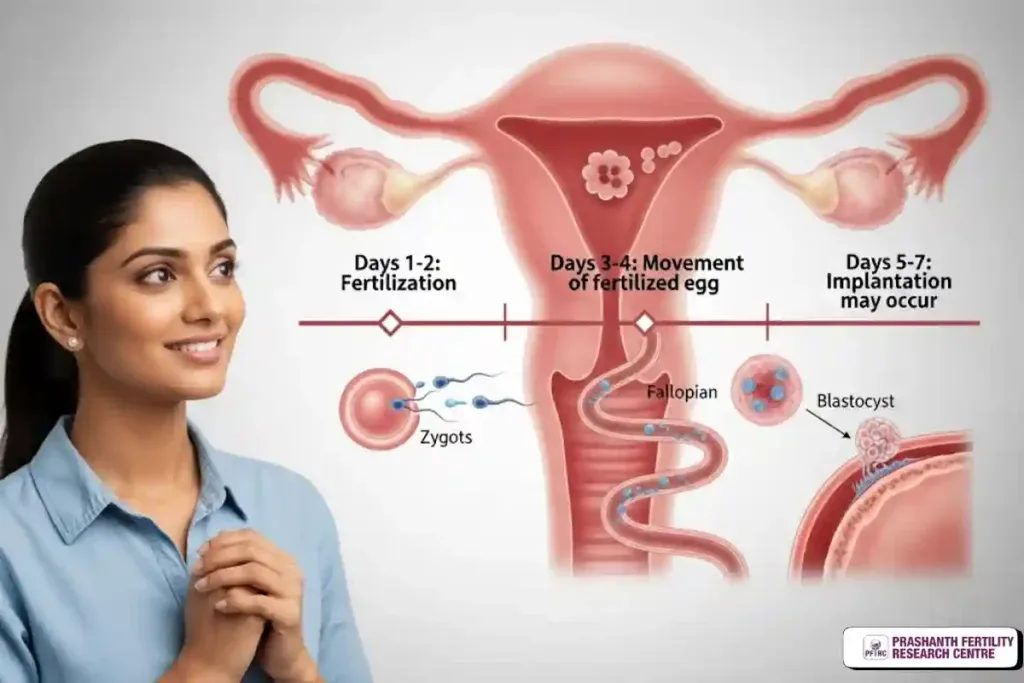
    Illustration showing fertilization and implantation timeline with a woman looking hopeful.

    The Role of Technology: How Artificial Insemination and IVF Have Evolved

    Another significant advancement in IVF technology is the use of preimplantation genetic testing (PGT). This involves testing embryos for genetic disorders before they are transferred to the uterus, reducing the risk of passing on inherited diseases to the child. PGT has also been used to select embryos based on their gender, which has raised ethical concerns but has also allowed for couples to have a higher chance of having a child of a specific sex.

    With the development of technology, IVF has become more refined and efficient, with success rates increasing significantly over the years. However, it is still a costly and emotionally taxing process, leading to the rise of more accessible and cost-effective options such as mini-IVF and natural cycle IVF. These methods use lower doses of medication or rely on a woman’s natural ovulation cycle, making them more affordable and less invasive.

    The evolution of AI and IVF has not only impacted the lives of couples struggling with infertility but has also raised ethical and social questions. The use of donor sperm and eggs has sparked debates about the definition of parenthood and the rights of the child to know their genetic origins. The concept of “designer babies” has also been a concern, with the ability to select embryos based on certain traits or characteristics.

    Furthermore, the high cost of these procedures has created a divide between those who can afford them and those who cannot. This has led to discussions about the accessibility of reproductive technology and the need for insurance coverage for fertility treatments.

    In conclusion, the role of technology in the evolution of artificial insemination and IVF cannot be overstated. These techniques have not only helped millions of couples fulfill their dreams of having a family, but they have also opened up new possibilities and raised important ethical and social questions. With the continuous development of technology, we can only imagine what the future holds for reproductive medicine and the impact it will have on our society.

    Summary:

    Technology has played a significant role in the development and evolution of artificial insemination and IVF. AI, which has been used for centuries, saw significant advancements in the 20th century with the development of cryopreservation. This allowed for the use of donor sperm and expanded the possibilities for couples struggling with fertility. IVF, which involves fertilizing an egg with sperm in a laboratory and transferring the resulting embryo into the uterus, was first successfully achieved in 1978. With the introduction of ICSI and PGT, the success rates of IVF have drastically improved. However, the high cost and ethical concerns have also been a topic of discussion. The continuous development of technology has changed the landscape of reproductive medicine and will continue to shape the future of parenthood.

  • Natural Conception vs Assisted Reproduction: A Personal Journey and Reflection

    Blog post:

    Natural Conception vs Assisted Reproduction: A Personal Journey and Reflection

    Becoming a parent is a dream for many people. The idea of creating a new life and watching it grow and thrive is a deeply human desire. However, for some individuals or couples, the journey to parenthood may not be as straightforward as they had hoped. This is where the topic of natural conception vs assisted reproduction comes into play. In this blog post, I will share my personal journey and reflections on this topic, hoping to shed light on the emotional, physical, and ethical aspects of both methods of conception.

    My husband and I had been trying to conceive for over a year with no success. As each month went by, we became more and more frustrated and worried. We decided to seek medical advice, and after a series of tests, we were told that we had unexplained infertility. This diagnosis left us feeling confused, helpless, and heartbroken. We had always imagined starting a family naturally, and the idea of assisted reproduction was daunting to us.

    We began to research and explore our options, and we soon learned that there are several methods of assisted reproduction, including in vitro fertilization (IVF), intrauterine insemination (IUI), and donor conception. Each method comes with its own set of pros and cons, and we were overwhelmed with the information we were presented with. We also had to consider the financial aspect of these treatments, as they can be quite costly.

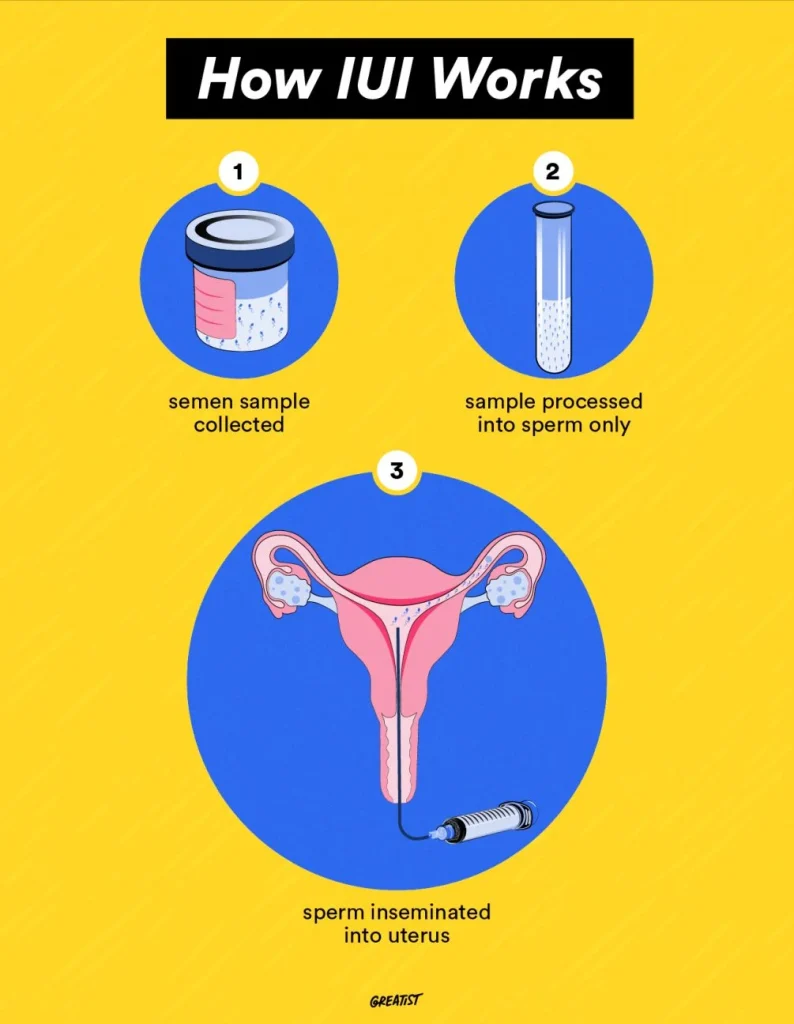
    After much contemplation and discussions with our doctor, we decided to try IUI. This method involves placing washed and concentrated sperm directly into the uterus, increasing the chances of fertilization. It was less invasive and less expensive than IVF, and we were hopeful that it would work for us. However, after several unsuccessful attempts, we were left feeling defeated and disappointed. We were emotionally and physically drained, and our relationship was also being tested.

    illustration explaining the steps of intrauterine insemination (IUI) process on a bright yellow background

    Natural Conception vs Assisted Reproduction: A Personal Journey and Reflection

    It was then that we decided to take a break from assisted reproduction and focus on our mental and emotional well-being. We also looked into alternative methods such as acupuncture and herbal supplements, hoping that they would increase our chances of conceiving naturally. We were determined to exhaust all options before considering IVF, which seemed like a last resort to us.

    During this time, we also reflected on the ethical aspects of assisted reproduction. We had to consider the use of fertility drugs and the risk of multiple pregnancies, as well as the possibility of having leftover embryos. We also thought about the potential impact on the child, as they may not have a genetic connection to one or both of us. These were difficult conversations, but we knew we had to address them before moving forward with any treatment.

    After a year of trying alternative methods, we finally received the news we had been longing for – we were pregnant. It was a surreal and joyous moment, and we were grateful for every step of our journey, including the struggles and setbacks. Looking back, I realize that our journey to parenthood was not just about the end goal of having a child, but also about the personal growth and strength we gained along the way.

    Reflecting on our experience, I have come to appreciate both natural conception and assisted reproduction. Natural conception is a beautiful and miraculous process, and I am in awe of those who are able to conceive without any assistance. However, I also understand the desire for individuals and couples to seek help in fulfilling their dream of parenthood. Assisted reproduction offers hope and possibilities for those who may not be able to conceive naturally, and it should not be stigmatized or judged.

    In conclusion, the journey to parenthood is a personal and unique one for each individual or couple. It is a journey filled with highs and lows, and it is important to consider all options and make informed decisions that are best for you and your family. Whether it be through natural conception or assisted reproduction, the end goal of creating a loving and nurturing environment for a child remains the same.

    Summary:

    In this blog post, the author shares their personal journey and reflections on the topic of natural conception vs assisted reproduction. After struggling with unexplained infertility, they explore the different methods of assisted reproduction and share their experiences with IUI. They also discuss the emotional, physical, and ethical aspects of both natural and assisted conception and the importance of mental and emotional well-being during the journey to parenthood. After trying alternative methods and addressing ethical concerns, the author and their partner finally conceive naturally and reflect on the growth and strength gained throughout their journey.