Tag: coping mechanisms

  • The Importance of Boundaries: How Fertility Support Groups Can Help Set Limits

    Boundaries are essential in maintaining our mental, emotional, and physical well-being. They are like invisible lines that we draw around ourselves to protect our personal space, emotions, and values. However, when it comes to fertility struggles, setting boundaries can become challenging. It’s a time of immense emotional vulnerability, and seeking support from others who are going through similar experiences can be comforting. This is where fertility support groups come in. These groups provide a safe space for individuals to share their struggles, but they also play a crucial role in helping individuals set boundaries.

    In this blog post, we will explore the importance of boundaries and how fertility support groups can help individuals struggling with fertility issues set limits to protect their emotional and mental well-being.

    Why Are Boundaries Important?

    Boundaries are essential for maintaining healthy relationships, setting priorities, and protecting our physical, emotional, and mental well-being. They help us establish what is acceptable and unacceptable to us, and they also guide our actions and reactions. Without boundaries, we can easily become overwhelmed, burnt out, and our relationships can suffer.

    In the context of fertility struggles, setting boundaries can be challenging. The intense desire to have a child can make individuals more vulnerable to other people’s opinions, advice, and comments. This can lead to individuals feeling pressured, judged, and even violated. It’s crucial to recognize the need for boundaries during this time and to learn how to set and communicate them effectively.

    How Fertility Support Groups Can Help Set Boundaries

    Fertility support groups are a safe space for individuals to share their struggles, receive emotional support, and learn coping mechanisms. These groups are usually led by a trained facilitator and consist of individuals who are going through similar experiences. Fertility support groups can be especially helpful in setting boundaries because:

    1. Validation of Experiences

    One of the biggest challenges in setting boundaries is feeling like our experiences are not valid. Fertility support groups provide a sense of validation as individuals can share their struggles and know that they are not alone. This helps individuals feel more confident in their boundaries and less likely to be swayed by others’ opinions.

    2. Learning from Others’ Experiences

    In a fertility support group, individuals can learn from others’ experiences and see how they have set boundaries. This can provide useful insights into what may work for them and give them the courage to set boundaries for themselves.

    3. A Safe Space to Practice Assertiveness

    Setting boundaries involves assertiveness – the ability to communicate our needs and limits confidently. In a fertility support group, individuals can practice assertiveness in a safe and non-judgmental environment. This can help individuals build their confidence and communication skills, making it easier to set boundaries in other areas of their lives.

    4. Support from Others in Enforcing Boundaries

    In some cases, individuals may face resistance when setting boundaries, which can make it challenging to maintain them. Fertility support groups can provide much-needed support from others who understand the struggle. This can help individuals stay firm in their boundaries and not give in to pressure from others.

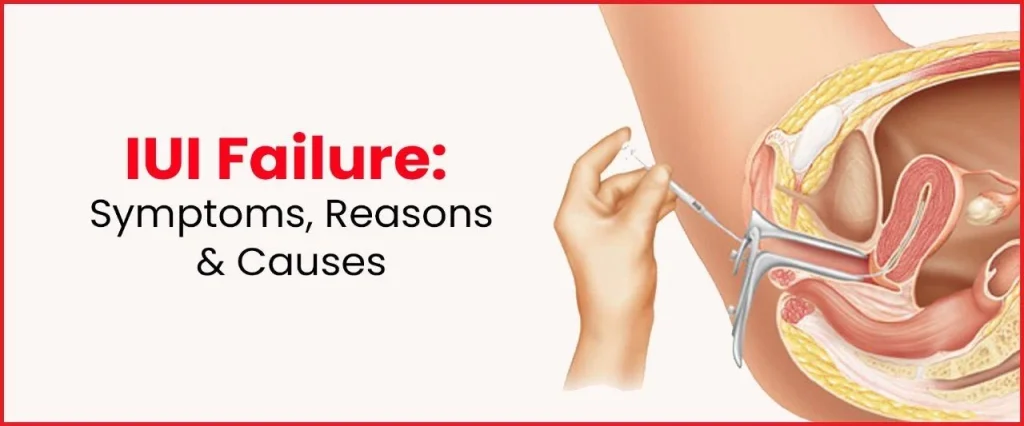
    Illustration of the IUI process, showing a syringe and catheter in the reproductive system.

    The Importance of Boundaries: How Fertility Support Groups Can Help Set Limits

    5. Understanding the Importance of Self-Care

    Setting boundaries also involves prioritizing our own needs and well-being. In a fertility support group, individuals can learn about the importance of self-care and how it can help them cope with their struggles. This understanding can motivate individuals to set boundaries to protect their emotional and mental health.

    6. Addressing Guilt and Shame

    Sometimes, individuals may feel guilty or ashamed when setting boundaries, especially if they are turning down offers of help from family and friends. Fertility support groups can provide a safe space to address these feelings and learn how to set boundaries without feeling guilty or ashamed.

    Tips for Setting Boundaries in a Fertility Support Group

    While fertility support groups can provide a safe space for individuals to set boundaries, it’s essential to keep in mind that every individual’s needs and boundaries are unique. Here are some tips for setting boundaries in a fertility support group:

    1. Communicate Clearly and Respectfully

    When setting boundaries, it’s crucial to communicate them clearly and respectfully. Avoid using language that may come across as aggressive or defensive. Instead, use “I” statements to express your needs and limits.

    2. Be Specific

    Setting vague boundaries can lead to confusion and misunderstandings. Be specific about what you are comfortable with and what you are not. This can help others understand your boundaries and respect them.

    3. Be Firm and Consistent

    Setting boundaries can be challenging, and it’s natural to feel guilty or doubt yourself. However, it’s crucial to be firm and consistent in enforcing your boundaries. Remind yourself of the importance of protecting your well-being.

    4. Seek Support from Others

    Don’t be afraid to seek support from others in enforcing your boundaries. This can help you stay firm and not give in to pressure from others.

    Summary:

    Setting boundaries is crucial for maintaining our mental, emotional, and physical well-being. However, during times of fertility struggles, setting boundaries can become challenging. Fertility support groups can play a crucial role in helping individuals struggling with fertility issues set boundaries. These groups provide a safe space for individuals to share their struggles, learn from others’ experiences, and practice assertiveness. They also provide support in enforcing boundaries and addressing feelings of guilt and shame. When setting boundaries in a fertility support group, it’s essential to communicate clearly and respectfully, be specific, and seek support from others.
  • Breaking the Silence: The Importance of Fertility Counseling for Mental Health

    Breaking the Silence: The Importance of Fertility Counseling for Mental Health

    Dealing with fertility issues can be an emotionally, physically, and financially taxing experience for individuals and couples. The inability to conceive or carry a child can lead to feelings of grief, loss, guilt, and even shame. These complex emotions can often take a toll on one’s mental health, making it crucial for individuals struggling with fertility to seek counseling and support.

    Fertility counseling, also known as reproductive or fertility therapy, is a specialized form of therapy that focuses on the emotional and psychological aspects of fertility issues. It aims to help individuals and couples navigate the challenges of fertility and provides them with the necessary tools and support to cope with the emotional rollercoaster that comes with it.

    Despite the prevalence of fertility issues, it is still a topic that is often shrouded in silence and stigma. Many individuals and couples may feel ashamed or embarrassed to talk about their struggles with fertility, leading them to suffer in silence. This silence can be detrimental to one’s mental health, as the stress and emotional burden of fertility issues can lead to anxiety, depression, and other mental health disorders.

    Fertility counseling provides a safe and judgment-free space for individuals and couples to express their emotions and concerns. It allows them to unload the weight they have been carrying and process their feelings in a healthy and constructive manner. A professional fertility counselor can also help clients understand and navigate the various treatment options available, providing them with the necessary information to make informed decisions about their fertility journey.

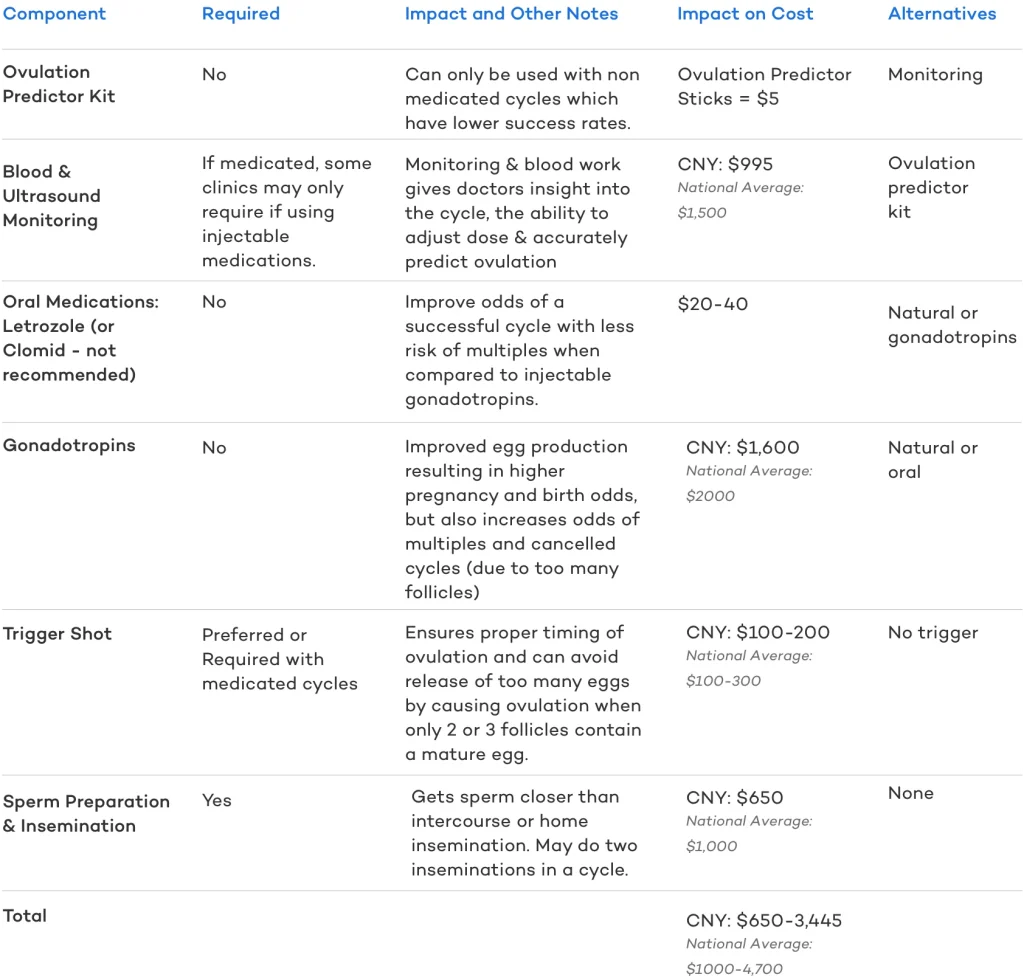
    Cost breakdown for IUI components, including requirements, impacts, and alternatives.

    Breaking the Silence: The Importance of Fertility Counseling for Mental Health

    In addition to providing emotional support, fertility counseling can also help individuals and couples manage the stress and anxiety that often accompany fertility treatments. The constant monitoring, medical procedures, and financial strain can take a toll on one’s mental well-being. Fertility counseling can equip clients with coping mechanisms to reduce stress and improve their overall mental health.

    Moreover, fertility counseling can also help improve relationships. Fertility issues can put a strain on even the strongest of relationships. The stress and disappointment of unsuccessful treatments can lead to conflicts and communication breakdowns between partners. Fertility counseling can provide a safe and neutral space for partners to communicate openly and work through their issues together, strengthening their bond and improving their chances of a successful outcome.

    For individuals or couples considering alternative options such as donor conception, surrogacy, or adoption, fertility counseling can be particularly beneficial. These options come with their own set of emotional challenges and complexities, and a fertility counselor can help individuals and couples navigate them in a healthy and supportive manner. They can also provide guidance on how to talk to family and friends about these decisions and manage any potential stigma or judgment.

    In addition to individual and couples therapy, fertility counseling can also include support groups. These groups bring together individuals and couples who are going through similar experiences, providing a sense of community and understanding. Support groups can be a valuable source of emotional support and a place to share experiences, information, and resources.

    In conclusion, fertility counseling is a crucial aspect of mental health care for individuals and couples struggling with fertility issues. It provides a safe and supportive space to process complex emotions, manage stress, and improve relationships. Fertility counseling can also help individuals and couples make informed decisions about their fertility journey and navigate the challenges that come with it. By breaking the silence and seeking support, individuals and couples can improve their mental health and increase their chances of a successful outcome.

  • Fertility Support Groups: A Safe Haven for Sharing and Healing

    Blog Post: Fertility Support Groups: A Safe Haven for Sharing and Healing

    The journey to parenthood can be a difficult and emotional one, especially for those struggling with fertility issues. The physical, emotional, and financial toll of trying to conceive can take a significant toll on individuals and couples alike. During this challenging time, it is important to have a support system in place to help navigate the ups and downs of the fertility journey. This is where fertility support groups come in – providing a safe haven for sharing and healing.

    What are Fertility Support Groups?

    Fertility support groups are a community of individuals and couples who are going through similar experiences with infertility. These groups can be found both online and in-person, and are facilitated by trained professionals or volunteers who have personal experience with fertility struggles. They offer a safe and non-judgmental space for individuals to share their thoughts, feelings, and experiences related to infertility.

    Benefits of Joining a Fertility Support Group

    1. Emotional Support: Fertility support groups provide a safe and understanding environment for individuals to share their feelings and experiences. They offer a sense of belonging and validation, as members can relate to each other’s struggles and offer support and encouragement.

    2. Coping Mechanisms: Coping with infertility can be overwhelming, and it can be challenging to find healthy ways to manage the stress and emotions that come with it. Fertility support groups provide a platform for individuals to learn and share different coping mechanisms, such as relaxation techniques, mindfulness, and self-care practices.

    3. Information and Resources: Fertility support groups are a valuable source of information and resources. Members can share their knowledge and experiences with different treatments, doctors, and clinics, which can help others make informed decisions about their fertility journey.

    4. Reduced Isolation: Infertility can make individuals and couples feel isolated, especially if they do not have a support system in place. By joining a fertility support group, individuals can connect with others who are going through similar experiences, reducing feelings of isolation and loneliness.

    5. Improved Mental Health: Dealing with infertility can take a toll on one’s mental health. Fertility support groups offer a safe space to express and process emotions, which can lead to improved mental well-being. Studies have shown that individuals who participate in support groups experience reduced levels of depression, anxiety, and stress.

    Types of Fertility Support Groups

    illustration of IUI procedure with text on symptoms, reasons, and causes of IUI failure

    Fertility Support Groups: A Safe Haven for Sharing and Healing

    1. In-Person Support Groups: These groups meet face-to-face and are facilitated by a professional or volunteer. They offer a more personal and intimate setting for individuals to share their experiences and offer support to others.

    2. Online Support Groups: With the rise of technology, online support groups have become increasingly popular. These groups can be found on social media platforms, forums, and chat rooms, making it convenient for individuals to connect and share with others from the comfort of their own home.

    3. Partner Support Groups: Infertility can also take a toll on relationships. Partner support groups offer a space for couples to share their feelings and experiences, and work on strengthening their relationship during this challenging time.

    4. Faith-Based Support Groups: For those who find comfort in their faith, faith-based support groups offer a safe space to connect with others who share similar beliefs and values.

    Tips for Finding the Right Fertility Support Group

    1. Research: Take the time to research different support groups in your area or online. Look for reviews and recommendations from others who have attended the group.

    2. Consider Your Needs: Think about what you need from a support group – whether it’s emotional support, information, or a specific focus on a certain aspect of infertility – and find a group that aligns with your needs.

    3. Attend a Meeting: Attend a meeting or two before committing to a support group to get a feel for the group dynamics and if it’s the right fit for you.

    4. Be Open-Minded: Every individual’s fertility journey is unique, and it’s important to be open-minded and respectful of others’ experiences and beliefs in a support group.

    In conclusion, fertility support groups offer a safe haven for individuals and couples struggling with infertility. They provide a sense of community, emotional support, coping mechanisms, information, and resources, which can make the journey to parenthood a little less daunting. If you or someone you know is dealing with infertility, consider reaching out and joining a fertility support group – you don’t have to go through this alone.

    Summary:

    Fertility support groups are communities of individuals and couples who are dealing with infertility. They provide a safe and non-judgmental space for sharing and healing, offering emotional support, coping mechanisms, information, and resources. These groups can be found both online and in-person and offer different types of support, such as partner support groups and faith-based support groups. To find the right support group, it’s important to research, consider your needs, attend a meeting, and be open-minded. Fertility support groups can make the journey to parenthood a little less daunting and provide a sense of belonging and understanding.

  • The Emotional Toll of Fertility: Managing with Supplements and Medical Treatments

    Blog Post:

    Fertility is a topic that carries a lot of emotional weight for many individuals and couples. The desire to have a child is a natural and deeply rooted one, and when faced with struggles in this area, it can take a toll on one’s mental and emotional well-being. In this blog post, we will explore the emotional toll of fertility and how it can be managed with supplements and medical treatments.

    The Emotional Toll of Fertility:

    For those who have been trying to conceive for a while, the emotional toll can be significant. The constant disappointment of negative pregnancy tests, the envy of seeing others easily get pregnant, and the fear of never being able to have a child can lead to feelings of sadness, anxiety, and even depression.

    The pressure from society and loved ones to have a child can also add to the emotional burden. Many couples feel like they are failing or not living up to expectations, which can lead to feelings of guilt and shame. This can put a strain on relationships and lead to further emotional distress.

    Managing with Supplements:

    While there is no magic pill that guarantees fertility, there are supplements that can help support the body’s reproductive system. One of the most commonly used supplements for fertility is folic acid, which is known to reduce the risk of birth defects and support healthy ovulation. Other supplements that may help improve fertility include omega-3 fatty acids, vitamin D, and Coenzyme Q10.

    It’s important to note that these supplements should not be used as a substitute for medical treatment or fertility medications prescribed by a doctor. However, they can be used as a complementary approach to support overall reproductive health.

    Medical Treatments:

    illustration of IUI procedure with text on symptoms, reasons, and causes of IUI failure

    The Emotional Toll of Fertility: Managing with Supplements and Medical Treatments

    For those who have been struggling with infertility, seeking medical treatment can be a daunting and emotionally charged decision. There are various medical treatments available, including fertility medications, intrauterine insemination (IUI), and in vitro fertilization (IVF).

    These treatments can be physically and emotionally demanding, with frequent doctor visits, hormone injections, and the uncertainty of success. It’s essential for individuals and couples to have a support system in place, whether it’s through therapy, support groups, or close friends and family.

    Managing the Emotional Toll:

    Dealing with the emotional toll of fertility can be overwhelming, but there are steps that can be taken to manage it. Firstly, it’s important to acknowledge and validate one’s feelings. It’s okay to feel sad, frustrated, or angry. It’s also crucial to communicate openly and honestly with a partner, as they may be experiencing similar emotions.

    Seeking support from a therapist or joining a support group can also be beneficial. These spaces provide a safe and understanding environment to express emotions and receive guidance on coping mechanisms. Additionally, practicing self-care activities such as exercise, meditation, and journaling can help reduce stress and improve emotional well-being.

    It’s also essential to set realistic expectations and understand that the fertility journey may be a long and challenging one. Having a positive mindset and finding ways to stay hopeful can make a significant difference in managing the emotional toll.

    In conclusion, the emotional toll of fertility can be significant, but it’s essential to remember that there is support and resources available. Whether it’s through supplements, medical treatments, or emotional support, individuals and couples can find ways to manage the emotional burden and stay hopeful on their journey to parenthood.

    Summary:

    Fertility struggles can take a significant emotional toll on individuals and couples. The pressure from society, constant disappointment, and fear of not being able to have a child can lead to feelings of sadness, anxiety, and depression. However, supplements such as folic acid, omega-3 fatty acids, and vitamin D can support reproductive health, while medical treatments like fertility medications and IVF can increase the chances of pregnancy. It’s important to have a support system in place and practice self-care activities to manage the emotional toll and stay hopeful on the fertility journey.