Tag: Adoption

  • From Fertility Treatments to Adoption: Understanding the Financial Implications

    From Fertility Treatments to Adoption: Understanding the Financial Implications

    In today’s society, starting a family is a milestone that many people aspire to reach. However, for some individuals or couples, the journey to parenthood may not be as straightforward as they had hoped. With advancements in fertility treatments and the option of adoption, there are various paths that people can take to fulfill their dream of becoming parents. However, these options often come with a hefty price tag, and it’s essential to understand the financial implications that come with them.

    Fertility treatments can range from basic procedures such as intrauterine insemination (IUI) to more advanced procedures like in vitro fertilization (IVF). These treatments can be expensive, with the average cost of one IVF cycle in the United States being around $12,000, not including medication costs. For many individuals or couples, multiple cycles may be necessary, significantly increasing the overall cost.

    Apart from the actual procedure, there are also additional expenses to consider, such as fertility medications, consultations, and diagnostic tests. These costs can quickly add up, and it’s crucial to have a clear understanding of what is covered by insurance and what is not. Some insurance plans may cover a portion of fertility treatments, while others may not cover them at all. It’s essential to check with your insurance provider and understand your coverage before beginning any fertility treatment.

    Furthermore, there are also hidden costs associated with fertility treatments, such as time off work for appointments and potential side effects that may require additional medical attention. These costs may not be as apparent, but they can still have a significant impact on a person’s finances.

    For those who are unable to conceive through fertility treatments, adoption may be the next option. However, adoption also comes with its own set of financial implications. The cost of adoption can vary greatly, depending on the type of adoption and the agency or attorney fees involved. On average, domestic adoption can cost between $20,000 to $40,000, while international adoption can cost upwards of $50,000.

    Comparison of IUI and IVF, illustrating procedures and definitions for each fertility treatment.

    From Fertility Treatments to Adoption: Understanding the Financial Implications

    These costs may include application fees, home study fees, legal fees, and travel expenses. It’s crucial to research and compare different adoption agencies and their fees to find the most cost-effective option. Additionally, there may be ongoing expenses after the adoption is finalized, such as medical and legal fees, which can add to the overall cost of adoption.

    One option to help alleviate the financial burden of adoption is to apply for adoption grants and loans. These resources can help cover some of the costs associated with adoption and make the process more affordable for prospective parents. However, it’s essential to carefully research and understand the terms and conditions of these grants and loans before applying.

    Another option for those considering adoption is the possibility of adopting through the foster care system. Adopting through foster care can be significantly less expensive, with some costs being covered by the state. However, this option may come with its own set of challenges and potential expenses, such as the cost of caring for a child with special needs or providing additional support services.

    It’s also essential to consider the long-term financial implications of adoption. As with any child, there will be ongoing expenses such as education, healthcare, and extracurricular activities. Adoptive parents should ensure that they have a solid financial plan in place to support their child’s needs.

    In addition to the financial implications of fertility treatments and adoption, there are also emotional and mental implications to consider. The process of trying to conceive or going through the adoption process can be emotionally and mentally taxing, which can also have an impact on one’s overall well-being. It’s crucial to take care of oneself during these processes and seek support when needed, whether it be from friends, family, or a professional therapist.

    In conclusion, the journey to parenthood through fertility treatments or adoption can be a rewarding but costly one. It’s essential to understand the financial implications of these options and have a clear understanding of the associated costs. It’s also crucial to have a solid financial plan in place and to research and compare different options to find the most affordable path. It’s essential to take care of oneself emotionally and mentally during these processes and seek support when needed. With careful planning and understanding, starting a family through fertility treatments or adoption can be a fulfilling and joyous experience.


  • Exploring the Financial Side of Building a Family: Fertility Treatments vs Adoption

    Building a family is a dream for many individuals and couples. However, the road to parenthood is not always straightforward and can involve various challenges, including fertility struggles. In recent years, more and more people have turned to fertility treatments and adoption as options for building their families. While both paths lead to the same end goal, they come with different financial considerations. In this blog post, we will explore the financial side of building a family, comparing the costs of fertility treatments and adoption.

    Fertility Treatments

    Fertility treatments, also known as assisted reproductive technology (ART), refer to medical procedures that help individuals or couples conceive a child. These procedures can range from simple interventions, such as fertility drugs, to more complex procedures like in vitro fertilization (IVF). According to the American Society for Reproductive Medicine, the average cost of an IVF cycle in the United States is around $12,000, with some clinics charging up to $20,000 per cycle. This does not include additional costs such as medications, consultations, and diagnostic tests, which can easily add up to several thousand dollars.

    Another popular fertility treatment is Intrauterine Insemination (IUI), where sperm is placed directly into the uterus during ovulation. The average cost of one IUI cycle is around $2,000, but this can vary depending on the clinic and any additional medications or tests needed. Other fertility treatments, such as egg or sperm donation, can also add significant costs to the overall fertility journey.

    One of the main financial considerations with fertility treatments is that they are not always covered by insurance. While some insurance companies may offer partial coverage, many do not cover any fertility treatments at all. This means that individuals or couples may have to pay out of pocket for these procedures, which can be a significant financial burden.

    Adoption

    Adoption is another option for individuals or couples who are unable to conceive naturally. The cost of adoption can vary greatly depending on the type of adoption and the agency used. According to the U.S. Department of Health and Human Services, the average cost of a domestic adoption can range from $20,000 to $40,000, while international adoptions can cost upwards of $50,000. These costs include everything from agency fees, legal expenses, and travel expenses.

    A person administering an injection into their abdomen with a yellow pen-like device.

    Exploring the Financial Side of Building a Family: Fertility Treatments vs Adoption

    One of the main financial advantages of adoption is that it is often covered by insurance. Many employers offer adoption benefits, which can include reimbursing adoption-related expenses up to a certain amount. Additionally, there are various grants and loans available to help cover adoption costs for families in need.

    However, there are additional costs associated with adoption that may not be covered by insurance or grants. These can include birth mother expenses, such as medical bills and living expenses, as well as post-adoption expenses, such as counseling and legal fees. It is essential to consider all of these costs when exploring adoption as an option for building a family.

    Financial Considerations

    When comparing the costs of fertility treatments and adoption, it is essential to consider various factors that can impact the overall cost. These can include the individual’s or couple’s medical history, age, and the type of fertility treatment or adoption being pursued. For example, a couple undergoing multiple IVF cycles may end up spending more than a couple who adopts domestically.

    Another consideration is the success rates of each option. While fertility treatments can be expensive, they also have a higher chance of resulting in a successful pregnancy compared to adoption. However, adoption can bring its own set of emotional and financial challenges, such as dealing with failed matches or unexpected expenses.

    It is also crucial to consider the long-term financial implications of both options. Fertility treatments may result in multiple births, which can bring additional costs such as childcare and education expenses. On the other hand, adoption may involve ongoing financial commitments, such as birth family contact and post-adoption support.

    Ultimately, the financial aspect of building a family is a personal decision that should be carefully considered by each individual or couple. It is essential to research and understand the costs and potential outcomes of both fertility treatments and adoption before making a decision.

    In conclusion, building a family through fertility treatments or adoption comes with its own set of financial considerations. Fertility treatments can be costly, and not always covered by insurance, while adoption can also involve significant expenses. It is crucial to carefully consider all aspects, including success rates and long-term financial implications, to make an informed decision that is right for each individual or couple.

  • and Struggling to Start a Family: The Financial Impact of Fertility Treatments and Adoption

    Starting a family is a dream for many couples, but for some, it can be a long and difficult journey. Infertility affects approximately 1 in 8 couples, and for those struggling to conceive, the emotional and physical toll can be overwhelming. But what many people may not realize is the financial impact that fertility treatments and adoption can have on a couple’s journey to parenthood. In this blog post, we will explore the costs associated with fertility treatments and adoption and how they can add to the already stressful process of starting a family.

    Fertility Treatments: The High Cost of Hope

    For couples struggling with infertility, fertility treatments offer a glimmer of hope. These treatments range from fertility medications to assisted reproductive technologies (ART) such as in vitro fertilization (IVF). While these treatments can increase the chances of conception, they come with a hefty price tag.

    The average cost of one round of IVF in the United States is around $12,000, and that’s not including the cost of medications, which can add another $3,000 to $5,000. And the success rates of IVF are not guaranteed, meaning couples may have to go through multiple rounds, increasing the financial burden even more. Additionally, other fertility treatments such as intrauterine insemination (IUI) and fertility drugs can also add up to thousands of dollars.

    But it’s not just the cost of the treatments themselves that can be a financial strain. Many couples also have to factor in the cost of fertility testing, consultations with specialists, and other related expenses. And unfortunately, most insurance plans do not cover the cost of fertility treatments, leaving couples to bear the full burden on their own.

    Adoption: A Costly Path to Parenthood

    For couples who are unable to conceive or carry a pregnancy to term, adoption can offer an alternative path to parenthood. However, the adoption process also comes with a hefty price tag. The average cost of a domestic adoption in the United States is around $40,000, and international adoptions can cost even more. This includes fees for background checks, home studies, agency fees, legal expenses, and travel costs if adopting internationally.

    While some employers may offer adoption assistance as part of their benefits package, it’s not a common practice, leaving many couples to shoulder the financial burden on their own. And even with financial assistance, the cost of adoption can still be a significant strain on a family’s finances.

    The Emotional Toll of Financial Struggles

    Cost breakdown for IUI components, including requirements, impacts, and alternatives.

    and Struggling to Start a Family: The Financial Impact of Fertility Treatments and Adoption

    The financial burden of fertility treatments and adoption can take a toll on a couple’s emotional well-being. The stress of trying to come up with the money for treatments or adoption fees can add to the already emotional rollercoaster of trying to start a family. It can also cause strain on a couple’s relationship, as they may have different ideas about how to handle the financial aspect of their journey to parenthood.

    The pressure to come up with the funds for fertility treatments or adoption can also lead to difficult decisions. Some couples may have to put their dreams of starting a family on hold or even give up altogether due to financial constraints. This can be devastating for those who have already been through the emotional turmoil of infertility.

    Help and Support for Those Struggling to Start a Family

    The financial impact of fertility treatments and adoption can be overwhelming, but there are resources available to help couples on their journey to parenthood. Some fertility clinics offer financing options or payment plans to help ease the financial burden. There are also grants and loans available specifically for fertility treatments and adoption.

    Additionally, some employers offer adoption assistance as part of their employee benefits package, and there are also federal tax credits available for those who have incurred adoption expenses. It’s essential for couples to research and explore all available options to help alleviate the financial stress of starting a family.

    The Importance of Reproductive Health

    While the financial burden of fertility treatments and adoption may seem daunting, it’s crucial to remember the underlying issue: reproductive health. Many people are not aware that infertility is a medical condition that can be caused by a variety of factors, including hormonal imbalances, structural issues, or genetic disorders. By prioritizing reproductive health and seeking proper medical care, couples may be able to avoid the need for expensive fertility treatments in the first place.

    In addition, it’s essential to have open and honest conversations about reproductive health and fertility. By breaking down the stigma surrounding infertility, we can create a more supportive and understanding environment for those struggling to start a family.

    In summary, the process of starting a family can be a challenging and emotional journey, and the financial impact of fertility treatments and adoption only adds to the stress. It’s crucial for couples to research and explore all available options and to prioritize their reproductive health. By working together and seeking support, couples can overcome the financial barriers and realize their dream of starting a family.

  • The Price of Parenthood: Weighing the Options of Fertility Treatments and Adoption

    The Price of Parenthood: Weighing the Options of Fertility Treatments and Adoption

    Parenthood is a dream for many individuals and couples, but for some, it may not come easy. For those struggling with fertility issues, the path to parenthood can be a challenging and emotional journey. In today’s society, there are two main options for those hoping to have a child – fertility treatments and adoption. While both options have their own unique benefits and challenges, they also come with a hefty price tag. In this blog post, we will explore the costs associated with fertility treatments and adoption, as well as the pros and cons of each option.

    Fertility Treatments: Understanding the Costs

    Fertility treatments, also known as assisted reproductive technology (ART), involve various medical procedures and technologies to help individuals or couples conceive a child. These treatments can range from simple procedures like intrauterine insemination (IUI) to more complex procedures like in vitro fertilization (IVF).

    The costs of fertility treatments can vary significantly depending on the specific treatment, location, and individual circumstances. On average, a single round of IVF can cost anywhere from $12,000 to $15,000, not including medication and additional procedures. The cost of IUI is relatively lower, ranging from $500 to $4,000 per cycle.

    In addition to the base cost of the treatment, there are other expenses that individuals or couples may need to consider. These can include medication costs, diagnostic tests, and additional procedures. It is essential to research and fully understand the potential costs before embarking on a fertility treatment journey.

    The Pros of Fertility Treatments

    One of the main benefits of fertility treatments is the chance to have a biological child. For many individuals and couples, this is a crucial factor in their decision to pursue fertility treatments. Additionally, some treatments, such as IVF, allow for genetic testing, which can help identify and prevent certain genetic disorders.

    Another advantage of fertility treatments is the level of control it provides. With treatments like IVF, individuals or couples can choose the timing of the procedure and even select the gender of the child in some cases. This can be appealing for those who want more control over their family planning.

    The Cons of Fertility Treatments

    One of the most significant drawbacks of fertility treatments is the cost. As mentioned earlier, the cost of fertility treatments can be quite high, and it may not be a feasible option for everyone. Additionally, there is no guarantee of success with fertility treatments, and individuals or couples may need to undergo multiple rounds before achieving a successful pregnancy.

    Another downside of fertility treatments is the physical and emotional toll it can take on individuals or couples. The procedures involved can be invasive and uncomfortable, and the emotional rollercoaster of trying to conceive can be draining. It is crucial to consider these factors before deciding to pursue fertility treatments.

    Adoption: Understanding the Costs

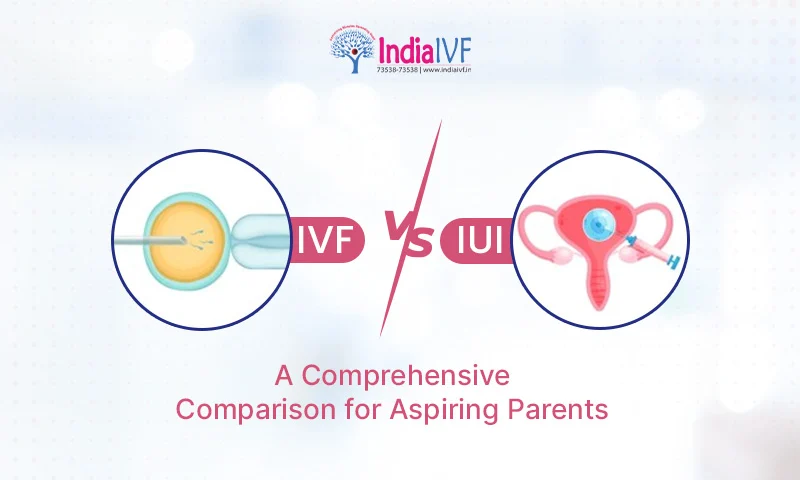
    IVF vs IUI comparison graphic highlighting reproductive methods for aspiring parents.

    The Price of Parenthood: Weighing the Options of Fertility Treatments and Adoption

    Adoption is another option for those hoping to become parents. It involves legally and permanently taking on the responsibility of raising a child who is not biologically related to the adoptive parents. Like fertility treatments, the costs of adoption can vary depending on the type of adoption and individual circumstances.

    The average cost of domestic adoption in the United States can range from $20,000 to $40,000, while international adoption can cost upwards of $50,000. These costs can include agency fees, home study fees, legal fees, and travel expenses.

    The Pros of Adoption

    One of the main advantages of adoption is the opportunity to provide a loving home for a child in need. Many children in the foster care system or orphanages worldwide are waiting for a forever family. By choosing adoption, individuals or couples can give a child a chance at a better life.

    Another benefit of adoption is the lower cost compared to fertility treatments. While adoption can still be expensive, it is typically more affordable than fertility treatments. Additionally, some employers offer adoption benefits or financial assistance, making it a more viable option for some.

    The Cons of Adoption

    One of the main drawbacks of adoption is the lack of genetic connection to the child. For some, this may not be an issue, but for others, it may be a significant factor in their decision. Additionally, the adoption process can be lengthy and emotionally challenging, as individuals or couples may face rejection or delays.

    Another disadvantage of adoption is the lack of control over the process. Unlike fertility treatments, individuals or couples cannot select the child’s gender or have control over the timing of the adoption. The process is also subject to the laws and regulations of the country or state, which can add to the complexity and uncertainty.

    Making the Decision: Factors to Consider

    The decision to pursue fertility treatments or adoption is a personal one and should not be taken lightly. Before making a decision, it is essential to consider various factors, including financial stability, age, emotional readiness, and support system. It is also crucial to have open and honest conversations with your partner or loved ones and seek professional guidance if needed.

    In the end, the most crucial factor is to have a child in your life, whether biologically related or not. Both fertility treatments and adoption can provide the opportunity for individuals or couples to become parents and experience the joys and challenges of raising a child.

    Summary:

    Parenthood is a dream for many individuals and couples, but for some, it may not come easy. In today’s society, there are two main options for those hoping to have a child – fertility treatments and adoption. Fertility treatments involve various medical procedures and technologies to help individuals or couples conceive a child, while adoption involves legally and permanently taking on the responsibility of raising a child who is not biologically related to the adoptive parents. Both options come with a significant price tag and have their own unique benefits and challenges. Fertility treatments offer a chance to have a biological child and provide a level of control, but they can be costly and take a physical and emotional toll. Adoption allows individuals or couples to give a child in need a loving home and is a more affordable option, but it lacks a genetic connection and control over the process. Ultimately, the decision to pursue fertility treatments or adoption is a personal one and should consider various factors, including financial stability, age, emotional readiness, and support system.

  • Making Sense of the Costs: Fertility Treatments and Adoption Compared

    Making Sense of the Costs: Fertility Treatments and Adoption Compared

    When it comes to starting a family, there are many different paths that people can take. For some, the journey to parenthood may involve fertility treatments, while for others, adoption may be the chosen route. However, both options come with their own set of financial costs that can be overwhelming and confusing for many. In this blog post, we will explore the costs associated with fertility treatments and adoption, and compare them to help individuals and couples make informed decisions about starting their family.

    The Cost of Fertility Treatments
    Fertility treatments are medical procedures that aim to help individuals or couples conceive a child. These treatments can range from simple interventions such as fertility drugs to more complex procedures like in vitro fertilization (IVF). The costs of these treatments can vary significantly depending on several factors, including the type of treatment, the clinic or doctor chosen, and the location.

    The most commonly used fertility treatment is medication to stimulate ovulation, which can cost anywhere from $50 to $1000 per cycle. This is often the first step that couples take when trying to conceive. However, if this is unsuccessful, they may need to consider more advanced treatments such as intrauterine insemination (IUI) or IVF. The cost of an IUI cycle can range from $500 to $4000, while the average cost of a single IVF cycle is around $12,000. However, these costs do not include additional expenses such as medication, genetic testing, and embryo storage, which can add thousands of dollars to the total bill.

    Furthermore, the success rates of fertility treatments can also impact the overall cost. As these treatments are not always successful on the first try, many couples may need to undergo multiple cycles, leading to increased expenses. According to the Society for Assisted Reproductive Technology, the average success rate for IVF is around 48% for women under 35, but this drops to 20% for women over 40. This means that older women may need to undergo more cycles, leading to higher costs.

    The Cost of Adoption
    Adoption is another option for individuals or couples who are unable to conceive naturally. The costs associated with adoption can vary greatly depending on the type of adoption, whether it is domestic or international, and whether it is through a private agency or a public agency. On average, the cost of a domestic adoption through an agency can range from $20,000 to $40,000, while international adoptions can cost upwards of $50,000.

    However, it is essential to note that these costs are not just for the adoption itself but also cover expenses such as home studies, legal fees, agency fees, and travel expenses. Public agency adoptions, which involve adopting a child from the foster care system, are often less expensive, with fees ranging from $0 to $2,500.

    Comparison of IUI and IVF, illustrating procedures and definitions for each fertility treatment.

    Making Sense of the Costs: Fertility Treatments and Adoption Compared

    Additionally, there are other costs associated with adoption, such as post-placement expenses, which can include counseling, therapy, and medical expenses for the child. These costs can add up quickly and should be factored into the overall cost of adoption.

    Comparing the Costs
    When comparing the costs of fertility treatments and adoption, it is essential to consider the success rates of both options. While fertility treatments may have a higher upfront cost, the success rates are often higher than adoption. This means that individuals or couples may need to undergo multiple cycles of treatment, leading to increased expenses.

    On the other hand, adoption may have a lower upfront cost, but there is no guarantee of success. Many factors, such as the age of the child and the type of adoption, can impact the success of adoption. Furthermore, the process of adoption can be lengthy, and the emotional toll can also add to the overall cost.

    Another factor to consider is insurance coverage. While most insurance plans do not cover fertility treatments, some may offer coverage for diagnostic tests or medications. On the other hand, some insurance plans may cover some of the costs associated with adoption, such as home studies or legal fees. It is essential to check with your insurance provider to understand what expenses may be covered.

    Making the Best Decision
    When it comes to starting a family, there is no one-size-fits-all solution. The decision to pursue fertility treatments or adoption is a personal one that should be made after careful consideration of all factors, including the financial costs. It is essential to research and understand the costs associated with both options and seek advice from medical professionals and adoption agencies to make an informed decision.

    In the end, the most important thing is to choose the path that feels right for you and your family. Whether it is fertility treatments or adoption, the ultimate goal is to have a happy and healthy family, and the costs should not be the deciding factor.

    In summary, the costs associated with fertility treatments and adoption can be significant and vary depending on several factors. While fertility treatments may have a higher upfront cost, the success rates may be higher than adoption. On the other hand, adoption may have a lower upfront cost, but there is no guarantee of success, and the process can be emotionally taxing. It is essential to research and understand the costs and seek professional advice to make the best decision for starting a family.

  • and Facing Infertility: The Financial Burden of Fertility Treatments and Adoption

    Facing Infertility: The Financial Burden of Fertility Treatments and Adoption

    Infertility affects millions of couples worldwide, and the emotional toll of struggling to conceive can be overwhelming. But aside from the emotional and physical challenges, one of the biggest obstacles for couples facing infertility is the financial burden of fertility treatments and adoption. In this blog post, we will delve into the costs of fertility treatments and adoption, as well as explore potential solutions to alleviate the financial burden for couples.

    The Cost of Fertility Treatments
    According to the American Society for Reproductive Medicine, fertility treatments can cost anywhere from $5,000 to $15,000 per cycle, and many couples require multiple cycles in order to achieve a successful pregnancy. This can quickly add up to tens of thousands of dollars, and unfortunately, most insurance plans do not cover the costs of fertility treatments. In fact, only 15 states in the US have laws requiring insurance coverage for fertility treatments, leaving the majority of couples to foot the bill themselves.

    The most common fertility treatments include in vitro fertilization (IVF), intrauterine insemination (IUI), and fertility drugs. IVF, the most effective and costly option, involves retrieving eggs from the woman’s ovaries and fertilizing them with sperm in a lab before transferring the embryos back into the woman’s uterus. This procedure can cost upwards of $12,000 per cycle, not including additional costs for medications and genetic testing.

    IUI, on the other hand, is a less expensive option that involves placing washed and prepared sperm directly into the woman’s uterus. This procedure costs around $500 to $1000 per cycle, but it also has a lower success rate compared to IVF.

    Fertility drugs, such as Clomid and Femara, are also commonly used to stimulate ovulation and increase the chances of conception. These medications can cost anywhere from $50 to $500 per cycle, depending on the specific drug and dosage prescribed.

    The Cost of Adoption
    For couples who are unable to conceive naturally or through fertility treatments, adoption is often considered as an alternative option. However, the cost of adoption can also be a significant financial strain for couples.

    The average cost of a domestic adoption in the US is around $40,000, which includes fees for home studies, legal fees, and agency fees. International adoptions can be even more expensive, with costs ranging from $15,000 to $50,000 or more, depending on the country and adoption agency.

    In addition to the initial costs, there are also ongoing expenses associated with raising a child, such as healthcare, education, and daily living expenses. While there are some tax credits and financial assistance available for adoptive families, these may not fully cover the costs incurred.

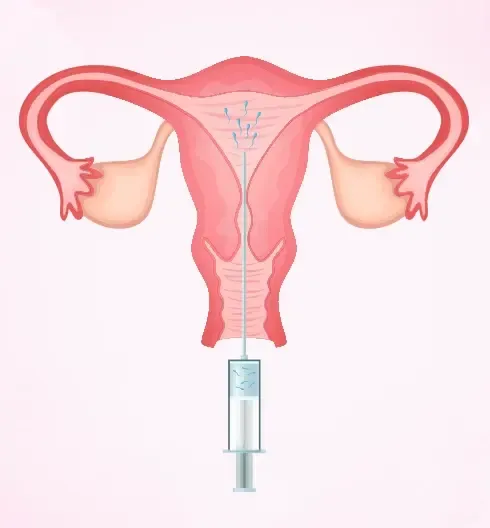
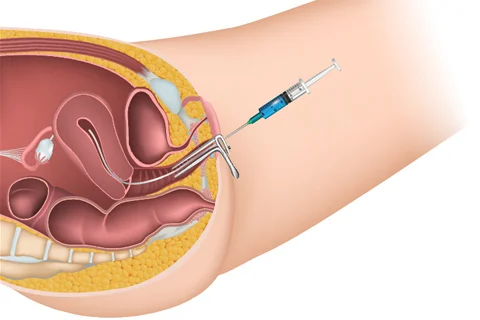
    Illustration of a uterus with a syringe indicating an intrauterine insemination procedure.

    and Facing Infertility: The Financial Burden of Fertility Treatments and Adoption

    The Emotional Toll of Financial Burden
    The financial burden of fertility treatments and adoption can take a toll on couples emotionally, adding to the stress and pressure they are already facing. It can also cause strain in relationships as couples try to navigate the financial aspect of their journey towards parenthood.

    Couples may also feel guilty or ashamed for not being able to afford the treatments or adoption process, leading to feelings of inadequacy and hopelessness. This can further exacerbate the emotional impact of infertility and make it a much more challenging experience for couples.

    Solutions to Alleviate the Financial Burden
    Thankfully, there are some options available for couples facing the high costs of fertility treatments and adoption.

    1. Fertility Grants and Scholarships: Many organizations offer grants and scholarships to help cover the costs of fertility treatments. These grants are often awarded based on financial need and other criteria, and can significantly reduce the financial burden for couples.

    2. Crowdfunding: With the rise of social media and crowdfunding platforms, many couples have turned to crowdfunding to help fund their fertility treatments or adoption journey. By sharing their story and reaching out to their network, couples can raise funds and receive support from their community.

    3. Adoption Loans: Some financial institutions offer loans specifically for adoption expenses, with lower interest rates and more flexible repayment terms compared to traditional loans.

    4. Insurance Coverage: While the majority of insurance plans do not cover fertility treatments, it is worth checking with your insurance provider to see if there are any options available. Some employers also offer fertility benefits as part of their employee benefits package.

    5. Budgeting and Saving: Planning ahead and budgeting for fertility treatments or adoption can help couples prepare for the costs and alleviate some of the financial strain. Setting aside a certain amount each month can add up over time and make it more manageable to cover the expenses.

    The journey to parenthood is undoubtedly a challenging one, both emotionally and financially. But with these options available, couples can find ways to overcome the financial burden and fulfill their dream of starting a family.

    In summary, infertility can be a devastating experience for couples, and the financial burden of fertility treatments and adoption only adds to the stress and pressure. The costs of fertility treatments, adoption, and ongoing expenses can quickly add up, leaving many couples feeling overwhelmed and unable to afford the necessary treatments or adoption process. However, there are options available to help alleviate the financial burden, such as grants, crowdfunding, adoption loans, and budgeting. With the right support and resources, couples can navigate the financial aspect of their journey towards parenthood and start the family they have always dreamed of.

  • Is Adoption a More Affordable Path to Parenthood? A Look at the Numbers

    Summary:

    Parenthood is a dream for many couples, but the cost of fertility treatments and surrogacy can be overwhelming. Adoption, on the other hand, is often seen as a more affordable path to parenthood. However, there are many misconceptions and uncertainties surrounding the cost of adoption. In this blog post, we will take a closer look at the numbers and explore whether adoption truly is a more affordable option for those looking to start a family.

    First, let’s define what we mean by adoption. There are two main types of adoption: domestic and international. Domestic adoption occurs within the same country, while international adoption involves adopting a child from another country. The cost of adoption can vary greatly depending on the type of adoption, the agency used, and other factors.

    When it comes to domestic adoption, the average cost can range from $20,000 to $40,000. This includes fees for the adoption agency, legal fees, and birth mother expenses. While this may seem like a hefty sum, it is important to note that this cost is spread out over a period of time. Most agencies have payment plans and offer financial assistance for families who may not be able to afford the full amount upfront. Additionally, there are tax credits and subsidies available for adoptive families, which can significantly reduce the cost.

    International adoption, on the other hand, can be more expensive due to the additional travel and legal fees involved. The average cost for international adoption ranges from $25,000 to $50,000. However, it is important to note that this cost also includes fees for the adoption agency, legal fees, and travel expenses. As with domestic adoption, there are also tax credits and subsidies available for international adoptive families.

    Now, let’s compare these numbers to the cost of fertility treatments and surrogacy. In vitro fertilization (IVF) can cost anywhere from $12,000 to $20,000 per cycle, and many couples require multiple cycles for a successful pregnancy. Surrogacy, on the other hand, can cost upwards of $100,000. These costs do not include any additional fees for egg or sperm donors, which can add thousands of dollars more.

    Illustration of a uterus with a syringe indicating an intrauterine insemination procedure.

    Is Adoption a More Affordable Path to Parenthood? A Look at the Numbers

    Another factor to consider is the success rate of these methods. While adoption may have a higher upfront cost, the success rate is much higher compared to fertility treatments. The success rate for IVF ranges from 20% to 40% depending on the age of the woman, while the success rate for adoption is around 90%. This means that couples may end up spending more money on multiple rounds of fertility treatments before they are successful, whereas with adoption, the cost is upfront and more likely to result in a successful adoption.

    There are also ongoing costs to consider when it comes to parenthood. With adoption, there are no additional medical costs, as the child is already born. However, with fertility treatments and surrogacy, there may be additional medical costs for the mother and child. Additionally, adoption does not have any ongoing legal fees, whereas fertility treatments and surrogacy may require ongoing legal assistance.

    It is also important to note that the cost of adoption can vary greatly depending on the agency and the type of adoption. Some agencies may offer lower fees, while others may have higher fees but also provide more services. It is important for couples to do their research and compare different agencies to find one that fits their budget and needs.

    In some cases, adoption may even be free. For example, foster care adoption is often free or has minimal costs involved. This type of adoption involves adopting a child from the foster care system, and the fees are usually covered by the state. This can be a great option for couples who may not have the financial means for a traditional adoption.

    Another misconception about adoption is that it is only for heterosexual couples. However, adoption is open to all types of families, including single parents, same-sex couples, and couples of different races and religions. This means that adoption can be a more inclusive and accessible option for those looking to start a family.

    Of course, there are emotional and personal factors to consider when it comes to choosing between adoption and other methods of parenthood. Some couples may have a strong desire to have a biological child, while others may feel a strong connection to adoption. It is important for couples to explore their options and make the decision that is best for their family.

    In conclusion, while adoption may have an upfront cost, it is often a more affordable path to parenthood compared to fertility treatments and surrogacy. The cost of adoption varies depending on the type of adoption and the agency used, but there are financial assistance options available, as well as tax credits and subsidies. Additionally, the success rate of adoption is higher compared to fertility treatments, and there are no ongoing medical or legal fees to consider. Adoption is also open to all types of families, making it a more inclusive and accessible option. Ultimately, the decision between adoption and other methods of parenthood is a personal one, but it is important to have all the facts and numbers when making this important decision.

  • The True Cost of Building a Family: Fertility Treatments vs Adoption

    Blog Post Title: The True Cost of Building a Family: Fertility Treatments vs Adoption

    Building a family is a dream for many couples, but unfortunately, for some, it may not come easy. While fertility treatments and adoption are both options for couples struggling to conceive, they come with their own set of financial, emotional, and ethical considerations. In this blog post, we will explore the true cost of building a family through fertility treatments and adoption and help you make an informed decision.

    Fertility Treatments: A Financial Burden

    Fertility treatments, such as in vitro fertilization (IVF), can be a blessing for couples struggling with infertility. However, the cost of these treatments can be a significant barrier for many. On average, a single round of IVF can cost anywhere from $12,000 to $15,000, and most couples require multiple rounds to achieve a successful pregnancy. This means that the total cost of fertility treatments can easily reach tens of thousands of dollars.

    Moreover, fertility treatments are not always covered by insurance, making it an out-of-pocket expense for many couples. Even when insurance does cover a certain portion of the cost, it may not cover the full amount, leaving couples to pay a considerable sum. This financial burden can cause stress and strain on a couple’s relationship and can even lead to them giving up on their dream of having a child.

    The Emotional Toll of Fertility Treatments

    Aside from the financial aspect, fertility treatments can also take a toll on a couple emotionally. The process of constantly trying and failing to conceive can be emotionally draining and can cause feelings of hopelessness and despair. The numerous tests, procedures, and medications can also be physically and emotionally exhausting for both partners.

    Additionally, fertility treatments do not always result in a successful pregnancy, and the emotional impact of a failed treatment can be devastating for couples. This rollercoaster of emotions can put a strain on a couple’s mental health and their relationship.

    Adoption: A Different Kind of Cost

    Illustration of the uterus with a syringe, depicting the intrauterine insemination procedure.

    The True Cost of Building a Family: Fertility Treatments vs Adoption

    The cost of adoption can also be a significant barrier for couples looking to build a family. The average cost of domestic adoption can range from $20,000 to $40,000, while international adoption can cost upwards of $50,000. These costs include legal fees, agency fees, and travel expenses. While some couples may qualify for financial assistance or grants, the majority of the cost will still fall on the adoptive parents.

    However, the cost of adoption goes beyond just the financial aspect. The adoption process itself can be emotionally taxing for couples, as they often have to go through a rigorous screening process and wait for an extended period to be matched with a child. This waiting period can be filled with uncertainty and anxiety, and many couples may face the disappointment of being turned down for adoption.

    Ethical Considerations

    Aside from the financial and emotional implications, both fertility treatments and adoption also come with ethical considerations. With fertility treatments, there is the issue of creating multiple embryos, which raises questions about what should be done with the excess embryos. Some couples may choose to donate them to other couples or to science, while others may choose to discard them, which can be a challenging decision for many.

    On the other hand, adoption can also raise ethical concerns, especially when it comes to international adoption. There have been cases of unethical practices, such as baby trafficking and exploitation, in some countries that have led to a ban on international adoption. This can make the process even more challenging and expensive for couples, as they may have to navigate through legal and bureaucratic hurdles.

    Making an Informed Decision

    Both fertility treatments and adoption come with their own set of costs, both financial and emotional. As a couple, it is essential to consider all factors before making a decision. It may be helpful to speak with a financial advisor to understand the true cost of these options and how it may impact your family’s financial future.

    It is also crucial to take into account the emotional toll these processes can have on you and your partner. Seeking support from a therapist or joining a support group can help you navigate the emotional rollercoaster that comes with building a family through fertility treatments or adoption.

    In the end, the decision to pursue fertility treatments or adoption is a personal one, and there is no right or wrong answer. It is essential to weigh all the factors and make an informed decision that is best for you and your family.

    In summary, building a family through fertility treatments or adoption comes with a significant cost, both financial and emotional. Fertility treatments can be expensive and emotionally draining, while adoption can also be financially and emotionally challenging. It is crucial for couples to consider all factors and seek professional support before making a decision. The most important thing is to build a family in a way that feels right for you.

  • and Dreaming of Parenthood: The Financial Realities of Fertility Treatments and Adoption

    Dreaming of Parenthood: The Financial Realities of Fertility Treatments and Adoption

    Parenthood is a dream for many people, but for some, it may not come as easily as they hoped. In today’s society, more and more couples and individuals are turning to assisted reproductive technologies such as fertility treatments and adoption to fulfill their desire to become parents. While these options can be a blessing for those struggling with fertility issues or looking to grow their family through adoption, they also come with a hefty price tag. In this blog post, we will dive into the financial realities of fertility treatments and adoption, and explore ways to make these dreams of parenthood more financially feasible.

    The Cost of Fertility Treatments

    Fertility treatments, also known as assisted reproductive technologies (ART), are medical procedures used to help individuals and couples conceive a child. These treatments can include in vitro fertilization (IVF), intrauterine insemination (IUI), and fertility medication. While the cost of fertility treatments can vary depending on the specific type and location, the average cost for one IVF cycle in the United States is around $12,000, with additional costs for necessary medications, diagnostic tests, and other related expenses. This can add up to tens of thousands of dollars for multiple cycles, and unfortunately, there is no guarantee of success.

    The high cost of fertility treatments can be a major barrier for many individuals and couples looking to start a family. In fact, a survey conducted by FertilityIQ found that 37% of respondents said the financial burden of fertility treatments led them to delay or forgo parenthood altogether. This is a heartbreaking reality for those who are unable to afford the treatments they need to fulfill their dream of becoming parents.

    The Hidden Costs of Fertility Treatments

    In addition to the direct costs of fertility treatments, there are also hidden costs that many people may not consider. These can include taking time off work for appointments and procedures, travel expenses for out-of-state treatments, and the emotional toll that the process can take on individuals and their relationships. It’s important to take all of these factors into consideration when planning for fertility treatments and to budget accordingly.

    Options for Financing Fertility Treatments

    Fortunately, there are options available to help make fertility treatments more financially feasible for those struggling to cover the costs. Some insurance companies may offer coverage for fertility treatments, but this can vary greatly and not all plans will cover these expenses. It’s important to research and understand the coverage provided by your insurance plan to determine what, if any, fertility treatments may be covered.

    Another option is to explore financing options specifically designed for fertility treatments. Some fertility clinics may offer payment plans or financing options, and there are also third-party financing companies that specialize in fertility treatments. These companies offer loans or lines of credit specifically for fertility treatments, with competitive interest rates and flexible payment plans. It’s important to carefully consider the terms and interest rates offered by these financing options to ensure they are manageable for your individual financial situation.

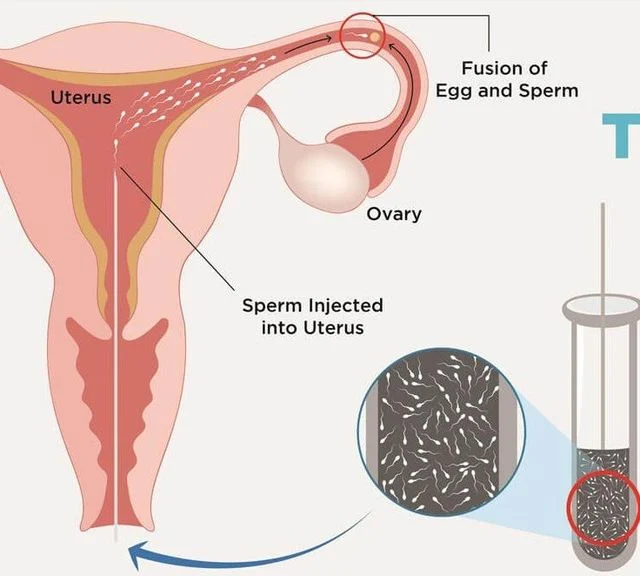
    Diagram illustrating the IUI process, showing sperm injection into the uterus and egg fertilization.

    and Dreaming of Parenthood: The Financial Realities of Fertility Treatments and Adoption

    The Cost of Adoption

    For those looking to grow their family through adoption, the process can also come with a significant financial burden. The average cost of adoption in the United States ranges from $20,000 to $45,000, depending on the type of adoption and other factors such as legal fees, travel expenses, and home study costs. This cost can be a major barrier for many families who may already be struggling with the emotional toll of infertility.

    Options for Financing Adoption

    Similar to fertility treatments, there are options available to help make adoption more financially feasible for those hoping to become parents through this route. Some employers offer adoption assistance programs as part of their employee benefits, which can provide financial support to employees looking to adopt. Additionally, there are grants and loans available specifically for adoption, offered by organizations such as the Dave Thomas Foundation and the National Adoption Foundation.

    Tax Benefits for Fertility Treatments and Adoption

    One way to help offset the high costs of fertility treatments and adoption is through tax benefits. In the United States, some fertility treatments may be tax-deductible as a medical expense, but this can vary depending on individual circumstances and should be discussed with a tax professional. For adoption, the Adoption Tax Credit allows for a tax credit of up to $14,300 for qualified adoption expenses. It’s important to consult with a tax professional to understand the specifics of these benefits and how they may apply to your situation.

    The Emotional and Personal Investment of Parenthood

    While the financial aspects of fertility treatments and adoption can be daunting, it’s important to remember the emotional and personal investment that comes with parenthood. For many, the desire to become a parent is a deeply personal and emotional journey, and the costs associated with these options may pale in comparison to the joy and fulfillment of raising a child. It’s important to weigh the financial realities with the emotional and personal investment of parenthood and make the best decision for you and your family.

    In conclusion, the dream of parenthood can be a costly one, whether through fertility treatments or adoption. However, there are options available to help make these dreams more financially feasible. It’s important to research and understand the costs associated with these options and to plan and budget accordingly. While the financial realities may be a barrier for some, the emotional and personal investment of parenthood can be priceless.

    Summary:

    Parenthood is a dream for many, but for those struggling with fertility issues or looking to adopt, it can come with a hefty price tag. Fertility treatments can cost tens of thousands of dollars, with no guarantee of success, and adoption can range from $20,000 to $45,000. However, there are options for financing these expenses, such as insurance coverage, financing plans, and tax benefits. It’s important to consider the hidden costs, emotional toll, and personal investment of parenthood when making these decisions. While the financial realities may be daunting, the joy and fulfillment of raising a child can be priceless.

  • The Cost of Hope: Comparing Fertility Treatments and Adoption Costs

    As many couples struggle with infertility, they often turn to fertility treatments or adoption as a way to build their family. However, these options come with a significant financial burden, leading many to wonder about the true cost of hope. In this blog post, we will compare the costs of fertility treatments and adoption, exploring the different factors that contribute to their expenses.

    Fertility Treatments: The Financial Reality

    The process of fertility treatments can be a long and emotionally taxing journey for couples. It involves multiple doctor visits, medications, and procedures, all of which come at a high cost. The average cost of a single cycle of in vitro fertilization (IVF) in the United States is around $12,000, not including the cost of medications which can range from $3,000 to $5,000 per cycle. And since IVF success rates are not guaranteed, many couples end up going through multiple cycles, increasing the overall cost.

    Aside from IVF, other fertility treatments such as intrauterine insemination (IUI) and egg freezing also come with a hefty price tag. The average cost of an IUI cycle is around $1,000 to $2,000, and egg freezing can cost anywhere from $6,000 to $10,000. These costs can quickly add up, making fertility treatments out of reach for many couples.

    Hidden Costs of Fertility Treatments

    In addition to the direct costs of fertility treatments, there are also many hidden expenses that couples may not anticipate. These can include the cost of travel and accommodations for out-of-town procedures, the cost of taking time off work for appointments and procedures, and the cost of specialized testing or treatments that may be necessary. These hidden costs can easily add thousands of dollars to the overall expense of fertility treatments.

    Making Tough Decisions: The Emotional and Financial Toll

    The financial burden of fertility treatments can take a significant toll on couples, not just financially, but also emotionally. Many couples may feel pressure to continue with treatments, even when their finances are stretched to the limit, in the hopes of finally achieving a successful pregnancy. This can lead to feelings of stress, anxiety, and even resentment towards the entire process.

    Adoption: The Cost of Building a Family

    While adoption may seem like a more affordable option compared to fertility treatments, it also comes with its own set of expenses. The cost of adoption varies greatly depending on the type of adoption, agency fees, legal fees, and travel expenses. In the United States, the average cost of a domestic adoption can range from $20,000 to $40,000, while international adoptions can cost upwards of $50,000.

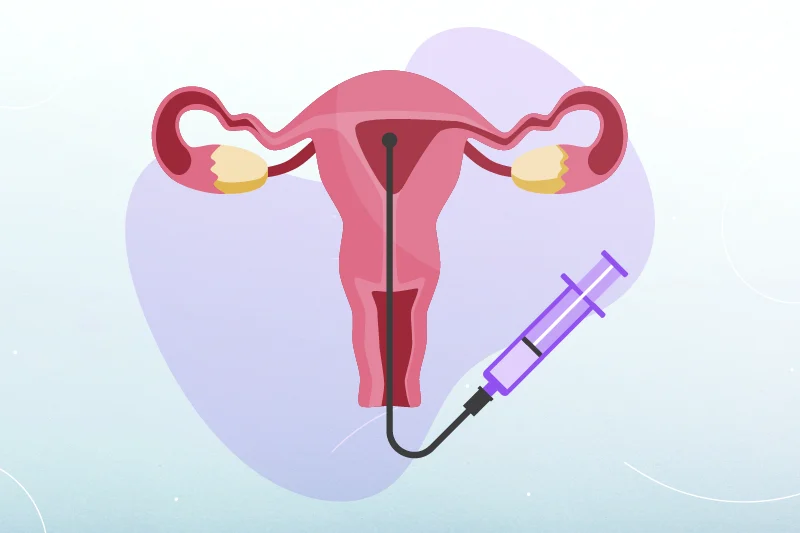
    illustration of intrauterine insemination procedure with a syringe and catheter in the uterus.

    The Cost of Hope: Comparing Fertility Treatments and Adoption Costs

    Factors Affecting Adoption Costs

    One of the main factors that contribute to the cost of adoption is the type of adoption. Private adoptions, where the birth mother chooses the adoptive family, tend to be more expensive due to legal and agency fees. On the other hand, public adoptions, also known as foster care adoptions, are typically the most affordable option, with little to no cost to the adoptive family.

    Another factor that can greatly impact the cost of adoption is the age of the child being adopted. Infants and young children tend to have higher adoption fees, while older children or those with special needs may have little to no cost. This is because older children and those with special needs are often considered “harder to place,” making their adoption fees lower.

    The Emotional Cost of Adoption

    While adoption may seem like a more affordable option compared to fertility treatments, it also comes with its own set of emotional challenges. The process of adoption can be long and uncertain, with no guarantee of a successful match. This can take a toll on the emotional well-being of the couple, as they navigate the waiting and uncertainty.

    Comparing the Costs of Fertility Treatments and Adoption

    When comparing the costs of fertility treatments and adoption, it’s essential to consider all factors, including the hidden costs and emotional toll. While fertility treatments may seem more expensive upfront, the costs of adoption can quickly add up, especially with private or international adoptions. Ultimately, the decision of which path to take is a personal one, and couples must carefully consider their financial and emotional capabilities.

    The Cost of Hope: Finding Support and Resources

    The financial burden of fertility treatments and adoption can be overwhelming for couples, but there are resources available to help. Many organizations offer grants and financial assistance for families pursuing fertility treatments or adoption. Additionally, support groups and counseling can provide emotional support for couples during these challenging journeys.

    In conclusion, the cost of hope is a significant factor for couples facing infertility. Fertility treatments and adoption both come with their own set of expenses, and it’s essential to carefully consider all factors before making a decision. Regardless of the path chosen, it’s crucial for couples to find support and resources to help them through their journey towards building a family.