Tag: reproductive health

  • Fertility Coaching vs Fertility Doctors: Which Provides a More Personalized Experience?

    Blog post:

    When it comes to fertility struggles, many couples or individuals turn to fertility coaching or fertility doctors for guidance and support. Both options offer valuable resources and assistance in navigating the complex world of fertility treatments and infertility. However, one question that often arises is which option provides a more personalized experience?

    Fertility coaching is a relatively new concept that has gained popularity in recent years. It involves working with a fertility coach who is often someone who has gone through their own fertility journey and can offer guidance and support based on their personal experience. On the other hand, fertility doctors are medical professionals who specialize in reproductive health and fertility treatments. Let’s dive deeper into both options to see how they differ and which one may be more suitable for individuals seeking a more personalized experience.

    Fertility Coaching:

    Fertility coaching focuses on the emotional, mental, and spiritual aspects of fertility struggles. Fertility coaches provide guidance and support to individuals and couples who are trying to conceive, going through fertility treatments, or dealing with pregnancy loss. They offer tools and techniques to help cope with the emotional toll of infertility and help their clients navigate the challenges that come with it.

    One of the biggest advantages of working with a fertility coach is the personalized approach. Fertility coaches understand that each person’s journey is unique, and they tailor their guidance and support to fit the individual’s needs. They take the time to listen and understand their client’s struggles, fears, and goals, and work with them to create a personalized plan to achieve their desired outcome.

    Fertility coaches also offer a safe and non-judgmental space for their clients to express their thoughts and emotions. This can be extremely beneficial for individuals who may feel isolated or misunderstood in their fertility journey. The support and empathy provided by a fertility coach can help individuals feel more empowered and in control of their journey.

    Moreover, fertility coaches often offer a holistic approach to fertility, which includes addressing lifestyle factors that may impact fertility, such as stress, nutrition, and exercise. They also focus on self-care and self-compassion, which can be crucial in managing the emotional toll of fertility struggles.
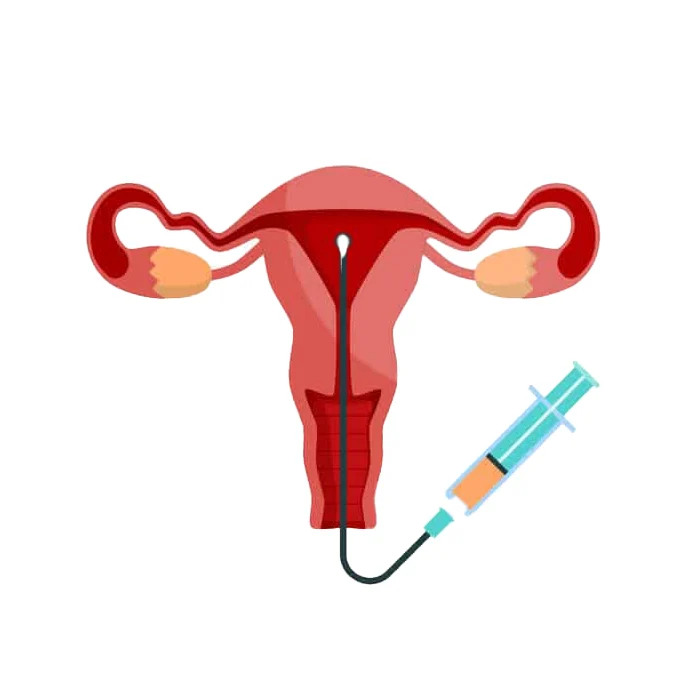
    illustration of a uterus with a syringe for intrauterine insemination (IUI) procedure

    Fertility Coaching vs Fertility Doctors: Which Provides a More Personalized Experience?

    However, one limitation of fertility coaching is that they are not medical professionals. While they can offer support and guidance, they cannot provide medical advice or prescribe treatments. This means that individuals seeking fertility coaching may still need to work with a fertility doctor for medical interventions.

    Fertility Doctors:

    Fertility doctors, also known as reproductive endocrinologists, are medical professionals who specialize in fertility and reproductive health. They are trained to diagnose and treat various fertility issues, including infertility, hormonal imbalances, and reproductive disorders.

    One of the main advantages of working with a fertility doctor is the access to medical interventions and treatments. Fertility doctors can perform diagnostic tests, prescribe medications, and recommend fertility treatments such as intrauterine insemination (IUI) or in vitro fertilization (IVF). They also have the expertise to monitor and adjust treatment plans based on individual responses and outcomes.

    Additionally, fertility doctors work closely with their patients to understand their medical history, lifestyle factors, and goals to create a personalized treatment plan. They also provide ongoing support and guidance throughout the treatment process, which can be invaluable for individuals going through the emotional and physical challenges of fertility treatments.

    However, one downside of working with fertility doctors is that they often have a large number of patients, which may limit the amount of time they can spend with each individual. This can make it challenging for patients to feel like they are receiving personalized attention and care.

    Summary:

    Fertility coaching and fertility doctors offer valuable resources and support for individuals struggling with fertility issues. Fertility coaching focuses on the emotional and mental aspects of fertility struggles, providing personalized guidance and support, while fertility doctors offer medical interventions and treatments to help individuals conceive. Ultimately, the decision between fertility coaching and fertility doctors depends on an individual’s needs and preferences. Some may benefit from a more holistic and personalized approach, while others may require medical interventions and treatments to achieve their desired outcome.

    In conclusion, both fertility coaching and fertility doctors can provide a personalized experience for individuals struggling with infertility. It ultimately depends on the individual’s needs and preferences, and some may even benefit from a combination of both. Regardless of which option one chooses, the most important thing is to find the support and guidance that feels right for them in their unique fertility journey.
  • Fertility Coaching vs Fertility Doctors: What Are Your Options?

    In today’s world, more and more people are turning to fertility treatments to help them start a family. However, with so many options available, it can be overwhelming to figure out which one is right for you. Two popular options are fertility coaching and fertility doctors. While both have the same end goal of helping you achieve a successful pregnancy, they differ in their approach and services. In this blog post, we will take an in-depth look at fertility coaching and fertility doctors, exploring their similarities, differences, and which option may be best for you.

    Fertility Coaching

    Fertility coaching is a relatively new concept that focuses on the emotional and psychological aspect of fertility. Fertility coaches are trained professionals who work closely with individuals or couples struggling with infertility. They offer guidance and support to help clients navigate the emotional, mental, and physical challenges that come with fertility struggles.

    One of the main benefits of fertility coaching is the personalized and holistic approach. Fertility coaches work closely with their clients to understand their unique needs, concerns, and goals. They provide emotional support, coping strategies, and tools to help clients manage stress and anxiety related to fertility. Fertility coaching also focuses on overall well-being, including nutrition, exercise, and self-care, to improve reproductive health.

    Fertility coaching can be beneficial for individuals or couples who are experiencing fertility issues, undergoing fertility treatments, or considering alternative options such as surrogacy or adoption. It can also be helpful for those who have had multiple failed attempts at pregnancy or have experienced pregnancy loss.

    Fertility Doctors

    Fertility doctors, also known as reproductive endocrinologists, are medical professionals who specialize in the treatment of infertility. They are trained in diagnosing and treating a wide range of fertility issues, including hormonal imbalances, uterine abnormalities, and male factor infertility. Fertility doctors use a variety of techniques and procedures to help individuals or couples conceive, such as in vitro fertilization (IVF), intrauterine insemination (IUI), and fertility medications.

    One of the main advantages of fertility doctors is their medical expertise and access to advanced technologies and treatments. They can perform thorough evaluations and tests to identify the root cause of infertility and create personalized treatment plans based on the individual’s or couple’s needs. Fertility doctors also closely monitor the progress of their patients and make necessary adjustments to the treatment plan as needed.

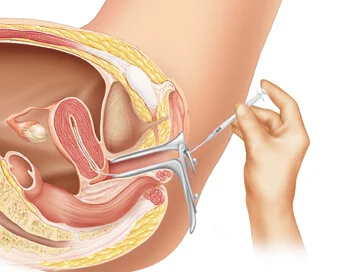
    illustration of intrauterine insemination procedure with a hand holding a speculum and syringe near the uterus

    Fertility Coaching vs Fertility Doctors: What Are Your Options?

    Fertility doctors can be a great option for individuals or couples who have been diagnosed with a specific fertility issue, such as endometriosis or polycystic ovary syndrome (PCOS). They can also be a good choice for those who have been trying to conceive for a long time without success or have had multiple failed attempts at pregnancy.

    Fertility Coaching vs. Fertility Doctors

    While both fertility coaching and fertility doctors have the same goal of helping individuals or couples conceive, they differ in their approach and services. Fertility coaching focuses on the emotional and psychological aspect of fertility, while fertility doctors focus on the medical aspect. Fertility coaches offer personalized and holistic support, while fertility doctors provide medical evaluations, treatments, and procedures.

    One of the biggest differences between fertility coaching and fertility doctors is the cost. Fertility coaching can be a more affordable option compared to fertility treatments, which can be quite expensive. However, it’s essential to note that fertility coaching is not a replacement for medical treatment, and in some cases, it may be necessary to seek the help of a fertility doctor.

    It’s also important to consider the success rates of both options. While fertility doctors have access to advanced technologies and treatments, the success rates can vary depending on the individual’s or couple’s situation. Fertility coaching, on the other hand, focuses on overall well-being and may not directly impact the chances of conceiving but can improve the overall quality of life.

    Which Option is Best for You?

    Deciding between fertility coaching and fertility doctors ultimately depends on your individual needs and preferences. If you’re struggling with the emotional aspect of fertility and want to improve your overall well-being, fertility coaching may be a good choice. On the other hand, if you have been diagnosed with a specific fertility issue or are looking for medical treatments, fertility doctors may be the right option for you.

    It’s also worth considering that fertility coaching and fertility doctors can be complementary. Many individuals and couples opt for both options to address both the emotional and medical aspects of fertility. It’s essential to do thorough research and consult with professionals to determine the best course of action for your specific situation.

    In summary, fertility coaching and fertility doctors are two viable options for those struggling with fertility issues. Fertility coaching offers emotional support and focuses on overall well-being, while fertility doctors provide medical evaluations and treatments. Both options have their advantages and can be used separately or together to help individuals or couples achieve their dream of starting a family.

  • Fertility Coaching for Men: Breaking the Stigma and Finding Support

    Summary:

    Fertility is often seen as a women’s issue, but the reality is that men also play a crucial role in the process of conception and parenthood. However, there is a stigma surrounding male fertility issues and seeking support for them. This stigma can lead to feelings of isolation, shame, and even impact a man’s mental health. Fertility coaching for men aims to break this stigma and provide much-needed support for men struggling with fertility issues.

    In this blog post, we will discuss the importance of fertility coaching for men, how it can help break the stigma, and where to find support.

    The Importance of Fertility Coaching for Men:

    When it comes to fertility, men are often left out of the conversation. However, studies have shown that male infertility contributes to about 40% of all infertility cases. This means that men play a significant role in the conception and parenthood process.

    Fertility coaching for men is essential because it helps men understand their reproductive health and how to optimize it. This can include lifestyle changes, identifying any underlying medical issues, and learning about fertility treatments. With the help of a fertility coach, men can gain a better understanding of their fertility and make informed decisions about their reproductive health.

    Breaking the Stigma:

    One of the main reasons men may hesitate to seek support for fertility issues is the stigma surrounding male infertility. This stigma can stem from societal expectations of masculinity and the idea that men are supposed to be fertile and virile. As a result, men may feel ashamed, embarrassed, and isolated when facing fertility challenges.

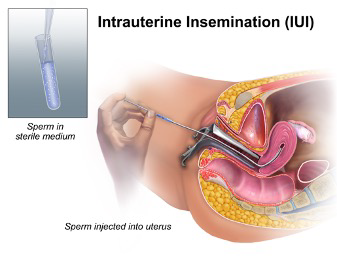
    Illustration of intrauterine insemination (IUI) procedure, showing sperm injection into the uterus.

    Fertility Coaching for Men: Breaking the Stigma and Finding Support

    Fertility coaching for men aims to break this stigma by creating a safe and supportive space for men to discuss their fertility concerns. By normalizing the conversation around male fertility, men can feel more comfortable seeking support and understanding that they are not alone in their struggles.

    Finding Support:

    Fertility coaching for men can provide a much-needed support system for men struggling with fertility issues. However, it is essential to find the right coach or support group. Here are a few ways to find support for male fertility:

    1. Seek professional help: Fertility coaches or therapists who specialize in male fertility can provide valuable support and guidance for men.

    2. Join a support group: There are many online support groups specifically for male fertility, where men can connect with others going through similar experiences.

    3. Talk to your partner: Communication is crucial in any relationship, and discussing fertility concerns with your partner can help alleviate some of the stress and burden.

    4. Educate yourself: Knowledge is power, and learning about male fertility and reproductive health can help you understand your options better and feel more in control.

    5. Practice self-care: Dealing with fertility challenges can be emotionally and physically draining. Taking care of yourself and practicing self-care can help you cope with the stress and anxiety.

    In conclusion, fertility coaching for men is crucial in breaking the stigma surrounding male fertility and providing much-needed support for men struggling with fertility issues. By seeking support and educating themselves, men can take control of their reproductive health and make informed decisions about their parenthood journey.

  • Breaking Down the Differences Between Fertility Coaching and Doctors

    Fertility is a topic that affects many individuals and couples around the world. It is a highly personal and emotional journey that can be filled with challenges and uncertainties. With the rise in infertility rates, the demand for fertility support and treatment has also increased. As a result, there are now various options available for those seeking help in conceiving, including fertility coaching and medical treatment from doctors. However, many people are still confused about the differences between these two approaches and which one is best suited for them. In this blog post, we will break down the differences between fertility coaching and doctors to help you gain a better understanding of these options.

    Fertility Coaching

    Fertility coaching is a relatively new concept in the world of reproductive health. It involves working with a trained and certified fertility coach to address the emotional, mental, and physical aspects of fertility. The focus of fertility coaching is to support individuals and couples through their fertility journey by providing them with the tools, guidance, and resources they need to improve their reproductive health.

    One of the main differences between fertility coaching and doctors is that fertility coaching takes a holistic approach. It recognizes that fertility is not just a physical issue but also an emotional and mental one. Fertility coaches work with their clients to address any underlying emotional or mental barriers that may be hindering their ability to conceive. They also provide support and guidance in making lifestyle changes that can positively impact fertility, such as nutrition, exercise, and stress management.

    Fertility coaching also involves setting and achieving goals, creating personalized fertility plans, and tracking progress. Fertility coaches provide ongoing support and accountability to their clients, helping them stay on track and motivated on their journey towards parenthood. They also offer a safe and non-judgmental space for clients to express their feelings and concerns, which can be crucial in such a sensitive and emotional journey.

    Doctors and Medical Treatment

    On the other hand, doctors’ role in fertility treatment is to diagnose and treat any medical conditions that may be causing infertility. They have extensive medical training and expertise in reproductive health and can provide a range of medical treatments, including fertility medications, assisted reproductive technologies (ART), and surgery. Doctors can also offer genetic testing and counseling for couples with a history of genetic disorders.

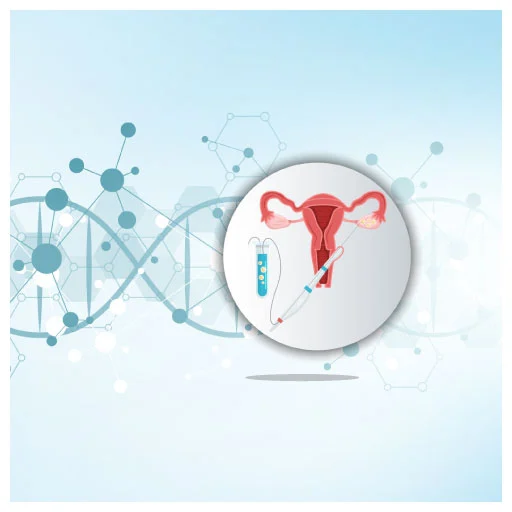
    Illustration of IUI procedure with uterus and syringe against a DNA background.

    Breaking Down the Differences Between Fertility Coaching and Doctors

    Unlike fertility coaching, medical treatment focuses solely on the physical aspect of fertility. Doctors will conduct various tests to determine the root cause of infertility and then recommend appropriate treatment options. They also monitor the progress of their patients and adjust treatment plans accordingly.

    One significant advantage of medical treatment is that it can address specific medical conditions that may be causing infertility. For example, if a woman has blocked fallopian tubes, surgery may be necessary to remove the blockage and improve her chances of conceiving. Doctors can also offer more advanced treatments, such as in vitro fertilization (IVF), which can be highly effective for certain types of infertility.

    Which One is Right for You?

    Choosing between fertility coaching and doctors is a personal decision that depends on individual needs and preferences. Some people may benefit from a combination of both approaches, while others may find that one is more suitable for them.

    If you are struggling with the emotional aspect of fertility, fertility coaching may be a better fit. A fertility coach can provide you with the emotional support and tools you need to navigate this journey with confidence and peace of mind. On the other hand, if you have a known medical condition that is affecting your fertility, seeking medical treatment from a doctor may be necessary.

    It is also essential to note that fertility coaching and medical treatment are not mutually exclusive. Many fertility clinics now offer integrated care, where they combine medical treatment with fertility coaching. This approach can provide a more comprehensive and holistic approach to fertility treatment.

    In summary, fertility coaching and doctors offer different but complementary approaches to addressing infertility. Fertility coaching focuses on the emotional, mental, and physical aspects of fertility, while doctors provide medical treatment for specific medical conditions. The best option for you will depend on your unique needs and preferences, and in some cases, a combination of both may be beneficial.

    In conclusion, understanding the differences between fertility coaching and doctors can help individuals and couples make informed decisions about their fertility journey. Whether you choose fertility coaching, medical treatment, or a combination of both, know that there is support and help available for you on this journey towards parenthood.

  • Egg Freezing and Sperm Banking: Options for Dealing with Male and Female Factor Infertility

    Egg freezing and sperm banking have become increasingly popular options for individuals and couples dealing with male and female factor infertility. These techniques involve preserving reproductive cells for future use, allowing individuals to have a chance at starting a family when they are ready.

    Infertility affects millions of people worldwide, and while it is often associated with women, male factor infertility is also a significant issue. In recent years, advancements in technology have made it possible to preserve and store eggs and sperm, providing hope for those facing fertility challenges. In this blog post, we will discuss the process of egg freezing and sperm banking, the reasons why couples may choose these options, and their success rates.

    Egg Freezing:

    Egg freezing, also known as oocyte cryopreservation, is a process in which a woman’s eggs are extracted, frozen, and stored for later use. This technique is often chosen by women who want to delay pregnancy due to personal or medical reasons, such as career goals or medical treatments that may affect fertility.

    The process of egg freezing begins with hormone injections to stimulate egg production. Once the eggs are mature, they are retrieved through a minor surgical procedure. The eggs are then flash-frozen using a process called vitrification, which prevents the formation of ice crystals and preserves the eggs’ quality. The frozen eggs can be stored for years until the woman is ready to use them.

    Egg freezing is a relatively new technology, and the success rates vary depending on several factors, including the woman’s age and the number of eggs frozen. According to the American Society for Reproductive Medicine, the success rate for egg freezing is around 30-60%, depending on the woman’s age at the time of freezing.

    Sperm Banking:

    Sperm banking, also known as semen cryopreservation, is a process in which a man’s sperm is collected and frozen for later use. This technique is often chosen by men who are facing medical treatments that may affect their fertility, such as chemotherapy or radiation therapy. It is also an option for men who have a low sperm count or poor sperm quality.

    The process of sperm banking begins with semen collection. The collected sperm is then processed, mixed with a cryoprotectant, and frozen using liquid nitrogen. The frozen sperm can be stored for years until the man is ready to use it.

    The success rates for sperm banking vary, but studies have shown that frozen sperm can maintain its quality for up to 20 years. However, the success of using the frozen sperm depends on several factors, such as the man’s age and the quality of the sperm at the time of freezing.

    illustration of intrauterine insemination procedure with a hand holding a speculum and syringe near the uterus

    Egg Freezing and Sperm Banking: Options for Dealing with Male and Female Factor Infertility

    Reasons for Choosing Egg Freezing and Sperm Banking:

    There are various reasons why individuals and couples may choose egg freezing and sperm banking as options for dealing with male and female factor infertility. Some of the most common reasons include:

    1. Medical Reasons – As mentioned earlier, individuals facing medical treatments that may affect their fertility may choose to freeze their eggs or sperm to preserve their ability to have biological children in the future.

    2. Age – Female fertility declines with age, and egg freezing can provide an option for women who want to delay pregnancy until they are ready. Similarly, sperm quality also decreases with age, and sperm banking can give men the opportunity to have children later in life.

    3. Personal Choice – Some individuals may choose to freeze their eggs or sperm due to personal reasons, such as not being in a stable relationship or not feeling emotionally ready to start a family at the moment.

    4. Genetic Considerations – Individuals with a family history of genetic disorders may choose egg freezing or sperm banking to avoid passing down these disorders to their future children.

    5. Same-Sex Couples – For same-sex couples, egg freezing and sperm banking provide the opportunity to have biological children using their own reproductive cells.

    The Importance of Counseling:

    Before undergoing egg freezing or sperm banking, it is essential to consult with a fertility specialist and a counselor. These professionals can provide valuable information and support in making the decision and preparing for the process. They can also help individuals and couples understand the potential risks and success rates and discuss alternative options.

    In conclusion, egg freezing and sperm banking are viable options for individuals and couples dealing with male and female factor infertility. These techniques offer hope for starting a family in the future and provide a sense of control over one’s reproductive health. However, it is essential to consider all factors and consult with professionals before making a decision. With advancements in technology, the success rates for these techniques are continually improving, giving hope to those facing fertility challenges.

  • The Role of Nutrition in Male and Female Factor Infertility: Foods to Boost Fertility

    Blog post: The Role of Nutrition in Male and Female Factor Infertility: Foods to Boost Fertility

    Infertility is a common issue that affects many couples, with about 10-15% of couples worldwide struggling to conceive. While there are various factors that can contribute to infertility, nutrition plays a crucial role in both male and female fertility. A well-balanced diet rich in certain nutrients can help improve reproductive health and increase the chances of conception. In this blog post, we will explore the role of nutrition in male and female factor infertility and discuss some foods that can boost fertility.

    The Link Between Nutrition and Fertility

    The foods we eat not only provide us with energy but also have a significant impact on our overall health, including reproductive health. Studies have shown that certain nutrients can affect hormone levels, sperm and egg quality, and overall fertility. A balanced and nutritious diet can help regulate the menstrual cycle, improve sperm quality and motility, and increase the chances of successful conception.

    Foods to Boost Fertility

    Let’s take a look at some foods that can boost fertility in both men and women.

    1. Leafy Greens

    Leafy greens, such as spinach, kale, and broccoli, are excellent sources of folate, a B vitamin that helps prevent birth defects and improve sperm quality. These greens are also rich in antioxidants, which can help protect eggs and sperm from damage.

    2. Whole Grains

    Whole grains, such as oats, quinoa, and brown rice, are high in complex carbohydrates, which can help regulate insulin levels and improve ovulation in women. They also contain fiber, which can help reduce the risk of gestational diabetes.

    3. Fatty Fish

    Fatty fish, such as salmon, mackerel, and sardines, are rich in omega-3 fatty acids, which are essential for reproductive health. These healthy fats can help regulate hormones, improve sperm quality, and increase blood flow to the reproductive organs.

    4. Avocados

    Avocados are a great source of monounsaturated fats, which can help improve sperm quality and motility. They also contain high levels of vitamin E, an antioxidant that can protect sperm from damage.

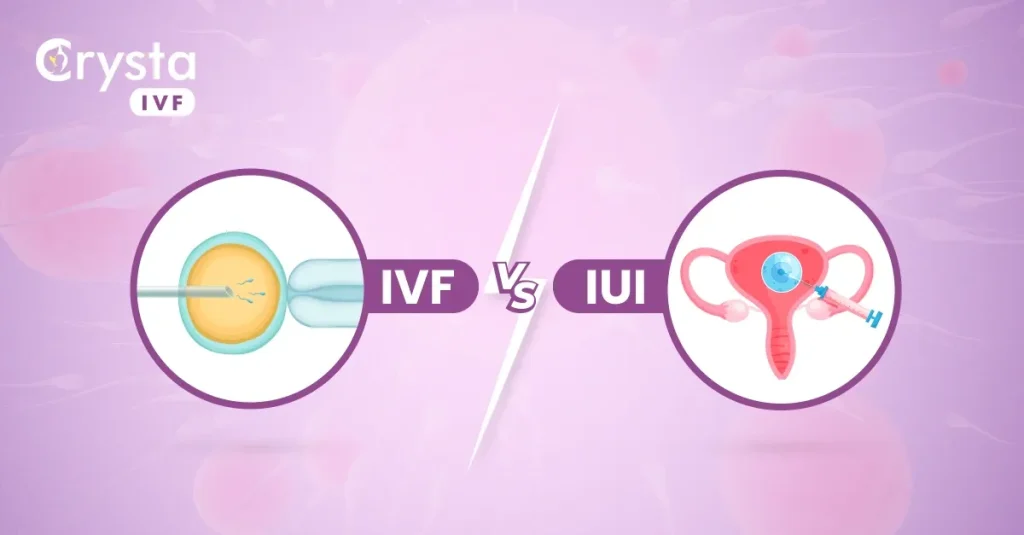
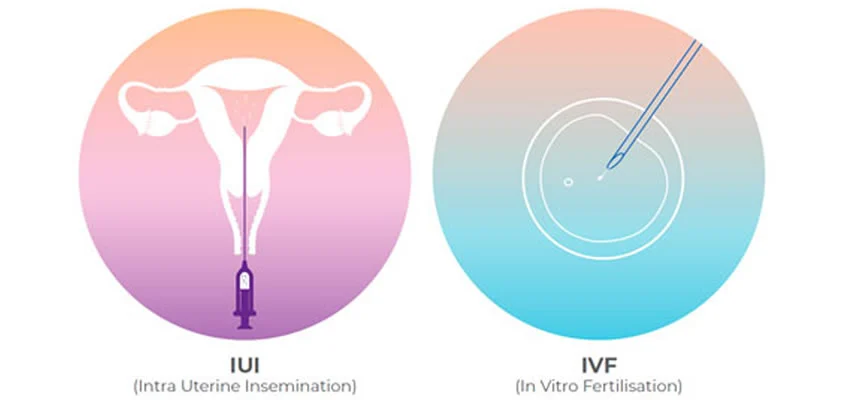
    Comparison of IVF and IUI procedures with illustrations of each method.

    The Role of Nutrition in Male and Female Factor Infertility: Foods to Boost Fertility

    5. Berries

    Berries, such as blueberries, raspberries, and strawberries, are loaded with antioxidants, which can help protect eggs and sperm from oxidative stress. They are also rich in vitamin C, which can improve sperm quality and motility.

    6. Nuts and Seeds

    Nuts and seeds, such as almonds, walnuts, and pumpkin seeds, are excellent sources of healthy fats, protein, and antioxidants. They can help regulate hormone levels, improve sperm quality, and increase blood flow to the reproductive organs.

    7. Lean Protein

    Lean protein sources, such as chicken, turkey, and tofu, are essential for reproductive health. They provide the necessary building blocks for hormone production and can help improve sperm quality and ovulation.

    8. Legumes

    Legumes, such as lentils, beans, and chickpeas, are rich in plant-based protein, fiber, and folate. They can help regulate ovulation and improve sperm quality.

    9. Citrus Fruits

    Citrus fruits, such as oranges, lemons, and grapefruits, are high in vitamin C, which can improve sperm quality and motility. They also contain folic acid, which can help prevent birth defects.

    10. Water

    Staying hydrated is crucial for reproductive health. Drinking enough water can help thin cervical mucus, making it easier for sperm to reach the egg. It can also help regulate hormone levels and improve fertility.

    In addition to these foods, it is essential to limit or avoid alcohol, caffeine, and processed foods, as they can have a negative impact on fertility.

    Summary:

    Infertility is a common issue that affects many couples, and nutrition plays a crucial role in both male and female fertility. A well-balanced diet rich in certain nutrients can help improve reproductive health and increase the chances of conception. Leafy greens, whole grains, fatty fish, avocados, berries, nuts and seeds, lean protein, legumes, citrus fruits, and water are some foods that can boost fertility. It is also essential to limit or avoid alcohol, caffeine, and processed foods for better reproductive health.

  • Fresh Donor Sperm: Debunking Common Myths and Misconceptions

    Summary:

    Donor sperm is an increasingly popular option for individuals and couples looking to start a family. However, there are many myths and misconceptions surrounding fresh donor sperm that may be deterring people from considering it as a viable option. In this blog post, we will debunk some of the common myths and misconceptions surrounding fresh donor sperm.

    Myth #1: Donor sperm is only for same-sex couples or single women.

    One of the most common misconceptions about donor sperm is that it is only used by same-sex couples or single women. While these groups do make up a significant portion of donor sperm recipients, it is not the only demographic that uses donor sperm. Many heterosexual couples also use donor sperm when faced with fertility issues or genetic conditions that make conceiving naturally difficult. Donor sperm can be a great option for any individual or couple looking to start a family, regardless of sexual orientation or relationship status.

    Myth #2: Fresh donor sperm is not as safe as frozen donor sperm.

    Some people may believe that fresh donor sperm is not as safe as frozen donor sperm because it is not as rigorously tested. However, this is not the case. Fresh donor sperm is subject to the same strict screening and testing process as frozen donor sperm. Donor sperm banks follow guidelines set by the Food and Drug Administration (FDA) to ensure the safety of all donor sperm. This includes testing for sexually transmitted infections (STIs) and genetic conditions.

    Myth #3: Donor sperm is only for infertile couples.

    Another common myth about donor sperm is that it is only for couples who are struggling with infertility. While donor sperm can certainly be a great option for couples dealing with fertility issues, it is also used by couples who want to avoid passing on genetic conditions or by individuals who are not in a relationship but still want to have a child. Donor sperm provides a way for these individuals and couples to start a family and have a biological connection to their child.

    Myth #4: Donor sperm recipients have no control over the characteristics of their child.

    Cost breakdown for IUI components, including requirements, impacts, and alternatives.

    Fresh Donor Sperm: Debunking Common Myths and Misconceptions

    Some people may believe that using donor sperm means giving up control over the physical and genetic characteristics of their child. However, this is not the case. Donor sperm banks allow recipients to choose from a pool of donors with specific characteristics such as height, hair color, eye color, and ethnicity. This allows recipients to have some control over the physical traits of their child. Additionally, extensive medical and family history information is provided for each donor, giving recipients more insight into the genetic characteristics of their child.

    Myth #5: Using donor sperm means the child will never know their biological father.

    One of the biggest concerns for individuals and couples considering donor sperm is that the child will never know their biological father. However, most donor sperm banks offer open or semi-open donation options. This means that the child can have access to information about their donor, including their identity, once they reach a certain age. This allows the child to have a connection to their biological father if they choose to pursue it. It also gives them the opportunity to learn about their genetic background and medical history.

    Myth #6: Donor sperm is expensive and not accessible to everyone.

    While the cost of donor sperm may vary depending on the sperm bank and the type of donor sperm chosen, it is not as expensive as many people believe. Donor sperm can range anywhere from a few hundred dollars to a few thousand dollars, with fresh donor sperm usually being on the lower end of the spectrum. Additionally, many sperm banks offer financing options and discounts for repeat clients, making it more accessible to a wider range of individuals and couples.

    Myth #7: Children conceived through donor sperm will have psychological issues.

    Some people may have concerns about the psychological well-being of children conceived through donor sperm. However, numerous studies have shown that there is no significant difference in the psychological development of children conceived through donor sperm compared to those conceived naturally. As long as the child is raised in a loving and supportive environment, they will grow up just like any other child.

    Myth #8: Donor sperm is not as successful as other fertility treatments.

    Finally, some people may believe that donor sperm is not as successful as other fertility treatments, such as in vitro fertilization (IVF). However, the success rates of donor sperm are similar to those of IVF and other fertility treatments. In fact, for many individuals and couples, donor sperm may be the best and most effective option for starting a family.

    In conclusion, there are many myths and misconceptions surrounding fresh donor sperm that may be deterring people from considering it as a viable option for starting a family. It is important to debunk these myths and educate others on the facts about donor sperm. Donor sperm is a safe, accessible, and successful option for individuals and couples looking to have a child, and it should not be discounted due to misinformation.

  • Fertility Tracking in the Digital Age: How Apps Are Making It Easier Than Ever

    Blog Post Title: Fertility Tracking in the Digital Age: How Apps Are Making It Easier Than Ever

    Summary:

    Fertility tracking has been used for centuries to help people understand their reproductive cycles and plan for pregnancy or contraception. In recent years, the rise of technology and smartphone apps has revolutionized the way we track our fertility. These apps offer a convenient and personalized approach to fertility tracking, making it easier than ever for individuals and couples to understand their reproductive health.

    One of the main benefits of fertility tracking apps is the ability to accurately predict ovulation and fertile days. By inputting data such as basal body temperature, cervical mucus, and menstrual cycle dates, these apps use algorithms to predict when ovulation will occur. This information can be incredibly useful for couples trying to conceive, as it allows them to time intercourse for the most fertile days. On the other hand, it can also help individuals who are trying to avoid pregnancy by identifying when they are most at risk for conception.

    Another advantage of fertility tracking apps is that they provide a convenient way to monitor and record other aspects of reproductive health. Many apps allow users to track their period dates, symptoms, and sexual activity, providing a comprehensive overview of their fertility and reproductive health. This information can be shared with healthcare providers, making it easier to identify any potential issues or irregularities.

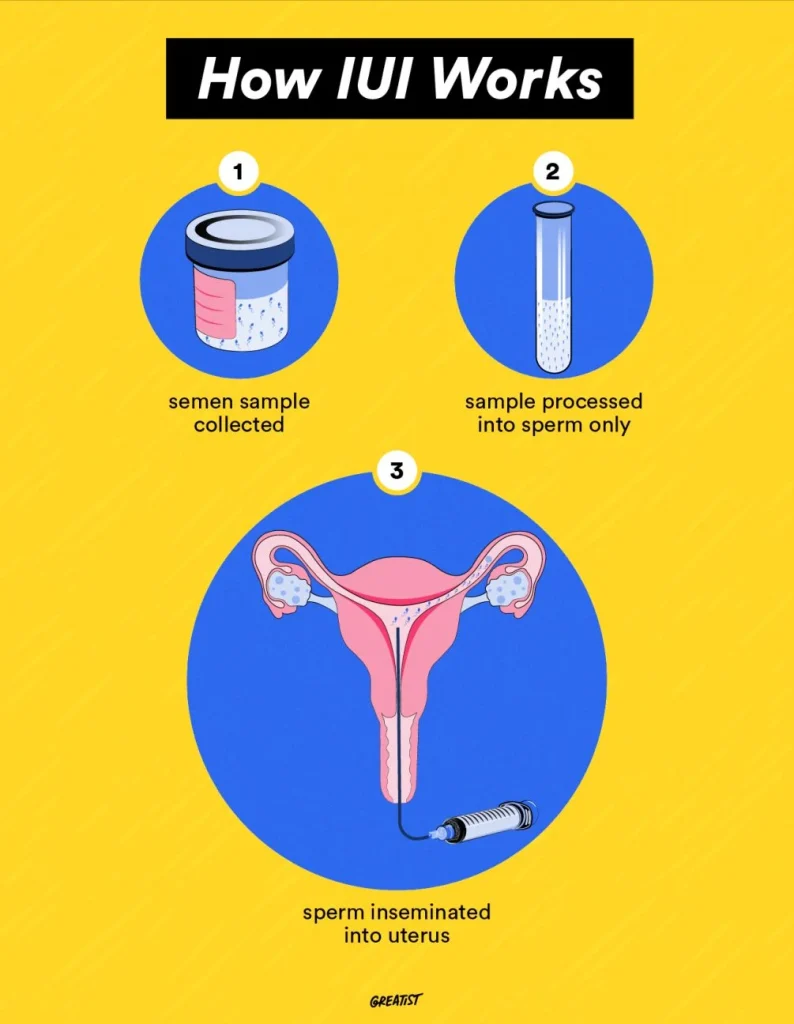
    illustration explaining the steps of intrauterine insemination (IUI) process on a bright yellow background

    Fertility Tracking in the Digital Age: How Apps Are Making It Easier Than Ever

    In addition to tracking fertility, many apps also offer educational resources and personalized insights. They provide information about reproductive health, fertility, and pregnancy, helping users to understand their bodies better. Some apps even offer personalized insights based on the data inputted, such as suggestions for lifestyle changes or fertility treatments.

    One of the most significant benefits of fertility tracking apps is that they can be used by anyone, regardless of their gender identity or sexual orientation. Unlike traditional methods of fertility tracking, which often focus on cisgender women, these apps offer inclusive options for individuals of all genders and sexual orientations. This allows for a more inclusive and personalized approach to fertility tracking, promoting reproductive health for all.

    However, with the rise of fertility tracking apps, there are also some concerns to be aware of. As with any technology, there is always a risk of data privacy and security. Some fertility tracking apps may collect personal information, such as intimate details about menstrual cycles and sexual activity. It is essential to research and choose a reputable app with clear privacy policies and data protection measures in place.

    Another concern is the accuracy of these apps. While many fertility tracking apps use advanced algorithms and technology, they are not 100% accurate. They can only provide predictions based on the data entered, and factors such as stress, illness, and hormonal changes can affect the accuracy of these predictions. It is crucial to use these apps as a tool for understanding fertility and not rely solely on their predictions for contraception or conception.

    In conclusion, fertility tracking apps have revolutionized the way we understand and manage our reproductive health. They offer a convenient, personalized, and inclusive approach to fertility tracking, making it easier than ever for individuals and couples to understand their bodies and plan for pregnancy or contraception. However, it is essential to choose a reputable app and use it as a tool alongside other methods of fertility tracking for the most accurate results.

  • Fertility Tracking for Every Cycle: The Versatility of Apps and Traditional Methods

    Blog Post Title: Fertility Tracking for Every Cycle: The Versatility of Apps and Traditional Methods

    Summary:

    Fertility tracking has become a popular way for individuals and couples to understand their reproductive health and plan for pregnancy. With the advancements in technology, there are now numerous apps and traditional methods available to help track and monitor a person’s fertility. In this blog post, we will explore the versatility of these methods and how they can be used for every cycle.

    First, let’s take a look at the different types of fertility tracking methods. Traditional methods include tracking basal body temperature, monitoring cervical mucus, and using ovulation predictor kits. These methods have been used for decades and rely on a person’s body signals to determine their fertile window.

    On the other hand, fertility tracking apps use technology to help individuals track their cycles and identify their most fertile days. These apps use various methods such as tracking periods, monitoring symptoms, and using algorithms to predict ovulation. They also offer additional features like personalized insights and reminders for ovulation and fertility window.

    One of the main benefits of using fertility tracking apps is convenience. With just a few taps on a smartphone, individuals can easily track their cycles and access personalized insights. This makes it easier for busy individuals to stay on top of their fertility and plan accordingly.

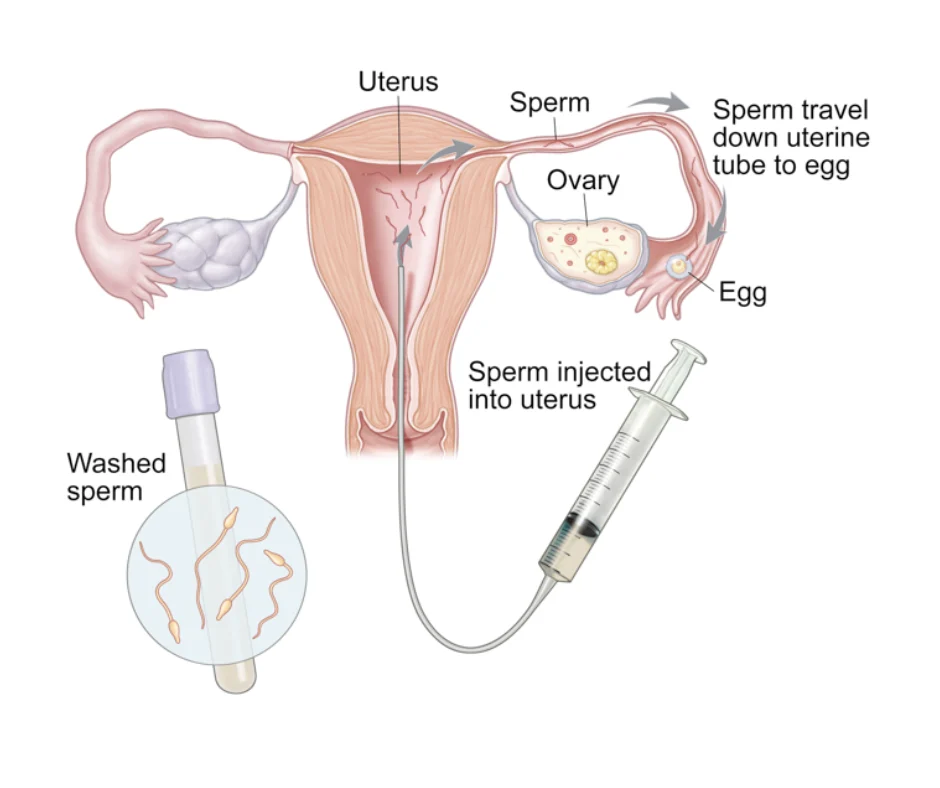
    diagram illustrating intrauterine insemination process, showing sperm injection into the uterus and egg fertilization pathway

    Fertility Tracking for Every Cycle: The Versatility of Apps and Traditional Methods

    Moreover, apps offer a more comprehensive approach to fertility tracking. They not only track periods and ovulation but also monitor other factors that can affect fertility, such as stress levels, diet, and exercise. This can provide a more holistic view of a person’s reproductive health and help them make necessary changes to improve their chances of conception.

    Another advantage of fertility tracking apps is the ability to share data with healthcare providers. This can be especially helpful for individuals who are struggling with fertility issues. By having access to detailed data, doctors can better understand the individual’s cycle and make recommendations for treatment or further testing.

    However, traditional methods also have their advantages. They are low-cost and do not require any technology, making them accessible to everyone. They also rely on a person’s body signals, which can be more accurate for some individuals compared to algorithms used in apps.

    Additionally, traditional methods can be used alongside fertility tracking apps for more accurate results. For example, combining ovulation predictor kits with an app can help pinpoint the most fertile days more accurately.

    It is important to note that both apps and traditional methods have their limitations. Fertility tracking apps may not be as accurate for individuals with irregular cycles or those with certain medical conditions. Traditional methods, on the other hand, require a person to be diligent in tracking their body signals, which can be challenging for some.

    So, which method is the best for fertility tracking? The answer is, it depends on the individual. Some may find that apps suit their lifestyle and needs better, while others may prefer the simplicity and reliability of traditional methods. It is essential to find the method that works best for you and your body.

    In conclusion, fertility tracking has come a long way with the advancements in technology. Apps and traditional methods both offer unique benefits and can be used together for more accurate results. The key is to find the method that works best for you and your body. With proper tracking and understanding of your fertility, you can take charge of your reproductive health and plan for every cycle.

  • Fertility Tracking Apps: The Ultimate Tool for Planning or Preventing Pregnancy

    Blog Post:

    In today’s technological age, there seems to be an app for everything, and fertility tracking is no exception. Fertility tracking apps have become increasingly popular among women who are trying to conceive, as well as those who are looking to prevent pregnancy. These apps offer a convenient and accurate way to track menstrual cycles, ovulation, and other crucial fertility indicators. With the use of advanced algorithms and data analysis, these apps can provide valuable insights and predictions to help individuals plan or prevent pregnancy.

    So, what exactly are fertility tracking apps, and how do they work? In simple terms, fertility tracking apps are mobile applications that help users keep track of their menstrual cycles, ovulation, and other fertility-related information. They typically require users to input data such as the start and end dates of their periods, as well as any other relevant information such as basal body temperature, cervical mucus consistency, and ovulation test results. This data is then used to calculate and predict future fertility windows.

    One of the key benefits of fertility tracking apps is their ability to accurately predict ovulation. This is crucial for couples who are trying to conceive as it helps them determine the best time to have intercourse for optimal chances of pregnancy. These apps use sophisticated algorithms to analyze the inputted data and provide predictions for the most fertile days of the menstrual cycle. This not only increases the chances of conception but also reduces the time and stress associated with trying to conceive.

    On the other hand, for individuals looking to prevent pregnancy, fertility tracking apps can serve as a reliable alternative to traditional birth control methods. While no method is 100% effective, fertility tracking apps can help individuals track their most fertile days and avoid intercourse during that time. This method, known as the fertility awareness method, relies on avoiding intercourse during the fertile window to prevent pregnancy. However, it is crucial to note that this method requires strict adherence and may not be suitable for everyone.

    Aside from tracking menstrual cycles and ovulation, fertility tracking apps also offer a range of other features that can be beneficial for both planning and preventing pregnancy. For example, many apps allow users to input other health-related information such as weight, exercise, and stress levels, which can impact fertility. This data is then used to provide personalized insights and recommendations for improving overall reproductive health.

    comparison of IUI and IVF procedures illustrated with simple graphics and labels

    Fertility Tracking Apps: The Ultimate Tool for Planning or Preventing Pregnancy

    Moreover, with the rise of artificial intelligence and machine learning, fertility tracking apps are becoming more advanced and accurate. Some apps can now integrate with wearable devices such as fitness trackers or smartwatches to gather even more detailed data. This can provide a more comprehensive picture of an individual’s fertility and increase the accuracy of predictions.

    In addition to fertility tracking, some apps also offer features for tracking pregnancy. These include monitoring baby’s growth, keeping track of doctor’s appointments, and providing helpful tips and information for each stage of pregnancy. This makes these apps a valuable tool for women who are trying to conceive and can continue to use them throughout their pregnancy journey.

    It is important to note that fertility tracking apps are not a replacement for medical advice or professional fertility treatments. They should be used as a complementary tool to help individuals understand their bodies and make informed decisions about their reproductive health. It is always recommended to consult with a healthcare provider for any concerns or questions about fertility.

    In conclusion, fertility tracking apps have revolutionized the way individuals plan or prevent pregnancy. They offer a convenient and effective way to track menstrual cycles, ovulation, and other fertility indicators. With their advanced algorithms and integration with wearable devices, these apps are becoming increasingly accurate and valuable for couples trying to conceive, as well as for individuals looking for a natural birth control alternative. However, it is essential to remember that these apps should be used in conjunction with professional medical advice and not as a sole method of fertility management.

    Summary:

    Fertility tracking apps are mobile applications that help individuals track menstrual cycles, ovulation, and other fertility indicators. They use advanced algorithms to predict ovulation and provide personalized insights and recommendations for improving reproductive health. These apps can be used for both planning and preventing pregnancy, and some even offer features for tracking pregnancy. However, they should not be used as a replacement for medical advice and should be used in conjunction with professional fertility treatments.