Tag: emotional support

  • Traditional Surrogacy vs. Gestational Surrogacy: Differences in Emotional Support

    Traditional Surrogacy vs. Gestational Surrogacy: Differences in Emotional Support

    Surrogacy is a wonderful option for those who are unable to carry a child of their own. It involves a woman carrying a baby for someone else, either through traditional or gestational surrogacy. While both methods have their own set of procedures and legalities, one aspect that often gets overlooked is the emotional support provided to the surrogate during the surrogacy journey. In this blog post, we will explore the differences in emotional support between traditional surrogacy and gestational surrogacy.

    Traditional Surrogacy:

    Traditional surrogacy, also known as genetic surrogacy, is when the surrogate uses her own eggs to become pregnant. This means that the baby is biologically related to the surrogate. In traditional surrogacy, the surrogate is also the biological mother of the child, which can lead to a more complex emotional journey.

    Emotional Support for the Surrogate:

    In traditional surrogacy, the surrogate is not only carrying a child for someone else but is also giving up the child she has carried for nine months. This can create a significant emotional bond between the surrogate and the baby. It is essential for the surrogate to receive proper emotional support throughout the process to ensure her well-being.

    One of the main sources of emotional support for traditional surrogates is the intended parents. Building a strong relationship with the intended parents can provide the surrogate with a sense of security and reassurance. Regular communication, whether through phone calls, emails, or in-person meetings, can help the surrogate feel connected and involved in the pregnancy.

    Another vital source of emotional support for traditional surrogates is a support group. Connecting with other surrogates who have gone through or are currently going through the same experience can provide a sense of camaraderie and understanding. These support groups can also offer practical advice and tips for dealing with the emotional challenges of traditional surrogacy.

    Finally, having a counselor or therapist who specializes in surrogacy can be immensely beneficial for the surrogate. They can provide a safe and non-judgmental space for the surrogate to express her feelings and concerns. A therapist can also help the surrogate navigate the complex emotions that come with traditional surrogacy, such as attachment and grief.
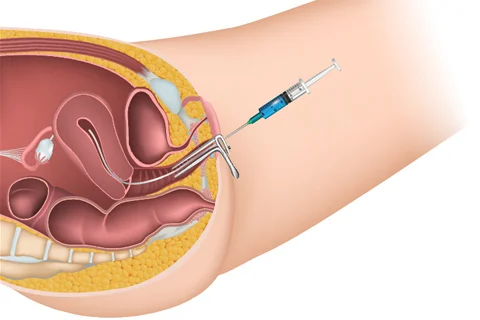
    illustration of intrauterine insemination procedure with a syringe and catheter in the uterus.

    Traditional Surrogacy vs. Gestational Surrogacy: Differences in Emotional Support

    Gestational Surrogacy:

    Gestational surrogacy, also known as host surrogacy, is when the surrogate carries a child that is not biologically related to her. In this method, the intended parents’ sperm and egg are used, or a donor’s egg is used, to create an embryo that is then transferred to the surrogate’s uterus. The surrogate has no genetic connection to the child, making the emotional journey slightly different from traditional surrogacy.

    Emotional Support for the Surrogate:

    Unlike traditional surrogacy, gestational surrogacy does not involve the surrogate giving up a child she is genetically related to. This can make the emotional journey less complicated for the surrogate. However, it is still crucial for the surrogate to receive adequate emotional support throughout the process.

    One of the main sources of emotional support for gestational surrogates is the intended parents. Similar to traditional surrogacy, building a strong relationship with the intended parents can help the surrogate feel connected and involved in the pregnancy. However, in gestational surrogacy, the relationship between the surrogate and the intended parents may be more focused on the pregnancy itself, rather than the genetics of the child.

    Support groups can also be beneficial for gestational surrogates. It can provide a sense of community and support from others who have gone through or are going through the same experience. These support groups can also offer practical advice and tips for dealing with the emotional challenges of gestational surrogacy, such as managing expectations and boundaries with the intended parents.

    Having a counselor or therapist who specializes in surrogacy can also be helpful for gestational surrogates. They can provide a safe space for the surrogate to discuss any worries or concerns she may have. A therapist can also help the surrogate navigate the unique emotions that come with gestational surrogacy, such as detachment and the fear of bonding with the baby.

    Summary:

    In summary, while traditional and gestational surrogacy both involve a woman carrying a child for someone else, the emotional support needed for each method can vary. Traditional surrogacy can be more complex emotionally, as the surrogate is also the biological mother of the child. In contrast, gestational surrogacy can be less complicated as the surrogate has no genetic connection to the child. However, both methods require proper emotional support from the intended parents, support groups, and therapists to ensure the well-being of the surrogate throughout the surrogacy journey.

  • The Role of Counseling in Traditional and Gestational Surrogacy

    Surrogacy has become an increasingly popular option for couples and individuals struggling with infertility or other medical conditions that prevent them from conceiving a child. It involves a woman carrying a pregnancy for someone else, either genetically related or not, and then giving birth to the child for the intended parents. There are two types of surrogacy: traditional and gestational. In traditional surrogacy, the surrogate mother’s egg is fertilized with the intended father’s sperm through artificial insemination, making her the biological mother of the child. In gestational surrogacy, the surrogate carries a pregnancy using either the intended parents’ genetic material or donated genetic material, making her the gestational carrier but not the biological mother of the child.

    While surrogacy can bring joy and fulfillment to many families, it is a complex process that involves legal, medical, and emotional considerations. One crucial aspect of surrogacy that often goes overlooked is the role of counseling. In this blog post, we will explore the role of counseling in both traditional and gestational surrogacy and discuss its importance for all parties involved.

    Counseling in Traditional Surrogacy

    Traditional surrogacy can be a challenging process both emotionally and legally. The surrogate mother has a biological connection to the child, and this can lead to complex emotions and relationships within the arrangement. Counseling can play a crucial role in helping the surrogate mother navigate the emotional journey of carrying a child for someone else.

    One of the key roles of counseling in traditional surrogacy is to provide emotional support to the surrogate mother. The process of carrying a child for nine months and then giving it up can be emotionally taxing. The surrogate mother may experience feelings of attachment to the child, even though she knows it is not hers biologically. Counseling can help her process these emotions and provide a safe space to express her feelings.

    Counseling can also help the surrogate mother set boundaries and manage expectations within the surrogacy arrangement. It is essential to establish clear communication and boundaries between the surrogate and intended parents to avoid any misunderstandings or conflicts. Counseling can help the surrogate mother communicate her needs and expectations and ensure that they are met throughout the process.

    Another crucial aspect of counseling in traditional surrogacy is addressing any potential legal issues. Surrogacy laws vary from state to state, and it is essential to understand the legal implications of the arrangement. Counseling can help the surrogate mother understand her rights and responsibilities and ensure that she is protected legally.

    Counseling in Gestational Surrogacy

    Gestational surrogacy, while less emotionally complicated than traditional surrogacy, still requires counseling for all parties involved. In gestational surrogacy, the surrogate mother is not biologically related to the child, but she still carries the pregnancy and gives birth. This can bring about its unique set of emotions and challenges.

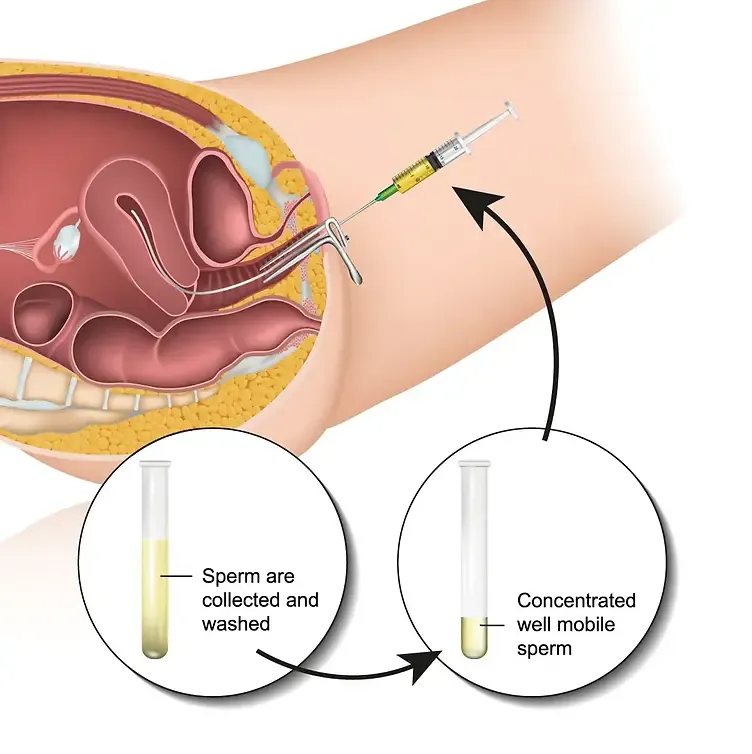
    Illustration of intrauterine insemination process, showing sperm collection and injection into the uterus.

    The Role of Counseling in Traditional and Gestational Surrogacy

    For the intended parents, counseling can provide emotional support and help them navigate the process of building their family through surrogacy. It can also help them understand and manage their expectations of the surrogate mother and the pregnancy.

    Counseling for the surrogate mother in gestational surrogacy can help her process any emotions that may arise during the pregnancy. While she may not have a biological connection to the child, she is still carrying it and may experience feelings of attachment or identity confusion. Counseling can provide a safe space for her to explore and address these emotions.

    Counseling can also play a crucial role in managing the relationship between the surrogate mother and the intended parents. The surrogate may have a close relationship with the intended parents, or they may prefer to have a more professional arrangement. Counseling can help establish healthy boundaries and facilitate communication between the parties involved.

    Importance of Counseling in Surrogacy

    Counseling is a vital aspect of surrogacy, regardless of the type. It provides emotional support and helps all parties involved navigate the complexities of the arrangement. It can also help address any potential legal issues and ensure that everyone’s needs and expectations are met.

    Furthermore, surrogacy can be a long and challenging journey, and counseling can help mitigate any potential risks or challenges that may arise. It can also provide a safe space for all parties to express their feelings and concerns without judgment.

    In addition to emotional support, counseling can also provide education and resources for all parties involved in the surrogacy process. It can help them understand the legal and ethical implications of surrogacy and ensure that the arrangement is carried out in a responsible and ethical manner.

    Conclusion

    Surrogacy can be a beautiful and fulfilling experience for all involved, but it also comes with its unique set of challenges. Counseling plays a crucial role in providing emotional support, managing expectations and boundaries, and addressing any legal issues that may arise. It is an essential component of the surrogacy process and should not be overlooked.

    In summary, counseling is essential in both traditional and gestational surrogacy to provide emotional support, manage expectations and boundaries, and address any legal issues. It plays a vital role in ensuring a healthy and successful surrogacy journey for all parties involved.

  • The Importance of Support: Traditional vs. Gestational Surrogacy

    Support is a crucial aspect of any surrogacy journey, whether it is through traditional or gestational surrogacy. While both types of surrogacy may have their own unique processes and benefits, the need for support remains constant. In this blog post, we will explore the importance of support in both traditional and gestational surrogacy and how it can impact the overall experience.

    Traditional surrogacy involves the surrogate mother using her own egg to conceive the child, while gestational surrogacy involves the use of in vitro fertilization (IVF) to transfer a fertilized embryo into the surrogate’s uterus. Both processes have their own set of challenges and can be emotionally, physically, and mentally taxing for all parties involved. This is where support plays a crucial role.

    Emotional Support
    One of the biggest challenges in any surrogacy journey is the emotional toll it can take on the surrogate and intended parents. For traditional surrogacy, the surrogate mother may have a difficult time separating herself from the emotional attachment she may develop with the child she is carrying. On the other hand, gestational surrogacy can also bring about emotional challenges as the intended parents may feel disconnected from the pregnancy and the baby until birth. This is where a support system can provide comfort and understanding, helping to alleviate any feelings of guilt or anxiety.

    Support can come in many forms, whether it is through a therapist, support group, or even a close friend or family member. Having someone to confide in and share the ups and downs of the surrogacy journey can make a world of difference for both the surrogate and intended parents.

    Physical Support
    The physical toll of surrogacy should not be underestimated. For traditional surrogates, the pregnancy and childbirth process can be physically demanding, especially if they have not experienced a pregnancy before. Gestational surrogates may also experience physical challenges as they undergo IVF treatments and hormone injections.

    Having a support system in place can make the physical demands of surrogacy more manageable. This can include help with household chores, childcare, or even just someone to accompany the surrogate to doctor’s appointments or provide transportation. With the physical strain of surrogacy reduced, the surrogate can focus on the well-being of the baby and her own health.

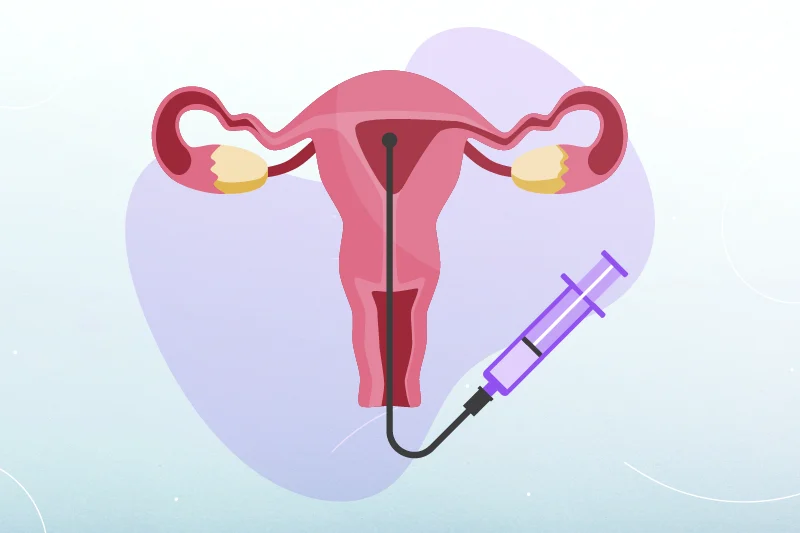
    Illustration of a uterus with a syringe indicating an intrauterine insemination procedure.

    The Importance of Support: Traditional vs. Gestational Surrogacy

    Mental Support
    The mental well-being of both the surrogate and intended parents is just as important as their physical health. Surrogacy can bring about a range of emotions, from excitement and joy to fear and anxiety. Having a support system that understands the complexities of surrogacy can help alleviate any stress or worries.

    In traditional surrogacy, the surrogate may need mental support as she deals with the emotional weight of carrying a child that is genetically related to her. For gestational surrogates, the intended parents may also need support as they navigate the complexities of the surrogacy process and prepare for the arrival of their baby.

    Legal Support
    In both traditional and gestational surrogacy, there are legal considerations that must be addressed. Having a knowledgeable and supportive legal team can make all the difference in ensuring a smooth and successful surrogacy journey. They can provide guidance on the legal aspects of the process, including contracts, parental rights, and potential issues that may arise.

    Additionally, a supportive legal team can help alleviate any fears or concerns about the legal process, allowing the surrogate and intended parents to focus on the more important aspects of their journey.

    The Power of Support in Surrogacy
    While surrogacy can be a beautiful and life-changing experience, it is not without its challenges. The importance of support cannot be overstated in helping surrogates and intended parents navigate these challenges and provide a positive and nurturing environment for the baby.

    A strong support system can make the surrogacy journey more manageable and ultimately lead to a successful and fulfilling experience. Whether it is through emotional, physical, mental, or legal support, having a knowledgeable and understanding support system can make all the difference in the world.

    In summary, support is a crucial aspect of both traditional and gestational surrogacy. It can provide emotional, physical, mental, and legal support to surrogates and intended parents, helping them navigate the challenges of the surrogacy journey and create a positive and nurturing environment for the baby.

  • The Impact on Extended Family: Surrogacy vs Adoption

    Blog Post Title: The Impact on Extended Family: Surrogacy vs Adoption

    Family is the cornerstone of society, and having children is often seen as a natural part of life. However, for some couples, conceiving a child may not be possible due to various reasons such as infertility, medical conditions, or personal choice. In such cases, they may turn to alternative options like surrogacy or adoption. Both surrogacy and adoption have their own set of benefits and challenges, and one aspect that often gets overlooked is the impact on extended family. In this blog post, we will explore the impact of surrogacy and adoption on extended family members.

    Surrogacy is a process in which a woman carries a child for another individual or couple, who will become the child’s legal parents. On the other hand, adoption is the legal process of permanently transferring parental rights and responsibilities from one person or couple to another. While both processes result in the addition of a child to a family, their impact on extended family members can differ significantly.

    Impact of Surrogacy on Extended Family:

    1. Emotional Support: Surrogacy can be an emotionally challenging journey for intended parents, and they often turn to their extended family for support. In most cases, the extended family is happy and excited about the news of a new family member. They may also play a significant role in helping the intended parents prepare for the arrival of the child.

    2. Financial Support: Surrogacy can be an expensive process, and the intended parents may need financial support from their extended family. This support can come in the form of monetary contributions towards medical expenses, legal fees, or even emotional counseling.

    3. Involvement in the Child’s Life: In traditional surrogacy, the surrogate mother is usually a family member or a close friend. This can lead to extended family members feeling a strong connection to the child and wanting to be involved in the child’s life. In such cases, the extended family members may play a significant role in the child’s upbringing and provide support to the intended parents.

    4. Legal Issues: Surrogacy involves a complex legal process, and it is essential to have the support of extended family members during this time. They can provide assistance in understanding legal documents and offer guidance on important decisions that need to be made.

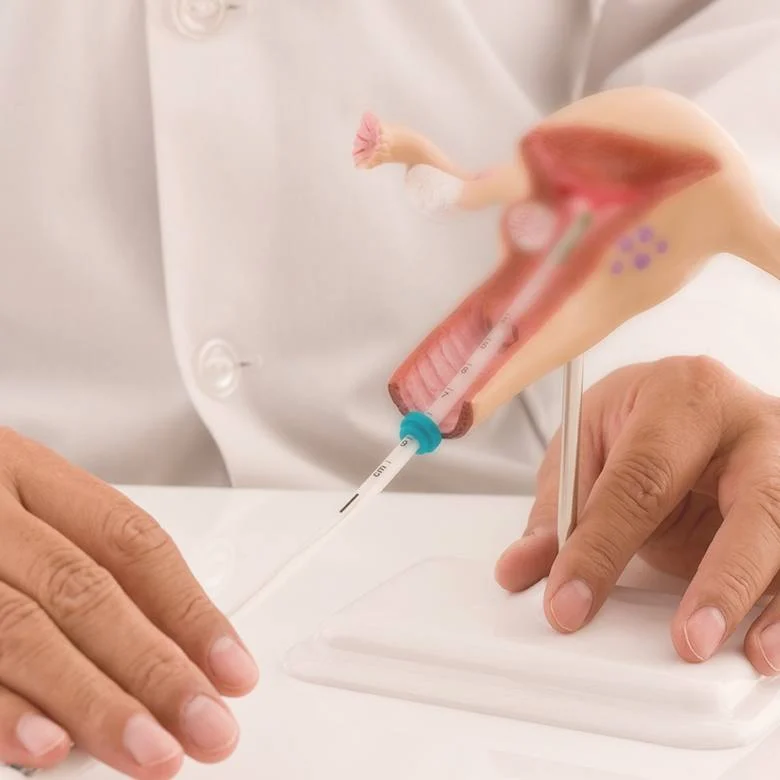
    model of the female reproductive system with a hand demonstrating intrauterine insemination technique

    The Impact on Extended Family: Surrogacy vs Adoption

    5. Potential Challenges: Despite the emotional and financial support extended family members can provide, there may be challenges that arise during the surrogacy process. For example, some family members may not understand or accept the idea of surrogacy, which can cause tension and strain in relationships.

    Impact of Adoption on Extended Family:

    1. Involvement in the Adoption Process: In most cases, adoption involves a lengthy and rigorous process, and extended family members can play a crucial role in supporting the adoptive parents. They may offer practical help, such as babysitting, or emotional support through the ups and downs of the adoption journey.

    2. Role in the Child’s Life: In open adoptions, extended family members may have the opportunity to maintain a relationship with the birth parents and the adopted child. This can be a positive experience for all involved and can create a sense of extended family for the child.

    3. Adjustment to the New Family Member: When a child is adopted, it can be a significant adjustment for the extended family as well. They may need to adapt to the new dynamics and may also struggle with their own emotions and feelings towards the adopted child.

    4. Potential Challenges: Adoption can also bring challenges for the extended family, such as dealing with the birth family’s involvement or navigating cultural differences if the child is from a different background. These challenges can create tension and strain in relationships if not handled properly.

    The decision to choose surrogacy or adoption is a personal and complex one, and it is essential to consider the impact on extended family members. While both options have their own set of benefits and challenges, the most crucial factor is the well-being and happiness of the child and the family as a whole.

    In summary, surrogacy and adoption can have a significant impact on extended family members. They can provide emotional and financial support, play a role in the child’s life, and help navigate the legal and practical aspects of the process. However, there may also be challenges and tensions that arise. Ultimately, the most important thing is to make a decision that is best for the child and the family.

  • The Importance of Support in Surrogacy vs Adoption

    Blog Post:
    In today’s world, there are many paths to parenthood, and two of the most commonly chosen options are surrogacy and adoption. Both are wonderful ways for people to become parents, and each has its own unique set of benefits and challenges. One of the key differences between surrogacy and adoption is the level of support involved. In this blog post, we will explore the importance of support in both surrogacy and adoption journeys.

    Surrogacy is the process of carrying a child for someone else, typically an individual or couple who is unable to conceive or carry a child themselves. This can be due to medical reasons, same-sex partnerships, or other personal circumstances. In surrogacy, the intended parents are usually heavily involved in the pregnancy journey and are able to experience the joys and challenges of pregnancy alongside their surrogate.

    On the other hand, adoption is the legal process of becoming a parent to a child who is not biologically related to you. This can involve adopting a child from foster care, a domestic agency, or an international program. In adoption, the intended parents often have little to no involvement in the pregnancy journey and may not meet their child until after they are born.

    While both surrogacy and adoption are life-changing experiences, the level of support involved in each journey can greatly impact the overall experience for the intended parents. Let’s take a closer look at the importance of support in both surrogacy and adoption.

    Emotional Support:
    Becoming a parent through surrogacy or adoption can be an emotional rollercoaster. For many intended parents, the journey can be filled with uncertainty, anxiety, and fear. Having a strong support system in place can make all the difference during these challenging times.

    In surrogacy, intended parents often have the opportunity to develop a close relationship with their surrogate. This not only allows them to share in the pregnancy experience but also provides a sense of comfort and reassurance. Surrogates can offer emotional support and understanding, as they are going through a similar journey and can relate to the intended parents’ feelings.

    In adoption, the support system may come in the form of a social worker, therapist, or support group. These resources can help intended parents navigate the complex emotions that come with the adoption process, such as grief and loss. Additionally, many adoption agencies offer post-adoption support to ensure that the family is adjusting well and receiving the necessary support.

    Financial Support:
    The financial aspect of surrogacy and adoption cannot be ignored. Both processes can be costly, and the financial burden can add stress and strain to the intended parents. However, the level of support in terms of financial assistance can differ between surrogacy and adoption.

    Illustration of the uterus with a syringe, depicting the intrauterine insemination procedure.

    The Importance of Support in Surrogacy vs Adoption

    In surrogacy, intended parents are responsible for covering the costs associated with the pregnancy, including medical expenses, legal fees, and compensation for the surrogate. However, surrogacy agencies often offer financial planning and support to help intended parents navigate the expenses and make the process more manageable.

    In adoption, there may be various financial assistance options available, such as grants, loans, and tax credits. Additionally, some adoption agencies may offer sliding scale fees or reduced fees for families with financial limitations. It is crucial for intended parents to research and understand the financial support options available to them before beginning the adoption process.

    Legal Support:
    The legal aspect of surrogacy and adoption can be complex and overwhelming. It is essential for intended parents to have proper legal support to ensure that all legalities are handled correctly and to protect the best interests of the child.

    In surrogacy, intended parents typically work with a surrogacy agency that provides legal support throughout the process. This includes drafting contracts, establishing parental rights, and navigating any legal issues that may arise.

    In adoption, legal support is also vital, as there are various legal procedures involved in the adoption process. This may include legal fees, court appearances, and paperwork. Adoption agencies often have legal teams to guide intended parents through the legalities and ensure that everything is done correctly.

    Post-Birth Support:
    After the birth of a child, both surrogacy and adoption journeys are far from over. It is crucial for intended parents to have support in place after bringing their child home.

    In surrogacy, the intended parents often have a close relationship with their surrogate, which can continue after the birth of the child. This can provide valuable support and guidance as the intended parents navigate the early stages of parenthood.

    In adoption, post-adoption support is essential for both the child and the family. This can include counseling, educational resources, and support groups. It is crucial for intended parents to have access to these resources to ensure the well-being and adjustment of their child.

    Summary:
    In conclusion, the level of support involved in surrogacy and adoption journeys can greatly impact the overall experience for intended parents. Emotional support, financial support, legal support, and post-birth support are all essential in both processes. It is crucial for intended parents to research and understand the available support options and to ensure that they have a strong support system in place throughout their journey to parenthood.

  • Egg Donation and Egg Freezing: A Support System for Donors

    Blog Post: Egg Donation and Egg Freezing: A Support System for Donors

    Egg donation and egg freezing have become increasingly popular in recent years as more and more women are choosing to delay starting a family for various personal or career-related reasons. These medical procedures allow women to preserve their fertility and have a biological child later in life, but they also provide an opportunity for women to help others struggling with infertility. However, the decision to become an egg donor or to freeze one’s eggs can be a complex and emotional journey, and it is important for donors to have a strong support system in place. In this blog post, we will explore the process of egg donation and egg freezing, and the importance of having a support system for donors.

    Understanding Egg Donation and Egg Freezing

    Egg donation involves the retrieval of viable eggs from a woman’s ovaries to be used for in vitro fertilization (IVF). These eggs are then fertilized with sperm in a laboratory and the resulting embryos are transferred to the intended mother’s uterus. This process allows women who may have difficulty producing viable eggs to have a child using donor eggs. Egg donors are typically young, healthy women who have undergone a rigorous screening process to ensure their suitability for donation. They may choose to donate their eggs altruistically, with no financial compensation, or they may receive a monetary compensation for their time and effort.

    On the other hand, egg freezing, also known as oocyte cryopreservation, involves the retrieval and freezing of a woman’s eggs for future use. This is a popular option for women who want to delay starting a family due to personal or medical reasons. By freezing their eggs at a younger age, women can preserve their fertility and increase their chances of having a biological child later in life. This process involves a series of hormone injections to stimulate the ovaries, followed by the retrieval of the eggs and their freezing for future use.

    The Importance of a Support System for Egg Donors and Egg Freezers

    The decision to become an egg donor or to freeze one’s eggs is a significant one that can have a profound impact on a woman’s life. Therefore, it is crucial for donors to have a strong support system in place to help them navigate the physical, emotional, and ethical aspects of the process. Here are some reasons why a support system is essential for donors:

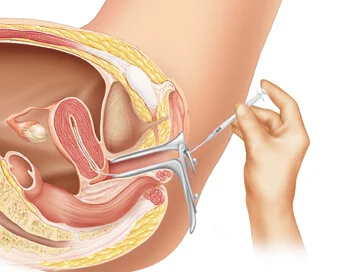
    illustration of intrauterine insemination procedure with a hand holding a speculum and syringe near the uterus

    Egg Donation and Egg Freezing: A Support System for Donors

    1. Emotional Support: The process of egg donation and egg freezing can be emotionally taxing for donors. They may experience feelings of guilt, anxiety, or grief as they go through the process. Having a support system of family and friends who understand and support their decision can help ease these emotions and provide comfort during a potentially challenging time.

    2. Physical Support: Both egg donation and egg freezing involve medical procedures that can take a toll on a woman’s body. It is essential for donors to have someone to turn to for help with tasks such as transportation, childcare, or household chores during this time. A strong support system can provide assistance and alleviate some of the physical demands on the donor’s body.

    3. Information and Education: Donors may have many questions and concerns about the process of egg donation or egg freezing. Having a support system that includes individuals who have gone through the process or are well-informed about it can provide donors with valuable information and guidance. This can help them make informed decisions and ease any fears or uncertainties they may have.

    4. Ethical Guidance: Egg donation and egg freezing involve complex ethical considerations, such as the use of donor eggs in the creation of a child. Having a support system that includes individuals who can provide ethical guidance and support can help donors navigate these issues and make decisions that align with their values and beliefs.

    5. Post-Donation Support: Egg donors and egg freezers may experience a range of emotions after the process is complete. They may feel a sense of loss or have questions about the child that may result from their donation. Having a support system that can offer continued emotional support and understanding can be invaluable during this time.

    In conclusion, egg donation and egg freezing can be a rewarding experience for women who want to help others or preserve their fertility. However, it is crucial for donors to have a strong support system in place to help them through the physical, emotional, and ethical aspects of the process. Whether it is a spouse, family, friends, or a support group, having a network of individuals who can provide emotional support, information, and guidance can make a significant difference in a donor’s journey.

    Summary:

    Egg donation and egg freezing have become popular options for women who want to help others or preserve their fertility. These processes involve the retrieval and use of viable eggs, and they can have a significant impact on a woman’s life. Therefore, it is crucial for donors to have a strong support system in place to help them navigate the physical, emotional, and ethical aspects of the process. A support system can provide emotional support, physical assistance, information and education, ethical guidance, and post-donation support for donors. This can make a significant difference in their journey and help them make informed decisions that align with their values and beliefs.

  • The Importance of Support in Egg Donation and Egg Freezing

    Support is a crucial aspect of any medical procedure, and this is especially true for egg donation and egg freezing. These procedures can be physically, emotionally, and financially challenging, making support from family, friends, and medical professionals essential. In this blog post, we will explore the importance of support in egg donation and egg freezing, and how it can positively impact the overall experience for both donors and recipients.

    Egg donation and egg freezing are two medical procedures that have become increasingly popular in recent years. Egg donation involves the retrieval of eggs from a healthy donor to be used for in vitro fertilization (IVF) to help a couple or individual conceive a child. Egg freezing, on the other hand, is a process in which a woman’s eggs are extracted and preserved for future use. Both procedures have their own unique set of challenges, and having a strong support system in place can make a significant difference in the outcome.

    One of the most critical aspects of support in egg donation and egg freezing is the emotional support provided by loved ones. These procedures can be emotionally taxing, as they involve making important decisions about fertility and potential parenthood. Having someone to talk to and lean on during this time can make a world of difference. Friends and family can offer a listening ear, provide comfort and reassurance, and help donors and recipients navigate the rollercoaster of emotions that often come with these procedures.

    It is also essential for donors and recipients to have support from medical professionals. Egg donation and egg freezing require multiple doctor’s appointments, medical procedures, and medications. Having a knowledgeable and caring medical team to guide and support donors and recipients through these processes is crucial. They can provide information, answer questions, and offer emotional support throughout the entire journey. This support can help alleviate any fears or concerns and make donors and recipients feel more at ease.

    Illustration of a uterus with a syringe indicating an intrauterine insemination procedure.

    The Importance of Support in Egg Donation and Egg Freezing

    Another vital aspect of support in egg donation and egg freezing is financial support. These procedures can be expensive, and many individuals and couples may not have the financial means to cover the costs on their own. Having financial support from friends and family can ease the financial burden and make the process more manageable. Additionally, there are resources available, such as grants and loans, to help cover the costs of egg donation and egg freezing. Having a strong support system can help donors and recipients explore their financial options and make the best decision for their situation.

    It is also crucial for donors and recipients to receive support from each other. In egg donation, the donor and recipient may have a unique relationship, and having a positive and supportive connection can make the experience more meaningful. The recipient may feel grateful and indebted to the donor, while the donor may feel proud and fulfilled by their contribution. Building a supportive relationship can help both parties navigate any challenges that may arise during the process.

    In egg freezing, women who choose to freeze their eggs may face criticism or judgment from others. Having a supportive community of other women who have gone through or are currently going through the same process can be incredibly beneficial. They can offer advice, share their experiences, and provide emotional support to help women feel less alone in their decision to freeze their eggs.

    In addition to emotional and financial support, there are also legal and ethical considerations that require support and guidance. Egg donation and egg freezing involve complex legal agreements and ethical considerations, and having a knowledgeable support system in place can help donors and recipients make informed decisions. This support can come from lawyers, counselors, and other professionals who specialize in reproductive law and ethics.

    In summary, the importance of support in egg donation and egg freezing cannot be overstated. These procedures can be physically, emotionally, and financially demanding, and having a strong support system in place can make a significant difference in the overall experience. From emotional support from loved ones and medical professionals to financial support and support from other donors and recipients, having a strong support system can help make the journey smoother and more manageable.

  • The Role of Support Systems in Fertility: Clinic vs DIY

    Blog post:

    Fertility struggles can be a difficult and emotional journey for individuals and couples. It is a deeply personal experience that can bring up feelings of frustration, sadness, and even hopelessness. With advancements in technology and medical treatments, there are now more options than ever for those struggling with fertility. However, navigating these options can be overwhelming, and having a strong support system in place is crucial for success.

    There are two main avenues for seeking support in fertility: clinics and DIY (do-it-yourself) methods. In this blog post, we will explore the different roles of support systems in fertility and compare the benefits and drawbacks of clinic vs DIY support.

    The Role of Support Systems in Fertility:

    Support systems play a crucial role in the fertility journey. They provide emotional, physical, and informational support to those going through the process. Fertility struggles can be isolating, and having a support system can make all the difference in managing the stress and emotions that come with it.

    Emotional Support:

    Dealing with fertility struggles can be an emotional rollercoaster. There are many highs and lows, and it can be challenging to navigate these emotions alone. Emotional support from friends, family, or a partner can provide a much-needed outlet for expressing feelings and receiving comfort and understanding. This type of support can also help individuals and couples stay positive and motivated during the ups and downs of the fertility process.

    Physical Support:

    Fertility treatments, such as in vitro fertilization (IVF), can be physically demanding and exhausting. Having a support system in place can ease the burden of these treatments. For example, a partner can help with injections, appointments, and other physical needs. Additionally, friends and family can provide practical support, such as running errands or preparing meals, to alleviate some of the stress and responsibilities of the fertility journey.

    Informational Support:

    Navigating the complex world of fertility treatments can be overwhelming. Having access to accurate and reliable information is crucial for making informed decisions. Support systems, whether it be through a clinic or DIY method, can provide educational resources and guidance on the different options available. This type of support can help individuals and couples understand the process, possible outcomes, and potential risks, making them more prepared and confident in their choices.

    Clinic Support:

    Clinics are specialized centers that offer medical treatments and support for those struggling with fertility. They have a team of experienced professionals, including doctors, nurses, and counselors, who are trained to provide comprehensive support throughout the fertility journey.

    Benefits of Clinic Support:

    One of the biggest benefits of clinic support is access to medical expertise. Fertility specialists have years of experience and knowledge in the field and can provide personalized treatment plans based on individual needs. They also have access to advanced medical technologies and treatments, increasing the chances of success.

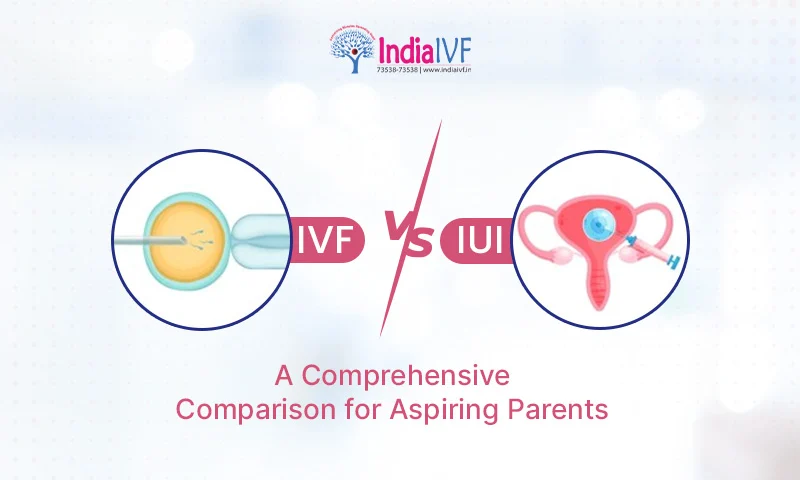
    IVF vs IUI comparison graphic highlighting reproductive methods for aspiring parents.

    The Role of Support Systems in Fertility: Clinic vs DIY

    Another advantage of clinic support is the emotional and psychological support provided by counselors and support groups. These professionals are trained to help individuals and couples cope with the stress and emotions of fertility struggles. They can also provide guidance on how to manage relationships, communication, and self-care during this challenging time.

    Drawbacks of Clinic Support:

    The most significant disadvantage of clinic support is the high cost. Fertility treatments, such as IVF, can be expensive and may not be covered by insurance. This can be a barrier for many individuals and couples, making it difficult to access the support they need.

    Another drawback is the lack of control over the process. Fertility treatments involve multiple appointments and procedures, and individuals may feel like they have little say in the decisions being made. This lack of control can add to the stress and emotions of the fertility journey.

    DIY Support:

    DIY support, also known as self-help or at-home fertility methods, refers to using natural or alternative methods to improve fertility. This can include changes in diet, exercise, stress management, and supplements.

    Benefits of DIY Support:

    One of the main advantages of DIY support is cost-effectiveness. Many natural and alternative methods are low-cost or even free, making it accessible to a wider range of individuals. This can be especially beneficial for those who do not have the financial means to pursue fertility treatments at a clinic.

    Another benefit is the sense of control and empowerment individuals may feel by taking charge of their fertility journey. DIY methods allow individuals to make their own decisions and have control over the process, which can be empowering and reduce feelings of helplessness.

    Drawbacks of DIY Support:

    The biggest drawback of DIY support is the lack of medical expertise and scientific evidence. While some natural methods may have anecdotal success stories, there is limited research to support their effectiveness. This can lead to frustration and disappointment if the desired results are not achieved.

    Additionally, DIY methods may not be suitable for everyone. Fertility issues can be complex, and some individuals may require medical interventions to achieve success. Relying solely on natural methods may not be enough for some individuals and could delay seeking necessary medical treatments.

    Overall, both clinic and DIY support play important roles in the fertility journey. While clinics offer medical expertise and advanced treatments, DIY methods can provide cost-effective and empowering options. Ultimately, the type of support chosen will depend on individual needs and preferences.

    In conclusion, fertility struggles can be challenging, but having a strong support system in place can make a significant difference. Emotionally, physically, and informationally, support systems can provide the necessary resources and guidance to navigate the complexities of fertility. Whether it be through a clinic or DIY method, finding the right support can increase the chances of success and help individuals and couples on their journey towards parenthood.

    Summary:

    Fertility struggles can be a difficult and emotional journey, and having a strong support system in place is crucial for success. There are two main avenues for seeking support in fertility: clinics and DIY methods. Support systems play a crucial role in the fertility journey, providing emotional, physical, and informational support. Clinic support offers access to medical expertise and emotional support, but can be costly and lack control. DIY support can be cost-effective and empowering, but may not have enough scientific evidence. Ultimately, the type of support chosen will depend on individual needs and preferences.

  • The Role of Support Systems in Successful Co-Parenting and Sperm Donation Arrangements

    The Role of Support Systems in Successful Co-Parenting and Sperm Donation Arrangements

    Co-parenting and sperm donation arrangements are becoming increasingly common ways for individuals and couples to start their families. Whether it is due to fertility issues, being part of the LGBTQ+ community, or simply a personal choice, these methods of creating a family come with their own unique set of challenges. One of the key factors in making these arrangements successful is having a strong support system in place. In this blog post, we will explore the role of support systems in successful co-parenting and sperm donation arrangements and how they can help navigate the complexities of these situations.

    Communication is Key

    One of the most crucial aspects of any co-parenting or sperm donation arrangement is communication. This is where a strong support system can play a vital role. Having a support system that includes family, friends, and possibly even a therapist can help facilitate open and honest communication between all parties involved. It is essential to have a safe space to discuss any concerns, fears, or questions that may arise throughout the process. A support system can offer guidance and help navigate potentially difficult conversations, leading to a more successful and harmonious arrangement.

    Emotional Support

    Bringing a child into the world is an emotional journey, and co-parenting and sperm donation arrangements can add an extra layer of complexity to this already emotional experience. Having a support system in place can provide emotional support and stability for all parties involved. It can help alleviate any feelings of isolation, stress, or anxiety that may arise during the process. A support system can also offer a sense of reassurance and validation, knowing that you have people who care about you and your journey.

    Practical Support

    In addition to emotional support, a support system can also provide practical help to make the co-parenting or sperm donation arrangement run smoother. This can include assistance with tasks such as child care, financial support, and logistical support. For example, if one parent is unable to attend a doctor’s appointment, another member of the support system can step in and offer to accompany them. This practical support can take some of the pressure off the individuals involved in the arrangement and make the process more manageable.

    Illustration of IUI procedure with uterus and syringe against a DNA background.

    The Role of Support Systems in Successful Co-Parenting and Sperm Donation Arrangements

    Navigating Legalities

    Co-parenting and sperm donation arrangements involve complex legalities that need to be carefully navigated. Having a support system that includes legal professionals can be incredibly beneficial in these situations. They can help ensure that all parties understand their rights and responsibilities and that the necessary legal documents are in place to protect everyone involved. Having this support can help avoid potential conflicts and ensure that the arrangement is legally sound.

    Support for the Child

    In any co-parenting or sperm donation arrangement, the well-being of the child should be the top priority. A strong support system can provide a stable and loving environment for the child. This can include having extended family and friends who are involved in the child’s life, providing a sense of community and belonging. A support system can also offer different perspectives and experiences, which can be beneficial for the child’s development.

    Handling Conflict

    No matter how well-planned a co-parenting or sperm donation arrangement may be, conflicts may still arise. Having a support system in place can help navigate these conflicts and find resolutions that work for all parties involved. A support system can offer a neutral perspective and help diffuse tense situations. Additionally, having a support system can provide a sense of accountability and a safe space to express any concerns or grievances.

    Summary:

    Co-parenting and sperm donation arrangements are becoming increasingly popular ways to create families. However, these methods come with their own unique set of challenges. One of the key factors in making these arrangements successful is having a strong support system in place. A support system can offer emotional, practical, and legal support for all parties involved. It can also help facilitate communication, handle conflicts, and provide a stable and loving environment for the child. With the right support system, co-parenting and sperm donation arrangements can be a successful and fulfilling experience for all involved.

  • The Role of Support Groups: Finding a Sense of Community During Artificial Insemination and IVF

    Support groups play a crucial role in the emotional, physical, and mental well-being of individuals going through artificial insemination and in vitro fertilization (IVF). These processes can be emotionally and physically taxing, and having a community of individuals who understand and can offer support and guidance is invaluable.

    In this blog post, we will explore the role of support groups in the journey of artificial insemination and IVF, and how they can provide a sense of community and support during this challenging time.

    The Emotional Toll of Artificial Insemination and IVF

    Artificial insemination and IVF are common methods used to help individuals or couples conceive when natural methods are not possible. These processes involve a series of medical procedures, tests, and medications that can be physically and emotionally draining.

    For many individuals, the emotional toll of infertility and assisted reproduction can be overwhelming. The constant cycle of hope, disappointment, and financial strain can lead to feelings of isolation, anxiety, and depression. The lack of control and uncertainty of the outcome can also contribute to the emotional rollercoaster.

    This is where support groups can play a vital role. They offer a safe space for individuals to share their experiences, fears, and struggles with others who are going through a similar journey. Support groups provide a sense of belonging and understanding, helping individuals feel less alone in their struggles.

    Finding a Sense of Community

    One of the most significant benefits of support groups is the sense of community they provide. Going through fertility treatments can be isolating, especially if friends and family do not understand the emotional and physical toll it takes.

    In support groups, individuals can connect with others who are on a similar path and understand the challenges and complexities of the process. This community can provide a sense of validation and support, making individuals feel less alone in their journey.

    Support groups also offer a network of individuals who are going through different stages of artificial insemination and IVF. This allows for a sharing of knowledge, experiences, and resources that can be helpful in navigating the process. From choosing a fertility clinic to coping with side effects of medications, support group members can provide valuable insights and advice.

    Emotional Support and Coping Strategies

    IVF vs IUI comparison graphic highlighting reproductive methods for aspiring parents.

    The Role of Support Groups: Finding a Sense of Community During Artificial Insemination and IVF

    Support groups also offer a unique opportunity for emotional support and coping strategies. Infertility and assisted reproduction can trigger a range of emotions, from sadness and anger to guilt and shame. These feelings can be difficult to navigate alone, and support groups provide a safe space to express and process them.

    Group members can offer empathy, validation, and understanding, which can be immensely comforting. They can also provide practical tips and coping strategies for managing the emotional rollercoaster of artificial insemination and IVF. These strategies may include mindfulness techniques, self-care practices, or simply having a listening ear.

    In addition to emotional support, support groups can also be a source of practical information. Members can share their experiences with different fertility treatments, medications, and procedures, providing valuable insights for those about to embark on their journey.

    Partner Support

    Infertility and assisted reproduction can also take a toll on relationships, especially with partners. The stress and pressure of trying to conceive can lead to conflicts and strains in the relationship.

    Support groups can be beneficial for partners as well. They offer a space for partners to share their experiences, fears, and frustrations with others who understand. This can help partners feel more connected and supported in their journey, strengthening their relationship.

    Partners can also benefit from learning coping strategies and tips from other members on how to support their loved one during this challenging time. Additionally, support groups can provide a platform for partners to express their own emotions and concerns, as they also go through the ups and downs of artificial insemination and IVF.

    In Conclusion

    The emotional, physical, and mental toll of artificial insemination and IVF cannot be underestimated. Having a supportive community of individuals who understand the challenges and complexities of the journey can be immensely beneficial.

    Support groups provide a safe space for individuals to share their experiences, offer emotional support, and provide practical tips and coping strategies. They also offer a sense of community, connecting individuals who are on a similar path and providing a network of resources and knowledge.

    If you are going through artificial insemination or IVF, consider joining a support group. It can make a significant difference in your journey and provide a much-needed sense of community and support.