Tag: at-home insemination

  • The Role of Timing in At-Home and Clinical Insemination

    The Role of Timing in At-Home and Clinical Insemination

    Insemination, also known as artificial insemination, is a method of assisted reproduction where sperm is introduced into the reproductive tract of a female in order to achieve pregnancy. This can be done at home or in a clinical setting. While the success rates of at-home and clinical insemination are similar, one key factor that can greatly impact the success of the procedure is timing. In this blog post, we will explore the role of timing in both at-home and clinical insemination and how it can affect the chances of achieving pregnancy.

    Timing in At-Home Insemination

    At-home insemination, also known as self-insemination, is the process of performing the procedure in the comfort of one’s own home. This method is often chosen by couples or individuals who are looking for a more intimate and cost-effective way to conceive. However, timing is crucial in at-home insemination and can greatly impact the success of the procedure.

    The most important factor in at-home insemination is tracking ovulation. Ovulation is when an egg is released from the ovary and is the most fertile time during a woman’s menstrual cycle. In order for pregnancy to occur, sperm must be present in the reproductive tract at the time of ovulation. This is why tracking ovulation is crucial in at-home insemination.

    There are several methods of tracking ovulation, such as using ovulation predictor kits, tracking basal body temperature, or monitoring cervical mucus changes. By using one or a combination of these methods, individuals can determine the most fertile days of their cycle and time the insemination accordingly. Timing the insemination during these fertile days can greatly increase the chances of pregnancy.

    In addition to tracking ovulation, the timing of the insemination itself is also important. Sperm can survive in the female reproductive tract for up to five days, but the window of optimal fertility is only about 24 hours around ovulation. Therefore, it is recommended to inseminate within 24 hours of ovulation for the best chances of success. Timing the insemination too early or too late can significantly reduce the chances of pregnancy.

    Timing in Clinical Insemination
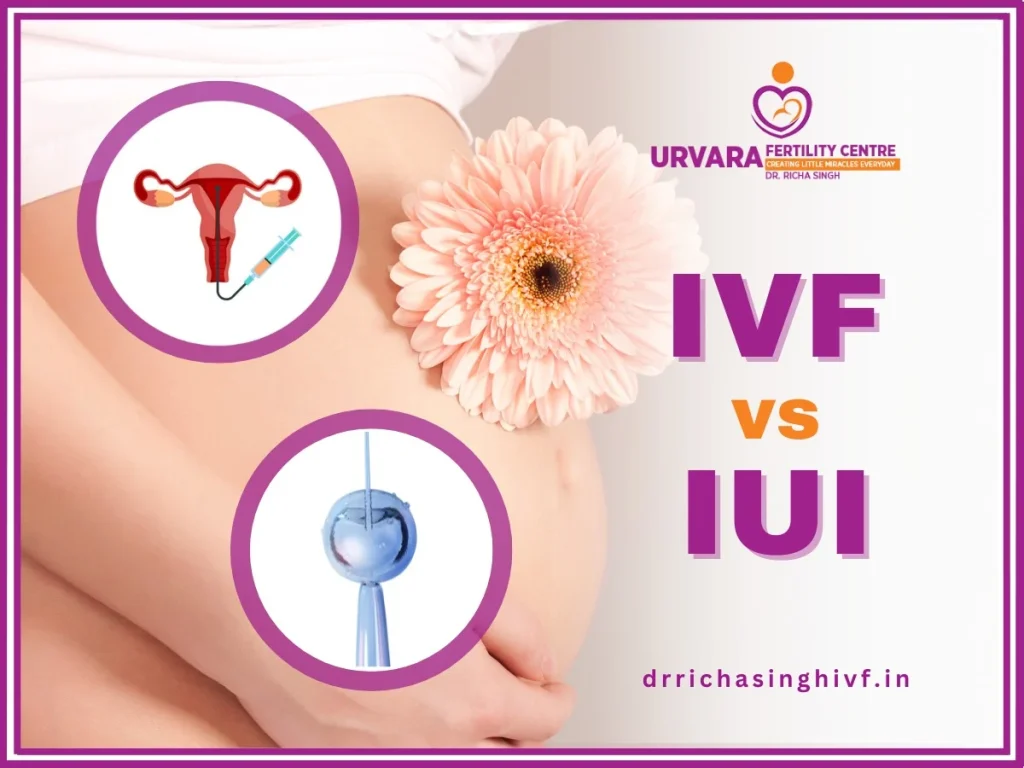
    IVF vs IUI comparison with illustrations of reproductive processes and a flower on a pregnant belly.

    The Role of Timing in At-Home and Clinical Insemination

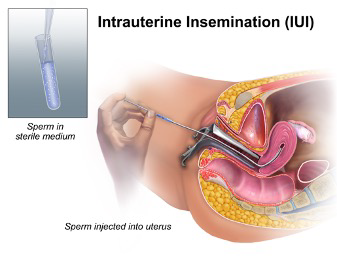
    Clinical insemination, also known as intrauterine insemination (IUI), is a procedure that is performed by a healthcare professional in a clinical setting. This method of insemination involves placing specially prepared sperm directly into the uterus, bypassing the cervix and increasing the chances of fertilization. While timing is still important in clinical insemination, the process is more controlled and precise compared to at-home insemination.

    In clinical insemination, the timing of the procedure is based on the results of ovulation tracking. This is usually done through ultrasound imaging and blood tests to determine the exact time of ovulation. Once the optimal time is determined, the insemination can be scheduled accordingly. This ensures that the sperm is placed in the uterus at the most fertile time, increasing the chances of fertilization and pregnancy.

    In addition to timing the procedure, the quality of the sperm also plays a crucial role in the success of clinical insemination. Sperm quality can be affected by various factors such as age, health, and lifestyle choices. Therefore, it is important for individuals undergoing clinical insemination to have their sperm quality evaluated beforehand. This will help determine the best timing for the procedure and increase the chances of success.

    The Impact of Timing on Success Rates

    Timing is a crucial factor in both at-home and clinical insemination, and it can greatly impact the success rates of the procedure. In at-home insemination, timing the insemination during the most fertile days can increase the chances of pregnancy. However, if the timing is off, it can significantly reduce the chances of success. Similarly, in clinical insemination, timing the procedure during the most fertile time and using high-quality sperm can greatly increase the chances of pregnancy.

    Moreover, timing is also important in terms of emotional readiness and preparation for the procedure. At-home insemination requires individuals to be well-informed and prepared to perform the procedure themselves, while clinical insemination may require multiple visits to the clinic and more involvement from healthcare professionals. Timing the insemination when one is emotionally and mentally prepared can also contribute to the success of the procedure.

    Conclusion

    Insemination, whether done at home or in a clinical setting, is a viable option for individuals or couples looking to conceive. However, timing plays a crucial role in the success of the procedure. Tracking ovulation and timing the insemination accordingly can greatly increase the chances of pregnancy. In clinical insemination, the timing of the procedure is based on precise ovulation tracking and the use of high-quality sperm. Therefore, it is important for individuals to understand the role of timing in insemination and consult with a healthcare professional for the best chances of success.
  • Breaking the Stigma: At-Home Insemination in the LGBTQ+ Community

    Breaking the Stigma: At-Home Insemination in the LGBTQ+ Community

    In recent years, there has been a significant increase in the number of LGBTQ+ couples and individuals who are choosing to start a family. However, the process of conceiving a child can be challenging and expensive for those in the LGBTQ+ community, especially when it comes to assisted reproduction methods like in vitro fertilization (IVF) and intrauterine insemination (IUI). This has led many individuals and couples to turn to a more accessible, affordable, and private option – at-home insemination.

    At-home insemination, also known as self-insemination, is the process of placing sperm inside a person’s reproductive tract in order to achieve pregnancy. This method involves using a syringe or a soft cup to deposit sperm in the vagina, cervix, or uterus. At-home insemination has gained popularity in the LGBTQ+ community as it allows individuals and couples to take control of their reproductive journey and overcome the social stigma and financial barriers associated with assisted reproduction.

    One of the main reasons why at-home insemination is preferred by many in the LGBTQ+ community is the privacy it offers. For many individuals and couples, the thought of going to a fertility clinic and discussing their sexual orientation or gender identity can be intimidating and uncomfortable. With at-home insemination, they can bypass these potentially awkward conversations and proceed with the process in the comfort of their own home. This allows them to maintain their privacy and feel more in control of their reproductive journey.

    Another benefit of at-home insemination is its affordability. Traditional fertility treatments like IVF and IUI can cost thousands of dollars, with no guarantee of success. This can be a significant barrier for many in the LGBTQ+ community, who may already face discrimination and financial challenges due to their sexual orientation or gender identity. At-home insemination, on the other hand, can cost as little as a few hundred dollars, making it a more accessible option for those who want to start a family.

    doctor discussing treatment with a patient in a medical office, featuring an ultrasound machine in the background

    Breaking the Stigma: At-Home Insemination in the LGBTQ+ Community

    At-home insemination also provides individuals and couples in the LGBTQ+ community with the opportunity to be more involved in the conception process. Unlike traditional assisted reproduction methods where a doctor is responsible for insemination, at-home insemination allows individuals and couples to take a more active role in the process. This can be empowering and create a stronger bond between partners as they work together towards achieving their dream of starting a family.

    While at-home insemination may seem like a simple and straightforward process, there are still some important factors to consider. One of the key considerations is the source of sperm. Many individuals and couples in the LGBTQ+ community choose to use donor sperm, which can be purchased from a sperm bank or obtained from a known donor. It is essential to carefully research and choose a reputable sperm bank or donor to ensure the safety and quality of the sperm being used.

    Another crucial aspect of at-home insemination is timing. In order to increase the chances of success, it is important to track ovulation and inseminate during the most fertile window. This can be done through methods like ovulation predictor kits or tracking basal body temperature. It is also recommended to consult with a fertility specialist or healthcare provider to ensure that the timing is accurate and the process is being done correctly.

    Despite the many benefits of at-home insemination, there is still a stigma surrounding this method in the LGBTQ+ community. Some may view it as a less legitimate or “natural” way of conceiving, leading to feelings of shame or embarrassment. This stigma can also be perpetuated by society’s heteronormative views of reproduction and the pressure to conform to traditional family structures. However, it is important to remember that at-home insemination is a valid and viable option for starting a family, and there is no one “right” way to become a parent.

    In conclusion, at-home insemination has become a popular choice for many in the LGBTQ+ community who want to start a family. It offers privacy, affordability, and the opportunity for individuals and couples to be more involved in the conception process. However, it is essential to research and consult with a healthcare provider to ensure the safety and success of at-home insemination. It is also crucial to break the stigma surrounding this method and recognize that there is no one “right” way to create a family.

  • At-Home Insemination: A Detailed Guide for Beginners

    At-Home Insemination: A Detailed Guide for Beginners

    In recent years, at-home insemination has become a popular option for individuals and couples looking to start or expand their families. This method allows for a more intimate and private approach to conception, without the need for medical intervention or expensive fertility treatments. However, for those who are new to the concept of at-home insemination, the process can seem daunting and overwhelming. In this blog post, we will provide a detailed guide for beginners on how to successfully perform at-home insemination.

    What is At-Home Insemination?

    At-home insemination, also known as DIY insemination, is the process of self-insemination using donor sperm. This method involves depositing the sperm into the vagina, near the cervix, at the time of ovulation. This allows the sperm to travel through the cervix and into the uterus, increasing the chances of fertilization.

    Why Choose At-Home Insemination?

    There are various reasons why individuals and couples may choose at-home insemination as their preferred method of conception. Some may prefer the privacy and intimacy of performing the insemination in the comfort of their own home. Others may have experienced challenges with conceiving through traditional methods and see at-home insemination as a more affordable and less invasive alternative to fertility treatments. Whatever the reason may be, at-home insemination can be a viable option for many individuals and couples.

    Steps to Perform At-Home Insemination

    Step 1: Determine the Fertile Window

    The first step in at-home insemination is to determine the fertile window. This is the time in a person’s menstrual cycle when they are most likely to conceive. The fertile window typically lasts for about 6 days, with the day of ovulation being the most fertile. There are various methods to determine the fertile window, including tracking ovulation through basal body temperature, ovulation predictor kits, and monitoring cervical mucus changes.

    Step 2: Choose a Donor

    The next step is to choose a donor. You can either use fresh sperm from a known donor or purchase frozen sperm from a sperm bank. If using a known donor, it is important to discuss and document any legal agreements and health screenings beforehand. If purchasing sperm from a sperm bank, ensure that the sperm is from a reputable source and has been thoroughly tested and screened.

    Step 3: Gather Supplies

    Before performing the insemination, make sure to gather all necessary supplies, including a sterile syringe, specimen cup, ovulation predictor kit, and a comfortable and private space.

    test tube with sperm in blue liquid, promoting IUI success rate and factors influencing fertility.

    At-Home Insemination: A Detailed Guide for Beginners

    Step 4: Prepare the Sperm

    If using fresh sperm, the donor will need to ejaculate into the specimen cup. If using frozen sperm, follow the instructions provided by the sperm bank to thaw the sperm and prepare it for insemination.

    Step 5: Perform the Insemination

    Using the sterile syringe, carefully draw up the sperm from the specimen cup and then insert the syringe into the vagina, near the cervix. Slowly release the sperm into the vagina, making sure to deposit it near the cervix.

    Step 6: Stay Lying Down

    After the insemination, it is recommended to stay lying down for about 20-30 minutes to allow the sperm to travel through the cervix and into the uterus.

    Step 7: Repeat as Needed

    If not successful in the first attempt, you can repeat the process during the fertile window. It is important to note that at-home insemination may take multiple attempts before achieving a successful pregnancy.

    Things to Consider

    While at-home insemination may seem like a simple and straightforward process, there are some important things to consider before proceeding with this method. It is essential to have open and honest communication with your partner or donor, to ensure that everyone involved is on the same page. It is also important to have realistic expectations and understand that at-home insemination may not be successful on the first try.

    In addition, it is crucial to have a support system in place, whether it be through family, friends, or online communities. At-home insemination can be an emotional journey, and having a support system can make a significant difference.

    Summary:

    At-home insemination is a popular method of conception that allows individuals and couples to perform insemination in the comfort of their own home. It involves self-insemination using donor sperm and can be a more private and affordable option compared to traditional fertility treatments. The process includes determining the fertile window, choosing a donor, gathering supplies, preparing the sperm, and performing the insemination. It is essential to have open communication, realistic expectations, and a support system in place when considering at-home insemination.

  • The Emotional Journey of At-Home Insemination

    Blog Post Title: The Emotional Journey of At-Home Insemination: Navigating the Ups and Downs

    At-home insemination is a popular method for individuals and couples who are trying to conceive but may face challenges with traditional methods. This process involves using a sperm donor or partner’s sperm to fertilize an egg at home, rather than in a clinical setting. While it can be an exciting and empowering journey, it can also be an emotional rollercoaster. In this blog post, we will explore the emotional journey of at-home insemination and provide tips on how to navigate the ups and downs.

    The Beginning: Excitement and Hope

    For many individuals and couples, the decision to try at-home insemination is met with a mix of excitement and hope. This may be the first step towards building their family, and the possibility of conceiving a child can be overwhelming. The idea of creating a life together can bring joy and anticipation, and the thought of finally holding a baby in their arms can be a source of motivation and determination.

    However, alongside this excitement may also come fears and doubts. Will this method work for us? What if we face challenges? These concerns are completely normal and valid, but it is important to focus on the hope and possibilities that at-home insemination can bring.

    The Planning Stage: Anxiety and Stress

    Once the decision has been made to try at-home insemination, the planning stage begins. This involves researching the process, choosing a sperm donor or preparing for using a partner’s sperm, and purchasing necessary supplies. This stage can bring about a lot of anxiety and stress as individuals and couples may feel overwhelmed with all the information and decisions they need to make.

    Additionally, there may be concerns about the success rate of at-home insemination and the potential financial strain it may bring. It is important to have open and honest communication with your partner or support system during this stage to help alleviate some of the stress and anxiety.

    The Insemination Process: Nervousness and Anticipation

    The actual insemination process can bring about a mix of emotions. Nervousness and anticipation may be at an all-time high as individuals and couples prepare for the procedure. It is common to experience feelings of nervousness as insemination is a very personal and intimate process.

    At the same time, there may also be a sense of excitement and anticipation as the possibility of creating a life together becomes more real. It is important to stay calm and focused during this stage and remember the end goal.

    Illustration of the IUI process, showing a syringe and catheter in the reproductive system.

    The Emotional Journey of At-Home Insemination

    The Two-Week Wait: Impatience and Anxiety

    After the insemination process, the two-week wait begins. This is the period between the insemination and the time when a pregnancy test can accurately determine if conception has occurred. This period can feel like the longest two weeks of your life as individuals and couples anxiously wait for any signs or symptoms of pregnancy.

    Impatience and anxiety are common during this time, and it can be challenging to stay positive and hopeful. It is important to have a support system during this stage and to find healthy ways to manage stress and anxiety.

    The Result: Joy or Disappointment

    Finally, the two-week wait is over, and the moment of truth arrives. The pregnancy test will either bring joy or disappointment. If the result is positive, it can be an overwhelming and emotional experience. The realization that you are pregnant and that your dreams of starting a family are coming true can bring tears of joy and happiness.

    On the other hand, if the result is negative, there may be feelings of disappointment, sadness, and frustration. It is important to allow yourself to feel these emotions and to seek support from your partner or loved ones. Remember that at-home insemination is not a guaranteed method, and it may take multiple attempts before achieving a successful pregnancy.

    The Next Step: Moving Forward

    No matter the result, the emotional journey of at-home insemination does not end there. If the result is positive, this is just the beginning of a new journey towards parenthood. If the result is negative, there are still options and other paths to explore.

    It is crucial to take care of your emotional and mental well-being during this time. Seeking therapy or joining support groups can be helpful in processing your emotions and navigating the next steps. Remember to be kind and patient with yourself and your partner, and know that there is no right or wrong way to feel.

    In conclusion, the emotional journey of at-home insemination is a complex and challenging one, but it can also be a beautiful and rewarding experience. It is important to acknowledge and process the various emotions that come with this journey and to have a strong support system in place. Whether your journey leads to a positive or negative result, know that you are not alone and that there is always hope for building the family of your dreams.

    Summary:

    At-home insemination can be an exciting and empowering journey, but it can also be an emotional rollercoaster. The emotional journey begins with excitement and hope, followed by anxiety and stress during the planning stage. Nervousness and anticipation may be felt during the insemination process, and the two-week wait can bring impatience and anxiety. The result can bring either joy or disappointment, and it is important to seek support and take care of your emotional well-being during this time. No matter the outcome, the journey does not end there, and it is essential to have a strong support system and to be kind to yourself and your partner.

  • Breaking Down the Costs of At-Home vs Clinical Insemination

    Blog Post: Breaking Down the Costs of At-Home vs Clinical Insemination

    In recent years, there has been a significant rise in the popularity of at-home insemination as a method of conception for couples looking to start a family. With the increasing cost of clinical insemination, many couples are turning to at-home options as a more affordable alternative. However, it is important to carefully consider the costs and potential risks involved in both at-home and clinical insemination before making a decision. In this blog post, we will break down the costs of at-home vs clinical insemination to help you make an informed decision about which option is right for you.

    At-Home Insemination

    At-home insemination involves the insertion of sperm into the vagina or cervix using a syringe or other device. This can be done by a partner or with the help of a donor. The cost of at-home insemination is significantly lower compared to clinical insemination, as there are no medical professionals involved and no need for expensive fertility treatments.

    The main cost associated with at-home insemination is the purchase of a donor sperm sample. Prices for donor sperm can vary greatly depending on the source and quality of the sample. On average, a vial of donor sperm can cost anywhere from $500 to $1,000. It is important to note that some sperm banks may also charge additional fees for shipping and handling.

    Another cost to consider with at-home insemination is the use of ovulation predictor kits. These kits can range from $20 to $50 and are used to help determine the best time for insemination. While not necessary, many couples choose to use these kits to increase their chances of success.

    In addition to the direct costs, there may also be hidden costs associated with at-home insemination. These can include the purchase of additional supplies such as speculums, lubricants, and syringes. It is also important to factor in the time and effort required for at-home insemination, as multiple attempts may be necessary for success.

    Clinical Insemination

    Illustration of intrauterine insemination (IUI) procedure, showing sperm injection into the uterus.

    Breaking Down the Costs of At-Home vs Clinical Insemination

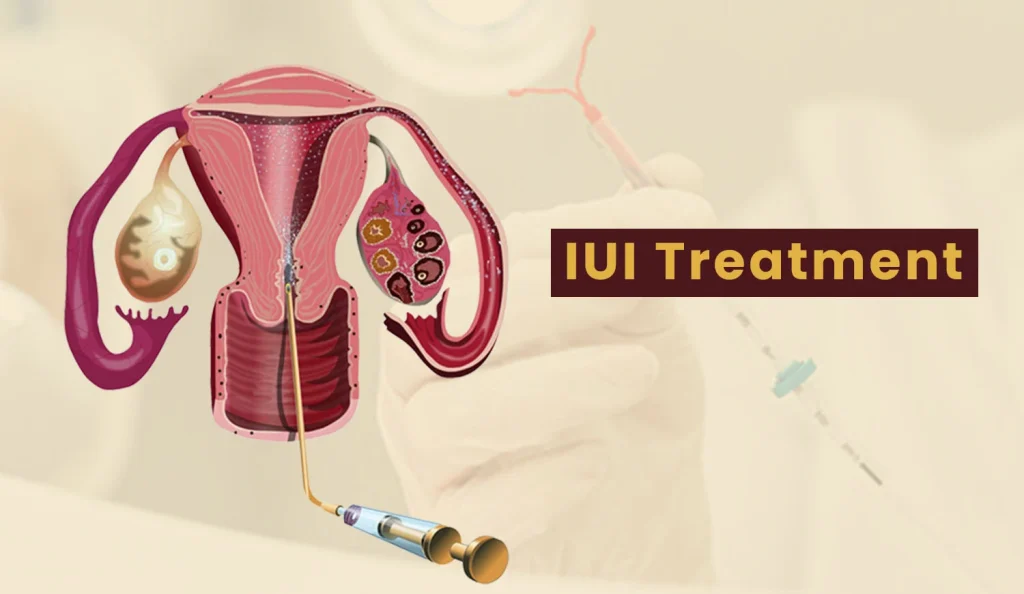
    Clinical insemination, also known as intrauterine insemination (IUI), is a fertility treatment that involves placing sperm directly into the uterus using a catheter. This procedure is typically done in a medical setting by a fertility specialist and can be more expensive than at-home insemination.

    The cost of clinical insemination can vary depending on the clinic and location, but on average, it can range from $300 to $3,000 per cycle. This cost includes the initial consultation, fertility testing, and the actual insemination procedure. It is important to note that this cost does not include any additional fertility treatments that may be needed, such as medications to stimulate ovulation.

    One of the main advantages of clinical insemination is that it offers a higher success rate compared to at-home insemination. This is due to the fact that the sperm is placed directly into the uterus, bypassing any potential barriers in the cervix. However, this higher success rate comes at a higher cost, and multiple cycles may be needed to achieve pregnancy.

    Additional costs to consider with clinical insemination include the cost of fertility medications, which can range from $500 to $5,000 per cycle. These medications are used to stimulate ovulation and increase the chances of success. There may also be additional fees for blood work, ultrasounds, and other tests that are necessary during the treatment process.

    Making the Decision

    When considering the costs of at-home vs clinical insemination, it is important to also consider the potential risks involved. At-home insemination carries a higher risk of infection and may not be as effective as clinical insemination. On the other hand, clinical insemination can be costly and may require multiple cycles, leading to a significant financial burden for some couples.

    It is also important to consider the emotional and psychological costs involved in both options. At-home insemination may be more intimate and comfortable for some couples, while others may prefer the professional and medical setting of clinical insemination.

    Ultimately, the decision between at-home and clinical insemination will depend on the individual circumstances and preferences of each couple. It is important to carefully weigh the costs, risks, and potential benefits of each option before making a decision.

    In summary, at-home insemination offers a more affordable option for couples looking to conceive, with the main cost being the purchase of a donor sperm sample. However, hidden costs and potential risks must also be taken into account. Clinical insemination, while more expensive, offers a higher success rate and the guidance of a fertility specialist. Additional costs for fertility medications and tests must also be considered. Ultimately, the decision between at-home and clinical insemination should be based on individual circumstances and preferences.

  • Navigating the World of At-Home Insemination

    As technology and medical advancements continue to evolve, more and more individuals and couples are turning to at-home insemination as a means of starting a family. Whether it’s due to infertility, same-sex relationships, or personal preference, at-home insemination offers a convenient and cost-effective alternative to traditional fertility treatments. However, navigating the world of at-home insemination can be overwhelming and intimidating for those who are new to the process. In this blog post, we will discuss everything you need to know about at-home insemination, including its benefits, methods, risks, and tips for a successful experience.

    Benefits of At-Home Insemination
    One of the main benefits of at-home insemination is the comfort and privacy it offers. For many individuals and couples, the thought of going to a fertility clinic can be daunting and may even discourage them from pursuing their dream of having a child. With at-home insemination, the entire process can be done in the comfort of your own home, making it a more relaxed and intimate experience.

    Another benefit of at-home insemination is the cost. Fertility treatments can be expensive, and many insurance plans do not cover them. At-home insemination, on the other hand, is significantly more affordable, with the average cost ranging from $50 to $500, depending on the method used. This makes it a more accessible option for those who may not have the financial means to pursue traditional fertility treatments.

    Methods of At-Home Insemination
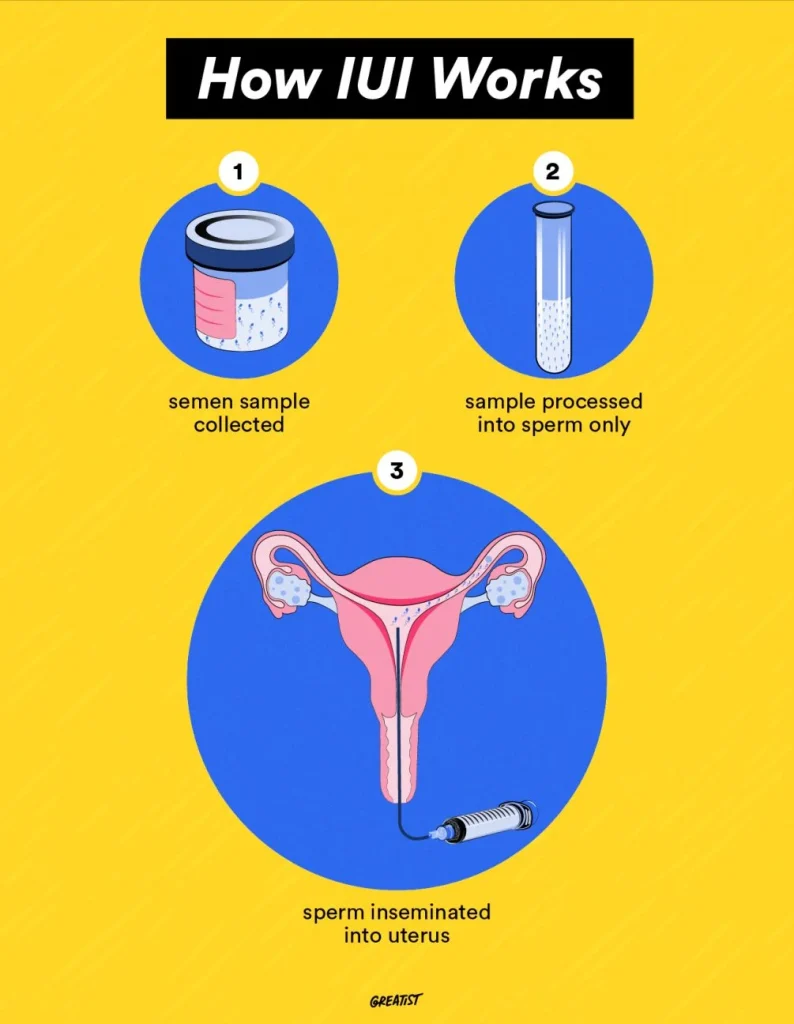
    There are two main methods of at-home insemination: intracervical insemination (ICI) and intrauterine insemination (IUI). ICI involves inserting semen into the cervix using a syringe or a soft cup, while IUI involves placing the sperm directly into the uterus using a catheter. Both methods have their own advantages and disadvantages, and it’s important to understand the differences between them before deciding which one is right for you.

    ICI is a non-invasive and less complicated method, making it a popular choice for at-home insemination. However, it has a lower success rate compared to IUI, as the sperm has to travel a longer distance to reach the egg. IUI, on the other hand, has a higher success rate as the sperm is placed directly into the uterus, but it requires more preparation and may be more challenging to do at home without medical assistance.

    illustration explaining the steps of intrauterine insemination (IUI) process on a bright yellow background

    Navigating the World of At-Home Insemination

    Risks of At-Home Insemination
    While at-home insemination may seem like a simple and safe process, it’s important to be aware of the potential risks involved. Since it’s done without medical supervision, there is a higher risk of infection and injury if proper hygiene and precautions are not taken. It’s crucial to thoroughly wash your hands and sterilize all equipment before and after the insemination. Additionally, there is also a small risk of allergic reactions to sperm or sperm donors, so it’s essential to conduct thorough research and testing before proceeding with the insemination.

    Tips for a Successful At-Home Insemination
    To increase the chances of a successful at-home insemination, there are a few things you can do to prepare. First and foremost, it’s crucial to have a healthy lifestyle. This includes maintaining a healthy diet, exercising regularly, and avoiding alcohol and smoking. It’s also recommended to track your ovulation cycle using ovulation predictor kits or charting your basal body temperature.

    Choosing a sperm donor is another crucial aspect of at-home insemination. If using a known donor, it’s essential to have open and honest communication and to discuss any potential legal and emotional implications beforehand. If using a sperm bank, it’s important to carefully research and select a reputable one and to thoroughly read and understand the donor’s profile.

    Finally, it’s essential to have realistic expectations and to be patient. At-home insemination may not work on the first try, and it’s important to be mentally and emotionally prepared for this possibility. It may take several attempts before achieving a successful pregnancy, and it’s essential to seek medical assistance if necessary.

    In conclusion, at-home insemination offers a convenient and affordable option for those looking to start a family. However, it’s crucial to thoroughly research and understand the process, risks, and tips for a successful experience. With proper preparation and precautions, at-home insemination can be a fulfilling and rewarding journey towards parenthood.

  • The Pros and Cons of At-Home Insemination

    At-home insemination, also known as artificial insemination, is a method of assisted reproduction that involves self-administering sperm into the vagina or cervix at home in order to achieve pregnancy. This procedure has gained popularity in recent years, especially among LGBTQ+ couples and individuals, as it provides a more affordable and private option for fertility treatment. However, like any medical procedure, at-home insemination has its own set of pros and cons. In this blog post, we will dive into the advantages and disadvantages of at-home insemination, so you can make an informed decision about whether it is the right option for you.

    Pros:

    1. Cost-effective
    One of the main advantages of at-home insemination is its affordability. Compared to other fertility treatments such as in-vitro fertilization (IVF), at-home insemination is significantly cheaper. IVF can cost anywhere from $12,000 to $15,000 per cycle, whereas at-home insemination kits can be purchased for as little as $50. This makes it a more accessible option for individuals or couples who may not have the financial means to pursue other fertility treatments.

    2. Privacy and comfort
    Another benefit of at-home insemination is the level of privacy and comfort it provides. Many individuals and couples prefer to handle their fertility journey in the comfort of their own home without the need for frequent visits to a clinic. This can be particularly helpful for LGBTQ+ couples who may face discrimination or feel uncomfortable in a medical setting. At-home insemination allows for a more intimate and personal experience, which can alleviate some of the stress and pressure associated with fertility treatments.

    3. Greater control over the process
    With at-home insemination, individuals have more control over the timing and process of insemination. Unlike other fertility treatments where a medical professional may dictate the schedule, at-home insemination allows individuals to monitor their own ovulation and choose the best time for insemination. This can be particularly helpful for couples who have busy schedules and may find it difficult to make frequent visits to a clinic.

    4. No invasive procedures
    At-home insemination involves self-administering sperm using either a syringe or a cervical cap. This method is non-invasive and does not require any medical procedures or medications, which can be a relief for individuals who may have a fear of needles or invasive treatments. Additionally, since the procedure can be done at home, there is no need for hospital stays or recovery time, making it a less disruptive option for those with busy lifestyles.

    Cons:

    illustration of the uterus and ovaries with a syringe, labeled "IUI Treatment" in the background

    The Pros and Cons of At-Home Insemination

    1. Lower success rates
    While at-home insemination may be a more affordable option, it does come with lower success rates compared to other fertility treatments. The success rate of at-home insemination can range from 10-20%, whereas IVF has a success rate of around 40%. This is because the sperm has to navigate through the vagina and cervix on its own, which can decrease the chances of fertilization. This may require individuals or couples to try multiple times before achieving a successful pregnancy.

    2. Risk of infection
    Since at-home insemination is a self-administered procedure, there is a higher risk of infection if proper precautions are not taken. It is important to use sterile equipment and follow the instructions provided carefully to avoid any potential infections. Additionally, if the sperm used is not from a known, healthy donor, there is a risk of contracting sexually transmitted infections.

    3. Limited options for sperm donors
    At-home insemination relies on using donor sperm, which can be limited in terms of options. Individuals may have to rely on sperm banks or known donors, which may not always be readily available. This can be a challenge for LGBTQ+ couples or individuals who may not have access to sperm donors or may not feel comfortable using a known donor.

    4. Lack of medical supervision
    Unlike other fertility treatments, at-home insemination does not involve any medical supervision. This means that there is no medical professional available to monitor the process and provide guidance or support. This can be a disadvantage for individuals who may have underlying fertility issues or require medical monitoring during the insemination process.

    5. Emotional and psychological impact
    The journey towards parenthood can be emotionally and psychologically taxing, and at-home insemination may come with its own set of challenges. The lower success rates and lack of medical supervision can lead to feelings of disappointment, frustration, and stress for individuals or couples trying to conceive. It is important to seek emotional support and counseling throughout the process to cope with any potential challenges.

    In summary, at-home insemination offers a more affordable and private option for individuals or couples pursuing fertility treatment. It provides greater control over the process and is a non-invasive procedure. However, it also comes with lower success rates, a risk of infection, and limited options for sperm donors. It is important to weigh the pros and cons and seek professional guidance before making a decision about at-home insemination.

    SEO metadata:

  • The Benefits of Both: Donor Insemination and Partner Insemination

    Blog Post: The Benefits of Both: Donor Insemination and Partner Insemination

    When it comes to starting a family, there are many options available to couples and individuals, including adoption, surrogacy, and assisted reproductive technologies. Among these options, donor insemination and partner insemination are two popular methods for conceiving a child. While both involve the use of donor sperm, there are some key differences between the two. In this blog post, we will explore the benefits of both donor insemination and partner insemination and how they can help individuals and couples achieve their dream of having a family.

    Donor Insemination:

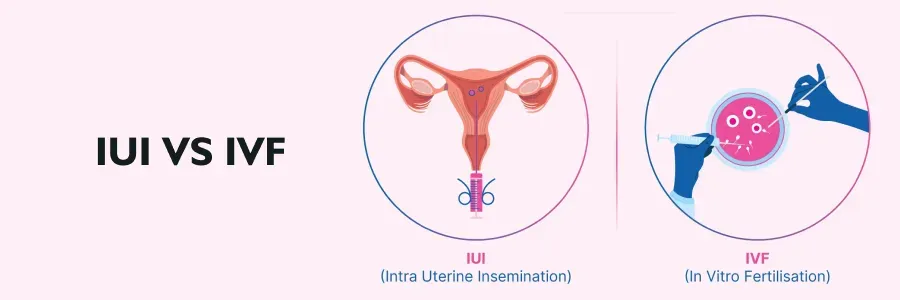
    Donor insemination, also known as artificial insemination, is a process in which donor sperm is used to fertilize a woman’s egg, either through intrauterine insemination (IUI) or in vitro fertilization (IVF). In IUI, the donor sperm is directly injected into the woman’s uterus, while in IVF, the sperm and egg are fertilized in a laboratory before being transferred to the woman’s uterus.

    One of the main benefits of donor insemination is that it allows individuals and couples to overcome fertility issues and start a family. This method is often used by same-sex couples, single individuals, or heterosexual couples with male infertility issues. By using donor sperm, they can still have a biological connection to their child.

    Another benefit of donor insemination is that it offers a high success rate, especially when combined with IVF. IVF has a success rate of 40-45% per cycle, and when donor sperm is used, the success rate can increase even further. This can be incredibly reassuring for those who have been struggling with fertility issues and want to increase their chances of conceiving.

    Moreover, donor insemination allows individuals and couples to have control over the selection of the donor. They can choose a donor who matches their desired physical characteristics, personality traits, or educational background. This can provide a sense of comfort and help individuals and couples feel more connected to their child.

    illustration of intrauterine insemination procedure with a syringe and catheter in the uterus.

    The Benefits of Both: Donor Insemination and Partner Insemination

    Partner Insemination:

    Partner insemination, also known as at-home insemination, is a process in which a couple uses a syringe or an insemination kit to insert donor sperm into the vagina or cervix of the female partner. This method can be done at home, without the need for medical intervention, making it a more affordable option for some.

    One of the primary benefits of partner insemination is that it allows couples to have a more intimate and natural experience when trying to conceive. Unlike donor insemination, which often requires medical procedures and appointments, partner insemination can be done in the comfort and privacy of one’s home. This can help couples feel more relaxed and connected during the process.

    Additionally, partner insemination can be a less invasive option for those who are uncomfortable with medical procedures. It also allows couples to have more control over the timing of insemination, as they can track ovulation and plan accordingly.

    Moreover, partner insemination can be an affordable option for those who cannot afford the costs of medical procedures or who do not have insurance coverage for fertility treatments. This can make starting a family more accessible for individuals and couples who are on a tight budget.

    Summary:

    In conclusion, both donor insemination and partner insemination have their own unique benefits that can help individuals and couples achieve their dream of having a family. Donor insemination offers a high success rate, control over the selection of the donor, and the ability to overcome fertility issues. On the other hand, partner insemination allows for a more intimate and natural experience, can be less invasive and more affordable. Ultimately, the decision between the two methods will depend on the individual or couple’s preferences and needs.

  • Fertility Clinic or DIY: Which is More Suitable for LGBTQ+ Couples?

    Blog Post: Fertility Clinic or DIY: Which is More Suitable for LGBTQ+ Couples?

    In recent years, the LGBTQ+ community has made significant strides towards achieving equal rights and acceptance. However, one area that still poses challenges for LGBTQ+ couples is starting a family. The inability to conceive a child naturally can be devastating for any couple, but it can be especially challenging for LGBTQ+ couples who may face additional barriers and discrimination when seeking fertility treatment. As a result, many LGBTQ+ couples are turning to fertility clinics or DIY methods to fulfill their dream of becoming parents. In this blog post, we will explore the pros and cons of both options and discuss which may be more suitable for LGBTQ+ couples.

    Fertility Clinics: A Safe and Supportive Environment

    Fertility clinics are specialized medical facilities that offer a range of treatments and services to help individuals and couples overcome infertility. For LGBTQ+ couples, these clinics can provide a safe and supportive environment where they can openly discuss their desires to start a family without fear of judgment or discrimination.

    One of the main advantages of fertility clinics is the availability of medical expertise and advanced technologies. These clinics have highly trained doctors and staff who are knowledgeable about the unique needs of LGBTQ+ couples. They can provide guidance and support throughout the entire process, from the initial consultation to the actual fertility treatments.

    Moreover, fertility clinics offer a variety of options for LGBTQ+ couples, including donor insemination, in vitro fertilization (IVF), and surrogacy. These options can be tailored to meet the specific needs and preferences of each couple, making the process more personalized and effective.

    Another benefit of fertility clinics is access to comprehensive testing and screening. LGBTQ+ couples may face additional health concerns, such as HIV and other sexually transmitted infections, that need to be addressed before undergoing fertility treatments. Fertility clinics can perform these tests and provide appropriate treatment if necessary, ensuring the health and safety of both parents and the child.

    However, the main drawback of fertility clinics is the cost. Fertility treatments can be expensive, and most insurance plans do not cover them. LGBTQ+ couples may face additional financial burdens, such as the cost of sperm or egg donors and legal fees for surrogacy. These costs can quickly add up, making it difficult for some couples to afford fertility treatments.

    DIY Methods: A More Affordable Option

    doctor discussing treatment with a patient in a medical office, featuring an ultrasound machine in the background

    Fertility Clinic or DIY: Which is More Suitable for LGBTQ+ Couples?

    DIY methods, or at-home insemination, involve using a sperm donor kit or a syringe to insert sperm into the vagina or cervix. This method is often more affordable compared to fertility clinics, as it eliminates the need for medical procedures and appointments.

    One of the main advantages of DIY methods is the ability to conceive in the comfort of one’s own home. For LGBTQ+ couples, this can be a more intimate and personal experience, as they can be directly involved in the process of starting a family. It also allows for more flexibility and control over the timing of insemination.

    Moreover, DIY methods can be a more inclusive option for LGBTQ+ couples, as they do not have to rely on medical professionals or clinics that may not be familiar with their specific needs and concerns. It also eliminates the potential for discrimination or judgement that may be faced at a fertility clinic.

    However, DIY methods also have their limitations. They may not be suitable for all couples, particularly those who may have underlying fertility issues that require medical intervention. There is also a lack of medical support and guidance, which may be necessary for a successful pregnancy. Additionally, the success rates of DIY methods are lower compared to fertility clinics, making it a riskier option for couples who are desperate to conceive.

    Which Option is More Suitable for LGBTQ+ Couples?

    The decision between fertility clinics and DIY methods ultimately depends on the individual needs and preferences of each LGBTQ+ couple. For those who can afford it, fertility clinics offer a safe and supportive environment with access to medical expertise and advanced technologies. On the other hand, DIY methods may be a more affordable and inclusive option for couples who prefer a more intimate and personal experience.

    It is also essential for LGBTQ+ couples to do thorough research and consult with medical professionals before making a decision. They should consider factors such as their medical history, financial capabilities, and the support system available to them.

    In conclusion, both fertility clinics and DIY methods have their pros and cons for LGBTQ+ couples. It is crucial for each couple to carefully evaluate their options and choose the one that best fits their needs and desires. Starting a family may be a challenging journey for LGBTQ+ couples, but with the right support and resources, it is possible to achieve their dream of parenthood.

    Summary:
    The LGBTQ+ community faces unique challenges when it comes to starting a family, and many couples turn to fertility clinics or DIY methods. Fertility clinics offer a safe and supportive environment with medical expertise and advanced technologies, but can be expensive. DIY methods may be a more affordable and inclusive option, but they have limitations and lower success rates. Ultimately, the decision between the two options depends on the individual needs and preferences of each couple.

  • The Psychology of Fertility: How DIY Treatments Can Empower Women

    Blog Post:

    Fertility is a complex and deeply personal topic that impacts many women and couples around the world. For those struggling with infertility, the journey to parenthood can be filled with stress, disappointment, and financial strain. In recent years, there has been a growing trend of women turning to do-it-yourself (DIY) fertility treatments, such as at-home insemination kits and ovulation tracking apps. While these methods may not be suitable for everyone, they have the potential to empower women and give them more control over their reproductive health. In this blog post, we will explore the psychology behind fertility and how DIY treatments can be a powerful tool for women trying to conceive.

    The emotional toll of infertility is often overlooked, but it can have a significant impact on a woman’s mental well-being. Studies have shown that women struggling with infertility experience higher levels of stress, anxiety, and depression compared to women who are able to conceive naturally. This is not surprising, as the desire to have a child is a deeply ingrained biological and psychological need for many women. When this desire is not fulfilled, it can lead to feelings of inadequacy, failure, and even shame.

    Furthermore, the process of seeking medical help for infertility can be daunting and overwhelming. It often involves invasive procedures, numerous doctor appointments, and expensive treatments that may not guarantee success. This lack of control over their own bodies and the uncertainty of the outcome can add to the emotional burden for women. This is where DIY fertility treatments can play a crucial role.

    DIY fertility treatments can range from simple methods such as tracking ovulation with at-home kits or using fertility-friendly lubricants, to more advanced methods like at-home insemination or using sperm donors found through online platforms. These treatments offer women a sense of control over their own bodies and the process of trying to conceive. They can also be more affordable and convenient compared to traditional medical treatments, which can be a significant advantage for those facing financial constraints.

    Moreover, DIY fertility treatments can help women feel more connected to their bodies and their reproductive health. Ovulation tracking apps, for example, allow women to monitor their menstrual cycles and track their fertility signs, giving them a deeper understanding of their own bodies and when they are most fertile. This knowledge can also help women feel more in tune with their bodies and more confident in their ability to conceive.

    Comparison of IUI and IVF with illustrations of each procedure.

    The Psychology of Fertility: How DIY Treatments Can Empower Women

    Additionally, the anonymity and privacy that DIY fertility treatments offer can be appealing to many women. For those who may feel uncomfortable or judged by traditional medical treatments, DIY methods can provide a safe and discreet way to pursue their fertility goals. This can be especially beneficial for LGBTQ+ couples or single women who may face additional challenges and barriers when seeking medical help for fertility.

    One of the most significant advantages of DIY fertility treatments is the sense of empowerment they can provide to women. The ability to take control of their fertility journey and make decisions about their own bodies can have a positive impact on their mental well-being. It can also help women feel less helpless and more proactive in achieving their goal of becoming a parent.

    However, it is essential to note that DIY fertility treatments may not be suitable for everyone. It is crucial for women to do thorough research and consult with their healthcare providers before embarking on any DIY methods. There may be underlying medical conditions or factors that need to be addressed, and it is essential to have a support system in place throughout the process.

    In conclusion, fertility is a deeply personal and emotional journey that can take a toll on a woman’s mental health. DIY fertility treatments can offer women more control, privacy, and empowerment in their quest to conceive. They also have the potential to improve the overall experience of trying to conceive, making it a less stressful and more positive experience. However, it is crucial to approach these treatments with caution and always seek medical advice when needed. With the right information and support, DIY fertility treatments can be a powerful tool for women seeking to start or expand their families.

    Summary:

    Fertility can have a significant impact on a woman’s mental well-being, with infertility often leading to higher levels of stress, anxiety, and depression. The traditional medical route for fertility treatments can be daunting and costly, leading to a lack of control and added emotional burden. DIY fertility treatments, such as at-home insemination kits and ovulation tracking apps, can give women a sense of control, privacy, and empowerment in their fertility journey. They also have the potential to improve the overall experience of trying to conceive. However, it is crucial to approach these treatments with caution and seek medical advice when needed.