Blog Post:
Cryopreservation, the process of freezing and storing biological samples, has revolutionized the field of assisted reproductive technology (ART). One area where cryopreservation has had a significant impact is in the use of donor sperm for fertility treatments. Traditionally, fresh donor sperm has been the preferred method for insemination, but with advancements in cryopreservation techniques, frozen donor sperm has become a viable alternative. In this blog post, we will explore the effect of cryopreservation on the success rate of frozen donor sperm compared to fresh donor sperm.
What is Cryopreservation?
Cryopreservation is the process of preserving biological samples at extremely low temperatures to maintain their viability. In the case of donor sperm, the samples are frozen using liquid nitrogen and stored in a cryopreservation tank until they are needed for insemination. This process allows for long-term storage of sperm samples, which can be used for future fertility treatments.
The Cryopreservation Process
The process of cryopreservation involves several steps to ensure the viability of the sperm samples. First, the sperm is mixed with a cryoprotectant solution, which helps to protect the sperm cells from damage during the freezing process. Then, the samples are slowly cooled to -196 degrees Celsius, which prevents the formation of ice crystals that can damage the sperm cells. Finally, the samples are stored in a cryopreservation tank until they are needed for insemination.
Fresh Donor Sperm vs. Frozen Donor Sperm
Fresh donor sperm has been the traditional method of choice for fertility treatments. This is because fresh sperm has a higher success rate compared to frozen sperm. However, with advancements in cryopreservation techniques, the success rate of frozen donor sperm has improved significantly. So, what are the main differences between fresh and frozen donor sperm?
1. Availability: Fresh donor sperm is only available on the day of the donation, whereas frozen donor sperm can be stored and used at a later date.
2. Preparation time: Fresh donor sperm requires a longer preparation time compared to frozen donor sperm. This is because frozen sperm is already prepared for use and does not need to be washed and prepared like fresh sperm.
3. Sperm count: Frozen sperm samples may have a lower sperm count compared to fresh samples. This is because some sperm cells may not survive the freezing and thawing process.

The Effect of Cryopreservation on the Success Rate of Frozen Donor Sperm vs Fresh Donor Sperm
4. Motility: Fresh sperm has a higher motility rate compared to frozen sperm. However, with advancements in cryopreservation techniques, the motility rate of frozen sperm has significantly improved.
Success Rates of Fresh Donor Sperm vs. Frozen Donor Sperm
Several studies have been conducted to compare the success rates of fresh donor sperm and frozen donor sperm. One study published in the Journal of Assisted Reproduction and Genetics found that there was no significant difference in the pregnancy rates between fresh and frozen donor sperm. Another study published in Fertility and Sterility also found no significant difference in pregnancy rates between the two methods.
One of the main factors that can affect the success rate of frozen donor sperm is the quality of the sperm sample before it is frozen. If the sperm sample has a low sperm count or poor motility, the success rate of frozen donor sperm may be lower compared to fresh donor sperm. However, with careful selection and proper preparation of the sperm sample before cryopreservation, the success rate of frozen donor sperm can be comparable to fresh donor sperm.
Benefits of Cryopreservation for Donor Sperm
There are several benefits of using frozen donor sperm for fertility treatments, including:
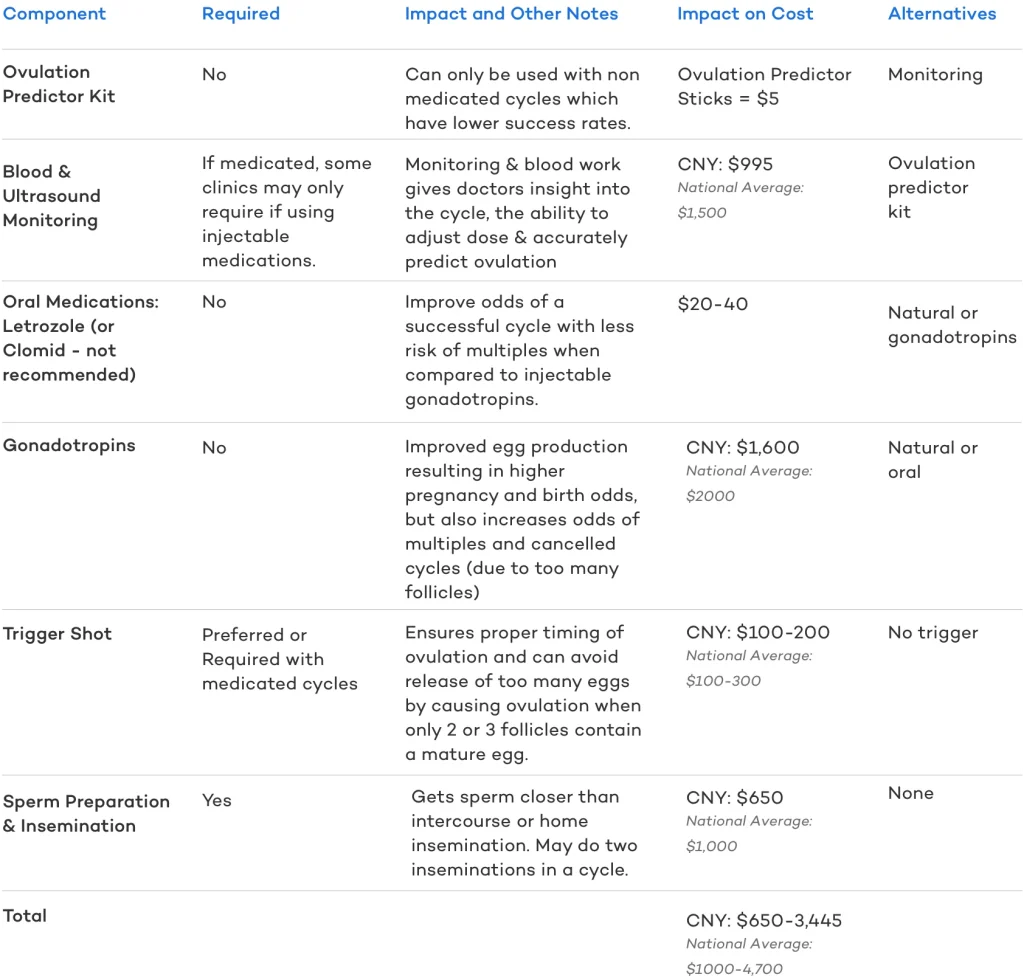
1. Cost-effectiveness: Cryopreservation allows for long-term storage of sperm samples, which can be cost-effective for couples undergoing multiple fertility treatments.
2. Convenience: As frozen donor sperm can be stored and used at a later date, it eliminates the need for coordinating with a donor for fresh sperm samples on the day of insemination.
3. Increased access to donor sperm: Cryopreservation has made it possible for sperm samples to be transported globally, allowing for increased access to donor sperm for couples in need.
4. Reduced risk of disease transmission: With the proper screening and testing of donor sperm before cryopreservation, the risk of disease transmission is significantly reduced.
In summary, cryopreservation has had a significant impact on the success rate of frozen donor sperm compared to fresh donor sperm. While fresh sperm has traditionally been the preferred method for insemination, advancements in cryopreservation techniques have made frozen donor sperm a viable alternative. With careful selection and preparation of the sperm sample, the success rate of frozen donor sperm can be comparable to fresh donor sperm. Cryopreservation also offers several benefits, including cost-effectiveness, convenience, increased access to donor sperm, and reduced risk of disease transmission.
In conclusion, cryopreservation has revolutionized the use of donor sperm in fertility treatments, offering couples more options and increasing their chances of success.