Blog

  • Fertility Tracking Devices: A Must-Have for Every Modern Woman

    Summary:

    In today’s modern world, women are taking charge of their reproductive health like never before. With the help of technology, fertility tracking devices have become a must-have tool for every modern woman. These devices offer a convenient and accurate way to monitor and understand one’s menstrual cycle, ovulation, and fertility. In this blog post, we will explore the different types of fertility tracking devices, their benefits, and how they can empower women to make informed decisions about their reproductive health.

    Introduction:

    Fertility tracking devices have gained immense popularity in recent years as more and more women are looking for natural and non-invasive methods to monitor their fertility. With busy schedules and demanding lifestyles, women are seeking ways to take control of their reproductive health and plan pregnancies more effectively. Fertility tracking devices offer a solution to this by providing women with a comprehensive understanding of their menstrual cycle and fertility window. These devices have also revolutionized the way couples approach family planning and have become an essential tool for every modern woman.

    Types of Fertility Tracking Devices:

    There are various types of fertility tracking devices available in the market, each with its own unique features and benefits. The most popular ones include:

    1. Basal Body Temperature (BBT) Monitors: This device tracks a woman’s basal body temperature, which rises slightly after ovulation. By taking their temperature every morning, women can identify their fertile days and plan or avoid pregnancy accordingly.

    2. Ovulation Prediction Kits (OPKs): These kits measure the levels of luteinizing hormone (LH) in a woman’s urine, which surges just before ovulation. This allows women to determine their most fertile days and time intercourse accordingly.
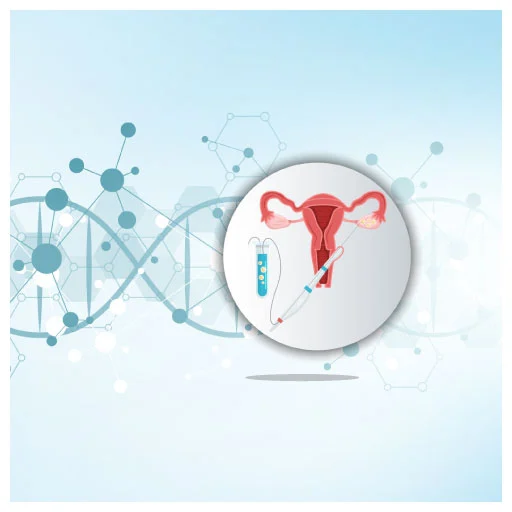
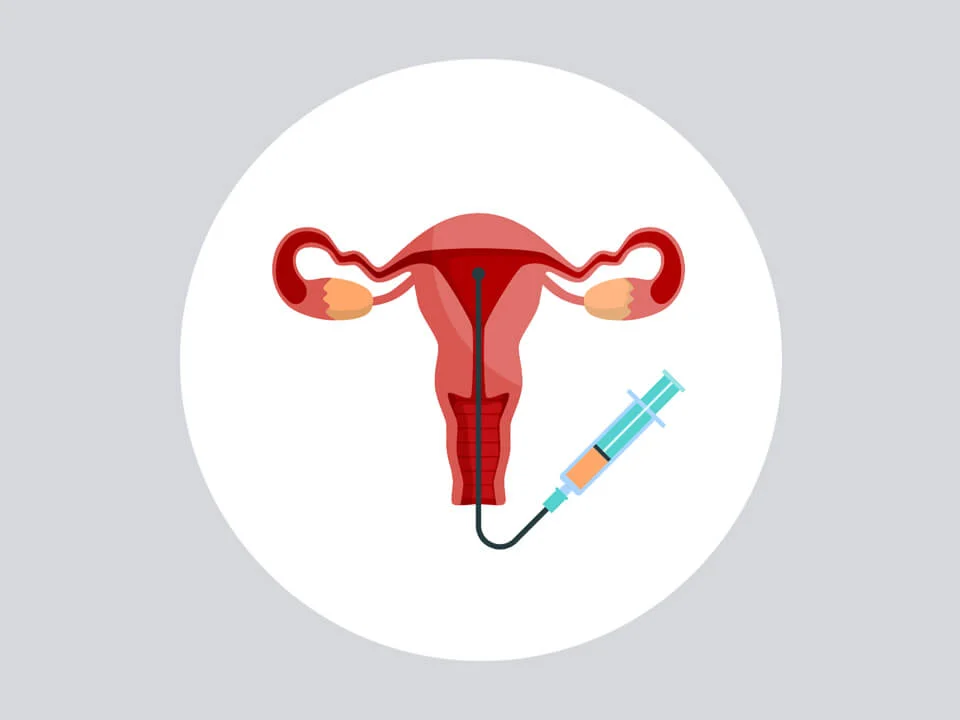
    Illustration of IUI procedure with uterus and syringe against a DNA background.

    Fertility Tracking Devices: A Must-Have for Every Modern Woman

    3. Menstrual Cycle Trackers: These devices use algorithms and data input by the user to predict ovulation and fertile days. They also allow women to track their period, symptoms, and other factors that can affect their fertility.

    4. Cervical Mucus Monitors: These devices track the changes in cervical mucus throughout the menstrual cycle, as it becomes thinner and more slippery during ovulation. This method is more natural and does not require any additional supplies.

    Benefits of Fertility Tracking Devices:

    1. Accurate and Convenient: Fertility tracking devices provide women with accurate information about their menstrual cycle and ovulation, making it easier to plan or prevent pregnancy. They are also convenient, as they can be used at home and do not require frequent visits to the doctor.

    2. Natural and Non-Invasive: Unlike other forms of birth control, fertility tracking devices do not involve any hormones or invasive procedures. This makes them a safe and natural option for women who prefer a more holistic approach to their reproductive health.

    3. Empowers Women: By using fertility tracking devices, women gain a better understanding of their bodies and their reproductive health. This knowledge empowers them to make informed decisions about their fertility, whether it is to plan a pregnancy or avoid one.

    4. Cost-effective: Fertility tracking devices are a one-time investment and do not require any ongoing costs. This makes them a more affordable option for women who may not have access to other forms of birth control.

    5. Improves Communication Between Couples: Fertility tracking devices involve both partners in the process of family planning. This can improve communication and understanding between couples, leading to a stronger relationship.

    In conclusion, fertility tracking devices have become an essential tool for every modern woman. They offer a convenient and accurate way to monitor and understand one’s menstrual cycle, ovulation, and fertility. These devices not only empower women to make informed decisions about their reproductive health but also improve the overall communication and dynamics of relationships. As we continue to embrace technology, fertility tracking devices are here to stay and will continue to evolve and improve, making them an invaluable resource for women worldwide.
  • A Match Made in Tech Heaven: Combining Fertility Tracking Devices with Traditional Methods

    Summary:

    In recent years, the tech industry has made significant advancements in the field of fertility tracking. From wearable devices to mobile apps, there are now numerous options available for those looking to monitor their reproductive health. However, many people still rely on traditional methods such as tracking basal body temperature and cervical mucus to determine their fertile window. This has led to the question – can these two methods be combined to create the ultimate fertility tracking system? In this blog post, we will explore the benefits and challenges of combining fertility tracking devices with traditional methods and how it can potentially revolutionize the way we approach fertility.

    Fertility tracking devices have become increasingly popular in recent years, providing users with a more convenient and accurate way to track their menstrual cycles. These devices use various technologies such as temperature sensors, hormonal tracking, and artificial intelligence to monitor and predict ovulation. They also offer additional features such as period and symptom tracking, personalized insights, and even fertility coaching. With the rise of health-conscious individuals and the increasing use of technology in our daily lives, it’s no wonder that these fertility tracking devices have gained a significant following.

    On the other hand, many women still rely on traditional methods of fertility tracking, such as the basal body temperature method and cervical mucus observation. These methods have been used for decades and are based on the understanding of a woman’s menstrual cycle and ovulation. The basal body temperature method involves taking your temperature every morning before getting out of bed to track changes in body temperature, which can indicate ovulation. Cervical mucus observation involves monitoring changes in the texture and consistency of cervical mucus throughout the menstrual cycle, which can also indicate ovulation.

    While both fertility tracking devices and traditional methods have their benefits, they also have their limitations. Fertility tracking devices can be expensive and may not be accessible to everyone. They also rely heavily on technology, which can be prone to errors and malfunctions. On the other hand, traditional methods require a deeper understanding of the menstrual cycle and can be time-consuming and subjective. Combining these two methods can potentially address these limitations and create a more comprehensive and accurate fertility tracking system.

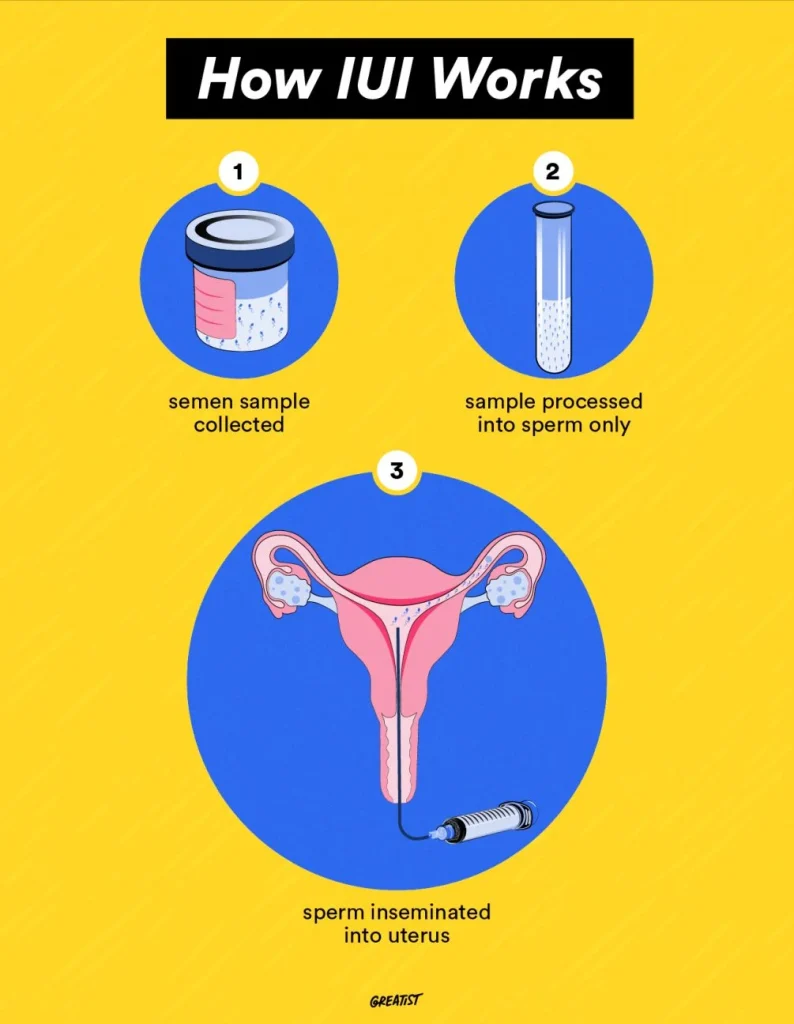
    illustration explaining the steps of intrauterine insemination (IUI) process on a bright yellow background

    A Match Made in Tech Heaven: Combining Fertility Tracking Devices with Traditional Methods

    One of the main benefits of combining fertility tracking devices with traditional methods is increased accuracy. Fertility tracking devices can provide real-time data and insights, while traditional methods offer a deeper understanding of the menstrual cycle. By combining these two approaches, users can have a more complete picture of their reproductive health, leading to more precise predictions of ovulation and fertile days. This can be especially beneficial for those with irregular cycles or fertility issues, as it can provide more personalized and accurate information.

    Another advantage of combining these two methods is convenience. Fertility tracking devices can eliminate the need for manual tracking and charting, making the process less time-consuming and more user-friendly. Traditional methods, on the other hand, can provide a backup or alternative method in case the device malfunctions or is not available. This can give users peace of mind and reduce the stress and anxiety that often come with trying to conceive.

    Moreover, combining fertility tracking devices with traditional methods can also provide a more holistic approach to fertility tracking. While fertility tracking devices focus on physiological data, traditional methods take into account other factors such as stress, diet, and lifestyle that can also impact reproductive health. By combining these two methods, users can get a more comprehensive understanding of their fertility and make more informed decisions about their reproductive health.

    However, there are also some challenges and considerations when it comes to combining these two methods. First, there may be a learning curve for those who are used to relying solely on traditional methods. Fertility tracking devices may require some time to set up and understand, and users may need to adjust their habits and routines to incorporate them into their daily lives. Additionally, there may be compatibility issues between different devices and methods, which can be frustrating for users.

    Another challenge is the potential cost. While fertility tracking devices can be expensive, traditional methods are often more affordable or even free. Combining these two methods may result in additional costs for users, which may not be feasible for everyone. However, many fertility tracking devices now offer subscription plans and payment options, making them more accessible to a wider range of users.

    In conclusion, combining fertility tracking devices with traditional methods has the potential to create a match made in tech heaven. By leveraging the benefits of both approaches, users can have a more accurate, convenient, and holistic way of tracking their fertility. It may not be a one-size-fits-all solution, and there are considerations to keep in mind, but it’s an exciting development in the world of fertility tracking. As technology continues to advance and traditional methods evolve, we can only expect to see more innovations and improvements in this field.

  • The Personal Touch: The Benefits of Traditional Fertility Tracking Methods

    Blog Post:

    In today’s fast-paced world, we are constantly bombarded with new technology and modern methods for tracking our health and wellness. However, when it comes to fertility tracking, sometimes the old-fashioned, traditional methods can provide the most accurate and beneficial results. In this blog post, we will explore the benefits of using traditional fertility tracking methods and why they may be the best choice for you.

    Traditional fertility tracking methods have been used for centuries, long before the invention of modern technology. These methods rely on observing and recording physical signs and symptoms of a woman’s menstrual cycle to determine fertility. The most common traditional methods include basal body temperature charting, cervical mucus monitoring, and tracking changes in the cervix position.

    One of the main benefits of using traditional fertility tracking methods is their accessibility and ease of use. Unlike modern methods that may require expensive devices or apps, traditional methods only require a pen and paper. This makes it a more affordable option for those who may not have access to or prefer not to use technology. Additionally, these methods can be used by women of all ages and in any stage of their reproductive journey, from those trying to conceive to those in menopause.

    Another advantage of traditional fertility tracking methods is their ability to provide a more intimate and personal experience for the user. By closely monitoring and recording changes in their body, women can develop a deeper understanding of their reproductive health. This can help them to identify any potential issues or irregularities and seek medical advice if needed. Additionally, the act of tracking one’s fertility can help women feel more connected to their bodies and in tune with their natural cycles.

    One of the most significant benefits of traditional fertility tracking methods is their accuracy. While modern methods may rely on algorithms and predictions, traditional methods are based on actual physical changes in the body. For example, basal body temperature charting involves taking one’s temperature every morning before getting out of bed to track the slight increase in body temperature that occurs after ovulation. This method has been shown to be up to 99% accurate in predicting ovulation.

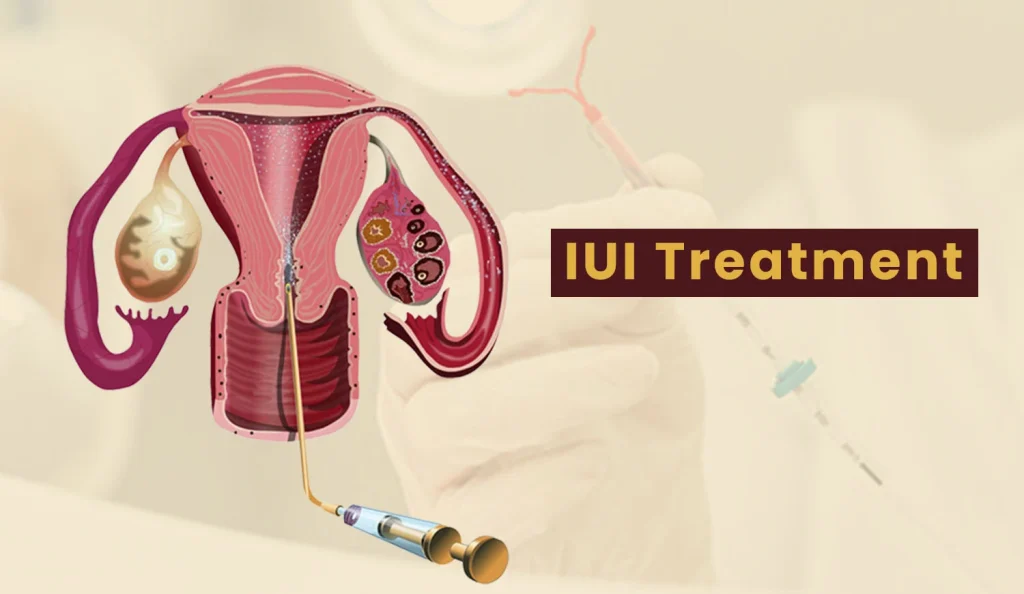
    illustration of the uterus and ovaries with a syringe, labeled "IUI Treatment" in the background

    The Personal Touch: The Benefits of Traditional Fertility Tracking Methods

    Similarly, tracking changes in cervical mucus can also provide valuable information about one’s fertility. As a woman approaches ovulation, her cervical mucus becomes thinner, clearer, and more stretchy to allow sperm to travel through the cervix more easily. Monitoring these changes can help pinpoint the most fertile days of a woman’s cycle. Additionally, tracking changes in the cervix position can also provide valuable information about fertility. As ovulation approaches, the cervix becomes softer, higher, and more open, allowing sperm to enter more easily.

    Aside from accurately predicting ovulation, traditional fertility tracking methods can also provide insight into overall reproductive health. For example, changes in basal body temperature or irregularities in cervical mucus can indicate hormonal imbalances or potential fertility issues. In these cases, tracking these changes can help women identify potential issues and seek medical advice or treatment.

    Moreover, using traditional fertility tracking methods can also be beneficial for couples trying to conceive. By closely monitoring ovulation and tracking changes in the body, couples can increase their chances of conception by timing intercourse during the most fertile days of a woman’s cycle. This can be especially helpful for those who may have irregular cycles or for couples who are not ready to explore more invasive fertility treatments.

    In contrast to modern methods, traditional fertility tracking methods also offer a more natural approach to fertility tracking. Many women are wary of using birth control methods that involve hormones or invasive procedures, and traditional methods provide a non-invasive and hormone-free alternative. This can be particularly beneficial for women who are trying to conceive and want to avoid any potential interference with their natural fertility.

    In conclusion, while modern technology has certainly made fertility tracking more convenient, traditional methods still offer numerous benefits. These methods are affordable, accessible, and can provide a more intimate and accurate understanding of one’s fertility. They can also be beneficial for overall reproductive health and offer a more natural approach to fertility tracking. So, before jumping on the bandwagon of new fertility tracking methods, consider giving traditional methods a try and experience the personal touch they can provide.

    Summary:

    Traditional fertility tracking methods, such as basal body temperature charting, cervical mucus monitoring, and tracking changes in the cervix position, have been used for centuries and offer numerous benefits. These methods are accessible, affordable, and provide a more intimate and personal experience for the user. They are also highly accurate and can provide valuable insight into overall reproductive health. Moreover, they offer a more natural approach to fertility tracking and can be beneficial for couples trying to conceive. Instead of solely relying on modern technology, consider incorporating traditional methods into your fertility tracking routine for a more holistic approach.

  • Breaking Down Barriers: How Fertility Tracking Devices are Making Reproductive Health More Accessible

    Blog Post Title: Breaking Down Barriers: How Fertility Tracking Devices are Making Reproductive Health More Accessible

    Summary:

    In today’s society, there are countless barriers that make it difficult for individuals to access reproductive health care. From financial constraints to lack of education and stigma surrounding reproductive health, many people face challenges in taking control of their own fertility and reproductive health. However, advancements in technology have led to the rise of fertility tracking devices, which are making reproductive health more accessible to all.

    This blog post will explore the various barriers that people face when it comes to reproductive health and how fertility tracking devices are breaking them down. We will discuss the benefits of these devices, how they work, and their impact on individuals, especially women, around the world. By the end of this post, you will have a better understanding of how fertility tracking devices are revolutionizing reproductive health and making it more accessible for everyone.

    Firstly, let’s address the barriers that exist when it comes to reproductive health. One of the biggest barriers is financial constraints. Many people, especially in developing countries, cannot afford traditional fertility treatments or even basic reproductive health care. This leads to a lack of access to essential services such as fertility testing, family planning, and prenatal care. Fertility tracking devices offer a more affordable alternative, making it possible for individuals to monitor their fertility and reproductive health without breaking the bank.

    Another significant barrier is the lack of education and awareness surrounding reproductive health. Many people, especially women, do not have access to accurate and reliable information about their bodies and reproductive health. This can lead to confusion, misinformation, and even fear. Fertility tracking devices come with educational resources and provide users with a better understanding of their menstrual cycles, ovulation, and fertility. This not only empowers individuals to take control of their reproductive health but also promotes a better understanding of the reproductive system.

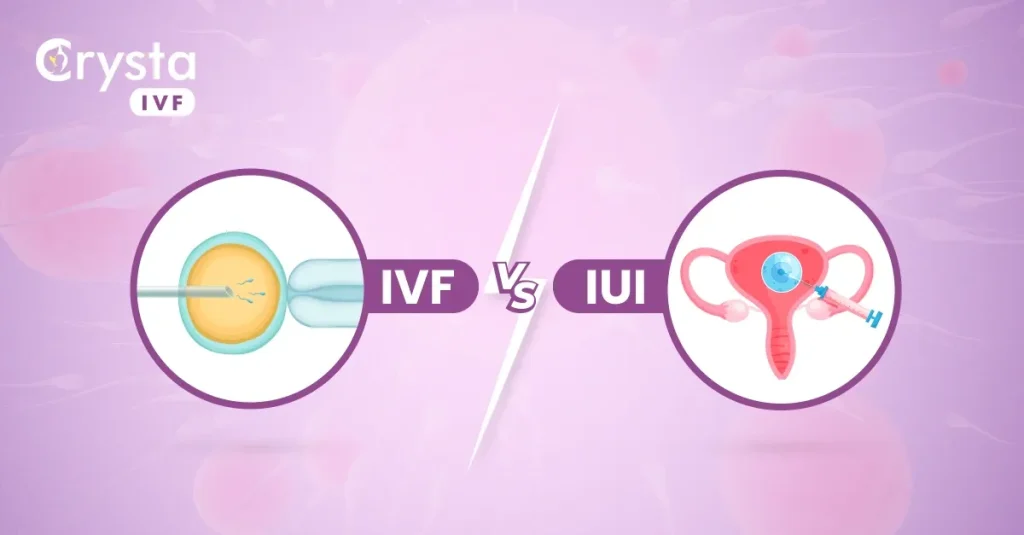
    IVF vs IUI comparison graphic highlighting reproductive methods for aspiring parents.

    Breaking Down Barriers: How Fertility Tracking Devices are Making Reproductive Health More Accessible

    Stigma and cultural barriers also play a significant role in limiting access to reproductive health care. In many societies, there is still a stigma surrounding discussions about fertility and reproductive health. This can make it difficult for individuals to seek help or even openly discuss their concerns. Fertility tracking devices offer a more discreet and private way to monitor reproductive health, allowing individuals to take control of their fertility without having to face any judgment or stigma.

    Now, let’s dive into the benefits of fertility tracking devices. The most notable benefit is their accuracy. These devices use advanced technology to track various fertility indicators such as basal body temperature, cervical mucus, and hormone levels. This data is then analyzed to provide users with accurate information about their fertility and menstrual cycle. This information is crucial for those trying to conceive, as it helps them pinpoint their most fertile days and increase their chances of pregnancy.

    In addition to accuracy, fertility tracking devices also offer convenience. Unlike traditional fertility treatments that require multiple visits to the doctor, these devices can be used in the comfort of one’s own home. They are also easy to use and require minimal effort, making them accessible for individuals of all ages and backgrounds. This convenience factor allows people to monitor their fertility and reproductive health without disrupting their daily routines.

    Fertility tracking devices also promote a more natural approach to reproductive health. Many traditional fertility treatments involve medication or invasive procedures, which may not be suitable for everyone. Fertility tracking devices, on the other hand, rely on the body’s natural indicators to provide information about fertility. This not only eliminates the need for medication or procedures but also promotes a better understanding and connection with one’s own body.

    Moreover, these devices are not just limited to those trying to conceive. They can also be used for family planning and birth control. By tracking fertility and menstrual cycles, individuals can identify their most fertile and infertile days, making it easier to prevent or plan for pregnancy. This puts the power of family planning in the hands of individuals, allowing them to make informed decisions about their reproductive health.

    In conclusion, fertility tracking devices are breaking down barriers and making reproductive health more accessible for all. By providing affordable, accurate, and convenient ways to monitor fertility and reproductive health, these devices are empowering individuals to take control of their own bodies and make informed decisions about their reproductive health. As these devices continue to advance, we can expect to see more positive impacts on individuals and communities around the world.

  • Fertility Tracking Devices: The Ultimate Tool for Couples Trying to Conceive

    Blog Post:

    For many couples, starting a family and conceiving a child is one of the most exciting and fulfilling experiences in life. However, for some, it can also be a challenging and frustrating journey. Infertility affects about 1 in 8 couples, and the process of trying to conceive can take a toll on both physical and emotional well-being. Fortunately, with advancements in technology, there are now fertility tracking devices available that can help couples on their journey to parenthood. These devices offer a comprehensive and accurate way to monitor fertility and increase the chances of conception. In this blog post, we will explore the benefits of fertility tracking devices and why they have become the ultimate tool for couples trying to conceive.

    What are Fertility Tracking Devices?

    Fertility tracking devices are wearable or handheld devices that use advanced technology to track and record various fertility indicators in a woman’s body. These devices measure and analyze key factors such as basal body temperature, cervical mucus, hormone levels, and ovulation cycles to determine the most fertile days in a woman’s cycle. They also provide personalized insights and recommendations to help couples understand their fertility patterns and make more informed decisions about when to try for a baby.

    Benefits of Fertility Tracking Devices

    Accurate and Reliable Tracking: Fertility tracking devices use advanced algorithms and sensors to accurately track and record fertility indicators. This data is then analyzed to provide precise predictions of ovulation, making it easier for couples to pinpoint the most fertile days in a woman’s cycle. Unlike traditional methods of tracking fertility, such as tracking menstrual cycles, these devices provide a more comprehensive and precise approach, increasing the chances of conception.

    Easy to Use: Fertility tracking devices are designed to be user-friendly and easy to use for both men and women. Most devices come with a mobile app that provides a user-friendly interface to input data and track fertility indicators. This eliminates the need for complicated charting and manual tracking, making the process less stressful for couples.

    Personalized Insights and Recommendations: Fertility tracking devices not only track and record fertility indicators, but they also provide personalized insights and recommendations based on a woman’s unique fertility patterns. These recommendations can include lifestyle changes, such as diet and exercise, that can improve fertility, as well as the best times to try for a baby. This personalized approach helps couples understand their fertility better and make more informed decisions.

    Increased Convenience: Traditional methods of tracking fertility, such as taking basal body temperature and monitoring cervical mucus, can be time-consuming and inconvenient. Fertility tracking devices offer a more convenient and hassle-free way to monitor fertility. With these devices, couples can track fertility indicators at any time and anywhere, making it easier to stay on top of their fertility journey.

    Reduced Stress and Anxiety: Trying to conceive can be a stressful and emotional journey for couples, especially when it takes longer than expected. Fertility tracking devices help reduce stress and anxiety by providing accurate and reliable data on ovulation and fertility patterns. This data can help couples understand their fertility better and take a more proactive approach to increase their chances of conception.

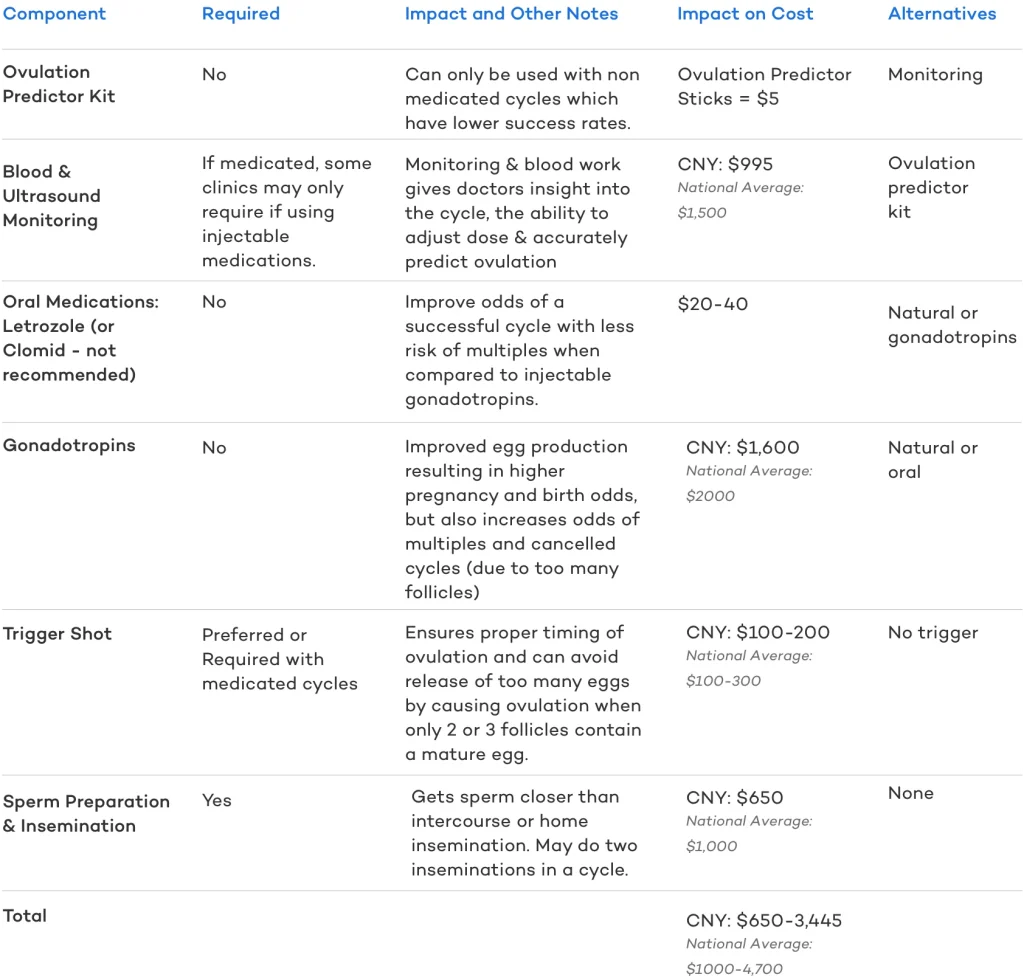
    Cost breakdown for IUI components, including requirements, impacts, and alternatives.

    Fertility Tracking Devices: The Ultimate Tool for Couples Trying to Conceive

    Types of Fertility Tracking Devices

    There are various types of fertility tracking devices available in the market, each with its unique features and benefits. Some of the most popular types include:

    1. Wearable Devices: These devices are designed to be worn on the body, usually on the wrist or arm. They use sensors to track and record fertility indicators, making it easy for couples to monitor their fertility on-the-go.

    2. Handheld Devices: Handheld devices are compact and portable, making them easy to use and carry around. These devices are typically used to track basal body temperature and hormone levels, providing accurate data on ovulation and fertility patterns.

    3. Mobile Apps: Many fertility tracking apps are available on smartphones, making it easy for couples to track fertility indicators on their mobile devices. These apps often come with features such as reminders and personalized insights to help couples stay on top of their fertility journey.

    4. Combination Devices: Some fertility tracking devices combine multiple technologies, such as temperature tracking and hormone level monitoring, to provide a more comprehensive approach to fertility tracking. These devices offer a more accurate and detailed analysis of fertility patterns.

    Conclusion

    Fertility tracking devices have revolutionized the way couples track and monitor their fertility. With their advanced technology and personalized approach, these devices offer a more accurate, convenient, and stress-free way to increase the chances of conception. Whether you are just starting your journey to parenthood or have been trying for a while, fertility tracking devices can be the ultimate tool to help you achieve your dream of starting a family.

    Summary:

    Fertility tracking devices are advanced technology tools that help couples trying to conceive by accurately tracking and monitoring fertility indicators. These devices offer benefits such as convenience, personalized recommendations, and reduced stress and anxiety. There are various types of fertility tracking devices, including wearable devices, handheld devices, mobile apps, and combination devices. These devices have revolutionized the way couples track fertility and increase their chances of conception.

  • The Accuracy of Fertility Tracking Devices: Fact vs Fiction

    Blog post:

    Fertility tracking has become increasingly popular among women who are trying to conceive or avoid pregnancy. With the rise of technology, there are now numerous fertility tracking devices on the market, claiming to accurately predict a woman’s fertile window and ovulation. But with so many options available, it’s important to understand the accuracy of these devices and separate fact from fiction.

    First, let’s discuss the different types of fertility tracking devices. The most common ones are basal body temperature (BBT) thermometers, ovulation predictor kits (OPKs), and fertility tracking apps. BBT thermometers measure a woman’s basal body temperature, which increases slightly after ovulation. OPKs detect the surge of luteinizing hormone (LH) that occurs right before ovulation. And fertility tracking apps use a combination of data, including BBT and menstrual cycle information, to predict ovulation and fertile days.

    Now, let’s dive into the accuracy of these devices and address some common myths.

    Myth #1: Fertility tracking devices are 100% accurate.

    Fact: No fertility tracking device is 100% accurate. While some devices may be more accurate than others, they all have a margin of error. BBT thermometers, for example, can be affected by external factors such as illness or lack of sleep, which can alter a woman’s basal body temperature. OPKs can also give false positive results if a woman has high levels of LH due to certain medical conditions. And fertility tracking apps rely on data input from the user, which can be inaccurate or incomplete.

    Myth #2: Fertility tracking devices can replace contraception.

    Fact: While fertility tracking can be used as a method of natural family planning, it should not be relied upon as the sole method of contraception. As mentioned before, these devices are not 100% accurate and there is always a chance of human error. Additionally, fertility can vary from month to month, making it difficult to accurately predict ovulation. If avoiding pregnancy is a priority, it’s best to use a combination of methods, such as barrier methods or hormonal birth control, along with fertility tracking.

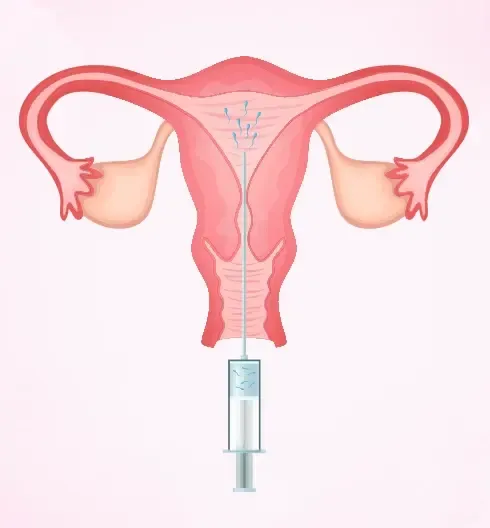
    Illustration of a uterus with a syringe, representing intrauterine insemination (IUI) procedure.

    The Accuracy of Fertility Tracking Devices: Fact vs Fiction

    Myth #3: All fertility tracking devices are the same.

    Fact: There are many different types of fertility tracking devices and they all work differently. Some may be more accurate or easier to use than others. It’s important to do your research and choose a device that fits your needs and lifestyle. For example, if you have irregular cycles, a fertility tracking app that uses algorithms to predict ovulation may be more helpful than a BBT thermometer. It’s also important to note that some devices may require a subscription or additional purchases, so be sure to factor in the cost when making your decision.

    Myth #4: Fertility tracking is only for women trying to conceive.

    Fact: Fertility tracking can be beneficial for women who are trying to conceive, but it can also be helpful for those who are not. By tracking your menstrual cycle and ovulation, you can gain a better understanding of your body and reproductive health. This can be especially useful for women with irregular cycles or those who want to monitor their overall health and wellness.

    Myth #5: Fertility tracking devices are a guarantee for pregnancy.

    Fact: While fertility tracking can increase your chances of getting pregnant, it is not a guarantee. It’s important to remember that there are many factors that can affect fertility, and even with perfect timing, there is still only a 20-30% chance of conceiving each month. It’s also important to seek medical advice if you have been actively trying to conceive for more than a year with no success.

    So, what’s the bottom line? While fertility tracking devices can be a useful tool for women trying to conceive or monitor their reproductive health, they are not foolproof. It’s important to understand their limitations and use them in conjunction with other methods for the best results. And if you are struggling with fertility, it’s always best to consult with a healthcare professional.

    In summary, fertility tracking devices are not 100% accurate and should not be relied upon as the sole method of contraception. It’s important to choose the right device for your needs and use it in combination with other methods. Fertility tracking is not just for those trying to conceive, and it is not a guarantee for pregnancy. Understanding the accuracy and limitations of these devices is key to using them effectively.

  • A New Era of Fertility Tracking: The Advancements of Devices vs Traditional Methods

    Blog Post Title: A New Era of Fertility Tracking: The Advancements of Devices vs Traditional Methods

    Summary:

    Fertility tracking has come a long way in recent years, with the rise of technology and the development of new devices. These advancements have made it easier for women to track their fertility and understand their menstrual cycles. However, some still prefer traditional methods of fertility tracking. In this blog post, we will explore the advancements of devices versus traditional methods in fertility tracking, and which one may be the best option for you.

    Firstly, let’s discuss traditional methods of fertility tracking. These include methods such as tracking basal body temperature, cervical mucus, and menstrual cycle length. These methods have been used for centuries, and many women still rely on them to track their fertility. While they can be effective, they require a lot of time and effort from the user. For example, tracking basal body temperature requires taking your temperature every morning at the same time before getting out of bed. Not only is this method time-consuming, but it also requires a lot of consistency to get accurate results.

    On the other hand, fertility tracking devices have become increasingly popular in recent years. These devices use technology to track various fertility indicators, such as basal body temperature, heart rate, and hormone levels. They come in various forms, such as wearable bracelets, patches, and even apps on your phone. These devices offer convenience and accuracy, as they eliminate the need for manual tracking and provide real-time data. They also have additional features such as personalized insights and reminders, making the tracking process much more manageable.

    Comparison of IVF and IUI procedures with illustrations of each method.

    A New Era of Fertility Tracking: The Advancements of Devices vs Traditional Methods

    One of the significant advantages of using fertility tracking devices is the accuracy they provide. Traditional methods of fertility tracking may be prone to human error, such as forgetting to take your temperature or tracking the wrong data. Devices, on the other hand, use advanced technology to track multiple fertility indicators and provide precise data. This accuracy can be essential for women trying to conceive, as it allows them to pinpoint their most fertile days accurately.

    Another benefit of fertility tracking devices is their ability to provide personalized insights. Many devices come with accompanying apps that analyze the data collected and provide personalized suggestions and recommendations. This can be incredibly helpful for women trying to conceive, as it can give them a better understanding of their bodies and their fertility. Additionally, these apps can also track patterns and predict future ovulation and fertility windows, making it easier to plan for pregnancy.

    However, traditional methods of fertility tracking do have some advantages over devices. For one, they are much more affordable. While fertility tracking devices can range from $50 to $200, traditional methods only require a thermometer or a calendar, which can be found at a much lower cost. This makes traditional methods a more accessible option for those on a budget. Additionally, some women may prefer the simplicity of traditional methods and not want to rely on technology for their fertility tracking.

    Moreover, there are some concerns about the accuracy and reliability of fertility tracking devices. As with any technology, there is always a possibility of malfunctions or incorrect readings. While the majority of devices have shown to be accurate, there have been some cases of discrepancies. This is why it is essential to do thorough research before investing in a fertility tracking device and choose a reputable brand.

    In conclusion, fertility tracking devices have brought about a new era in fertility tracking, offering convenience, accuracy, and personalized insights. However, traditional methods still have their place and may be more suitable for some individuals. Ultimately, the best method for fertility tracking will depend on personal preferences and needs. Whether you choose to use a device or stick to traditional methods, the most important thing is to understand your body and your fertility to achieve your family planning goals.

  • The Power of Data: How Fertility Tracking Devices Help You Understand Your Body

    The Power of Data: How Fertility Tracking Devices Help You Understand Your Body

    In today’s world, technology has made it easier than ever to track and monitor our health. From fitness trackers to sleep monitors, there seems to be a device for every aspect of our well-being. But one area that is often overlooked is fertility tracking. For many women, understanding their menstrual cycle and fertility can be a complex and confusing process. However, with the help of fertility tracking devices, women can gain a better understanding of their bodies and make informed decisions about their reproductive health. In this blog post, we will explore the power of data and how fertility tracking devices can help women understand their bodies in a whole new way.

    What are Fertility Tracking Devices?

    Fertility tracking devices are wearable or handheld devices that use advanced technology to track and monitor a woman’s menstrual cycle and fertility. These devices can range from simple period tracking apps to more advanced devices that use sensors to track body temperature, hormone levels, and other key indicators of fertility. Some popular fertility tracking devices include Ava, Tempdrop, and Clearblue Connected Ovulation Test System.

    Understanding Your Menstrual Cycle

    One of the key benefits of fertility tracking devices is their ability to help women understand their menstrual cycle. The menstrual cycle is controlled by hormones, and the length and regularity of a woman’s cycle can vary. By tracking and recording data such as the start and end dates of a period, as well as any symptoms or changes in mood, women can start to see patterns and gain a better understanding of their unique cycle. This data can also be shared with healthcare professionals, making it easier to identify any potential issues or concerns.

    Predicting Ovulation

    Another important aspect of fertility tracking is predicting ovulation. Ovulation is the process where an egg is released from the ovary, and it is the most fertile time in a woman’s cycle. Fertility tracking devices use algorithms and data analysis to predict when ovulation is likely to occur based on a woman’s menstrual cycle and other key indicators such as body temperature and hormone levels. By knowing when ovulation is expected, women can plan accordingly if they are trying to conceive or use contraception to avoid pregnancy.

    Increasing Chances of Pregnancy

    illustration of a uterus with a syringe, representing intrauterine insemination procedure

    The Power of Data: How Fertility Tracking Devices Help You Understand Your Body

    For couples trying to conceive, fertility tracking devices can be a game-changer. By tracking ovulation and other key fertility indicators, women can identify their most fertile days and increase their chances of getting pregnant. Additionally, some fertility tracking devices offer personalized insights and tips on how to optimize fertility, such as lifestyle changes and suggested intercourse timing.

    Data Analysis and Personalized Insights

    One of the most powerful aspects of fertility tracking devices is the ability to analyze data and provide personalized insights. These devices use advanced algorithms to collect and analyze data, providing women with a wealth of information about their bodies. This can include predicting future periods, identifying potential health issues, and even offering insights into overall reproductive health. With this information at their fingertips, women can make more informed decisions about their reproductive health and take proactive steps to maintain their well-being.

    Monitoring Reproductive Health

    Fertility tracking devices are not just useful for women trying to get pregnant. They can also be valuable tools for monitoring reproductive health. By tracking changes in menstrual cycle length, hormone levels, and other key indicators, women can identify any irregularities or potential issues. This information can then be shared with healthcare professionals, making it easier to diagnose and treat conditions such as polycystic ovary syndrome (PCOS) or endometriosis.

    Final Thoughts

    In conclusion, the power of data cannot be underestimated when it comes to fertility tracking devices. These devices provide women with a deeper understanding of their bodies and can help them make informed decisions about their reproductive health. By tracking and analyzing data, women can predict ovulation, increase their chances of pregnancy, and monitor their overall reproductive health. With the use of these devices, women have the power to take control of their fertility and make informed decisions about their reproductive journey.

    In summary, fertility tracking devices use advanced technology to track and monitor a woman’s menstrual cycle and fertility. They help women understand their bodies by predicting ovulation, increasing chances of pregnancy, providing personalized insights, and monitoring reproductive health. With the power of data, these devices empower women to take control of their fertility and make informed decisions about their reproductive health.

    Meta Title: The Power of Data: How Fertility Tracking Devices Help You Understand Your Body
    Meta Description: Discover the power of data and how fertility tracking devices can help women understand their bodies in a whole new way. Learn about predicting ovulation, increasing chances of pregnancy, and monitoring reproductive health with the use of these devices.

  • Fertility Tracking Devices: Are They Worth the Investment?

    Blog Post Summary:

    Fertility tracking devices have become increasingly popular in recent years, offering women a way to track their menstrual cycles and identify their most fertile days for either trying to conceive or avoiding pregnancy. However, with so many different options on the market, it can be overwhelming to decide if these devices are worth the investment. In this blog post, we will explore the different types of fertility tracking devices available, their effectiveness, and the potential benefits and drawbacks of using them. By the end, you will have a better understanding of whether or not a fertility tracking device is the right choice for you.

    First, let’s discuss the different types of fertility tracking devices. The most common and widely used method is the fertility awareness method, which involves tracking changes in basal body temperature, cervical mucus, and menstrual cycles. There are also wearable devices such as fertility bracelets and armbands that use sensors to track changes in body temperature and movement to predict ovulation. Additionally, there are fertility tracking apps that use data input from the user to predict fertile days.

    Next, it’s important to understand the effectiveness of these devices. According to a study published in Obstetrics & Gynecology, the fertility awareness method is 99% effective when used correctly. However, the effectiveness can vary depending on the individual’s ability to accurately track and interpret their data. Wearable devices have also shown promising results, with some studies reporting up to 98% accuracy in predicting ovulation. However, fertility tracking apps may not be as reliable as they rely on user input and may not take into account individual variations in menstrual cycles.

    Illustration of a uterus with a syringe indicating an intrauterine insemination procedure.

    Fertility Tracking Devices: Are They Worth the Investment?

    One of the main benefits of using a fertility tracking device is the ability to better understand your menstrual cycle. By tracking changes in basal body temperature and cervical mucus, you can learn more about your body and its natural patterns. This can be especially helpful for those trying to conceive, as it can help them identify their most fertile days and increase their chances of getting pregnant. Fertility tracking devices can also be useful for those who are not trying to conceive, as they can help them avoid pregnancy by indicating when it is safe to have unprotected sex.

    However, there are also some potential drawbacks to using fertility tracking devices. The most significant one is the learning curve and commitment required to accurately track and interpret data. This can be especially challenging for those with irregular menstrual cycles or for those who are not diligent in tracking their data. Additionally, some devices can be quite expensive, with some costing hundreds of dollars. This may not be feasible for everyone, and it’s important to consider the cost before investing in a fertility tracking device.

    In conclusion, fertility tracking devices can be a helpful tool for those trying to conceive or avoid pregnancy. They offer a natural and non-invasive way to track your menstrual cycle and identify your most fertile days. However, it’s essential to understand the different types of devices available and their effectiveness, as well as the potential benefits and drawbacks. Ultimately, the decision to invest in a fertility tracking device will depend on individual needs, preferences, and budget.

    In summary, fertility tracking devices are tools that can help women track their menstrual cycles and identify their most fertile days. There are different types of devices available, including wearable devices and fertility tracking apps. These devices have shown promising results in terms of effectiveness, with the fertility awareness method being the most accurate. However, there are also potential drawbacks, such as a learning curve and cost. Ultimately, the decision to invest in a fertility tracking device will depend on individual needs and preferences.

  • Maximizing Your Fertility: Which Tracking Method is Right for You?

    Blog Post Title: Maximizing Your Fertility: Which Tracking Method is Right for You?

    Fertility is a topic that is often surrounded by myths and misconceptions. For many individuals and couples, trying to conceive can be a challenging and emotional journey. However, with the advancement of technology and research, there are now various methods available to help maximize fertility and increase the chances of getting pregnant. One of the most effective ways to boost fertility is by tracking your menstrual cycle and ovulation. In this blog post, we will explore the different tracking methods available and help you determine which one is the right fit for you.

    1. Basal Body Temperature (BBT) Tracking
    Basal body temperature tracking involves measuring your body’s temperature using a special thermometer every morning before getting out of bed. This method works on the premise that a woman’s body temperature rises slightly after ovulation. By tracking your BBT over a few months, you can identify the pattern of when you ovulate. This information can help you plan intercourse during your most fertile days.

    Pros:
    – Inexpensive and easy to do at home
    – Can help identify ovulation patterns
    – Can be used in conjunction with other tracking methods

    Cons:
    – Requires consistency and commitment
    – Can be affected by factors such as illness, alcohol consumption, and lack of sleep
    – Only predicts ovulation after it has occurred, not before

    2. Ovulation Predictor Kits (OPKs)
    OPKs work by detecting the surge in luteinizing hormone (LH) that occurs 24-36 hours before ovulation. This surge triggers the release of an egg from the ovary. By testing your urine with an OPK, you can identify when your LH surge is happening, and therefore predict when you will ovulate.

    Pros:
    – Easy to use and read
    – Can predict ovulation 24-36 hours in advance
    – Can be used at home

    Cons:
    – Can be expensive if used every month
    – Can give false positives if not used correctly
    – May not work for women with irregular cycles or certain medical conditions

    3. Cervical Mucus Tracking
    Cervical mucus tracking involves monitoring changes in the consistency and appearance of your cervical mucus throughout your menstrual cycle. As you approach ovulation, your cervical mucus becomes clear, slippery and stretchy, similar to egg whites. This type of mucus helps sperm travel to the egg more easily.

    Pros:
    – Can be done at home with no cost
    – Provides information about the quality of your cervical mucus, which is important for fertility
    – Can be used in conjunction with other tracking methods

    Comparison of IUI and IVF, illustrating procedures and definitions for each fertility treatment.

    Maximizing Your Fertility: Which Tracking Method is Right for You?

    Cons:
    – May be difficult to determine the changes in cervical mucus for some women
    – Can be affected by factors such as sexual arousal, lubricants, and spermicide
    – Does not predict ovulation, only indicates when it has occurred

    4. Fertility Tracking Apps
    In recent years, there has been an increase in the popularity of fertility tracking apps. These apps use data such as BBT, menstrual cycle length, and symptoms to predict ovulation and fertile days. Some apps also allow you to input other information such as cervical mucus and ovulation predictor kit results to provide a more accurate prediction.

    Pros:
    – Convenient and easy to use
    – Can track and analyze data over time
    – Can provide personalized insights and recommendations
    – Can be used in conjunction with other tracking methods

    Cons:
    – Relies on user input, which may not always be accurate
    – Can be affected by factors such as illnesses and changes in lifestyle
    – May not work for women with irregular cycles or certain medical conditions

    5. Fertility Monitors
    Fertility monitors are devices that track various fertility signs, such as BBT, LH surge, and cervical mucus, to provide a more accurate prediction of ovulation and fertile days. They often come with a handheld monitor and test sticks that measure hormone levels in urine.

    Pros:
    – More accurate than other tracking methods
    – Can be used at home
    – Can track multiple fertility signs
    – Can be used by women with irregular cycles or certain medical conditions

    Cons:
    – Can be expensive upfront
    – May require additional test sticks to be purchased
    – May need to be used for a few months before giving accurate readings

    After exploring the various tracking methods, it is essential to choose the one that best fits your lifestyle, preferences, and needs. You may also want to consult with your healthcare provider for personalized recommendations.

    In conclusion, tracking your menstrual cycle and ovulation can greatly increase your chances of getting pregnant. Whether you choose to use a combination of tracking methods or stick to one, the key is consistency and patience. With time and effort, you can maximize your fertility and take a step closer to growing your family.

    SEO Metadata: