Tag: Infertility

  • Intrauterine Insemination vs In Vitro Fertilization: A Holistic Approach

    Intrauterine Insemination (IUI) and In Vitro Fertilization (IVF) are two commonly known fertility treatments that have helped many couples achieve their dream of parenthood. These assisted reproductive technologies (ART) have been around for several decades and have continually evolved to become more effective and accessible to those struggling with infertility. While both procedures share the same goal of helping couples conceive, they have distinct differences in terms of approach, success rates, and overall impact on a woman’s health and well-being. In this blog post, we will take a closer look at the differences between IUI and IVF and explore the benefits of a holistic approach to fertility treatments.

    What is Intrauterine Insemination?

    Intrauterine Insemination, also known as artificial insemination, is a relatively simple fertility treatment that involves inserting washed and concentrated sperm directly into a woman’s uterus during her ovulation period. This procedure is often recommended for couples with unexplained infertility, mild male factor infertility, or for single women or same-sex couples using donor sperm.

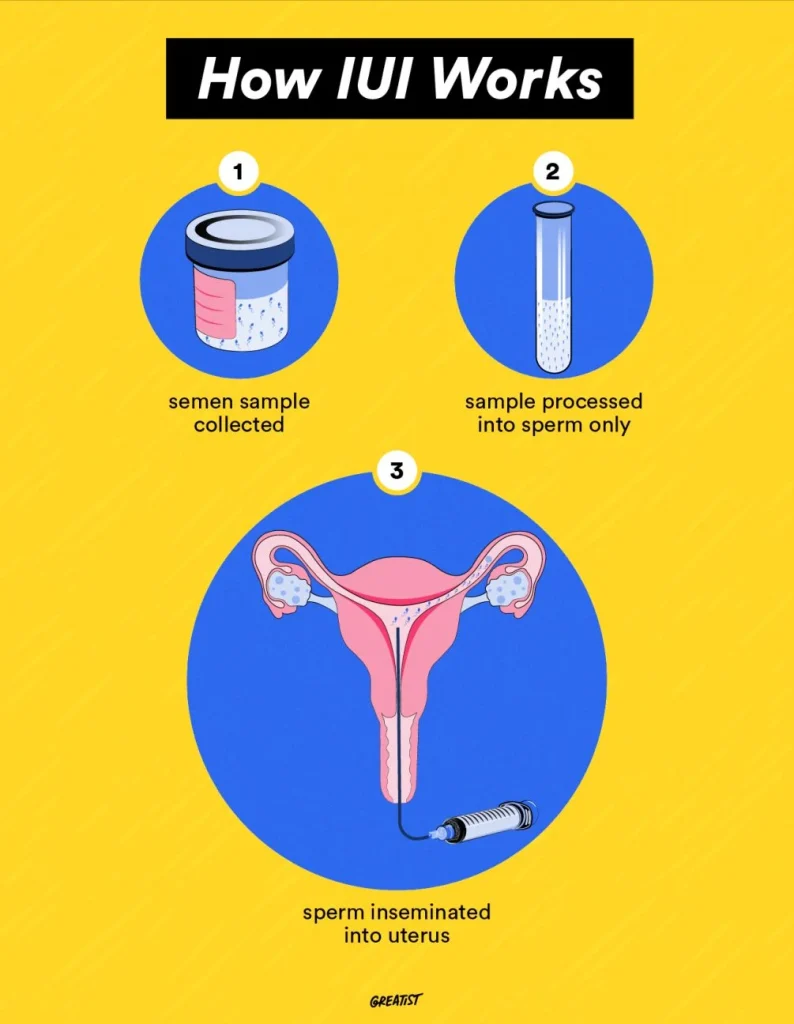
    The process starts with the male partner providing a semen sample, which is then washed and prepared in the laboratory to separate the healthy sperm from the semen. The prepared sperm is then placed into a catheter and inserted into the woman’s uterus through the cervix, making the journey to the fallopian tubes where fertilization takes place. IUI is a quick and painless procedure that typically takes only a few minutes to complete.

    What is In Vitro Fertilization?

    In Vitro Fertilization, commonly referred to as IVF, is a more complex fertility treatment that involves fertilizing the woman’s egg with sperm in a laboratory setting. This procedure is commonly used for couples facing more significant fertility challenges, such as blocked fallopian tubes, severe male factor infertility, or advanced maternal age.

    The process of IVF starts with the woman undergoing ovarian stimulation to produce multiple eggs. These eggs are then retrieved through a minor surgical procedure and fertilized with sperm in a laboratory. The fertilized embryos are then monitored for a few days before being transferred into the woman’s uterus. Any remaining embryos can be frozen for future use. IVF can take several weeks to complete and may involve more medications and monitoring than IUI.

    Comparing Success Rates

    When it comes to success rates, IVF is generally considered to have higher success rates than IUI. According to the Centers for Disease Control and Prevention (CDC), the success rates for IVF in women under 35 years old are around 34%, while the success rates for IUI are around 10-20%. However, it is essential to note that success rates can vary depending on various factors, such as age, cause of infertility, and the quality of the sperm and eggs.

    Holistic Approach to Fertility Treatments
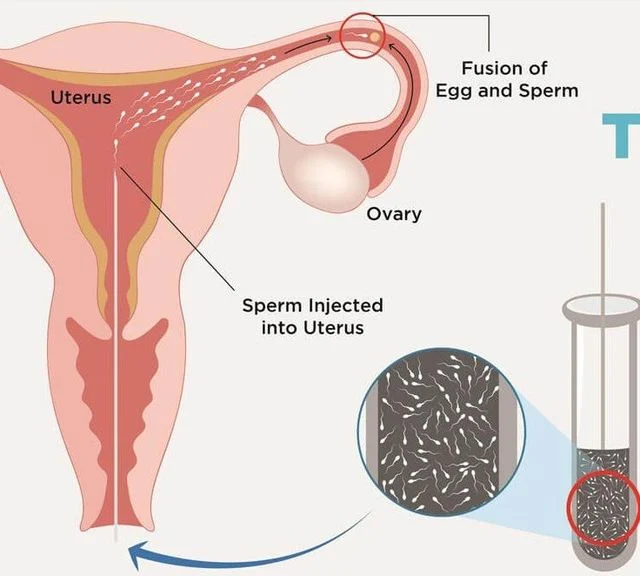
    Diagram illustrating the IUI process, showing sperm injection into the uterus and egg fertilization.

    Intrauterine Insemination vs In Vitro Fertilization: A Holistic Approach

    While IUI and IVF are effective in helping couples conceive, they can also take a toll on a woman’s physical, emotional, and mental well-being. The use of hormonal medications, the stress of undergoing procedures, and the anticipation of success can all have a significant impact on a woman’s health. This is where a holistic approach to fertility treatments comes into play.

    A holistic approach takes into consideration the overall health and well-being of the individual, not just their fertility. It focuses on optimizing the mind, body, and spirit to create a conducive environment for conception. This can involve incorporating alternative therapies such as acupuncture, nutrition counseling, and stress management techniques into the treatment plan.

    The Benefits of a Holistic Approach

    1. Reduced Stress and Anxiety: Going through fertility treatments can be emotionally and mentally draining. Incorporating stress management techniques such as yoga, meditation, and counseling can help reduce stress and anxiety and improve overall well-being.

    2. Improved Physical Health: A holistic approach also focuses on optimizing physical health through nutrition counseling and incorporating a healthy lifestyle. This can help improve overall health and increase the chances of conception.

    3. Increased Success Rates: Studies have shown that incorporating a holistic approach into fertility treatments can lead to higher success rates. By addressing underlying health issues and creating a healthy environment for conception, the chances of success may increase.

    4. Less Invasive: A holistic approach can also involve less invasive treatments, such as natural fertility methods and acupuncture, which can be less physically demanding and have fewer side effects.

    5. Long-Term Benefits: A holistic approach not only focuses on achieving pregnancy but also on long-term health and well-being. By addressing underlying health issues, women can improve their overall health and reduce the risk of future fertility issues.

    In conclusion, IUI and IVF are both viable options for couples struggling with infertility. While IVF may have higher success rates, a holistic approach to fertility treatments can offer numerous benefits for women’s overall health and well-being. It is essential to consult with a fertility specialist and discuss all available options to determine the best course of action for each individual’s unique situation.

    Summary:

    Intrauterine Insemination (IUI) and In Vitro Fertilization (IVF) are two common fertility treatments that have helped many couples achieve their dream of parenthood. While IUI involves inserting washed and concentrated sperm into a woman’s uterus during her ovulation period, IVF involves fertilizing the woman’s egg with sperm in a laboratory setting. While IVF may have higher success rates, a holistic approach to fertility treatments can offer numerous benefits such as reduced stress and anxiety, improved physical health, and increased success rates. It is essential to consult with a fertility specialist to determine the best course of action for each individual’s unique situation.
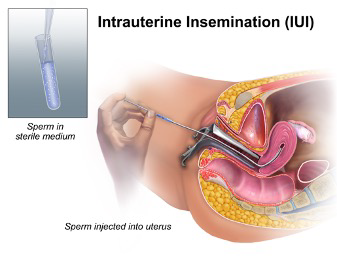
  • The Role of Nutrition: Intrauterine Insemination vs In Vitro Fertilization

    Blog Post:

    Infertility affects approximately 10-15% of couples worldwide and can be caused by various factors such as age, hormonal imbalances, and underlying health conditions. Fortunately, advancements in reproductive technology have given hope to couples struggling with infertility. Two commonly used assisted reproductive techniques are intrauterine insemination (IUI) and in vitro fertilization (IVF). While both procedures aim to help couples conceive, they differ in their approach and success rates. In this blog post, we will explore the role of nutrition in intrauterine insemination and in vitro fertilization.

    Intrauterine Insemination (IUI)

    Intrauterine insemination, also known as artificial insemination, involves placing washed and concentrated sperm directly into the uterine cavity through a thin catheter. This procedure is often recommended for couples dealing with unexplained infertility, mild male factor infertility, or cervical issues. Unlike IVF, IUI is a less invasive and more affordable option for couples.

    The Role of Nutrition in IUI

    Nutrition plays a crucial role in preparing the body for IUI. A balanced and nutritious diet can help improve the quality and quantity of eggs and sperm, which can increase the chances of a successful pregnancy. Foods rich in antioxidants, such as fruits and vegetables, can help protect the eggs and sperm from damage caused by free radicals. Omega-3 fatty acids found in fish and nuts can also improve sperm quality and motility.

    Furthermore, maintaining a healthy weight through proper nutrition is essential for a successful IUI. Being underweight or overweight can affect hormonal balance and decrease fertility. A well-balanced diet consisting of whole grains, lean proteins, and healthy fats can help achieve a healthy weight and improve fertility.

    Vitamins and supplements can also play a role in preparing for IUI. Folic acid and vitamin D have been linked to improved fertility and a reduced risk of birth defects. Consult with your doctor for the appropriate dosage and to ensure that you are taking the right supplements for your specific situation.

    In Vitro Fertilization (IVF)

    In vitro fertilization involves retrieving eggs from a woman’s ovaries and fertilizing them with sperm in a laboratory. The fertilized eggs, or embryos, are then transferred back into the woman’s uterus for implantation. IVF is often recommended for couples dealing with severe male factor infertility, tubal blockage, or advanced maternal age.

    Illustration of intrauterine insemination (IUI) procedure, showing sperm injection into the uterus.

    The Role of Nutrition: Intrauterine Insemination vs In Vitro Fertilization

    The Role of Nutrition in IVF

    Similar to IUI, nutrition also plays a vital role in the success of IVF. A healthy and balanced diet can improve egg quality, sperm quality, and overall fertility. Additionally, certain nutrients, such as iron and vitamin C, can help increase the chances of a successful embryo implantation.

    Maintaining a healthy weight is also crucial for IVF success. Being overweight or underweight can affect the hormone levels needed for successful egg retrieval and implantation. Proper nutrition and exercise can help achieve a healthy weight and improve fertility.

    Supplements can also be beneficial for IVF. Coenzyme Q10, for example, is an antioxidant that can improve egg quality and reduce the risk of chromosomal abnormalities. However, it is essential to consult with your doctor to ensure that you are taking the right supplements at the appropriate dosage.

    Comparing IUI and IVF

    While both IUI and IVF involve assisted reproductive techniques, they differ in their approach and success rates. IUI is a less invasive and more affordable option, with a success rate of about 10-20% per cycle. However, the success rate decreases with age and certain fertility issues. On the other hand, IVF has a higher success rate, with an average of 30-40% per cycle. It also offers more options, such as genetic testing and the use of donor eggs or sperm. However, IVF is more invasive and expensive compared to IUI.

    Conclusion

    In conclusion, nutrition plays a crucial role in both intrauterine insemination and in vitro fertilization. A balanced and nutritious diet, along with proper supplementation, can help improve fertility and increase the chances of a successful pregnancy. Maintaining a healthy weight is also important for both procedures. While IUI and IVF differ in their approach and success rates, proper nutrition can help prepare the body for either procedure and increase the chances of a successful outcome.

    Summary:

    Intrauterine insemination (IUI) and in vitro fertilization (IVF) are two assisted reproductive techniques used to help couples struggling with infertility. While both procedures differ in their approach and success rates, nutrition plays a crucial role in preparing the body for either procedure. A balanced and nutritious diet, along with proper supplementation, can improve egg and sperm quality, increase fertility, and increase the chances of a successful pregnancy. Maintaining a healthy weight is also important for both IUI and IVF. While IUI is a less invasive and more affordable option, IVF offers a higher success rate and more options for couples. Overall, proper nutrition is essential for the success of both IUI and IVF.

  • The Future of Fertility Treatments: Intrauterine Insemination vs In Vitro Fertilization

    Blog Post:

    Fertility treatments have come a long way in recent years, providing hope and options for couples struggling with infertility. Two of the most commonly used treatments are intrauterine insemination (IUI) and in vitro fertilization (IVF). Both of these procedures have been successful in helping many couples achieve their dream of starting a family. However, as technology continues to advance, the future of fertility treatments is constantly evolving. In this blog post, we will explore the differences between IUI and IVF, their success rates, and the potential future developments in both procedures.

    Intrauterine Insemination (IUI):

    Intrauterine insemination, also known as artificial insemination, is a procedure in which sperm is placed directly into the uterus, bypassing the cervix, to increase the chances of fertilization. This is often used when couples have issues with sperm quality, low sperm count, or unexplained fertility. The process involves collecting a semen sample from the male partner, processing it in a lab to concentrate the healthy sperm, and then injecting it into the uterus during the woman’s ovulation. This procedure is less invasive and less expensive than IVF, making it a popular choice for many couples.

    One of the main benefits of IUI is that it allows for natural fertilization to occur, as the sperm is placed directly into the uterus where the egg is waiting. This increases the chances of fertilization, especially for couples with male factor infertility. It also requires less medication and monitoring compared to IVF, making it a more comfortable and less stressful option for some couples.

    However, IUI does have its limitations. It is not as successful as IVF, with a success rate of around 10-20% per cycle, depending on various factors such as age, sperm quality, and the cause of infertility. It also does not address any underlying fertility issues, so if there are other factors contributing to infertility, IUI may not be effective. In addition, there is a risk of multiple pregnancies with IUI, which can lead to complications for both the mother and the babies.

    In Vitro Fertilization (IVF):

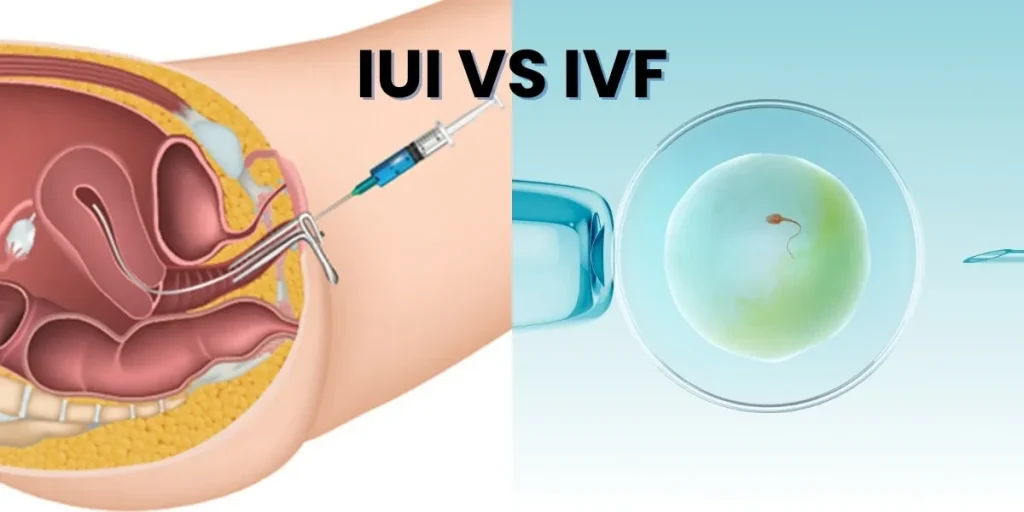
    Comparison of IUI and IVF, illustrating procedures and definitions for each fertility treatment.

    The Future of Fertility Treatments: Intrauterine Insemination vs In Vitro Fertilization

    In vitro fertilization, commonly known as IVF, is a more complex and invasive procedure that involves fertilizing an egg with sperm in a lab and then transferring the resulting embryo into the uterus. This process bypasses the need for the sperm to travel through the reproductive tract, increasing the chances of fertilization. IVF is often used for couples with more severe fertility issues, such as blocked tubes, endometriosis, or low ovarian reserve.

    The process of IVF involves several stages, including ovarian stimulation to produce multiple eggs, egg retrieval, fertilization, and embryo transfer. It also requires more monitoring and medication, making it a more intensive and expensive procedure compared to IUI. However, IVF has a higher success rate, with an average of 30-40% per cycle, making it a more promising option for couples struggling with infertility.

    The Future of Fertility Treatments:

    While both IUI and IVF have been successful in helping many couples conceive, there is always room for improvement and advancements in the field of fertility treatments. One area that is currently being researched is the use of artificial intelligence (AI) to improve the success rates of IUI and IVF. AI technology can analyze data from previous cycles to predict which embryos are most likely to result in a successful pregnancy, increasing the chances of success for couples undergoing IVF.

    Another potential development is the use of non-invasive tests to assess the quality of embryos. Currently, embryos are graded based on their appearance under a microscope, but this method is not always accurate. Non-invasive tests, such as metabolomic analysis, can provide more information about the health of the embryo and increase the chances of selecting the best embryo for transfer.

    In addition, there is ongoing research into the use of stem cells to improve the success rates of IVF. Scientists are exploring the possibility of using stem cells to create eggs and sperm, which could benefit couples with fertility issues caused by genetic factors or cancer treatments.

    Summary:

    Intrauterine insemination (IUI) and in vitro fertilization (IVF) are two commonly used fertility treatments that have helped many couples achieve their dream of starting a family. While IUI is less invasive and less expensive, IVF has a higher success rate and is more suitable for couples with more severe fertility issues. As technology continues to advance, the future of fertility treatments looks promising, with potential developments such as the use of artificial intelligence, non-invasive tests, and stem cells to improve the success rates of IUI and IVF.

  • The Impact of Insurance: Intrauterine Insemination vs In Vitro Fertilization

    Blog Post Title: The Impact of Insurance: Intrauterine Insemination vs In Vitro Fertilization

    Summary:

    Infertility is a common issue that affects many couples around the world. With advancements in medical technology, there are now various treatments available to help couples conceive. Two of the most popular treatments are Intrauterine Insemination (IUI) and In Vitro Fertilization (IVF). However, these treatments can be costly, and many couples struggle with the financial burden. This has led to the question of whether insurance coverage should be offered for these procedures.

    This blog post will explore the impact of insurance coverage for IUI and IVF. We will discuss the differences between these treatments, their success rates, and the cost associated with them. We will also examine the current state of insurance coverage for these procedures and the potential impact of offering coverage.

    Intrauterine Insemination (IUI) is a fertility treatment where sperm is placed directly into the uterus during ovulation. This procedure is less invasive and less expensive compared to IVF. It is often the first option for couples who are struggling to conceive. The success rate of IUI varies depending on factors such as age and underlying fertility issues, but it is generally lower than IVF.

    On the other hand, In Vitro Fertilization (IVF) involves retrieving eggs from the ovaries and fertilizing them with sperm in a laboratory. The fertilized eggs are then transferred to the uterus for implantation. IVF is a more complex and invasive procedure, and it has a higher success rate compared to IUI. However, it is also significantly more expensive.

    comparison of IUI and IVF fertility treatments with illustrations of procedures and a petri dish with an egg and sperm

    The Impact of Insurance: Intrauterine Insemination vs In Vitro Fertilization

    The cost of IUI and IVF can be a major barrier for couples seeking these treatments. On average, one cycle of IUI can cost between $500 to $4,000, while a single round of IVF can cost between $10,000 to $15,000. In some cases, multiple cycles of these treatments may be required, increasing the overall cost. This financial burden can cause stress and strain on couples, both emotionally and financially.

    Currently, insurance coverage for fertility treatments varies greatly. Some insurance plans cover a portion of the cost for IUI and IVF, while others provide no coverage at all. This lack of coverage can be frustrating for couples, especially when facing infertility issues. The cost of these procedures can be a significant barrier for many, making it challenging to access necessary treatment.

    The impact of insurance coverage for fertility treatments is significant. Access to these treatments can greatly improve the chances of conceiving for couples struggling with infertility. By offering coverage for IUI and IVF, more couples will have access to these treatments, increasing their chances of success.

    Moreover, offering insurance coverage for fertility treatments can also have a positive impact on society. Infertility can lead to emotional distress, and for many, it is a traumatic experience. By providing coverage for these treatments, couples can focus on their journey to parenthood without the added stress of financial concerns. This can lead to a healthier and happier society.

    Another crucial point to consider is the cost-effectiveness of offering insurance coverage for fertility treatments. While these procedures may seem expensive, the long-term costs of infertility can be even higher. Infertility can lead to the need for more extensive and costly medical interventions, such as fertility drugs, surgeries, and even adoption. By covering IUI and IVF, insurance companies can save money in the long run.

    In conclusion, the impact of insurance coverage for IUI and IVF is significant. It can provide much-needed financial relief for couples struggling with infertility and increase their chances of conceiving. It can also have a positive impact on society and be cost-effective for insurance companies in the long run. As infertility continues to affect many couples, it is crucial for insurance companies to consider offering coverage for these treatments.

  • Intrauterine Insemination vs In Vitro Fertilization: A Personal Story

    Intrauterine Insemination (IUI) and In Vitro Fertilization (IVF) are two commonly used fertility treatments for couples struggling to conceive. These assisted reproductive technologies (ART) offer hope to those facing infertility, but they differ in their procedures and success rates. As someone who has personally gone through both IUI and IVF, I want to share my story and compare these two treatments.

    My husband and I had been trying to conceive for over a year without success. After various tests and consultations, we were diagnosed with unexplained infertility. Our doctor recommended starting with IUI, a less invasive and less expensive option compared to IVF. I was hopeful and excited, but also nervous about what the process would entail.

    IUI involves placing washed and concentrated sperm directly into the uterus during ovulation. This procedure can be done with or without fertility drugs. In our case, we opted for the use of fertility drugs to increase the chances of ovulation and pregnancy. The process was simple and painless, and we were able to do it at our doctor’s office. However, it did require frequent visits for ultrasounds and monitoring to determine the best time for the procedure.

    Unfortunately, our first IUI cycle was unsuccessful. We were disappointed, but our doctor reassured us that it often takes multiple cycles to achieve pregnancy. So, we tried again the following month, and this time, we were successful! I was overjoyed when we saw those two pink lines on the pregnancy test. However, our happiness was short-lived as I experienced a miscarriage at six weeks. It was devastating, but we didn’t lose hope and decided to try IUI again.

    After three failed IUI cycles, our doctor suggested moving on to IVF. IVF involves retrieving eggs from the ovaries and fertilizing them with sperm in a laboratory. The resulting embryos are then transferred back into the uterus. This process is more invasive and expensive compared to IUI, but it also has a higher success rate.

    Diagram illustrating the IUI process, showing sperm injection into the uterus and egg fertilization.

    Intrauterine Insemination vs In Vitro Fertilization: A Personal Story

    The thought of IVF was daunting, but we knew it was our best chance of conceiving. The process began with daily hormone injections to stimulate my ovaries and produce multiple eggs. This was followed by egg retrieval under sedation, which was a bit uncomfortable but not overly painful. The retrieved eggs were then fertilized with my husband’s sperm in the lab, and we waited for five days for the embryos to develop.

    The embryo transfer was the most nerve-wracking part of the IVF process. We had four embryos, and our doctor recommended transferring two to increase our chances of success. The procedure was quick and painless, and we were able to see the embryos on the ultrasound screen. The two-week wait to find out if the transfer was successful was the longest two weeks of my life. But when we got the call that I was pregnant, we were overjoyed and grateful.

    Our IVF journey was not without its challenges. I had to administer daily hormone injections and go through numerous appointments and procedures. The emotional toll was also significant, with the constant rollercoaster of hope and disappointment. But it was all worth it when we welcomed our beautiful twin girls into the world.

    Looking back, I can see the differences between IUI and IVF and how they impacted our journey. IUI was a less invasive and less expensive option, but it also had a lower success rate. IVF, on the other hand, was more physically and emotionally demanding, but it gave us our miracle babies. I believe that both treatments have their place in the world of fertility treatments, and the choice should be based on individual circumstances and preferences.

    In summary, Intrauterine Insemination (IUI) and In Vitro Fertilization (IVF) are two popular fertility treatments that offer hope to couples facing infertility. IUI is a less invasive and less expensive option, while IVF is more invasive and expensive but has a higher success rate. As someone who has gone through both treatments, I believe that each has its own benefits and drawbacks, and the decision should be made based on individual factors.

  • The Impact of Lifestyle: Intrauterine Insemination vs In Vitro Fertilization

    Blog Post: The Impact of Lifestyle: Intrauterine Insemination vs In Vitro Fertilization

    In today’s world, many couples face challenges when trying to conceive a child. The rise in infertility rates has led to advancements in assisted reproductive technologies (ART) such as intrauterine insemination (IUI) and in vitro fertilization (IVF). These procedures have become popular options for couples struggling with fertility issues, but they have distinct differences that can greatly impact a person’s lifestyle. In this blog post, we will explore the impact of lifestyle on couples considering IUI and IVF as fertility treatment options.

    Understanding Intrauterine Insemination (IUI)

    IUI is a form of fertility treatment where sperm is placed directly into a woman’s uterus during ovulation. This procedure is commonly used for couples with unexplained infertility, mild male factor infertility, or in cases where the woman has issues with ovulation. One of the main advantages of IUI is that it is a less invasive and less expensive option compared to IVF. It also allows for the use of the male partner’s sperm, which can be a more natural and intimate experience for couples.

    The Impact of Lifestyle on IUI

    One of the key factors that can affect the success of IUI is a person’s lifestyle. For example, being overweight or underweight can impact the body’s hormone levels, making it more difficult to conceive. Similarly, smoking, excessive alcohol consumption, and drug use can also decrease fertility and reduce the chances of IUI success. It is essential for couples considering IUI to adopt a healthy lifestyle, including a balanced diet and regular exercise, to increase their chances of success.

    The Emotional Impact of IUI

    IUI can be an emotional rollercoaster for couples. The process of trying to conceive can be stressful, and the uncertainty of whether the treatment will be successful can take a toll on a person’s mental well-being. It is important for couples to have a strong support system and to communicate openly with each other throughout the process. Seeking counseling or joining a support group can also be beneficial for couples going through IUI.

    Understanding In Vitro Fertilization (IVF)

    Diagram illustrating the IUI process, showing sperm injection into the uterus and egg fertilization.

    The Impact of Lifestyle: Intrauterine Insemination vs In Vitro Fertilization

    IVF is a more complex fertility treatment that involves retrieving eggs from the woman’s ovaries and fertilizing them with sperm in a laboratory. The resulting embryos are then transferred to the woman’s uterus for implantation. This procedure is typically recommended for couples with more severe fertility issues, such as blocked fallopian tubes, advanced maternal age, or severe male factor infertility.

    The Impact of Lifestyle on IVF

    Unlike IUI, lifestyle factors have less of an impact on the success of IVF. However, maintaining a healthy lifestyle is still essential for improving the chances of a successful pregnancy. A balanced diet, regular exercise, and avoiding harmful substances can contribute to a more favorable outcome. Additionally, managing stress levels and having a positive mindset can also play a crucial role in the success of IVF.

    The Emotional Impact of IVF

    IVF can be a physically and emotionally taxing experience for couples. The process involves numerous appointments, medications, and procedures, which can be overwhelming and stressful. The financial burden of IVF can also add to the emotional toll on couples. It is crucial for couples to communicate openly with each other and seek support from friends, family, or a therapist to cope with the emotional impact of IVF.

    Comparing IUI and IVF

    When it comes to the impact of lifestyle, IUI and IVF have their differences. IUI is a less invasive and less expensive option, but lifestyle factors can significantly affect its success. On the other hand, IVF is a more complex and costly procedure, but lifestyle factors have less impact on its success. Ultimately, the decision between IUI and IVF will depend on a couple’s specific fertility issues, their budget, and their lifestyle.

    In conclusion, lifestyle plays a crucial role in the success of both IUI and IVF. It is essential for couples to adopt a healthy lifestyle and manage their emotional well-being throughout the process of trying to conceive. Seeking support from loved ones and healthcare professionals can make a significant difference in the journey towards parenthood. It is also important to remember that every person’s fertility journey is unique, and what works for one couple may not work for another.

    Summary:

    Infertility can be a challenging issue for many couples, leading them to consider assisted reproductive technologies such as intrauterine insemination (IUI) and in vitro fertilization (IVF). These procedures have different impacts on a person’s lifestyle, with IUI being less invasive and expensive but susceptible to lifestyle factors, and IVF being more costly but less affected by lifestyle. It is crucial for couples to maintain a healthy lifestyle and seek support throughout their fertility journey.

  • Exploring the Success Rates: Intrauterine Insemination vs In Vitro Fertilization

    Summary:

    Infertility is a common issue that many couples face when trying to conceive. Fortunately, there are fertility treatments available such as intrauterine insemination (IUI) and in vitro fertilization (IVF) that can help increase the chances of pregnancy. In this blog post, we will explore and compare the success rates of these two popular fertility treatments.

    Intrauterine Insemination (IUI):

    Intrauterine insemination, also known as artificial insemination, is a relatively simple and less invasive procedure compared to IVF. It involves placing washed and concentrated sperm directly into the woman’s uterus during her ovulation period. This procedure is often recommended for couples with unexplained infertility, mild male factor infertility, or cervical issues.

    The success rates of IUI vary depending on several factors such as the age of the woman, the quality of the sperm, and the cause of infertility. On average, the success rate of IUI is 10-20% per cycle. However, with the use of fertility drugs to stimulate ovulation, the success rate can increase up to 25%.

    In Vitro Fertilization (IVF):

    In vitro fertilization, on the other hand, is a more complex and invasive procedure. It involves removing eggs from the woman’s ovaries and fertilizing them with sperm in a laboratory. The resulting embryos are then transferred back into the woman’s uterus, with the hope of implantation and pregnancy. IVF is often recommended for couples with severe male factor infertility, blocked fallopian tubes, or advanced maternal age.

    The success rates of IVF are generally higher than IUI, with an average success rate of 30-40% per cycle. However, the success rates can vary greatly depending on the woman’s age, the cause of infertility, and the number of embryos transferred. For women under 35, the success rate can be as high as 50%, while for women over 40, the success rate drops to 20%.

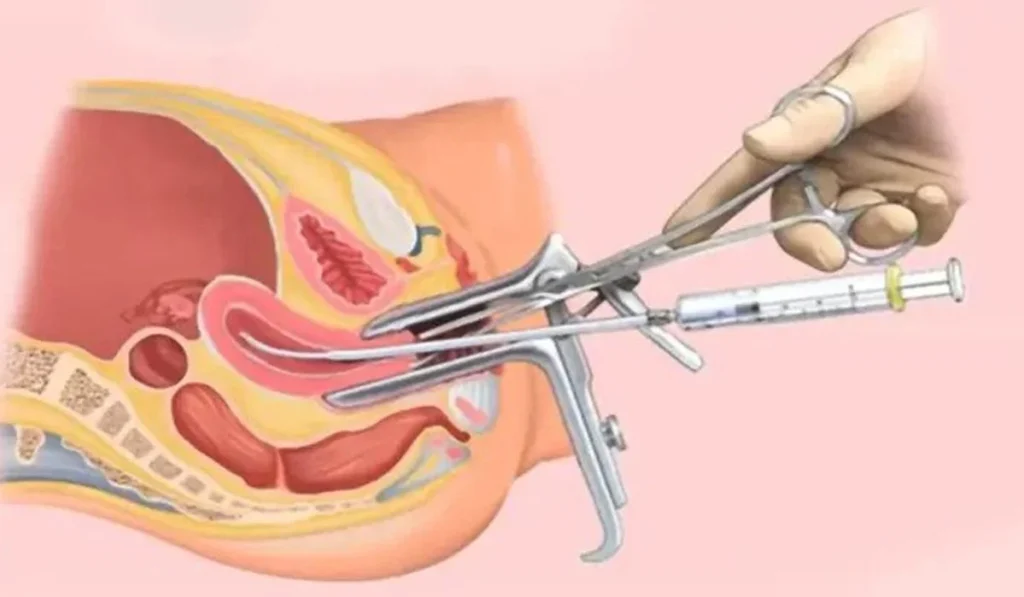
    illustration of an intrauterine insemination procedure with medical instruments and anatomical details

    Exploring the Success Rates: Intrauterine Insemination vs In Vitro Fertilization

    Factors Affecting Success Rates:

    There are several factors that can affect the success rates of both IUI and IVF. These include age, cause of infertility, ovarian reserve, and lifestyle factors such as smoking and weight. Age is a significant factor as fertility declines with age, and the chances of pregnancy decrease after the age of 35. The cause of infertility also plays a role, as certain conditions such as endometriosis or male factor infertility may decrease the chances of success for both IUI and IVF.

    Ovarian reserve, which refers to the quality and quantity of a woman’s eggs, also affects the success rates of both procedures. As women age, their ovarian reserve decreases, making it more challenging to conceive. Lifestyle factors such as smoking and being overweight can also impact the success rates of both IUI and IVF. Quitting smoking and maintaining a healthy weight can improve the chances of success for both procedures.

    Cost and Emotional Impact:

    Aside from success rates, cost and emotional impact are also important factors to consider when comparing IUI and IVF. IUI is generally more affordable than IVF, with an average cost of $500-$1000 per cycle, while IVF can cost anywhere from $12,000 to $15,000 per cycle. However, since IUI has a lower success rate, couples may end up spending more money in the long run if multiple cycles are needed.

    The emotional impact of fertility treatments should also be taken into consideration. Both IUI and IVF can be emotionally taxing for couples, as they go through the ups and downs of the treatment process. However, IVF may have a higher emotional toll due to the more invasive and time-consuming nature of the procedure.

    Conclusion:

    In conclusion, both IUI and IVF are effective fertility treatments that can help couples achieve their dream of having a baby. The success rates of these procedures may vary depending on several factors, and it is essential to consult with a fertility specialist to determine the best treatment option for each individual case. While IVF may have higher success rates, it is also more expensive and emotionally taxing. Ultimately, the decision between IUI and IVF should be based on the couple’s specific needs and circumstances.

  • The Importance of Support: Intrauterine Insemination vs In Vitro Fertilization

    The journey towards parenthood is undoubtedly a beautiful and fulfilling one, but for many couples, it can also be a challenging and emotional rollercoaster. With advancements in medical technology, there are now various fertility treatments available for couples struggling to conceive naturally. Intrauterine insemination (IUI) and in vitro fertilization (IVF) are two popular options that have helped countless couples achieve their dream of starting a family. While both methods aim to assist in conception, they differ in terms of procedure, success rates, and cost. In this blog post, we will delve into the importance of support in the journey of parenthood, and compare the two methods of IUI and IVF.

    Support during the process of fertility treatment is crucial as it can be a physically and emotionally taxing experience for couples. The importance of a strong support system cannot be emphasized enough, as it can make all the difference in coping with the ups and downs of the journey towards parenthood. This support can come from various sources such as family, friends, support groups, and medical professionals.

    Intrauterine insemination, also known as artificial insemination, is a fertility treatment where sperm is directly injected into a woman’s uterus during ovulation. This procedure is typically recommended for couples with unexplained infertility, mild male factor infertility, or cervical issues. One of the main advantages of IUI is its relatively simple and non-invasive nature, making it a less daunting option for couples.

    However, the success rates of IUI are relatively low, with only a 10-20% chance of conception per cycle. This means that couples may need to undergo multiple cycles of IUI, which can be emotionally and financially draining. It is essential for couples to have a strong support system in place to help them cope with the disappointment and uncertainty that comes with unsuccessful cycles.

    On the other hand, in vitro fertilization, commonly known as IVF, is a more complex and invasive procedure. It involves retrieving eggs from the woman’s ovaries and fertilizing them with sperm in a laboratory. The resulting embryos are then transferred into the woman’s uterus, with the hope of successful implantation and pregnancy. IVF is often recommended for couples with more severe infertility issues, such as blocked fallopian tubes, low sperm count, or advanced maternal age.

    The success rates of IVF are significantly higher than IUI, with an average success rate of 41% for women under 35. However, IVF is also a more expensive option, with an average cost of $12,000-$15,000 per cycle. This can be a significant financial burden for couples, and having a strong support system can provide much-needed emotional and financial assistance during this process.

    illustration explaining the steps of intrauterine insemination (IUI) process on a bright yellow background

    The Importance of Support: Intrauterine Insemination vs In Vitro Fertilization

    Aside from the financial aspect, the IVF process can also be emotionally taxing for couples. The constant monitoring, injections, and waiting for the results of each cycle can take a toll on a couple’s mental well-being. It is crucial for couples to have a supportive network to lean on during this time, whether it be through counseling, support groups, or simply having a listening ear.

    In addition to the emotional and financial support, it is also essential for couples to have a strong support system in terms of medical professionals. Fertility treatments can be complex, and it is crucial for couples to have a team of experienced and knowledgeable doctors and nurses to guide them through the process. This support can also come in the form of counseling services provided by fertility clinics, which can help couples navigate the emotional aspects of the journey towards parenthood.

    It is also worth noting that in some cases, a combination of IUI and IVF may be recommended. For example, couples with male factor infertility issues may undergo IUI with the husband’s sperm, followed by IVF with donor sperm if IUI is unsuccessful. This highlights the importance of having a supportive and understanding medical team who can provide personalized treatment plans for each couple’s unique situation.

    In conclusion, the journey towards parenthood through fertility treatments can be a challenging and emotional one, but having a strong support system in place can make all the difference. IUI and IVF are both viable options for couples struggling with infertility, and the decision ultimately depends on various factors such as the cause of infertility, success rates, and financial capability. However, regardless of which method a couple chooses, the importance of support during this journey cannot be underestimated.

    Summary:

    The journey towards parenthood can be a challenging and emotional one for couples struggling with infertility. Intrauterine insemination (IUI) and in vitro fertilization (IVF) are two popular fertility treatments that aim to assist in conception. While IUI is a simpler and less invasive option, IVF has a higher success rate but is more expensive and emotionally taxing. Regardless of the chosen method, having a strong support system, both emotionally and medically, is crucial for couples going through fertility treatments.

  • The Role of the Doctor: Intrauterine Insemination vs In Vitro Fertilization

    The Role of the Doctor: Intrauterine Insemination vs In Vitro Fertilization

    Infertility is a common struggle for many couples trying to conceive. Fortunately, advancements in medical technology have made it possible for doctors to assist in the process of conception through procedures such as intrauterine insemination (IUI) and in vitro fertilization (IVF). Both of these methods involve the use of assisted reproductive technology (ART) and are carried out under the guidance of a doctor. However, the role of the doctor in each of these procedures is different and understanding these differences is important for individuals and couples considering these options.

    Intrauterine insemination, also known as artificial insemination, is a procedure in which sperm is injected directly into the woman’s uterus during ovulation. This is typically done with a thin, flexible catheter that is inserted through the cervix. The goal of IUI is to increase the chances of fertilization by bringing the sperm closer to the egg.

    The role of the doctor in IUI begins with a thorough evaluation of both partners to determine if they are suitable candidates for the procedure. This may include a physical examination, blood tests, and imaging tests to assess the health of the reproductive organs. The doctor will also review the medical history of both partners to identify any potential risk factors.

    Once the couple is deemed eligible for IUI, the doctor will closely monitor the woman’s menstrual cycle to determine the best time for the procedure. This may involve tracking ovulation through blood tests or ultrasound scans. The doctor may also prescribe fertility drugs to stimulate the production of multiple eggs, increasing the chances of successful fertilization.

    During the IUI procedure, the doctor will carefully insert the sperm into the uterus using the catheter. The entire process takes only a few minutes and is usually painless. After the procedure, the woman may be advised to lie down for a short while to increase the chances of successful fertilization.

    The role of the doctor does not end with the IUI procedure. They will continue to monitor the woman’s hormone levels and may prescribe progesterone supplements to support the early stages of pregnancy. A pregnancy test will be done about two weeks after the procedure to confirm if it was successful.

    test tube with sperm in blue liquid, promoting IUI success rate and factors influencing fertility.

    The Role of the Doctor: Intrauterine Insemination vs In Vitro Fertilization

    In vitro fertilization, on the other hand, is a more complex and invasive procedure. It involves the retrieval of eggs from the woman’s ovaries, fertilization with sperm in a laboratory, and then the transfer of the fertilized eggs (embryos) into the woman’s uterus. IVF is often recommended for couples who have been unsuccessful with other fertility treatments or for those with specific medical conditions.

    The role of the doctor in IVF begins with a thorough evaluation of both partners to determine if they are suitable candidates for the procedure. This may include a physical examination, blood tests, and imaging tests to assess the health of the reproductive organs. The doctor will also review the medical history of both partners to identify any potential risk factors.

    Once the couple is deemed eligible for IVF, the woman will undergo a series of hormone injections to stimulate the production of multiple eggs. The doctor will closely monitor the woman’s hormone levels and use ultrasound scans to track the growth and development of the eggs.

    When the eggs are ready, a minor surgical procedure called egg retrieval will be performed to remove the eggs from the woman’s ovaries. The retrieved eggs will then be fertilized with sperm in a laboratory, and the resulting embryos will be monitored for growth and development.

    The doctor will then transfer one or more embryos into the woman’s uterus using a thin catheter. The number of embryos transferred will depend on various factors, including the woman’s age and overall health. Any extra embryos can be frozen for future use.

    After the embryo transfer, the woman will be closely monitored for signs of pregnancy. A pregnancy test will be done about two weeks after the transfer to confirm if it was successful. If the pregnancy is successful, the doctor will continue to monitor the woman’s hormone levels and may prescribe medication to support the early stages of pregnancy.

    In summary, the role of the doctor in both IUI and IVF is crucial in helping couples achieve pregnancy. While the goal of IUI is to increase the chances of fertilization by bringing the sperm closer to the egg, IVF involves the retrieval of eggs and fertilization in a laboratory setting. The doctor’s role includes evaluating the couple’s eligibility for the procedures, closely monitoring the woman’s hormone levels, and performing the necessary procedures. The doctor also plays a vital role in providing support and guidance throughout the process.

    In conclusion, infertility can be a challenging journey for couples, but with the help of a knowledgeable and experienced doctor, there is hope for achieving pregnancy through procedures like IUI and IVF. The role of the doctor is crucial in these procedures, and it is important for individuals and couples to fully understand their role in order to make informed decisions about their fertility treatment.

  • Intrauterine Insemination vs In Vitro Fertilization: A Medical Perspective

    Intrauterine Insemination vs In Vitro Fertilization: A Medical Perspective

    Infertility is a common issue faced by many couples trying to conceive. Fortunately, advancements in modern medicine have made it possible for these couples to still have a chance at starting a family. Two popular methods used to treat infertility are Intrauterine Insemination (IUI) and In Vitro Fertilization (IVF). While both methods have been successful in helping couples achieve pregnancy, they differ in their approach and success rates. In this blog post, we will explore the medical perspective of IUI and IVF to help you understand the differences between the two and make an informed decision on which method may be best for you.

    What is Intrauterine Insemination (IUI)?

    IUI, also known as artificial insemination, is a fertility treatment that involves placing sperm directly into the uterus to increase the chances of fertilization. The procedure is usually performed during a woman’s ovulation cycle, and it is a less invasive and less expensive option compared to IVF.

    The process of IUI typically begins with a series of fertility medications to stimulate the ovaries to produce more eggs. The woman’s partner or a donor’s sperm is then collected and washed to separate the sperm from the seminal fluid. The washed sperm is then placed into the uterus using a thin catheter, which is inserted through the cervix. This procedure is relatively quick and painless, and the woman can resume normal activities immediately after.

    What is In Vitro Fertilization (IVF)?

    IVF is a more complex and invasive procedure compared to IUI. It involves retrieving eggs from a woman’s ovaries and fertilizing them with sperm in a laboratory. The fertilized eggs, or embryos, are then transferred back into the woman’s uterus, where they can hopefully implant and result in pregnancy.

    The process of IVF starts with the woman taking fertility medications to stimulate the ovaries to produce multiple eggs. Once the eggs are mature, they are retrieved through a minor surgical procedure. The eggs are then fertilized with sperm in a laboratory, and the resulting embryos are monitored for a few days before being transferred into the uterus. Any extra embryos can be frozen for future use. The entire process can take several weeks and may involve multiple cycles to achieve a successful pregnancy.

    Success Rates

    Illustration of the IUI process, showing a syringe and catheter in the reproductive system.

    Intrauterine Insemination vs In Vitro Fertilization: A Medical Perspective

    One of the most significant differences between IUI and IVF is their success rates. The success of IUI depends on various factors, such as the age and fertility of the woman, the quality of the sperm, and any underlying medical conditions. On average, the success rate of IUI is around 10-20%, with some studies reporting higher success rates up to 30%.

    On the other hand, IVF has a higher success rate, with an average of 30-40% per cycle. However, the success rate of IVF also depends on several factors, such as the age of the woman, the quality of the eggs and sperm, and the expertise of the fertility clinic. The success rate also decreases with each subsequent cycle.

    Risks and Complications

    Like any medical procedure, both IUI and IVF carry potential risks and complications. The risks associated with IUI are minimal, and they include cramping, infection, and a small chance of multiple pregnancies. However, the risks of IVF are more significant and can include ovarian hyperstimulation syndrome, ectopic pregnancy, and multiple pregnancies. The use of fertility medications in IVF can also increase the risk of developing blood clots and ovarian cancer.

    Costs

    The cost of fertility treatments is a significant factor to consider when deciding between IUI and IVF. IUI is generally less expensive compared to IVF, with an average cost of $500-$1000 per cycle. IVF, on the other hand, can cost anywhere from $12,000-$15,000 per cycle, with additional expenses for medications and any necessary procedures. The cost of IVF can be a significant barrier for many couples, and it is essential to consider this when deciding on a fertility treatment.

    Which Option is Right for You?

    Ultimately, the decision between IUI and IVF will depend on various factors, including the cause of infertility, the age of the woman, and financial considerations. If the cause of infertility is due to issues with ovulation or cervical mucus, IUI may be a suitable option. However, if the cause is more severe, such as blocked fallopian tubes or low sperm count, IVF may be the better option. Consulting with a fertility specialist is crucial in determining the best course of action for your specific situation.

    Summary:

    Infertility can be a challenging issue to face, but medical advancements have made it possible for couples to have a chance at starting a family. Intrauterine Insemination (IUI) and In Vitro Fertilization (IVF) are two popular methods used to treat infertility. IUI involves placing sperm directly into the uterus, while IVF involves retrieving and fertilizing eggs in a laboratory before transferring them into the uterus. The success rates, risks, and costs of these procedures differ, and the decision between the two will depend on various factors. Consulting with a fertility specialist is crucial in determining the best option for your specific situation.