Tag: fertility

  • Fertility Coaches vs Traditional Therapy: Choosing the Best Approach for Your Fertility Needs

    Summary:

    Fertility issues can be an incredibly stressful and emotional journey for individuals and couples. Along with seeking medical assistance, many people also turn to additional forms of support, such as fertility coaches and traditional therapy, to help them cope with the challenges of trying to conceive. Both fertility coaches and traditional therapy can offer valuable support and guidance, but they approach fertility struggles in different ways.

    Fertility coaches focus specifically on the fertility journey and provide personalized support, guidance, and resources to help individuals and couples navigate the process. On the other hand, traditional therapy may also address fertility struggles, but it typically takes a more general approach to mental health and well-being.

    In this blog post, we will explore the differences between fertility coaches and traditional therapy, and help you understand which approach may be best for your specific fertility needs.

    Fertility Coaches:

    Fertility coaches are professionals who specialize in providing support and guidance to individuals and couples struggling with fertility issues. They often have personal experience with fertility struggles and have received specialized training to support others on their journey. Fertility coaches work with their clients to develop personalized plans that address their specific needs and concerns.

    One of the main benefits of working with a fertility coach is their specialized knowledge and experience in the fertility journey. They understand the emotional, physical, and mental challenges that come with trying to conceive and can provide practical strategies to cope with them.

    Fertility coaches also offer a safe and non-judgmental space for individuals and couples to express their feelings and concerns. They can help their clients navigate difficult decisions, such as choosing between different fertility treatments, and provide emotional support throughout the process.

    Additionally, fertility coaches often have a network of resources and connections within the fertility community, which can be invaluable for their clients. They may be able to provide recommendations for trusted medical professionals, support groups, and other helpful resources.

    Traditional Therapy:
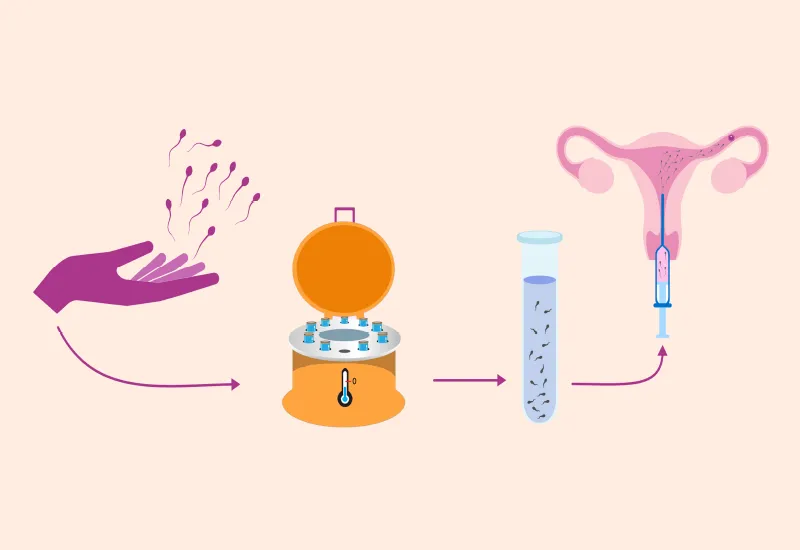
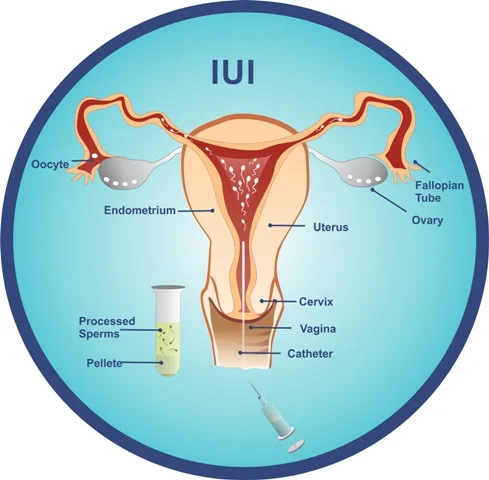
    illustration of the IUI process, showing sperm collection, preparation, and insertion into the uterus

    Fertility Coaches vs Traditional Therapy: Choosing the Best Approach for Your Fertility Needs

    Traditional therapy, also known as psychotherapy or counseling, is a form of mental health treatment that can help individuals and couples struggling with fertility issues. Therapists in this field have a broad range of training and may have experience working with clients on a variety of issues, including fertility struggles.

    Traditional therapy can help individuals and couples explore and address any underlying mental health concerns that may be impacting their fertility journey. These issues can include anxiety, depression, trauma, or relationship difficulties.

    One of the main benefits of traditional therapy is its focus on overall mental health and well-being. While fertility coaches may primarily focus on the fertility journey, traditional therapy can address a wide range of concerns that may be impacting an individual’s life. This can lead to improved overall mental health and coping strategies, which can be beneficial for the fertility journey as well.

    Choosing the Best Approach for Your Fertility Needs:

    When it comes to choosing between fertility coaches and traditional therapy, there is no right or wrong answer. It ultimately depends on your personal preferences and needs. However, there are a few factors to consider that can help you determine which approach may be best for you.

    For individuals who are primarily seeking guidance and support specifically related to their fertility journey, a fertility coach may be the best option. They can provide specialized knowledge, personalized support, and a deep understanding of the unique challenges of trying to conceive.

    On the other hand, if you are struggling with mental health concerns that may be impacting your fertility journey, traditional therapy may be a better fit. A therapist can help you address these concerns and develop coping strategies that can be beneficial for your overall well-being and the fertility journey.

    It’s also important to consider your budget and availability. Fertility coaches often charge for their services, while traditional therapy may be covered by insurance or offered at a lower cost. Additionally, fertility coaches may offer more flexible scheduling options, as they are not bound by the traditional therapy session structure.

    Ultimately, the most important factor is finding a supportive and trustworthy professional who can meet your specific needs and help you navigate the challenges of the fertility journey.

    In conclusion, both fertility coaches and traditional therapy can offer valuable support for individuals and couples struggling with fertility issues. While fertility coaches provide specialized knowledge and support for the fertility journey, traditional therapy can address a broader range of concerns that may be impacting an individual’s well-being. By considering your specific needs and preferences, you can determine which approach is best for you and find the support you need on your fertility journey.

  • Fertility Coaches: Nurturing Your Mind, Body, and Soul through the Fertility Journey

    Summary:

    The journey towards starting a family is an emotional and physically demanding process, especially for those struggling with fertility issues. In such a difficult and sensitive time, having a fertility coach by your side can make all the difference. Fertility coaches are trained professionals who provide support and guidance throughout the fertility journey, helping individuals and couples navigate the complex world of infertility. From addressing emotional and mental health concerns to implementing healthy lifestyle changes, fertility coaches offer a holistic approach to fertility, nurturing the mind, body, and soul. In this blog post, we will explore the role of fertility coaches and how they can support individuals and couples on their journey towards parenthood.

    Introduction:

    According to the World Health Organization, 1 in 4 couples worldwide experience fertility problems. The journey towards parenthood can be challenging and emotionally taxing for those struggling with infertility. The constant cycle of hope and disappointment, along with the physical and financial stress of fertility treatments, can take a toll on one’s mental and emotional well-being. This is where fertility coaches come in – to provide much-needed support and guidance during this difficult time.

    What is a Fertility Coach?

    A fertility coach is a trained professional who specializes in providing support and guidance to those struggling with infertility. They work closely with individuals and couples to help them navigate the complex world of fertility treatments while addressing underlying emotional and mental health concerns. Fertility coaches are not medical professionals, but they work in collaboration with fertility doctors and other healthcare providers to offer a holistic approach to fertility.

    Nurturing the Mind:

    The fertility journey can be emotionally draining, and it is essential to take care of one’s mental health during this time. Fertility coaches offer a safe and non-judgmental space for individuals and couples to express their feelings and emotions. They provide coping strategies and tools to manage stress, anxiety, and other mental health concerns that may arise during the fertility journey. Fertility coaches also help individuals and couples address any unresolved feelings or traumas related to infertility, which may be hindering their chances of conceiving.

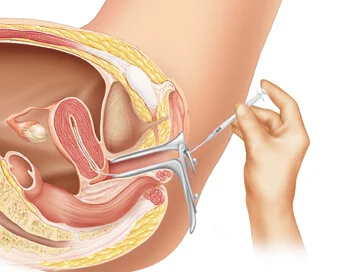
    illustration of intrauterine insemination procedure with a hand holding a speculum and syringe near the uterus

    Fertility Coaches: Nurturing Your Mind, Body, and Soul through the Fertility Journey

    Nurturing the Body:

    Fertility coaches also focus on nurturing the body through healthy lifestyle changes. They work with individuals and couples to develop personalized nutrition plans and exercise routines that support fertility and overall well-being. Fertility coaches also educate their clients about the impact of factors such as diet, exercise, and environmental toxins on fertility. They may also recommend alternative treatments such as acupuncture, yoga, or meditation to improve overall health and increase chances of conception.

    Nurturing the Soul:

    Infertility can take a toll on one’s spiritual well-being, and fertility coaches address this aspect as well. They help individuals and couples explore their beliefs and values and how they may be affecting their fertility journey. Fertility coaches also offer guidance on finding inner peace and acceptance, regardless of the outcome of fertility treatments. They may also incorporate relaxation techniques and mindfulness practices to help individuals and couples stay grounded and connected to their inner selves.

    Support throughout the Fertility Journey:

    Fertility coaches provide continuous support throughout the fertility journey. They are there to celebrate the highs and offer comfort during the lows. They also act as a liaison between their clients and the medical team, providing clarity and understanding of the treatments and procedures. Fertility coaches also offer practical advice and resources, such as support groups and online communities, for individuals and couples to connect with others going through a similar experience.

    Conclusion:

    The journey towards parenthood can be challenging, but having a fertility coach by your side can make all the difference. Fertility coaches offer a holistic approach to fertility, nurturing the mind, body, and soul. They provide support, guidance, and education to individuals and couples struggling with infertility, helping them navigate the complex world of fertility treatments. With their help, individuals and couples can feel empowered, supported, and emotionally prepared for the journey towards parenthood.

  • Fertility Coaching for Single Women: Addressing Unique Challenges and Providing Support

    Blog Post: Fertility Coaching for Single Women: Addressing Unique Challenges and Providing Support

    Being a single woman in today’s society has its own set of unique challenges and struggles. One of these challenges is the desire to have a child and start a family. While advancements in technology have made it possible for women to conceive and give birth without a partner, the journey to parenthood can still be overwhelming and daunting for single women. This is where fertility coaching for single women can play a crucial role in providing support and guidance.

    Fertility coaching is a relatively new field that focuses on helping women navigate the journey to motherhood. While traditional fertility coaching mainly focuses on couples struggling with infertility, there is a growing need for specialized support for single women. These women often face unique challenges and obstacles that require a different approach and perspective.

    One of the primary challenges for single women is the societal pressure to have a partner before starting a family. This pressure can lead to feelings of inadequacy and self-doubt, as well as a sense of urgency to find a partner quickly. Fertility coaches for single women understand these pressures and work with their clients to overcome them. They provide a safe and non-judgmental space for women to explore their options and make informed decisions about their fertility.

    Another significant challenge for single women is the financial burden of fertility treatments. Assisted reproductive technologies, such as IVF, can be costly and not always covered by insurance. Fertility coaches can help single women navigate the financial aspect of fertility treatments by providing resources and guidance on financing options and cost-saving strategies.

    Aside from the financial and societal challenges, single women also face emotional and psychological hurdles. The journey to motherhood can be isolating and emotionally draining, especially without a partner to share the experience with. Fertility coaches can provide much-needed emotional support and guidance to help single women cope with the ups and downs of fertility treatments. They can also connect their clients with support groups or other single women going through a similar journey, creating a sense of community and solidarity.

    A person administering an injection into their abdomen with a yellow pen-like device.

    Fertility Coaching for Single Women: Addressing Unique Challenges and Providing Support

    Fertility coaches for single women also play a crucial role in helping their clients navigate the legal aspects of parenthood. For single women using donor sperm or eggs, there are legal considerations that need to be addressed, such as parental rights and responsibilities. Fertility coaches can provide information and resources to help women understand their legal rights and protect their future family.

    Moreover, fertility coaches for single women can also offer practical guidance on alternative family-building options, such as adoption or surrogacy. These options can be overwhelming and confusing for single women, but with the help of a fertility coach, they can explore these options and make an informed decision that best suits their needs and desires.

    In addition to addressing these unique challenges, fertility coaching for single women also provides support in the form of education and resources. Fertility coaches can educate their clients about their reproductive health, fertility treatments, and options for building a family. They can also provide resources and referrals to fertility clinics, mental health professionals, and legal experts, creating a comprehensive support system for single women.

    One of the most significant benefits of fertility coaching for single women is the empowerment it provides. By working with a fertility coach, single women can take control of their fertility journey and make informed decisions that align with their values and goals. This empowerment can help women feel more confident and less alone in their journey to motherhood.

    In conclusion, fertility coaching for single women is a specialized and valuable form of support that addresses the unique challenges faced by single women on their journey to motherhood. It provides a safe and supportive space for women to explore their options, make informed decisions, and receive emotional and practical guidance. With the help of a fertility coach, single women can navigate the complexities of fertility treatments and alternative family-building options, empowering them to create the family they have always dreamed of.

    Summary: Fertility coaching for single women is a growing field that provides specialized support and guidance for single women on their journey to motherhood. It addresses the unique challenges faced by single women, such as societal pressure, financial burden, emotional and psychological hurdles, and legal considerations. Fertility coaches offer education, resources, and emotional support, empowering single women to make informed decisions and take control of their fertility journey.

  • Fertility Coaches: Your Partner in Advocating for Your Fertility Needs

    Summary:

    Fertility is a deeply personal and sensitive topic for many individuals and couples. The journey to building a family can be filled with challenges, emotions, and uncertainties. In such a complex and overwhelming process, having a fertility coach by your side can provide invaluable support and guidance. Fertility coaches are trained professionals who specialize in supporting individuals and couples through their fertility journey. They serve as advocates, educators, and emotional support systems for their clients. In this blog post, we will explore the role of fertility coaches and how they can be your partner in advocating for your fertility needs.

    What is a fertility coach?

    A fertility coach is a professional who provides guidance and support to individuals and couples struggling with fertility issues. They are experts in the field of reproductive health and are trained to provide evidence-based information and emotional support to their clients. Fertility coaches work closely with their clients to understand their unique needs, concerns, and goals. They are equipped with the knowledge and resources to help their clients navigate the complex world of fertility treatments, adoption, and surrogacy.

    How can a fertility coach help you?

    1. Advocating for your needs

    Fertility coaches are strong advocates for their clients. They work closely with fertility clinics, doctors, and other healthcare professionals to ensure that their clients receive the best possible care. They serve as a bridge between their clients and medical professionals, ensuring that their clients’ needs and concerns are heard and addressed. Fertility coaches also help their clients understand their treatment options and make informed decisions based on their personal goals and values.

    2. Emotional support

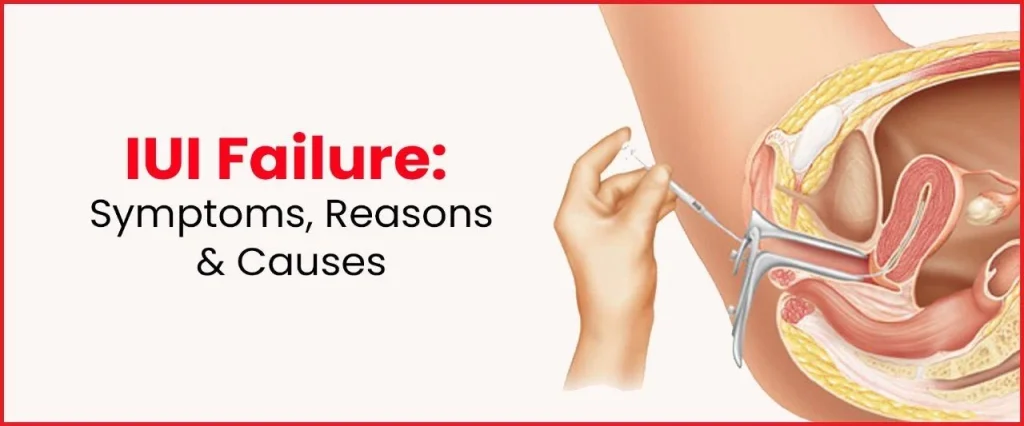
    illustration of IUI procedure with text on symptoms, reasons, and causes of IUI failure

    Fertility Coaches: Your Partner in Advocating for Your Fertility Needs

    Dealing with fertility challenges can take a toll on an individual’s emotional well-being. Fertility coaches provide a safe and non-judgmental space for their clients to express their feelings and concerns. They offer emotional support and coping strategies to help their clients navigate the ups and downs of their fertility journey. Fertility coaches also help their clients overcome any barriers to self-care and promote overall well-being.

    3. Education and resources

    The world of fertility treatments can be overwhelming and confusing. Fertility coaches are trained professionals who are up-to-date with the latest research and developments in the field of reproductive health. They provide their clients with evidence-based information and resources to help them make informed decisions about their fertility journey. Fertility coaches also offer educational workshops, webinars, and support groups to help their clients understand their options and feel empowered throughout the process.

    4. Personalized support

    No two fertility journeys are the same. Fertility coaches understand that each client has their own unique needs and goals. They offer personalized support to their clients, taking into consideration their individual circumstances, values, and preferences. Fertility coaches work closely with their clients to create a customized plan that meets their specific needs and helps them achieve their fertility goals.

    5. Support during pregnancy and postpartum

    Fertility coaches not only support their clients through the fertility treatment process but also during pregnancy and postpartum. They offer guidance and resources to help their clients have a healthy and successful pregnancy. Fertility coaches also provide support and tools to help new parents adjust to parenthood and navigate any challenges that may arise.

    In conclusion, fertility coaches can be a valuable partner in advocating for your fertility needs. They offer a wide range of services and support to help individuals and couples navigate their fertility journey with confidence, knowledge, and emotional well-being. If you are struggling with fertility issues, consider working with a fertility coach to have a knowledgeable and compassionate partner by your side.

  • Fertility Coaching for Couples: Navigating the Emotional and Practical Aspects of Fertility

    Fertility struggles can be a difficult and emotional journey for couples. Not only do they have to navigate the physical aspects of trying to conceive, but they also have to deal with the emotional toll it can take on their relationship. Fertility coaching has emerged as a valuable resource for couples going through this experience, offering support and guidance in both the practical and emotional aspects of fertility. In this blog post, we will discuss the benefits of fertility coaching for couples and how it can help them navigate the ups and downs of trying to conceive.

    First and foremost, it is important to understand what fertility coaching is and what it entails. Fertility coaching is a specialized form of coaching that focuses on helping couples through the process of trying to conceive. It is a personalized and holistic approach that addresses both the physical and emotional aspects of fertility. A fertility coach is trained and experienced in working with couples who are struggling with fertility issues. They provide support, guidance, and resources to help couples through their journey.

    One of the main benefits of fertility coaching is the emotional support it provides for couples. Going through fertility struggles can be a rollercoaster of emotions, and having a non-judgmental and understanding coach to talk to can make a significant difference. A fertility coach can provide a safe space for couples to express their fears, frustrations, and concerns without feeling judged. They can also offer coping mechanisms and tools to help couples navigate the emotional challenges of fertility.

    Moreover, fertility coaching can also help couples to better understand the practical aspects of fertility. Trying to conceive can be overwhelming, with many different factors to consider such as tracking ovulation, monitoring hormone levels, and understanding fertility treatments. A fertility coach can educate couples about their fertility and help them make informed decisions about their options. They can also provide resources and referrals to trusted medical professionals and fertility specialists.

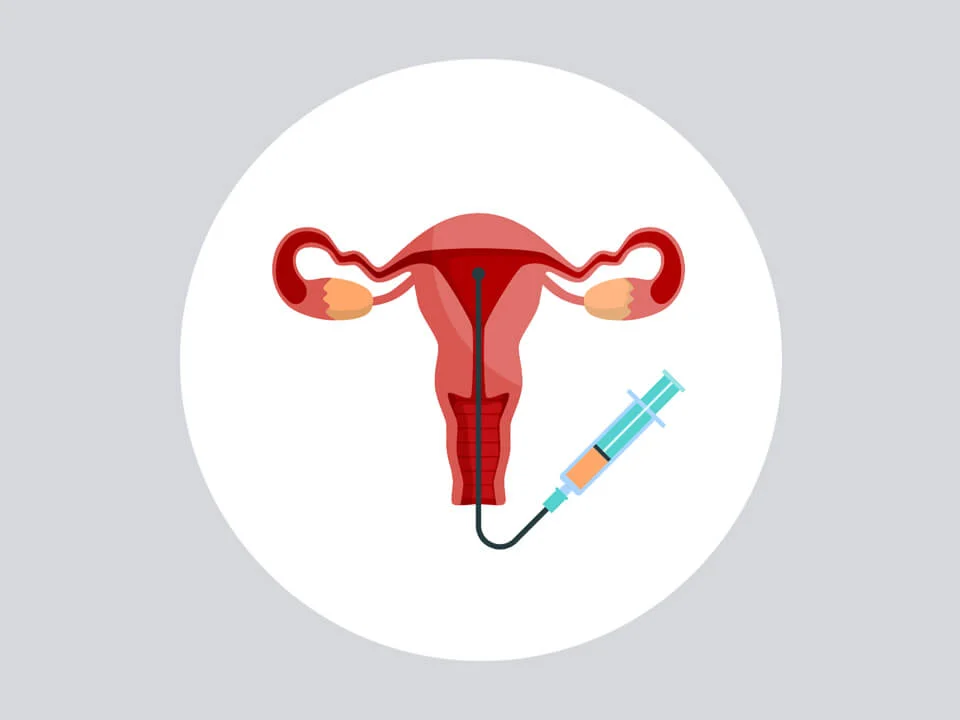
    Illustration of a uterus with a syringe, representing intrauterine insemination (IUI) procedure.

    Fertility Coaching for Couples: Navigating the Emotional and Practical Aspects of Fertility

    In addition, fertility coaching can help couples improve their overall well-being. The stress and anxiety of fertility struggles can take a toll on the physical and mental health of both partners. A fertility coach can help couples develop healthy coping mechanisms, such as relaxation techniques and self-care practices, to manage stress and improve their well-being. They can also provide guidance on nutrition, exercise, and other lifestyle changes that can positively impact fertility.

    Another benefit of fertility coaching is the support it provides for the partner who may not be directly experiencing fertility issues. Often, the focus is on the partner who is trying to conceive, but it is essential to recognize that the experience also affects the other partner. Fertility coaching can help both partners understand each other’s perspectives and provide tools to support each other through the journey.

    Fertility coaching can also help couples improve their relationship during this challenging time. The stress of fertility struggles can strain even the strongest of relationships. A fertility coach can work with couples to strengthen their communication, rebuild intimacy, and develop strategies to handle conflict. They can also provide support for couples who may be struggling with the decision to continue with fertility treatments or explore other options such as adoption or surrogacy.

    In summary, fertility coaching offers a unique and valuable support system for couples going through fertility struggles. It addresses both the emotional and practical aspects of fertility and provides personalized support and guidance. With the help of a fertility coach, couples can navigate the ups and downs of trying to conceive with less stress and more understanding, leading to a healthier and happier journey towards parenthood.

  • The Mindset for Motherhood: How Fertility Coaches Help Prepare Women for Pregnancy

    As women, we are often bombarded with societal expectations of what it means to be a mother. From a young age, we are taught to dream of having a family and raising children. But for many women, the journey to motherhood is not as simple as it may seem. Fertility struggles can take a toll on a woman’s mental and emotional well-being, making the dream of motherhood seem out of reach. This is where fertility coaches play a crucial role in helping women prepare for pregnancy. In this blog post, we will explore the mindset for motherhood and how fertility coaches assist women in navigating the journey towards becoming a mother.

    The mindset for motherhood is not just about wanting to have a child, but it also involves mental and emotional preparation for the physical and emotional demands of pregnancy and motherhood. Fertility coaches understand the importance of a positive mindset and work with women to cultivate a healthy and empowering outlook towards motherhood.

    One of the main ways fertility coaches help prepare women for pregnancy is by addressing any underlying fears or anxieties they may have. The fear of not being able to conceive or carry a child to term can be overwhelming for many women. Fertility coaches provide a safe and non-judgmental space for women to express their fears and concerns. Through open and honest communication, coaches help women confront and overcome these fears, allowing them to approach pregnancy with a more positive mindset.

    Another crucial aspect of the mindset for motherhood is self-care. Women often prioritize taking care of others before themselves, especially when trying to conceive. However, fertility coaches emphasize the importance of self-care and encourage women to prioritize their physical, mental, and emotional well-being. This may include incorporating healthy habits such as regular exercise, a balanced diet, and stress management techniques into their daily routine. By prioritizing self-care, women can prepare their bodies and minds for pregnancy and motherhood.

    illustration of IUI procedure with text on symptoms, reasons, and causes of IUI failure

    The Mindset for Motherhood: How Fertility Coaches Help Prepare Women for Pregnancy

    Fertility coaches also work with women to identify and eliminate any negative thoughts or beliefs that may be hindering their fertility journey. These could be beliefs such as “I am not worthy of becoming a mother,” or “I am not capable of carrying a child.” These negative thoughts can create self-doubt and affect a woman’s ability to conceive. By helping women reframe these thoughts and replace them with positive affirmations, fertility coaches can help women cultivate a more optimistic mindset towards motherhood.

    In addition to addressing fears and promoting self-care, fertility coaches also assist women in developing a support system. The journey towards motherhood can be emotionally and physically draining, and it is essential to have a strong support system in place. Fertility coaches can help women identify and connect with other women who are going through similar experiences. This creates a sense of community and provides a safe space for women to share their thoughts and feelings. Having a support system can also help women feel less alone and more empowered to face any challenges that may arise during their fertility journey.

    Lastly, fertility coaches help women prepare for the unexpected. While we may have a specific plan or timeline in mind for starting a family, life often has other plans. Fertility coaches work with women to develop coping strategies and techniques to deal with any unexpected outcomes or setbacks. This allows women to approach their fertility journey with a more flexible and resilient mindset.

    In conclusion, the mindset for motherhood is crucial for women who are trying to conceive. Fertility coaches play a significant role in helping women prepare for pregnancy by addressing fears, promoting self-care, identifying and reframing negative thoughts, developing a support system, and preparing for the unexpected. By working with a fertility coach, women can cultivate a positive mindset that not only prepares them for pregnancy but also for the challenges and joys of motherhood.

    In summary, fertility coaches help women prepare for pregnancy by addressing fears, promoting self-care, reframing negative thoughts, developing a support system, and preparing for the unexpected. By cultivating a positive mindset, women can approach motherhood with confidence and resilience. Fertility coaches provide vital support and guidance to women on their fertility journey, making the dream of motherhood more achievable for all.

  • Fertility Coaches and Counselors: Collaborating for a Well-Rounded Approach to Fertility

    Fertility struggles can be emotionally and physically draining for individuals and couples trying to conceive. Many turn to fertility coaches and counselors for support and guidance on their journey. While these two roles may seem similar, they each offer unique perspectives and expertise that can greatly benefit those struggling with fertility. By collaborating and working together, fertility coaches and counselors can provide a well-rounded approach to fertility that addresses both the mind and body, ultimately leading to a more positive and successful fertility experience.

    Fertility coaches are trained professionals who specialize in supporting individuals and couples through their fertility journey. They offer guidance and resources to help clients navigate the emotional and practical aspects of fertility, such as coping with the stress and anxiety of trying to conceive and making decisions about treatments and options. Fertility coaches also provide a supportive and non-judgmental space for clients to express their feelings and concerns.

    On the other hand, fertility counselors are mental health professionals who have a deep understanding of the psychological and emotional impacts of fertility struggles. They help clients work through any underlying issues that may be contributing to their fertility challenges, such as anxiety, depression, or past traumas. Fertility counselors also provide tools and techniques for managing stress and improving overall emotional well-being, which can have a significant impact on fertility outcomes.

    While fertility coaches and counselors have different areas of expertise, they both play crucial roles in supporting individuals and couples through their fertility journey. By working together, they can provide a more holistic approach that addresses both the physical and emotional aspects of fertility.

    One of the key benefits of collaborating with both a fertility coach and counselor is the ability to address any underlying emotional or psychological barriers to fertility. Many people may not realize the impact that stress, mental health issues, or past traumas can have on their fertility. By working with a fertility counselor, clients can identify and work through these issues, which can improve their overall emotional well-being and increase their chances of conception.

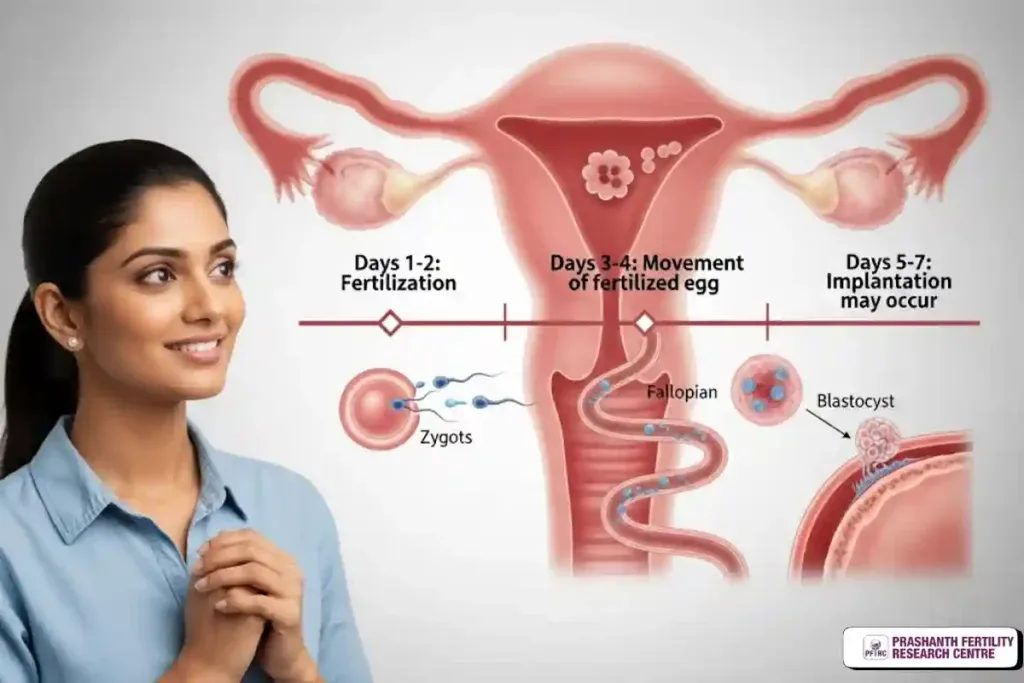
    Illustration showing fertilization and implantation timeline with a woman looking hopeful.

    Fertility Coaches and Counselors: Collaborating for a Well-Rounded Approach to Fertility

    Fertility coaches can also play a vital role in helping clients manage the stress and anxiety that often comes with trying to conceive. They can provide practical tools and techniques for coping with the emotional rollercoaster of fertility, such as mindfulness practices, relaxation techniques, and self-care strategies. By incorporating these techniques into their daily lives, clients can reduce stress and improve their overall mental and emotional health, which can have a positive impact on their fertility journey.

    Another benefit of collaborating with both a fertility coach and counselor is the personalized support and guidance they can offer. Fertility coaches can work closely with clients to create a customized plan that addresses their specific needs and concerns. This may include recommendations for lifestyle changes, support groups, or alternative therapies that can complement their medical treatments. Meanwhile, fertility counselors can provide individualized therapy sessions to help clients work through any emotional or psychological challenges they may be facing.

    Collaborating with both a fertility coach and counselor can also help clients feel more empowered and in control of their fertility journey. With the support and guidance of these professionals, clients can gain a better understanding of their options and make informed decisions about their fertility treatments. This can lead to a more positive and proactive approach to fertility, which can have a significant impact on their overall experience.

    In addition to working together, fertility coaches and counselors also have the opportunity to learn from each other and enhance their own skills and knowledge. By collaborating, they can share insights, resources, and best practices, which can ultimately benefit their clients. This collaborative approach also helps to break down any stigma or shame that may be associated with fertility struggles, as it highlights the importance of addressing both the physical and emotional aspects of fertility.

    In conclusion, fertility coaches and counselors play distinct but complementary roles in supporting individuals and couples through their fertility journey. By collaborating and working together, they can provide a well-rounded approach that addresses both the mind and body, ultimately leading to a more positive and successful fertility experience. By recognizing the importance of this collaboration, individuals and couples can benefit from a more holistic and empowering approach to fertility.

  • Fertility Counseling for Couples: Strengthening Relationships During the Fertility Journey

    Blog Post: Fertility Counseling for Couples: Strengthening Relationships During the Fertility Journey

    The journey to parenthood is an exciting and joyous experience for many couples. However, for some, it can be a challenging and emotionally draining journey. Dealing with fertility issues can cause significant stress and strain on a relationship, leading to feelings of isolation, resentment, and even shame. This is where fertility counseling for couples can play a crucial role in strengthening relationships and providing emotional support during the fertility journey.

    What is Fertility Counseling?

    Fertility counseling is a specialized form of therapy that focuses on the emotional and psychological aspects of fertility and the journey to parenthood. It involves working with a licensed therapist who has experience in helping couples navigate the challenges of fertility issues. Fertility counseling can take place in individual or group sessions, and it can also be incorporated into couples therapy sessions.

    Why is Fertility Counseling Important for Couples?

    The fertility journey can be a rollercoaster of emotions for couples. It involves a range of physical, emotional, and financial challenges that can put a strain on the relationship. Research has shown that couples dealing with fertility issues are more likely to experience higher levels of stress, depression, and anxiety compared to those who do not face these challenges. This is where fertility counseling can be beneficial for couples.

    Provides a Safe Space to Share Feelings

    Fertility counseling provides a safe and non-judgmental space for couples to share their feelings and concerns about their fertility journey. It allows both partners to express their emotions and concerns without fear of hurting each other’s feelings or damaging the relationship. This safe space can help couples to communicate better, leading to a deeper understanding of each other’s emotions and experiences.

    Addresses Relationship Issues

    diagram illustrating intrauterine insemination (IUI) with labeled reproductive anatomy and procedures

    Fertility Counseling for Couples: Strengthening Relationships During the Fertility Journey

    Fertility issues can put a strain on even the strongest of relationships. It can lead to feelings of resentment, blame, and guilt, which can create tension and distance between partners. Fertility counseling can help couples address these issues and work towards building a stronger and healthier relationship. Through therapy, couples can identify and address any underlying relationship issues, such as communication problems or unresolved conflicts, that may be contributing to their fertility struggles.

    Coping with Emotional Distress

    The fertility journey can be emotionally distressing for both partners. Women may experience feelings of guilt, failure, and loss of control, while men may struggle with feelings of inadequacy and helplessness. Fertility counseling can help couples cope with these intense emotions and provide them with the tools to manage them effectively. Therapists can offer coping strategies, such as relaxation techniques and stress management techniques, to help couples navigate the emotional challenges of the fertility journey.

    Support during Treatment

    Fertility treatment can be physically and emotionally demanding for couples. The constant appointments, medications, and procedures can take a toll on both partners. Fertility counseling can provide much-needed emotional support during this time. Therapists can help couples manage the stress and anxiety associated with treatment and provide them with coping strategies to help them through the process.

    Strengthening the Relationship

    The fertility journey can be a difficult and stressful time for couples, but it can also be an opportunity to strengthen their relationship. Fertility counseling can help couples navigate the challenges and build a stronger, more resilient relationship. Through therapy, couples can learn effective communication skills, develop a deeper understanding of each other’s needs, and build a stronger sense of teamwork and support.

    In conclusion, fertility counseling can play a crucial role in helping couples navigate the challenges of the fertility journey. It provides a safe space for couples to share their feelings, addresses relationship issues, and offers support during treatment. Additionally, fertility counseling can help couples build a stronger and healthier relationship, which can ultimately improve their chances of success on their journey to parenthood.

    Summary:

    Fertility counseling is a specialized form of therapy that focuses on the emotional and psychological aspects of fertility and the journey to parenthood. It provides a safe space for couples to share their feelings, addresses relationship issues, and offers support during treatment. Additionally, fertility counseling can help couples build a stronger and healthier relationship, which can ultimately improve their chances of success on their journey to parenthood.

  • Fertility Coaches: Empowering Women to Take Charge of Their Reproductive Health

    Fertility is a topic that is often discussed in hushed tones and kept behind closed doors. For many women, the journey to becoming a mother can be filled with challenges, uncertainties, and even disappointment. However, with the help of fertility coaches, women are starting to take charge of their reproductive health and feel empowered in their fertility journey.

    What is a Fertility Coach?

    A fertility coach is a trained professional who specializes in supporting women on their fertility journey. These coaches use a combination of holistic and evidence-based approaches to help women optimize their reproductive health and navigate the emotional and physical challenges that come with trying to conceive. Fertility coaches are not medical professionals, but they work in close collaboration with doctors, nutritionists, and other healthcare practitioners to provide a comprehensive approach to fertility support.

    Empowering Women Through Education

    One of the key roles of a fertility coach is to educate women about their reproductive health. Many women are not fully aware of the complexities of their menstrual cycle and how it relates to their fertility. Fertility coaches help women understand their unique cycle, identify any potential issues, and make informed decisions about their fertility journey. By understanding their bodies and the various factors that can impact fertility, women are empowered to take control of their reproductive health.

    Supporting Women Emotionally

    Trying to conceive can take an emotional toll on women, especially when they face challenges along the way. Fertility coaches provide a safe and supportive space for women to express their feelings, fears, and frustrations. Through active listening and empathy, coaches help women navigate the rollercoaster of emotions that come with trying to conceive. They also provide coping strategies and tools to help women manage stress and anxiety, which can have a significant impact on fertility.

    Illustration of the IUI process, showing a syringe and catheter in the reproductive system.

    Fertility Coaches: Empowering Women to Take Charge of Their Reproductive Health

    Creating a Personalized Plan for Fertility

    Every woman’s fertility journey is unique, and there is no one-size-fits-all approach to improving reproductive health. Fertility coaches work closely with women to create personalized plans that address their specific needs and concerns. This may include recommendations for lifestyle changes, such as diet and exercise, as well as alternative therapies like acupuncture and herbal supplements. By taking a holistic approach, fertility coaches aim to optimize a woman’s overall health and well-being, which can positively impact fertility.

    Advocating for Self-Care

    In today’s fast-paced world, many women put their own needs and well-being on the backburner. However, when it comes to fertility, self-care is crucial. Fertility coaches emphasize the importance of self-care and provide strategies for women to prioritize their own health and wellness. This may include setting boundaries, practicing mindfulness, and incorporating self-care activities into daily routines. By prioritizing self-care, women can improve their overall health and fertility while also reducing stress and promoting a positive mindset.

    Navigating the Fertility Journey

    The journey to motherhood is not always a straightforward path. Fertility coaches are there to support women through the ups and downs, providing guidance and encouragement along the way. They help women navigate fertility treatments, manage expectations, and make informed decisions about their fertility journey. With their support, women can feel empowered to take control of their reproductive health and make choices that align with their values and goals.

    In conclusion, fertility coaches play a crucial role in empowering women to take charge of their reproductive health. Through education, emotional support, personalized plans, and advocacy for self-care, these coaches help women navigate the challenges of trying to conceive and feel empowered in their fertility journey. With their guidance and support, women are empowered to make informed decisions about their reproductive health and ultimately achieve their dream of becoming a mother.

  • Fertility Counseling for Men: Addressing the Emotional Impact of Infertility

    Blog Post Title: Fertility Counseling for Men: Addressing the Emotional Impact of Infertility

    Summary:

    Infertility is a difficult and emotionally taxing experience for couples, and it can be particularly hard on men. While much of the focus in fertility counseling is on the woman, it is important to recognize that men also experience a great deal of stress, anxiety, and sadness when facing infertility issues. In this blog post, we will explore the emotional impact of infertility on men and the role of fertility counseling in addressing these challenges.

    Firstly, it is important to acknowledge that men are often overlooked when it comes to fertility issues. The cultural expectation for men to be strong and stoic can make it difficult for them to express their feelings and seek help. However, the reality is that infertility can have a profound effect on men’s mental health, self-esteem, and relationships. Men may feel a sense of failure or inadequacy, which can lead to feelings of guilt, shame, and even depression.

    One of the main benefits of fertility counseling for men is that it provides a safe and non-judgmental space for them to express their emotions and concerns. It allows men to break free from the societal expectations and talk openly about their struggles with infertility. A trained counselor can help men explore their feelings and learn coping strategies to navigate the ups and downs of the fertility journey.

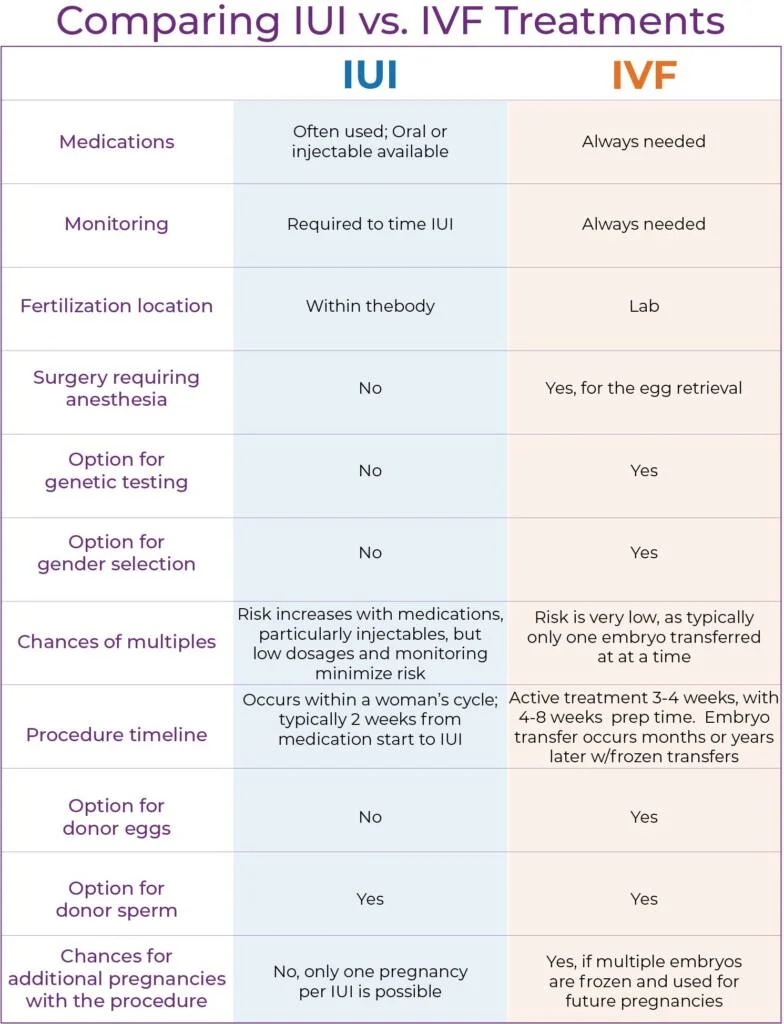
    Comparison chart of IUI and IVF treatments, detailing medications, monitoring, procedures, and success rates.

    Fertility Counseling for Men: Addressing the Emotional Impact of Infertility

    Another crucial aspect of fertility counseling for men is addressing the impact of infertility on relationships. Infertility can put a strain on even the strongest of relationships, and it is not uncommon for couples to experience conflict and distance during this time. Fertility counseling can help men and their partners communicate effectively and understand each other’s perspectives. It also provides a platform to discuss the changes in their intimate and sexual lives, which can be affected by fertility treatments and procedures.

    Furthermore, fertility counseling can also help men deal with the stress and anxiety that often accompany the fertility journey. The uncertainty and pressure of trying to conceive can be overwhelming, and men may struggle with feelings of helplessness and loss of control. A therapist can teach men relaxation techniques and mindfulness practices to manage their stress levels and improve their overall well-being.

    It is also essential to address the impact of infertility on men’s self-esteem. Society often equates masculinity with virility and fatherhood, which can make men feel inadequate and emasculated when facing infertility. Fertility counseling can help men work through these feelings and find ways to rebuild their self-confidence and sense of masculinity.

    Lastly, fertility counseling can also provide support and guidance for men when making difficult decisions related to fertility treatments. Men may feel pressured to make decisions quickly and may be unsure about what is best for them and their partner. A therapist can provide a safe space for men to discuss their options, weigh the pros and cons, and make informed decisions that align with their values and goals.

    In conclusion, infertility can have a profound emotional impact on men, and fertility counseling can play a crucial role in addressing these challenges. It provides a safe and supportive environment for men to express their feelings, improve their relationships, manage stress and anxiety, boost their self-esteem, and make informed decisions. By recognizing the importance of addressing men’s emotional needs in fertility counseling, we can better support couples on their fertility journey and help them cope with the challenges of infertility.