Tag: yoga

  • The Mind-Body Connection: How Fertility Yoga Helps with Conception

    The Mind-Body Connection: How Fertility Yoga Helps with Conception

    The journey to conception can be a challenging and emotional one for many couples. While there are medical treatments and interventions available, there is also a growing interest in alternative methods such as fertility yoga. This ancient practice combines physical movements, breathing techniques, and meditation to create a mind-body connection that can support and enhance fertility. In this blog post, we will explore the mind-body connection and how fertility yoga can help with conception.

    Understanding the Mind-Body Connection

    The mind-body connection refers to the interdependent relationship between our thoughts, emotions, and physical health. It is the idea that our mental and emotional states can have a significant impact on our physical well-being. This connection works both ways, as our physical state can also affect our mental and emotional state.

    When it comes to fertility, the mind-body connection is particularly important. The stress and anxiety that often accompany the struggle to conceive can have a negative impact on a woman’s reproductive system. These emotions can disrupt hormonal balance, ovulation, and even implantation of a fertilized egg. On the other hand, a calm and relaxed state of mind can promote a healthy reproductive system and increase the chances of conception.

    How Fertility Yoga Can Help

    Fertility yoga is a specific type of yoga that focuses on poses and breathing techniques that support reproductive health. It is designed to create a balance between the mind and body, promoting relaxation, and reducing stress and anxiety. Here are some ways in which fertility yoga can help with conception:

    1. Reducing Stress and Anxiety: Fertility yoga combines physical movements with deep breathing and meditation, which can help to calm the mind and reduce stress and anxiety. This is especially beneficial for women who are undergoing fertility treatments or are constantly worried about their ability to conceive. By reducing stress levels, fertility yoga can help to balance hormones and improve the chances of conception.

    2. Improving Blood Flow: Certain poses in fertility yoga, such as the butterfly pose and the legs-up-the-wall pose, can increase blood flow to the reproductive organs. This can improve the health of the ovaries and uterus, as well as increase the chances of successful implantation.

    3. Regulating Hormones: The practice of fertility yoga involves specific breathing techniques that can help to regulate hormones. This is particularly beneficial for women with hormonal imbalances, such as Polycystic Ovary Syndrome (PCOS), which can make it difficult to conceive.
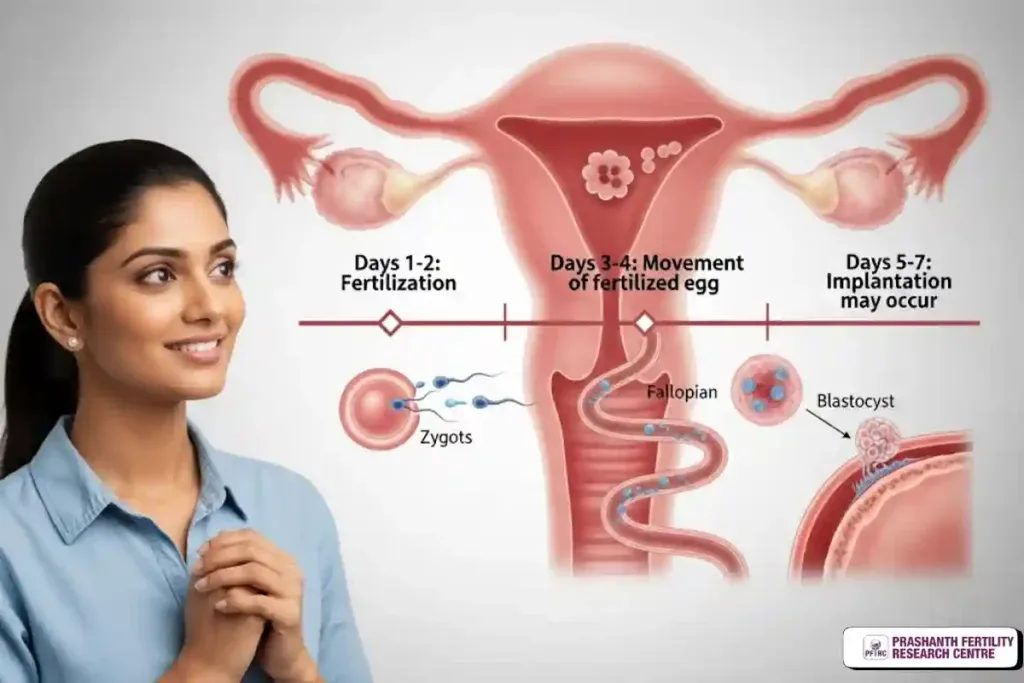
    Illustration showing fertilization and implantation timeline with a woman looking hopeful.

    The Mind-Body Connection: How Fertility Yoga Helps with Conception

    4. Strengthening the Pelvic Floor: Many fertility yoga poses focus on strengthening the pelvic floor muscles. This can improve the health of the reproductive organs, as well as support the body during pregnancy and childbirth.

    5. Creating a Positive Mindset: The mind-body connection is all about creating a positive mindset, which is crucial when trying to conceive. Fertility yoga can help to shift negative thoughts and emotions to a more positive and hopeful state, which can have a significant impact on a woman’s ability to conceive.

    In addition to these benefits, fertility yoga can also improve overall physical health, reduce inflammation, and boost the immune system, all of which can contribute to a healthier reproductive system.

    How to Incorporate Fertility Yoga into Your Routine

    If you are interested in trying fertility yoga to help with conception, here are some tips for incorporating it into your routine:

    1. Find a Certified Instructor: It is essential to find a certified fertility yoga instructor who has experience working with women trying to conceive. They will be able to guide you through the poses and breathing techniques that are most beneficial for fertility.

    2. Practice Regularly: Consistency is key when it comes to fertility yoga. Aim to practice at least three times a week to experience the full benefits.

    3. Combine with Other Techniques: Fertility yoga can be combined with other relaxation techniques such as acupuncture, massage, and meditation to create a more comprehensive mind-body approach to fertility.

    4. Listen to Your Body: It is essential to listen to your body and not push yourself too hard. If a pose feels uncomfortable or painful, modify it or skip it altogether.

    In summary, the mind-body connection is a crucial aspect of fertility, and fertility yoga offers a natural and holistic approach to support and enhance this connection. By reducing stress and anxiety, improving blood flow and hormone balance, and creating a positive mindset, fertility yoga can be a valuable tool for couples trying to conceive. With its many benefits for both the mind and body, fertility yoga is definitely worth considering on your journey to parenthood.

  • Fertility Yoga: A Holistic Approach to Boosting Your Chances of Pregnancy

    Fertility Yoga: A Holistic Approach to Boosting Your Chances of Pregnancy

    For many couples, starting a family is a dream come true. However, for some, the journey to pregnancy can be a challenging and emotional one. From fertility treatments to hormone therapy, many options exist to help couples conceive. But what if there was a more natural and holistic approach to boosting fertility? Enter fertility yoga – a gentle and mindful practice that can not only increase your chances of conception but also provide numerous other benefits for your mind, body, and spirit.

    What is fertility yoga?

    Fertility yoga is a specialized form of yoga that focuses on the physical, emotional, and mental aspects of fertility. It combines gentle yoga poses, breathing techniques, and mindfulness practices to help balance hormones, reduce stress, and create a supportive environment for conception. This holistic approach to fertility recognizes the mind-body connection and aims to create a sense of harmony within the body to promote optimal reproductive health.

    How does it work?

    Fertility yoga works by targeting specific areas of the body that are essential for reproductive health. These include the reproductive organs, endocrine system, and nervous system. By incorporating gentle stretches and poses, fertility yoga can help improve blood flow to the reproductive organs, balance hormones, and reduce tension and stress in the body. It also promotes relaxation and mindfulness, which can be crucial for couples struggling with the emotional toll of fertility challenges.

    Benefits of fertility yoga

    1. Regulates hormones

    Hormonal imbalances can be a significant obstacle for couples trying to conceive. Fertility yoga can help regulate hormones by stimulating the endocrine system and promoting hormonal balance. The gentle stretches and poses also help to reduce stress, a known cause of hormonal imbalances.

    2. Increases blood flow to the reproductive organs

    Proper blood flow to the reproductive organs is crucial for optimal reproductive health. Fertility yoga poses, such as the butterfly pose and cobra pose, can help improve blood circulation to the pelvic area, which can increase the chances of conception.

    3. Reduces stress and anxiety

    Stress and anxiety can have a significant impact on fertility, with studies showing that high levels of stress can affect hormone levels and decrease the chances of conception. Fertility yoga incorporates breathing techniques and mindfulness practices that can help reduce stress and promote relaxation, creating a more conducive environment for conception.

    4. Improves overall physical and mental well-being

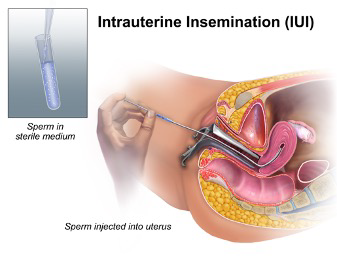
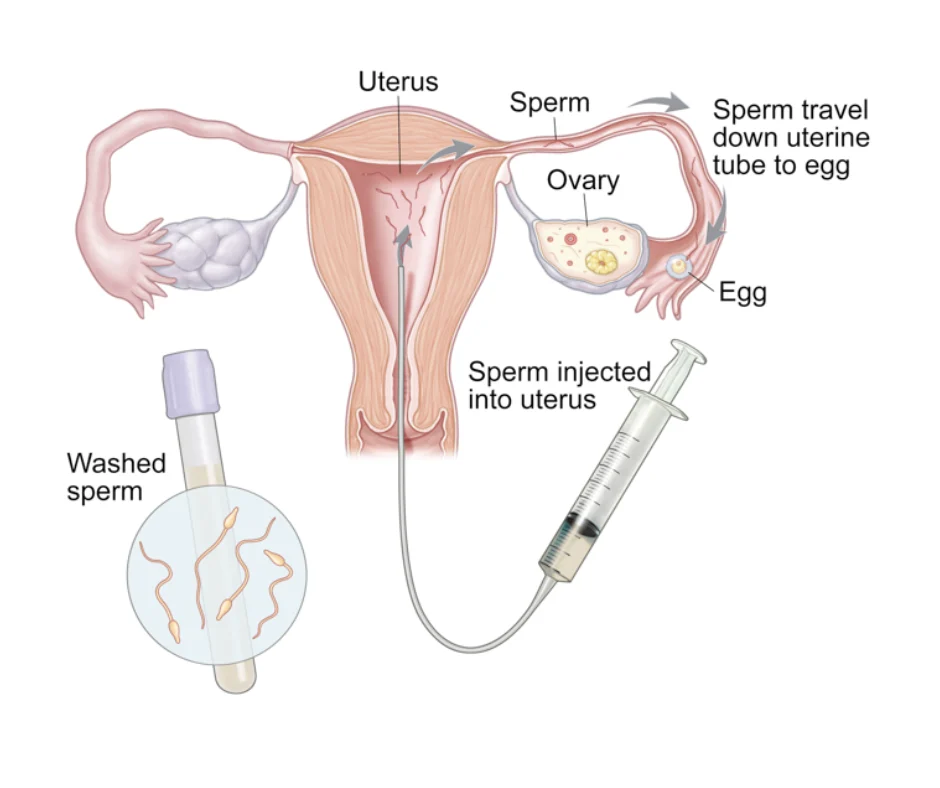
    diagram illustrating intrauterine insemination process, showing sperm injection into the uterus and egg fertilization pathway

    Fertility Yoga: A Holistic Approach to Boosting Your Chances of Pregnancy

    Beyond its fertility-boosting benefits, fertility yoga can also improve overall physical and mental well-being. It can help increase flexibility, strength, and balance, as well as enhance mood, reduce fatigue, and promote a sense of calm and inner peace.

    5. Provides support and community

    Trying to conceive can often feel like a lonely and isolating journey. Fertility yoga classes provide a supportive and understanding community of individuals who are also on their fertility journey. This sense of connection and support can be incredibly beneficial for couples struggling with fertility challenges.

    How to get started with fertility yoga

    If you are interested in trying fertility yoga, here are some tips to help you get started:

    1. Find a certified fertility yoga instructor

    It is essential to find a certified fertility yoga instructor who has experience working with individuals and couples trying to conceive. They will understand the specific needs and challenges of fertility and can tailor the practice to meet your needs.

    2. Choose a gentle and mindful practice

    Fertility yoga should be gentle and mindful, focusing on relaxation and creating a sense of balance and harmony in the body. Avoid intense and strenuous poses and opt for slower and more mindful movements.

    3. Practice regularly

    Like any form of exercise, consistency is key. Aim to practice fertility yoga at least three times a week to see the most significant benefits. You can also incorporate some of the breathing and mindfulness practices into your daily routine for added support.

    4. Listen to your body

    It is crucial to listen to your body and do what feels comfortable for you. If a particular pose or movement feels uncomfortable or painful, do not push yourself to do it. Fertility yoga is about creating a supportive and nurturing environment for your body, not pushing it beyond its limits.

    In conclusion, fertility yoga is a holistic approach to boosting your chances of pregnancy. By targeting the physical, emotional, and mental aspects of fertility, this gentle and mindful practice can regulate hormones, improve blood flow to the reproductive organs, reduce stress and anxiety, and improve overall physical and mental well-being. It also provides a supportive and understanding community for individuals and couples on their fertility journey. If you are considering trying fertility yoga, remember to find a certified instructor, choose a gentle practice, practice regularly, and listen to your body. With consistency and patience, fertility yoga can be a valuable tool in your journey towards parenthood.

  • Yoga for Fertility: How It Differs from Traditional Workouts

    Blog Post:

    For many couples struggling with fertility issues, the journey to parenthood can be a long and emotional one. In addition to seeking medical treatments and alternative therapies, many couples also turn to exercise as a way to improve their chances of conceiving. While traditional workouts can provide numerous physical and mental benefits, there is a specific type of exercise that is gaining popularity among those trying to conceive – yoga for fertility. In this blog post, we will explore the ways in which yoga differs from traditional workouts and how it can support fertility.

    Yoga is an ancient practice that combines physical postures, breathing techniques, and meditation to create a sense of balance and harmony in the body and mind. It has been used for centuries to promote overall health and wellbeing, and in recent years, it has also gained recognition for its potential benefits in supporting fertility.

    So, how does yoga differ from traditional workouts when it comes to fertility?

    Attending to the Mind-Body Connection

    One of the key ways in which yoga differs from traditional workouts is its emphasis on the mind-body connection. In traditional workouts, the focus is often on physical strength and endurance, with less attention paid to the mind and its role in overall health. However, in yoga, the mind and body are seen as interconnected, and the practice aims to bring balance and harmony to both.

    When it comes to fertility, stress and anxiety can have a significant impact on a couple’s ability to conceive. The body’s stress response can disrupt hormonal balance and affect reproductive functions. By practicing yoga, individuals can learn to tune into their bodies and become more aware of their thoughts and emotions. This increased awareness can help reduce stress and promote relaxation, which can be beneficial for fertility.

    Stimulating the Reproductive Organs

    Another way in which yoga differs from traditional workouts is its focus on specific poses and techniques that can stimulate the reproductive organs. In traditional workouts, the focus is primarily on building muscle and improving cardiovascular health. While these are important for overall wellbeing, they may not directly target the reproductive system.

    Cost breakdown for IUI components, including requirements, impacts, and alternatives.

    Yoga for Fertility: How It Differs from Traditional Workouts

    Yoga, on the other hand, has a variety of poses and techniques that specifically target the reproductive organs. For example, poses like the Butterfly Pose and the Reclining Bound Angle Pose can help increase blood flow to the pelvic area and stimulate the ovaries and uterus. These poses also help release tension in the hips and pelvis, which can improve the alignment of the reproductive organs.

    Promoting Hormonal Balance

    Hormonal imbalances can be a significant factor in fertility issues for both men and women. In traditional workouts, the focus is often on intense and high-impact exercises, which can increase cortisol (stress hormone) levels in the body. This, in turn, can disrupt hormonal balance and affect fertility.

    Yoga, on the other hand, is a low-impact exercise that focuses on slow and controlled movements, deep breathing, and relaxation. This can help reduce cortisol levels and promote the production of other hormones, such as estrogen and progesterone, which are crucial for fertility.

    Supporting Emotional Wellbeing

    Trying to conceive can take a toll on one’s emotional wellbeing, with feelings of frustration, disappointment, and stress being common. Traditional workouts may not address these emotions, and in some cases, intense and high-impact exercises may even increase them.

    Yoga, however, has a strong focus on mindfulness and meditation, which can help individuals cope with the emotional challenges of fertility. By practicing yoga, individuals can learn to manage their thoughts and emotions, reduce stress and anxiety, and cultivate a more positive mindset. This can be beneficial not only for fertility but also for overall mental health and wellbeing.

    Summary:

    Yoga for fertility differs from traditional workouts in several ways. Unlike traditional workouts, yoga focuses on the mind-body connection and aims to bring balance and harmony to both. It also includes specific poses and techniques that can stimulate the reproductive organs, promote hormonal balance, and support emotional wellbeing. By attending to the mind, body, and emotions, yoga can be a valuable tool for couples trying to conceive.

  • The Benefits of Fertility Yoga: A Comparison to Traditional Exercise

    BLOG POST:

    Fertility issues can be a difficult and emotional journey for many individuals and couples. While there are various medical treatments and procedures available, many are turning to alternative methods such as fertility yoga to help improve their chances of conceiving. Fertility yoga is a specialized form of yoga that focuses on poses and movements specifically designed to support reproductive health and enhance fertility. In this blog post, we will explore the benefits of fertility yoga and compare it to traditional exercise.

    First, let’s discuss the physical benefits of fertility yoga. Like traditional exercise, fertility yoga can improve overall physical health by increasing strength, flexibility, and stamina. However, what sets fertility yoga apart is its focus on the reproductive system. The practice includes specific poses and sequences that target the pelvic region, stimulating blood flow and increasing oxygen and nutrients to the reproductive organs. This can help regulate hormones and improve the function of the ovaries and uterus, ultimately improving fertility.

    Another major benefit of fertility yoga is its ability to reduce stress and promote relaxation. The journey towards parenthood can be incredibly stressful, and stress is known to have a negative impact on fertility. Fertility yoga incorporates breathing techniques and meditation, which can help calm the mind and reduce stress levels. This, in turn, can balance hormone levels and improve fertility.

    In addition to the physical and mental benefits, fertility yoga also has a spiritual aspect that can be beneficial for those trying to conceive. The practice of yoga focuses on connecting the mind, body, and spirit, allowing individuals to tune in to their inner selves and let go of any emotional blockages that may be hindering fertility. This can help individuals feel more positive and empowered, creating a sense of hope and optimism for their fertility journey.

    Now, let’s compare fertility yoga to traditional exercise. Traditional exercises such as running, weightlifting, and cycling are great for overall physical health and can also have a positive impact on fertility. However, these exercises tend to be more high-impact and can put a lot of stress on the body, especially for women who are trying to conceive. Fertility yoga, on the other hand, is a low-impact form of exercise that is gentle on the body. This makes it suitable for individuals who may have injuries or conditions that prevent them from doing more strenuous exercises.

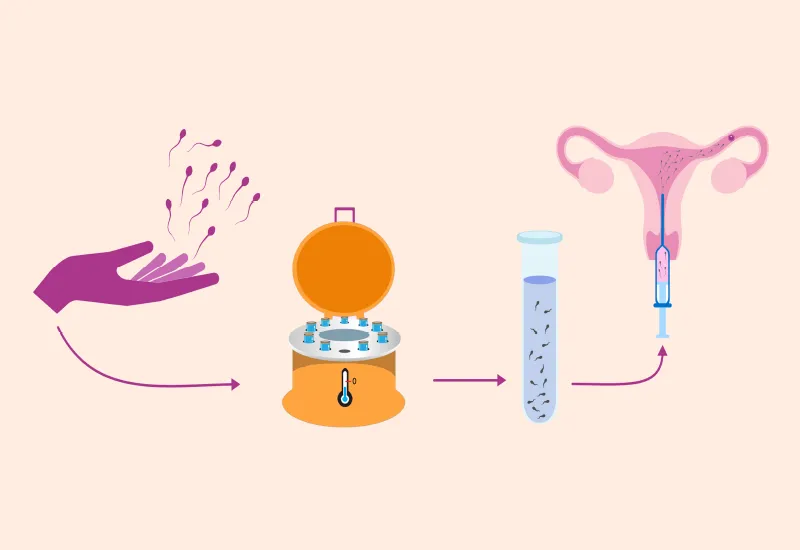
    illustration of the IUI process, showing sperm collection, preparation, and insertion into the uterus

    The Benefits of Fertility Yoga: A Comparison to Traditional Exercise

    Furthermore, traditional exercise can sometimes be monotonous and repetitive. Fertility yoga, on the other hand, offers a variety of poses and sequences that can keep the practice interesting and engaging. This can be especially beneficial for those going through the emotional rollercoaster of fertility treatments, as it provides a sense of mindfulness and relaxation.

    Additionally, fertility yoga is a holistic approach to fertility that takes into account the mind, body, and spirit, whereas traditional exercise primarily focuses on the physical aspect. By incorporating breathing techniques, meditation, and a spiritual connection, fertility yoga can address the emotional and psychological aspects of fertility, which can have a significant impact on conception.

    It is also worth mentioning that fertility yoga can be done together with traditional exercise. In fact, many individuals and couples who are trying to conceive find that a combination of both can be highly beneficial. While traditional exercise can provide a good workout and improve overall physical health, fertility yoga can offer a more specialized approach to support reproductive health and enhance fertility.

    In conclusion, fertility yoga offers a unique and effective way to support fertility and improve overall well-being. Its focus on the reproductive system, along with its ability to reduce stress and promote relaxation, make it a valuable tool for individuals and couples trying to conceive. By incorporating fertility yoga into their daily routine, individuals can not only improve their chances of conceiving but also find a sense of balance and harmony in their fertility journey.

    SUMMARY:

    This blog post discussed the benefits of fertility yoga and compared it to traditional exercise. Fertility yoga offers physical benefits such as improved reproductive function and hormone balance, as well as mental benefits such as stress reduction and spiritual connection. Compared to traditional exercise, fertility yoga is low-impact, holistic, and can be done in combination with other exercises. By incorporating fertility yoga into their routine, individuals can improve their chances of conceiving and find a sense of balance and harmony in their fertility journey.

    SEO metadata:

  • Natural Remedies for Male and Female Factor Infertility: Separating Fact from Fiction

    Natural Remedies for Male and Female Factor Infertility: Separating Fact from Fiction

    Infertility is a condition that affects millions of couples worldwide. According to the World Health Organization, one in every four couples in developing countries experiences infertility problems. In the United States alone, around 10% to 15% of couples struggle with infertility. While there are various causes of infertility, male and female factor infertility are the most common.

    Male factor infertility refers to infertility problems caused by issues with the male reproductive system, such as low sperm count, abnormal sperm shape, or difficulty with ejaculation. On the other hand, female factor infertility is caused by problems with the female reproductive system, including hormonal imbalances, ovulation disorders, and blocked fallopian tubes.

    The struggle to conceive can be emotionally and financially draining for couples, leading them to search for alternative treatments such as natural remedies. However, with so much information available on the internet, it can be challenging to separate fact from fiction when it comes to natural remedies for male and female factor infertility. In this blog post, we will examine some of the most popular natural remedies for infertility and determine their effectiveness based on scientific evidence.

    1. Acupuncture

    Acupuncture is a traditional Chinese medicine practice that involves inserting thin needles into specific points on the body to improve energy flow. It is believed that acupuncture can help treat infertility by increasing blood flow to the reproductive organs and balancing hormones.

    Studies have shown mixed results when it comes to acupuncture and infertility. Some studies have found a positive association between acupuncture and improved fertility, while others have found no significant difference compared to a placebo treatment. However, acupuncture is generally considered safe and may be worth trying as a complementary therapy for infertility.

    2. Herbal Supplements

    Herbal supplements have been used for centuries to treat various health conditions, including infertility. Some of the most commonly used herbs for infertility include chasteberry, maca root, and ginseng. These herbs are believed to help regulate hormones and improve reproductive health.

    While there is some evidence that these herbs may have positive effects on fertility, more research is needed to determine their effectiveness. It is also important to note that herbal supplements can interact with prescription medications, so it is crucial to consult with a healthcare professional before taking them.

    3. Yoga

    Yoga is a mind-body practice that combines physical postures, breathing techniques, and meditation. It has been shown to have numerous health benefits, including reducing stress, improving flexibility and strength, and promoting overall well-being. Some studies have also suggested that yoga may improve fertility by reducing stress and balancing hormones.

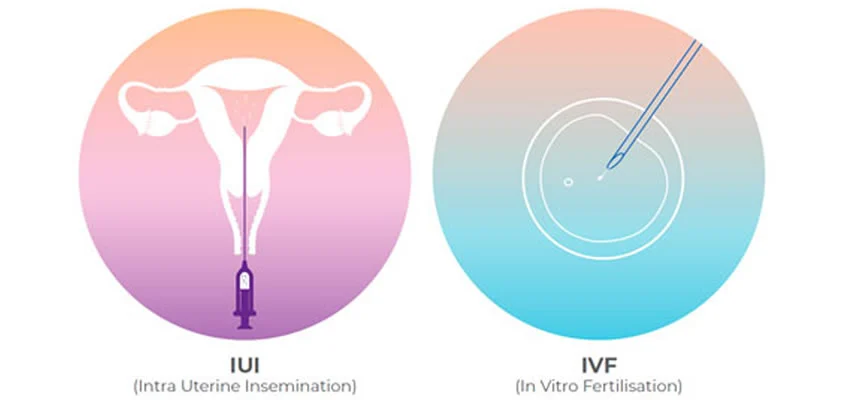
    comparison of IUI and IVF procedures illustrated with simple graphics and labels

    Natural Remedies for Male and Female Factor Infertility: Separating Fact from Fiction

    However, the evidence on the effectiveness of yoga for infertility is limited, and more research is needed. Nevertheless, incorporating yoga into your daily routine can have a positive impact on your physical and mental health, which may indirectly improve your chances of conceiving.

    4. Nutrition and Diet

    The foods we eat can have a significant impact on our overall health, including our reproductive health. Some studies have shown that a diet rich in antioxidants, healthy fats, and plant-based proteins may improve fertility. Antioxidants, in particular, have been found to improve sperm quality and protect eggs from damage.

    It is essential to maintain a healthy and balanced diet to support overall reproductive health. However, there is no specific diet that has been proven to be effective in treating infertility. Consult with a registered dietitian to develop a personalized nutrition plan that can help improve your fertility.

    5. Stress Management

    Stress is a common factor in infertility, and it can affect both male and female fertility. High levels of stress can disrupt hormone levels, affect sperm production, and disrupt the menstrual cycle. Therefore, finding ways to manage stress can have a positive impact on fertility.

    Some effective stress management techniques include meditation, deep breathing, and exercise. It is also crucial to seek support from your partner, friends, or a therapist to help cope with the emotional toll of infertility.

    Separating Fact from Fiction

    While some natural remedies may have a positive impact on fertility, it is crucial to understand that they are not a miracle cure and may not work for everyone. It is essential to discuss any natural remedies with your healthcare provider before trying them, as some may interfere with fertility treatments or have potential side effects.

    It is also essential to keep in mind that natural remedies should not be used as a replacement for medical treatment. If you are struggling with infertility, it is crucial to seek guidance from a fertility specialist who can provide evidence-based treatments tailored to your specific needs.

    In conclusion, infertility is a complex issue, and there is no one-size-fits-all solution. While natural remedies may have some benefits, it is essential to approach them with caution and consult with a healthcare professional. Remember to take care of your overall health, both physically and mentally, and seek professional help if you are struggling to conceive.

    Summary:

    Infertility is a common condition that affects many couples worldwide, and male and female factor infertility are the most common causes. While there are various natural remedies for infertility, it is crucial to separate fact from fiction and consult with a healthcare professional before trying them. Some of the most popular natural remedies for infertility include acupuncture, herbal supplements, yoga, nutrition and diet, and stress management techniques. However, more research is needed to determine their effectiveness, and they should not be used as a replacement for medical treatment.

  • The Role of Yoga in Holistic Fertility Treatments

    Blog Post:

    Infertility is a common and often devastating issue for many couples. With modern medicine constantly advancing, there are now many options available for those struggling with fertility. One option that has gained popularity in recent years is holistic fertility treatments, which take a more natural approach to addressing fertility issues. One aspect of holistic fertility treatments that has shown promising results is the incorporation of yoga. In this blog post, we will explore the role of yoga in holistic fertility treatments and how it can benefit those trying to conceive.

    What is Holistic Fertility Treatment?

    Holistic fertility treatments take a mind, body, and spirit approach to treating fertility issues. This means that not only are the physical aspects of fertility addressed, but also the emotional and mental well-being of the individual. Holistic treatments focus on improving overall health and well-being, rather than just treating the symptoms of infertility. This approach recognizes that fertility is affected by various factors, including stress, diet, and lifestyle habits.

    The Role of Yoga in Holistic Fertility Treatment

    Yoga is an ancient practice that combines physical postures, breathing techniques, and meditation to promote overall well-being. It has been used for thousands of years to improve physical, mental, and emotional health. In the context of fertility, yoga can be a powerful tool to help address the underlying causes of infertility and improve the chances of conception.

    Stress Reduction

    Stress is a major factor that can contribute to fertility issues. When the body is under stress, it releases the hormone cortisol, which can interfere with the production of reproductive hormones. This can disrupt the menstrual cycle and make it difficult to conceive. Yoga has been shown to be effective in reducing stress levels and promoting relaxation. By practicing yoga regularly, individuals can learn to manage stress and reduce its negative effects on the body.

    Improve Hormonal Balance

    illustration of the IUI process, showing sperm collection, preparation, and insertion into the uterus

    The Role of Yoga in Holistic Fertility Treatments

    Hormonal imbalances can also be a contributing factor to fertility issues. Certain yoga poses and breathing techniques can stimulate the endocrine glands, which are responsible for producing hormones. By practicing these poses and techniques, individuals can help regulate their hormones and improve their chances of conception.

    Increase Blood Flow to the Reproductive Organs

    Yoga poses, such as the downward facing dog and the bridge pose, can increase blood flow to the reproductive organs. This increased blood flow can help nourish the reproductive organs and improve their function. In addition, some poses can also help release tension and improve the alignment of the pelvis, which can be beneficial for those with conditions such as endometriosis or PCOS.

    Enhance Emotional Well-being

    Infertility can take a toll on an individual’s emotional well-being. The stress, anxiety, and disappointment that come with trying to conceive can be overwhelming. Yoga, with its focus on mindfulness and self-awareness, can help individuals cope with these emotions and improve their mental well-being. In addition, the physical activity and release of endorphins during a yoga practice can also improve mood and reduce symptoms of depression.

    Promote a Healthy Lifestyle

    Yoga is not just about physical poses; it also promotes a healthy lifestyle. A regular yoga practice can encourage individuals to make healthier choices, such as eating a balanced diet and getting enough sleep. These healthy habits can contribute to overall well-being and increase the chances of conceiving.

    Summary:

    Holistic fertility treatments take a mind, body, and spirit approach to treating fertility issues. One aspect of holistic treatments that has shown promising results is the incorporation of yoga. Yoga can help reduce stress, improve hormonal balance, increase blood flow to reproductive organs, enhance emotional well-being, and promote a healthy lifestyle. By addressing these various factors, yoga can play a significant role in improving fertility and increasing the chances of conception.

  • Beyond IVF: Exploring Alternative Male and Female Infertility Treatments

    Beyond IVF: Exploring Alternative Male and Female Infertility Treatments

    Infertility can be a devastating diagnosis for couples hoping to start a family. In the past, the primary treatment option for infertility has been in vitro fertilization (IVF). While IVF has helped countless couples achieve pregnancy, it is not the only option available. In fact, there are many alternative treatments for both male and female infertility that are worth exploring. In this blog post, we will discuss some of the alternative treatments and approaches to fertility and how they can help couples struggling to conceive.

    Female Infertility Treatments:

    1. Acupuncture: Acupuncture has been used for centuries to treat various health conditions, including infertility. This traditional Chinese medicine practice involves the insertion of thin needles into specific points on the body to stimulate energy flow. Studies have shown that acupuncture can help regulate menstrual cycles and improve fertility in women. It can also help reduce stress and anxiety, which can have a negative impact on fertility.

    2. Herbal Remedies: Herbal remedies have been used for centuries to treat various health conditions, including infertility. Certain herbs such as red clover, raspberry leaf, and chasteberry have been found to have beneficial effects on female fertility. These herbs can help regulate hormones, improve egg quality, and increase blood flow to the reproductive organs.

    3. Nutritional Therapy: Nutrition plays a crucial role in fertility. A balanced and healthy diet can help regulate hormones, improve egg quality, and increase the chances of conception. Nutritional therapy involves working with a registered dietitian or nutritionist to develop a personalized diet plan that can help improve fertility.

    4. Yoga: Yoga is a mind-body practice that has been found to have many benefits for women struggling with infertility. It can help reduce stress, improve blood flow to the reproductive organs, and balance hormones. Certain yoga poses, such as the butterfly pose and the cobra pose, can specifically target the reproductive organs and improve their function.

    Male Infertility Treatments:

    1. Chinese Herbal Medicine: Chinese herbal medicine has been used for centuries to treat male infertility. Certain herbs, such as ginseng and horny goat weed, have been found to have positive effects on sperm count, motility, and morphology. These herbs can also help improve blood flow to the reproductive organs and increase testosterone levels.

    diagram illustrating intrauterine insemination process, showing sperm injection into the uterus and egg fertilization pathway

    Beyond IVF: Exploring Alternative Male and Female Infertility Treatments

    2. Nutritional Supplements: Nutritional supplements can help improve male fertility by providing the body with essential vitamins and minerals. Supplements such as CoQ10, vitamin C, and zinc have been found to have positive effects on sperm quality and quantity.

    3. Stress Management: Stress can have a negative impact on male fertility. High levels of stress can lead to hormonal imbalances, reduced sperm count, and decreased sperm motility. Stress management techniques such as meditation, deep breathing, and exercise can help reduce stress and improve fertility.

    4. Chiropractic Care: Chiropractic care can help improve male fertility by correcting any misalignments in the spine that may be affecting the nerves responsible for reproductive function. Studies have shown that chiropractic care can help improve sperm quality and quantity.

    Alternative Approaches to Fertility:

    1. Mind-Body Therapies: Mind-body therapies, such as hypnotherapy and cognitive-behavioral therapy, can help improve fertility by reducing stress and anxiety. These therapies can also help couples address any underlying emotional issues that may be affecting their fertility.

    2. Functional Medicine: Functional medicine takes a holistic approach to fertility by looking at the body as a whole and addressing any underlying imbalances that may be affecting fertility. This approach involves conducting comprehensive lab tests to identify any nutritional deficiencies, hormonal imbalances, or other health issues that may be contributing to infertility.

    3. Assisted Reproductive Techniques: While IVF is the most well-known assisted reproductive technique, there are other options available, such as intrauterine insemination (IUI) and intracytoplasmic sperm injection (ICSI). These techniques can help couples with specific fertility issues, such as low sperm count or blocked fallopian tubes.

    4. Adoption: For couples who have exhausted all other options, adoption can be a beautiful way to start a family. While it may not be a traditional treatment for infertility, adoption can bring immense joy and fulfillment to couples struggling to conceive.

    In conclusion, while IVF has been the go-to treatment for infertility, there are many alternative treatments and approaches that can also help couples achieve their dream of starting a family. From acupuncture and herbal remedies to functional medicine and adoption, there are options available for both male and female infertility. It is important for couples to explore all their options and find the treatment that best suits their needs and circumstances.

  • The Benefits of a Holistic Fertility Plan: Combining Western and Eastern Methods

    Summary:

    The journey to parenthood can be a challenging one, and many couples struggle with fertility issues. While Western medicine offers a variety of treatments and interventions, more and more people are turning to a holistic approach to fertility. By combining Western and Eastern methods, individuals can address the physical, emotional, and spiritual aspects of fertility for a more comprehensive and effective approach. In this blog post, we will explore the benefits of a holistic fertility plan and how it can help couples increase their chances of conceiving.

    Firstly, let’s define what we mean by a holistic fertility plan. This approach takes into consideration all aspects of a person’s health, including their physical, mental, emotional, and spiritual well-being. It recognizes that fertility is not just a physical issue, but also a reflection of one’s overall health and lifestyle. By addressing the root causes of fertility issues, rather than just treating the symptoms, a holistic fertility plan can improve a person’s chances of conceiving and having a healthy pregnancy.

    One of the key benefits of a holistic fertility plan is its focus on overall health and wellness. This approach acknowledges that fertility is affected by various factors, such as stress, diet, and lifestyle choices. By incorporating healthy habits and practices, such as regular exercise, a balanced diet, and stress management techniques, individuals can improve their overall health and increase their chances of conceiving. In contrast, Western medicine often focuses solely on treating the reproductive system, without addressing the underlying issues that may be contributing to fertility problems.

    Another advantage of a holistic fertility plan is its integration of Eastern medicine practices, such as yoga and acupuncture. These ancient healing modalities have been used for centuries to promote fertility and balance the body’s energy. Yoga, for example, can help improve blood flow to the reproductive organs and reduce stress, while acupuncture can regulate hormones and improve overall reproductive health. Combining these practices with Western treatments can provide a more well-rounded approach to fertility.

    Illustration of intrauterine insemination (IUI) procedure, showing sperm injection into the uterus.

    The Benefits of a Holistic Fertility Plan: Combining Western and Eastern Methods

    Moreover, a holistic fertility plan also takes into account the emotional and spiritual aspects of fertility. The emotional toll of struggling with fertility issues can be significant, and many couples experience stress, anxiety, and even depression during this time. A holistic approach offers support and resources for managing these emotions, such as therapy, support groups, and meditation. Additionally, it recognizes the importance of maintaining a positive mindset and creating a nurturing and supportive environment for conception to occur.

    One of the most significant benefits of a holistic fertility plan is its individualized approach. Each person’s body and fertility journey are unique, and a one-size-fits-all approach may not be effective. A holistic approach takes into account a person’s specific needs and creates a personalized plan that addresses their mind, body, and spirit. This approach can be especially helpful for individuals who have not had success with traditional Western treatments.

    Furthermore, a holistic fertility plan can also improve the success rates of Western fertility treatments. Studies have shown that incorporating yoga, acupuncture, and other holistic practices into IVF treatments can increase the chances of success. These methods can help reduce stress, improve blood flow to the uterus, and balance hormones, creating a more optimal environment for conception to occur.

    In conclusion, a holistic fertility plan offers a more comprehensive and personalized approach to addressing fertility issues. By combining Western and Eastern methods, it takes into account all aspects of a person’s health and aims to address the root causes of fertility problems. This approach can improve overall health and well-being, increase the chances of conception, and support individuals emotionally and spiritually on their fertility journey.

    Metadata:

  • Mind-Body Practices to Boost Fertility Naturally

    Blog Post:

    Fertility is a topic that affects many couples and individuals around the world. While there are various medical treatments and interventions available, some people may prefer to explore natural and holistic approaches to boost their fertility. One such approach is the use of mind-body practices, which focus on the connection between the mind and body to promote overall health and well-being. In this blog post, we will explore some of the most effective mind-body practices to boost fertility naturally.

    1. Yoga and Meditation:

    Yoga and meditation are ancient practices that have gained popularity in recent years for their numerous health benefits. When it comes to fertility, these practices can be especially helpful as they help to reduce stress and promote relaxation. High levels of stress can have a negative impact on fertility by disrupting hormone levels and ovulation. By incorporating yoga and meditation into your daily routine, you can lower your stress levels and create a sense of calm and balance in your mind and body. Additionally, certain yoga poses, such as the butterfly pose and the legs-up-the-wall pose, can stimulate blood flow to the reproductive organs and improve their functioning.

    2. Acupuncture:

    Acupuncture is a traditional Chinese medicine practice that involves the insertion of thin needles into specific points of the body. It has been used for centuries to treat various health conditions, including infertility. Acupuncture works by stimulating the nervous system and releasing hormones that can regulate the menstrual cycle and improve the quality of eggs. It can also help to reduce stress and promote relaxation, making it an effective mind-body practice for boosting fertility.

    3. Ayurveda:

    Ayurveda is a holistic health system that originated in India and has been used for thousands of years. According to Ayurvedic principles, fertility is influenced by a person’s physical, mental, and emotional well-being. Therefore, Ayurvedic treatments for infertility focus on balancing the body and mind through diet, herbs, and lifestyle modifications. This can include incorporating fertility-boosting foods and herbs, such as ashwagandha and shatavari, into your diet, as well as practicing self-care and stress-reducing techniques.

    4. Massage Therapy:

    Illustration of IUI procedure with uterus and syringe against a DNA background.

    Mind-Body Practices to Boost Fertility Naturally

    Massage therapy can be a relaxing and effective way to boost fertility naturally. It works by improving blood flow and reducing tension in the muscles, which can help to improve the function of the reproductive organs. Additionally, certain massage techniques, such as abdominal massage, can help to break up scar tissue and adhesions that may be hindering fertility. Massage therapy can also promote relaxation and reduce stress, making it a beneficial mind-body practice for those trying to conceive.

    5. Mindfulness:

    Mindfulness is a practice that involves being fully present in the moment and becoming aware of your thoughts and emotions. It can be helpful for fertility as it allows you to become more in tune with your body and its needs. By practicing mindfulness, you can better manage stress and negative emotions that may be affecting your fertility. It can also help you to identify and address any underlying emotional issues that may be contributing to infertility.

    6. Visualization and Affirmations:

    The power of the mind is a powerful tool, and visualization and affirmations can be effective mind-body practices for boosting fertility. Visualization involves creating a mental image of the desired outcome, in this case, getting pregnant. By regularly visualizing yourself becoming pregnant and holding a baby in your arms, you can create a positive mindset and belief that it will happen. Affirmations, on the other hand, involve repeating positive statements to yourself, such as “I am fertile and capable of conceiving,” to reinforce this belief and eliminate any negative thoughts or doubts.

    7. Chiropractic Care:

    Chiropractic care is a form of alternative medicine that focuses on the alignment of the spine and nervous system. It can be beneficial for fertility as it can help to balance hormones and improve the function of the reproductive organs. Chiropractors also use techniques to reduce stress and promote relaxation, which can be helpful for those trying to conceive.

    Summary:

    Boosting fertility naturally can be achieved through the use of mind-body practices. These practices, such as yoga, meditation, acupuncture, Ayurveda, massage therapy, mindfulness, visualization and affirmations, and chiropractic care, focus on the connection between the mind and body to promote overall health and well-being. By incorporating these practices into your daily routine, you can reduce stress, improve hormone balance, and create a positive and fertile mindset.

  • The Top 5 Natural Fertility Boosters Recommended by Experts

    Blog Post Title: The Top 5 Natural Fertility Boosters Recommended by Experts

    Introduction:
    When trying to conceive, many couples turn to fertility treatments or medications without considering the natural options available. However, experts believe that incorporating natural fertility boosters into your routine can greatly improve your chances of conceiving. In this blog post, we will discuss the top 5 natural fertility boosters recommended by experts.

    1. Maca Root:
    Maca root is a popular fertility booster that has been used for centuries by the indigenous people of Peru. This root is rich in vitamins, minerals, and nutrients that can help balance hormones, increase libido, and improve overall reproductive health. Research has shown that regular consumption of maca root can improve sperm count and motility, regulate menstrual cycles, and increase the chances of ovulation in women.

    2. Royal Jelly:
    Royal jelly is a nutrient-rich substance produced by honeybees and is often referred to as “nature’s fertility superfood”. This jelly is rich in vitamins, minerals, proteins, and amino acids that can help increase fertility in both men and women. It is believed to improve sperm quality and quantity, regulate ovulation, and enhance the overall reproductive health of women. Royal jelly can be consumed in its natural form or in supplement form.

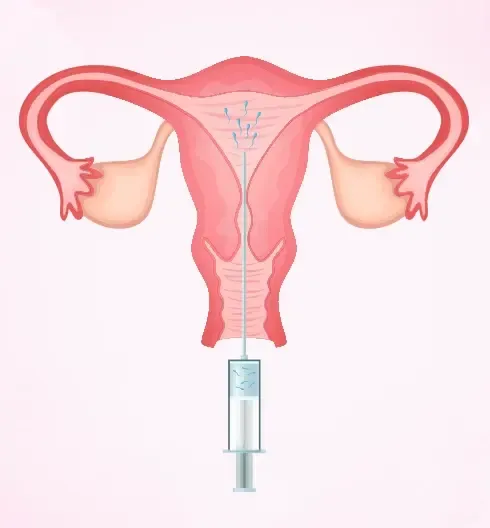
    Illustration of a uterus with a syringe indicating an intrauterine insemination procedure.

    The Top 5 Natural Fertility Boosters Recommended by Experts

    3. Acupuncture:
    Acupuncture is an ancient Chinese practice that involves inserting thin needles into specific points on the body. It is believed to improve the flow of energy, or qi, throughout the body and stimulate the reproductive organs. Studies have shown that acupuncture can help improve sperm quality and motility, regulate menstrual cycles, and reduce stress, which is a major factor in infertility.

    4. Yoga:
    Yoga is a mind-body practice that combines physical postures, breathing techniques, and meditation. It has been found to be beneficial for improving fertility in both men and women. Certain yoga poses can help increase blood flow to the reproductive organs, balance hormones, and reduce stress. Additionally, yoga can also improve overall physical and mental well-being, which can have a positive impact on fertility.

    5. Adaptogenic Herbs:
    Adaptogenic herbs, such as ashwagandha, maca, and holy basil, have been used for centuries in traditional medicine to improve fertility. These herbs work by helping the body adapt to stress, balancing hormones, and improving overall reproductive health. Research has shown that ashwagandha can help improve sperm quality and quantity, while holy basil can help regulate ovulation and balance hormones in women.

    Summary:
    When trying to conceive, it is important to consider natural fertility boosters as a safe and effective option. Maca root, royal jelly, acupuncture, yoga, and adaptogenic herbs are all recommended by experts for their ability to improve fertility in both men and women. These natural methods work by balancing hormones, improving reproductive health, and reducing stress. Incorporating these natural fertility boosters into your routine can greatly increase your chances of conceiving.