Tag: Fertility Treatments

  • The Ethics of Egg Retrieval vs Egg Sharing

    The Ethics of Egg Retrieval vs Egg Sharing: Understanding the Moral Dilemmas and Complexities

    Egg donation and fertility treatments have become increasingly common in recent years, with more and more people turning to these options to fulfill their dreams of starting a family. However, with this rise in demand, there has also been a growing debate about the ethics of egg retrieval and egg sharing. On one hand, there are those who argue that women have the right to make decisions about their own bodies and should be compensated for their eggs. On the other hand, there are concerns about exploitation and the commodification of human life. In this blog post, we will delve into the moral dilemmas and complexities surrounding egg retrieval and egg sharing, and explore the various ethical considerations that come into play.

    The Basics of Egg Retrieval and Egg Sharing

    Before we dive into the ethical issues, let’s first understand what egg retrieval and egg sharing are. Egg retrieval, also known as egg harvesting, is the process of extracting eggs from a woman’s ovaries for the purpose of assisted reproduction. This can be done for a variety of reasons, such as in-vitro fertilization (IVF) or egg freezing. Egg sharing, on the other hand, involves a woman who has undergone egg retrieval sharing her eggs with another individual or couple who are struggling with fertility. This allows the recipient(s) to use the donated eggs for their own fertility treatments.

    The Ethics of Egg Retrieval

    One of the main ethical concerns surrounding egg retrieval is the potential exploitation of women. Some argue that offering financial compensation for egg donation can be seen as a form of coercion, especially for those who are in need of money. This raises questions about whether women are truly making a free and informed decision to donate their eggs, or if they are being influenced by financial incentives.

    Moreover, there are concerns about the potential physical and psychological risks of egg retrieval. The procedure itself can be invasive and carries the risk of complications, such as infection or ovarian hyperstimulation syndrome. Additionally, some studies have shown that egg donors may experience anxiety, depression, and other emotional distress after the procedure. It is important to consider whether these risks are fully explained to women before they make the decision to donate their eggs.
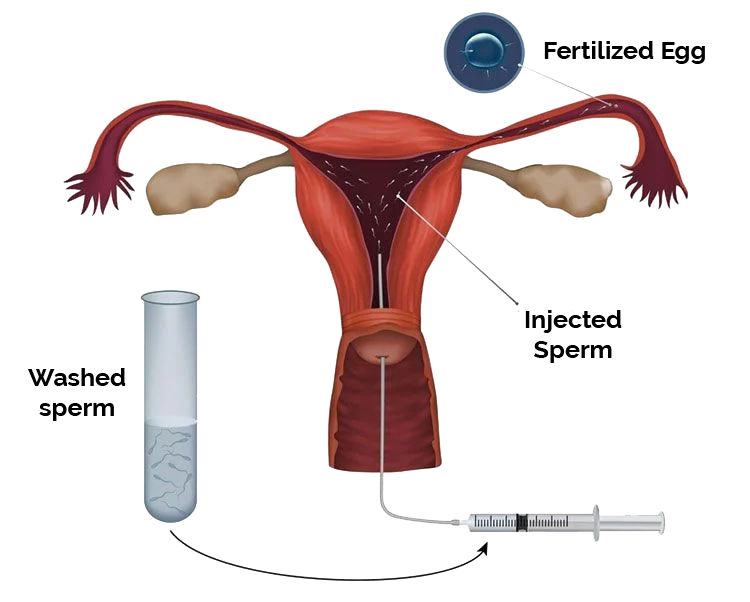
    diagram of the female reproductive system with an IUI syringe and test tube for artificial insemination

    The Ethics of Egg Retrieval vs Egg Sharing

    The Ethics of Egg Sharing

    Unlike egg retrieval, egg sharing involves a voluntary decision by the donor to share her eggs with another individual or couple. However, there are still ethical considerations to be made. One of the main concerns is the potential commodification of human life. By allowing individuals to purchase or “rent” eggs, some argue that it reduces the value of human life and turns it into a commodity. There are also concerns about the potential exploitation of the recipient(s) who may feel pressured to accept eggs from a donor in order to increase their chances of conceiving.

    Another ethical issue with egg sharing is the potential for genetic relationships to be formed without the knowledge or consent of all parties involved. In some cases, donors may remain anonymous, and the children conceived from their eggs may never know their biological origins. This raises questions about the rights of the child to know their genetic history and the implications this may have on their sense of identity.

    Finding a Balance: Ethical Guidelines for Egg Retrieval and Egg Sharing

    Given the various ethical concerns surrounding egg retrieval and egg sharing, it is clear that there is a need for ethical guidelines to ensure the well-being and autonomy of all parties involved. In the United States, the American Society for Reproductive Medicine (ASRM) has established guidelines for both egg retrieval and egg sharing. These guidelines include limits on the amount of compensation that donors can receive, as well as requirements for informed consent and thorough medical and psychological screenings for both donors and recipients.

    In addition to these guidelines, it is important for individuals and couples considering egg retrieval or egg sharing to carefully consider their own values and beliefs, as well as the potential risks and implications of these procedures. Open and honest communication between all parties involved is also crucial in ensuring that everyone’s rights and well-being are respected.

    In Summary

    The ethics of egg retrieval and egg sharing are complex and multifaceted. While these procedures offer hope for those struggling with fertility, it is important to consider the potential risks and ethical concerns that come with them. From concerns about exploitation and commodification of human life to the rights of the child to know their genetic origins, there are various ethical considerations that must be addressed. By following ethical guidelines and promoting open and honest communication, we can find a balance between respecting individual autonomy and ensuring the well-being of all parties involved.
  • Egg Retrieval vs Egg Sharing: The Importance of Counseling

    Blog Post Title: Egg Retrieval vs Egg Sharing: The Importance of Counseling

    Word Count: 2011

    Egg retrieval and egg sharing are two options that individuals and couples may consider when pursuing fertility treatments. While both methods involve the use of donor eggs, there are significant differences between the two. One major difference is the process of obtaining the eggs, with egg retrieval involving the use of a donor solely for the intended recipient, and egg sharing involving the splitting of eggs between the intended recipient and another individual or couple.

    While these options may seem straightforward, the decision to pursue either egg retrieval or egg sharing can be emotionally and psychologically complex. This is why the importance of counseling cannot be overstated. In this blog post, we will delve into the differences between egg retrieval and egg sharing, and discuss why counseling is a crucial aspect of the decision-making process for both recipients and donors.

    Egg Retrieval: What It Involves

    Egg retrieval, also known as egg donation, is a process where a donor undergoes a medical procedure to extract her eggs, which are then fertilized with the recipient’s partner’s sperm in a laboratory. The fertilized eggs, now embryos, are then transferred to the recipient’s uterus, where they will hopefully implant and result in a pregnancy.

    This method is commonly used by individuals or couples who are unable to use their own eggs due to fertility issues, same-sex couples, or single individuals who want to have a biological child. The use of a donor allows them to experience pregnancy and childbirth, while also having a genetic connection to their child.

    Egg Sharing: What It Involves

    Egg sharing, on the other hand, involves the division of eggs between the intended recipient and another individual or couple. In this process, the donor undergoes the same medical procedure as in egg retrieval, but the eggs are split between the intended recipient and the egg-sharing partner. Each party receives a portion of the eggs, which are then fertilized with their respective partner’s sperm. This allows both parties to have a chance at pregnancy using the same donor’s eggs.

    Egg sharing is often a preferred option for those who want to reduce the cost of fertility treatments as the expenses are shared between the two parties. It is also a way for individuals or couples to help others while also receiving assistance in their own fertility journey.

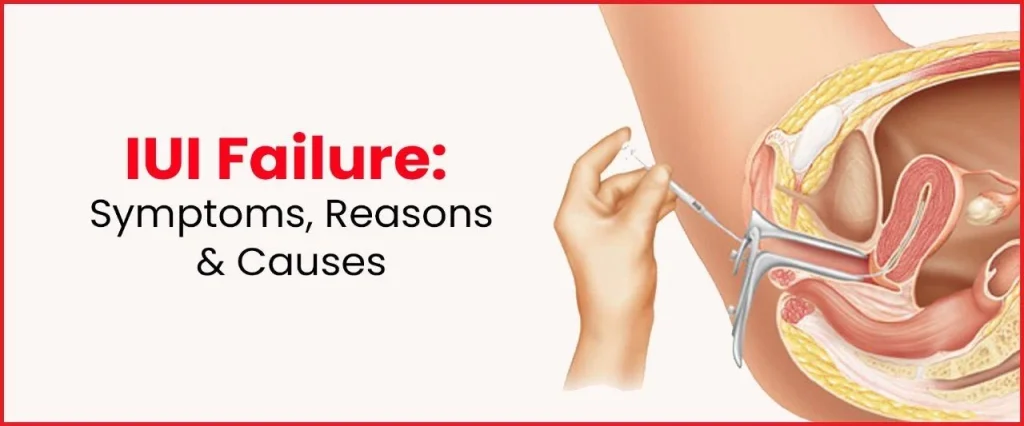
    illustration of IUI procedure with text on symptoms, reasons, and causes of IUI failure

    Egg Retrieval vs Egg Sharing: The Importance of Counseling

    Why Counseling is Essential

    Making the decision to pursue either egg retrieval or egg sharing can be a daunting and overwhelming experience. Recipients may feel a sense of loss and grief over not being able to use their own eggs, while donors may experience feelings of uncertainty and altruistic guilt. This is where counseling plays a crucial role in the process.

    Counseling provides a safe and supportive space for individuals and couples to discuss their thoughts, feelings, and concerns about the decision to pursue egg retrieval or egg sharing. It can help them navigate the complexities of the process, address any underlying emotional issues, and make an informed decision that is best for them.

    For Recipients:

    Counseling can help recipients come to terms with the fact that they will not be able to use their own eggs and explore any feelings of grief or loss. It can also help them understand the implications of using donor eggs and how to navigate potential challenges, such as disclosing the use of donor eggs to their child in the future. Additionally, counseling can help recipients manage their expectations and prepare them for the emotional rollercoaster that comes with fertility treatments.

    For Donors:

    Counseling is equally important for egg donors, as it can help them understand the implications of their decision and address any concerns they may have. Donors may experience feelings of guilt or anxiety about the outcome of their donation and how it may impact their own future fertility. Counseling can also help donors establish boundaries and understand their rights and responsibilities in the process.

    In both cases, counseling can also educate individuals and couples about the legal and ethical aspects of egg retrieval and egg sharing, as well as provide support in dealing with the physical demands and potential side effects of the medical procedures.

    Conclusion

    Egg retrieval and egg sharing are two options that can bring hope and fulfill the dreams of individuals and couples who want to have a child. However, the decision to pursue either method should not be taken lightly. Counseling is a crucial aspect of the process that can help individuals and couples navigate the complex emotions, challenges, and implications of using donor eggs. It is important to seek professional counseling before making any decisions to ensure that both the recipient and donor are emotionally prepared for the journey ahead.

    In summary, egg retrieval and egg sharing are two methods of using donor eggs in fertility treatments. While egg retrieval involves the use of a donor solely for the intended recipient, egg sharing involves splitting the eggs between the intended recipient and another individual or couple. Both methods come with emotional and psychological complexities, making counseling an essential aspect of the decision-making process for both recipients and donors. Seeking professional counseling can help individuals and couples navigate the challenges, manage their expectations, and make informed decisions that are best for them.

  • The Role of Donors: Egg Retrieval vs Egg Sharing

    Blog Post:

    When it comes to fertility treatments, there are various options available for individuals or couples struggling to conceive. One of these options is egg donation, where a healthy woman donates her eggs to another woman who is unable to produce viable eggs. Within the realm of egg donation, there are two main methods: egg retrieval and egg sharing. While both involve the generous act of donating eggs, there are some key differences between the two. In this blog post, we will delve into the role of donors in egg retrieval and egg sharing, and explore the pros and cons of each method.

    Egg Retrieval:

    Egg retrieval involves a woman undergoing a series of hormone injections to stimulate her ovaries to produce multiple eggs. These eggs are then retrieved through a minor surgical procedure and are donated to a recipient who may be struggling with infertility due to various reasons such as advanced age, genetic disorders, or previous medical treatments. The donor in this case is usually compensated for their time and effort, and their identity is kept confidential.

    Pros:
    – The donor receives compensation for their time and effort, which can range from a few hundred to a few thousand dollars.
    – The donor’s identity is kept confidential, providing a sense of privacy and protection.
    – The donor does not have to undergo any additional medical procedures or hormonal treatments after the egg retrieval.

    Cons:
    – The donor may experience discomfort or side effects from the hormone injections, such as bloating, cramping, or mood swings.
    – There is a risk of complications during the egg retrieval procedure, though it is considered a low-risk procedure.
    – The donor may have to undergo multiple cycles of egg retrieval to produce enough viable eggs, which can be physically and emotionally taxing.

    Egg Sharing:

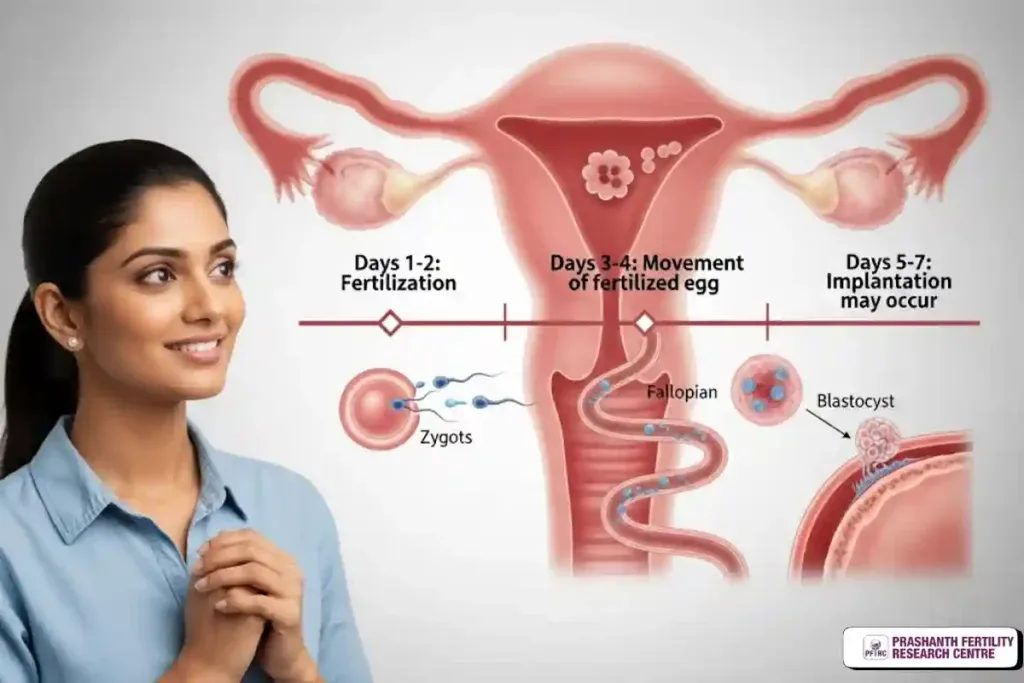
    Illustration showing fertilization and implantation timeline with a woman looking hopeful.

    The Role of Donors: Egg Retrieval vs Egg Sharing

    Egg sharing, on the other hand, involves a woman undergoing the same hormonal treatments and egg retrieval procedure as in egg retrieval, but instead of donating all of her eggs to a recipient, she shares a portion of them with the intended recipient and keeps the remaining eggs for her own future use. This method is often used in cases where the donor is also undergoing fertility treatments and can benefit from the shared eggs.

    Pros:
    – The donor receives the same compensation as in egg retrieval, and may also receive a discount on her own fertility treatments.
    – The donor has a chance to preserve some of her own eggs for future use.
    – There is a sense of satisfaction in knowing that the donor is helping both the recipient and themselves by sharing their eggs.

    Cons:
    – The donor may still experience side effects from the hormone injections.
    – There is a risk of complications during the egg retrieval procedure.
    – The donor may have to undergo additional medical procedures and treatments if they decide to use their remaining eggs in the future, which can be costly and time-consuming.

    The Role of Donors:
    Both egg retrieval and egg sharing rely heavily on the generosity and selflessness of donors. Without their willingness to undergo the hormone treatments and surgical procedures, many couples and individuals would not have the opportunity to start or expand their families. Donors play a crucial role in the success of fertility treatments, and their impact goes far beyond just the physical act of donating eggs.

    In addition to their role in the actual donation process, donors also have the power to provide hope and happiness to those struggling with infertility. For many recipients, receiving donated eggs is their last chance at having a biological child, and the generosity of donors can make all the difference in their journey to parenthood.

    However, it is also essential to acknowledge that the decision to become an egg donor is a personal one and should not be taken lightly. Donors must undergo thorough medical and psychological screenings to ensure they are physically and emotionally prepared for the process. It is also crucial for donors to fully understand the potential risks and side effects involved in the treatments.

    In conclusion, both egg retrieval and egg sharing have a significant impact on the lives of donors and recipients alike. While there are pros and cons to each method, the ultimate goal is the same: to help individuals and couples achieve their dream of starting a family. Donors play a vital role in making this dream a reality, and their generosity and selflessness should be celebrated and appreciated.

    Summary:
    Egg retrieval and egg sharing are two methods of egg donation, each with its own set of pros and cons. Egg retrieval involves the donor donating all of their eggs to a recipient, while egg sharing allows the donor to share a portion of their eggs and keep some for their own future use. Both methods rely on the generosity of donors and have a significant impact on the lives of recipients. However, donors should carefully consider the potential risks and side effects before making the decision to donate their eggs.

  • Breaking the Stigma: Egg Retrieval vs Egg Sharing

    Breaking the Stigma: Egg Retrieval vs Egg Sharing

    When it comes to fertility treatments, there is often a lot of stigma and misinformation surrounding certain procedures. One of the most misunderstood treatments is egg retrieval, and even more so, egg sharing. Many people are unaware of the differences between these two procedures and the reasons behind why someone may choose one over the other. In this blog post, we will be breaking the stigma surrounding egg retrieval and egg sharing and shedding light on the important distinctions between the two.

    Egg Retrieval: The Basics

    Egg retrieval, also known as oocyte retrieval, is a procedure used in assisted reproductive technology (ART) to retrieve a woman’s eggs from her ovaries. This is typically done as part of the in vitro fertilization (IVF) process, where the eggs are fertilized with sperm in a lab and then implanted into the woman’s uterus to hopefully result in a successful pregnancy.

    The egg retrieval process involves using a thin needle to aspirate the eggs from the ovaries. The procedure is usually done under sedation or light anesthesia to minimize discomfort. The retrieved eggs are then examined for quality and maturity before being fertilized in the lab.

    Egg Sharing: What You Need to Know

    Egg sharing, on the other hand, involves a woman undergoing the egg retrieval process and then sharing some of her retrieved eggs with another individual or couple who are struggling with infertility. Essentially, the woman undergoing the procedure is both a donor and a patient.

    Egg sharing is a relatively new concept and is not as common as egg retrieval. It offers a more affordable option for those who cannot afford the high costs of traditional egg donation. The shared eggs are usually used in the recipient’s own IVF cycle, increasing the chances of success.

    Breaking the Stigma

    One of the main reasons why egg retrieval and egg sharing are stigmatized is because of the misconception that women who undergo these procedures are “selling” their eggs. This is simply not true. Both egg retrieval and egg sharing are heavily regulated and involve thorough screening processes to ensure the safety and well-being of all parties involved.
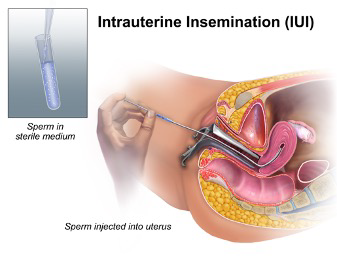
    Illustration showing fertilization and implantation timeline with a woman looking hopeful.

    Breaking the Stigma: Egg Retrieval vs Egg Sharing

    Another common misconception is that women who undergo these procedures are only doing it for financial gain. While there is often financial compensation involved, it is not the sole motivation for most women. Many women choose to undergo egg retrieval or egg sharing because they want to help individuals or couples who are struggling with infertility and give them the chance to become parents.

    Breaking the stigma surrounding egg sharing is also important because it can provide a more affordable option for those who cannot afford traditional egg donation. By sharing their eggs, women can help make the dream of parenthood a reality for those who may not have the financial means to do so otherwise.

    Why Choose Egg Retrieval or Egg Sharing?

    The decision to undergo either egg retrieval or egg sharing is a personal one and should be made after careful consideration and consultation with a fertility specialist. Some women may choose egg retrieval if they are having fertility issues themselves and want to undergo IVF. Others may choose egg sharing as a way to help others while also receiving financial compensation.

    There are also some important medical considerations to take into account when deciding between egg retrieval and egg sharing. For example, egg sharing may not be suitable for women with certain medical conditions or those who are older, as the quality and quantity of their eggs may be lower.

    Breaking the stigma surrounding egg retrieval and egg sharing is crucial in order to provide individuals and couples with all the options available to them for starting a family. These procedures offer hope and the chance for parenthood to those who may have previously thought it was out of reach.

    In Conclusion

    Egg retrieval and egg sharing are two different procedures with distinct purposes. Egg retrieval is used in the IVF process to help women with fertility issues, while egg sharing offers a more affordable option for those struggling with infertility. Both procedures involve thorough screening processes and are heavily regulated.

    It is important to break the stigma surrounding these procedures and educate others about the realities of egg retrieval and egg sharing. By doing so, we can help remove the shame and misinformation often associated with fertility treatments and provide individuals and couples with the support and options they need to start a family.

    Summary:

    Egg retrieval and egg sharing are two procedures used in assisted reproductive technology (ART) to help individuals and couples struggling with infertility. Egg retrieval involves retrieving a woman’s eggs for use in the IVF process, while egg sharing involves sharing some of those eggs with another individual or couple. Breaking the stigma surrounding these procedures is crucial in order to educate and provide support to those who may need these options for starting a family.

  • Egg Retrieval vs Egg Sharing: A Personal Journey

    Egg retrieval and egg sharing are two methods of obtaining eggs for fertility treatments. Both options involve the process of removing eggs from a woman’s ovaries, but they differ in who the eggs are intended for. In egg retrieval, the eggs are collected for the individual’s own use, while in egg sharing, the eggs are donated to another person or couple in need of fertility assistance.

    For many individuals and couples struggling with infertility, the decision to pursue fertility treatments is a difficult one. And within the realm of fertility treatments, the choice between egg retrieval and egg sharing can be equally challenging. In this blog post, we will explore the personal journey of one individual who has experienced both egg retrieval and egg sharing, and the factors that influenced her decision.

    The personal journey of this individual, who we will refer to as Sarah, began when she and her partner decided to start a family. After months of trying to conceive naturally without success, they sought help from a fertility specialist. After a series of tests, it was determined that Sarah had a low egg count and would need assistance in order to conceive.

    The first option presented to Sarah was egg retrieval. This involved the process of stimulating her ovaries with medication to produce multiple mature eggs, which would then be collected through a minor surgical procedure. The eggs would then be fertilized with her partner’s sperm in a laboratory and the resulting embryos would be transferred back into her uterus. This process would give Sarah the best chance of becoming pregnant with her own biological child.

    However, Sarah was hesitant about the idea of egg retrieval. She couldn’t shake the feeling that she wanted to help others who were struggling with infertility, especially since she knew firsthand how difficult and emotionally taxing the process could be. This led her to research the option of egg sharing.

    illustration of intrauterine insemination procedure with a syringe and catheter in the uterus.

    Egg Retrieval vs Egg Sharing: A Personal Journey

    Egg sharing involves the same process of egg retrieval, but instead of using the eggs for oneself, they are donated to another person or couple who are in need of fertility assistance. In exchange for the donation, the individual or couple would cover the cost of the egg retrieval process, making it a more affordable option for Sarah and her partner. This also meant that Sarah would have the opportunity to help someone else achieve their dream of starting a family.

    After much discussion and consideration, Sarah and her partner decided to pursue egg sharing. The process was similar to egg retrieval, but with the added emotional aspect of knowing that Sarah’s eggs would be used to help another person or couple. Sarah found this to be a fulfilling and rewarding experience, as she was able to form a connection with the intended parents and share in their journey towards parenthood.

    However, egg sharing also came with its own set of challenges. Sarah had to undergo a series of psychological evaluations and screenings to ensure she was emotionally and mentally prepared for the process. She also had to manage her expectations, as there was no guarantee that the egg donation would result in a successful pregnancy for the intended parents. Despite these challenges, Sarah was grateful for the opportunity to help others and had no regrets about her decision.

    In the end, Sarah’s journey of both egg retrieval and egg sharing led her to a successful pregnancy. She gave birth to a healthy baby boy, and the intended parents of the egg sharing journey also welcomed a baby girl into their family. It was a heartwarming moment for Sarah, knowing that she played a role in creating two families.

    In conclusion, the decision between egg retrieval and egg sharing is a personal one that requires careful consideration. For some individuals, the desire to have a biological child may outweigh the opportunity to help others. But for others, the chance to make a difference in someone else’s life can be a driving factor in their decision. Sarah’s journey is a testament to the emotional complexities and fulfilling experiences that come with both options. Ultimately, the most important thing is for individuals and couples to make the decision that feels right for them and their unique situation.

  • The Emotional Side: Egg Retrieval vs Egg Sharing

    Blog Post:

    Egg retrieval and egg sharing are two different paths that individuals or couples can take when pursuing fertility treatments. While both involve the use of donated eggs, they have significant differences when it comes to the emotional side of the process. In this blog post, we will delve deeper into the emotional side of egg retrieval and egg sharing, exploring the unique experiences and challenges that come with each option.

    Egg Retrieval:

    Egg retrieval is a fertility treatment option where an individual or couple uses donated eggs to create embryos that will be transferred into the intended mother’s uterus. The eggs are retrieved from a donor through a process called follicular aspiration, where a needle is inserted into the donor’s ovaries to collect the eggs. The donor is typically someone who has undergone fertility treatments and has an excess number of eggs, or someone who has altruistically decided to donate their eggs.

    On the emotional side, egg retrieval can be a rollercoaster ride for intended parents. It is a process that involves a lot of hope and uncertainty, as the success of the treatment relies heavily on the quality of the donated eggs. For those who have struggled with infertility, the decision to use donated eggs can bring up feelings of grief and loss, as they may have to let go of the idea of having a biological child. This can be a difficult and painful process, and it is important for individuals or couples to seek emotional support during this time.

    Another emotional aspect of egg retrieval is the relationship between the intended parents and the egg donor. While some donors may choose to remain anonymous, others may be open to establishing a relationship with the intended parents. This can bring about a range of emotions, from gratitude and appreciation to potential conflicts and issues. It is crucial for all parties involved to have open and honest communication to navigate this unique relationship.

    Egg Sharing:

    Egg sharing, on the other hand, is a fertility treatment option where a woman undergoing fertility treatments donates some of her eggs to another individual or couple who is also trying to conceive. This allows the donor to offset some of the costs of her own fertility treatments while also helping others. The donated eggs are fertilized with the intended father’s sperm and transferred into the recipient’s uterus.

    Illustration of intrauterine insemination (IUI) procedure, showing sperm injection into the uterus.

    The Emotional Side: Egg Retrieval vs Egg Sharing

    The emotional side of egg sharing can be quite different from egg retrieval. For the donor, it can bring a sense of fulfillment and purpose, knowing that they are helping someone else achieve their dream of having a child. However, it can also bring about feelings of anxiety and stress, as the success of the treatment can also depend on the quality of the donated eggs. Donors may also experience a sense of responsibility towards the recipient and their potential child, which can be overwhelming at times.

    For the recipient, egg sharing can bring a mix of emotions as well. Some may feel grateful and hopeful, while others may feel guilty or uncomfortable with the idea of using someone else’s eggs. There may also be concerns about the genetic connection to the child and how it may affect their relationship in the future. It is important for recipients to address these emotions and seek support if needed.

    The Emotional Connection:

    One of the main differences between egg retrieval and egg sharing is the emotional connection to the donated eggs. In egg retrieval, the eggs are from an anonymous donor, while in egg sharing, the eggs are from the intended father’s partner. This can create a unique emotional bond between the recipient and the donor, as they share a genetic connection to the child.

    This emotional connection can bring about challenges and complexities, especially if the recipient and the donor have different expectations or boundaries. It is crucial for all parties to have open and honest communication and to establish clear boundaries and expectations before moving forward with the treatment.

    Conclusion:

    In conclusion, both egg retrieval and egg sharing have their own emotional challenges and benefits. For those considering these fertility treatment options, it is important to seek emotional support, have open communication with all parties involved, and be prepared for the rollercoaster of emotions that may come with the process. It is also essential to carefully consider the potential long-term emotional impact of using donated eggs and to address any concerns or uncertainties before proceeding with the treatment.

    Summary:

    Egg retrieval and egg sharing are two fertility treatment options that involve the use of donated eggs. While egg retrieval involves using eggs from an anonymous donor, egg sharing involves using eggs from the intended father’s partner. Both options have their own emotional challenges and benefits, and it is important for individuals or couples to seek emotional support and have open communication to navigate these processes successfully.

  • Egg Retrieval vs Egg Sharing: Which Offers More Success?

    Blog Post:

    Egg retrieval and egg sharing are two methods of obtaining eggs for fertility treatments. Both offer the potential for success in helping couples or individuals conceive a child. However, there are some key differences between the two that may impact the success rates and overall experience for those undergoing these procedures. In this blog post, we will dive into the details of egg retrieval and egg sharing to determine which one offers more success.

    What is Egg Retrieval?

    Egg retrieval, also known as oocyte retrieval, is a procedure used to collect eggs from a woman’s ovaries for in vitro fertilization (IVF) or other fertility treatments. The process involves stimulating the ovaries with hormones to produce multiple eggs, which are then retrieved using a needle guided by ultrasound. Once the eggs are collected, they are fertilized with sperm in a laboratory and the resulting embryos are transferred into the woman’s uterus.

    What is Egg Sharing?

    Egg sharing is a process where a woman undergoing IVF or other fertility treatments donates some of her eggs to another woman or couple who are struggling with infertility. The woman undergoing the treatment receives a reduced cost for her own IVF treatment in exchange for donating eggs. The donated eggs are then fertilized with sperm and the resulting embryos are transferred into the recipient’s uterus.

    Success Rates: Egg Retrieval vs. Egg Sharing

    When it comes to success rates, there is no clear winner between egg retrieval and egg sharing. The success of both procedures depends on various factors such as the age and health of the woman, the quality of the eggs, and the expertise of the fertility clinic. However, studies have shown that the success rates for egg retrieval tend to be slightly higher than those for egg sharing.

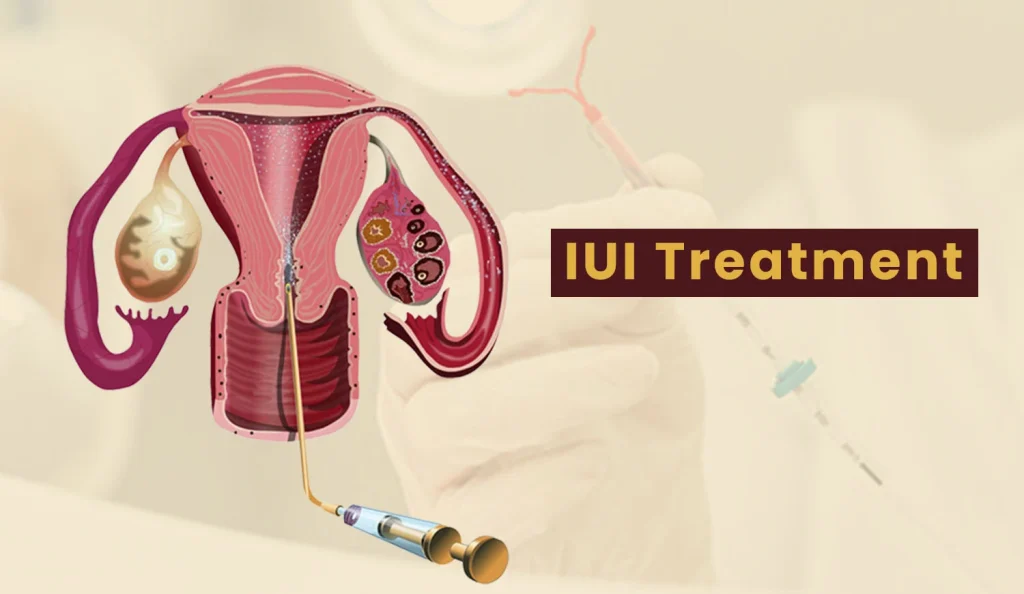
    illustration of the uterus and ovaries with a syringe, labeled "IUI Treatment" in the background

    Egg Retrieval vs Egg Sharing: Which Offers More Success?

    One reason for this is that women undergoing egg retrieval have the advantage of using their own eggs, which are more likely to result in a successful pregnancy compared to donated eggs. Additionally, the woman undergoing egg retrieval receives all of the eggs collected, while in egg sharing, only a portion of the donated eggs are used, which may decrease the chances of success.

    Cost: Egg Retrieval vs. Egg Sharing

    The cost of egg retrieval and egg sharing can vary greatly, depending on factors such as location, clinic, and specific treatment plans. In general, egg sharing tends to be more affordable than egg retrieval, as the woman undergoing the treatment receives a reduced cost in exchange for donating eggs. However, this reduced cost may not be significant enough to outweigh the potential success rates of egg retrieval.

    Emotional and Ethical Considerations

    Aside from success rates and cost, there are also emotional and ethical considerations to take into account when deciding between egg retrieval and egg sharing. Egg retrieval is a more personal process, as the woman is using her own eggs and is in control of the entire procedure. On the other hand, egg sharing involves donating eggs to someone else, which can bring up a range of emotions and ethical concerns.

    The decision to undergo egg retrieval or egg sharing should be carefully considered and discussed with a medical professional. It’s important to weigh the potential success rates, cost, and emotional and ethical implications before making a decision.

    Summary:

    Egg retrieval and egg sharing are two methods of obtaining eggs for fertility treatments. Egg retrieval involves collecting eggs from a woman’s ovaries for IVF or other treatments, while egg sharing involves donating eggs to another woman or couple in exchange for a reduced cost for the donor’s own treatment. While egg retrieval tends to have slightly higher success rates and egg sharing is more affordable, the decision should also consider emotional and ethical implications. Ultimately, the choice between the two methods should be carefully considered and discussed with a medical professional.

  • Egg Retrieval vs Egg Sharing: Which is Right for You?

    Egg retrieval and egg sharing are two methods of obtaining eggs for fertility treatments. Both options have their own unique benefits and considerations, and choosing between them can be a difficult decision. In this blog post, we will discuss the differences between egg retrieval and egg sharing, the pros and cons of each method, and help you determine which option may be right for you.

    Egg Retrieval:
    Egg retrieval, also known as egg harvesting, involves the process of retrieving eggs from a woman’s ovaries through a minor surgical procedure. The eggs are then used for in vitro fertilization (IVF) or other fertility treatments. This method is typically used when a woman is able to produce a sufficient number of eggs for her own fertility treatments.

    Pros:
    One of the main benefits of egg retrieval is that the eggs are solely for the use of the woman undergoing the procedure. This means that there is no risk of sharing eggs with another recipient, and the chances of success are not affected by another person’s fertility issues.

    Another advantage of egg retrieval is that it allows for the use of donor sperm, which can be helpful for single women or same-sex couples. It also gives the woman control over the timing of the procedure and allows her to choose when she is ready to start a family.

    Cons:
    The main downside of egg retrieval is the cost. It can be an expensive process, as it involves hormone injections, monitoring, and the surgical procedure itself. Additionally, there is a risk of side effects from the hormone injections, such as bloating, mood swings, and discomfort.

    Another consideration is the possibility of multiple pregnancies. With IVF, multiple embryos may be implanted to increase the chances of success, which can result in multiple pregnancies and increase the risk of complications for both the mother and babies.

    Egg Sharing:
    Egg sharing, also known as egg donation, involves a woman donating some of her eggs to another recipient who is unable to produce their own. This method is typically used when a woman is producing a higher number of eggs than needed for her own fertility treatment.

    Pros:
    The main benefit of egg sharing is the cost savings. By donating some of her eggs, the woman undergoing the procedure can receive a discount or even free fertility treatment. This can be a helpful option for those who may not be able to afford the high cost of fertility treatments.

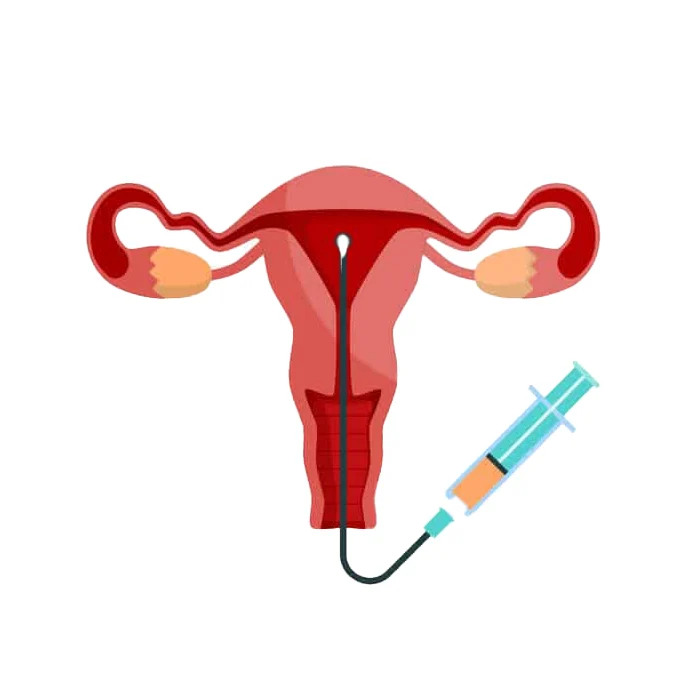
    illustration of a uterus with a syringe for intrauterine insemination (IUI) procedure

    Egg Retrieval vs Egg Sharing: Which is Right for You?

    Egg sharing also gives women the opportunity to help others who are struggling with fertility issues. It can be a rewarding and fulfilling experience for those who choose to donate their eggs.

    Cons:
    One of the main concerns with egg sharing is the lack of control over the use of the donated eggs. The recipient may choose to use the eggs for multiple pregnancies, which can increase the risk of complications for the donor and the recipient.

    There is also the potential for emotional and psychological challenges for the donor. The process of egg retrieval and donation can be physically and emotionally taxing, and some women may struggle with feelings of attachment to the donated eggs.

    Which option is right for you?
    There is no one-size-fits-all answer to this question, as it ultimately depends on individual circumstances and preferences. However, there are a few factors to consider when making this decision.

    First, it is important to assess your own fertility and determine if you are able to produce enough eggs for your own fertility treatment. If you are struggling with fertility issues, egg retrieval may be the best option for you.

    Second, consider the financial aspect. If cost is a major concern, egg sharing may be a more viable option for you.

    Lastly, think about your personal values and beliefs. Some women may feel uncomfortable with the idea of sharing their eggs, while others may find it to be a rewarding experience. It is important to carefully consider your own feelings and make a decision that aligns with your beliefs.

    In conclusion, both egg retrieval and egg sharing have their own advantages and disadvantages. It is important to weigh these factors and consider your own circumstances before making a decision. Consulting with a fertility specialist can also be helpful in determining the best option for you.

    Summary:
    Egg retrieval and egg sharing are two methods of obtaining eggs for fertility treatments. Egg retrieval involves retrieving eggs from a woman’s ovaries for her own fertility treatment, while egg sharing involves donating eggs to another recipient. Egg retrieval allows for control and use of donor sperm, but can be costly and may result in multiple pregnancies. Egg sharing offers cost savings and the opportunity to help others, but the donor may have less control over the use of their eggs. The decision between the two options depends on individual circumstances, including fertility, finances, and personal values.

  • Breaking Down the Differences: Egg Retrieval vs Egg Sharing

    Breaking Down the Differences: Egg Retrieval vs Egg Sharing

    Egg donation has become a popular option for women who are unable to conceive on their own. It involves a woman donating her eggs to another woman or couple who are struggling with infertility. This process can be done through two different methods: egg retrieval and egg sharing. While both methods involve the donation of eggs, there are several key differences between the two. In this blog post, we will break down the differences between egg retrieval and egg sharing, and help you understand which option may be best for you.

    Egg Retrieval:

    Egg retrieval, also known as traditional egg donation, is the more widely known and practiced method of egg donation. In this process, a woman undergoes a series of fertility treatments, including hormone injections, to stimulate the production of multiple eggs. The eggs are then retrieved from her ovaries through a surgical procedure called an ultrasound-guided follicle aspiration. The eggs are then fertilized in a lab with sperm, and the resulting embryos are transferred to the recipient’s uterus.

    Egg retrieval is typically done anonymously, meaning the donor and recipient do not know each other. This allows for a greater degree of anonymity and privacy for both parties. In most cases, the donor is compensated for her time and effort, as the process can be physically and emotionally taxing.

    One of the main advantages of egg retrieval is that it allows for the production of a larger number of eggs, increasing the chances of successful fertilization and pregnancy. It also allows for the eggs to be frozen for future use, in case the recipient is not ready to undergo the embryo transfer immediately.

    However, there are also some downsides to egg retrieval. The donor may experience side effects from the fertility medications, such as bloating, headaches, and mood changes. The surgical procedure also carries some risks, including infection and damage to surrounding organs. Additionally, the cost of egg retrieval can be quite high, as it involves multiple fertility treatments and procedures.

    illustration of IUI procedure with text on symptoms, reasons, and causes of IUI failure

    Breaking Down the Differences: Egg Retrieval vs Egg Sharing

    Egg Sharing:

    Egg sharing, also known as known as known as shared egg donor, is a lesser-known method of egg donation. In this process, a woman undergoing in vitro fertilization (IVF) can choose to donate some of her eggs to another woman or couple while undergoing her own fertility treatments. Both the donor and the recipient undergo the same fertility treatments, and the eggs are retrieved at the same time. The eggs are then divided between the two parties, with the donor keeping some for her own use and the rest going to the recipient.

    One of the main benefits of egg sharing is that it allows the donor to undergo fertility treatments at a reduced cost, as the recipient covers a portion of the expenses. This can be a more affordable option for those who are interested in egg donation but cannot afford the high cost of traditional egg retrieval. It also allows the donor to potentially have a biological child of her own while helping another woman or couple in need.

    However, egg sharing is not without its drawbacks. The donor and recipient must undergo fertility treatments at the same time, which can be challenging to coordinate. There is also a risk that the donor may not produce enough eggs for both herself and the recipient, resulting in disappointment for both parties. And unlike egg retrieval, egg sharing does not offer the option of freezing eggs for future use.

    Which Option is Best for You?

    Deciding between egg retrieval and egg sharing ultimately depends on your personal preferences and circumstances. If you are looking for a more anonymous process and are willing to undergo multiple fertility treatments, egg retrieval may be the best option for you. However, if you are looking for a more affordable option and are open to sharing your eggs with another woman, egg sharing may be a better fit.

    In either case, it is important to thoroughly research and understand the process before making a decision. Consult with a fertility specialist and discuss your options to determine which method is best for you.

    In summary, egg retrieval and egg sharing are two different methods of egg donation that have their own unique benefits and drawbacks. Egg retrieval allows for the production of a larger number of eggs and the option to freeze them for future use, while egg sharing can be a more affordable option and allows the donor to potentially have a biological child of her own. Ultimately, the decision between the two methods depends on individual preferences and circumstances.

  • Empowering Yourself: Taking Control of Your Fertility Journey with Male and Female Infertility Treatments

    Summary:

    The journey to starting a family can be a challenging and emotional one, especially when faced with fertility issues. While many people assume that infertility is solely a female issue, the truth is that both men and women can experience difficulties with conceiving. In this blog post, we will explore the topic of fertility and discuss how both male and female infertility can be addressed through various treatments, ultimately empowering individuals to take control of their fertility journey.

    Firstly, it is important to understand the common causes of male and female infertility. For women, factors such as hormonal imbalances, ovulation disorders, and structural issues with the reproductive system can contribute to difficulty in conceiving. On the other hand, male infertility can be caused by conditions such as low sperm count, poor sperm quality, and issues with sperm delivery. It is crucial for both partners to undergo fertility testing to determine the root cause of their infertility and to guide their treatment options.

    For couples struggling with infertility, it is essential to seek the help of a fertility specialist. These experts can provide a personalized treatment plan based on each individual’s needs. For women, fertility treatments may include medications to regulate ovulation, intrauterine insemination (IUI), or in vitro fertilization (IVF). These treatments can help improve the chances of conception by addressing underlying fertility issues.

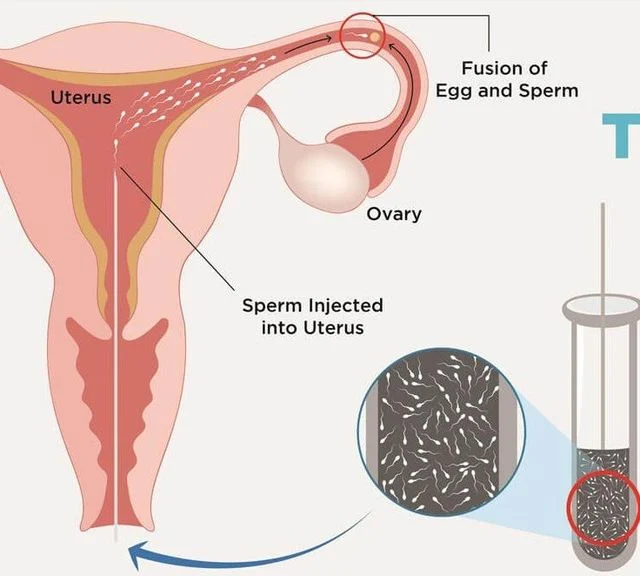
    Diagram illustrating the IUI process, showing sperm injection into the uterus and egg fertilization.

    Empowering Yourself: Taking Control of Your Fertility Journey with Male and Female Infertility Treatments

    When it comes to male infertility, there are also various treatment options available. For those with low sperm count, medications such as Clomid can help increase sperm production. In cases of poor sperm quality, intrauterine insemination with donor sperm or IVF with intracytoplasmic sperm injection (ICSI) may be recommended. These treatments can significantly improve the chances of fertilization and pregnancy.

    In addition to medical treatments, there are also lifestyle changes that can be made to improve fertility. Both men and women should maintain a healthy diet, exercise regularly, and avoid smoking and excessive alcohol consumption. For women, reducing stress levels can also have a positive impact on fertility. Acupuncture, yoga, and meditation are all proven methods for reducing stress and promoting overall well-being.

    It is also important for couples to support each other throughout the fertility journey. Infertility can take a toll on a relationship, and it is crucial to communicate openly and seek counseling if needed. Support groups can also be beneficial for connecting with others going through a similar experience and providing a sense of community and understanding.

    Finally, it is essential to remember that fertility treatments may not always result in a successful pregnancy. It is crucial to manage expectations and be prepared for all possible outcomes. While this can be challenging, it is important to stay positive and focus on the steps being taken to achieve pregnancy.

    In conclusion, fertility issues can be a difficult and emotional experience for couples trying to start a family. However, by understanding the causes of infertility, seeking the help of a fertility specialist, making lifestyle changes, and supporting each other, individuals can take control of their fertility journey and increase their chances of conceiving. Remember to stay positive and never lose hope.