Tag: Infertility

  • Breaking the Stigma: The Rise of Fertility Tracking Devices in Modern Society

    Breaking the Stigma: The Rise of Fertility Tracking Devices in Modern Society

    In recent years, there has been a growing trend towards using fertility tracking devices to understand and manage one’s reproductive health. These devices, which come in the form of apps, wearables, and even smart thermometers, allow individuals to track their menstrual cycles, monitor ovulation, and predict the best time for conception. While fertility tracking has been around for centuries, the rise of technology and the widespread use of these devices have led to a shift in how society views and talks about fertility. In this blog post, we will explore the stigma surrounding fertility tracking and how these devices are breaking barriers and empowering individuals in modern society.

    The Stigma Surrounding Fertility and Tracking

    For centuries, fertility has been a taboo topic, surrounded by myths, misconceptions, and societal expectations. In many cultures, women are expected to bear children, and those who struggle to conceive may face judgment and shame. This stigma has made it challenging for individuals to openly talk about their fertility and seek help when needed. Furthermore, the lack of understanding and education about reproductive health has led to many myths and misinformation surrounding fertility, making it even harder for individuals to make informed decisions about their fertility.

    The emergence of fertility tracking devices has brought this issue to the forefront, as many people are still uncomfortable discussing their reproductive health openly. Some may view these devices as unnecessary or invasive, while others may see them as a tool for those who are struggling to conceive. However, the reality is that fertility tracking devices are not just for those trying to get pregnant. They can also be used to monitor overall reproductive health, detect potential health issues, and even prevent pregnancy.

    Breaking Barriers with Technology

    Technology has played a significant role in breaking the stigma surrounding fertility and tracking. With the rise of social media and the internet, individuals now have access to a wealth of information about reproductive health. This has led to a more open and informed dialogue about fertility, debunking myths and misconceptions and empowering individuals to take control of their reproductive health.
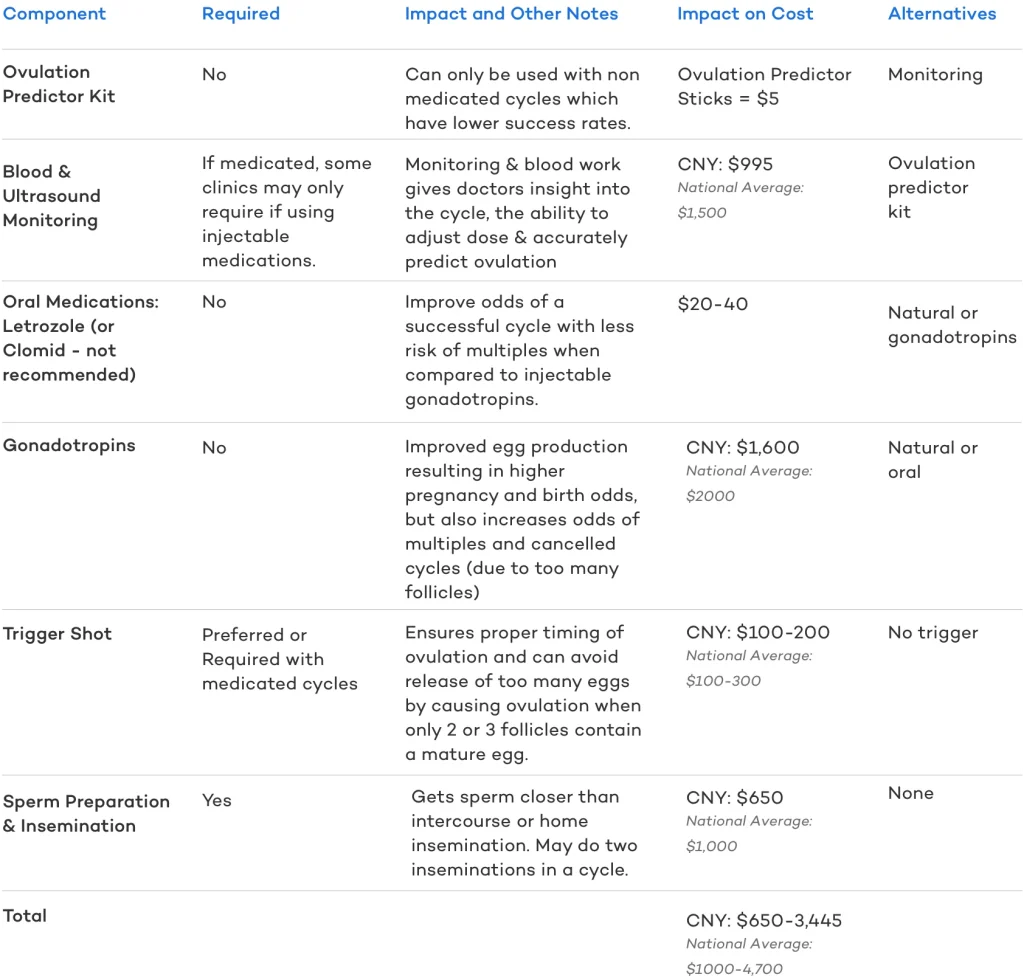
    Cost breakdown for IUI components, including requirements, impacts, and alternatives.

    Breaking the Stigma: The Rise of Fertility Tracking Devices in Modern Society

    Additionally, fertility tracking devices have made it easier for individuals to monitor their menstrual cycles and track ovulation from the comfort of their homes. This has eliminated the need for invasive and often expensive procedures, making it more accessible for everyone. These devices also come with advanced features such as personalized insights and alerts, making it easier for individuals to understand their bodies and make informed decisions about their fertility.

    Empowering Individuals and Couples

    One of the most significant impacts of fertility tracking devices is the empowerment it brings to individuals and couples. By providing individuals with accurate and personalized data about their fertility, these devices give them a sense of control over their reproductive health. This can be especially beneficial for those who are trying to conceive, as they can time intercourse during their most fertile days, increasing their chances of pregnancy.

    For couples struggling with infertility, fertility tracking devices can also be a useful tool. By tracking ovulation and identifying potential issues, these devices can help pinpoint the cause of infertility and guide them towards the right treatment. This can save time, money, and emotional stress, as couples can start treatment sooner rather than later.

    The Future of Fertility Tracking

    As technology continues to advance, so do fertility tracking devices. In the future, we can expect to see more innovative and accurate devices that will revolutionize how we track and manage our fertility. Some companies are already working on devices that can track multiple fertility hormones, providing even more accurate predictions and insights. Additionally, with the rise of artificial intelligence and machine learning, these devices can become more personalized and tailored to each individual’s unique needs.

    Summary:

    Fertility tracking devices have been on the rise in modern society, breaking the stigma surrounding fertility and empowering individuals and couples to take control of their reproductive health. These devices have made it easier to track menstrual cycles, monitor ovulation, and predict the best time for conception. By providing accurate data and personalized insights, fertility tracking devices have become a valuable tool for individuals trying to conceive or simply monitor their reproductive health. With technology continuously advancing, we can expect to see more innovative and accurate devices in the future, revolutionizing how we track and manage our fertility.
  • Fertility Tracking Devices: Are They the Future of Reproductive Health?

    Blog Post: Fertility Tracking Devices: Are They the Future of Reproductive Health?

    In recent years, there has been a growing interest in fertility tracking devices as a means of monitoring and improving reproductive health. These devices, which range from simple apps to high-tech wearable gadgets, claim to help individuals track their menstrual cycle, ovulation, and overall fertility. But are they really the future of reproductive health? In this blog post, we will take a closer look at fertility tracking devices and their potential impact on the future of reproductive health.

    Understanding Fertility Tracking Devices

    Fertility tracking devices come in various forms, from basic menstrual tracking apps to more advanced devices that use sensors and algorithms to analyze fertility data. Some popular examples of fertility tracking devices include Ava Bracelet, OvuSense, and Natural Cycles. These devices are designed to help individuals track their menstrual cycle, identify their most fertile days, and even predict ovulation. They often use a combination of methods, such as tracking body temperature, hormone levels, and other physiological changes, to provide accurate and personalized fertility data.

    The Potential Benefits of Fertility Tracking Devices

    One of the main benefits of fertility tracking devices is their ability to provide individuals with a better understanding of their reproductive health. By tracking their menstrual cycle and ovulation, individuals can gain insight into their fertility and plan accordingly. This can be especially helpful for those trying to conceive, as it can increase the chances of getting pregnant by timing intercourse during the most fertile days. Fertility tracking devices can also be useful for those trying to avoid pregnancy, as they can help individuals identify when they are most likely to be fertile and avoid unprotected sex during those times.

    Moreover, fertility tracking devices can also provide valuable information for those struggling with infertility. By tracking their menstrual cycle and identifying any irregularities or potential issues, individuals can seek medical help sooner and potentially increase their chances of conception. Additionally, these devices can help individuals with conditions such as PCOS (polycystic ovary syndrome) or endometriosis to better understand their cycle and manage their symptoms.

    The Drawbacks of Fertility Tracking Devices

    Cost breakdown for IUI components, including requirements, impacts, and alternatives.

    Fertility Tracking Devices: Are They the Future of Reproductive Health?

    While fertility tracking devices have their benefits, they also have some drawbacks that should be considered. One of the main concerns is the accuracy of these devices. While some studies have shown that certain fertility tracking devices can be highly accurate, others have found significant discrepancies between the data provided by these devices and actual ovulation. This can lead to individuals relying solely on the data provided by these devices and potentially missing their fertile window, which can be frustrating for those trying to conceive.

    Another concern is the emotional toll that fertility tracking devices can have on individuals. For those trying to conceive, constantly tracking and analyzing their fertility data can become overwhelming and add stress to an already sensitive process. Additionally, for individuals struggling with infertility, relying on these devices can create unrealistic expectations and lead to disappointment if conception does not occur as expected.

    The Future of Fertility Tracking Devices

    Despite their limitations, it is clear that fertility tracking devices have the potential to play a significant role in the future of reproductive health. With advancements in technology and data analysis, these devices are becoming more accurate and personalized, making them a valuable tool for individuals looking to monitor their fertility. Moreover, as more people become aware of the importance of reproductive health, the demand for fertility tracking devices is likely to increase.

    However, it is important to note that fertility tracking devices should not be seen as a replacement for medical advice or contraception. These devices can provide valuable information, but they should be used in conjunction with other methods of birth control and under the guidance of a healthcare professional.

    In conclusion, fertility tracking devices have the potential to revolutionize the way we approach reproductive health. They can provide individuals with valuable information about their fertility and aid in family planning. However, it is essential to understand their limitations and use them as a tool rather than a definitive source of information. As technology continues to advance, we can expect to see even more sophisticated fertility tracking devices in the future, but it is crucial to remember that the most important aspect of reproductive health is seeking medical advice and taking care of our overall well-being.

    Summary:

    Fertility tracking devices, ranging from simple apps to high-tech wearable gadgets, are becoming increasingly popular as a means of monitoring and improving reproductive health. They use a combination of methods to track menstrual cycles, ovulation, and fertility, providing individuals with personalized data. These devices have the potential to benefit those trying to conceive, struggling with infertility, and managing conditions such as PCOS. However, they also have limitations, including accuracy concerns and potential emotional tolls. Despite these drawbacks, fertility tracking devices are likely to play a significant role in the future of reproductive health, but should be used in conjunction with medical advice and other forms of contraception.

  • Intrauterine Insemination vs Low-Tech IVF: Choosing the Right Fertility Clinic

    Intrauterine Insemination vs Low-Tech IVF: Choosing the Right Fertility Clinic

    Deciding to start a family is a major milestone in many people’s lives. However, for some couples, conceiving a child may not come as easily as they had hoped. In these cases, fertility treatments may be necessary to help achieve a successful pregnancy. Among the various options available, two common procedures are intrauterine insemination (IUI) and low-tech in vitro fertilization (IVF). Both procedures have their own benefits and limitations, making it essential for couples to carefully consider their options and choose the right fertility clinic for their needs. In this blog post, we will discuss the differences between IUI and low-tech IVF and provide tips for choosing the right fertility clinic for your journey towards parenthood.

    Understanding Intrauterine Insemination (IUI)

    Intrauterine insemination, also known as artificial insemination, is a fertility treatment that involves placing washed and concentrated sperm directly into the woman’s uterus during ovulation. This procedure is often recommended for couples who have been trying to conceive for at least a year, but have not been successful due to male infertility, unexplained infertility, or cervical issues. IUI is a relatively simple and less invasive procedure compared to other fertility treatments, making it a popular option for many couples.

    One of the primary benefits of IUI is that it is a less expensive treatment option compared to others, such as IVF or intracytoplasmic sperm injection (ICSI). Additionally, it has a higher success rate for couples with mild male infertility or unexplained infertility. The procedure is also less invasive and does not require any medication, making it a more comfortable experience for women.

    However, IUI may not be the best option for all couples. It is not as effective for women with severe male infertility or tubal blockage. Additionally, since IUI relies on the woman’s natural ovulation, it may not be successful for women who do not ovulate regularly. It is also important to note that the success rate of IUI decreases with age, as fertility declines with age.

    Understanding Low-Tech IVF

    Low-tech IVF, also known as mini IVF or mild IVF, is a variation of the traditional IVF procedure. It involves the use of low doses of fertility drugs to stimulate the ovaries and produce a small number of eggs, typically between 3-5. These eggs are then retrieved and fertilized with sperm in a laboratory, and the resulting embryos are transferred back into the woman’s uterus.

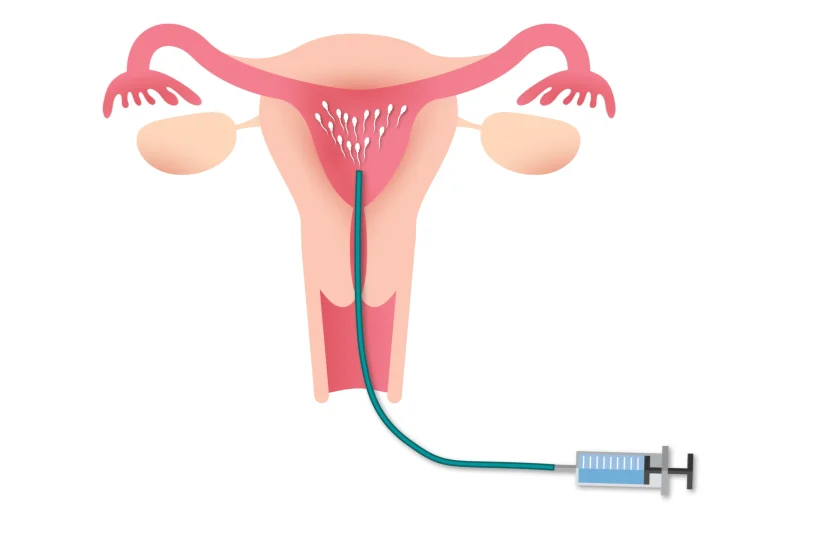
    diagram of a uterus with a syringe for intrauterine insemination procedure

    Intrauterine Insemination vs Low-Tech IVF: Choosing the Right Fertility Clinic

    One of the main advantages of low-tech IVF is that it is less physically and emotionally taxing for women compared to traditional IVF. The low doses of fertility drugs used in this procedure result in fewer side effects, and the procedure is less invasive since fewer eggs are retrieved. It is also a more affordable option than traditional IVF, making it more accessible to a wider range of couples.

    However, low-tech IVF may not be as effective as traditional IVF for some couples. The lower number of eggs retrieved may result in fewer embryos for transfer, reducing the chances of a successful pregnancy. It may also not be suitable for women with certain fertility issues, such as diminished ovarian reserve or tubal blockage.

    Choosing the Right Fertility Clinic

    When it comes to choosing the right fertility clinic, there are several factors to consider. First and foremost, it is crucial to find a reputable and experienced clinic with a high success rate for the specific procedure you are interested in. You can research clinics online, read reviews, and ask for referrals from your doctor or friends who have undergone fertility treatments.

    It is also essential to consider the location and convenience of the clinic. Fertility treatments often require multiple appointments, so it is important to choose a clinic that is easy to access and not too far from your home or workplace. Additionally, consider the cost of the treatments and whether the clinic offers any financial assistance or payment plans.

    Furthermore, it is crucial to feel comfortable and supported at the fertility clinic you choose. The process of trying to conceive can be emotionally challenging, so it is important to have a team of medical professionals who are compassionate, understanding, and communicative. Schedule a consultation with the clinic to get a feel for their approach and to ask any questions you may have.

    In conclusion, when deciding between IUI and low-tech IVF, it is essential to consider the benefits and limitations of each procedure and choose the one that best fits your individual needs. It is also crucial to carefully research and choose the right fertility clinic that can provide the necessary support and expertise for your fertility journey. With the right treatment and support, the dream of starting a family can become a reality.

    Summary:

    For couples struggling to conceive, fertility treatments such as IUI and low-tech IVF are common options. IUI is a less invasive and less expensive procedure, while low-tech IVF offers a more gentle approach with fewer side effects. However, both procedures have their own limitations and success rates, making it essential for couples to carefully consider their options. When choosing a fertility clinic, factors such as reputation, convenience, cost, and support should all be taken into account. With the right treatment and support, the journey towards parenthood can become a successful one.

  • Intrauterine Insemination vs Low-Tech IVF: A Comparison of Success Rates by Age

    Intrauterine Insemination vs Low-Tech IVF: A Comparison of Success Rates by Age

    When it comes to fertility treatments, there are various options available for couples struggling to conceive. Two common methods that are often recommended are Intrauterine Insemination (IUI) and Low-Tech In Vitro Fertilization (IVF). While both procedures involve placing sperm directly into the uterus, they differ in terms of complexity, cost, and success rates. In this blog post, we will compare the success rates of IUI and Low-Tech IVF based on age, to help couples make an informed decision about which treatment may be best for them.

    Age and Fertility

    Before diving into the details of IUI and Low-Tech IVF, it’s important to understand how age can impact fertility. As women age, their ovarian reserve (number of eggs) decreases, and the quality of their eggs also declines. This makes it more challenging to conceive naturally and increases the need for fertility treatments. According to the American Society for Reproductive Medicine, a woman’s fertility starts to decrease significantly after the age of 35, and by the age of 40, it can be very difficult to conceive with her own eggs.

    Intrauterine Insemination (IUI)

    Intrauterine Insemination, also known as artificial insemination, involves placing washed and concentrated sperm directly into the uterus during the woman’s ovulation period. It is a simple and relatively less invasive procedure compared to other fertility treatments. IUI is often recommended for couples with unexplained infertility, mild endometriosis, or issues with ovulation.

    Success Rates by Age

    The success rates for IUI vary based on age. According to a study published in the Journal of Human Reproductive Sciences, the success rates for IUI are as follows:

    – 10-15% for women under 35
    – 9% for women aged 35-37
    – 5% for women aged 38-39
    – 2% for women aged 40 and above

    It is important to note that these success rates may also be affected by other factors such as the cause of infertility, sperm quality, and the number of cycles undergone.

    Low-Tech IVF

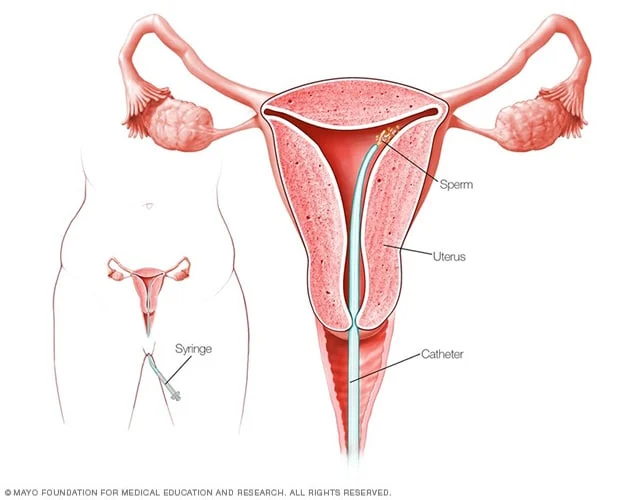
    diagram illustrating intrauterine insemination (IUI) procedure with uterus, sperm, and catheter labeled

    Intrauterine Insemination vs Low-Tech IVF: A Comparison of Success Rates by Age

    Low-Tech IVF, also known as Natural Cycle IVF or Mini IVF, is a simplified version of traditional IVF. It involves stimulating the ovaries to produce one or two high-quality eggs, instead of the usual 10-15 eggs in a conventional IVF cycle. The fertilization and embryo transfer process is the same as traditional IVF.

    Success Rates by Age

    The success rates for Low-Tech IVF are also age-dependent. According to a study published in the European Journal of Obstetrics & Gynecology and Reproductive Biology, the success rates for Low-Tech IVF are as follows:

    – 17% for women under 35
    – 15% for women aged 35-37
    – 12% for women aged 38-39
    – 8% for women aged 40 and above

    These success rates are slightly higher than those of IUI, but it’s important to note that Low-Tech IVF is a more invasive and expensive procedure.

    Which Treatment is Best for You?

    Choosing between IUI and Low-Tech IVF can be challenging, especially when considering the success rates by age. Here are some factors to consider when deciding which treatment may be best for you:

    1. Age: If you are under 35, IUI may be a good option for you as it has higher success rates in this age group. However, if you are over 35 and have been trying to conceive for over a year, Low-Tech IVF may be a better choice.

    2. Cause of Infertility: If you have unexplained infertility or issues with ovulation, IUI may be a suitable option. However, if you have more complex fertility issues such as blocked fallopian tubes or endometriosis, Low-Tech IVF may be more effective.

    3. Cost: IUI is a more cost-effective option compared to Low-Tech IVF. However, if you have been unsuccessful with IUI and decide to pursue Low-Tech IVF, the overall cost may end up being higher in the long run.

    4. Personal Preferences: Some couples may prefer the simplicity and less invasive nature of IUI, while others may prefer the higher success rates of Low-Tech IVF.

    In conclusion, both IUI and Low-Tech IVF are viable options for couples struggling with infertility. The choice between the two should be based on factors such as age, cause of infertility, and personal preferences. It’s important to consult with a fertility specialist to determine which treatment may be best for you.

  • The Importance of Communication: Intrauterine Insemination vs Low-Tech IVF

    Blog Post Title: The Importance of Communication: Intrauterine Insemination vs Low-Tech IVF

    Communication is a vital aspect of any relationship, including the one between a patient and their fertility doctor. When it comes to fertility treatments, two commonly used methods are intrauterine insemination (IUI) and low-tech in vitro fertilization (IVF). Both these methods have their own advantages and drawbacks, but proper communication between the patient and their doctor can play a crucial role in determining which one is the right choice for their specific needs.

    Intrauterine Insemination (IUI):
    IUI, also known as artificial insemination, is a fertility treatment that involves placing washed, concentrated sperm directly into the uterus during a woman’s ovulation period. This method can be used in cases of unexplained infertility, low sperm count, or cervical issues. The process is relatively simple and less invasive than other fertility treatments, making it a popular choice for many couples.

    The key to a successful IUI treatment is proper communication between the patient and their doctor. The patient needs to accurately track their ovulation period, and the doctor needs to determine the best time for the procedure. This requires open and honest communication from the patient about their menstrual cycle and any changes they may experience. Additionally, the doctor needs to be informed about any medication the patient may be taking, as some medications can affect the success of the treatment.

    Low-Tech IVF:
    Low-tech IVF, also known as natural cycle IVF or mini-IVF, is a less intense and less expensive version of traditional IVF. It involves collecting a woman’s naturally produced egg and fertilizing it with sperm in a laboratory setting. This method is suitable for women who have regular menstrual cycles and produce a good number of eggs. It is also a popular choice for couples who want to avoid the use of fertility drugs.

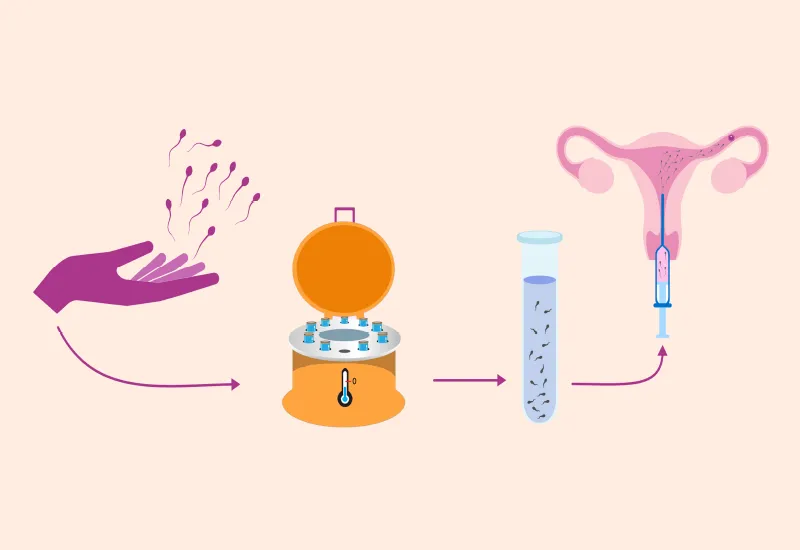
    illustration of the IUI process, showing sperm collection, preparation, and insertion into the uterus

    The Importance of Communication: Intrauterine Insemination vs Low-Tech IVF

    Proper communication between the patient and their doctor is crucial in low-tech IVF as well. The patient needs to closely monitor their menstrual cycle and be in constant communication with their doctor to determine the best time for egg retrieval. The doctor also needs to be informed about any changes in the patient’s cycle to ensure that the eggs are retrieved at the right time. Additionally, the patient needs to be transparent about their diet, lifestyle, and any medication they may be taking to improve the chances of success.

    The Role of Communication in Choosing the Right Fertility Treatment:
    Choosing between IUI and low-tech IVF can be a daunting task for couples struggling with infertility. However, proper communication between the patient and their doctor can make the decision-making process easier. Both these methods have their own set of pros and cons, and it is crucial to discuss them openly with the doctor. The doctor should carefully evaluate the patient’s medical history, fertility test results, and their personal preferences before recommending a specific treatment.

    Moreover, communication plays a crucial role in managing expectations. The doctor needs to be transparent about the success rates of each treatment and the potential risks involved. This allows the patient to make an informed decision and be mentally prepared for the outcome. It also helps in building trust between the patient and the doctor, which is essential for a successful and stress-free fertility treatment.

    In Conclusion:
    Intrauterine insemination and low-tech IVF are two popular and effective fertility treatments, but proper communication is the key to their success. Open and honest communication between the patient and their doctor helps in determining the right treatment option, managing expectations, and building trust. It is crucial for patients to track their menstrual cycle accurately and inform their doctor about any changes or concerns. Similarly, the doctor needs to provide clear and transparent information about the treatment, success rates, and potential risks. With effective communication, couples struggling with infertility can make an informed decision and increase their chances of achieving their dream of parenthood.

    Summary:
    Communication is crucial in every aspect of life, including fertility treatments. Intrauterine insemination (IUI) and low-tech IVF are two commonly used methods for treating infertility. Both these methods have their own advantages and drawbacks, but proper communication between the patient and their doctor is essential. Open and honest communication helps in determining the right treatment option, managing expectations, and building trust. It is crucial for patients to track their menstrual cycle accurately and inform their doctor about any changes or concerns. Similarly, the doctor needs to provide clear and transparent information about the treatment, success rates, and potential risks. With effective communication, couples struggling with infertility can make an informed decision and increase their chances of achieving their dream of parenthood.

  • Intrauterine Insemination vs Low-Tech IVF: Exploring Natural Cycle Options

    Blog Post Title: Intrauterine Insemination vs Low-Tech IVF: Exploring Natural Cycle Options

    In recent years, there has been a growing interest in natural cycle fertility treatments, specifically Intrauterine Insemination (IUI) and Low-Tech In Vitro Fertilization (IVF). These methods offer a more gentle and holistic approach to fertility treatments, compared to traditional high-tech IVF procedures. In this blog post, we will explore the differences between IUI and low-tech IVF, and why they may be a better option for some individuals or couples.

    What is Intrauterine Insemination (IUI)?

    IUI is a form of assisted reproductive technology (ART) that involves placing washed and concentrated sperm directly into the uterus during the woman’s ovulation. This procedure is usually done after the woman has taken fertility medications to stimulate ovulation. The goal of IUI is to increase the number of sperm that reach the fallopian tubes and increase the chances of fertilization.

    What is Low-Tech In Vitro Fertilization (IVF)?

    Low-tech IVF is a modified version of traditional IVF, which involves stimulating the ovaries with fertility medications to produce multiple eggs. In low-tech IVF, the woman’s natural cycle is monitored, and only one egg is retrieved and fertilized. The resulting embryo is then transferred back into the uterus, without the use of any additional hormones or medications.

    Key Differences between IUI and Low-Tech IVF

    1. Stimulation of Ovaries
    The main difference between IUI and low-tech IVF is the stimulation of the ovaries. In IUI, fertility medications are used to stimulate ovulation, whereas in low-tech IVF, the woman’s natural cycle is monitored without the use of any additional hormones.

    2. Number of Eggs Retrieved
    In IUI, only one egg is released during ovulation, whereas in low-tech IVF, multiple eggs are retrieved. This means that IUI is a less invasive procedure, with a lower risk of complications.

    3. Success Rates
    The success rates of IUI and low-tech IVF vary, depending on factors such as age and underlying fertility issues. Generally, low-tech IVF has higher success rates compared to IUI, as more eggs are retrieved and fertilized.

    illustration of intrauterine insemination procedure with a syringe and catheter in the uterus.

    Intrauterine Insemination vs Low-Tech IVF: Exploring Natural Cycle Options

    4. Cost
    IUI is a more cost-effective option compared to low-tech IVF. This is because IUI involves fewer medications and procedures, making it a more affordable choice for couples struggling with fertility issues.

    Why Choose Natural Cycle Options?

    1. Less Invasive
    Both IUI and low-tech IVF are less invasive compared to traditional high-tech IVF procedures. This means a lower risk of complications and a more gentle and holistic approach to fertility treatments.

    2. Fewer Side Effects
    The use of fertility medications in traditional IVF can cause side effects, such as bloating, mood swings, and hot flashes. With natural cycle options like IUI and low-tech IVF, there are no additional hormones or medications involved, reducing the risk of side effects.

    3. Lower Cost
    As mentioned earlier, IUI and low-tech IVF are more affordable compared to traditional high-tech IVF procedures. This makes them a more accessible option for individuals and couples struggling with fertility issues.

    4. More Control
    With natural cycle options, there is more control over the fertility treatment process. The woman’s natural cycle is monitored, and the procedures are done at the right time, increasing the chances of success.

    Conclusion

    Intrauterine Insemination (IUI) and Low-Tech In Vitro Fertilization (IVF) are both natural cycle options for couples struggling with fertility issues. They offer a more gentle and holistic approach to fertility treatments, with fewer side effects and a lower cost. While they may not be suitable for everyone, they are worth exploring as an alternative to traditional high-tech IVF procedures.

    Summary:

    Intrauterine Insemination (IUI) and Low-Tech In Vitro Fertilization (IVF) are natural cycle options for couples struggling with fertility issues. IUI involves placing washed and concentrated sperm directly into the uterus, while low-tech IVF retrieves one egg and fertilizes it without the use of additional hormones or medications. These methods are less invasive, have fewer side effects, and are more affordable compared to traditional high-tech IVF procedures. They also offer more control over the fertility treatment process.

  • Common Side Effects: Intrauterine Insemination vs Low-Tech IVF

    Blog Post Title: Common Side Effects: Intrauterine Insemination vs Low-Tech IVF

    In the world of fertility treatments, there are countless options available to couples struggling to conceive. Among these options, two popular methods have emerged as effective options for those looking to start a family: Intrauterine Insemination (IUI) and Low-Tech In Vitro Fertilization (IVF). Both of these methods have been proven to increase the chances of pregnancy, but they also come with their own set of side effects. In this blog post, we will explore the common side effects of IUI and Low-Tech IVF, and discuss which method may be better suited for you.

    What is Intrauterine Insemination (IUI)?
    Intrauterine Insemination is a fertility treatment that involves placing sperm directly into the uterus to increase the chances of fertilization. This procedure is often used for couples who have been trying to conceive for a year or more without success, as well as for individuals with certain medical conditions such as low sperm count or cervical factor infertility. IUI is a less invasive and less expensive option compared to IVF, making it a popular choice for many couples.

    Common Side Effects of IUI:
    1. Cramping and Spotting: During an IUI procedure, a catheter is inserted into the uterus, which can cause some discomfort and cramping. Some women may also experience light spotting or bleeding after the procedure.

    2. Ovarian Hyperstimulation Syndrome (OHSS): In rare cases, the use of fertility drugs to stimulate ovulation for IUI can lead to OHSS. This condition causes the ovaries to become swollen and painful, and can also result in bloating, nausea, and weight gain.

    3. Multiple Pregnancy: One of the most common side effects of IUI is the possibility of a multiple pregnancy. Since IUI involves placing several sperm into the uterus, there is a higher chance of more than one egg being fertilized, resulting in twins, triplets, or even more.

    Illustration of intrauterine insemination (IUI) procedure with syringe and catheter in the uterus.

    Common Side Effects: Intrauterine Insemination vs Low-Tech IVF

    What is Low-Tech In Vitro Fertilization (IVF)?
    Low-Tech IVF, also known as natural cycle IVF, is a form of fertility treatment that involves retrieving a woman’s naturally occurring egg and fertilizing it in a laboratory. This method is different from traditional IVF, which involves stimulating the ovaries with fertility drugs to produce multiple eggs. Low-Tech IVF is a less invasive option, making it a popular choice for those who may not be able to undergo traditional IVF.

    Common Side Effects of Low-Tech IVF:
    1. Ovarian Hyperstimulation Syndrome (OHSS): Just like with IUI, there is a risk of OHSS with Low-Tech IVF. This is because the ovaries are still stimulated to produce an egg, although in a lower dosage compared to traditional IVF.

    2. Mild Discomfort: During the egg retrieval process, a needle is used to collect the egg from the ovary. This can cause some mild discomfort and cramping, similar to IUI.

    3. Emotional Distress: IVF can be a stressful and emotional journey for many couples. The process of injections, monitoring, and waiting for results can take a toll on a person’s mental health and well-being.

    So, Which Method is Better for You?
    Both IUI and Low-Tech IVF have their own set of side effects, and the decision on which method to choose ultimately depends on the individual’s specific needs and circumstances. For couples with unexplained infertility, IUI may be a good starting point as it is less invasive and less expensive compared to IVF. However, for those with more complex fertility issues, IVF may be a more effective option.

    It is important to consult with a fertility specialist to determine the best course of treatment for your specific situation. They will be able to assess your medical history and provide you with the necessary information to make an informed decision.

    In conclusion, both IUI and Low-Tech IVF have been proven to increase the chances of pregnancy, but they also come with their own set of side effects. It is important to be aware of these potential side effects and discuss them with your doctor before undergoing any fertility treatment. With the right information and guidance, you can make the best decision for you and your family.

  • Intrauterine Insemination vs Low-Tech IVF: Exploring Alternative Options

    Intrauterine Insemination vs Low-Tech IVF: Exploring Alternative Options

    Intrauterine insemination (IUI) and low-tech in vitro fertilization (IVF) are two popular fertility treatments that help couples struggling with infertility. They both involve the use of assisted reproductive technology (ART) to increase the chances of pregnancy. However, they differ in their methods and success rates. In recent years, there has been an increasing interest in alternative options to traditional IVF, such as IUI and low-tech IVF. In this blog post, we will explore these alternative options and compare them to traditional IVF, to help you make an informed decision about which treatment might be right for you.

    What is Intrauterine Insemination (IUI)?

    IUI is a fertility treatment that involves the placement of sperm directly into a woman’s uterus during ovulation. This method is often used to overcome male infertility issues, such as low sperm count or poor sperm motility. It can also be used for women with cervical issues or unexplained infertility. The process begins with the male partner providing a semen sample, which is then washed and concentrated to increase the number of healthy sperm. The sperm is then inserted into the uterus using a catheter, which is a thin, flexible tube. This procedure is usually painless and is performed in a doctor’s office.

    What is Low-Tech IVF?

    Low-tech IVF, also known as mini-IVF or mild IVF, is a form of IVF that uses a lower dosage of medications to stimulate the ovaries, resulting in fewer eggs being produced. This method is gentler on the body and has a lower risk of side effects compared to traditional IVF. The eggs are then retrieved and fertilized with sperm in a laboratory, and the resulting embryo is transferred into the uterus. The main difference between low-tech IVF and traditional IVF is the dosage of medications used in the stimulation phase.

    The Pros and Cons of IUI and Low-Tech IVF

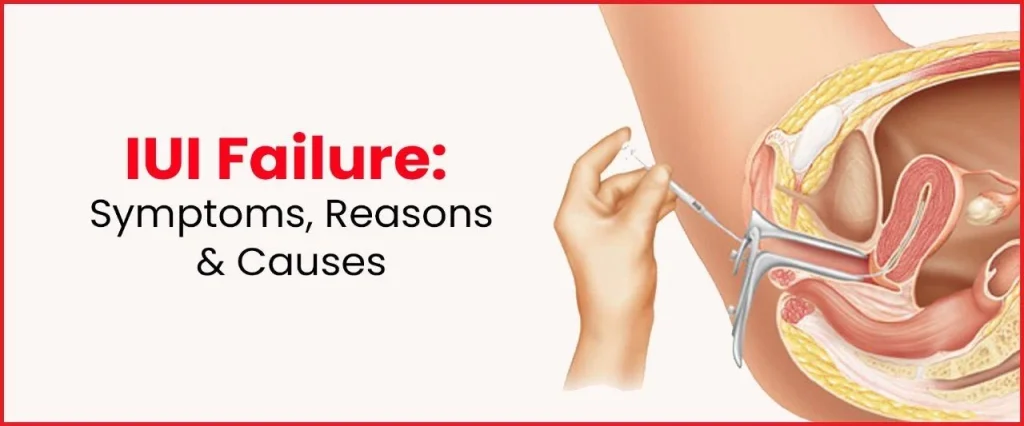
    illustration of IUI procedure with text on symptoms, reasons, and causes of IUI failure

    Intrauterine Insemination vs Low-Tech IVF: Exploring Alternative Options

    One of the main advantages of IUI is that it is a relatively simple and non-invasive procedure. It also has a lower cost compared to traditional IVF, making it a more accessible option for couples. However, the success rates of IUI are lower compared to traditional IVF, making it less suitable for couples with more severe fertility issues. IUI also has a higher risk of multiple pregnancies, which can result in complications for both the mother and babies.

    On the other hand, low-tech IVF has a higher success rate compared to IUI, making it a more suitable option for couples with more severe fertility issues. It also has a lower risk of multiple pregnancies compared to traditional IVF. However, the downside of low-tech IVF is that it can be more expensive than IUI and may not be covered by insurance. It also requires more monitoring and testing, which can be time-consuming and stressful for couples.

    Exploring Alternative Options

    While traditional IVF has been the go-to treatment for couples struggling with infertility, alternative options, such as IUI and low-tech IVF, are gaining popularity. These alternative options offer a more affordable and less invasive approach to fertility treatment. They also have lower risks and side effects compared to traditional IVF. However, it is essential to note that these options may not be suitable for everyone, and it is crucial to consult with a fertility specialist to determine the best treatment plan for your specific situation.

    Which Option is Right for You?

    The decision between IUI, low-tech IVF, or traditional IVF ultimately depends on your individual fertility issues and personal preferences. If you have mild fertility issues, IUI or low-tech IVF may be a suitable option. However, if you have more severe infertility issues, traditional IVF may be the best chance of success. It is crucial to consult with a fertility specialist to determine the best course of treatment for your unique situation.

    In conclusion, IUI and low-tech IVF are alternative options to traditional IVF that offer more affordable and less invasive approaches to fertility treatment. While they may not be suitable for everyone, they can be a viable option for couples struggling with mild fertility issues. It is essential to consult with a fertility specialist to determine the best treatment plan for your specific situation.

    Summary: In this blog post, we explored the differences between intrauterine insemination (IUI) and low-tech in vitro fertilization (IVF) as alternative options to traditional IVF. We discussed the procedures, pros and cons, and potential risks of each treatment, and highlighted the importance of consulting with a fertility specialist to determine the best course of treatment for individual situations.

  • The Importance of Support: Intrauterine Insemination vs Low-Tech IVF

    Blog Post: The Importance of Support: Intrauterine Insemination vs Low-Tech IVF

    In today’s world, many couples face difficulties when trying to conceive a child. As a result, assisted reproductive technologies (ART) have become increasingly popular. Two commonly used methods are intrauterine insemination (IUI) and low-tech in vitro fertilization (IVF). While both have similar success rates, the level of support and involvement required from both the medical team and the couple can greatly impact the overall experience and success of the treatment. In this blog post, we will explore the importance of support in the journey of conceiving a child, and how it differs in IUI and low-tech IVF.

    Intrauterine Insemination (IUI) is a relatively simple procedure that involves placing washed sperm directly into the uterus around the time of ovulation. This method is often used for couples with unexplained infertility or mild male factor infertility. The IUI process is less invasive than other ART procedures, and requires minimal medical intervention. However, this does not mean that the emotional and psychological support is any less important.

    For couples undergoing IUI, the support from their medical team can greatly impact their experience. The initial consultation and testing phase can be overwhelming and stressful, as it involves discussing personal and sensitive matters. A supportive and understanding medical team can help ease the couple’s fears and anxieties, and provide them with all the necessary information and resources. During the IUI procedure, the medical staff can also play a crucial role in providing emotional support, as the couple may feel vulnerable and anxious. Having a caring and empathetic team can make all the difference in the overall experience and success of the treatment.

    Apart from medical support, having a strong support system from family and friends can also be beneficial for couples undergoing IUI. Infertility can be a difficult journey, and having a strong support system can help alleviate stress and anxiety. Friends and family can provide emotional support, offer a listening ear, and be a source of positivity during this challenging time.

    Comparison of IUI and IVF, illustrating procedures and definitions for each fertility treatment.

    The Importance of Support: Intrauterine Insemination vs Low-Tech IVF

    On the other hand, low-tech IVF involves a more complex process, with higher levels of medical intervention. This method involves stimulating the ovaries with fertility drugs to produce multiple eggs, which are then retrieved and fertilized in a laboratory. The resulting embryos are then transferred into the uterus. The process requires more monitoring and involvement from the medical team, and the couple may experience more physical and emotional side effects from the fertility drugs.

    With the higher level of medical intervention, the importance of support becomes even more crucial in low-tech IVF. The couple may feel overwhelmed and anxious during the IVF process, and having a supportive medical team can greatly ease their worries. The medical staff can provide detailed information about the process, answer any questions, and offer emotional support. They can also closely monitor the couple’s progress and adjust the treatment plan accordingly, which can greatly impact the success of the treatment.

    In addition to medical support, couples undergoing low-tech IVF may also require emotional and psychological support. The fertility drugs can cause physical side effects such as bloating, headaches, and mood swings, which can take a toll on the couple’s mental well-being. Having a support system of friends and family can greatly help the couple cope with these side effects and provide them with the much-needed emotional support.

    In conclusion, the journey of conceiving a child can be a challenging and emotional one. The level of support and involvement from the medical team and loved ones can greatly impact the overall experience and success of the treatment. Whether undergoing IUI or low-tech IVF, having a supportive and understanding medical team, as well as a strong support system of family and friends, can make all the difference in this journey.

    Summary:

    Assisted reproductive technologies (ART) such as intrauterine insemination (IUI) and low-tech in vitro fertilization (IVF) are commonly used methods for couples facing difficulties in conceiving a child. While both have similar success rates, the level of support and involvement required from the medical team and loved ones can greatly impact the overall experience and success of the treatment. In this blog post, we explore the importance of support in the journey of conceiving a child and how it differs in IUI and low-tech IVF. Having a supportive medical team and a strong support system of family and friends can greatly ease the stress and anxiety of couples undergoing these treatments, and ultimately improve their chances of success.

  • The Emotional Rollercoaster: Intrauterine Insemination vs Low-Tech IVF

    The Emotional Rollercoaster: Intrauterine Insemination vs Low-Tech IVF

    For couples struggling with infertility, the journey to parenthood can be an emotional rollercoaster. The disappointment, frustration, and heartache that come with failed attempts can take a toll on one’s mental and emotional well-being. In such situations, assisted reproductive technology (ART) procedures like intrauterine insemination (IUI) and low-tech in vitro fertilization (IVF) offer hope and a chance at starting a family. While both methods have their similarities and differences, they also come with unique emotional challenges for couples. In this blog post, we will explore the emotional rollercoaster of IUI and low-tech IVF, and how couples can cope with the ups and downs of these procedures.

    Understanding IUI and Low-Tech IVF

    Before delving into the emotional aspects, it is important to have a basic understanding of IUI and low-tech IVF. IUI involves the insertion of prepared sperm directly into the uterus, bypassing the cervix, and increasing the chances of fertilization. This procedure is often recommended for couples with mild fertility issues or in cases where the cause of infertility is unknown. On the other hand, low-tech IVF is a simplified version of traditional IVF, which involves the retrieval of eggs from the ovaries, fertilization in a lab, and then transferring the embryo back into the uterus. Unlike traditional IVF, low-tech IVF uses minimal fertility drugs, making it a more affordable option for couples.

    The Emotional Rollercoaster of IUI

    For many couples, IUI is often the first step towards starting a family. The procedure is relatively simple, non-invasive, and less expensive compared to other ART methods. However, this does not mean it is not emotionally challenging. The first hurdle comes with the waiting period before the actual procedure. Couples have to wait for the right time in the woman’s cycle, which can be emotionally draining, especially for those who have been trying to conceive for a long time.

    Once the procedure is done, the two-week wait for the pregnancy test can be another emotional challenge. The anticipation, hope, and fear of another negative result can be overwhelming. If the test is positive, it brings immense joy and relief, but if it is negative, it can lead to disappointment, frustration, and even grief. The emotional impact of a failed IUI cycle can be particularly hard on couples who have been trying for a long time and have invested a lot of time, money, and hope into the procedure.

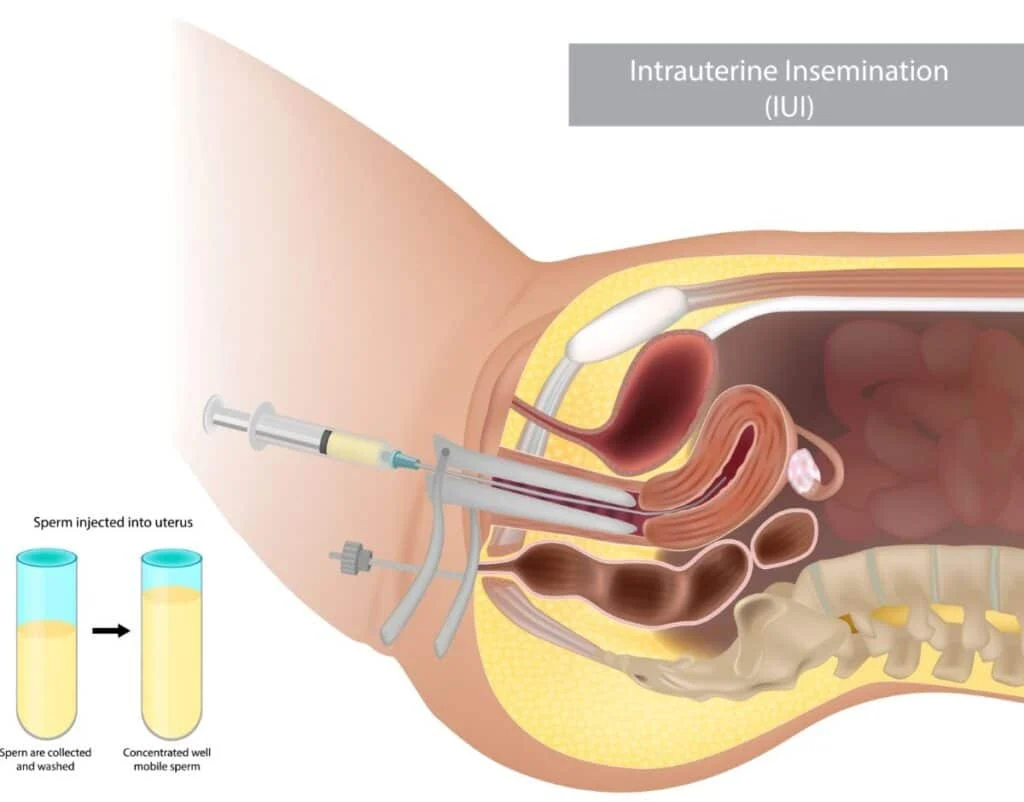
    Diagram illustrating intrauterine insemination (IUI) procedure with sperm injection into the uterus.

    The Emotional Rollercoaster: Intrauterine Insemination vs Low-Tech IVF

    The Emotional Rollercoaster of Low-Tech IVF

    Low-tech IVF, while a more affordable option, still comes with its own set of emotional challenges. The process of retrieving eggs can be physically and emotionally taxing for the woman. The hormone injections, monitoring appointments, and the fear of not producing enough eggs can cause anxiety and stress. The retrieval procedure itself can also be uncomfortable and may result in side effects such as bloating, cramping, and mood swings.

    The fertilization process and the waiting period for embryo transfer can also be emotionally difficult for couples. The uncertainty of how many embryos will be viable and the fear of not having any to transfer can cause immense stress and anxiety. The two-week wait for the pregnancy test can also be a rollercoaster of emotions, with the added pressure of knowing that this may be the couple’s only chance at conceiving with low-tech IVF. A positive result can bring joy and relief, but a negative result can be devastating for couples who have put all their hopes and resources into this one cycle.

    Coping with the Emotional Rollercoaster

    Dealing with the emotional challenges of IUI and low-tech IVF can be overwhelming, but there are ways to cope with the rollercoaster of emotions. Firstly, it is important to acknowledge and accept that the process can be emotionally taxing. It is okay to feel disappointed, frustrated, or sad after a failed cycle. Talking to a therapist or joining a support group can also help couples navigate their emotions and cope with the ups and downs of the procedures.

    It is also crucial to communicate openly and support each other as a couple. Both partners may have different ways of dealing with the emotional impact of the procedures, and it is important to respect and understand each other’s coping mechanisms. Taking breaks between cycles and finding ways to relax and de-stress can also help couples navigate the emotional challenges of ART.

    In conclusion, the emotional rollercoaster of IUI and low-tech IVF can be overwhelming for couples struggling with infertility. The waiting, uncertainty, and fear of disappointment can take a toll on one’s mental and emotional well-being. However, with support, communication, and self-care, couples can navigate these challenges and hold onto hope and resilience as they continue on their journey to parenthood.