Tag: egg retrieval

  • Navigating the Options: Egg Retrieval vs Egg Sharing

    Navigating the Options: Egg Retrieval vs Egg Sharing

    Egg donation has become a popular option for couples struggling with infertility or those who are unable to conceive naturally. This process involves retrieving eggs from a woman’s ovaries and fertilizing them with sperm in a laboratory. The resulting embryos are then transferred to the intended mother’s uterus in hopes of achieving a successful pregnancy. However, there are two different ways in which eggs can be obtained for donation: through egg retrieval or egg sharing. In this blog post, we will explore the differences between egg retrieval and egg sharing and help you navigate these options in your journey towards parenthood.

    Egg Retrieval: The Process and Pros/Cons

    Egg retrieval, also known as egg donation, is a medical procedure where a woman’s eggs are collected from her ovaries and donated to a recipient. The entire process typically takes 3-6 weeks and involves the following steps:

    1. Screening: The first step in egg retrieval is the screening process. This includes comprehensive physical and psychological evaluations, as well as tests to determine the donor’s overall health and fertility.

    2. Hormone Stimulation: Once a donor is deemed suitable, they will undergo hormone stimulation to increase the number of eggs produced during their menstrual cycle. This involves daily injections of hormones for about 10-12 days.

    3. Egg Retrieval: Once the eggs have matured, a minor surgical procedure is performed to retrieve the eggs from the ovaries. This is done under sedation and takes about 20-30 minutes.

    4. Recovery: After the procedure, donors may experience some discomfort and cramping, but most are able to resume their normal activities within a day or two.

    Pros:
    – Donors have no legal or financial responsibility towards any resulting children.
    – Donors receive compensation for their time and effort.
    – Donors can help couples struggling with infertility achieve their dream of parenthood.

    Cons:
    – The process can be physically and emotionally demanding.
    – There is a small risk of complications from the surgical procedure.
    – Donors may have to undergo multiple rounds of stimulation and retrieval.

    Egg Sharing: The Process and Pros/Cons

    Egg sharing, also known as shared egg donation, is a process where a woman donates a portion of her eggs to another woman while also keeping some for herself. This option is often chosen by women who are seeking fertility treatment for themselves but also wish to help others in need.

    1. Screening: The first step in egg sharing is the same as egg retrieval, where the donor undergoes physical and psychological evaluations, as well as fertility tests.
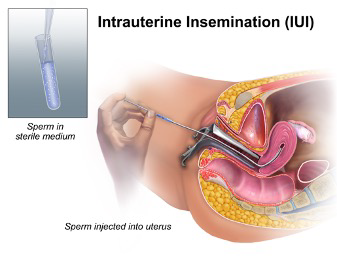
    Illustration of intrauterine insemination (IUI) procedure, showing sperm injection into the uterus.

    Navigating the Options: Egg Retrieval vs Egg Sharing

    2. Hormone Stimulation: The donor then undergoes hormone stimulation, similar to egg retrieval, to produce multiple eggs.

    3. Egg Retrieval: Instead of retrieving all the eggs, a portion of them is shared with the recipient while the donor keeps the rest for herself.

    4. Fertility Treatment: The recipient undergoes fertility treatment using the shared eggs, while the donor also receives treatment using her remaining eggs.

    Pros:
    – Donors can fulfill their desire to help others while also receiving fertility treatment for themselves.
    – There is no financial compensation, but donors often receive discounted fertility treatment.
    – Donors can potentially have a biological child while also helping someone else become a parent.

    Cons:
    – The donor’s fertility treatment may be delayed or affected due to the sharing process.
    – There is a chance that the donor may not have enough eggs to share.
    – Donors may have to undergo multiple rounds of stimulation and retrieval for their own treatment.

    Navigating the Options

    Choosing between egg retrieval and egg sharing can be a difficult decision. Both options have their own pros and cons, and ultimately, it comes down to personal preferences and circumstances. Here are a few factors to consider when making this decision:

    1. Motivation: What is your main motivation for donating your eggs? If you are primarily interested in helping others, then egg retrieval may be the better option. However, if you are also seeking fertility treatment for yourself, then egg sharing may be a more suitable choice.

    2. Time Commitment: Egg retrieval typically takes less time than egg sharing, as the donor does not have to undergo fertility treatment. If you have a busy schedule or are unable to commit to a longer process, then egg retrieval may be a better option.

    3. Emotional Considerations: Both egg retrieval and egg sharing can be emotionally challenging, but egg sharing may come with additional emotional complexities. Donors may feel a sense of attachment to the shared eggs, which can make it difficult to let go.

    4. Legal and Financial Implications: Egg retrieval may be a better option for those who do not want any legal or financial responsibility towards resulting children. However, egg sharing may be more appealing to those seeking discounted fertility treatment or the potential to have a biological child while also helping someone else.

    In conclusion, both egg retrieval and egg sharing have their own unique benefits and drawbacks. It is important to carefully consider your motivations, time commitment, emotional readiness, and legal/financial implications before making a decision. Consulting with a fertility specialist can also help you navigate these options and make an informed choice that is best suited for you.

    Summary: Egg retrieval and egg sharing are two options for egg donation, which involves retrieving eggs from a woman’s ovaries and donating them to help others achieve parenthood. Egg retrieval is a straight-forward process with no financial or legal obligations, while egg sharing involves sharing a portion of eggs with a recipient while also keeping some for oneself. Factors such as motivation, time commitment, emotional readiness, and legal/financial implications should be considered when deciding between these options. Consulting with a fertility specialist can also provide guidance in navigating these choices.
  • Breaking Down the Differences: Egg Retrieval vs Egg Sharing

    Breaking Down the Differences: Egg Retrieval vs Egg Sharing

    Egg donation has become a popular option for women who are unable to conceive on their own. It involves a woman donating her eggs to another woman or couple who are struggling with infertility. This process can be done through two different methods: egg retrieval and egg sharing. While both methods involve the donation of eggs, there are several key differences between the two. In this blog post, we will break down the differences between egg retrieval and egg sharing, and help you understand which option may be best for you.

    Egg Retrieval:

    Egg retrieval, also known as traditional egg donation, is the more widely known and practiced method of egg donation. In this process, a woman undergoes a series of fertility treatments, including hormone injections, to stimulate the production of multiple eggs. The eggs are then retrieved from her ovaries through a surgical procedure called an ultrasound-guided follicle aspiration. The eggs are then fertilized in a lab with sperm, and the resulting embryos are transferred to the recipient’s uterus.

    Egg retrieval is typically done anonymously, meaning the donor and recipient do not know each other. This allows for a greater degree of anonymity and privacy for both parties. In most cases, the donor is compensated for her time and effort, as the process can be physically and emotionally taxing.

    One of the main advantages of egg retrieval is that it allows for the production of a larger number of eggs, increasing the chances of successful fertilization and pregnancy. It also allows for the eggs to be frozen for future use, in case the recipient is not ready to undergo the embryo transfer immediately.

    However, there are also some downsides to egg retrieval. The donor may experience side effects from the fertility medications, such as bloating, headaches, and mood changes. The surgical procedure also carries some risks, including infection and damage to surrounding organs. Additionally, the cost of egg retrieval can be quite high, as it involves multiple fertility treatments and procedures.

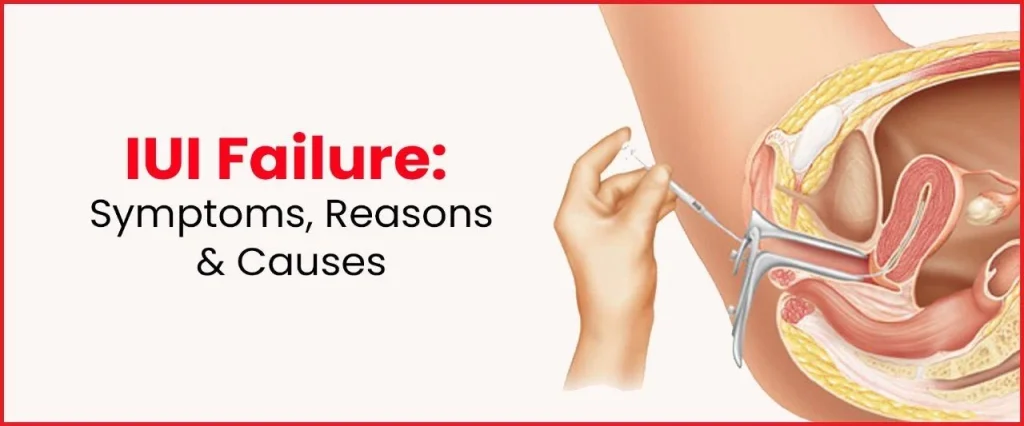
    illustration of IUI procedure with text on symptoms, reasons, and causes of IUI failure

    Breaking Down the Differences: Egg Retrieval vs Egg Sharing

    Egg Sharing:

    Egg sharing, also known as known as known as shared egg donor, is a lesser-known method of egg donation. In this process, a woman undergoing in vitro fertilization (IVF) can choose to donate some of her eggs to another woman or couple while undergoing her own fertility treatments. Both the donor and the recipient undergo the same fertility treatments, and the eggs are retrieved at the same time. The eggs are then divided between the two parties, with the donor keeping some for her own use and the rest going to the recipient.

    One of the main benefits of egg sharing is that it allows the donor to undergo fertility treatments at a reduced cost, as the recipient covers a portion of the expenses. This can be a more affordable option for those who are interested in egg donation but cannot afford the high cost of traditional egg retrieval. It also allows the donor to potentially have a biological child of her own while helping another woman or couple in need.

    However, egg sharing is not without its drawbacks. The donor and recipient must undergo fertility treatments at the same time, which can be challenging to coordinate. There is also a risk that the donor may not produce enough eggs for both herself and the recipient, resulting in disappointment for both parties. And unlike egg retrieval, egg sharing does not offer the option of freezing eggs for future use.

    Which Option is Best for You?

    Deciding between egg retrieval and egg sharing ultimately depends on your personal preferences and circumstances. If you are looking for a more anonymous process and are willing to undergo multiple fertility treatments, egg retrieval may be the best option for you. However, if you are looking for a more affordable option and are open to sharing your eggs with another woman, egg sharing may be a better fit.

    In either case, it is important to thoroughly research and understand the process before making a decision. Consult with a fertility specialist and discuss your options to determine which method is best for you.

    In summary, egg retrieval and egg sharing are two different methods of egg donation that have their own unique benefits and drawbacks. Egg retrieval allows for the production of a larger number of eggs and the option to freeze them for future use, while egg sharing can be a more affordable option and allows the donor to potentially have a biological child of her own. Ultimately, the decision between the two methods depends on individual preferences and circumstances.

  • Egg Donation and Egg Freezing: The Medical Side of Things

    Egg Donation and Egg Freezing: The Medical Side of Things

    Egg donation and egg freezing are two increasingly popular methods of fertility preservation for women. These procedures involve retrieving eggs from a woman’s ovaries and preserving them for future use. While they are often used for different reasons, both egg donation and egg freezing have become valuable options for women who wish to have children later in life or face fertility challenges. In this blog post, we will explore the medical side of egg donation and egg freezing, including the process, potential risks, success rates, and ethical considerations.

    The Process of Egg Donation and Egg Freezing

    Egg donation and egg freezing both involve retrieving eggs from a woman’s ovaries, but the processes differ in several ways. Let’s take a closer look at each procedure.

    Egg Donation:

    Egg donation is a process where a woman, known as the donor, voluntarily donates her eggs to another woman, known as the recipient. This procedure is typically done for women who are unable to produce healthy eggs or have a genetic condition that could be passed onto their offspring. The donor’s eggs are retrieved through a process called ovarian stimulation, where she is given hormone injections to stimulate the production of multiple eggs. Once the eggs are mature, they are retrieved through a minor surgical procedure known as an egg retrieval. The retrieved eggs are then fertilized with sperm in a laboratory, and the resulting embryos are transferred to the recipient’s uterus for implantation.

    Egg Freezing:

    Egg freezing, also known as oocyte cryopreservation, is a process where a woman’s eggs are retrieved and frozen for later use. This procedure is often chosen by women who wish to delay childbirth for personal or medical reasons, such as pursuing a career or undergoing medical treatments that could harm their fertility. Similar to egg donation, egg freezing also involves ovarian stimulation and egg retrieval. However, instead of fertilizing the eggs immediately, they are frozen and stored until the woman is ready to use them. When she is ready, the frozen eggs are thawed, fertilized, and transferred to her uterus.

    Potential Risks of Egg Donation and Egg Freezing

    As with any medical procedure, there are potential risks involved in both egg donation and egg freezing. These risks may include:

    1. Ovarian Hyperstimulation Syndrome (OHSS):

    doctor discussing treatment with a patient in a medical office, featuring an ultrasound machine in the background

    Egg Donation and Egg Freezing: The Medical Side of Things

    OHSS is a condition that can occur as a result of the hormonal medications used in egg donation and egg freezing. It causes the ovaries to become swollen and painful, and in severe cases, can lead to fluid buildup in the abdomen and chest, which can be life-threatening.

    2. Infection:

    The egg retrieval process involves inserting a needle through the vaginal wall to reach the ovaries. This increases the risk of infection, although it is rare.

    3. Multiple Pregnancies:

    In some cases, more than one embryo may be transferred to the recipient’s uterus, increasing the risk of multiple pregnancies, which can be high-risk and lead to complications for both the mother and babies.

    Success Rates of Egg Donation and Egg Freezing

    The success rates of egg donation and egg freezing can vary depending on various factors, such as the age and health of the woman, the quality of the eggs, and the expertise of the fertility clinic. Generally, egg donation has a higher success rate than egg freezing, as the eggs have already been fertilized and the resulting embryos can be screened for genetic abnormalities before transfer. According to the American Society for Reproductive Medicine, the success rate for egg donation is around 50%, while the success rate for egg freezing is around 30%.

    Ethical Considerations of Egg Donation and Egg Freezing

    The use of egg donation and egg freezing has raised ethical concerns, particularly regarding the compensation of egg donors and the potential risks for both the donor and the recipient. Some argue that the financial compensation offered to egg donors can be coercive and may exploit women from lower socioeconomic backgrounds. There are also concerns about the long-term effects of the hormone medications used in these procedures on the donor’s health. On the other hand, proponents of egg donation and egg freezing argue that they provide women with more reproductive options and empower them to make decisions about their own fertility.

    In conclusion, egg donation and egg freezing are two medical procedures that have revolutionized fertility preservation for women. While they offer hope to those facing fertility challenges or wishing to delay childbirth, they also come with potential risks and ethical considerations. It is important for women to carefully consider all aspects and consult with their healthcare providers before embarking on either of these procedures.

    In summary, egg donation and egg freezing are two methods of fertility preservation that involve retrieving eggs from a woman’s ovaries. Egg donation is when a woman donates her eggs to another woman, while egg freezing is when a woman’s eggs are frozen for her own use in the future. Both procedures involve ovarian stimulation and egg retrieval but differ in the use of the eggs. Potential risks include OHSS, infection, and multiple pregnancies, while success rates can vary depending on various factors. Ethical considerations surround the use of egg donation and egg freezing, but they also offer women more reproductive options. Ultimately, careful consideration and consultation with healthcare providers are crucial when considering these procedures.

  • Egg Donation and Egg Freezing: What You Need to Know

    Blog Post Title: Egg Donation and Egg Freezing: What You Need to Know

    Egg donation and egg freezing are two options available for individuals who are unable to conceive naturally or who wish to preserve their fertility for the future. Both processes involve the retrieval and preservation of a woman’s eggs, but they have different purposes and considerations. In this blog post, we will discuss everything you need to know about egg donation and egg freezing, including the procedures, benefits, risks, and important considerations.

    Egg Donation: What is it?

    Egg donation is the process of retrieving eggs from a woman’s ovaries and donating them to another individual or couple for the purpose of assisted reproduction. This process is often used by individuals or couples who are unable to conceive with their own eggs, either due to advanced maternal age, genetic disorders, or other fertility issues.

    The egg donation process typically involves several steps, including screening and testing of the donor, synchronization of the menstrual cycles of the donor and the recipient, and the retrieval of eggs from the donor through a minor surgical procedure. The retrieved eggs are then fertilized with the sperm of the recipient’s partner or a donor, and the resulting embryos are transferred to the recipient’s uterus.

    Benefits of Egg Donation

    Egg donation offers a range of benefits for both the donor and the recipient. For the donor, it provides the opportunity to help someone else achieve their dream of having a child, while also receiving compensation for their time and effort. It can also be a way for women to preserve their fertility by freezing their eggs before undergoing medical treatments that may affect their fertility.

    For the recipient, egg donation offers the chance to have a biological child if they are unable to conceive with their own eggs. It also allows individuals or couples to choose a donor who matches their desired physical, medical, or personal characteristics.

    Risks of Egg Donation

    While egg donation is generally considered a safe procedure, there are some potential risks and side effects that both the donor and the recipient should be aware of. For the donor, the most significant risk is the potential for complications from the egg retrieval procedure, such as bleeding, infection, or damage to the ovaries. There is also a small risk of ovarian hyperstimulation syndrome (OHSS), a condition that can cause abdominal pain, bloating, and other symptoms.

    For the recipient, the risks are similar to those associated with in vitro fertilization (IVF) procedures, such as multiple pregnancies, ectopic pregnancy, and ovarian hyperstimulation syndrome. Additionally, there is a small risk of genetic or medical conditions being passed on from the donor to the child.

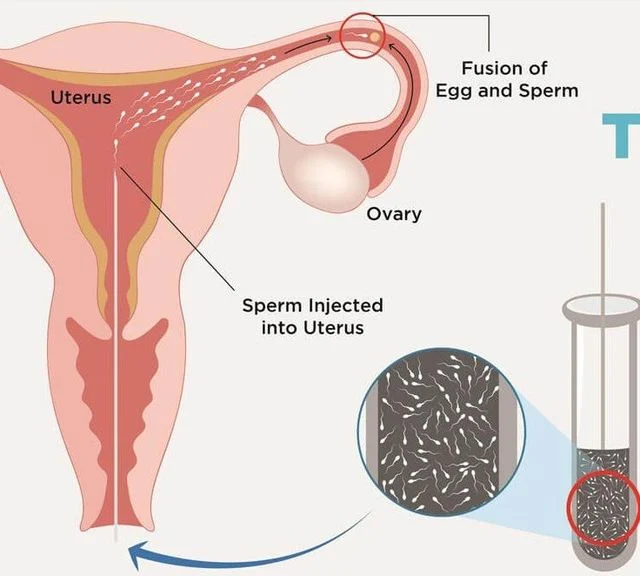
    Diagram illustrating the IUI process, showing sperm injection into the uterus and egg fertilization.

    Egg Donation and Egg Freezing: What You Need to Know

    Egg Freezing: What is it?

    Egg freezing, also known as oocyte cryopreservation, is the process of retrieving and freezing a woman’s eggs for later use. This option is often chosen by women who wish to delay motherhood due to career or personal reasons, or who are facing medical treatments that may affect their fertility.

    The egg freezing process involves several steps, including ovarian stimulation to produce multiple eggs, egg retrieval, and freezing of the eggs using a process called vitrification. The frozen eggs can then be stored for several years and thawed when the woman is ready to use them for pregnancy.

    Benefits of Egg Freezing

    One of the main benefits of egg freezing is that it allows women to preserve their fertility for the future. It can provide peace of mind for individuals who are not yet ready to have children but are concerned about their biological clock. It can also be a way for women to preserve their fertility before undergoing medical treatments that may affect their egg quality or quantity.

    Risks of Egg Freezing

    Like any medical procedure, egg freezing carries some potential risks and side effects. The most significant risk is the possibility of complications during the egg retrieval procedure, such as bleeding, infection, or damage to the ovaries. There is also a small risk of ovarian hyperstimulation syndrome (OHSS) and the potential for genetic or medical conditions being passed on to future children.

    Important Considerations for Egg Donation and Egg Freezing

    Whether you are considering egg donation or egg freezing, there are some important considerations that you should keep in mind. These include the cost of the procedures, which can vary significantly depending on the location and clinic, as well as the emotional and psychological effects that these processes may have on the donor and the recipient.

    It is also essential to carefully select a reputable and experienced clinic for either egg donation or egg freezing. This will ensure that the procedures are carried out safely and effectively, and that all necessary legal and ethical considerations are taken into account.

    In summary, egg donation and egg freezing are two options available for individuals who are unable to conceive naturally or who wish to preserve their fertility for the future. Both processes have their own procedures, benefits, and risks, and it is crucial to carefully consider all factors before making a decision. By understanding the process and important considerations, individuals can make informed choices about their reproductive options.