Tag: family planning

  • The User Experience: How Fertility Tracking Devices and Traditional Methods Differ

    The User Experience: How Fertility Tracking Devices and Traditional Methods Differ

    The process of tracking fertility has long been a vital aspect of women’s health and family planning. From traditional methods such as monitoring basal body temperature and cervical mucus to more modern approaches like fertility tracking devices, there are various options available for women to track their ovulation and increase their chances of getting pregnant. In this blog post, we will explore the user experience of both fertility tracking devices and traditional methods, and compare how they differ in terms of effectiveness, convenience, and overall user experience.

    Effectiveness
    When it comes to tracking fertility, the most important factor is its effectiveness. Traditional methods, such as tracking basal body temperature and cervical mucus, have been used for centuries and have been proven to be effective in determining the most fertile days of a woman’s menstrual cycle. These methods rely on observing changes in the body’s natural patterns and can be done without any special equipment.

    On the other hand, fertility tracking devices use more advanced technology to track fertility. They often come with a mobile app that uses algorithms to predict ovulation based on data input such as basal body temperature, cervical mucus, and menstrual cycle length. This data is then analyzed to provide a more accurate prediction of the fertile window. While fertility tracking devices are generally considered to be more accurate than traditional methods, there is still a margin of error and they may not work for all women, especially those with irregular cycles.

    Convenience
    One of the main advantages of fertility tracking devices is their convenience. They are often small and discreet, making them easy to carry around and use on-the-go. They also come with mobile apps that make it easy for women to input data and track their cycles. This can be especially helpful for busy women who may not have the time or patience to track their fertility using traditional methods.

    On the other hand, traditional methods can be more time-consuming and require a certain level of commitment. For example, tracking basal body temperature requires taking your temperature at the same time every day, while monitoring cervical mucus may involve daily observations and recording. This can be a challenge for women with busy schedules or those who may forget to track consistently. Additionally, traditional methods may not be as discreet as fertility tracking devices, making it difficult for women to track their fertility in public settings.
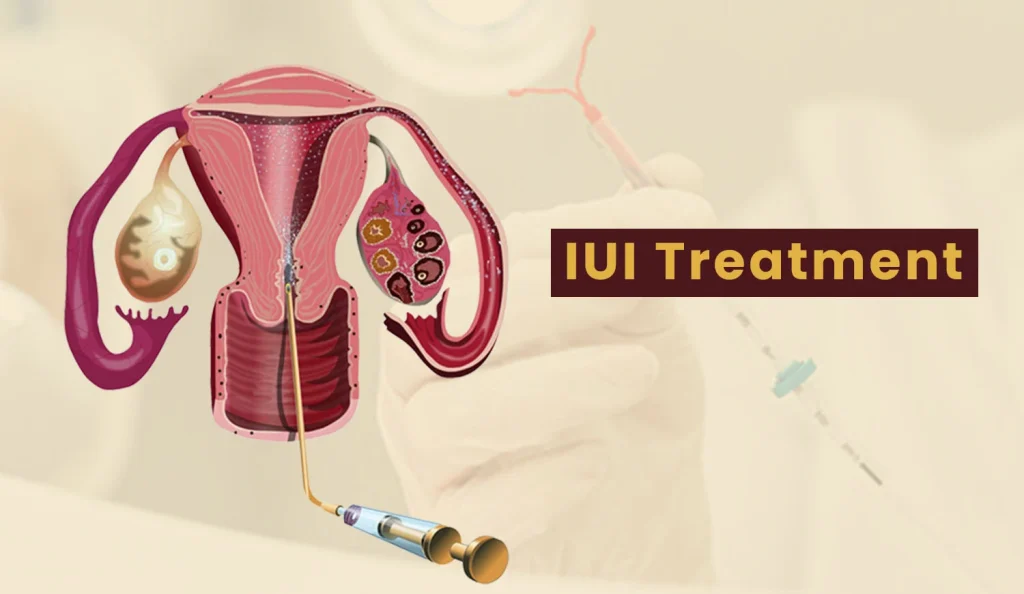
    illustration of the uterus and ovaries with a syringe, labeled "IUI Treatment" in the background

    The User Experience: How Fertility Tracking Devices and Traditional Methods Differ

    User-Friendliness
    Fertility tracking devices have become increasingly user-friendly over the years. Many come with simple and intuitive interfaces, making it easy for women to input data and understand the information provided by the device. In addition, the mobile apps that accompany these devices often have features such as educational resources and reminders, making it easier for women to stay on track with their fertility tracking.

    On the other hand, traditional methods rely on a woman’s knowledge and understanding of her own body. This may require some research and education on fertility tracking methods, which can be overwhelming for some women. Furthermore, traditional methods may not provide as much information and guidance as fertility tracking devices, which can be frustrating for women who are new to tracking their fertility.

    Cost
    Cost is another important factor to consider when comparing fertility tracking devices and traditional methods. Traditional methods, such as tracking basal body temperature and cervical mucus, are relatively inexpensive as they only require basic supplies such as a thermometer and charting materials. However, these methods may not be as accurate as fertility tracking devices, which can lead to longer periods of trying to conceive and potentially more expenses in the long run.

    Fertility tracking devices, on the other hand, can be more expensive upfront. They often require an initial investment and may also come with additional costs such as purchasing replacement sensors or subscribing to premium features in the accompanying mobile app. However, for women who are struggling with fertility or have irregular cycles, the cost may be worth it for the increased accuracy and convenience.

    In conclusion, both fertility tracking devices and traditional methods have their own unique pros and cons. While traditional methods have been used for centuries and can be effective for some women, fertility tracking devices offer a more modern and convenient approach to tracking fertility. Ultimately, the best option will depend on the individual’s needs and preferences, and it may be helpful to consult with a healthcare provider to determine the best method for tracking fertility.

    Summary:

    Fertility tracking is an important aspect of women’s health and family planning. There are traditional methods such as tracking basal body temperature and cervical mucus, as well as more modern approaches like fertility tracking devices. The effectiveness, convenience, user-friendliness, and cost of both options differ. Traditional methods rely on natural observations and are generally less expensive, but can be time-consuming and require commitment. Fertility tracking devices use technology and come with mobile apps, making them more convenient and user-friendly, but can be more expensive. Ultimately, the best option will depend on the individual’s needs and preferences, and consultation with a healthcare provider may be helpful.

  • The Cost of Conception: Comparing Prices of Fertility Tracking Devices and Traditional Methods

    In today’s world, many couples are choosing to delay starting a family for various reasons such as career goals, financial stability, or personal preferences. However, when the time comes to conceive, many couples may face challenges and obstacles that they did not anticipate. This can lead to frustration, stress, and even financial strain. One factor that can greatly impact the cost of conception is the method used for fertility tracking. In this blog post, we will compare the prices of fertility tracking devices and traditional methods to understand the cost of conception.

    Fertility tracking is the process of monitoring a woman’s fertility to determine the most fertile days for conception. This is crucial for couples trying to conceive, as it can increase their chances of getting pregnant. Traditional methods of fertility tracking include tracking menstrual cycles, monitoring basal body temperature, and checking cervical mucus. These methods require a lot of patience, time, and consistency. On the other hand, fertility tracking devices use advanced technology to make the process easier and more accurate. Let’s take a closer look at the cost of using these methods.

    Traditional methods of fertility tracking do not require any financial investment. However, they do require commitment and consistency, which can be a challenge for many couples. Tracking menstrual cycles requires keeping track of the length of each cycle and calculating the fertile days. This can be time-consuming and prone to errors. Monitoring basal body temperature involves taking your temperature every morning before getting out of bed and charting it to detect the slight temperature increase that occurs during ovulation. This method can be affected by factors such as illness, stress, and lack of sleep, making it less reliable. Checking cervical mucus involves observing changes in the texture and appearance of vaginal discharge to determine fertility. This can be difficult for some women to track accurately.

    On the other hand, fertility tracking devices offer a more convenient and precise way of tracking fertility. These devices use advanced technology to track key fertility indicators such as hormone levels, temperature, and cervical mucus. They come in various forms such as wearable bracelets, ovulation prediction kits, and smartphone apps. While fertility tracking devices require an upfront cost, they can save couples time and effort in the long run. The prices of these devices can range from $50 to $200, depending on the brand and features.

    One popular fertility tracking device is the Ava bracelet, which costs $299. The bracelet tracks multiple fertility indicators, including skin temperature, heart rate, and breathing rate, to determine the fertile window. Another popular device is the Clearblue Advanced Digital Ovulation Test, which costs $40 for a pack of 20 tests. This device uses urine samples to detect the surge in luteinizing hormone (LH) that occurs before ovulation. The fertility tracking app Fertility Friend is another popular option, with a basic version available for free and a premium version for $45 per year. The app uses data inputted by the user, such as basal body temperature and menstrual cycle length, to predict ovulation and fertile days.

    illustration of a uterus with a syringe, representing intrauterine insemination procedure

    The Cost of Conception: Comparing Prices of Fertility Tracking Devices and Traditional Methods

    While fertility tracking devices may seem like a more expensive option, they can actually save couples money in the long run. By accurately predicting ovulation and fertile days, these devices can increase the chances of conception, reducing the need for expensive fertility treatments. According to a study published in the journal Obstetrics & Gynecology, using fertility tracking devices can increase the chances of conception by up to 89%. This can save couples thousands of dollars that would otherwise be spent on fertility treatments.

    In addition to the cost of the device itself, couples also need to consider the cost of replacements or additional features. For example, some fertility tracking devices require monthly subscriptions for access to advanced features such as personalized coaching or data analysis. The cost of additional features can range from $5 to $50 per month. Replacement parts such as test strips for ovulation prediction kits or batteries for wearable devices also add to the overall cost.

    While traditional methods of fertility tracking may seem more cost-effective, the time and effort required may make them less desirable for some couples. Fertility tracking devices offer a more convenient and precise way of tracking fertility, which can save couples time, effort, and money in the long run. However, it is important to consider the individual needs and preferences of each couple when deciding which method to use.

    In conclusion, the cost of conception can be greatly impacted by the method used for fertility tracking. Traditional methods may seem more cost-effective, but they require a lot of effort and consistency. On the other hand, fertility tracking devices offer a more convenient and precise way of tracking fertility, but they come with an upfront cost. It is important for couples to weigh their options and choose the method that best suits their needs and budget.

    SEO metadata:

  • From Charts to Apps: Exploring the History of Fertility Tracking Methods

    From Charts to Apps: Exploring the History of Fertility Tracking Methods

    Fertility tracking has been an important aspect of human life for centuries. From ancient times to the present day, people have been using various methods to monitor and track their fertility for purposes such as family planning, reproductive health, and pregnancy prevention or achievement. With the advancement of technology, fertility tracking methods have evolved from simple charting and tracking to sophisticated apps and devices. In this blog post, we will dive into the history of fertility tracking methods and how they have evolved over time.

    Ancient Methods of Fertility Tracking

    The earliest known method of fertility tracking dates back to ancient Egypt, where women would drink a mixture of honey and beer to determine if they were pregnant. If the mixture fermented and produced bubbles, it was believed that the woman was pregnant. In ancient Greece, women would observe their cervical mucus to determine their fertility status. They believed that clear and stretchy mucus indicated fertility, while cloudy and sticky mucus meant infertility.

    Charting and Tracking Methods

    In the early 20th century, doctors started using basal body temperature (BBT) charting to track a woman’s ovulation. This method involves taking the woman’s body temperature every morning before getting out of bed and recording it on a chart. A slight increase in temperature indicates ovulation has occurred. This method is still widely used today, especially by women trying to conceive.

    Another popular method of fertility tracking is the calendar method, also known as the rhythm method. This method involves tracking a woman’s menstrual cycle and predicting when she is most likely to ovulate based on the length of her cycle. However, this method is not very accurate as it relies on the assumption that a woman’s cycle is regular, which is not always the case.

    In the 1970s, fertility awareness methods (FAMs) gained popularity. FAMs involve tracking a woman’s BBT, cervical mucus, and other fertility signs to determine her fertile window. These methods are more accurate than the calendar method and can be used for both pregnancy achievement and prevention.

    The Rise of Technology in Fertility Tracking

    With the rise of technology, fertility tracking has become more convenient and accurate. In the 1980s, home ovulation predictor kits (OPKs) were introduced. These kits use urine samples to detect the surge in luteinizing hormone (LH) that occurs right before ovulation. This method is widely used by women trying to conceive.

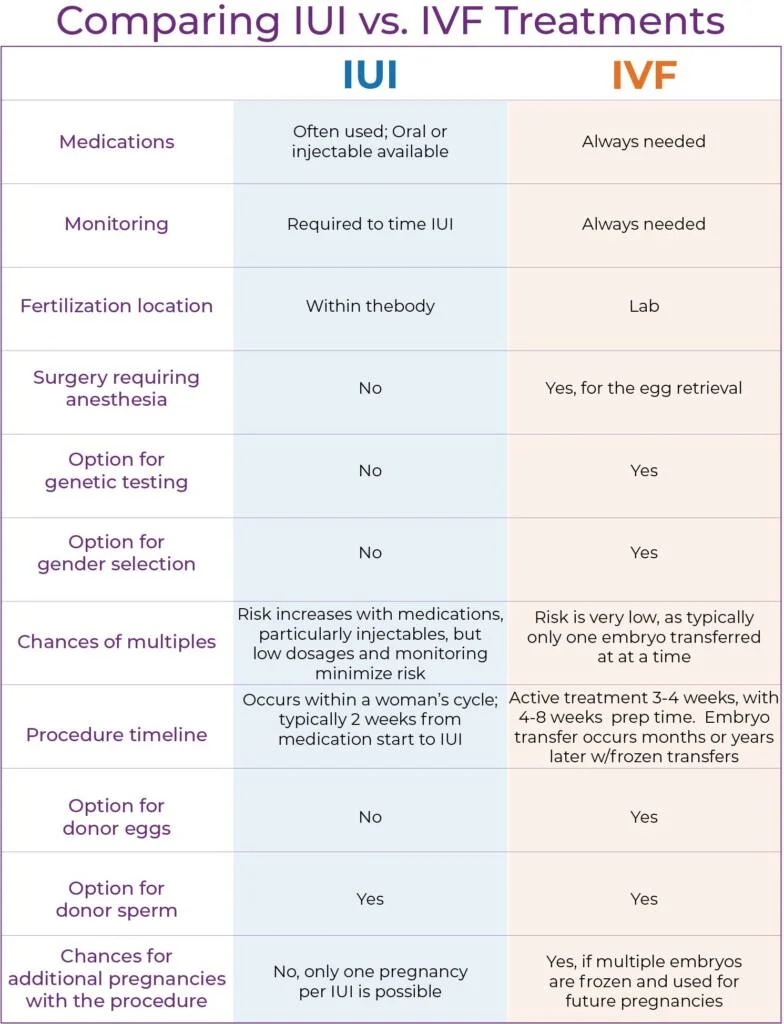
    Comparison chart of IUI and IVF treatments, detailing medications, monitoring, procedures, and success rates.

    From Charts to Apps: Exploring the History of Fertility Tracking Methods

    In the 1990s, fertility tracking software was introduced, making it easier for women to track their fertility using their computer. These programs allow women to input their fertility signs and generate charts and predictions based on the data.

    In the 2000s, fertility tracking apps became popular, with the rise of smartphones and mobile technology. These apps offer a more user-friendly and convenient way of tracking fertility signs. They also come with additional features such as reminders, community support, and integration with other health apps.

    Modern Fertility Tracking Methods

    Today, there are various modern fertility tracking methods available, ranging from wearable devices to hormonal birth control methods. One popular method is the fertility monitor, which uses hormonal tracking and algorithms to predict ovulation. Another method is the fertility tracker, a wearable device that tracks various fertility signs and syncs with an app to provide personalized insights and predictions.

    Hormonal birth control methods, such as the pill, patch, and ring, also have the ability to track a woman’s cycle and fertility window. These methods work by suppressing ovulation, but some also come with apps or reminder systems to help women stay on track with their birth control schedule.

    The Future of Fertility Tracking

    As technology continues to advance, we can expect more innovations in the field of fertility tracking. One promising method is the use of biosensors, which can analyze a woman’s saliva or sweat to determine her fertility status. These sensors can be worn as a bracelet or attached to a smartphone, making it easier for women to track their fertility on the go.

    Another area of development is the use of artificial intelligence (AI) in fertility tracking. AI algorithms can analyze a woman’s fertility data and provide more accurate predictions and personalized insights. With the help of AI, fertility tracking could become even more precise and convenient in the future.

    In conclusion, fertility tracking methods have come a long way since ancient times. From simple observations and charting to sophisticated apps and devices, these methods have evolved to provide more accurate and convenient ways for women to track their fertility. With the continuous advancement of technology, we can expect even more innovations in the field of fertility tracking, making it easier for women to manage their reproductive health and family planning.

    SEO metadata:

  • The Legal Side of Home Insemination: Protecting Your Family’s Future

    Home insemination, also known as at-home artificial insemination, is becoming a popular alternative for couples and individuals who are trying to conceive. It allows them to bypass the traditional medical route and have control over the process in the comfort of their own home. However, while home insemination may seem like a simple and convenient option, there are important legal considerations that must be addressed to protect your family’s future. In this blog post, we will discuss the legal side of home insemination and provide valuable information to ensure that you are on the right track towards building your family.

    First and foremost, it is essential to understand the legality of home insemination in your state or country. The laws and regulations surrounding home insemination vary greatly and can be complex. Some states may have specific laws that prohibit or restrict home insemination, while others may have no regulations at all. It is crucial to research and understand the laws in your area to ensure you are not breaking any rules. Seeking legal advice from a professional who is knowledgeable about reproductive rights can also be beneficial in navigating the legal landscape of home insemination.

    One of the most significant legal considerations when it comes to home insemination is parental rights. Parental rights refer to the legal rights and responsibilities that come with being a parent, such as making decisions about the child’s welfare and having a say in their upbringing. In traditional medical insemination, the donor usually signs away their parental rights, and the recipient or their partner becomes the legal parent. However, in home insemination, the process is not as straightforward. The donor may still have parental rights, even if they are not the intended parent. This is why it is crucial to have a legal agreement in place before proceeding with home insemination.

    A legal agreement, also known as a donor agreement, is a contract between the donor and the recipient that outlines their roles and responsibilities. It can include details such as the donor’s involvement in the child’s life, financial obligations, and parental rights. This agreement serves as a crucial document in protecting the rights of all parties involved and can be used as evidence in case of any legal disputes in the future. It is essential to have this agreement reviewed and signed by both parties before proceeding with home insemination.

    Illustration of IUI procedure with uterus and syringe against a DNA background.

    The Legal Side of Home Insemination: Protecting Your Family's Future

    Another vital consideration is the use of a known or anonymous donor. A known donor is someone you personally know and have a relationship with, while an anonymous donor is someone you have no prior connection to. It is essential to understand the legal implications of using either type of donor. If you choose to use a known donor, it is crucial to have a donor agreement in place, as mentioned earlier. However, if you opt for an anonymous donor, there are legalities to consider, such as the donor’s anonymity and their rights to remain anonymous. It is advisable to seek legal advice when choosing a donor, regardless of whether they are known or anonymous.

    Additionally, for LGBTQ+ families, home insemination can bring about unique legal considerations. Many states have laws that do not recognize same-sex couples or individuals as legal parents, which can complicate the parental rights of the non-biological parent. In these cases, it is crucial to have a second-parent adoption or a co-parenting agreement in place to ensure that both parents have equal rights to the child. These legal actions can provide protection for both parents and the child in case of any legal challenges.

    Moreover, it is vital to keep a record of the home insemination process. This record can serve as evidence of the donor’s consent and involvement in the child’s conception. It is advisable to have a medical professional present during the insemination process and to keep a copy of the medical records. This can also serve as proof of the donor’s medical history, which can be crucial for the child’s well-being in the future.

    In conclusion, while home insemination can be a convenient and cost-effective way to start or expand your family, it is essential to address the legal side of the process. Understanding the laws and regulations in your area, having a legal agreement in place, and keeping a record of the process are all crucial steps in protecting your family’s future. Seeking legal advice from a professional who specializes in reproductive rights can also provide valuable guidance and ensure that you are on the right track towards building your family.

    In summary, home insemination can bring about various legal considerations, including parental rights, donor agreements, the use of known or anonymous donors, and LGBTQ+ family planning. It is crucial to understand and address these legal aspects to protect the rights of all parties involved and ensure a secure and stable future for your family.

  • The Benefits of Fertility Coaching for Same-Sex Couples

    Blog Post:

    In recent years, there has been a significant increase in the number of same-sex couples seeking to start a family through assisted reproductive technology. However, navigating the complexities of fertility treatments and family planning can be overwhelming and stressful for anyone, and same-sex couples may face additional challenges and barriers. This is where fertility coaching can be incredibly beneficial for same-sex couples. Fertility coaching provides personalized support and guidance for individuals and couples who are trying to conceive, and it can be particularly helpful for same-sex couples as they navigate the unique challenges and options available to them.

    One of the main benefits of fertility coaching for same-sex couples is that it provides a safe and supportive space to discuss their family planning goals and concerns. Same-sex couples may face a variety of emotional and logistical challenges when it comes to starting a family, and having a trained fertility coach to talk to can be invaluable. Fertility coaches are knowledgeable about the various options available to same-sex couples, such as donor insemination, surrogacy, and adoption, and can help couples navigate the pros and cons of each option. They can also provide emotional support and guidance as couples navigate the sometimes difficult conversations and decisions that come with family planning.

    Another important benefit of fertility coaching for same-sex couples is that it can help them overcome any potential legal and financial obstacles. Due to the constantly evolving laws and regulations surrounding assisted reproductive technology and same-sex parenting, it can be challenging for couples to understand their rights and options. Fertility coaches can help couples understand the legal and financial implications of their chosen family planning method and refer them to the appropriate resources and professionals. This can help same-sex couples feel more confident and secure in their family planning decisions.

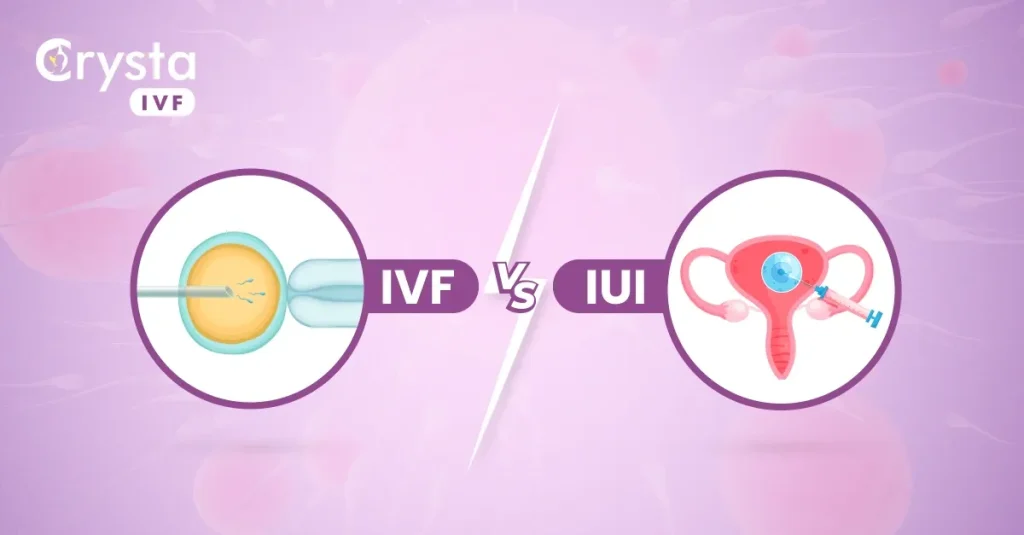
    Comparison of IVF and IUI procedures with illustrations of each method.

    The Benefits of Fertility Coaching for Same-Sex Couples

    Additionally, fertility coaching can help same-sex couples navigate the often complex and overwhelming world of fertility treatments. Fertility coaches can provide couples with information about the different types of fertility treatments available, such as intrauterine insemination (IUI) and in vitro fertilization (IVF), and help them understand the potential success rates and costs associated with each option. They can also help couples find reputable and LGBTQ-friendly fertility clinics and doctors, and provide guidance on how to advocate for themselves and their rights during the treatment process.

    Fertility coaching can also be beneficial for same-sex couples who are struggling with fertility issues. Many couples may face challenges in conceiving, and this can be especially difficult for same-sex couples as they may not have the option of trying to conceive naturally. Fertility coaches can provide couples with emotional support during this difficult time, as well as help them explore alternative options such as fertility treatments, surrogacy, or adoption. They can also provide couples with valuable coping strategies and resources to help them manage the emotional toll of fertility struggles.

    Moreover, fertility coaching can help same-sex couples prepare for parenthood. Becoming a parent can be a daunting and life-changing experience, and it is important for couples to feel prepared and supported. Fertility coaches can provide couples with information and resources on topics such as co-parenting, creating a supportive community for their child, and how to navigate potential challenges that may arise as a same-sex parent. They can also help couples prepare for the emotional and logistical aspects of becoming parents, such as managing work-life balance and creating a supportive environment for their child.

    In summary, fertility coaching can provide a multitude of benefits for same-sex couples who are trying to start a family. From providing emotional support and guidance to helping couples navigate legal and financial obstacles, fertility coaching can be an invaluable resource for same-sex couples as they embark on their journey to parenthood. With the help of a trained fertility coach, same-sex couples can feel more confident, supported, and empowered in their family planning decisions.

  • Frozen Donor Sperm: An Alternative for Couples Struggling with Male Infertility

    Frozen Donor Sperm: An Alternative for Couples Struggling with Male Infertility

    Infertility affects millions of couples worldwide, with male infertility being a major contributing factor. While there are various treatments available for male infertility, not all couples are able to conceive using their own sperm. In such cases, frozen donor sperm can be a viable option for couples who are struggling to conceive. In this blog post, we will explore the concept of frozen donor sperm and how it can provide hope for couples facing male infertility.

    What is Frozen Donor Sperm?

    Frozen donor sperm, also known as donor insemination, is a process in which sperm from a donor is used to fertilize a woman’s egg in order to achieve pregnancy. The sperm is collected from a healthy, screened donor and then frozen for future use. This method of conception has been used for decades and has helped countless couples achieve their dream of parenthood.

    Why is Frozen Donor Sperm Used?

    There are several reasons why couples may choose to use frozen donor sperm. The most common reason is male infertility. This may be due to low sperm count, poor sperm quality, or other medical conditions that prevent the man from producing viable sperm. In such cases, using donor sperm can greatly increase the chances of a successful pregnancy.

    Another reason for using frozen donor sperm is for couples who are carriers of genetic diseases. In such cases, using donor sperm from a non-carrier can eliminate the risk of passing on the disease to the child. This is particularly beneficial for couples with a family history of genetic disorders.

    The Process of Using Frozen Donor Sperm

    The process of using frozen donor sperm starts with selecting a suitable donor. Couples can choose from a variety of options such as physical traits, education, and medical history. Once the donor is chosen, the sperm is thawed and prepared for insemination. This can be done through intrauterine insemination (IUI) or in vitro fertilization (IVF).

    illustration of a uterus with a syringe for intrauterine insemination (IUI) procedure

    Frozen Donor Sperm: An Alternative for Couples Struggling with Male Infertility

    IUI involves the insertion of the thawed sperm directly into the woman’s uterus during ovulation. This method is less invasive and less expensive compared to IVF. However, IVF may be recommended for couples who have not been successful with IUI or have other fertility issues.

    Benefits of Using Frozen Donor Sperm

    One of the main benefits of using frozen donor sperm is that it eliminates the need for a male partner. This is particularly beneficial for single women or same-sex couples who want to start a family. It also provides hope for couples struggling with male infertility, giving them a chance to conceive and have a biological child.

    Another benefit is the ability to choose a donor based on specific traits. This can be reassuring for couples who have a family history of certain medical conditions or want a donor with similar physical characteristics. Additionally, using frozen donor sperm can be less expensive than other fertility treatments, making it a more affordable option for some couples.

    Things to Consider

    While using frozen donor sperm can be a great option for couples struggling with male infertility, there are a few things to consider before making the decision. It is important to thoroughly research and choose a reputable sperm bank to ensure the quality and safety of the donor sperm. It is also recommended to speak with a fertility specialist to discuss the best treatment plan and any potential risks or complications.

    Another important factor to consider is the emotional aspect of using donor sperm. Some couples may struggle with the idea of using a donor and may need to seek counseling to work through any feelings of loss or inadequacy.

    In Summary

    Frozen donor sperm can be a viable option for couples struggling with male infertility. It involves using sperm from a healthy donor to fertilize a woman’s egg, providing hope for couples who want to start a family but are unable to use their own sperm. The process is safe, effective, and allows for the selection of specific donor traits. However, it is important to carefully consider all aspects of using donor sperm before making a decision.

  • Fresh Donor Sperm: Debunking Common Myths and Misconceptions

    Summary:

    Donor sperm is an increasingly popular option for individuals and couples looking to start a family. However, there are many myths and misconceptions surrounding fresh donor sperm that may be deterring people from considering it as a viable option. In this blog post, we will debunk some of the common myths and misconceptions surrounding fresh donor sperm.

    Myth #1: Donor sperm is only for same-sex couples or single women.

    One of the most common misconceptions about donor sperm is that it is only used by same-sex couples or single women. While these groups do make up a significant portion of donor sperm recipients, it is not the only demographic that uses donor sperm. Many heterosexual couples also use donor sperm when faced with fertility issues or genetic conditions that make conceiving naturally difficult. Donor sperm can be a great option for any individual or couple looking to start a family, regardless of sexual orientation or relationship status.

    Myth #2: Fresh donor sperm is not as safe as frozen donor sperm.

    Some people may believe that fresh donor sperm is not as safe as frozen donor sperm because it is not as rigorously tested. However, this is not the case. Fresh donor sperm is subject to the same strict screening and testing process as frozen donor sperm. Donor sperm banks follow guidelines set by the Food and Drug Administration (FDA) to ensure the safety of all donor sperm. This includes testing for sexually transmitted infections (STIs) and genetic conditions.

    Myth #3: Donor sperm is only for infertile couples.

    Another common myth about donor sperm is that it is only for couples who are struggling with infertility. While donor sperm can certainly be a great option for couples dealing with fertility issues, it is also used by couples who want to avoid passing on genetic conditions or by individuals who are not in a relationship but still want to have a child. Donor sperm provides a way for these individuals and couples to start a family and have a biological connection to their child.

    Myth #4: Donor sperm recipients have no control over the characteristics of their child.

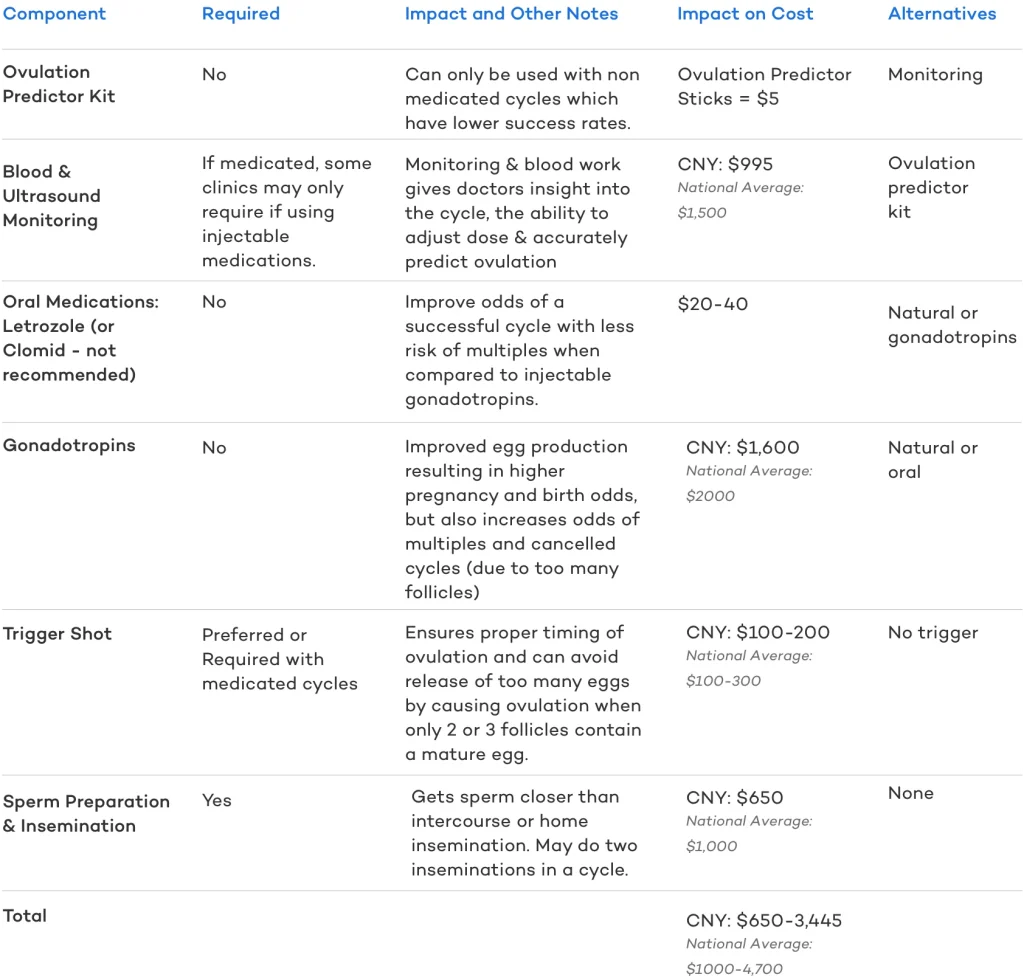
    Cost breakdown for IUI components, including requirements, impacts, and alternatives.

    Fresh Donor Sperm: Debunking Common Myths and Misconceptions

    Some people may believe that using donor sperm means giving up control over the physical and genetic characteristics of their child. However, this is not the case. Donor sperm banks allow recipients to choose from a pool of donors with specific characteristics such as height, hair color, eye color, and ethnicity. This allows recipients to have some control over the physical traits of their child. Additionally, extensive medical and family history information is provided for each donor, giving recipients more insight into the genetic characteristics of their child.

    Myth #5: Using donor sperm means the child will never know their biological father.

    One of the biggest concerns for individuals and couples considering donor sperm is that the child will never know their biological father. However, most donor sperm banks offer open or semi-open donation options. This means that the child can have access to information about their donor, including their identity, once they reach a certain age. This allows the child to have a connection to their biological father if they choose to pursue it. It also gives them the opportunity to learn about their genetic background and medical history.

    Myth #6: Donor sperm is expensive and not accessible to everyone.

    While the cost of donor sperm may vary depending on the sperm bank and the type of donor sperm chosen, it is not as expensive as many people believe. Donor sperm can range anywhere from a few hundred dollars to a few thousand dollars, with fresh donor sperm usually being on the lower end of the spectrum. Additionally, many sperm banks offer financing options and discounts for repeat clients, making it more accessible to a wider range of individuals and couples.

    Myth #7: Children conceived through donor sperm will have psychological issues.

    Some people may have concerns about the psychological well-being of children conceived through donor sperm. However, numerous studies have shown that there is no significant difference in the psychological development of children conceived through donor sperm compared to those conceived naturally. As long as the child is raised in a loving and supportive environment, they will grow up just like any other child.

    Myth #8: Donor sperm is not as successful as other fertility treatments.

    Finally, some people may believe that donor sperm is not as successful as other fertility treatments, such as in vitro fertilization (IVF). However, the success rates of donor sperm are similar to those of IVF and other fertility treatments. In fact, for many individuals and couples, donor sperm may be the best and most effective option for starting a family.

    In conclusion, there are many myths and misconceptions surrounding fresh donor sperm that may be deterring people from considering it as a viable option for starting a family. It is important to debunk these myths and educate others on the facts about donor sperm. Donor sperm is a safe, accessible, and successful option for individuals and couples looking to have a child, and it should not be discounted due to misinformation.

  • The Pros and Cons of Frozen Donor Sperm

    Blog Post:

    Frozen donor sperm has become a popular and viable option for individuals and couples struggling with fertility issues. It offers a way to start a family without the need for a male partner or with the use of a known donor. However, like any other medical procedure, there are pros and cons to consider before making the decision to use frozen donor sperm. In this blog post, we will explore the various advantages and disadvantages of using frozen donor sperm.

    Pros:

    1. Accessibility and Availability

    One of the biggest advantages of frozen donor sperm is its accessibility and availability. Unlike fresh sperm, which needs to be coordinated with a donor’s schedule, frozen donor sperm is readily available at sperm banks and fertility clinics. This allows individuals and couples to have a wider range of options when selecting a donor, making it easier to find someone who meets their specific criteria.

    2. Reduced Risk of Disease Transmission

    Frozen donor sperm is thoroughly screened and tested for any genetic diseases or sexually transmitted infections, reducing the risk of disease transmission to the recipient. This is particularly important for individuals and couples who are using donor sperm to conceive, as they want to ensure the health and safety of their future child.

    3. Cost-Effective

    Compared to other fertility treatments, using frozen donor sperm is a more cost-effective option. The cost of purchasing frozen donor sperm is significantly lower than the cost of using fresh sperm or undergoing other assisted reproductive procedures. This makes it more accessible to those who may not be able to afford other fertility treatments.

    4. No Legal Obligations

    When using frozen donor sperm from a sperm bank, the donor has no legal rights or obligations to any resulting child. This means that the donor cannot seek custody or parental rights, and the recipient(s) have full parental rights and responsibilities. This is a significant advantage for individuals and couples who want to have a child without involving a known donor.

    5. Higher Success Rates

    diagram of a uterus with a syringe for intrauterine insemination procedure

    The Pros and Cons of Frozen Donor Sperm

    Frozen donor sperm has a higher success rate compared to fresh sperm. This is because frozen sperm can be stored for an extended period, allowing for more thorough testing and screening. Additionally, frozen sperm can survive for longer periods inside the female reproductive system, increasing the chances of conception.

    Cons:

    1. Limited Genetic Information

    One of the main drawbacks of using frozen donor sperm is the limited genetic information available about the donor. Unlike known donors, who can provide detailed information about their medical history and family background, donors at sperm banks are anonymous. While they are screened for certain diseases, there may be underlying genetic conditions that are not tested for, which could potentially be passed down to the child.

    2. Inconvenient and Time-Consuming Process

    Using frozen donor sperm can be an inconvenient and time-consuming process. It involves multiple medical appointments, cycles of fertility medications, and precise timing for insemination. This can be stressful and overwhelming, especially for individuals and couples who are already dealing with the emotional toll of infertility.

    3. Risk of Misidentification

    There is always a risk of misidentification when using frozen donor sperm. With multiple vials of sperm being stored and used, there is a possibility of using the wrong donor’s sperm. This can result in a child being conceived with a different genetic makeup than intended, which can have legal and emotional consequences for all parties involved.

    4. Limited Donor Availability

    While frozen donor sperm offers a wider range of options compared to fresh sperm, there is still a limited availability of donors. This is especially true for specific traits or characteristics that recipients may be looking for, such as ethnicity, education, or physical appearance. This can make it difficult for individuals and couples to find a suitable donor that meets their preferences.

    5. Emotional and Psychological Impact

    Using frozen donor sperm can have a significant emotional and psychological impact on individuals and couples. It may bring up feelings of grief, loss, and disappointment, as they come to terms with the fact that they will not have a biological connection to their child. This can also have an impact on the child, as they may struggle with their identity and feelings of not belonging.

    In summary, using frozen donor sperm offers many advantages, such as accessibility, reduced risk of disease transmission, and cost-effectiveness. However, there are also drawbacks to consider, including limited genetic information, inconvenience, and potential emotional and psychological impacts. It is essential to carefully weigh these pros and cons and seek guidance from a medical professional before making the decision to use frozen donor sperm.

  • The Decision-Making Process: How to Choose the Right Fertility Tracking Method for You

    Summary:

    The decision to start trying for a baby can be both exciting and overwhelming. Along with the emotions and anticipation, there are also many considerations to take into account, one of which is choosing the right fertility tracking method. With so many options available, it can be challenging to determine which method will work best for you. In this blog post, we will discuss the decision-making process for choosing the right fertility tracking method and provide an overview of the different methods available.

    First, it is essential to understand the purpose of fertility tracking. Fertility tracking is a way to monitor and track a woman’s menstrual cycle to identify the most fertile days for conception. By knowing when ovulation occurs, couples can time intercourse for a higher chance of pregnancy. There are various methods of fertility tracking, and each has its pros and cons. The key is to find the one that aligns with your lifestyle, preferences, and needs.

    The first step in the decision-making process is to assess your goals and preferences. Are you looking for a natural and non-invasive method? Or do you prefer a more high-tech and accurate approach? Some methods require daily tracking, while others are more hands-off. It is essential to consider these factors before diving into the specifics of each method.

    The most commonly used fertility tracking methods include the calendar method, basal body temperature (BBT) tracking, cervical mucus monitoring, ovulation predictor kits (OPKs), and fertility tracking apps. The calendar method involves tracking your period and using a prediction formula to determine your fertile window. BBT tracking involves taking your temperature every morning at the same time to detect a slight increase after ovulation. Cervical mucus monitoring involves tracking changes in vaginal discharge to determine when ovulation is likely to occur. OPKs are urine tests that detect the luteinizing hormone, which surges right before ovulation. Fertility tracking apps use various data inputs, such as BBT, ovulation test results, and menstrual cycle information, to predict fertile days.

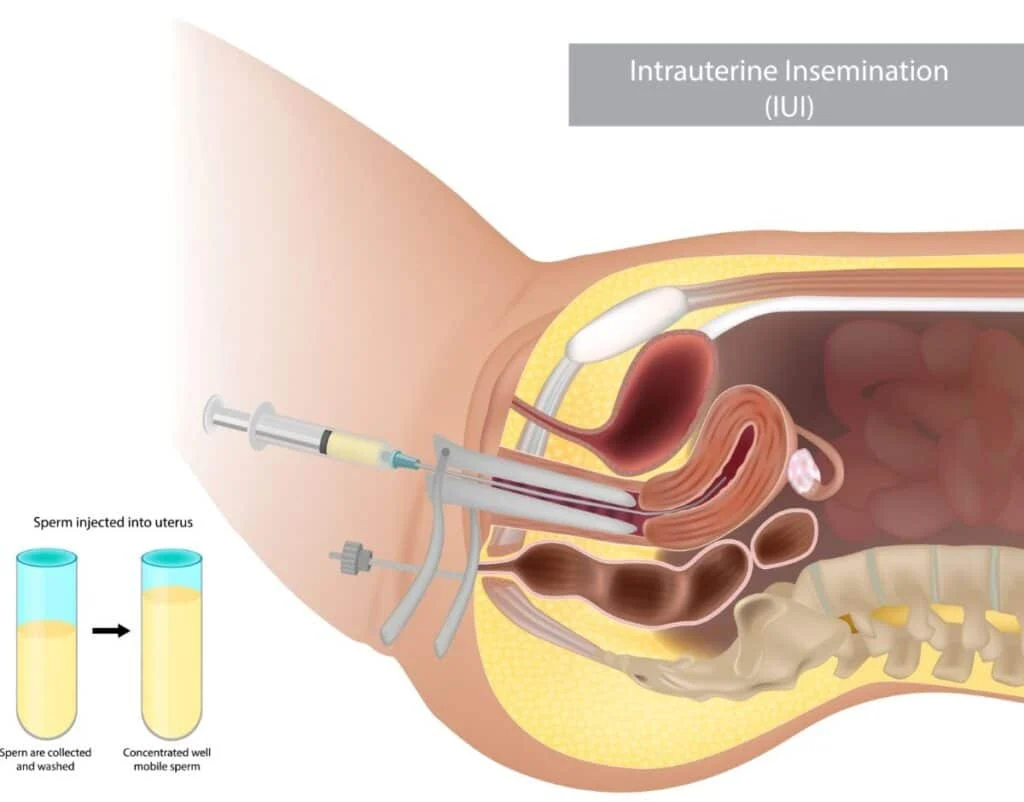
    Diagram illustrating intrauterine insemination (IUI) procedure with sperm injection into the uterus.

    The Decision-Making Process: How to Choose the Right Fertility Tracking Method for You

    Each method has its advantages and disadvantages. For example, the calendar method is easy and inexpensive, but it may not be accurate for women with irregular periods. BBT tracking is a reliable method, but it requires daily tracking and can be affected by factors such as illness or poor sleep. Cervical mucus monitoring is a natural and straightforward method, but it may not be as precise as other methods. OPKs are highly accurate but can be expensive if used every cycle. Fertility tracking apps are convenient and provide a comprehensive overview of your cycle, but they may not be accurate for women with irregular periods or conditions like polycystic ovary syndrome (PCOS).

    Besides these methods, there are also more advanced options like fertility monitors and wearable devices. Fertility monitors, such as the Clearblue Fertility Monitor, use urine tests and other data inputs to track hormone levels and identify the fertile window. Wearable devices, like the Ava bracelet, track various physiological parameters, such as skin temperature and heart rate, to predict ovulation.

    Once you have familiarized yourself with the different methods, the next step is to consider any potential obstacles that may affect your ability to track your fertility accurately. For example, if you have an irregular sleep schedule or travel frequently, BBT tracking may not be the best option for you. Similarly, if you have a history of urinary tract infections or are on certain medications, OPKs may not be as reliable. It is essential to speak with your healthcare provider about any concerns or factors that may affect your fertility tracking method.

    Another crucial factor to consider is your budget. Some methods, like the calendar method and cervical mucus monitoring, are relatively inexpensive, while others, like fertility monitors and wearable devices, may require a more significant investment. It is essential to weigh the cost against the potential benefits and decide what is feasible for you.

    Finally, it is crucial to remember that no single method is foolproof, and combining different methods may provide a more accurate picture of your fertile window. For example, using BBT tracking in conjunction with OPKs or a fertility tracking app can provide a more comprehensive overview of your cycle.

    In conclusion, choosing the right fertility tracking method requires careful consideration of your goals, preferences, and potential obstacles. Familiarizing yourself with the different methods, consulting with your healthcare provider, and assessing your budget can help you make an informed decision. Remember that no method is 100% accurate, and combining different methods may provide the best results. By taking the time to choose the right fertility tracking method for you, you can increase your chances of conceiving and embark on the exciting journey of starting a family.

  • Fertility Tracking 2.0: How Apps Are Improving Upon Traditional Methods

    Word Count: 2000

    Fertility tracking has been a crucial aspect of family planning for centuries, with traditional methods such as calendar tracking and basal body temperature monitoring being used by women to understand their menstrual cycle and ovulation patterns. However, with the advent of technology, a new era of fertility tracking has emerged – Fertility Tracking 2.0. This refers to the use of apps and other digital tools to track and monitor fertility, providing more accurate and personalized data for women. In this blog post, we will explore the various ways in which apps are improving upon traditional fertility tracking methods and how they are changing the game for women worldwide.

    Firstly, let’s understand the limitations of traditional fertility tracking methods. Calendar tracking, also known as the rhythm method, involves keeping track of the menstrual cycle and predicting ovulation based on past cycles. While this method is relatively easy to use, it is not entirely reliable, as many factors can affect the length of a woman’s menstrual cycle. Additionally, it does not take into account changes in ovulation patterns due to stress, illness, or other external factors.

    Basal body temperature (BBT) monitoring involves tracking the body’s temperature throughout the menstrual cycle to identify the rise in temperature that occurs after ovulation. However, this method requires women to take their temperature every morning at the same time before getting out of bed, making it a tedious and time-consuming process. Moreover, it only confirms ovulation after it has occurred, making it less useful for planning conception.

    This is where fertility tracking apps come into play. These apps use a combination of methods, including calendar tracking, BBT monitoring, and other advanced techniques, to provide women with a more accurate and personalized picture of their fertility. These apps use algorithms and data analytics to track and analyze various fertility signs and patterns, including temperature, cervical mucus, and ovulation test results, to predict the fertile window and ovulation with greater accuracy.

    One of the most significant advantages of these apps is the convenience they offer. Women no longer have to manually track their cycles or take their temperature every morning; they can simply input their data into the app, which will then analyze and provide them with the necessary information. This not only saves time but also reduces the chances of human error in traditional tracking methods.

    Illustration of intrauterine insemination (IUI) procedure, showing sperm injection into the uterus.

    Fertility Tracking 2.0: How Apps Are Improving Upon Traditional Methods

    Moreover, fertility tracking apps provide a more comprehensive and detailed analysis of a woman’s fertility. As mentioned earlier, traditional methods do not take into account external factors that may affect ovulation patterns. However, these apps allow women to track and monitor various lifestyle factors such as stress levels, exercise, and diet, which can significantly impact fertility. This information can then be used to make lifestyle changes that can improve fertility.

    Another significant advantage of these apps is their ability to provide personalized insights. Each woman’s fertility journey is unique, and these apps take that into account by using data analytics to analyze patterns and provide personalized recommendations. For example, if a woman’s cycle is irregular, the app can use past data to predict future ovulation and fertile windows accurately. This feature is particularly beneficial for women with conditions such as polycystic ovary syndrome (PCOS), which can make tracking ovulation more challenging.

    Moreover, fertility tracking apps also offer a range of additional features to help women on their journey to conception. These include ovulation predictor kits, which can be synced with the app to provide more accurate predictions, and fertility charts to track and monitor changes in fertility signs. Some apps also offer community forums where women can connect and share their experiences with others on a similar journey.

    However, with the rise in popularity of fertility tracking apps, there are also concerns about the accuracy and reliability of the data provided. As with any technology, there is always a margin for error, and these apps are no exception. It is essential for women to understand that these apps should not be used as a replacement for medical advice and should be used in conjunction with consulting a healthcare professional.

    In conclusion, fertility tracking 2.0 apps have revolutionized the way women track and monitor their fertility, offering a more convenient, accurate, and personalized experience. These apps provide women with a deeper understanding of their bodies and fertility, allowing them to make more informed decisions about their reproductive health. However, it is crucial to use these apps as a tool and not rely solely on them for family planning. With the continuous development of technology, we can only expect to see more advancements in fertility tracking, providing even more benefits to women worldwide.

    Summary:

    Fertility tracking has been an essential aspect of family planning for centuries, with traditional methods like calendar tracking and basal body temperature monitoring. However, with the rise of technology, a new era of fertility tracking has emerged – Fertility Tracking 2.0. This refers to the use of apps and other digital tools to track and monitor fertility, providing more accurate and personalized data for women. These apps offer convenience, comprehensive analysis, and personalized insights, making them a game-changer for women worldwide. However, it is essential to use these apps as a tool and not rely solely on them for family planning.