Tag: sperm donor

  • At-Home Insemination vs Clinical Insemination: Which Is the Right Choice for You Based on Success Rates?

    At-Home Insemination vs Clinical Insemination: Which Is the Right Choice for You Based on Success Rates?

    When it comes to starting a family, there are many options available for couples and individuals who are unable to conceive naturally. One common method is insemination, where sperm is placed into the reproductive tract to facilitate fertilization. However, there are two main types of insemination: at-home and clinical. Both have their own benefits and drawbacks, but one factor that can greatly influence a person’s decision is the success rate.

    At-Home Insemination

    At-home insemination, also known as self-insemination or home insemination, involves the use of a sperm donor and a do-it-yourself approach. This method is often preferred by those who want a more intimate and less expensive option compared to clinical insemination. With at-home insemination, the process can be done in the comfort and privacy of one’s own home, without the need for medical intervention.

    The process of at-home insemination involves collecting sperm from a donor, usually a partner or a friend, and using a syringe or a menstrual cup to insert it into the vagina. This method can be performed during a woman’s ovulation period, which increases the chances of fertilization. However, due to the lack of medical supervision and monitoring, the success rate of at-home insemination is relatively low, ranging from 10% to 15%.

    Clinical Insemination

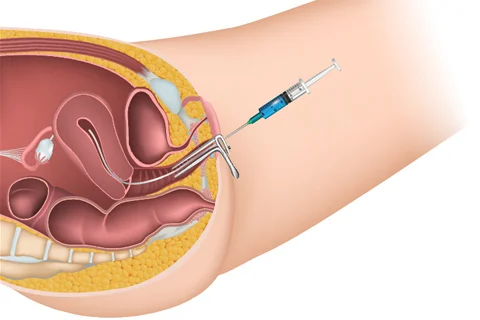
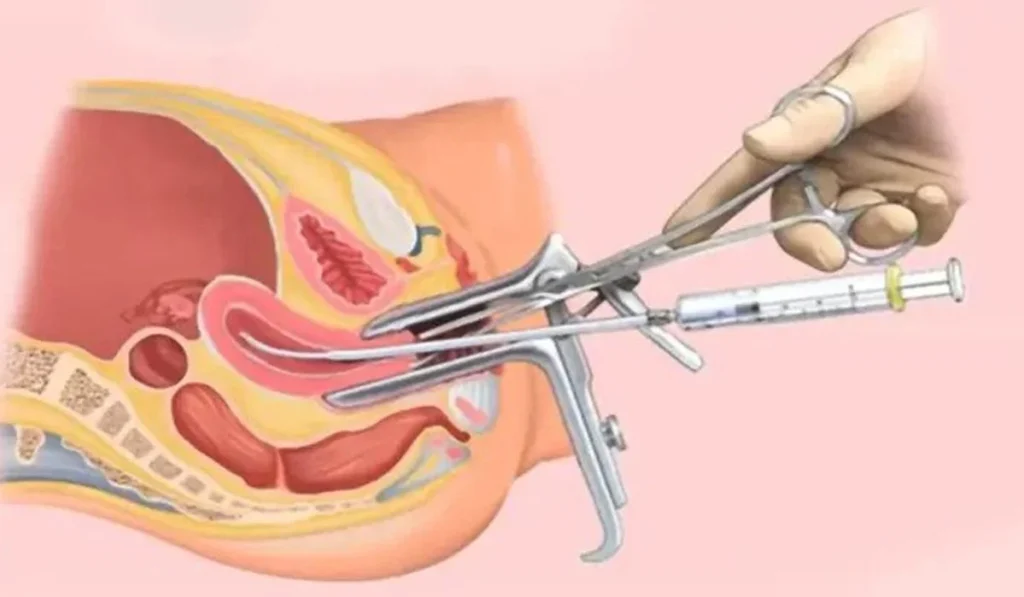
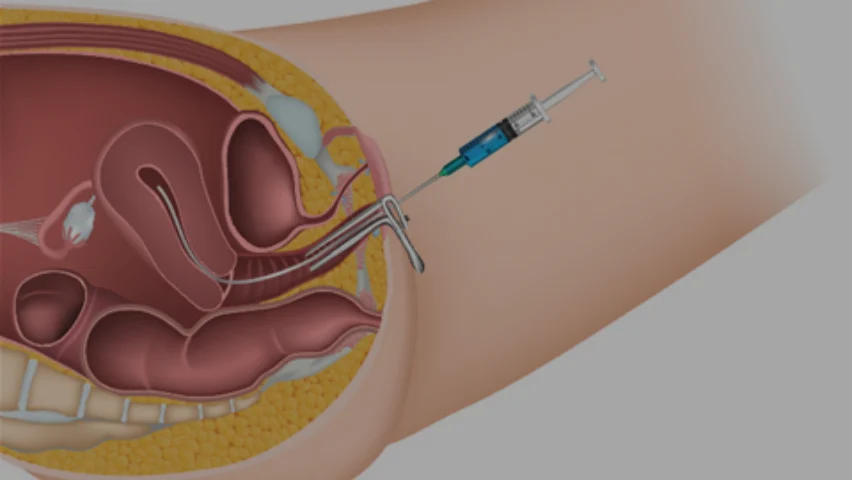
    Clinical insemination, also known as intrauterine insemination (IUI), is a more medically-involved process that is typically performed in a fertility clinic. This method involves the use of specially prepared sperm that is injected directly into the uterus, bypassing the cervix and increasing the chances of fertilization. Unlike at-home insemination, clinical insemination is usually performed by a healthcare professional and requires monitoring through ultrasounds and blood tests.
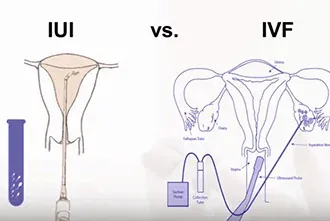
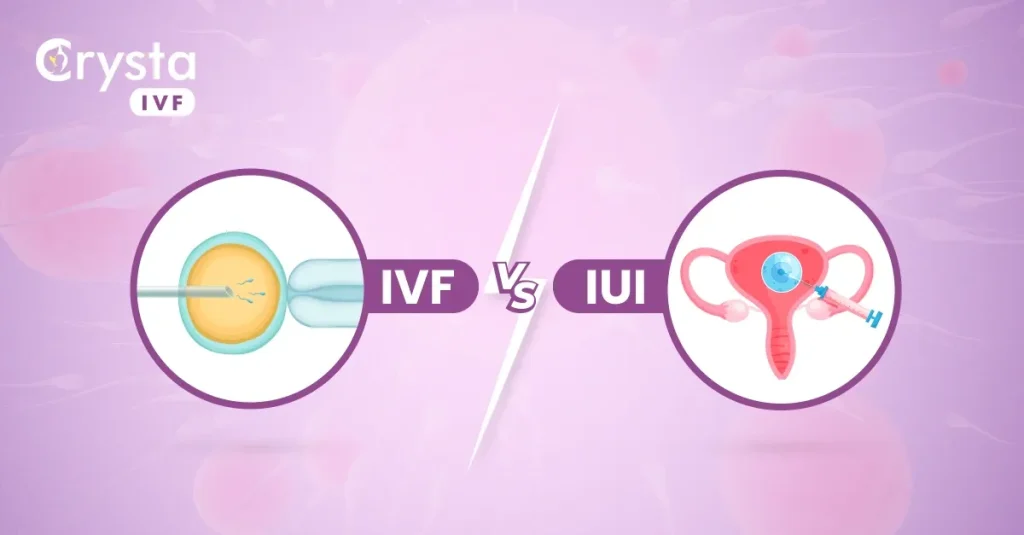
    Comparison of IUI and IVF treatments with diagrams of reproductive anatomy.

    At-Home Insemination vs Clinical Insemination: Which Is the Right Choice for You Based on Success Rates?

    The higher level of medical involvement and monitoring in clinical insemination leads to a higher success rate. According to the American Pregnancy Association, the success rate for IUI ranges from 15% to 20% per cycle, but it can increase up to 80% after multiple attempts.

    Factors Affecting Success Rates

    Several factors can affect the success rates of both at-home and clinical insemination. The age of the person receiving the sperm, the quality of the sperm, and any underlying fertility issues can all play a significant role. In general, the younger the recipient and the higher the quality of the sperm, the higher the chances of success.

    Another crucial factor is the timing of insemination. Both at-home and clinical insemination should be performed during the woman’s ovulation period, which typically occurs in the middle of her menstrual cycle. However, tracking ovulation can be challenging, and timing errors can greatly impact the success rates of at-home insemination.

    Which Is the Right Choice for You?

    Choosing between at-home and clinical insemination largely depends on personal preferences and individual circumstances. At-home insemination can be more convenient and intimate, but it also has a lower success rate and a higher risk of timing errors. On the other hand, clinical insemination can be more expensive and require medical intervention, but it also has a higher success rate and better monitoring.

    It is essential to consult with a healthcare professional and consider all factors before deciding on the best option for you. For individuals or couples with underlying fertility issues, clinical insemination may be the more suitable choice. However, for those without any known fertility issues, at-home insemination may be a viable option to try before seeking medical help.

    In conclusion, both at-home and clinical insemination have their own pros and cons, but the success rates may be the determining factor for many individuals. While at-home insemination can be a more affordable and intimate option, clinical insemination offers a higher success rate and better monitoring. Ultimately, the choice between the two methods should be based on personal preferences and individual circumstances.
  • Maximizing Your Chances: Tips for Improving At-Home Insemination Success Rates

    Maximizing Your Chances: Tips for Improving At-Home Insemination Success Rates

    At-home insemination, also known as self-insemination, is becoming an increasingly popular choice for individuals and couples who are trying to conceive. It is a non-invasive and cost-effective alternative to traditional methods such as intrauterine insemination (IUI) or in vitro fertilization (IVF). However, like any fertility method, success rates can vary and it is important to take the necessary steps to maximize your chances of a successful at-home insemination. In this blog post, we will discuss some tips and strategies for improving at-home insemination success rates.

    1. Know Your Fertility Window

    The most crucial factor for successful at-home insemination is timing. Knowing your fertility window, or the most fertile days in your menstrual cycle, is key. Generally, the fertility window is around 5 days leading up to ovulation and the day of ovulation itself. This is when the egg is released from the ovary and is receptive to fertilization. There are various methods to track ovulation, including ovulation predictor kits, tracking basal body temperature, and monitoring cervical mucus. Knowing your fertility window will help you plan and schedule your insemination attempts accordingly.

    2. Use High-Quality Sperm

    The source of sperm for at-home insemination is a crucial factor that can greatly impact success rates. If you are using a sperm donor, ensure that the sperm is from a reputable and trustworthy source. You can also choose to use sperm from a known donor, such as a friend or family member. In this case, it is important to have the donor undergo a complete health screening and to use fresh sperm rather than frozen. Fresh sperm has a higher chance of survival and motility, which are crucial for successful fertilization.

    3. Prepare Your Body

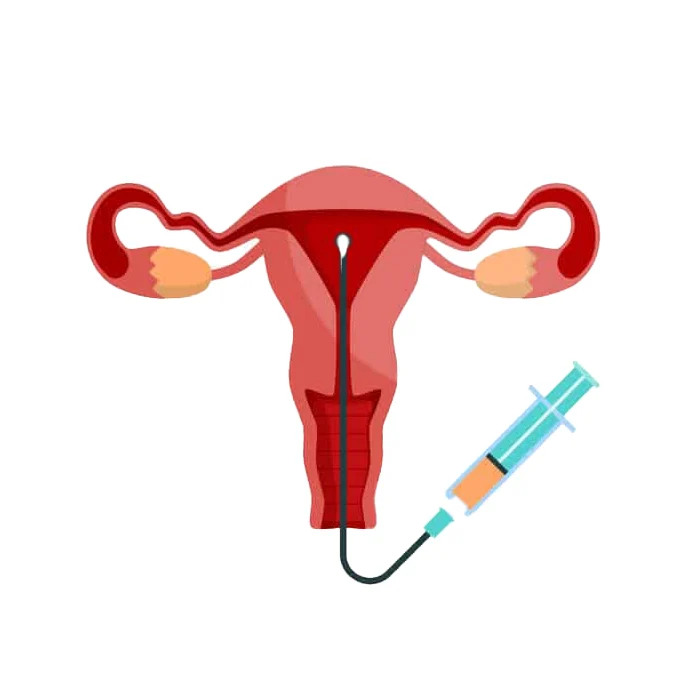
    illustration of a uterus with a syringe for intrauterine insemination (IUI) procedure

    Maximizing Your Chances: Tips for Improving At-Home Insemination Success Rates

    Before attempting at-home insemination, it is important to prepare your body for pregnancy. This includes maintaining a healthy diet, exercising regularly, and avoiding unhealthy habits such as smoking and excessive alcohol consumption. In addition, taking prenatal vitamins and supplements can also improve your fertility and chances of conception. It is also important to address any underlying health issues that may affect your fertility, such as polycystic ovary syndrome (PCOS) or endometriosis.

    4. Use the Right Tools and Techniques

    Having the right tools and using proper techniques can greatly improve your chances of success with at-home insemination. The most common method is the use of a needleless syringe or a cervical cap to insert the sperm into the vagina. It is important to follow the instructions carefully, and to ensure that the sperm is placed near the cervix for optimal chances of fertilization. Some couples also choose to use a soft cup or menstrual cup to hold the sperm near the cervix for a longer period of time.

    5. Consider Alternative Methods

    If you have been trying at-home insemination for a while without success, it may be worth considering alternative methods such as IUI or IVF. These methods have higher success rates but can be more expensive and invasive. It is important to consult with a fertility specialist to determine the best course of action for your individual situation.

    6. Manage Stress and Stay Positive

    Trying to conceive can be a stressful and emotionally draining process. It is important to manage stress and stay positive throughout the journey. Stress can negatively impact fertility, so finding healthy ways to cope, such as yoga, meditation, or talking to a therapist, can be beneficial. It is also important to stay positive and have realistic expectations. It may take multiple attempts to achieve a successful at-home insemination, so it is important to be patient and not get discouraged.

    In summary, at-home insemination can be a successful method for individuals and couples trying to conceive. By knowing your fertility window, using high-quality sperm, preparing your body, using the right tools and techniques, considering alternative methods, and managing stress, you can greatly improve your chances of success. It is also important to remember that every person’s fertility journey is unique, and what works for one may not work for another. It is important to consult with a fertility specialist for personalized advice and guidance.

  • Intrauterine Insemination vs Donor Insemination: A Future Outlook

    Intrauterine Insemination vs Donor Insemination: A Future Outlook

    In recent years, there has been a significant increase in the number of couples and individuals seeking assisted reproductive technologies (ART) to start or expand their families. Two of the most commonly used methods of ART are intrauterine insemination (IUI) and donor insemination (DI). While both methods involve placing sperm into the uterus to facilitate fertilization, they differ in terms of the source of the sperm. In IUI, the sperm used is from the woman’s partner, while in DI, the sperm is obtained from a donor.

    As we look towards the future, it is important to examine the current landscape of IUI and DI and how these methods may evolve in the coming years. This blog post will explore the similarities and differences between IUI and DI, the current trends in their use, and potential advancements in the field of assisted reproduction.

    Similarities and Differences between IUI and DI

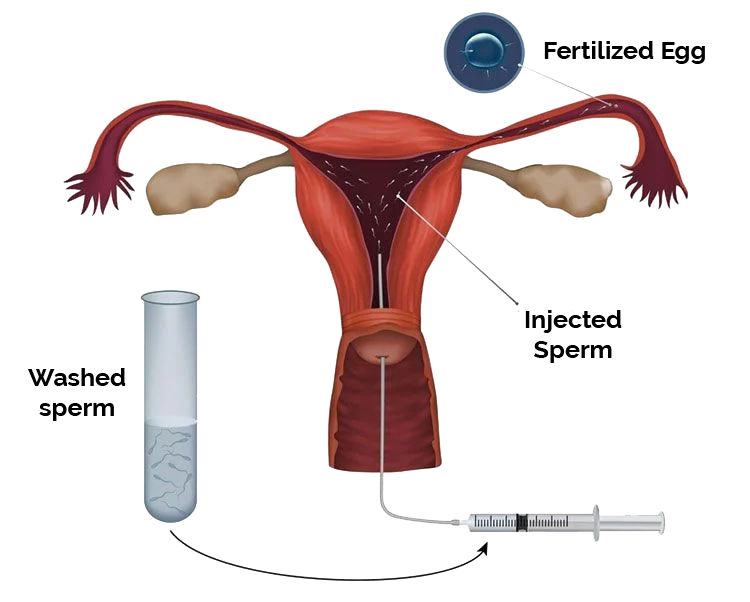
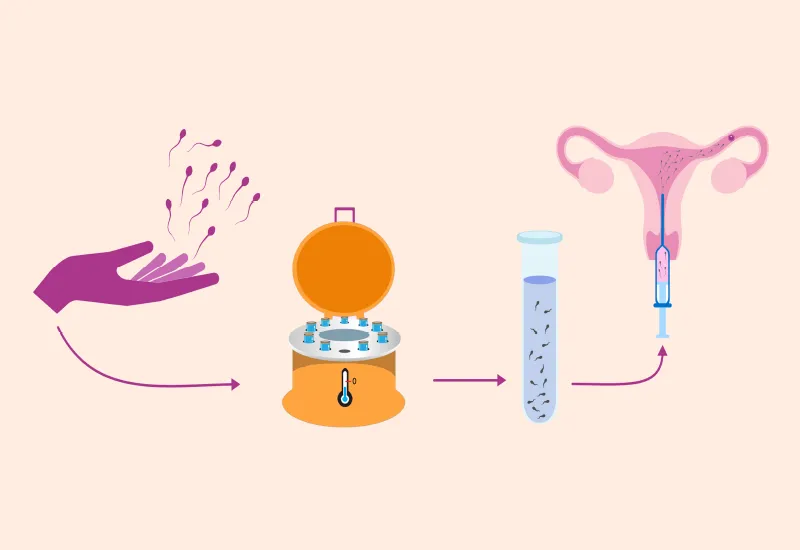
    As mentioned earlier, both IUI and DI involve the placement of sperm into the uterus to increase the chances of fertilization. IUI, also known as artificial insemination, is a relatively simple and non-invasive procedure where the sperm is washed and prepared before being placed directly into the uterus via a thin catheter. This method is often used for couples with unexplained infertility, mild male factor infertility, or in conjunction with ovulation induction drugs to increase the chances of conception.

    On the other hand, DI involves the use of sperm from a donor, which can be either from a known or anonymous source. This method is commonly used for single women, same-sex couples, or individuals with severe male factor infertility. The sperm can be obtained from a sperm bank or a known donor, and the process is similar to IUI, with the only difference being the source of the sperm.

    One of the main differences between IUI and DI is the screening process for the sperm donor. Sperm donors are thoroughly screened for genetic and infectious diseases, as well as physical and psychological traits. This ensures that the sperm used in DI is of high quality and reduces the risk of potential health issues for the offspring.

    Current Trends in IUI and DI

    illustration of the IUI process, showing sperm collection, preparation, and insertion into the uterus

    Intrauterine Insemination vs Donor Insemination: A Future Outlook

    In recent years, there has been a steady increase in the use of ART, including IUI and DI. According to the Centers for Disease Control and Prevention (CDC), in 2018, there were over 260,000 ART cycles performed in the United States, resulting in more than 72,000 live births. While IUI and DI may not be the most common methods of ART, they are still widely used, with IUI accounting for almost 20% of all ART cycles and DI accounting for 8%.

    There has also been a shift in the demographics of individuals and couples seeking IUI and DI. In the past, these methods were mainly used by heterosexual couples with fertility issues. However, with the increasing acceptance and availability of ART, more single women and same-sex couples are turning to IUI and DI to start their families.

    Future Outlook for IUI and DI

    The future of IUI and DI looks promising with advancements in technology and increasing acceptance of ART. One potential development is the use of intrafallopian insemination (IFI) instead of IUI. In IFI, the sperm is placed directly into the fallopian tubes, bypassing the cervix and increasing the chances of fertilization. This method may prove to be more successful than IUI, especially for couples with male factor infertility.

    Another potential advancement is the use of frozen sperm instead of fresh sperm. Currently, most IUI and DI procedures use fresh sperm, but frozen sperm has been shown to have similar success rates. The use of frozen sperm would eliminate the need for coordinating the timing of the procedure with the donor’s availability and would also reduce the risk of potential infections from the donor.

    As technology continues to advance, we may also see improvements in the screening process for sperm donors. This could include genetic testing for a wider range of diseases and disorders, as well as the use of artificial intelligence to select the most suitable donor based on physical and psychological traits.

    Summary

    In conclusion, IUI and DI are two commonly used methods of ART that involve placing sperm into the uterus to facilitate fertilization. While they share some similarities, they also have distinct differences, such as the source of the sperm. Currently, there is a growing trend towards the use of ART, and IUI and DI are becoming more accepted and accessible to a wider range of individuals and couples. Looking towards the future, advancements in technology and improvements in the screening process for sperm donors may further enhance the success rates of these methods and provide more options for individuals and couples looking to start a family.

  • The Convenience of Medical Insemination Supplies

    Blog Post: The Convenience of Medical Insemination Supplies

    Medical insemination, also known as artificial insemination, is a process where sperm is introduced into the reproductive tract of a female in order to achieve pregnancy. This method is used for various reasons, including male infertility, same-sex couples, and single women who want to have a child. With the advancements in technology and medical science, medical insemination has become more accessible and convenient, thanks to the availability of medical insemination supplies.

    In the past, medical insemination was a complicated and expensive process that required a visit to a fertility clinic and multiple appointments with a doctor. However, with the introduction of medical insemination supplies, the process has become simpler and more convenient for individuals who want to undergo the procedure.

    One of the major conveniences of using medical insemination supplies is the ability to perform the procedure at home. This eliminates the need for multiple visits to a fertility clinic, which can be time-consuming and inconvenient for individuals with busy schedules. With medical insemination supplies, individuals can perform the procedure in the comfort and privacy of their own home.

    Moreover, medical insemination supplies are easily accessible. They can be purchased online or over the counter at pharmacies, making them readily available for those who need them. This eliminates the need for a prescription or a doctor’s appointment, making the process more convenient and hassle-free.

    Another benefit of medical insemination supplies is that they are affordable. In the past, artificial insemination was a costly procedure that was only accessible to those with a higher income. However, with medical insemination supplies, the cost of the procedure has significantly reduced, making it more accessible to a wider range of individuals.

    illustration of intrauterine insemination procedure with a syringe and catheter in the uterus.

    The Convenience of Medical Insemination Supplies

    Furthermore, medical insemination supplies come with detailed instructions, making the process easier and more convenient for individuals performing the procedure at home. The instructions provide step-by-step guidance on how to use the supplies and perform the procedure correctly, reducing the risk of errors and increasing the chances of a successful pregnancy.

    Medical insemination supplies also come in different forms, such as sperm donors, ovulation kits, and insemination syringes. This gives individuals the option to choose the method that suits them best, making the process more personalized and convenient. For example, individuals who prefer using a sperm donor can choose from a variety of options, including known or anonymous donors, depending on their preference.

    In addition to convenience, medical insemination supplies also offer a higher success rate compared to traditional methods of insemination. This is because the supplies are designed specifically for the purpose of insemination and are of high quality, increasing the chances of a successful pregnancy.

    Moreover, medical insemination supplies also come with a variety of options for individuals who want to conceive. For example, there are supplies available for those who want to use their partner’s sperm, as well as for those who want to use a sperm donor. This provides flexibility and convenience for individuals seeking different methods of insemination.

    In conclusion, the convenience of medical insemination supplies has made the process of artificial insemination more accessible and affordable for individuals who want to start a family. With the ability to perform the procedure at home, easy accessibility, affordability, and higher success rates, medical insemination supplies have revolutionized the process of artificial insemination. They have given individuals the option to choose the method that suits them best, making the process more personalized and convenient. With the advancements in medical technology, we can only expect further improvements in medical insemination supplies, making it a more convenient and accessible option for individuals seeking to start a family.

    Summary: Medical insemination supplies have made the process of artificial insemination more convenient and accessible. With the ability to perform the procedure at home, easy accessibility, affordability, and higher success rates, medical insemination supplies have revolutionized the process of artificial insemination. They offer a variety of options, making the process more personalized and convenient for individuals seeking to start a family.

  • At-Home Insemination Kits: A User’s Guide

    At-Home Insemination Kits: A User’s Guide

    More and more individuals and couples are turning to at-home insemination as a viable option for starting or growing their families. With the advancement of technology and the availability of at-home insemination kits, the process has become more accessible and affordable. But before you dive into this method, it’s important to understand what at-home insemination is, how it works, and what you need to consider before using a kit. In this user’s guide, we will break down everything you need to know about at-home insemination kits and how to use them effectively.

    What is At-Home Insemination?

    At-home insemination is a method of artificial insemination where sperm is placed into a woman’s reproductive tract through a non-medical procedure. This can be done at home, hence the name, or with the assistance of a healthcare professional. While it is often used by same-sex female couples and single women, at-home insemination can also be an option for heterosexual couples experiencing infertility issues.

    How Does At-Home Insemination Work?

    At-home insemination involves using a syringe or a soft cup to place sperm into the vagina near the cervix. This can be done either through intercourse or by manually inserting the sperm. The goal is for the sperm to reach the fallopian tubes and fertilize an egg, just like in natural conception.

    At-Home Insemination Kits: What You Need to Know

    At-home insemination kits usually include all the necessary items for the insemination process, such as a syringe, soft cup, ovulation predictor kits, and sometimes even sperm. These kits are designed to make the process easier and more successful, but it’s important to understand that they do not guarantee pregnancy. It’s also essential to check the expiration date of the sperm if it is included in the kit.

    Before using an at-home insemination kit, it’s crucial to consult with a healthcare professional to ensure that you are a good candidate for this method and to rule out any underlying fertility issues. Additionally, it’s recommended to track your ovulation cycle to increase the chances of success.

    illustration of intrauterine insemination procedure with a syringe and catheter in the uterus.

    At-Home Insemination Kits: A User's Guide

    Steps to Use an At-Home Insemination Kit

    Step 1: Preparation
    Before using the kit, make sure to read the instructions carefully. Prepare a clean, comfortable and private area to perform the insemination. It’s also crucial to wash your hands and clean the area around the vagina to reduce the risk of infection.

    Step 2: Collecting the Sperm
    If you are using a sperm donor, make sure to collect the sperm in a clean container. If the sperm is included in the kit, follow the instructions provided on how to thaw it. It’s essential to handle the sperm with care and not expose it to extreme temperatures.

    Step 3: Loading the Syringe
    If the kit includes a syringe, fill it with the sperm using the provided needleless transfer device. Be gentle and avoid shaking the syringe as it may damage the sperm.

    Step 4: Choosing the Right Position
    It’s important to choose a position that allows for easy insertion of the sperm into the vagina, such as lying down with your hips elevated on a pillow. This will help the sperm to travel towards the cervix and increase the chances of success.

    Step 5: Inserting the Sperm
    If using a syringe, insert it into the vagina as far as it can comfortably go. Slowly and gently push the plunger to release the sperm near the cervix. If using a soft cup, place it as close to the cervix as possible, and let it sit for at least 15 minutes before removing.

    Step 6: Post-Insemination Care
    After the insemination, it’s recommended to stay lying down for at least 30 minutes to allow the sperm to travel towards the cervix. Avoid using the bathroom during this time. It’s also advisable to continue lying down for an hour after inserting the sperm if possible.

    Possible Risks and Considerations

    While at-home insemination is generally considered safe, there are some risks and considerations to keep in mind. These include potential infections, allergies to the materials used in the kit, and the risk of multiple pregnancies. It’s essential to follow the instructions carefully and consult with a healthcare professional if you experience any discomfort or unusual symptoms.

    In conclusion, at-home insemination kits can be a great option for individuals and couples looking to start a family. They offer privacy, convenience, and affordability, but it’s important to understand the process and take necessary precautions before using them. By following the steps and recommendations provided in this user’s guide, you can increase your chances of success and make the at-home insemination process a smooth and positive experience.

  • At-Home Insemination Kits: A Beginner’s Guide

    Blog Post Title: At-Home Insemination Kits: A Beginner’s Guide

    Word Count: 2000

    Summary:

    At-home insemination is a process where sperm is inserted into a woman’s reproductive tract in order to facilitate fertilization and pregnancy. In recent years, with advancements in technology and a growing demand for alternative methods of conception, at-home insemination kits have become widely available. These kits offer a convenient and affordable option for those looking to conceive without the use of expensive medical procedures. In this blog post, we will cover everything you need to know about at-home insemination kits, including how they work, the benefits and risks, and how to choose the right one for you.

    What Is At-Home Insemination?

    At-home insemination, also known as artificial insemination, is a method of conception where sperm is placed directly into a woman’s reproductive tract in order to fertilize an egg. This can be done using a variety of methods, including intrauterine insemination (IUI) and intracervical insemination (ICI). IUI involves inserting the sperm into the uterus, while ICI involves placing the sperm near the cervix. At-home insemination is often used by same-sex female couples, single women, or heterosexual couples with fertility issues. It is also a popular choice for those who prefer a more natural and less invasive method of conception.

    How Do At-Home Insemination Kits Work?

    At-home insemination kits typically include a syringe, a collection cup for the sperm, and sometimes a speculum or ovulation predictor kit. The process is fairly simple and can be done in the comfort of your own home. First, the sperm is collected either from a sperm donor or from the male partner. The sperm is then transferred into the syringe and inserted into the reproductive tract through the vagina. The sperm can be placed near the cervix or into the uterus, depending on the type of kit used. This process is usually repeated over the course of a few days, during the woman’s most fertile period.

    diagram of the female reproductive system with an IUI syringe and test tube for artificial insemination

    At-Home Insemination Kits: A Beginner's Guide

    Benefits of At-Home Insemination Kits

    One of the main benefits of using at-home insemination kits is the affordability and convenience. Traditional methods of artificial insemination, such as IUI, can cost thousands of dollars and may require multiple visits to a fertility clinic. At-home insemination kits can be purchased for a fraction of the cost and can be used in the comfort of your own home. They also offer a more natural and less invasive alternative to other forms of assisted reproductive technology. Additionally, at-home insemination allows for more control over the process, as the individual or couple can choose the timing and method of insemination.

    Risks of At-Home Insemination Kits

    While at-home insemination kits can be a great option for many people, there are some potential risks to consider. One of the main concerns is the risk of infection. It’s important to ensure that all equipment used is sterile and that proper hygiene is maintained during the process. Using a sperm donor also carries the risk of transmitting sexually transmitted infections. It’s important to thoroughly screen any sperm donors or use a reputable sperm bank. Another risk is the potential for multiple pregnancies, as at-home insemination does not involve the monitoring and control of ovulation that is done in a fertility clinic.

    Choosing the Right At-Home Insemination Kit

    With so many at-home insemination kits available on the market, it can be overwhelming to choose the right one. When selecting a kit, it’s important to consider factors such as the method of insemination preferred, the success rates, and the cost. Some kits may also include additional helpful tools, such as ovulation predictor kits or fertility-friendly lubricants. It’s also important to read reviews and do research on the company to ensure the kit is from a reputable source.

    In Conclusion

    At-home insemination kits offer a convenient and affordable option for those looking to conceive without the use of expensive medical procedures. They allow for more control over the process and can be done in the comfort of your own home. However, it’s important to consider the potential risks and choose a reputable kit. As with any method of conception, it’s always recommended to consult with a healthcare professional before proceeding.

  • The Legalities of DIY Insemination: Ensuring a Safe and Secure Process for All Parties Involved

    Blog Post:

    DIY insemination, also known as at-home insemination, is a method of conception that involves using a sperm donor to fertilize an egg without medical assistance. This process has become increasingly popular among individuals and couples who are looking to start a family on their own terms, without the involvement of a traditional fertility clinic. While DIY insemination can be a viable option for many, it is important to understand the legalities involved in order to ensure a safe and secure process for all parties involved.

    Legal Considerations for Sperm Donors:

    The first and most important aspect to consider in DIY insemination is the legal implications for sperm donors. In most countries, the person who provides the sperm is legally recognized as the father of the child, unless proven otherwise. This means that without proper legal documentation, a sperm donor may have legal rights and responsibilities towards the child, such as financial support and custody. It is crucial for sperm donors to understand and protect their legal rights before agreeing to donate sperm.

    One way to protect the rights of sperm donors is through a written agreement between all parties involved. This agreement should clearly outline the intention of the donor to have no legal rights or responsibilities towards the child. It should also address any potential legal implications, such as parental rights and financial obligations. It is recommended to seek legal advice when drafting such an agreement to ensure that it is legally binding and enforceable.

    Legal Considerations for Recipients:

    On the other hand, recipients of the sperm also have legal considerations to take into account. In many countries, the law recognizes the person who gives birth to the child as the legal mother, regardless of who the genetic mother is. This means that if a woman uses a sperm donor to conceive, her partner or spouse may not have any legal rights or responsibilities towards the child. In the event of separation or divorce, this could lead to a complicated custody battle for the non-biological parent.

    To avoid such circumstances, it is important for recipients to take legal steps to establish their partner’s legal rights as a parent to the child. This can be done through a legal agreement or by obtaining a second-parent adoption, which allows the non-biological parent to become a legal parent of the child. It is crucial to consult with a lawyer to ensure that all legal requirements are met and that the rights of both parents are protected.

    doctor discussing treatment with a patient in a medical office, featuring an ultrasound machine in the background

    The Legalities of DIY Insemination: Ensuring a Safe and Secure Process for All Parties Involved

    Risks of DIY Insemination:

    Aside from the legal considerations, there are also potential risks involved in DIY insemination that both donors and recipients should be aware of. These risks include the potential for sexually transmitted infections (STIs) and the potential for the donor to have a genetic condition that could be passed on to the child. In a traditional fertility clinic, donors are thoroughly screened for these risks, but in DIY insemination, this responsibility falls on the individuals involved.

    To reduce these risks, it is important for both parties to undergo STI testing and receive genetic counseling before proceeding with insemination. This not only ensures the health and safety of all parties involved, but also protects the well-being of the potential child.

    Legal Implications for the Child:

    The legal implications of DIY insemination also extend to the child. In many countries, children conceived through DIY insemination may not have access to important information about their biological origin, such as the identity of the donor. This could lead to complex emotional and psychological issues for the child, as they may have questions about their identity and medical history.

    To address these concerns, it is recommended for donors to be open to the possibility of future contact with the child. This could mean providing identifying information or agreeing to meet the child once they reach a certain age. Recipients should also consider the potential impact on the child and be open to discussing the child’s origins and answering any questions they may have.

    Summary:

    DIY insemination can be a viable option for individuals and couples looking to start a family, but it is important to understand the legalities involved. Sperm donors should protect their legal rights through a written agreement, while recipients should take legal steps to establish their partner’s rights as a parent. Both parties should also be aware of the potential risks involved and take necessary precautions to protect the health and well-being of all parties involved. Furthermore, the legal implications for the child should also be considered, and open communication and transparency between all parties can help address any potential issues.

    In conclusion, DIY insemination can be a safe and secure process for all parties involved if proper legal considerations are taken into account. It is important to consult with legal professionals and have open communication between all parties to ensure a smooth and legally sound process.

  • The Legal Side of Home Insemination: Understanding the Role of Fertility Clinics

    Home insemination is a method of assisted reproduction where individuals can conceive a child without medical intervention or the use of a sperm donor. This process involves the collection and insertion of semen into the female reproductive tract, typically done at home. While home insemination may seem like a straightforward process, there are legal considerations to take into account, especially when it comes to the role of fertility clinics.

    In this blog post, we will explore the legal side of home insemination, specifically focusing on the role of fertility clinics. We will discuss the legal implications of using sperm from a fertility clinic, the legal rights and responsibilities of both the donor and recipient, and the importance of seeking legal advice before proceeding with home insemination. By understanding the legal aspects of home insemination, individuals can make informed decisions and ensure a smooth and safe process.

    The Legal Implications of Using Sperm from a Fertility Clinic

    When using sperm from a fertility clinic for home insemination, there are several legal implications to consider. First and foremost, individuals need to ensure that they have proper consent and documentation from the sperm donor. Fertility clinics have strict guidelines and protocols in place to ensure that all donors provide informed consent and are legally able to donate their sperm.

    Individuals using sperm from a fertility clinic must also consider the legal implications of using donor sperm. In most cases, the donor is not considered the legal father of the child, as the insemination process is typically done anonymously. This means that the donor does not have any legal rights or responsibilities towards the child. However, there have been cases where donors have been legally recognized as the father of the child, particularly if they have had ongoing involvement in the child’s life.

    The Legal Rights and Responsibilities of Donors and Recipients

    Comparison of IVF and IUI procedures with illustrations of each method.

    The Legal Side of Home Insemination: Understanding the Role of Fertility Clinics

    Another important aspect of home insemination is understanding the legal rights and responsibilities of both the donor and recipient. In general, sperm donors are not held financially responsible for any resulting children. However, there have been cases where donors have been ordered to pay child support, particularly if they have had a close relationship with the child or were involved in the conception process.

    On the other hand, recipients of donor sperm have the legal right to seek child support from the donor if needed. Additionally, recipients may have to navigate legal issues such as parental rights, custody, and visitation rights if the donor decides to be involved in the child’s life. It is essential for both the donor and recipient to have a clear understanding of their rights and responsibilities before proceeding with home insemination.

    The Importance of Seeking Legal Advice

    Given the complex legal implications surrounding home insemination, it is crucial for individuals to seek legal advice before proceeding with the process. A legal professional can provide guidance on the legal rights and responsibilities of both the donor and recipient, as well as help draft a legal agreement between the parties involved.

    A legal agreement can outline the terms of the insemination process, including the rights and responsibilities of the donor, recipient, and any potential involvement of the donor in the child’s life. This agreement can help protect all parties involved and provide clarity in case of any legal disputes in the future.

    In addition to a legal agreement, it is also essential to seek medical advice before proceeding with home insemination. Fertility clinics can provide necessary medical testing and screening to ensure the safety and health of both the donor and recipient. They can also provide guidance on the correct procedures for home insemination and offer support throughout the process.

    In summary, home insemination is a complex process with many legal considerations, particularly when it comes to the use of sperm from fertility clinics. Understanding the legal implications of using donor sperm, as well as the rights and responsibilities of both the donor and recipient, is crucial for a smooth and safe home insemination process. Seeking legal and medical advice before proceeding is highly recommended to protect all parties involved and ensure a positive experience.

  • The Legal Side of Home Insemination: Understanding the Importance of Legal Parentage

    Blog Post Title: The Legal Side of Home Insemination: Understanding the Importance of Legal Parentage

    Introduction:
    In recent years, the concept of home insemination has gained popularity among couples and individuals looking to start a family. This method involves self-administered insemination at home, using donor sperm or a known donor. While this may seem like a convenient and cost-effective option, it is important to understand the legal implications that come with home insemination, specifically in regards to parentage. In this blog post, we will delve into the legal side of home insemination and why understanding legal parentage is crucial for anyone considering this method.

    What is Legal Parentage?
    Legal parentage refers to the legal recognition of a person as a parent of a child. In traditional methods of conception, legal parentage is automatically granted to the biological mother and, in most cases, the biological father. However, with home insemination, the lines can become blurred, and legal parentage may not be as straightforward.

    The Importance of Establishing Legal Parentage:
    Establishing legal parentage is crucial for both the parents and the child. Without legal parentage, the rights and responsibilities of a parent may not be recognized by the law. This can lead to complications in areas such as custody, child support, and inheritance. Additionally, for the child, not having a legally recognized parent can create issues with obtaining identification documents, enrolling in school, and accessing medical care.

    Legal Parentage in Home Insemination:
    When it comes to home insemination, legal parentage can be a complicated matter. It is important to note that the laws surrounding parentage vary from state to state and country to country. In most cases, the donor of the sperm used in home insemination is not considered the legal parent of the child. However, there are exceptions to this, such as in cases where the donor is the partner or spouse of the person giving birth.

    In situations where a known donor is used, the legal parentage of the child can be determined through a written agreement between the donors and the intended parents. This agreement should outline the rights and responsibilities of each party and be signed before the insemination takes place. It is recommended to seek legal advice when drafting such an agreement to ensure that all parties are protected.

    illustration of an intrauterine insemination procedure with medical instruments and anatomical details

    The Legal Side of Home Insemination: Understanding the Importance of Legal Parentage

    In cases where donor sperm is purchased from a sperm bank, the sperm donor is typically not considered the legal parent of the child. However, it is important to note that some states have laws that allow the donor to be recognized as a legal parent if certain conditions are met, such as being involved in the child’s life.

    The Role of Parentage Orders:
    One way to establish legal parentage in home insemination is through a parentage order. This is a court order that declares the legal parentage of a child. It can be obtained after the birth of the child and is usually granted to the intended parents, even if they are not biologically related to the child. A parentage order provides legal security and certainty for all parties involved and is recognized nationwide.

    Challenges with Legal Parentage:
    Despite the growing acceptance of home insemination, there are still challenges when it comes to legal parentage. One of the main challenges is the lack of clear laws and regulations surrounding this method of conception. This can lead to confusion and disputes between parties involved, especially in cases where a known donor is used.

    Another challenge is the recognition of legal parentage in other states or countries. While a parentage order is recognized nationwide in the United States, this may not be the case in other countries. This can create issues with international travel or relocation for families created through home insemination.

    Conclusion:
    In conclusion, understanding the legal side of home insemination is crucial for anyone considering this method of conception. Establishing legal parentage is essential for the rights and responsibilities of all parties involved, and a parentage order can provide legal security and certainty. It is important to seek legal advice and be aware of the laws and regulations surrounding home insemination in your state or country to ensure a smooth process and a happy and secure family.

    Summary:
    Home insemination is a popular method of conception, but it is important to understand the legal side of this process. Legal parentage refers to the legal recognition of a person as a parent of a child and is crucial for the rights and responsibilities of both the parents and the child. In home insemination, legal parentage can be a complicated matter, and it is important to establish it through a written agreement or a parentage order. However, there are challenges with legal parentage, including the lack of clear laws and regulations and the recognition of legal parentage in other states or countries. Seeking legal advice and being aware of the laws in your area can ensure a smooth and secure process for all parties involved.

  • Navigating the Legal Side of DIY Insemination: Important Factors to Consider

    Navigating the Legal Side of DIY Insemination: Important Factors to Consider

    In recent years, DIY insemination has become a popular option for individuals and couples looking to start or expand their families. This method involves using at-home insemination kits or self-insemination techniques to conceive without the help of a medical professional. While DIY insemination can be a more affordable and convenient option for many, it is important to consider the legal implications that come with this process. In this blog post, we will discuss the important factors to consider when navigating the legal side of DIY insemination.

    1. Legal Parentage

    The first and most important factor to consider when embarking on DIY insemination is legal parentage. In most cases, the individual who carries and gives birth to the child is considered the legal parent. However, with DIY insemination, this may not always be the case. If you are using a sperm donor, it is crucial to have a legal agreement in place that outlines the rights and responsibilities of all parties involved. This agreement should be drafted by a lawyer and signed by all parties before the insemination process begins.

    It is also important to note that laws regarding parentage can vary from state to state and country to country. It is essential to research and understand the laws in your specific location to ensure that you are protecting yourself and your future child.

    2. Donor Rights and Obligations

    When using a sperm donor for DIY insemination, it is crucial to consider their rights and obligations. In some cases, donors may have certain legal rights, such as the right to be involved in the child’s life or to have their name on the child’s birth certificate. It is essential to discuss these rights and obligations with the donor and have them clearly outlined in the legal agreement mentioned earlier.

    Additionally, some donors may have financial obligations to the child, such as child support. It is essential to discuss these possibilities and have them laid out in the legal agreement to avoid any future disputes.

    3. Legal Protections for the Donor and Recipient

    Illustration of intrauterine insemination (IUI) procedure with syringe and catheter in the uterus.

    Navigating the Legal Side of DIY Insemination: Important Factors to Consider

    Another crucial factor to consider is the legal protections for both the donor and the recipient. Having a legal agreement in place can protect the donor from being held responsible for any financial or parental obligations, while also protecting the recipient’s right to parent the child without interference from the donor.

    It is also essential to consider the legal protections for same-sex couples or unmarried individuals who may be using DIY insemination to conceive. In some locations, these individuals may face additional legal challenges, and it is crucial to have proper legal protections in place to ensure their rights as parents are recognized.

    4. Medical and Genetic Testing

    Before undergoing DIY insemination, it is vital to have all parties involved undergo thorough medical and genetic testing. This is essential for the health and well-being of the future child and can also provide legal protection for all parties involved. If the donor has any genetic conditions that could be passed on to the child, this should be discussed and disclosed in the legal agreement. This can help avoid future legal disputes and ensure that the child receives proper medical care.

    5. Future Considerations

    When considering DIY insemination, it is essential to think about potential future considerations. This includes questions such as:

    – What if the donor changes their mind about their involvement in the child’s life?
    – What if the donor requests a relationship with the child?
    – What if the recipient wants to move to a different location with the child?

    It is crucial to discuss these possibilities and have them addressed in the legal agreement. This can help avoid future legal battles and ensure that all parties involved are protected.

    In summary, DIY insemination can be a viable option for starting or expanding a family. However, it is crucial to consider the legal implications that come with this process. Legal parentage, donor rights and obligations, legal protections, medical and genetic testing, and future considerations are all important factors to consider when navigating the legal side of DIY insemination. By addressing these factors and having a comprehensive legal agreement in place, individuals and couples can ensure a smoother and more secure journey towards parenthood.