Tag: Infertility

  • Exploring Modern Fertility Options: Artificial Insemination vs Natural Conception

    Exploring Modern Fertility Options: Artificial Insemination vs Natural Conception

    In today’s modern society, there are various fertility options available for individuals and couples who are struggling to conceive. Two popular methods are artificial insemination and natural conception. While both have the same end goal of achieving pregnancy, they differ in their approach and success rates. In this blog post, we will explore the differences between artificial insemination and natural conception, their pros and cons, and which option may be the best fit for you.

    Artificial insemination, also known as intrauterine insemination (IUI), is a fertility treatment where sperm is directly inserted into a woman’s uterus during ovulation. This method can be done with the partner’s sperm or with donor sperm. It is a less invasive and more affordable option compared to other fertility treatments such as in vitro fertilization (IVF). Artificial insemination is recommended for couples who have difficulty conceiving due to low sperm count, sperm motility, or unexplained infertility. It can also be an option for single women or same-sex couples who want to start a family.

    On the other hand, natural conception is the traditional method of conceiving, where a woman’s egg is fertilized by a man’s sperm through sexual intercourse. This method does not involve any medical intervention and is the most common way of achieving pregnancy. It is recommended for couples who have no known fertility issues and have been trying to conceive for at least a year.

    One of the main differences between artificial insemination and natural conception is the level of control over the process. With artificial insemination, the timing of sperm insertion can be precisely planned, which increases the chances of fertilization. In natural conception, timing is more unpredictable, and couples have to rely on their natural ovulation cycle.

    Another difference is the success rates of each method. According to the American Pregnancy Association, the success rate for artificial insemination is around 10-20% per cycle, while the success rate for natural conception is 20-30% per cycle. However, these rates can vary depending on factors such as age, fertility issues, and overall health.

    Comparison of IUI and IVF, illustrating procedures and definitions for each fertility treatment.

    Exploring Modern Fertility Options: Artificial Insemination vs Natural Conception

    One of the biggest advantages of artificial insemination is that it can be done at home with the use of a sperm donor kit. This allows for privacy and convenience, especially for couples who may not feel comfortable with a medical setting. However, for those who opt for in-clinic artificial insemination, the procedure is relatively quick and painless.

    Natural conception, on the other hand, relies heavily on the woman’s ovulation cycle and can be more challenging for women with irregular periods. It also requires more effort and planning, as couples have to track ovulation and have intercourse during the most fertile days. However, natural conception has the added benefit of intimacy and a more natural approach to starting a family.

    Cost is another factor to consider when choosing between artificial insemination and natural conception. Artificial insemination can range from $300 to $1,000 per cycle, depending on whether it is done at home or in a clinic. Natural conception, on the other hand, does not have any added costs, aside from the usual expenses of pregnancy and childbirth.

    It is essential to note that both methods have their own risks and limitations. Artificial insemination may increase the risk of multiple pregnancies due to the use of fertility drugs, and there is a small risk of infection during the procedure. Natural conception may take longer to achieve pregnancy, and there is a higher chance of miscarriage due to the natural process of fertilization.

    In conclusion, both artificial insemination and natural conception have their own set of pros and cons. The decision ultimately depends on individual circumstances, such as fertility issues, personal preferences, and financial considerations. It is crucial to consult with a medical professional to determine the best option for you and your partner. Remember that there is no one-size-fits-all approach to fertility, and what may work for one couple may not work for another.

    In summary, artificial insemination and natural conception are two fertility options available for couples and individuals who are struggling to conceive. While artificial insemination offers more control and a lower cost, natural conception has the added benefit of intimacy and a more natural approach. Both methods have their own risks and limitations, and it is important to consult with a medical professional to determine the best fit for your situation.
  • Navigating Fertility: Artificial Insemination and Natural Conception Compared

    Navigating Fertility: Artificial Insemination and Natural Conception Compared

    Fertility is a topic that is often surrounded by myths and misconceptions, making it a confusing and overwhelming journey for couples trying to conceive. In today’s world, there are more options than ever before for couples struggling with infertility, including artificial insemination and natural conception. In this blog post, we will explore the differences between these two methods and help you navigate your fertility journey with confidence and clarity.

    What is Artificial Insemination?

    Artificial insemination, also known as intrauterine insemination (IUI), is a form of assisted reproductive technology where sperm is inserted directly into a woman’s uterus to increase the chances of fertilization. This method is commonly used for couples who have been struggling to conceive naturally, have unexplained infertility, or are using donor sperm.

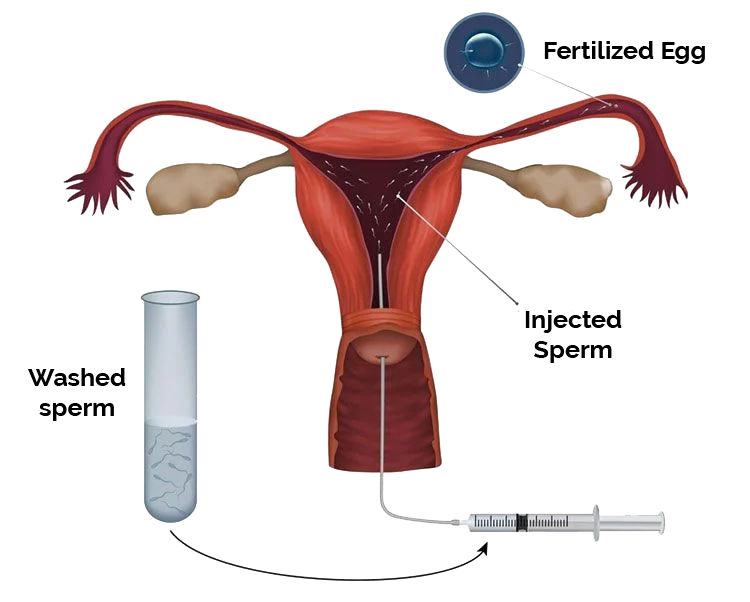
    The process of artificial insemination involves a series of steps. First, the woman is given fertility drugs to stimulate ovulation. Then, the male partner’s semen is collected and washed to remove any impurities and enhance the sperm’s quality. The sperm is then inserted into the uterus using a thin catheter, increasing the chances of conception.

    Pros of Artificial Insemination

    One of the main advantages of artificial insemination is that it can be done quickly and easily without any major surgeries or procedures. It also allows couples to use donor sperm if needed, making it a viable option for same-sex couples and single women. Additionally, artificial insemination is less expensive than other assisted reproductive technologies, making it a more accessible option for many couples.

    Cons of Artificial Insemination

    While artificial insemination can be an effective method for some couples, it does have some limitations. It has a lower success rate compared to other assisted reproductive technologies, which means that couples may have to go through multiple cycles before achieving a successful pregnancy. It also does not address any underlying fertility issues, making it less effective for couples with more complex fertility problems.

    What is Natural Conception?

    Natural conception, also known as spontaneous conception, is the process of fertilization that occurs without any medical intervention. It is the most common way for couples to conceive and involves the male partner’s sperm fertilizing the female partner’s egg naturally. This process typically happens during ovulation, where a mature egg is released from the ovary and travels down the fallopian tube, waiting to be fertilized by sperm.

    Pros of Natural Conception

    doctor discussing treatment with a patient in a medical office, featuring an ultrasound machine in the background

    Navigating Fertility: Artificial Insemination and Natural Conception Compared

    The most significant advantage of natural conception is that it is the most natural and straightforward way for couples to conceive. It also has no additional costs or procedures involved, making it more affordable for couples. Natural conception also allows for couples to conceive without any medical intervention, which can be a more comfortable and less invasive option for some.

    Cons of Natural Conception

    One of the main disadvantages of natural conception is that it relies heavily on timing and fertility awareness. This can be challenging for couples with irregular menstrual cycles or fertility issues. It also does not address any underlying fertility problems, which can be frustrating for couples who have been trying to conceive for an extended period.

    Comparison between Artificial Insemination and Natural Conception

    Both artificial insemination and natural conception have their pros and cons, and the best method for a couple will depend on their individual circumstances. In general, artificial insemination is a more targeted and controlled approach to conception, while natural conception is a more natural and spontaneous process. Here are some key points to keep in mind when comparing the two methods:

    1. Success Rates: Artificial insemination has a higher success rate compared to natural conception, making it a more attractive option for couples who have been struggling to conceive for an extended period. However, keep in mind that success rates can vary depending on age, overall health, and underlying fertility issues.

    2. Cost: As mentioned earlier, artificial insemination is generally less expensive than other assisted reproductive technologies, making it a more affordable option for couples. Natural conception, on the other hand, does not have any additional costs involved, making it the most economical option.

    3. Timing and Control: Artificial insemination allows for more control over the timing of conception, as the sperm is inserted directly into the uterus during the most fertile time. Natural conception, on the other hand, relies on ovulation timing and fertility awareness, which can be challenging for some couples.

    4. Addressing Underlying Issues: Artificial insemination does not address any underlying fertility issues, while natural conception may not be possible for couples with more complex fertility problems. It is essential to consult with a fertility specialist to determine the best approach for your specific situation.

    Navigating Your Fertility Journey

    No matter which method you choose, navigating the fertility journey can be emotionally and physically draining for couples. It is crucial to have open and honest communication with your partner and seek support from loved ones or a therapist if needed. Remember to take care of yourself and practice self-care during this time.

    Summary:

    Fertility is a complex and often overwhelming journey for couples trying to conceive. Artificial insemination and natural conception are two methods that can help couples struggling with infertility, each with its own pros and cons. Artificial insemination involves the insertion of sperm into the uterus, while natural conception relies on the fertilization of the egg during ovulation. Consider factors such as success rates, cost, timing, and underlying fertility issues when deciding which method is best for you. Most importantly, remember to take care of yourself and seek support during this challenging time.

  • The Process of Creating Life: Artificial Insemination vs Natural Conception

    The Process of Creating Life: Artificial Insemination vs Natural Conception

    Creating life is one of the most amazing and miraculous processes in the world. The ability to bring new life into the world is a unique and special gift that humans possess. However, with advancements in technology and medical science, the process of creating life has evolved. Today, couples who struggle with fertility issues have the option to choose between artificial insemination and natural conception. Both methods have their own set of pros and cons, and it is important to understand the differences between the two in order to make an informed decision.

    Natural conception is the traditional method of creating life, where a sperm fertilizes an egg inside a woman’s body. This process requires the couple to engage in sexual intercourse during the woman’s ovulation period, where an egg is released from the ovary and travels through the fallopian tubes towards the uterus. If the sperm successfully reaches and fertilizes the egg, it implants itself in the uterine lining, leading to pregnancy.

    On the other hand, artificial insemination is a medical procedure where sperm is introduced into a woman’s reproductive tract through means other than sexual intercourse. There are two main types of artificial insemination: intrauterine insemination (IUI) and in vitro fertilization (IVF). In IUI, sperm is placed directly into the uterus, while in IVF, the egg and sperm are combined in a laboratory, and the resulting embryo is then transferred into the woman’s uterus.

    Now, let’s dive deeper into the process of creating life through artificial insemination and natural conception, and explore the pros and cons of each method.

    Artificial Insemination

    Artificial insemination has gained popularity in recent years as a solution for couples struggling with fertility issues. This method allows for more control and precision in the fertilization process, and can be a less invasive option compared to other fertility treatments.

    Intrauterine insemination (IUI) involves the insertion of specially prepared sperm directly into the uterus, bypassing the cervical mucus and increasing the chances of fertilization. This method is often used for couples with unexplained infertility, mild sperm abnormalities, or women with cervical issues. In addition, IUI can also be used for same-sex couples or single women who wish to conceive.

    The process of IUI starts with the woman undergoing fertility medications to stimulate the ovaries and produce multiple eggs. The male partner then provides a semen sample, which is then washed and concentrated to separate the healthy sperm from the rest. The concentrated sperm is then inserted into the uterus using a catheter, and the woman is advised to rest for a short period afterwards.

    While IUI can be a less invasive option, it is not always successful. Success rates vary depending on factors such as age, overall health, and the underlying cause of infertility. In some cases, multiple cycles of IUI may be necessary to achieve pregnancy.

    In vitro fertilization (IVF) is another form of artificial insemination that involves fertilizing the egg and sperm outside of the woman’s body in a laboratory. This method is usually recommended for couples with severe fertility issues or for women who have blocked or damaged fallopian tubes. IVF can also be used for same-sex couples or single women who wish to conceive using a donor egg or sperm.

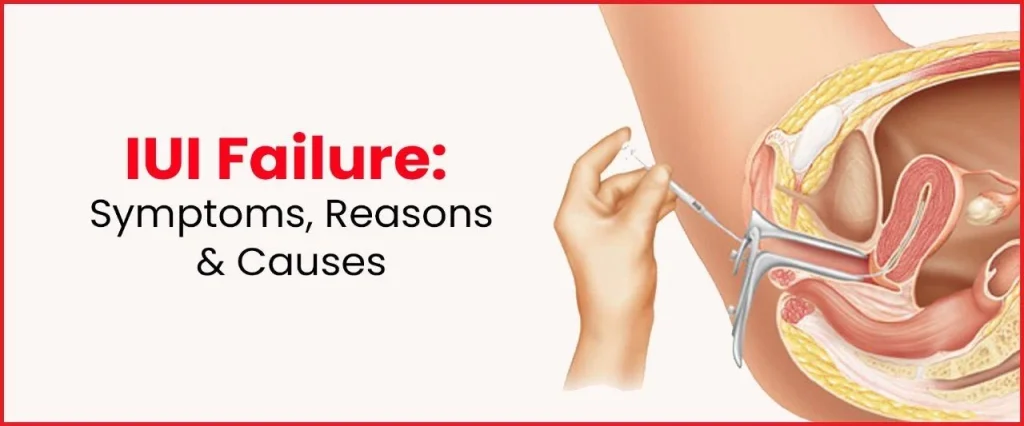
    illustration of IUI procedure with text on symptoms, reasons, and causes of IUI failure

    The Process of Creating Life: Artificial Insemination vs Natural Conception

    The process of IVF starts with the woman undergoing fertility medications to stimulate the ovaries and produce multiple eggs. The eggs are then retrieved from the ovaries using a thin needle, and combined with the sperm in a laboratory. The resulting embryos are monitored for a few days before being transferred into the woman’s uterus. Any remaining embryos can be frozen for future use.

    IVF has a higher success rate compared to IUI, but it is a more invasive and expensive procedure. It also carries a higher risk of multiple pregnancies and complications such as ovarian hyperstimulation syndrome.

    Natural Conception

    Natural conception, also known as sexual intercourse or “making love,” is the most traditional and common method of creating life. It is a natural and spontaneous process that involves a man ejaculating sperm into a woman’s vagina, which then travels through the cervix and into the uterus to fertilize the waiting egg.

    One of the main benefits of natural conception is that it can be a more intimate and enjoyable experience for couples compared to medical procedures. It also allows for a more natural and gradual process of pregnancy, with the woman being able to track her ovulation and time intercourse accordingly.

    However, there are also limitations to natural conception. It requires both partners to be fertile and have no underlying fertility issues. It also relies on the woman having regular ovulation patterns, which can vary from month to month. In addition, it may not be an option for some couples due to medical conditions or same-sex relationships.

    Making an Informed Decision

    When it comes to creating life, the decision between artificial insemination and natural conception is a personal one that should be made after careful consideration. Both methods have their own set of pros and cons, and what may work for one couple may not work for another.

    It is important to consult with a fertility specialist and understand the underlying causes of infertility before deciding on a course of action. In some cases, a combination of both methods may be recommended for the best chance of success.

    In the end, the goal of both artificial insemination and natural conception is the same – to bring new life into the world and create a family. Whether you choose to go through the process of creating life naturally or through medical intervention, the end result is a beautiful and precious miracle.

    In summary, the process of creating life has evolved with the advancement of technology and medical science. Couples who struggle with fertility issues have the option to choose between artificial insemination and natural conception. Artificial insemination involves the insertion of sperm into the woman’s reproductive tract through medical procedures such as IUI and IVF, while natural conception involves sexual intercourse. Both methods have their own set of pros and cons, and the decision should be made after careful consideration and consultation with a fertility specialist.

  • Breaking Stigmas: A Look into Artificial Insemination and Natural Conception

    Breaking Stigmas: A Look into Artificial Insemination and Natural Conception

    In today’s society, there are many stigmas surrounding the topic of pregnancy and conception. While some may view pregnancy and childbirth as a natural and effortless process, the truth is that it can be a complicated and emotional journey for many individuals and couples. In recent years, there has been a rise in the use of artificial insemination as a means of conception, often due to factors such as infertility or same-sex couples wanting to start a family. However, this method of conception still carries a stigma and is often misunderstood.

    In this blog post, we will delve into the topic of artificial insemination and compare it to natural conception, shedding light on the process and breaking down stigmas surrounding it.

    What is Artificial Insemination?

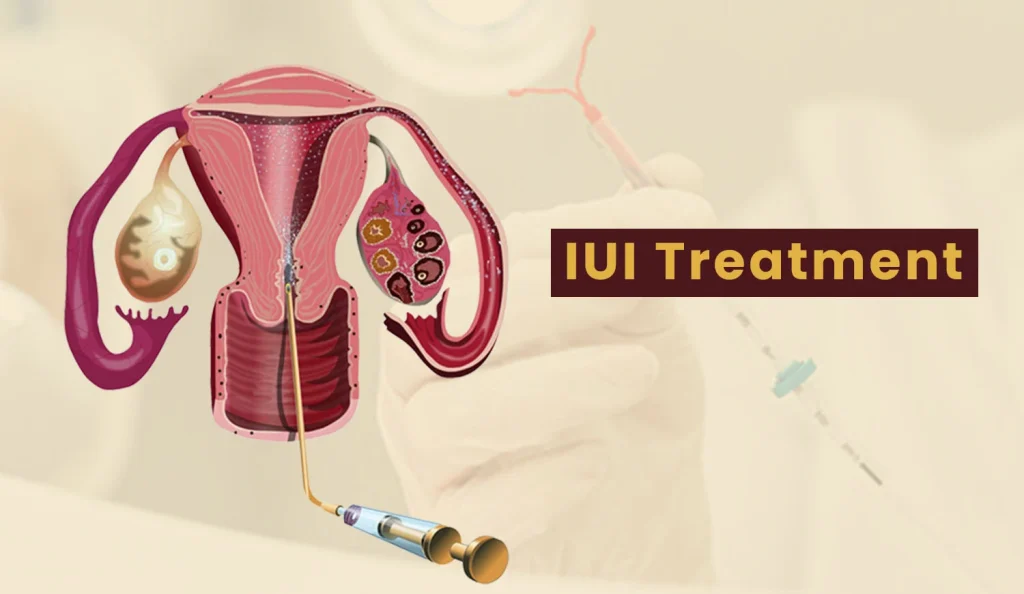
    Artificial insemination, also known as intrauterine insemination (IUI), is a fertility treatment that involves placing sperm directly into a woman’s uterus to increase the chances of fertilization. The process of artificial insemination can be done using either a partner’s sperm or donor sperm, depending on the situation.

    IUI is commonly used by couples struggling with male factor infertility, where the male partner has a low sperm count or poor sperm motility. It is also used by same-sex couples and single women who want to start a family.

    The Process of Artificial Insemination

    The process of artificial insemination begins with the woman undergoing ovarian stimulation, where she is given medication to increase the production of eggs. This is followed by monitoring the growth and development of the eggs through ultrasounds and blood tests.

    Once the eggs are mature, the woman receives a trigger shot of human chorionic gonadotropin (hCG), which triggers ovulation. The sperm is then washed and prepared for insemination, where it is placed into the woman’s uterus through a thin catheter.

    After the procedure, the woman may experience mild cramping and spotting. A pregnancy test is usually done after two weeks to determine if the procedure was successful.

    Breaking Stigmas Surrounding Artificial Insemination

    One of the biggest stigmas surrounding artificial insemination is that it is an unnatural way of conceiving. Some may argue that it goes against the natural process of conception, where a sperm fertilizes an egg during sexual intercourse. However, the truth is that artificial insemination is simply a different method of achieving the same result – pregnancy.

    illustration of the uterus and ovaries with a syringe, labeled "IUI Treatment" in the background

    Breaking Stigmas: A Look into Artificial Insemination and Natural Conception

    Moreover, advancements in technology have made it possible to mimic the process of natural conception, with the sperm being placed directly into the uterus. This method also has a higher success rate compared to natural conception, making it a viable option for couples and individuals struggling with infertility.

    Another stigma surrounding artificial insemination is that it is only used by same-sex couples and single women. This misconception can create a sense of exclusion for heterosexual couples who may also need this method of conception due to fertility issues.

    It is important to break down these stigmas and educate society on the various reasons why individuals and couples may choose artificial insemination as a means of conception. Every person deserves the chance to start a family, regardless of their sexual orientation or relationship status.

    Natural Conception: The Other Side of the Coin

    While artificial insemination has its benefits, it is essential to also acknowledge the beauty and miracle of natural conception. For many couples, trying to conceive naturally can be a challenging and emotional journey. However, the experience of creating a life together through the love and intimacy of sexual intercourse can also be a beautiful and bonding experience.

    Moreover, natural conception has its own set of advantages, including the release of hormones during sexual intercourse that can help with fertility and the creation of a stronger bond between partners.

    It is important to remember that both artificial insemination and natural conception have their own unique journeys and outcomes, and neither should be stigmatized or viewed as superior to the other.

    In Conclusion

    The decision to start a family through artificial insemination or natural conception is a personal and individual one. It is crucial to break down stigmas surrounding artificial insemination and educate society on the process and reasons why individuals and couples may choose this method of conception. At the same time, we must also celebrate the beauty of natural conception and recognize the importance of both methods in the journey of starting a family.

    In the end, all that matters is the love and happiness that comes with the arrival of a new life, regardless of the method of conception.

    Summary:

    Pregnancy and conception can be a complicated and emotional journey for many individuals and couples. Artificial insemination, also known as IUI, is a fertility treatment that involves placing sperm directly into a woman’s uterus to increase the chances of fertilization. This method of conception is often stigmatized and misunderstood. However, it is simply a different way of achieving the same result – pregnancy. Natural conception, on the other hand, is a beautiful and bonding experience between partners, but it also has its own set of challenges. It is essential to break down stigmas surrounding artificial insemination and celebrate both methods of conception as they both contribute to the journey of starting a family.

  • Fertility Options: Choosing Between Artificial Insemination and Natural Conception

    Blog Post:

    Fertility Options: Choosing Between Artificial Insemination and Natural Conception

    For many couples and individuals trying to conceive, the journey to parenthood can be a difficult and emotional one. Fortunately, advancements in medical technology have provided various fertility options to help those struggling with infertility. Two of the most popular methods are artificial insemination and natural conception. Both have their own advantages and considerations, and it can be overwhelming to decide which one is right for you. In this blog post, we will discuss the differences between these two options to help guide you in making the best decision for your fertility journey.

    Artificial Insemination:

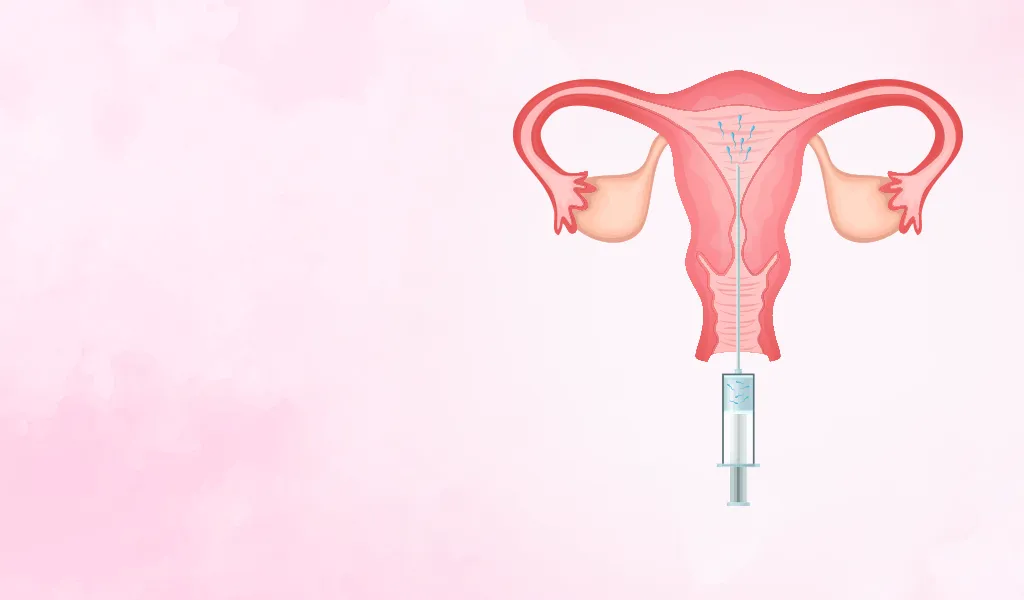
    Artificial insemination, also known as intrauterine insemination (IUI), is a procedure that involves placing washed and concentrated sperm directly into a woman’s uterus. This method is often used for couples who have been trying to conceive for a year or more without success, or for individuals who are single or in same-sex relationships. There are two types of artificial insemination – intracervical insemination (ICI) and intrauterine insemination (IUI).

    In ICI, the sperm is placed in the cervix using a thin catheter, while in IUI, the sperm is placed directly into the uterus using a similar method. IUI is usually the preferred method as it bypasses the cervix and places the sperm closer to the egg for fertilization. It is also accompanied by a higher success rate compared to ICI.

    Natural Conception:

    Natural conception, also known as sexual intercourse or “trying the old-fashioned way,” involves a man ejaculating his sperm into the woman’s vagina during her fertile window. This method is the most common way couples try to conceive and has been used for centuries. It is also the most cost-effective option as it does not require any medical procedures or interventions.

    However, natural conception may not be suitable for everyone. For instance, it may not be feasible for individuals or couples with certain medical conditions or those with low sperm count or motility. It also requires accurate timing and monitoring of the woman’s ovulation cycle, which can be challenging and stressful for some.

    illustration of a uterus with a syringe, representing intrauterine insemination procedure

    Fertility Options: Choosing Between Artificial Insemination and Natural Conception

    Important Considerations:

    When deciding between artificial insemination and natural conception, there are several important factors to consider. These include:

    1. Success Rate: The success rate of artificial insemination depends on various factors such as the age of the woman, the cause of infertility, and the quality of sperm. On average, the success rate for IUI is around 10-20% per cycle, while the success rate for natural conception is around 20-30% per cycle. However, the success rates may vary for each individual depending on their specific circumstances.

    2. Cost: Artificial insemination can be quite expensive, with one cycle costing anywhere between $300 to $900. In contrast, natural conception does not require any medical procedures, making it a more affordable option for couples on a budget.

    3. Medical Conditions: Certain medical conditions may make natural conception impossible or increase the risk of complications. For example, individuals with blocked fallopian tubes or endometriosis may have a better chance of conceiving through artificial insemination.

    4. Emotional and Psychological Impact: Trying to conceive can take a toll on one’s emotional and psychological well-being. Artificial insemination may involve more medical procedures and interventions, which can be overwhelming for some individuals. On the other hand, natural conception can be less stressful and more intimate for couples as it does not involve any medical interventions.

    Which Option is Right for You?

    Choosing between artificial insemination and natural conception is a personal decision that should be based on your specific needs and circumstances. It is essential to consult with a fertility specialist who can guide you in making the best decision for your fertility journey. They can help assess your individual situation and recommend the most suitable option for you.

    In summary, both artificial insemination and natural conception are viable options for couples and individuals trying to conceive. While artificial insemination may have a higher success rate, it can be expensive and may not be suitable for everyone. On the other hand, natural conception may be more affordable and intimate, but it may not be feasible for some individuals. It is crucial to consider factors such as success rates, cost, medical conditions, and emotional impact when deciding between these two options. Consulting with a fertility specialist and understanding your individual needs can help you make an informed decision and increase your chances of success.

  • The Role of Science: Artificial Insemination or Natural Conception?

    The Role of Science: Artificial Insemination or Natural Conception?

    Science has played a significant role in human reproduction for centuries, from the discovery of the ovum and sperm to the development of fertility treatments. One of the most controversial topics in the field of reproductive science is the use of artificial insemination versus natural conception. While both methods have their advantages and disadvantages, the decision between them ultimately depends on various factors, including individual circumstances and preferences.

    Artificial insemination, also known as intrauterine insemination (IUI), is a form of assisted reproductive technology (ART) that involves the direct placement of sperm into a woman’s uterus. This method is commonly used for couples who have been trying to conceive naturally but have not been successful due to male factor infertility, unexplained fertility issues, or same-sex couples. It is also an option for single women who wish to become pregnant. IUI can be performed with either the partner’s sperm or donor sperm, depending on the situation.

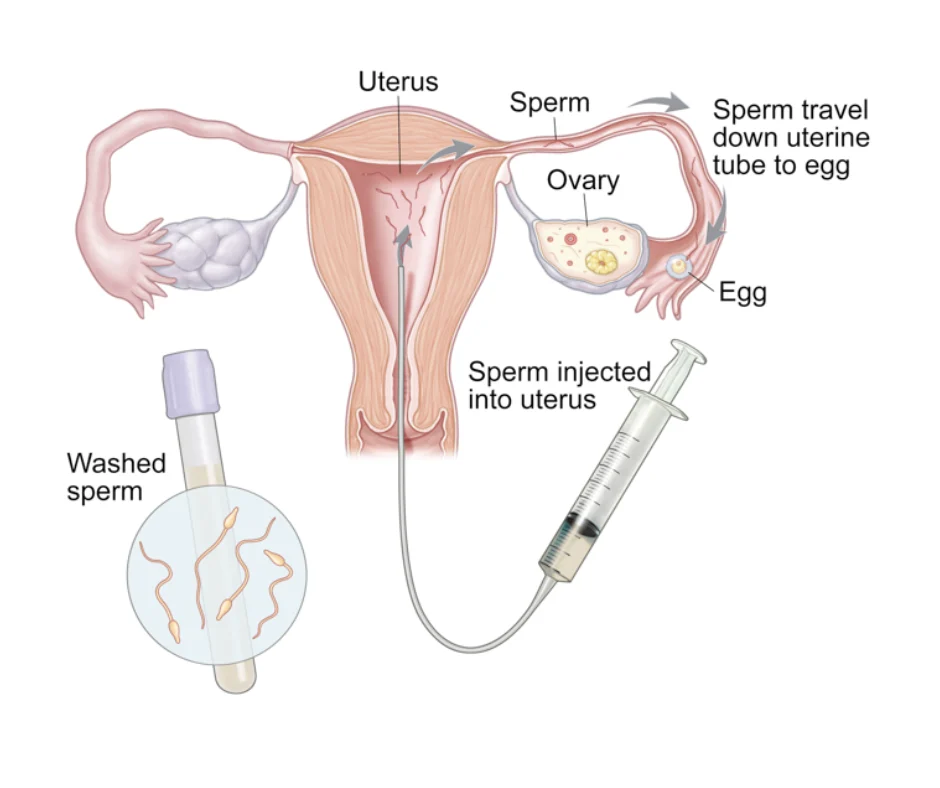
    The process of artificial insemination starts with a thorough evaluation of the woman’s reproductive health, including hormone levels, ovulation, and the condition of her uterus and fallopian tubes. If any issues are detected, they can be addressed before the procedure to increase the chances of success. The sperm is collected, washed, and prepared in a laboratory, ensuring that only the healthiest and most active sperm are used for insemination. The sperm is then inserted into the woman’s uterus using a thin catheter, which is a relatively painless and quick procedure.

    One of the significant advantages of artificial insemination is that it bypasses any potential issues with male fertility. It also allows for the selection of healthy and viable sperm, increasing the chances of conception. The procedure itself is minimally invasive and less expensive compared to other fertility treatments like in vitro fertilization (IVF). It also has a higher success rate than natural conception, with up to 20% success rate per cycle.

    However, artificial insemination also has its limitations and potential risks. The success rate decreases with age and certain medical conditions, such as blocked fallopian tubes or severe male factor infertility. There is also a risk of multiple pregnancies, which can be a concern for some couples. In addition, the use of donor sperm can raise ethical and legal concerns, especially when it comes to disclosing the information to the child.

    diagram illustrating intrauterine insemination process, showing sperm injection into the uterus and egg fertilization pathway

    The Role of Science: Artificial Insemination or Natural Conception?

    On the other hand, natural conception is the most traditional and common method of conceiving a child. It involves the fertilization of an egg by sperm during sexual intercourse. This process is entirely natural and does not require any medical intervention. It also allows for the creation of a biological connection between the parents and the child.

    Natural conception has its benefits, such as being the most affordable and accessible option for most couples. It also has a higher success rate for couples with no underlying fertility issues. In addition, it eliminates the need for any medical procedures or the use of donor sperm, addressing the ethical and legal concerns mentioned earlier.

    However, natural conception is not always feasible for all couples. It requires both partners to have healthy reproductive systems and the ability to ovulate and produce sperm. Infertility affects approximately 1 in 8 couples, making natural conception a challenging option for many. It also does not allow for the selection of healthy sperm, increasing the risk of genetic disorders or fertility issues in the child.

    In conclusion, the decision between artificial insemination and natural conception ultimately depends on the individual circumstances of each couple. For couples struggling with infertility, artificial insemination may be the best option to increase their chances of conceiving. However, for those who can conceive naturally, natural conception may be the preferred and more ethical choice. It is essential to consult with a fertility specialist and weigh the pros and cons of each method before making a decision.

    In the ever-evolving field of reproductive science, both artificial insemination and natural conception have their place in helping couples achieve their dream of starting a family. As science continues to advance, it is crucial to have open and honest discussions about the role of science in human reproduction and the ethical considerations that come with it.

    SEO metadata:

  • Breaking Down the Differences: Artificial Insemination vs Natural Conception

    Breaking Down the Differences: Artificial Insemination vs Natural Conception

    When it comes to starting a family, there are many factors to consider. One important decision that couples may face is the method of conception – artificial insemination or natural conception. While both methods can lead to pregnancy, there are significant differences between the two. In this blog post, we will take a closer look at the key differences between artificial insemination and natural conception, including the process, success rates, and potential risks.

    Artificial Insemination

    Artificial insemination, also known as intrauterine insemination (IUI), is a fertility treatment that involves directly placing sperm into a woman’s uterus. This method is often used for couples who have trouble conceiving due to male factor infertility, low sperm count, or unexplained fertility issues. It can also be used by single women or same-sex couples who want to start a family.

    The process of artificial insemination starts with a thorough evaluation of both partners’ medical history and fertility. The male partner will provide a semen sample, which will be washed and prepared in a laboratory to concentrate the healthiest sperm. Then, the sperm is inserted into the woman’s uterus using a thin catheter, usually during ovulation when the chances of conception are the highest.

    One of the main benefits of artificial insemination is that it increases the chances of sperm reaching the egg, bypassing any potential barriers in the woman’s reproductive system. It is a relatively simple and non-invasive procedure, usually done in a fertility clinic or doctor’s office, and does not require anesthesia.

    However, the success rate of artificial insemination can vary greatly depending on various factors, such as the woman’s age, quality of sperm used, and any underlying fertility issues. On average, the success rate for artificial insemination is around 10-15% per cycle, and multiple cycles may be needed to achieve a successful pregnancy.

    Natural Conception

    On the other hand, natural conception, also known as sexual intercourse, is the most common method of conceiving a baby. It involves the sperm fertilizing the egg during sexual intercourse, usually during the woman’s ovulation period. Unlike artificial insemination, natural conception does not involve any medical procedures or interventions.

    comparison of IUI and IVF procedures illustrated with simple graphics and labels

    Breaking Down the Differences: Artificial Insemination vs Natural Conception

    There are no strict guidelines for natural conception, but it is recommended to have regular and unprotected intercourse during the woman’s fertile window, which is usually around 5 days before and on the day of ovulation. This increases the chances of the sperm meeting the egg and fertilizing it. However, it is essential to note that the sperm can survive inside a woman’s body for up to 5 days, so timing is crucial for successful conception.

    The success rate of natural conception also varies depending on various factors, such as the woman’s age, fertility, and timing of intercourse. On average, the chances of conceiving naturally are around 20% per cycle, and it may take several months or even longer to achieve a successful pregnancy.

    Key Differences

    The most significant difference between artificial insemination and natural conception is the method of fertilization. In artificial insemination, the sperm is placed directly into the uterus, while in natural conception, it travels through the cervix and into the fallopian tubes to reach the egg.

    Another crucial difference is the level of control over the process. Artificial insemination is a medical procedure that is carefully monitored and controlled by a fertility specialist, while natural conception relies on timing and luck.

    Risks and Considerations

    While both methods have their benefits, there are also potential risks and considerations to keep in mind. Artificial insemination can carry a risk of infection, and there is a small chance of multiple pregnancies due to the use of fertility drugs to stimulate ovulation. On the other hand, natural conception can pose a risk of sexually transmitted infections and can be emotionally taxing for couples dealing with infertility.

    Summary

    In conclusion, artificial insemination and natural conception are two different methods of conceiving a baby, each with its own set of advantages and disadvantages. Artificial insemination is a medical procedure that involves placing sperm directly into the uterus, while natural conception relies on sexual intercourse during the woman’s fertile window. Both methods have varying success rates and potential risks that couples should consider when making a decision about how to start their family.

  • Intrauterine Insemination vs Timed Intercourse: Understanding the Potential Complications and Risks

    Blog Post: Intrauterine Insemination vs Timed Intercourse: Understanding the Potential Complications and Risks

    Deciding to start a family is an exciting and life-changing decision. However, for some couples, conceiving a child may not come as easily as they had hoped. In these situations, fertility treatments such as intrauterine insemination (IUI) and timed intercourse may be recommended by a fertility specialist. While both methods aim to increase the chances of pregnancy, they each come with their own set of potential complications and risks. In this blog post, we will dive into the differences between intrauterine insemination and timed intercourse and explore the potential complications and risks associated with each method.

    Intrauterine Insemination (IUI)

    Intrauterine insemination, also known as artificial insemination, is a fertility treatment method in which sperm is directly placed into a woman’s uterus during ovulation. This procedure is often used for couples with unexplained infertility or in cases where the male partner has a low sperm count or mobility.

    The process of IUI involves a series of steps. First, the male partner’s sperm is washed and prepared in the laboratory to ensure only the healthiest and most motile sperm are used for the procedure. Then, a thin catheter is inserted through the vagina and cervix, allowing the sperm to be placed directly into the uterus. This procedure is usually painless and takes only a few minutes to complete.

    Potential Complications and Risks of IUI

    While IUI is generally considered a safe and minimally invasive procedure, there are still potential complications and risks that couples should be aware of. One of the most common risks is infection, which can occur if the catheter used during the procedure is not properly sterilized. In rare cases, IUI can also cause damage to the uterus or cervix.

    Another risk associated with IUI is the potential for multiple pregnancies. Because multiple eggs can be released during ovulation, there is a higher chance of conceiving multiples with IUI. This can increase the risks and complications during pregnancy and delivery, as well as the financial and emotional strain of raising multiple children.

    Timed Intercourse

    Illustration of intrauterine insemination (IUI) procedure with syringe and catheter in the uterus.

    Intrauterine Insemination vs Timed Intercourse: Understanding the Potential Complications and Risks

    Timed intercourse, also known as ovulation induction, is another fertility treatment method that involves tracking a woman’s ovulation cycle and timing intercourse accordingly. This method can be used for couples with unexplained infertility or in cases where the female partner has irregular ovulation.

    The process of timed intercourse typically begins with monitoring a woman’s ovulation using ovulation predictor kits or ultrasounds. Once ovulation is detected, the couple is instructed to have intercourse during the most fertile days of the cycle. In some cases, fertility medications may also be prescribed to stimulate ovulation and increase the chances of pregnancy.

    Potential Complications and Risks of Timed Intercourse

    While timed intercourse may seem like a simple and natural method of conceiving, there are still potential complications and risks that couples should be aware of. One of the most common risks is the possibility of missing the fertile window. Ovulation can be unpredictable, and if the timing of intercourse is off, the chances of conceiving decrease significantly.

    Another potential complication is the use of fertility medications. These medications can cause side effects such as bloating, mood swings, and abdominal pain. In rare cases, they may also lead to ovarian hyperstimulation syndrome (OHSS), a condition in which the ovaries become swollen and painful.

    Which Method is Right for You?

    The decision between IUI and timed intercourse ultimately depends on various factors, including the cause of infertility, the age of the woman, and the couple’s preferences. It is essential to discuss all available options with a fertility specialist to determine which method is best suited for your individual situation.

    Summary

    Intrauterine insemination and timed intercourse are two common fertility treatment methods used to increase the chances of pregnancy. While IUI involves placing sperm directly into the uterus during ovulation, timed intercourse involves tracking ovulation and timing intercourse accordingly. Both methods come with their own set of potential complications and risks, including infection, multiple pregnancies, missed fertile window, and side effects from fertility medications. It is crucial to consult with a fertility specialist to determine the best treatment option for your individual needs.

  • Intrauterine Insemination vs Timed Intercourse: How to Stay Positive and Motivated During Your Fertility Journey

    Struggling with infertility can be a challenging and emotional journey. As couples navigate the ups and downs of trying to conceive, they may find themselves considering fertility treatments such as intrauterine insemination (IUI) or timed intercourse (TI). Both methods have their own benefits and potential drawbacks, and it can be overwhelming for couples to decide which one is right for them. However, what is most important during this fertility journey is staying positive and motivated. In this blog post, we will explore the differences between IUI and TI and provide tips on how to maintain a positive mindset during the process.

    Understanding Intrauterine Insemination (IUI)

    Intrauterine insemination, also known as artificial insemination, is a fertility treatment that involves placing sperm directly into the woman’s uterus during her ovulation period. This procedure is typically recommended for couples who have been trying to conceive for at least a year with no success, or for those who have certain fertility issues such as low sperm count or cervical mucus problems.

    The IUI process begins with the woman taking fertility drugs to stimulate the ovaries and produce multiple eggs. Then, the male partner’s sperm is washed and prepared in the lab to increase its chances of fertilizing an egg. The prepared sperm is then inserted into the woman’s uterus using a thin catheter, with the hope that it will reach and fertilize an egg.

    Understanding Timed Intercourse (TI)

    Timed intercourse, also known as ovulation induction, is another fertility treatment option for couples struggling to conceive. Unlike IUI, timed intercourse does not involve any artificial insemination or medical intervention. Instead, it focuses on tracking a woman’s ovulation cycle and timing sexual intercourse accordingly.

    TI involves monitoring a woman’s basal body temperature, cervical mucus, and using ovulation predictor kits to determine the best time for intercourse. This method is usually recommended for couples who have no known fertility issues and have been trying to conceive for less than a year.

    Pros and Cons of IUI and TI

    Both IUI and TI have their own advantages and disadvantages. Some couples may find one method to be more suitable for their specific situation while others may opt for a combination of both.

    One of the main benefits of IUI is that it increases the chances of sperm reaching the egg, as it is placed directly into the uterus. This can be beneficial for couples with male factor infertility or for those with issues related to cervical mucus. Additionally, IUI can be a less invasive and more affordable option compared to other fertility treatments such as in vitro fertilization (IVF).

    test tube with sperm in blue liquid, promoting IUI success rate and factors influencing fertility.

    Intrauterine Insemination vs Timed Intercourse: How to Stay Positive and Motivated During Your Fertility Journey

    On the other hand, timed intercourse can be a more natural and less stressful option for couples. It does not require any medical intervention, which may be appealing to some. However, the success rate of TI can be lower compared to IUI, as there is no direct placement of sperm into the uterus and the timing of intercourse can be difficult to predict accurately.

    Staying Positive and Motivated During Your Fertility Journey

    No matter which fertility treatment option you choose, it is important to maintain a positive mindset and stay motivated throughout the process. Here are some tips to help you stay positive and motivated during your fertility journey:

    1. Educate Yourself: The more you know about your fertility and the treatment options available, the better prepared you will be to make informed decisions. Take the time to do your research and ask your doctor any questions you may have.

    2. Communicate with Your Partner: Going through fertility treatments can be emotionally and physically draining, but it is important to communicate openly and support each other. Lean on your partner for emotional support and share your feelings and concerns.

    3. Take Care of Yourself: It is essential to prioritize self-care during this time. Make sure you are eating well, getting enough rest, and taking time to relax and de-stress. Consider incorporating activities like yoga or meditation into your routine to help manage stress and anxiety.

    4. Join a Support Group: Connecting with others who are going through a similar journey can be incredibly helpful. Consider joining a support group or seeking out online communities where you can share your experiences and receive support from others.

    5. Remember Your End Goal: It can be easy to get caught up in the day-to-day of fertility treatments, but it’s important to remember your ultimate goal of starting or expanding your family. Keep a positive outlook and visualize the end result of having a child.

    Conclusion

    The decision to pursue fertility treatments such as IUI or TI is a personal one and should be made after careful consideration and consultation with your doctor. While these treatments can be stressful and emotionally taxing, it is essential to stay positive and motivated. Remember to take care of yourself, communicate with your partner, and stay focused on the end goal. With the right mindset and support, you can navigate this journey and hopefully achieve your dream of starting a family.

    In summary, when deciding between intrauterine insemination (IUI) and timed intercourse (TI) for fertility treatment, it’s important to weigh the pros and cons of each option. However, what is most important during this process is maintaining a positive mindset and staying motivated. By educating yourself, communicating with your partner, taking care of yourself, and remembering your ultimate goal, you can navigate your fertility journey with strength and resilience.

  • Intrauterine Insemination vs Timed Intercourse: A Look at the Success Rates for Couples with Unexplained Infertility

    Title: Intrauterine Insemination vs Timed Intercourse: A Look at the Success Rates for Couples with Unexplained Infertility

    Introduction:
    Infertility is a common issue that affects 1 in 8 couples worldwide. When a couple has been trying to conceive for a year or more without success, they are diagnosed with infertility. Unexplained infertility is a term used when no specific cause can be identified for a couple’s inability to conceive. In such cases, fertility treatments like intrauterine insemination (IUI) and timed intercourse are often recommended. In this blog post, we will delve into the success rates of these two methods for couples with unexplained infertility.

    What is Intrauterine Insemination?
    Intrauterine insemination (IUI) is a fertility treatment where a concentrated amount of sperm is placed directly into the woman’s uterus during the time of ovulation. This procedure is often recommended for couples with unexplained infertility or those with mild male factor infertility. The goal of IUI is to increase the number of sperm that reach the fallopian tubes and therefore increase the chances of fertilization.

    What is Timed Intercourse?
    Timed intercourse is a method where a couple is advised to have sex during the most fertile days of the woman’s menstrual cycle. This is usually determined by tracking the woman’s basal body temperature, cervical mucus changes, and using ovulation predictor kits. Timed intercourse is often recommended as a first-line treatment for couples with unexplained infertility.

    Success Rates of IUI vs Timed Intercourse:
    Both IUI and timed intercourse have been shown to increase the chances of pregnancy for couples with unexplained infertility. However, the success rates for each method may vary.

    According to a study published in the Journal of Human Reproductive Sciences, the success rate for IUI in couples with unexplained infertility was found to be around 10-15%. This means that out of 100 couples undergoing IUI, 10-15 of them will conceive. On the other hand, timed intercourse has a success rate of around 20%. This shows that timed intercourse has a slightly higher success rate compared to IUI for couples with unexplained infertility.

    diagram of the female reproductive system with an IUI syringe and test tube for artificial insemination

    Intrauterine Insemination vs Timed Intercourse: A Look at the Success Rates for Couples with Unexplained Infertility

    Factors Affecting Success Rates:
    Several factors can affect the success rates of IUI and timed intercourse for couples with unexplained infertility. These include the age of the woman, the quality of the sperm, and the number of treatment cycles.

    Age: As a woman gets older, her fertility decreases, and the chances of conceiving through IUI or timed intercourse also decrease. According to a study published in the Journal of Reproductive Medicine, the success rate of IUI for women under 35 years was 14.3%, while for women over 35 years, it was only 6.7%.

    Sperm Quality: The quality of the sperm used in IUI can also affect the success rates. If the male partner has a low sperm count or poor sperm motility, the chances of fertilization and pregnancy decrease. In such cases, timed intercourse may be a better option as it relies on natural conception rather than the quality of the sperm.

    Number of Treatment Cycles: The success rates for both IUI and timed intercourse increase with the number of treatment cycles. It is recommended to undergo at least three to six cycles of IUI or timed intercourse before considering other fertility treatments.

    Which Method is Right for You?
    When deciding between IUI and timed intercourse, it is essential to consider various factors such as age, sperm quality, and your doctor’s recommendations. Both methods have similar success rates, but timed intercourse may be a more cost-effective and less invasive option for couples with unexplained infertility. However, IUI may be a better option for couples with male factor infertility.

    Conclusion:
    Unexplained infertility can be a frustrating and emotional journey for couples trying to conceive. However, with the help of fertility treatments like IUI and timed intercourse, the chances of pregnancy can be increased. Both methods have similar success rates, but it is essential to consult with a fertility specialist to determine which method is best for you.

    Summary:
    Intrauterine insemination (IUI) and timed intercourse are two fertility treatments often recommended for couples with unexplained infertility. IUI involves placing concentrated sperm directly into the uterus during ovulation, while timed intercourse relies on natural conception during the most fertile days of the menstrual cycle. Both methods have a success rate of around 10-20%, with timed intercourse having slightly higher success rates. Factors such as age, sperm quality, and the number of treatment cycles can affect the success rates for both methods. It is crucial to consult with a fertility specialist to determine which method is best for you.