Tag: relationships

  • Egg Donation vs Egg Freezing: The Impact on Relationships

    Egg Donation vs Egg Freezing: The Impact on Relationships

    Egg donation and egg freezing are two medical procedures that have gained significant popularity in recent years. Both procedures involve the use of a woman’s eggs for fertility purposes, but they have different implications for relationships. Egg donation involves a woman donating her eggs to another person or couple who are unable to conceive on their own. Egg freezing, on the other hand, allows a woman to preserve her eggs for future use when she is ready to start a family. While both procedures have their own benefits and drawbacks, they can have a significant impact on relationships in various ways.

    In this blog post, we will explore the impact of egg donation and egg freezing on relationships. We will discuss the emotional, physical, and financial implications of these procedures and how they can affect relationships between partners, family members, and even friends. We will also delve into the societal and cultural attitudes towards egg donation and egg freezing and how they can influence relationships. By the end of this post, you will have a better understanding of the impact of these procedures on relationships and how to navigate them in your own life.

    Emotional Impact on Relationships:
    Egg donation and egg freezing both involve intense emotional processes for the individuals involved. For the donor, egg donation can bring up feelings of selflessness and altruism, but it can also bring up feelings of loss and detachment from their genetic material. These emotions can affect their relationship with their partner, as well as their family and friends. It is essential for the donor to have a supportive partner who understands and respects their decision to donate their eggs.

    On the other hand, egg freezing can also bring up a range of emotions for the woman undergoing the procedure. She may feel a sense of relief and control over her fertility, but she may also experience anxiety and pressure to use her frozen eggs in the future. This can put a strain on her relationship with her partner, who may have different plans for their future family. It is crucial for couples to have open and honest communication before and after the egg freezing process to navigate any potential conflicts.

    Physical Impact on Relationships:
    Egg donation and egg freezing are both medical procedures that can have physical implications for the individuals involved. Egg donation involves the retrieval of eggs through a minor surgical procedure, which can have physical side effects such as bloating, discomfort, and potential complications. This can affect the donor’s ability to engage in physical activities, including intimacy with their partner. It is essential for couples to discuss and plan for any potential physical changes that may occur during and after the egg donation process.
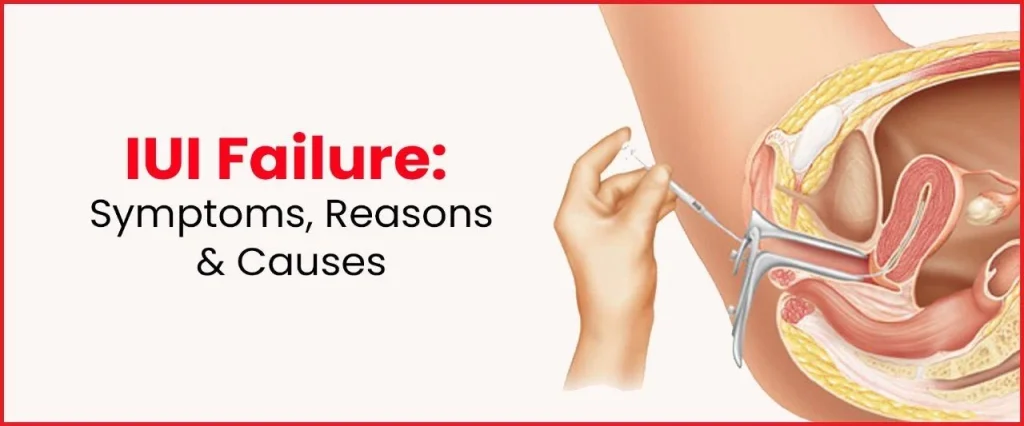
    illustration of IUI procedure with text on symptoms, reasons, and causes of IUI failure

    Egg Donation vs Egg Freezing: The Impact on Relationships

    Similarly, egg freezing also involves the retrieval of eggs through a minor surgical procedure. The hormone injections required for egg freezing can also have physical side effects, such as mood swings, nausea, and bloating. This can also impact the woman’s relationship with her partner, who may need to support and care for her during this process. It is crucial for couples to be aware of these potential physical effects and have a plan in place to manage them together.

    Financial Impact on Relationships:
    Egg donation and egg freezing are not only emotionally and physically demanding but also financially. Egg donation can be a costly process, as it involves medical procedures and medication. This can put a strain on the donor’s relationship with their partner, who may need to support them financially. On the other hand, egg freezing can also be expensive, but it can offer women the opportunity to delay starting a family until they are in a more stable financial position. This can alleviate some pressure on the couple’s relationship and allow them to focus on other financial goals.

    Societal and Cultural Attitudes:
    Egg donation and egg freezing are still relatively new procedures, and as such, there are societal and cultural attitudes towards them. Egg donation is often seen as an act of kindness and generosity, but there can also be a stigma attached to it, with some people viewing it as “selling” one’s eggs. This can affect the donor’s relationship with their partner and family, who may not understand or support their decision. Similarly, egg freezing can be viewed as delaying a woman’s biological clock, and there can be pressure from society to have children at a certain age. This can impact the woman’s relationship with her partner, who may have different expectations for their family planning.

    Navigating Relationships:
    Egg donation and egg freezing can have a significant impact on relationships, but there are ways to navigate them successfully. Open and honest communication is key, not just between the partners but also with family and friends. It is essential for couples to discuss their expectations, fears, and concerns before and during the procedure. It is also crucial to seek support from friends, family, or a therapist, if needed, to manage any emotional or physical challenges that may arise.

    In conclusion, egg donation and egg freezing can have a significant impact on relationships. From emotional and physical challenges to financial and societal pressures, these procedures can bring up a range of emotions and dynamics in relationships. It is crucial for couples to have open and honest communication, seek support when needed, and have a plan in place to navigate these challenges together. By understanding the impact of these procedures on relationships, we can better prepare ourselves and our loved ones for this journey.

    Summary:
    Egg donation and egg freezing are two medical procedures that involve the use of a woman’s eggs for fertility purposes. These procedures can have a significant impact on relationships, both emotionally and physically. They can also bring up financial and societal pressures that can affect the dynamics between partners, family, and friends. Navigating these procedures in relationships requires open communication, support, and a plan to manage any potential challenges that may arise.
  • The Emotional Journey of Egg Donation and Egg Freezing

    The Emotional Journey of Egg Donation and Egg Freezing: Understanding the Impact of Fertility Treatments on Women’s Lives

    Egg donation and egg freezing are two fertility treatments that have become increasingly popular in recent years. These procedures offer women the opportunity to preserve their fertility and have a child at a later stage in life. However, behind the medical procedures and scientific advancements, there is an emotional journey that every woman who embarks on these treatments goes through. From the decision to undergo the procedures to the physical and emotional toll it takes, egg donation and egg freezing can have a profound impact on a woman’s life. In this blog post, we will explore the emotional journey of egg donation and egg freezing and shed light on the emotional aspects of these fertility treatments.

    The Decision to Undergo Egg Donation or Egg Freezing

    The decision to undergo egg donation or egg freezing is not one that is taken lightly. It is a significant choice that requires careful consideration and thought. For many women, the decision to undergo these procedures is not an easy one. It may be due to a medical condition that affects their fertility or because they are not ready to have a child at the present time. Whatever the reason, the decision to undergo egg donation or egg freezing can evoke a range of emotions such as fear, anxiety, and uncertainty.

    One of the main emotional challenges that women face when considering these treatments is the uncertainty of the outcome. While egg donation and egg freezing have high success rates, there is no guarantee that the procedures will result in a successful pregnancy. This uncertainty can create a sense of fear and anxiety for women as they embark on this journey.

    The Process of Egg Donation and Egg Freezing

    The process of egg donation and egg freezing can be physically and emotionally demanding. It involves multiple medical appointments, hormone injections, and invasive procedures. These treatments can also have side effects such as mood swings, bloating, and fatigue, which can take a toll on a woman’s emotional well-being.

    For women undergoing egg donation, there is also the added emotional weight of knowing that they are giving their eggs to help someone else have a child. This can bring up feelings of altruism and pride, but also feelings of loss and grief for the potential biological connection they will have with the child.

    On the other hand, women who opt for egg freezing may experience a sense of relief and control over their fertility. They may feel empowered by the choice to preserve their eggs and have the option to have a child when they are ready. However, this can also come with the stress of making sure the eggs are stored properly and the financial burden of paying for the procedure and storage.

    Dealing with the Emotional Impact

    Comparison of IUI and IVF treatments with diagrams of reproductive anatomy.

    The Emotional Journey of Egg Donation and Egg Freezing

    The emotional impact of egg donation and egg freezing can be significant and should not be ignored. Women may experience a range of emotions throughout the process, including sadness, anger, and guilt. It is essential for women to have a support system in place, whether it be a partner, family member, or a therapist, to help them navigate these emotions.

    It is also crucial for women to take care of their physical and emotional well-being during and after the procedures. This can include practicing self-care activities such as exercise, meditation, and talking to a therapist. It is also essential for women to have open and honest communication with their doctors and fertility specialists to ensure they are receiving the necessary support and care throughout the process.

    The Impact on Relationships

    Egg donation and egg freezing can also have a significant impact on a woman’s relationships. These treatments can bring couples closer together as they navigate the emotional journey together. However, it can also create tension and strain in relationships, especially if one partner is not fully on board with the decision to undergo these procedures.

    For single women, egg donation and egg freezing can also bring up feelings of loneliness and isolation. They may feel pressure from society to have a child or feel like they are missing out on the traditional path of marriage and motherhood. It is essential for women to have a strong support system and to communicate openly with their loved ones about their decision to undergo these treatments.

    The Emotional Aftermath

    Once the procedures are complete, women may experience a range of emotions, regardless of the outcome. For those who are successful in achieving a pregnancy through egg donation, there may be feelings of joy and happiness, but also a sense of loss and grief for the child they did not carry and give birth to.

    For women who opt for egg freezing and do not end up using their preserved eggs, there may be a sense of disappointment and regret. It is essential for women to process these emotions and seek support if needed. It is also important to remember that the decision to undergo these procedures was made with careful consideration and that there are no right or wrong emotions to feel.

    In conclusion, the emotional journey of egg donation and egg freezing is a complex and personal one. It involves a range of emotions and challenges that can have a profound impact on a woman’s life. It is crucial for women to have a strong support system, to take care of their physical and emotional well-being, and to communicate openly with their loved ones throughout the process. Egg donation and egg freezing offer women the option to preserve their fertility and have a child at a later stage in life, but it is essential to understand and acknowledge the emotional toll it can take.

    Summary:
    Egg donation and egg freezing are two popular fertility treatments that offer women the option to preserve their fertility and have a child at a later stage in life. However, behind the medical procedures and scientific advancements, there is an emotional journey that every woman who embarks on these treatments goes through. The decision to undergo these procedures can evoke fear, anxiety, and uncertainty, and the process itself can be physically and emotionally demanding. It is essential for women to have a support system in place, take care of their well-being, and communicate openly with their loved ones. These treatments can also have an impact on relationships and may result in a range of emotions, regardless of the outcome. It is important for women to seek support and process their emotions after the procedures are complete. Understanding the emotional journey of egg donation and egg freezing is crucial for women considering these treatments.

  • The Pros and Cons of Single Motherhood vs Traditional Family Planning

    Blog Post:

    Single motherhood and traditional family planning are two paths that women can choose to take in their journey to motherhood. While traditional family planning involves being in a committed relationship with a partner and planning for children together, single motherhood involves raising a child on one’s own without a partner. Both paths have their own unique set of challenges and rewards. In this blog post, we will discuss the pros and cons of single motherhood vs traditional family planning, to help women make an informed decision about which path may be right for them.

    Pros of Single Motherhood:

    1. Independence and Control: One of the biggest advantages of single motherhood is the independence and control it offers. As a single mother, you have the freedom to make decisions for yourself and your child without having to consult or compromise with a partner.

    2. Strong Bond with Your Child: Being a single mother allows you to develop a strong bond with your child. As the sole provider and caregiver, you have the opportunity to spend quality time with your child and build a close relationship.

    3. Personal Growth: Single motherhood can also lead to personal growth and development. You are forced to take on new responsibilities, make tough decisions, and face challenges on your own, which can help you become more confident and self-sufficient.

    4. No Relationship Drama: One of the struggles of traditional family planning is dealing with relationship drama and conflicts with a partner. As a single mother, you are free from these issues, allowing you to focus solely on your child and their well-being.

    5. Financial Autonomy: With traditional family planning, there is often a shared financial responsibility with a partner. However, as a single mother, you have complete control over your finances and can make decisions that align with your goals and priorities.

    Cons of Single Motherhood:

    1. Emotional and Physical Exhaustion: Raising a child on your own can be physically and emotionally exhausting. As a single mother, you are responsible for all aspects of your child’s life, from providing for their basic needs to being their emotional support.

    2. Lack of Support: Single mothers often lack the support system that traditional families have. This can make it challenging to balance work and parenting, and can also lead to feelings of isolation and loneliness.

    3. Financial Struggles: Single motherhood can also bring financial struggles. Without a partner to share expenses, single mothers may struggle to make ends meet and provide for their child’s needs.

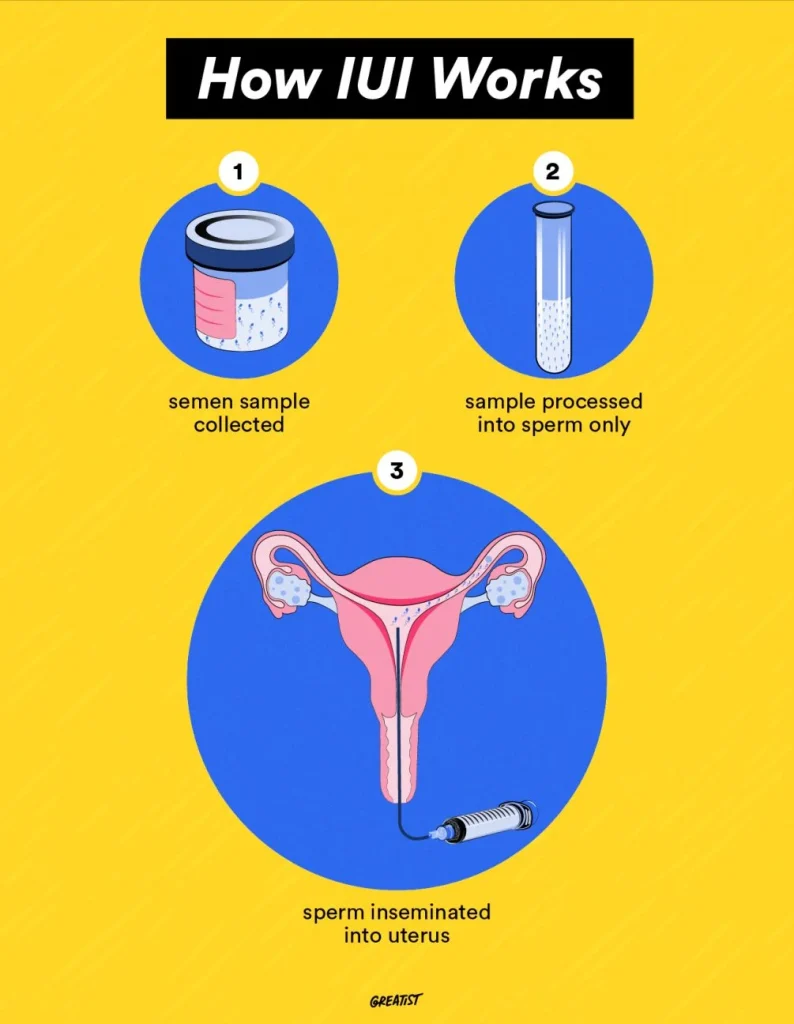
    illustration explaining the steps of intrauterine insemination (IUI) process on a bright yellow background

    The Pros and Cons of Single Motherhood vs Traditional Family Planning

    4. Limited Time for Self-Care: With all the responsibilities of being a single mother, it can be challenging to find time for self-care. This can lead to burnout and affect your mental and physical well-being.

    Pros of Traditional Family Planning:

    1. Shared Responsibilities: One of the biggest advantages of traditional family planning is having a partner to share responsibilities with. This can make parenting less overwhelming and provide a sense of support and teamwork.

    2. Financial Stability: With two incomes, traditional families often have more financial stability. This can provide a sense of security and allow for a more comfortable lifestyle for both parents and children.

    3. Emotional Support: In traditional families, there is a built-in support system with a partner. This can be beneficial for both parents, especially during challenging times, and can lead to a stronger relationship.

    4. Shared Parenting Experience: Traditional family planning allows for both parents to be actively involved in their child’s life. This shared experience can bring a deeper connection and create lasting memories for the family.

    Cons of Traditional Family Planning:

    1. Relationship Conflicts: One of the biggest challenges of traditional family planning is dealing with relationship conflicts. This can be especially difficult when it comes to making decisions about parenting and raising a child.

    2. Limited Freedom and Autonomy: With traditional family planning, both parents have to compromise and make joint decisions, which can lead to a loss of freedom and autonomy for individuals.

    3. Pressure to Conform: Traditional family planning is often seen as the societal norm, and single mothers may face pressure to conform to this expectation. This can lead to feelings of shame or inadequacy for those who choose a different path.

    4. Less Time for Self-Care: With the shared responsibilities of traditional family planning, parents may have less time for themselves, which can lead to burnout and affect their well-being.

    Summary:

    Both single motherhood and traditional family planning have their own set of advantages and disadvantages. Single motherhood offers independence, control, and personal growth, but can also bring emotional and financial struggles. Traditional family planning provides support, shared responsibilities, and financial stability, but can lead to relationship conflicts and limited autonomy. Ultimately, the decision between these two paths should be based on what works best for each individual and their unique situation.

  • Making the Choice: Single Motherhood vs Traditional Family Planning

    Making the Choice: Single Motherhood vs Traditional Family Planning

    In today’s society, there are many paths to building a family. Gone are the days where traditional family planning was the only option. Single motherhood has become a more prevalent choice for women, and it raises important questions about the benefits and challenges of this path compared to traditional family planning. In this blog post, we will explore the reasons why women may choose single motherhood over traditional family planning, the potential benefits and challenges of this choice, and provide insight into making an informed decision.

    Reasons for Choosing Single Motherhood

    There are various reasons why women may choose to become single mothers. For some, it may be a choice of circumstance due to the absence of a partner or the inability to find the right partner. For others, it may be a conscious decision to have a child without being in a traditional relationship. Some women may also choose single motherhood as a means of empowerment and independence.

    One of the main reasons for choosing single motherhood is the desire to have a child and start a family. Women who are unable to find a suitable partner or are not ready to settle down may opt for single motherhood to fulfill this desire. Additionally, advancements in reproductive technology have made it possible for women to have children without a partner, further increasing the appeal of single motherhood as an option.

    Another reason for choosing single motherhood is the desire for independence and control over the process of starting a family. Traditional family planning often involves compromise and joint decision-making with a partner, whereas single mothers have the freedom to make all decisions regarding their child’s upbringing. This can be especially appealing for women who value their independence and do not want to compromise on their beliefs and values.

    Benefits of Single Motherhood

    Single motherhood also comes with its own set of benefits. For one, single mothers have complete control over their finances and do not have to rely on a partner to support their child. This can be a significant factor for women who prioritize financial stability and do not want to be financially dependent on anyone else.

    Furthermore, single mothers can also provide their children with strong role models of independence and resilience. By juggling the responsibilities of parenthood and work, single mothers can demonstrate to their children the importance of hard work, determination, and self-sufficiency. This can have a positive impact on a child’s development and shape them into strong, independent individuals.

    success rate of IUI in India with a graphic of a uterus and syringe alongside a rising graph

    Making the Choice: Single Motherhood vs Traditional Family Planning

    Challenges of Single Motherhood

    While single motherhood can have its benefits, it also comes with its own set of challenges. One of the most significant challenges faced by single mothers is the lack of support and assistance. Raising a child alone can be physically and emotionally exhausting, and without a partner to share the responsibilities with, single mothers may feel overwhelmed.

    Another challenge faced by single mothers is the societal stigma attached to their choice. Single mothers may face judgment and discrimination, which can be difficult to handle. This can also impact a child’s well-being, as they may face bullying or feel excluded due to their family structure.

    Traditional Family Planning

    On the other hand, traditional family planning involves having a child within a traditional relationship, usually with a partner. This path to starting a family has been the norm for many years and comes with its own set of benefits and challenges.

    One of the primary benefits of traditional family planning is the support and partnership provided by having a partner. Raising a child together allows for shared responsibilities and decision-making, which can make the journey of parenthood less overwhelming. Additionally, having a partner can also provide emotional support and companionship, making the experience of raising a child more fulfilling.

    However, traditional family planning also has its challenges. One of the main challenges is the compromise and sacrifice that comes with being in a relationship. Couples may have to make difficult decisions and compromise on certain aspects of their lives to accommodate each other and their child. This can be challenging for individuals who value their independence and may lead to feelings of resentment or dissatisfaction.

    Making an Informed Decision

    Ultimately, the decision between single motherhood and traditional family planning is a personal one and should be made after careful consideration. It is crucial to weigh the potential benefits and challenges of each option and determine which path aligns with your values and goals. Seeking support and advice from loved ones, as well as professionals, can also provide valuable insight and guidance in making this decision.

    In conclusion, both single motherhood and traditional family planning have their own unique benefits and challenges. Women should have the freedom to choose the path that best suits their desires and goals. By understanding the reasons for choosing single motherhood, the potential benefits and challenges, and considering all factors, women can make an informed decision that is best for them and their future family.

  • The Impact of Co-Parenting and Sperm Donation on Personal Identity and Relationships

    Co-parenting and sperm donation are two increasingly common methods of creating families that challenge traditional notions of personal identity and relationships. These practices have both positive and negative impacts on individuals involved, and it is important to understand and navigate these effects in order to maintain healthy and fulfilling relationships.

    Co-parenting, or the practice of raising a child with a partner who is not in a romantic relationship with the other parent, has become more prevalent in recent years. This can occur through adoption, surrogacy, or informal arrangements between individuals. While co-parenting can provide a supportive and loving environment for a child, it also presents unique challenges for the individuals involved.

    One of the main impacts of co-parenting on personal identity is the blurring of traditional family roles and expectations. In a co-parenting situation, there may not be a clear division of labor between parents, leading to a renegotiation of traditional gender roles and responsibilities. This can be both liberating and challenging, as individuals may have to redefine their own identity and roles within the family.

    Another impact of co-parenting on personal identity is the potential for conflict and tension between the co-parents. As with any relationship, there will be differences in opinions and approaches to parenting, which can lead to disagreements and strain on the co-parenting dynamic. This can be particularly difficult when the individuals involved have no romantic history or emotional bond to fall back on.

    In addition to personal identity, co-parenting also has an impact on relationships outside of the co-parenting dynamic. For example, if one or both co-parents are in a romantic relationship with someone else, this can create complexities and potential conflicts. The new partner may struggle with the co-parenting arrangement, feeling left out or threatened by the bond between the co-parents. This can also create tension between the co-parent and their new partner, as the co-parent may prioritize their child and co-parenting relationship over their romantic relationship.

    Furthermore, co-parenting can also impact future romantic relationships for individuals. Potential partners may be hesitant to enter into a relationship with someone who has a co-parenting arrangement, as they may feel intimidated by the presence of another parent figure. This can also create insecurities for the individual who is co-parenting, as they may feel like they have to constantly prove their commitment to their partner and justify their co-parenting relationship.

    diagram of the female reproductive system with an IUI syringe and test tube for artificial insemination

    The Impact of Co-Parenting and Sperm Donation on Personal Identity and Relationships

    On the other hand, co-parenting can also have positive impacts on personal identity and relationships. For individuals who may not have a traditional family structure or who struggle with fertility, co-parenting can provide a sense of fulfillment and a sense of belonging. It can also foster strong parental bonds and a supportive co-parenting relationship, which can serve as a positive model for the child.

    Moving onto the topic of sperm donation, this is another practice that has become more common in recent years, particularly with the advancements in technology and the growing acceptance of alternative family structures. Sperm donation involves the use of sperm from a donor to conceive a child, either through artificial insemination or in vitro fertilization. This process has a unique impact on personal identity and relationships, both for the donor and the recipient.

    For sperm donors, there can be a sense of pride and fulfillment in knowing that they have helped someone create a family. However, this can also lead to feelings of detachment or disconnection from the child, as they do not have a traditional parental role in the child’s life.

    For the recipient of the sperm donation, there may be a sense of gratitude and joy in becoming a parent, but also a sense of loss or longing for a genetic connection to the child. This can also create complexities in explaining the child’s origins and navigating relationships with the donor.

    Sperm donation can also have an impact on the child’s personal identity as they grow up. They may have questions about their biological father and may struggle with feelings of not belonging or not knowing their full genetic background. This can also have an impact on their relationships, as they may feel different from their peers who have traditional family structures.

    Moreover, sperm donation can also impact romantic relationships for both the donor and the recipient. The donor may struggle with disclosing their donation to potential partners, while the recipient may struggle with explaining the child’s origins to a new partner. This can create feelings of insecurity and uncertainty in the relationship.

    In summary, co-parenting and sperm donation have significant impacts on personal identity and relationships. These practices challenge traditional notions of family and parenting, and it is important for individuals to navigate these effects in a healthy and open manner. While there are challenges and complexities involved, there are also opportunities for personal growth and the formation of strong, supportive relationships.

  • The Role of Communication in Successful Co-Parenting and Sperm Donation Arrangements

    Blog post:

    Co-parenting and sperm donation arrangements have become increasingly common in today’s society, as more individuals and couples choose alternative paths to starting a family. These arrangements involve two or more parties coming together to raise a child, with or without romantic involvement. Whether it be through adoption, surrogacy, or sperm donation, communication plays a crucial role in the success of these arrangements.

    In this blog post, we will explore the importance of communication in successful co-parenting and sperm donation arrangements. We will discuss how effective communication can help build a strong foundation for these arrangements, as well as how lack of communication can lead to conflicts and challenges. Additionally, we will provide tips and strategies for effective communication in co-parenting and sperm donation arrangements.

    The Importance of Communication in Co-Parenting

    Co-parenting refers to a situation where two or more individuals, who are not in a romantic relationship, come together to raise a child. This can include same-sex couples, single individuals, or friends who choose to have a child together. In co-parenting arrangements, communication is essential as it involves joint decision-making, shared responsibilities, and open communication about the child’s well-being.

    One of the key benefits of effective communication in co-parenting is that it helps establish clear expectations and boundaries. When parties communicate openly and honestly, they can discuss their roles and responsibilities in the child’s life. This can include decisions about education, healthcare, religion, and other important aspects of the child’s upbringing. By having these discussions early on, potential conflicts can be avoided in the future.

    Moreover, effective communication in co-parenting allows for a consistent and stable environment for the child. When parents communicate effectively, they can create a united front and present a consistent set of rules and expectations for the child. This can help the child feel secure and develop a sense of stability, even in a non-traditional family dynamic.

    On the other hand, a lack of communication in co-parenting can lead to misunderstandings and conflicts. When parties do not communicate regularly, it can lead to one parent feeling left out or not fully involved in the decision-making process. This can create tension and resentment, which can have a negative impact on the child’s well-being. It is crucial for co-parents to establish a communication plan and make an effort to communicate regularly.

    The Role of Communication in Sperm Donation Arrangements

    diagram illustrating intrauterine insemination process, showing sperm injection into the uterus and egg fertilization pathway

    The Role of Communication in Successful Co-Parenting and Sperm Donation Arrangements

    Sperm donation arrangements involve a donor providing their sperm to a recipient, who then uses it to conceive a child. This can be a more complex arrangement than co-parenting, as it often involves a contract between the donor and recipient outlining the terms of the agreement. In such arrangements, communication is crucial, both between the donor and recipient and between the donor and the child.

    Effective communication between the donor and recipient is essential to ensure that both parties are on the same page regarding their roles and expectations. This can include discussions about the level of involvement the donor will have in the child’s life, financial arrangements, and any potential legal issues. By communicating openly and honestly, the donor and recipient can establish a strong foundation for their arrangement.

    Furthermore, communication between the donor and child is also crucial in sperm donation arrangements. While some donors may choose to remain anonymous, others may desire some level of involvement in the child’s life. In such cases, regular communication between the donor and child can help build a relationship and provide the child with a sense of identity and belonging.

    Tips for Effective Communication in Co-Parenting and Sperm Donation Arrangements

    1. Establish clear expectations: It is crucial for all parties involved in co-parenting and sperm donation arrangements to establish clear expectations and boundaries from the beginning. This can include discussions about roles, responsibilities, and any potential issues that may arise.

    2. Make an effort to communicate regularly: Regular communication is key in these arrangements. Set a schedule for check-ins and make an effort to keep each other informed about the child’s well-being and any important decisions.

    3. Be honest and open: Honesty and openness are crucial in co-parenting and sperm donation arrangements. Be honest about your desires, concerns, and any potential challenges you may face.

    4. Respect each other’s opinions: While you may not always agree on every decision, it is important to respect each other’s opinions and come to a compromise that is in the best interest of the child.

    5. Seek professional help if needed: If conflicts arise that cannot be resolved through communication, it may be beneficial to seek the help of a mediator or therapist. They can provide a neutral space for parties to discuss their concerns and help find solutions.

    In summary, communication plays a vital role in successful co-parenting and sperm donation arrangements. It helps establish clear expectations, build strong relationships, and provide a stable environment for the child. By following these tips and strategies for effective communication, parties can navigate these arrangements with respect and understanding, ultimately creating a positive experience for all involved.

  • The Benefits of Co-Parenting: A New Approach to Starting a Family

    Co-parenting, also known as shared parenting, is a relatively new approach to starting a family that has been gaining popularity in recent years. It involves two or more individuals who are not in a romantic relationship coming together to raise a child or children as co-parents. While this concept may seem unconventional to some, it has many benefits for both the children and the co-parents. In this blog post, we will explore the benefits of co-parenting and how it can be a positive and rewarding experience for all involved.

    1. Shared Responsibilities: One of the main advantages of co-parenting is that the responsibilities of raising a child are shared between two or more individuals. This means that the workload is divided, making it easier for everyone involved. Co-parents can take turns with tasks such as feeding, bathing, and putting the child to bed, allowing for more balance and flexibility in their schedules.

    2. Financial Benefits: Raising a child can be expensive, and co-parenting can help alleviate some of the financial burden. By sharing the costs of raising a child, co-parents can save money on expenses such as child care, education, and extracurricular activities. This can also allow for a more stable financial situation, as the costs are divided between multiple individuals.

    3. Greater Support System: Co-parenting provides a built-in support system for both the children and the co-parents. Raising a child can be challenging, and having someone to share the ups and downs with can make a big difference. Co-parents can support each other in decision-making, provide emotional support, and share the joys and challenges of parenting together.

    4. More Quality Time with the Children: In traditional parenting arrangements, one parent often takes on the majority of the child-rearing responsibilities, leaving the other with less time to spend with the children. With co-parenting, the responsibilities are shared, allowing both parents to have more quality time with their children. This can lead to stronger and more meaningful relationships between the co-parents and their children.

    5. Positive Role Models: Co-parenting can provide children with positive role models from both genders. This can be especially beneficial for children who may not have a father or mother figure in their lives. By having multiple co-parents, children can learn from different perspectives and experiences, leading to a more well-rounded upbringing.

    diagram illustrating intrauterine insemination (IUI) with labeled reproductive anatomy and procedures

    The Benefits of Co-Parenting: A New Approach to Starting a Family

    6. Better Communication and Co-Parenting Skills: In order for co-parenting to be successful, effective communication and co-parenting skills are necessary. Co-parents must learn to work together, compromise, and make joint decisions for the well-being of their children. These skills can also translate into other areas of life and can be beneficial for future relationships.

    7. Blended Families: Co-parenting can also be a great option for blended families. In situations where one or both parents have children from previous relationships, co-parenting allows for the blending of families and creating a supportive and loving environment for all the children involved.

    8. Reduced Conflict: In traditional parenting arrangements, conflicts can arise between the parents, which can negatively affect the children. With co-parenting, the focus is on the child’s well-being, and both parents work together to make decisions that are in the best interest of the child. This can lead to less conflict and a more harmonious environment for everyone involved.

    9. Flexibility: Co-parenting allows for more flexibility in parenting arrangements. In traditional families, one parent may have to sacrifice their career or personal goals to take care of the children. With co-parenting, both parents can continue to pursue their individual goals while still being actively involved in their children’s lives.

    10. Happier Children: Children who grow up in a co-parenting arrangement often have a more positive outlook on family dynamics and relationships. They learn to adapt to different parenting styles and have the opportunity to experience love and support from multiple individuals. This can lead to happier and healthier children in the long run.

    In conclusion, co-parenting has many benefits for both the children and the co-parents involved. It allows for shared responsibilities, financial stability, a strong support system, and more quality time with the children. It also promotes positive role models, better communication and co-parenting skills, and reduced conflict. With the changing dynamics of modern families, co-parenting can be a viable and rewarding option for starting a family.

    Meta Description: Discover the benefits of co-parenting, a new approach to starting a family. From shared responsibilities to happier children, co-parenting has many advantages for both the children and the co-parents involved. Find out more in this blog post.

  • The Impact of Infertility on Relationships: Navigating Challenges with Natural Conception and Assisted Reproduction

    Summary:

    Infertility is a complex and emotional issue that can have a significant impact on relationships. For couples struggling to conceive, the journey can be filled with challenges, heartache, and difficult decisions. In this blog post, we will dive into the impact of infertility on relationships, exploring the challenges couples face and how they can navigate them with both natural conception and assisted reproduction methods.

    First, we will discuss the emotional toll that infertility can take on a relationship. The disappointment, frustration, and grief associated with struggling to conceive can put a strain on even the strongest of relationships. It is important for couples to communicate openly and support each other during this difficult time.

    Next, we will explore the impact of infertility on intimacy and sex life. The pressure to conceive and the invasive nature of fertility treatments can lead to a decrease in sexual desire and enjoyment. It is crucial for couples to prioritize their emotional and physical connection and find ways to maintain intimacy during this challenging time.

    We will also address the financial strain that infertility can cause. Fertility treatments can be expensive and may not always be covered by insurance. This can lead to stress and tension in a relationship, as couples may have to make difficult decisions about how much they are willing to invest in their journey to parenthood.

    Comparison of IUI and IVF, illustrating procedures and definitions for each fertility treatment.

    The Impact of Infertility on Relationships: Navigating Challenges with Natural Conception and Assisted Reproduction

    Furthermore, we will discuss the impact of infertility on communication and decision-making. Couples may have different perspectives on how to approach infertility, and navigating these differences can be challenging. It is essential for couples to communicate openly, listen to each other’s concerns, and make decisions together as a team.

    As we delve into the topic of assisted reproduction, we will explore the various methods available, such as intrauterine insemination (IUI) and in vitro fertilization (IVF). We will discuss the pros and cons of each and how they can impact a relationship. It is crucial for couples to have open and honest discussions about their options and make decisions that are best for their individual situation.

    We will also touch on the emotional rollercoaster that comes with assisted reproduction. The hope and anticipation of each treatment cycle can quickly turn into disappointment and heartache if it is unsuccessful. This can be emotionally draining for couples and can affect their relationship. It is vital for couples to support each other and seek counseling if needed to cope with the emotional impact of assisted reproduction.

    Lastly, we will discuss the importance of self-care for both partners during this journey. Infertility can be all-consuming, and it is essential for couples to take care of themselves physically, mentally, and emotionally. This can include seeking support from friends and family, joining a support group, or seeking counseling.

    In conclusion, infertility can have a profound impact on relationships. It is essential for couples to communicate openly, support each other, and make decisions together. With the right mindset and support, couples can navigate the challenges of infertility and come out stronger on the other side.

  • The Emotional Toll of Infertility: Coping with the Struggles of Natural Conception and Assisted Reproduction

    Summary:

    Infertility is a heartbreaking and emotionally challenging experience that affects millions of individuals and couples around the world. The inability to conceive naturally can take a toll on one’s mental health, self-esteem, and relationships. In this blog post, we will explore the emotional struggles of infertility and how individuals and couples can cope with them.

    The Emotional Impact of Infertility:

    The emotional impact of infertility can be devastating. The desire to have a child is a natural and fundamental human instinct, and when that desire is not fulfilled, it can lead to feelings of sadness, anger, frustration, and inadequacy. Many individuals and couples experience a sense of loss and grief, as they mourn the idea of not being able to have biological children. This can also lead to feelings of guilt, as they may blame themselves or each other for their inability to conceive.

    The Emotional Toll on Relationships:

    Infertility can also take a toll on relationships. The pressure and stress of trying to conceive can strain even the strongest relationships. Partners may experience feelings of blame, resentment, and frustration towards each other. The constant focus on trying to get pregnant can also lead to a decrease in intimacy and feelings of disconnect.

    The Emotional Struggles of Assisted Reproduction:

    For those who turn to assisted reproduction methods such as IVF, the emotional struggles can be even more intense. The financial burden, physical demands, and uncertainty of success can cause significant emotional distress. The ups and downs of the fertility treatment process can also lead to feelings of anxiety, hopelessness, and disappointment.

    diagram of the female reproductive system with an IUI syringe and test tube for artificial insemination

    The Emotional Toll of Infertility: Coping with the Struggles of Natural Conception and Assisted Reproduction

    Coping with the Emotional Toll of Infertility:

    1. Seek Support: It is important to seek support from friends, family, or a therapist. Talking about your feelings and experiences can help you feel less alone and provide a safe space to express your emotions.

    2. Take Care of Your Mental Health: Infertility can take a toll on one’s mental health, so it is important to prioritize self-care. This can include practicing relaxation techniques, exercising, and engaging in activities that bring you joy.

    3. Be Open and Honest with Your Partner: Communication is key in any relationship, especially when going through infertility. It is essential to be open and honest with your partner about your feelings, fears, and needs. This can help strengthen your relationship and provide much-needed support during this difficult time.

    4. Educate Yourself: Understanding the causes and treatments of infertility can help individuals and couples cope with the emotional struggles. It can also help them make informed decisions about their fertility journey.

    5. Set Realistic Expectations: It is essential to have realistic expectations when it comes to fertility treatments. It is not a guarantee of success, and there may be setbacks along the way. Setting realistic expectations can help manage disappointment and reduce stress.

    6. Take Breaks: Going through fertility treatments can be physically and emotionally exhausting. It is crucial to take breaks and engage in activities that bring you joy and relaxation. This can help reduce stress and improve overall well-being.

    7. Consider Support Groups: Support groups can provide a sense of community and understanding for individuals and couples going through infertility. It can be comforting to connect with others who are experiencing similar struggles and share experiences and advice.

    In conclusion, infertility can have a significant emotional toll on individuals and couples. It is essential to acknowledge and address these struggles and seek support when needed. With the right coping strategies, individuals and couples can navigate the emotional challenges of infertility and find ways to cope and thrive.

  • The Importance of Self-Care during the Natural Conception and Assisted Reproduction Process

    Summary:

    The journey to conception, whether through natural means or assisted reproduction, can be emotionally and physically taxing. It is important for individuals and couples going through this process to prioritize self-care and take care of their mental, emotional, and physical well-being. This blog post will discuss the importance of self-care during the natural conception and assisted reproduction process, and provide tips and strategies for incorporating self-care into one’s fertility journey.

    Self-care during the Natural Conception Process:

    The process of trying to conceive naturally can be filled with excitement, hope, and anticipation, but it can also come with its own set of challenges and disappointments. It is important for individuals and couples to take care of themselves during this time, both physically and emotionally. Here are some ways to practice self-care during the natural conception process:

    1. Prioritize Nutrition and Exercise: Eating a balanced and nutritious diet and staying physically active can not only improve overall health and well-being, but it can also increase fertility and boost chances of conception. Make sure to include plenty of fruits, vegetables, whole grains, and lean proteins in your diet, and incorporate regular exercise into your routine.

    2. Manage Stress: Trying to conceive can be a stressful and emotionally draining process. It is important to find healthy ways to manage stress, such as practicing relaxation techniques like yoga or meditation, talking to a therapist or a trusted friend, or engaging in a hobby or activity that brings joy and relaxation.

    3. Take Breaks: It can be tempting to try and conceive every month without taking a break, but it is important to listen to your body and take a break when needed. This can help reduce stress and give you time to focus on self-care.

    4. Communicate with Your Partner: The process of trying to conceive can strain relationships, so it is important to communicate openly and honestly with your partner. Make time for each other and find ways to support each other through the ups and downs of the journey.

    Self-care during the Assisted Reproduction Process:

    Assisted reproduction techniques, such as in vitro fertilization (IVF) or intrauterine insemination (IUI), can be physically and emotionally demanding. In addition to the self-care strategies mentioned above, here are some specific ways to take care of yourself during the assisted reproduction process:

    1. Educate Yourself: It is important to understand the assisted reproduction process and what to expect. This can help alleviate anxiety and give you a sense of control.

    2. Seek Support: Going through assisted reproduction can feel isolating, but it is important to know that you are not alone. Seek support from friends, family, a therapist, or a support group of individuals going through similar experiences.

    3. Make Time for Yourself: The process of assisted reproduction can be time-consuming and overwhelming, but it is important to make time for yourself. Whether it’s taking a bubble bath, reading a book, or going for a walk, find ways to relax and recharge.

    illustration explaining the steps of intrauterine insemination (IUI) process on a bright yellow background

    The Importance of Self-Care during the Natural Conception and Assisted Reproduction Process

    4. Acknowledge and Process Emotions: The assisted reproduction process can bring up a range of emotions, from hope and excitement to frustration and disappointment. It is important to acknowledge and process these emotions in a healthy way. This could include journaling, talking to a therapist, or practicing mindfulness.

    The Importance of Self-Care for Both Natural Conception and Assisted Reproduction:

    Regardless of the method of conception, taking care of oneself during the journey is crucial. Here are some reasons why self-care is important during both natural conception and assisted reproduction:

    1. Reduce Stress and Anxiety: Going through the process of trying to conceive can be stressful, and stress can have a negative impact on fertility. Practicing self-care can help reduce stress and anxiety, making the journey to conception more manageable.

    2. Improve Overall Health: Prioritizing self-care can lead to improved overall health and well-being, which can positively impact fertility and increase chances of conception.

    3. Strengthen Relationships: The process of trying to conceive can put a strain on relationships, but practicing self-care can help individuals and couples stay connected and support each other through the ups and downs.

    4. Increase Resilience: Going through the journey of conception, whether natural or assisted, can be emotionally challenging. Practicing self-care can increase resilience and help individuals cope with any setbacks or challenges that may arise.

    Incorporating Self-Care into Your Fertility Journey:

    Now that we have discussed the importance of self-care during the natural conception and assisted reproduction process, here are some tips for incorporating self-care into your fertility journey:

    1. Set Aside Time for Self-Care: Make self-care a priority by setting aside dedicated time for it. This could be a few minutes each day or a longer period of time once a week.

    2. Find What Works for You: Self-care looks different for everyone. Find activities and practices that work for you and make you feel good.

    3. Involve Your Partner: Self-care can be a great way to bond with your partner. Find activities that you can do together, such as cooking a healthy meal or going for a walk.

    4. Be Kind to Yourself: The journey to conception can be challenging, and it’s important to be kind to yourself. Don’t put too much pressure on yourself and allow yourself to take breaks and practice self-compassion.

    In conclusion, the journey to conception, whether through natural means or assisted reproduction, can be physically and emotionally demanding. Prioritizing self-care is crucial for individuals and couples going through this process. By taking care of our mental, emotional, and physical well-being, we can increase our chances of conception and make the journey more manageable.