DIY Insemination: Empowerment or Risk?
In recent years, there has been a growing trend towards do-it-yourself (DIY) methods for insemination. With the rise of online resources and at-home fertility kits, more and more people are choosing to take the process into their own hands. While this may seem like a convenient and empowering option, it also raises questions about safety, legality, and ethical considerations. In this blog post, we will delve into the world of DIY insemination and explore whether it is truly an empowering choice or a risky endeavor.
What is DIY Insemination?
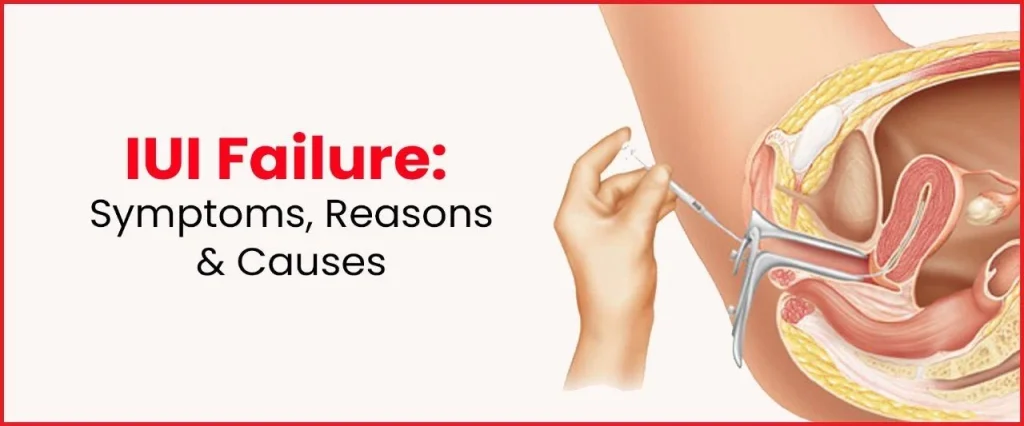
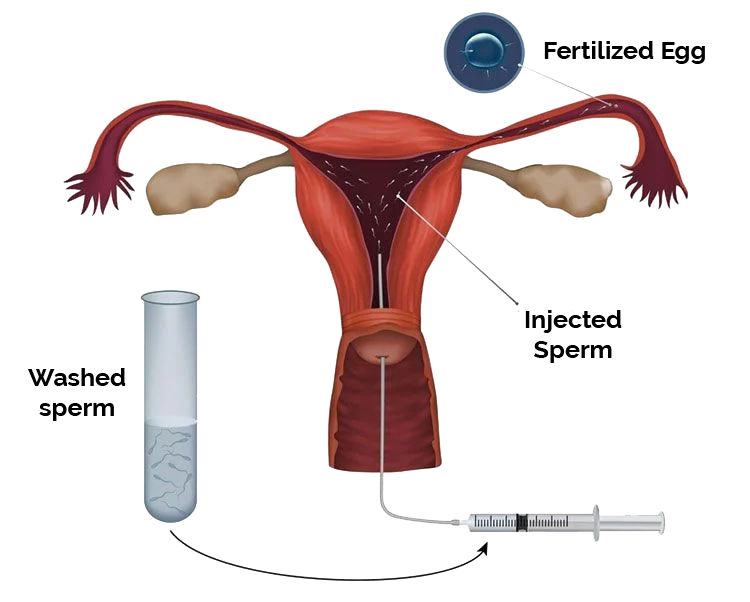
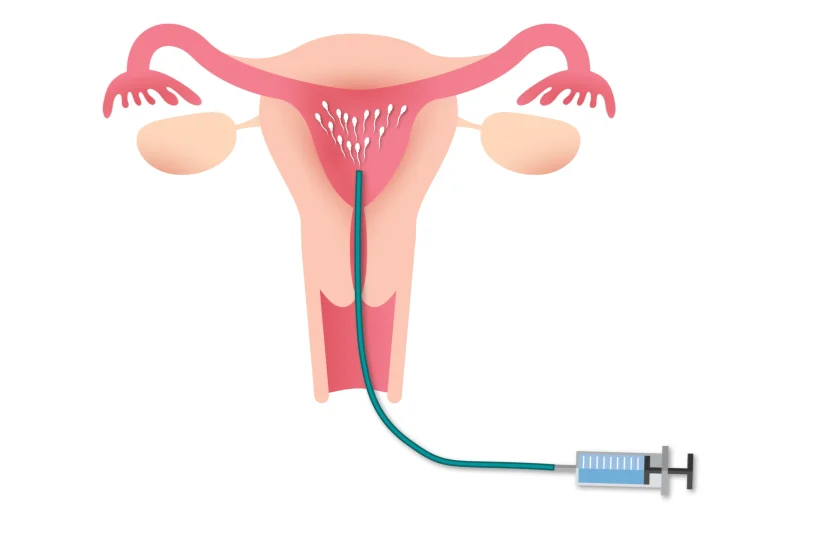
DIY insemination, also known as at-home insemination, is the process of using self-insemination techniques to achieve pregnancy without the assistance of a medical professional. This can include methods such as using donor sperm, using a syringe to deposit semen into the vagina, or using a turkey baster or cervical cap. The rise of online resources and at-home fertility kits has made DIY insemination more accessible and popular for those seeking alternative ways to conceive.
Empowerment through Knowledge and Autonomy
One of the main reasons people choose DIY insemination is the sense of empowerment that comes with taking control of their own fertility. By using online resources and learning about the process, individuals or couples can feel more knowledgeable and in control of their own bodies. This can be especially empowering for LGBTQ+ individuals and couples who may not have access to traditional fertility treatments.
Cost and Convenience
Another factor that contributes to the popularity of DIY insemination is the cost and convenience. Traditional fertility treatments can be expensive and may not be covered by insurance. DIY insemination can be a more affordable option, especially for those who are not able to conceive through traditional methods. It also offers the convenience of being able to do it in the privacy of one’s own home, without the need for multiple doctor’s appointments.

DIY Insemination: Empowerment or Risk?
Risks and Considerations
While DIY insemination may seem like a simple and empowering choice, there are several risks and considerations that should be taken into account. The main concern is the lack of medical supervision and potential risks to both the person inseminating and the potential child. Without proper medical screening and testing, there is a risk of transmitting sexually transmitted infections or genetic disorders. There is also a risk of improper insemination technique, which could result in injury or infection.
Legal and Ethical Considerations
DIY insemination also raises legal and ethical considerations. In some countries, using donor sperm without a licensed physician is illegal. This means that DIY insemination could result in legal repercussions for both the person inseminating and the donor. Additionally, there are ethical concerns surrounding the use of donor sperm and the potential rights and responsibilities of the donor in the child’s life.
Alternatives to DIY Insemination
For those who are seeking alternative methods of conception, there are other options available that may be safer and more legally and ethically sound. Using a known donor who has been properly screened and tested, or using a licensed sperm bank, can provide a safer and more regulated alternative to DIY insemination.
The Importance of Informed Decision Making
Ultimately, the decision to pursue DIY insemination should be made after careful consideration and research. It is important to fully understand the risks involved and to consult with a medical professional before proceeding. Informed decision making is key to ensuring the safety and well-being of all parties involved.
In summary, DIY insemination can be seen as both an empowering choice and a risky endeavor. While it offers the potential for greater autonomy and affordability, there are significant risks and legal and ethical considerations that must be taken into account. It is important for individuals and couples to thoroughly research and understand all aspects of DIY insemination before making a decision.