Tag: Fertility Treatments

  • Breaking Down the Costs of At-Home vs Clinical Insemination

    Blog Post: Breaking Down the Costs of At-Home vs Clinical Insemination

    In recent years, there has been a significant rise in the popularity of at-home insemination as a method of conception for couples looking to start a family. With the increasing cost of clinical insemination, many couples are turning to at-home options as a more affordable alternative. However, it is important to carefully consider the costs and potential risks involved in both at-home and clinical insemination before making a decision. In this blog post, we will break down the costs of at-home vs clinical insemination to help you make an informed decision about which option is right for you.

    At-Home Insemination

    At-home insemination involves the insertion of sperm into the vagina or cervix using a syringe or other device. This can be done by a partner or with the help of a donor. The cost of at-home insemination is significantly lower compared to clinical insemination, as there are no medical professionals involved and no need for expensive fertility treatments.

    The main cost associated with at-home insemination is the purchase of a donor sperm sample. Prices for donor sperm can vary greatly depending on the source and quality of the sample. On average, a vial of donor sperm can cost anywhere from $500 to $1,000. It is important to note that some sperm banks may also charge additional fees for shipping and handling.

    Another cost to consider with at-home insemination is the use of ovulation predictor kits. These kits can range from $20 to $50 and are used to help determine the best time for insemination. While not necessary, many couples choose to use these kits to increase their chances of success.

    In addition to the direct costs, there may also be hidden costs associated with at-home insemination. These can include the purchase of additional supplies such as speculums, lubricants, and syringes. It is also important to factor in the time and effort required for at-home insemination, as multiple attempts may be necessary for success.

    Clinical Insemination
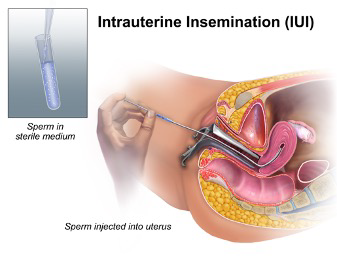
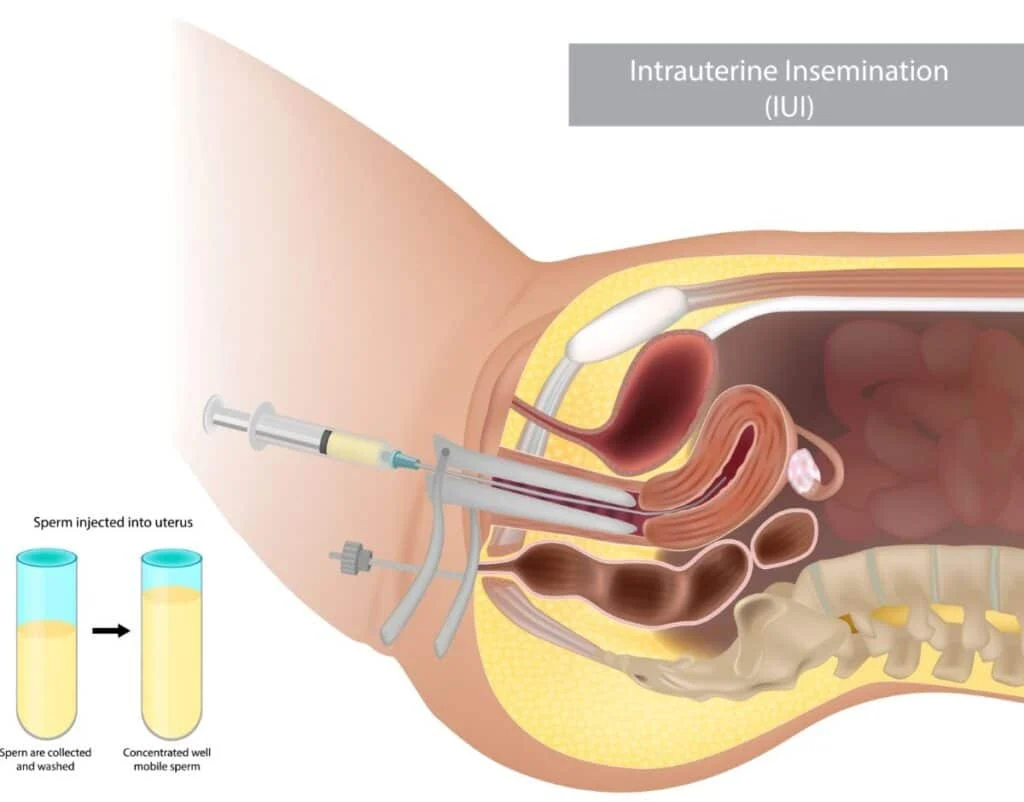
    Illustration of intrauterine insemination (IUI) procedure, showing sperm injection into the uterus.

    Breaking Down the Costs of At-Home vs Clinical Insemination

    Clinical insemination, also known as intrauterine insemination (IUI), is a fertility treatment that involves placing sperm directly into the uterus using a catheter. This procedure is typically done in a medical setting by a fertility specialist and can be more expensive than at-home insemination.

    The cost of clinical insemination can vary depending on the clinic and location, but on average, it can range from $300 to $3,000 per cycle. This cost includes the initial consultation, fertility testing, and the actual insemination procedure. It is important to note that this cost does not include any additional fertility treatments that may be needed, such as medications to stimulate ovulation.

    One of the main advantages of clinical insemination is that it offers a higher success rate compared to at-home insemination. This is due to the fact that the sperm is placed directly into the uterus, bypassing any potential barriers in the cervix. However, this higher success rate comes at a higher cost, and multiple cycles may be needed to achieve pregnancy.

    Additional costs to consider with clinical insemination include the cost of fertility medications, which can range from $500 to $5,000 per cycle. These medications are used to stimulate ovulation and increase the chances of success. There may also be additional fees for blood work, ultrasounds, and other tests that are necessary during the treatment process.

    Making the Decision

    When considering the costs of at-home vs clinical insemination, it is important to also consider the potential risks involved. At-home insemination carries a higher risk of infection and may not be as effective as clinical insemination. On the other hand, clinical insemination can be costly and may require multiple cycles, leading to a significant financial burden for some couples.

    It is also important to consider the emotional and psychological costs involved in both options. At-home insemination may be more intimate and comfortable for some couples, while others may prefer the professional and medical setting of clinical insemination.

    Ultimately, the decision between at-home and clinical insemination will depend on the individual circumstances and preferences of each couple. It is important to carefully weigh the costs, risks, and potential benefits of each option before making a decision.

    In summary, at-home insemination offers a more affordable option for couples looking to conceive, with the main cost being the purchase of a donor sperm sample. However, hidden costs and potential risks must also be taken into account. Clinical insemination, while more expensive, offers a higher success rate and the guidance of a fertility specialist. Additional costs for fertility medications and tests must also be considered. Ultimately, the decision between at-home and clinical insemination should be based on individual circumstances and preferences.
  • Navigating the World of At-Home Insemination

    As technology and medical advancements continue to evolve, more and more individuals and couples are turning to at-home insemination as a means of starting a family. Whether it’s due to infertility, same-sex relationships, or personal preference, at-home insemination offers a convenient and cost-effective alternative to traditional fertility treatments. However, navigating the world of at-home insemination can be overwhelming and intimidating for those who are new to the process. In this blog post, we will discuss everything you need to know about at-home insemination, including its benefits, methods, risks, and tips for a successful experience.

    Benefits of At-Home Insemination
    One of the main benefits of at-home insemination is the comfort and privacy it offers. For many individuals and couples, the thought of going to a fertility clinic can be daunting and may even discourage them from pursuing their dream of having a child. With at-home insemination, the entire process can be done in the comfort of your own home, making it a more relaxed and intimate experience.

    Another benefit of at-home insemination is the cost. Fertility treatments can be expensive, and many insurance plans do not cover them. At-home insemination, on the other hand, is significantly more affordable, with the average cost ranging from $50 to $500, depending on the method used. This makes it a more accessible option for those who may not have the financial means to pursue traditional fertility treatments.

    Methods of At-Home Insemination
    There are two main methods of at-home insemination: intracervical insemination (ICI) and intrauterine insemination (IUI). ICI involves inserting semen into the cervix using a syringe or a soft cup, while IUI involves placing the sperm directly into the uterus using a catheter. Both methods have their own advantages and disadvantages, and it’s important to understand the differences between them before deciding which one is right for you.

    ICI is a non-invasive and less complicated method, making it a popular choice for at-home insemination. However, it has a lower success rate compared to IUI, as the sperm has to travel a longer distance to reach the egg. IUI, on the other hand, has a higher success rate as the sperm is placed directly into the uterus, but it requires more preparation and may be more challenging to do at home without medical assistance.

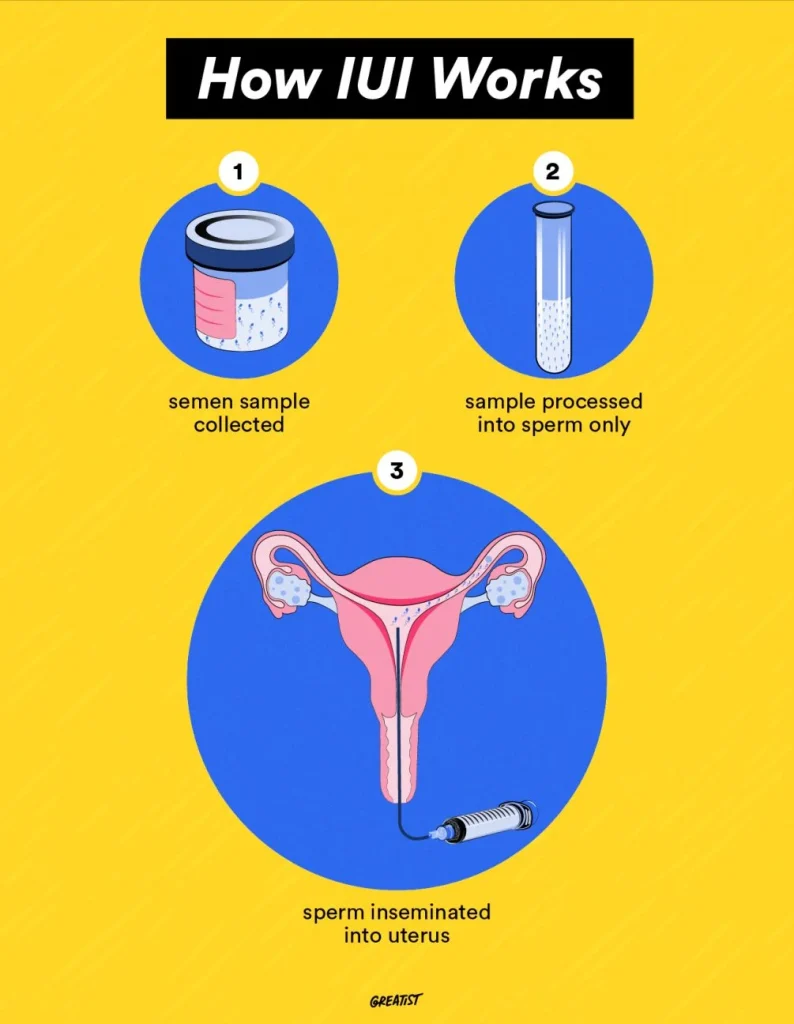
    illustration explaining the steps of intrauterine insemination (IUI) process on a bright yellow background

    Navigating the World of At-Home Insemination

    Risks of At-Home Insemination
    While at-home insemination may seem like a simple and safe process, it’s important to be aware of the potential risks involved. Since it’s done without medical supervision, there is a higher risk of infection and injury if proper hygiene and precautions are not taken. It’s crucial to thoroughly wash your hands and sterilize all equipment before and after the insemination. Additionally, there is also a small risk of allergic reactions to sperm or sperm donors, so it’s essential to conduct thorough research and testing before proceeding with the insemination.

    Tips for a Successful At-Home Insemination
    To increase the chances of a successful at-home insemination, there are a few things you can do to prepare. First and foremost, it’s crucial to have a healthy lifestyle. This includes maintaining a healthy diet, exercising regularly, and avoiding alcohol and smoking. It’s also recommended to track your ovulation cycle using ovulation predictor kits or charting your basal body temperature.

    Choosing a sperm donor is another crucial aspect of at-home insemination. If using a known donor, it’s essential to have open and honest communication and to discuss any potential legal and emotional implications beforehand. If using a sperm bank, it’s important to carefully research and select a reputable one and to thoroughly read and understand the donor’s profile.

    Finally, it’s essential to have realistic expectations and to be patient. At-home insemination may not work on the first try, and it’s important to be mentally and emotionally prepared for this possibility. It may take several attempts before achieving a successful pregnancy, and it’s essential to seek medical assistance if necessary.

    In conclusion, at-home insemination offers a convenient and affordable option for those looking to start a family. However, it’s crucial to thoroughly research and understand the process, risks, and tips for a successful experience. With proper preparation and precautions, at-home insemination can be a fulfilling and rewarding journey towards parenthood.

  • The Hidden Costs of Building a Family: Fertility Treatments and Adoption Expenses

    The Hidden Costs of Building a Family: Fertility Treatments and Adoption Expenses

    Building a family is a dream for many individuals and couples, but the journey to parenthood can come with a hefty price tag. While the cost of raising a child is often discussed, the hidden costs of building a family through fertility treatments and adoption are often overlooked. In this blog post, we will explore the financial aspects of building a family and shed light on the hidden costs that can add up quickly.

    Fertility Treatments: A Costly Process

    For couples struggling with fertility issues, fertility treatments can offer a glimmer of hope. However, these treatments can also come at a high cost. In-vitro fertilization (IVF) is one of the most common fertility treatments, and it can cost anywhere from $10,000 to $15,000 per cycle. This cost does not include additional fees for medications, consultations, and other related expenses. For couples who require multiple cycles of IVF, the costs can quickly add up to tens of thousands of dollars.

    Other fertility treatments, such as intrauterine insemination (IUI) and fertility medications, also come with their own set of expenses. IUI can cost around $300 to $1000 per cycle, while fertility medications can range from a few hundred to several thousand dollars. These costs can be a significant burden for couples already facing the emotional and physical toll of fertility treatments.

    Hidden Costs of Fertility Treatments

    Aside from the direct costs of fertility treatments, there are also hidden costs that couples may not anticipate. For example, many fertility clinics require genetic testing, which can cost thousands of dollars. This is often not covered by insurance, adding to the financial burden. In addition, some fertility clinics may also require psychological evaluations, which can cost several hundred dollars each.

    Another hidden cost of fertility treatments is the impact on one’s career. Many women who undergo fertility treatments may need to take time off work for appointments, procedures, and recovery. This can result in lost wages and potential career opportunities, especially if the treatments are unsuccessful and more time off work is needed.

    Adoption Expenses: A Lengthy and Expensive Process

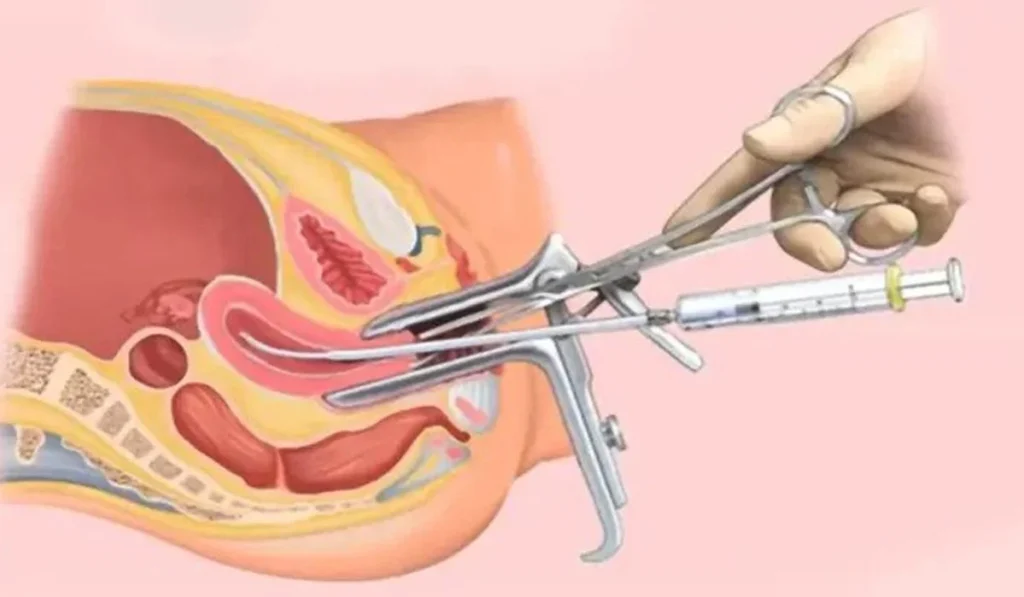
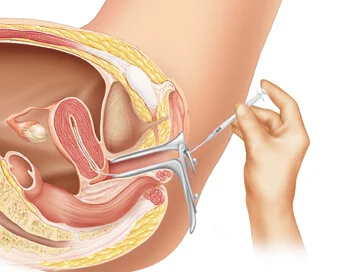
    illustration of intrauterine insemination procedure with a hand holding a speculum and syringe near the uterus

    The Hidden Costs of Building a Family: Fertility Treatments and Adoption Expenses

    Adoption is another option for building a family, but it can also be a lengthy and expensive process. The average cost of adoption in the United States is around $40,000, but this can vary greatly depending on the type of adoption and individual circumstances. Private domestic adoption can cost anywhere from $30,000 to $50,000, while international adoption can be even more expensive, ranging from $40,000 to $60,000.

    Aside from the direct costs of adoption, there are also additional expenses that couples may not anticipate. These can include travel expenses for in-person meetings with birth parents or international travel for international adoptions. Legal fees, home studies, and background checks are also common expenses that can add up quickly.

    Hidden Costs of Adoption

    Similar to fertility treatments, adoption also comes with hidden costs that are often not discussed. One of the most significant hidden costs is the emotional toll it can take on individuals and couples. The adoption process can be lengthy and unpredictable, leading to feelings of anxiety, stress, and disappointment. The cost of therapy or counseling to cope with these emotions is not often factored into the overall cost of adoption.

    Another hidden cost of adoption is the ongoing expenses that come with raising an adopted child. Many adopted children may require additional medical or psychological care, which can result in significant expenses. In addition, adoptive parents may need to take time off work to bond with their new child, which can result in lost wages and potential career opportunities.

    Navigating the Financial Aspect of Building a Family

    The financial burden of building a family through fertility treatments or adoption can be overwhelming for many individuals and couples. However, there are some ways to navigate these costs and make the process more manageable. Some options to consider include:

    – Exploring insurance coverage for fertility treatments: While not all insurance plans cover fertility treatments, some may offer partial coverage. It is essential to check with your insurance provider to see what options are available.
    – Researching grants and financial assistance programs: There are various grants and financial assistance programs available for those undergoing fertility treatments or adoption. These can help offset some of the costs and make the process more affordable.
    – Creating a budget: It is crucial to create a budget and stick to it when going through fertility treatments or adoption. This can help you plan for the expenses and prevent overspending.
    – Seeking support: Going through fertility treatments or adoption can be emotionally and financially challenging. It is essential to seek support from friends, family, or support groups to help you navigate these challenges.

    Summary:

    Building a family through fertility treatments or adoption is a dream for many individuals and couples. However, the financial aspect of these processes is often overlooked. Fertility treatments can cost tens of thousands of dollars, and adoption can cost upwards of $40,000. Additionally, there are hidden costs such as genetic testing, lost wages, and emotional tolls that can add to the financial burden. However, there are ways to navigate these costs, such as exploring insurance coverage, researching grants, creating a budget, and seeking support.

  • Breaking Down the Numbers: Fertility Treatments vs Adoption Costs

    Breaking Down the Numbers: Fertility Treatments vs Adoption Costs

    Fertility treatments and adoption are two options that many couples and individuals consider when trying to start a family. Both can be a long and emotional journey, and both come with significant financial costs. However, when it comes to comparing the numbers, it may surprise you to learn how much more expensive fertility treatments can be compared to adoption. In this blog post, we will break down the numbers and explore the costs of fertility treatments and adoption, as well as factors to consider when making this important decision.

    Fertility Treatments: A Costly Journey

    For couples struggling with infertility, fertility treatments can offer hope and the possibility of starting a family. However, these treatments come with a steep price tag. According to the American Society for Reproductive Medicine, the average cost of an IVF cycle is $12,000, and that does not include the cost of medications or additional procedures that may be needed. In fact, the total cost can easily surpass $20,000 per cycle.

    Additionally, many insurance companies do not cover fertility treatments, leaving couples to shoulder the entire cost on their own. This can be a significant financial burden, especially for couples who may need multiple cycles to achieve success.

    Adoption: A Complex but More Affordable Option

    Adoption is often seen as a more affordable option for starting a family. However, the process can be lengthy and complex, and the costs can vary greatly depending on the type of adoption. Domestic adoptions can range from $20,000-$40,000, while international adoptions can cost upwards of $50,000.

    illustration of an intrauterine insemination procedure with medical instruments and anatomical details

    Breaking Down the Numbers: Fertility Treatments vs Adoption Costs

    One of the significant factors that affect the cost of adoption is whether the adoptive parents choose to work with an agency or go through a private adoption. Agencies typically have higher fees but also offer more support and services throughout the adoption process. Private adoptions, on the other hand, involve directly working with the birth parents and can have lower fees, but may also come with unexpected expenses.

    Other factors that can increase the cost of adoption include legal fees, home study fees, and travel expenses for international adoptions. However, some financial assistance, such as adoption tax credits, may be available to help offset these costs.

    Factors to Consider When Choosing Between Fertility Treatments and Adoption

    When it comes to choosing between fertility treatments and adoption, there are several factors to consider. One of the most significant considerations is the chance of success. According to the Centers for Disease Control and Prevention, the success rate for IVF is around 30%. This means that couples may need multiple cycles to achieve success, which can significantly increase the cost.

    On the other hand, the success rate for adoption is generally higher, as the majority of adoptions are successful. Additionally, adoption offers the opportunity to give a child a loving and stable home, which can be a fulfilling and rewarding experience.

    Another factor to consider is the emotional toll that both fertility treatments and adoption can take on individuals and couples. Fertility treatments can be physically and emotionally demanding, with no guarantee of success. Meanwhile, the adoption process can also be emotional, as there may be waiting periods and uncertainty involved. It is essential to carefully consider these factors and be prepared for the emotional challenges that may arise.

    Summary:

    Fertility treatments and adoption are two options for couples and individuals looking to start a family. While both can be emotionally and financially challenging, the numbers show that fertility treatments can be significantly more expensive than adoption. The average cost of an IVF cycle is $12,000, while adoption costs can range from $20,000-$50,000. When choosing between the two, factors such as success rates and emotional toll should also be considered.

  • The Financial Realities of Starting a Family: Fertility Treatments and Adoption

    Starting a family is a major milestone for many couples. It is a time filled with excitement, anticipation, and dreams of a happy future. However, the financial realities of starting a family can often be daunting and overwhelming. In particular, for couples facing fertility issues or considering adoption, the costs involved can be significant.

    In this blog post, we will explore the financial realities of starting a family through fertility treatments and adoption. We will discuss the various costs involved, potential sources of financial assistance, and tips for managing the financial burden. We hope that by shedding light on these financial aspects, we can help couples make informed decisions and alleviate some of the stress associated with starting a family.

    Fertility Treatments: The High Costs of Conception

    For couples struggling with fertility issues, assisted reproductive technologies (ART) such as in vitro fertilization (IVF) can offer hope. However, these treatments come with a hefty price tag. A single cycle of IVF can cost anywhere from $12,000 to $15,000, and multiple cycles may be required for a successful pregnancy. This can quickly add up to tens of thousands of dollars.

    Aside from the actual treatment costs, there are other expenses to consider, such as medication, blood work, ultrasounds, and other medical tests. These costs can easily add an additional $3,000 to $5,000 per cycle.

    Moreover, many insurance plans do not cover fertility treatments, leaving couples to bear the full cost out of pocket. Some insurance plans may offer partial coverage for diagnosis, but not for the actual treatment. This lack of coverage can be a major hurdle for couples who are already facing emotional and physical challenges on their journey to parenthood.

    Potential Sources of Financial Assistance for Fertility Treatments

    While fertility treatments may seem financially out of reach for some couples, there are potential sources of financial assistance available. Some employers offer fertility benefits as part of their health insurance plans, so it is worth checking with your employer to see if you have any coverage.

    Additionally, there are organizations and foundations that provide financial assistance for fertility treatments. These include Baby Quest Foundation, The Tinina Q. Cade Foundation, and Family Formation Charitable Trust, to name a few. These organizations have specific eligibility criteria, so it is essential to do your research and see if you qualify for their assistance.

    Another option is to consider financing options such as loans or payment plans offered by fertility clinics. While these may come with interest and additional fees, they can help spread out the cost of treatments over time, making it more manageable for couples.

    Adoption: The Costs of Building a Family Through Love

    Diagram illustrating intrauterine insemination (IUI) procedure with sperm injection into the uterus.

    The Financial Realities of Starting a Family: Fertility Treatments and Adoption

    For couples who are unable to conceive or prefer adoption as a means of starting a family, the costs involved can also be significant. The average cost of domestic adoption in the United States can range from $20,000 to $40,000, while international adoptions can cost upwards of $50,000.

    These costs include application fees, home study fees, legal fees, and travel expenses if adopting internationally. It is worth noting that the costs can vary depending on the type of adoption, the age of the child, and the agency or attorney fees involved.

    It is also important to keep in mind that these costs do not guarantee a successful adoption. There are instances where couples incur expenses and do not end up adopting a child, adding to the financial burden.

    Potential Sources of Financial Assistance for Adoption

    Similar to fertility treatments, there are potential sources of financial assistance for adoption. Many employers offer adoption benefits as part of their employee benefits packages, which can help offset some of the costs involved. Additionally, there are adoption grants and loans available through organizations such as HelpUsAdopt.org and Gift of Adoption Fund.

    Some states also offer adoption subsidies and tax credits for families who adopt children with special needs or from the foster care system. It is essential to research and understand the adoption laws and benefits in your state to determine if you are eligible for any financial assistance.

    Managing the Financial Burden of Starting a Family

    The financial realities of starting a family through fertility treatments or adoption can be overwhelming. However, there are ways to manage the financial burden and make the journey to parenthood more feasible.

    Firstly, it is crucial to create a budget and stick to it. Understand the costs involved in your specific situation and plan accordingly. This can help prevent overspending and keep you on track towards your goal of starting a family.

    Secondly, consider alternative options such as foster care adoption or embryo adoption, which can be more affordable than traditional adoption methods.

    Lastly, do not be afraid to seek help and support. There are support groups and online communities for couples going through fertility treatments or adoption, where you can find emotional and financial support. Additionally, consulting with a financial advisor can also be beneficial in creating a financial plan and exploring potential sources of financial assistance.

    In conclusion, the financial realities of starting a family through fertility treatments or adoption can be challenging. However, with careful planning, research, and support, it is possible to overcome these challenges and achieve the dream of parenthood. Remember, the journey to starting a family may not be easy, but the end result of holding your child in your arms will make it all worth it.

  • The Journey to Parenthood: Fertility Treatments vs Adoption Costs

    The journey to parenthood is a dream for many couples, but for some, it may not come as easily as expected. Infertility affects about 10-15% of couples worldwide, and for those struggling to conceive, there are two main options: fertility treatments or adoption. Both paths have their own unique costs, both financially and emotionally. In this blog post, we will explore the journey to parenthood through the lens of fertility treatments versus adoption costs.

    Fertility Treatments:
    For many couples, the first step in trying to conceive is through fertility treatments. These can range from simple medications to more invasive procedures, such as in vitro fertilization (IVF). While fertility treatments can be successful in helping couples conceive, they can also come with a hefty price tag.

    The cost of fertility treatments can vary greatly depending on the type of treatment, location, and individual circumstances. On average, a single cycle of IVF can cost anywhere from $12,000 to $15,000. And for couples who require multiple cycles to achieve a successful pregnancy, the costs can quickly add up. In addition to the cost of the treatments themselves, there are also additional expenses such as medications, consultations, and monitoring appointments.

    Aside from the financial costs, fertility treatments can also take a toll on a couple emotionally. The constant ups and downs of hope and disappointment can be emotionally draining. Many couples also have to deal with the stress of juggling work, appointments, and the emotional impact on their relationship. This can put a strain on even the strongest of partnerships.

    Adoption:
    For those who are unable to conceive through fertility treatments, adoption may be the next option. Adoption involves legally becoming the parent of a child who is not biologically related to you. While adoption can be an incredibly rewarding experience, it also comes with its own set of costs.

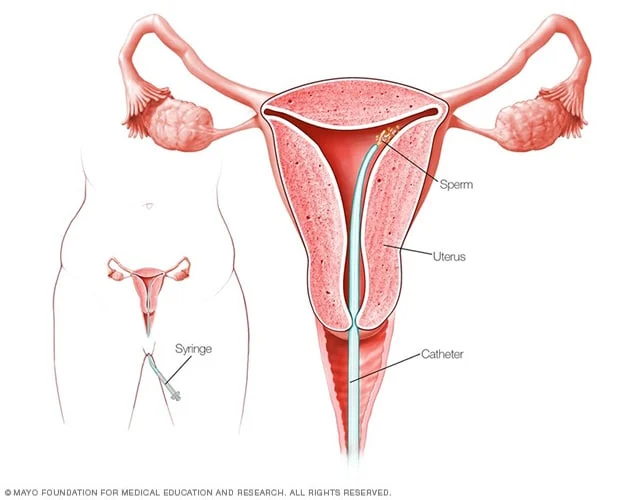
    diagram illustrating intrauterine insemination (IUI) procedure with uterus, sperm, and catheter labeled

    The Journey to Parenthood: Fertility Treatments vs Adoption Costs

    The costs of adoption can vary greatly depending on the type of adoption and the agency or organization involved. On average, a domestic adoption can cost anywhere from $20,000 to $50,000, while international adoptions can range from $25,000 to $50,000. These costs often include agency fees, legal fees, home studies, and travel expenses.

    In addition to the financial costs, adoption also involves a lengthy and often emotional process. From completing paperwork to attending interviews, the process can be overwhelming for many couples. And unlike fertility treatments, there is no guarantee of a successful outcome. The waiting period to be matched with a child can also be emotionally taxing for couples, as they eagerly await the arrival of their new addition to the family.

    Which is the Better Option?
    There is no one-size-fits-all answer to this question. Both fertility treatments and adoption have their own unique costs and challenges. Ultimately, the decision will depend on the individual circumstances and preferences of the couple. Some may choose to try fertility treatments first, while others may go straight to adoption. Some may even decide to pursue both options simultaneously.

    It’s important for couples to carefully consider all factors, including financial costs, emotional toll, and success rates, before making a decision. It’s also crucial to have open and honest communication with your partner and seek support from friends, family, or a therapist if needed.

    Final Thoughts:
    The journey to parenthood is not an easy one for everyone, and there is no right or wrong path to take. Fertility treatments and adoption both have their own costs and challenges, but in the end, the goal is the same – to become parents. It’s essential for couples to weigh their options and choose the path that feels right for them.

    In summary, the journey to parenthood can be a challenging one for couples struggling with infertility. Fertility treatments and adoption are two main options, both with their own unique costs and challenges. It’s important for couples to carefully consider all factors and choose the path that feels right for them.

  • From Fertility Treatments to Adoption: Understanding the Financial Implications

    From Fertility Treatments to Adoption: Understanding the Financial Implications

    In today’s society, starting a family is a milestone that many people aspire to reach. However, for some individuals or couples, the journey to parenthood may not be as straightforward as they had hoped. With advancements in fertility treatments and the option of adoption, there are various paths that people can take to fulfill their dream of becoming parents. However, these options often come with a hefty price tag, and it’s essential to understand the financial implications that come with them.

    Fertility treatments can range from basic procedures such as intrauterine insemination (IUI) to more advanced procedures like in vitro fertilization (IVF). These treatments can be expensive, with the average cost of one IVF cycle in the United States being around $12,000, not including medication costs. For many individuals or couples, multiple cycles may be necessary, significantly increasing the overall cost.

    Apart from the actual procedure, there are also additional expenses to consider, such as fertility medications, consultations, and diagnostic tests. These costs can quickly add up, and it’s crucial to have a clear understanding of what is covered by insurance and what is not. Some insurance plans may cover a portion of fertility treatments, while others may not cover them at all. It’s essential to check with your insurance provider and understand your coverage before beginning any fertility treatment.

    Furthermore, there are also hidden costs associated with fertility treatments, such as time off work for appointments and potential side effects that may require additional medical attention. These costs may not be as apparent, but they can still have a significant impact on a person’s finances.

    For those who are unable to conceive through fertility treatments, adoption may be the next option. However, adoption also comes with its own set of financial implications. The cost of adoption can vary greatly, depending on the type of adoption and the agency or attorney fees involved. On average, domestic adoption can cost between $20,000 to $40,000, while international adoption can cost upwards of $50,000.

    Comparison of IUI and IVF, illustrating procedures and definitions for each fertility treatment.

    From Fertility Treatments to Adoption: Understanding the Financial Implications

    These costs may include application fees, home study fees, legal fees, and travel expenses. It’s crucial to research and compare different adoption agencies and their fees to find the most cost-effective option. Additionally, there may be ongoing expenses after the adoption is finalized, such as medical and legal fees, which can add to the overall cost of adoption.

    One option to help alleviate the financial burden of adoption is to apply for adoption grants and loans. These resources can help cover some of the costs associated with adoption and make the process more affordable for prospective parents. However, it’s essential to carefully research and understand the terms and conditions of these grants and loans before applying.

    Another option for those considering adoption is the possibility of adopting through the foster care system. Adopting through foster care can be significantly less expensive, with some costs being covered by the state. However, this option may come with its own set of challenges and potential expenses, such as the cost of caring for a child with special needs or providing additional support services.

    It’s also essential to consider the long-term financial implications of adoption. As with any child, there will be ongoing expenses such as education, healthcare, and extracurricular activities. Adoptive parents should ensure that they have a solid financial plan in place to support their child’s needs.

    In addition to the financial implications of fertility treatments and adoption, there are also emotional and mental implications to consider. The process of trying to conceive or going through the adoption process can be emotionally and mentally taxing, which can also have an impact on one’s overall well-being. It’s crucial to take care of oneself during these processes and seek support when needed, whether it be from friends, family, or a professional therapist.

    In conclusion, the journey to parenthood through fertility treatments or adoption can be a rewarding but costly one. It’s essential to understand the financial implications of these options and have a clear understanding of the associated costs. It’s also crucial to have a solid financial plan in place and to research and compare different options to find the most affordable path. It’s essential to take care of oneself emotionally and mentally during these processes and seek support when needed. With careful planning and understanding, starting a family through fertility treatments or adoption can be a fulfilling and joyous experience.

  • The High Cost of Fertility: Comparing Treatments and Adoption Expenses

    Blog Post:

    Fertility struggles can be a heartbreaking and expensive journey for many couples. With advancements in technology and medical treatments, there are now more options than ever for those struggling to conceive. However, with these options comes a high cost that can often be overwhelming and financially draining. In this blog post, we will explore the high cost of fertility treatments and adoption expenses, comparing the two and providing insights into the financial considerations that come with each option.

    Fertility Treatments:

    Fertility treatments can range from basic procedures such as intrauterine insemination (IUI) to more complex treatments like in vitro fertilization (IVF). While these treatments offer hope for many couples, they come at a steep price. According to the American Society for Reproductive Medicine, the average cost of one IVF cycle is around $12,000, not including medications and additional procedures. This means that for couples who require multiple cycles to achieve a successful pregnancy, the cost can quickly add up to tens of thousands of dollars.

    In addition to the high cost of IVF, there are also additional expenses that couples may encounter. Medications, which can range from $3,000 to $5,000 per cycle, are often not covered by insurance. These medications are crucial for stimulating egg production and preparing the body for implantation, making them a necessary and costly part of the process. Furthermore, additional procedures such as genetic testing, embryo freezing, and egg or sperm donation can also significantly increase the overall cost of fertility treatments.

    Adoption Expenses:

    For couples who are unable to conceive through fertility treatments, adoption can be another option for building a family. However, like fertility treatments, adoption comes with its own set of expenses. The cost of adoption can vary greatly depending on the type of adoption and the agency used. Domestic adoption, where a child is adopted within the same country, can range from $20,000 to $40,000. International adoption, where a child is adopted from another country, can cost upwards of $50,000. These expenses often cover fees for the adoption agency, legal fees, travel expenses, and medical costs for the birth mother.

    In addition to these costs, families who choose to adopt also need to consider ongoing expenses such as childcare, education, and healthcare for the child. These expenses can add up over time and should be factored into the overall cost of adoption. It is also important to note that not all adoptions are successful, and families may encounter additional expenses if an adoption falls through.

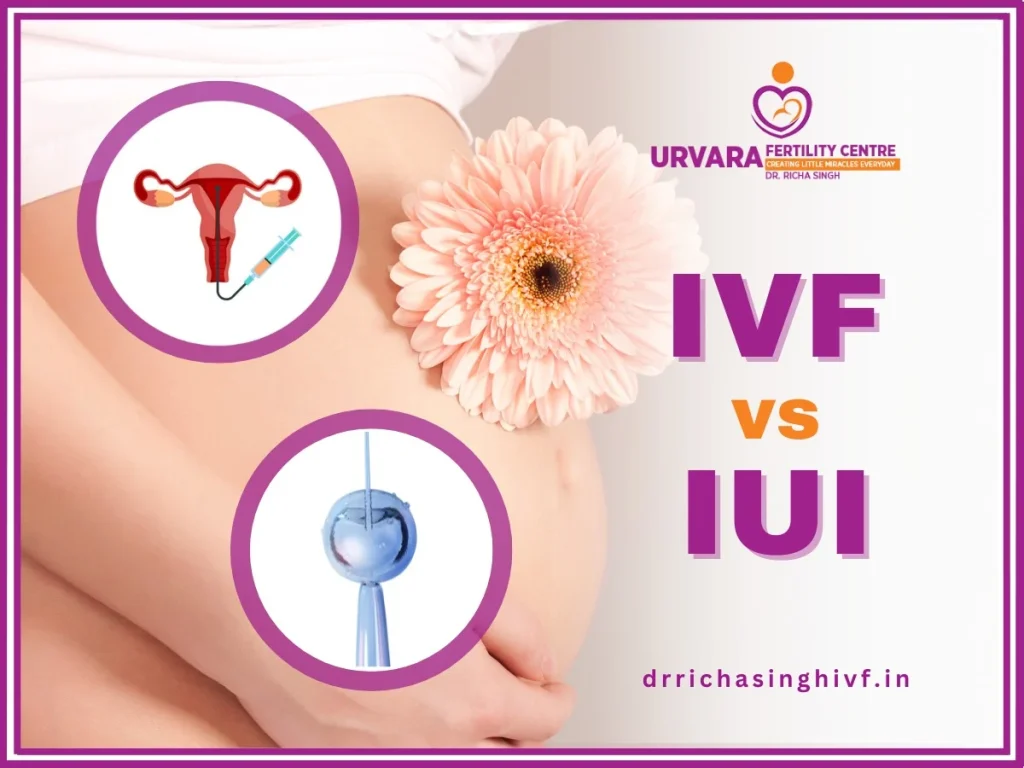
    IVF vs IUI comparison with illustrations of reproductive processes and a flower on a pregnant belly.

    The High Cost of Fertility: Comparing Treatments and Adoption Expenses

    Comparing the Costs:

    When comparing the costs of fertility treatments and adoption, it is essential to consider not only the financial aspect but also the emotional toll it can take on couples. Fertility treatments often require multiple cycles before a successful pregnancy, meaning that the financial burden can be prolonged. On the other hand, adoption can also be a long and unpredictable process, with no guarantee of a successful adoption.

    It is also crucial to note that while fertility treatments may have a higher upfront cost, adoption expenses can add up over time, especially when considering the ongoing expenses of raising a child. Additionally, fertility treatments may offer a higher chance of success for couples who are able to conceive, while there is always a risk of an adoption falling through.

    Alternative Options:

    For couples who are unable to afford the high cost of fertility treatments or adoption, there are alternative options available. Some insurance companies may cover a portion of fertility treatments, so it is essential to check with your provider to see if you have any coverage. Additionally, some fertility clinics offer financing options for treatments, allowing couples to spread out the cost over time. For those considering adoption, there are also grants and loans available to help with the expenses.

    Conclusion:

    The high cost of fertility treatments and adoption can be a significant barrier for couples hoping to start a family. It is crucial for couples to carefully consider their financial situation and discuss all options with their healthcare provider and adoption agency. While both options come with a hefty price tag, the end goal of building a family is priceless.

    In summary, fertility treatments and adoption both come with a high cost, with fertility treatments averaging around $12,000 per cycle and adoption ranging from $20,000 to $50,000. Couples must consider not only the financial aspect but also the emotional toll of both options. Alternative options such as insurance coverage and financing may help alleviate some of the financial burden. Ultimately, the decision between fertility treatments and adoption is a personal one that should be made after careful consideration and discussion with healthcare providers and adoption agencies.

  • Exploring the Financial Side of Building a Family: Fertility Treatments vs Adoption

    Building a family is a dream for many individuals and couples. However, the road to parenthood is not always straightforward and can involve various challenges, including fertility struggles. In recent years, more and more people have turned to fertility treatments and adoption as options for building their families. While both paths lead to the same end goal, they come with different financial considerations. In this blog post, we will explore the financial side of building a family, comparing the costs of fertility treatments and adoption.

    Fertility Treatments

    Fertility treatments, also known as assisted reproductive technology (ART), refer to medical procedures that help individuals or couples conceive a child. These procedures can range from simple interventions, such as fertility drugs, to more complex procedures like in vitro fertilization (IVF). According to the American Society for Reproductive Medicine, the average cost of an IVF cycle in the United States is around $12,000, with some clinics charging up to $20,000 per cycle. This does not include additional costs such as medications, consultations, and diagnostic tests, which can easily add up to several thousand dollars.

    Another popular fertility treatment is Intrauterine Insemination (IUI), where sperm is placed directly into the uterus during ovulation. The average cost of one IUI cycle is around $2,000, but this can vary depending on the clinic and any additional medications or tests needed. Other fertility treatments, such as egg or sperm donation, can also add significant costs to the overall fertility journey.

    One of the main financial considerations with fertility treatments is that they are not always covered by insurance. While some insurance companies may offer partial coverage, many do not cover any fertility treatments at all. This means that individuals or couples may have to pay out of pocket for these procedures, which can be a significant financial burden.

    Adoption

    Adoption is another option for individuals or couples who are unable to conceive naturally. The cost of adoption can vary greatly depending on the type of adoption and the agency used. According to the U.S. Department of Health and Human Services, the average cost of a domestic adoption can range from $20,000 to $40,000, while international adoptions can cost upwards of $50,000. These costs include everything from agency fees, legal expenses, and travel expenses.

    A person administering an injection into their abdomen with a yellow pen-like device.

    Exploring the Financial Side of Building a Family: Fertility Treatments vs Adoption

    One of the main financial advantages of adoption is that it is often covered by insurance. Many employers offer adoption benefits, which can include reimbursing adoption-related expenses up to a certain amount. Additionally, there are various grants and loans available to help cover adoption costs for families in need.

    However, there are additional costs associated with adoption that may not be covered by insurance or grants. These can include birth mother expenses, such as medical bills and living expenses, as well as post-adoption expenses, such as counseling and legal fees. It is essential to consider all of these costs when exploring adoption as an option for building a family.

    Financial Considerations

    When comparing the costs of fertility treatments and adoption, it is essential to consider various factors that can impact the overall cost. These can include the individual’s or couple’s medical history, age, and the type of fertility treatment or adoption being pursued. For example, a couple undergoing multiple IVF cycles may end up spending more than a couple who adopts domestically.

    Another consideration is the success rates of each option. While fertility treatments can be expensive, they also have a higher chance of resulting in a successful pregnancy compared to adoption. However, adoption can bring its own set of emotional and financial challenges, such as dealing with failed matches or unexpected expenses.

    It is also crucial to consider the long-term financial implications of both options. Fertility treatments may result in multiple births, which can bring additional costs such as childcare and education expenses. On the other hand, adoption may involve ongoing financial commitments, such as birth family contact and post-adoption support.

    Ultimately, the financial aspect of building a family is a personal decision that should be carefully considered by each individual or couple. It is essential to research and understand the costs and potential outcomes of both fertility treatments and adoption before making a decision.

    In conclusion, building a family through fertility treatments or adoption comes with its own set of financial considerations. Fertility treatments can be costly, and not always covered by insurance, while adoption can also involve significant expenses. It is crucial to carefully consider all aspects, including success rates and long-term financial implications, to make an informed decision that is right for each individual or couple.

  • and Struggling to Start a Family: The Financial Impact of Fertility Treatments and Adoption

    Starting a family is a dream for many couples, but for some, it can be a long and difficult journey. Infertility affects approximately 1 in 8 couples, and for those struggling to conceive, the emotional and physical toll can be overwhelming. But what many people may not realize is the financial impact that fertility treatments and adoption can have on a couple’s journey to parenthood. In this blog post, we will explore the costs associated with fertility treatments and adoption and how they can add to the already stressful process of starting a family.

    Fertility Treatments: The High Cost of Hope

    For couples struggling with infertility, fertility treatments offer a glimmer of hope. These treatments range from fertility medications to assisted reproductive technologies (ART) such as in vitro fertilization (IVF). While these treatments can increase the chances of conception, they come with a hefty price tag.

    The average cost of one round of IVF in the United States is around $12,000, and that’s not including the cost of medications, which can add another $3,000 to $5,000. And the success rates of IVF are not guaranteed, meaning couples may have to go through multiple rounds, increasing the financial burden even more. Additionally, other fertility treatments such as intrauterine insemination (IUI) and fertility drugs can also add up to thousands of dollars.

    But it’s not just the cost of the treatments themselves that can be a financial strain. Many couples also have to factor in the cost of fertility testing, consultations with specialists, and other related expenses. And unfortunately, most insurance plans do not cover the cost of fertility treatments, leaving couples to bear the full burden on their own.

    Adoption: A Costly Path to Parenthood

    For couples who are unable to conceive or carry a pregnancy to term, adoption can offer an alternative path to parenthood. However, the adoption process also comes with a hefty price tag. The average cost of a domestic adoption in the United States is around $40,000, and international adoptions can cost even more. This includes fees for background checks, home studies, agency fees, legal expenses, and travel costs if adopting internationally.

    While some employers may offer adoption assistance as part of their benefits package, it’s not a common practice, leaving many couples to shoulder the financial burden on their own. And even with financial assistance, the cost of adoption can still be a significant strain on a family’s finances.

    The Emotional Toll of Financial Struggles

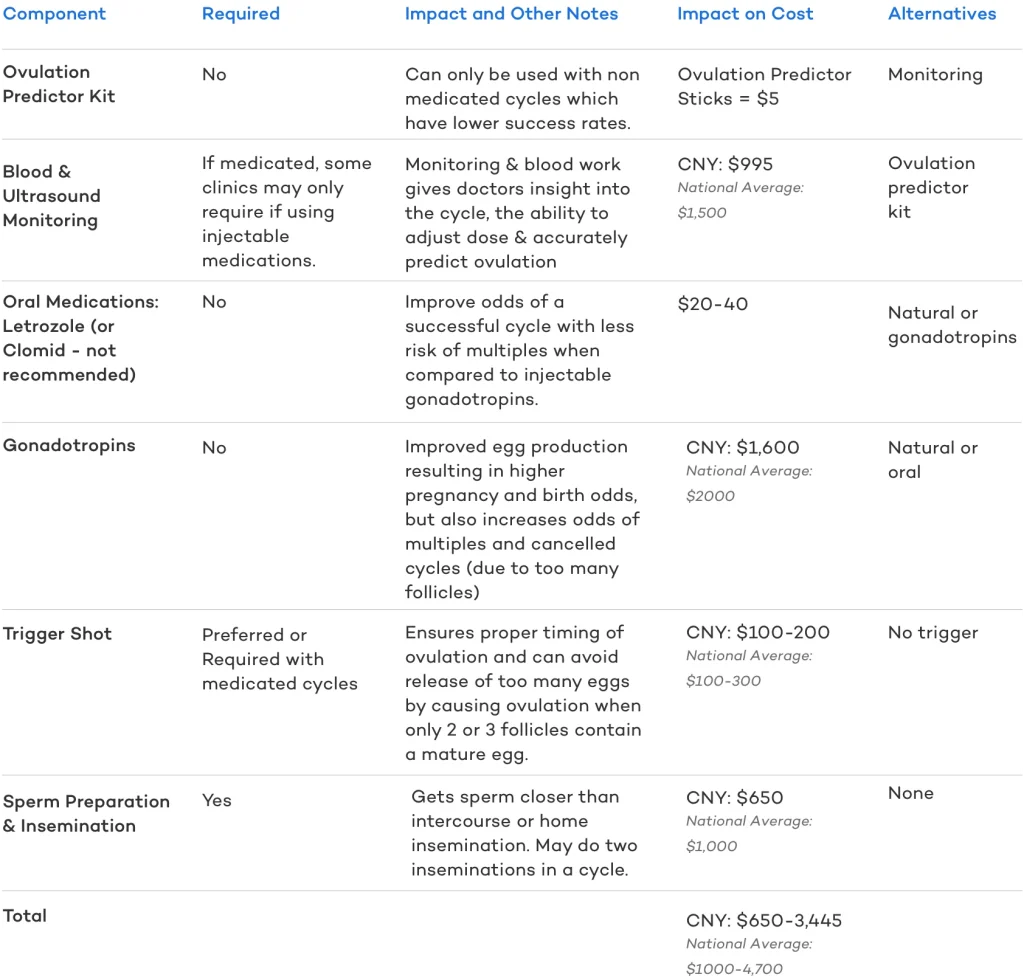
    Cost breakdown for IUI components, including requirements, impacts, and alternatives.

    and Struggling to Start a Family: The Financial Impact of Fertility Treatments and Adoption

    The financial burden of fertility treatments and adoption can take a toll on a couple’s emotional well-being. The stress of trying to come up with the money for treatments or adoption fees can add to the already emotional rollercoaster of trying to start a family. It can also cause strain on a couple’s relationship, as they may have different ideas about how to handle the financial aspect of their journey to parenthood.

    The pressure to come up with the funds for fertility treatments or adoption can also lead to difficult decisions. Some couples may have to put their dreams of starting a family on hold or even give up altogether due to financial constraints. This can be devastating for those who have already been through the emotional turmoil of infertility.

    Help and Support for Those Struggling to Start a Family

    The financial impact of fertility treatments and adoption can be overwhelming, but there are resources available to help couples on their journey to parenthood. Some fertility clinics offer financing options or payment plans to help ease the financial burden. There are also grants and loans available specifically for fertility treatments and adoption.

    Additionally, some employers offer adoption assistance as part of their employee benefits package, and there are also federal tax credits available for those who have incurred adoption expenses. It’s essential for couples to research and explore all available options to help alleviate the financial stress of starting a family.

    The Importance of Reproductive Health

    While the financial burden of fertility treatments and adoption may seem daunting, it’s crucial to remember the underlying issue: reproductive health. Many people are not aware that infertility is a medical condition that can be caused by a variety of factors, including hormonal imbalances, structural issues, or genetic disorders. By prioritizing reproductive health and seeking proper medical care, couples may be able to avoid the need for expensive fertility treatments in the first place.

    In addition, it’s essential to have open and honest conversations about reproductive health and fertility. By breaking down the stigma surrounding infertility, we can create a more supportive and understanding environment for those struggling to start a family.

    In summary, the process of starting a family can be a challenging and emotional journey, and the financial impact of fertility treatments and adoption only adds to the stress. It’s crucial for couples to research and explore all available options and to prioritize their reproductive health. By working together and seeking support, couples can overcome the financial barriers and realize their dream of starting a family.