Tag: Male Infertility

  • Fertility Testing and Treatment: Is There a Difference for Men and Women?

    Blog Post:

    Fertility is a topic that affects both men and women, yet it is often perceived as a solely female issue. However, the truth is that both men and women can experience fertility issues and may need testing and treatment to conceive. In this blog post, we will explore the differences in fertility testing and treatment for men and women and how understanding these differences can help couples struggling with infertility.

    Fertility Testing for Women:

    Fertility testing for women usually starts with a basic physical examination and medical history. This includes checking for any underlying health conditions that may affect fertility, such as polycystic ovary syndrome (PCOS) or endometriosis. The doctor may also perform blood tests to check hormone levels and ovulation, as well as a pelvic ultrasound to assess the health of the reproductive organs.

    If these initial tests do not reveal any issues, the next step is usually a hysterosalpingogram (HSG). This procedure involves injecting dye into the uterus and taking X-ray images to check for blockages or abnormalities in the fallopian tubes. Another common test is a hysteroscopy, which involves inserting a thin, lighted tube through the cervix to examine the uterine cavity.

    In some cases, a more invasive test called a laparoscopy may be recommended. This involves making a small incision in the abdomen and inserting a thin, lighted tube to examine the reproductive organs for any abnormalities.

    Fertility Testing for Men:

    For men, fertility testing usually involves a semen analysis. This test measures the quantity and quality of sperm in a man’s semen. It can identify issues such as low sperm count, poor sperm motility, or abnormal sperm shape, which can affect a man’s fertility. In some cases, a blood test may also be recommended to check hormone levels and rule out any underlying health conditions.

    Treatment Options for Women:

    The most common treatment for female infertility is fertility drugs, such as Clomid, which help stimulate ovulation. In cases of hormonal imbalances, hormone therapy may be recommended. For women with blocked fallopian tubes or structural abnormalities in the uterus, surgery may be necessary to correct the issue.

    success rate of IUI in India with a graphic of a uterus and syringe alongside a rising graph

    Fertility Testing and Treatment: Is There a Difference for Men and Women?

    In vitro fertilization (IVF) is another option for women who are unable to conceive naturally. This involves retrieving eggs from the ovaries and fertilizing them with sperm in a laboratory before transferring the resulting embryos back into the uterus.

    Treatment Options for Men:

    For men with low sperm count or poor sperm quality, fertility drugs may be prescribed to improve sperm production. In cases of hormonal imbalances, hormone therapy may also be recommended. In some cases, surgery may be necessary to correct any blockages or abnormalities in the reproductive organs.

    In vitro fertilization with intracytoplasmic sperm injection (ICSI) is a common treatment option for male infertility. This involves injecting a single sperm directly into an egg in the laboratory before transferring the resulting embryo back into the uterus.

    Is There a Difference in Fertility Testing and Treatment for Men and Women?

    While there are some differences in the specific tests and treatments used for men and women, the ultimate goal is the same: to help couples conceive. Both men and women may need to undergo multiple tests and try different treatment options before finding success. It is important for couples to understand that infertility is not solely a female issue and that both partners need to be involved in the testing and treatment process.

    Additionally, it is important to note that fertility issues can be caused by a combination of factors in both men and women. Therefore, it is crucial for both partners to be tested and treated in order to increase the chances of conception.

    Couples also need to be patient and understanding during the fertility testing and treatment process. It can be emotionally and physically draining, but with the support of each other and their healthcare team, they can get through it together.

    In conclusion, fertility testing and treatment may differ slightly for men and women, but the overall goal remains the same. It is important for couples to understand that infertility is not solely a female issue and that both partners may need to undergo testing and treatment to conceive. With advancements in technology and medical treatments, there is hope for couples struggling with infertility to start a family of their own.

    Summary:

    Fertility testing and treatment is not just a female issue, as men can also experience fertility issues. For women, testing often involves physical exams, blood tests, and procedures such as HSG or laparoscopy. Treatment options include fertility drugs, hormone therapy, surgery, and IVF. For men, semen analysis and blood tests are common tests, and treatment options include fertility drugs, hormone therapy, surgery, and IVF with ICSI. The ultimate goal is the same for both men and women – to help couples conceive. It is important for couples to understand that infertility is not solely a female issue and that both partners may need to undergo testing and treatment for the best chance at success.

  • Male Fertility Testing: What Every Man Needs to Know

    Blog Post: Male Fertility Testing: What Every Man Needs to Know

    When it comes to fertility, most people tend to think of women as the ones who need to worry about it. However, fertility issues can also affect men, and it is important for them to understand the importance of male fertility testing. In this blog post, we will discuss everything that men need to know about male fertility testing, from the reasons to get tested to the different types of tests available.

    Why Get Tested?

    The first question that may come to mind is why men should even consider getting tested for fertility. The answer is simple: male fertility issues can significantly impact a couple’s ability to conceive. In fact, in about 20% of infertile couples, the cause is solely attributed to the male partner. By getting tested, men can identify any potential issues and take necessary steps to improve their fertility or explore alternative options for starting a family.

    Common Causes of Male Infertility

    Before diving into the different types of tests, it is important to understand the common causes of male infertility. These may include:

    1. Low sperm count: This is the most common cause of male infertility. A low sperm count refers to having fewer than 15 million sperm per milliliter of semen.

    2. Abnormal sperm function: Even if a man has a normal sperm count, their sperm may have difficulty reaching or fertilizing an egg.

    3. Structural problems: Structural issues in the male reproductive organs, such as blockages or damage to the tubes that carry sperm, can also cause infertility.

    4. Hormonal imbalances: Hormonal imbalances, such as low testosterone levels, can affect sperm production and quality.

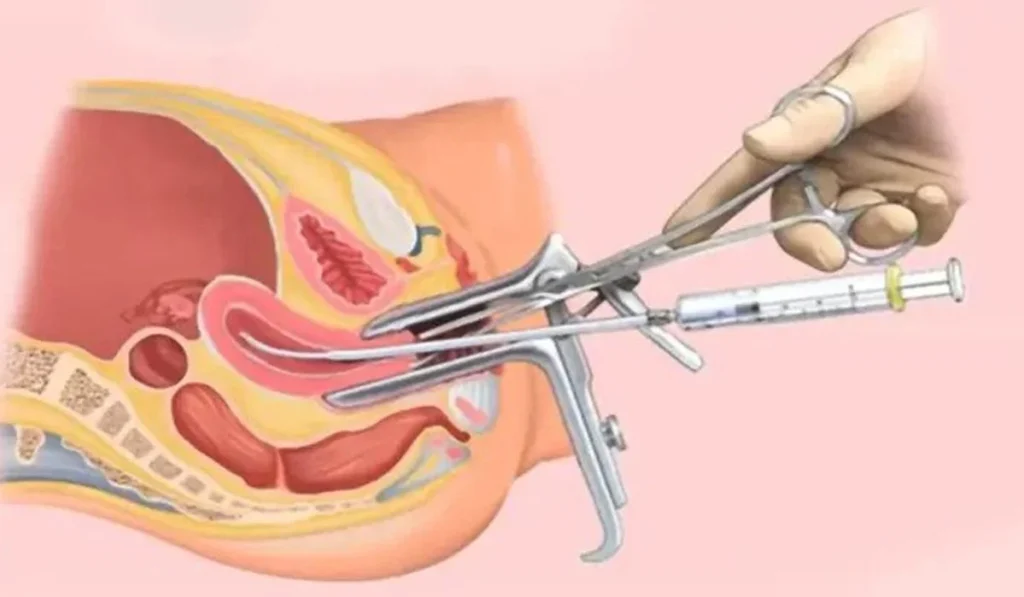
    illustration of a uterus with a syringe, representing intrauterine insemination procedure

    Male Fertility Testing: What Every Man Needs to Know

    Types of Male Fertility Tests

    Now that we have covered the reasons to get tested and the common causes of male infertility, let’s take a look at the different types of male fertility tests available.

    1. Semen Analysis: This is the most common and initial test recommended for men. It involves collecting a semen sample and analyzing it for sperm count, motility, and morphology (shape). It can also detect any infections or hormonal imbalances.

    2. Hormonal Tests: As mentioned earlier, hormonal imbalances can play a significant role in male infertility. Hormonal tests, such as blood tests, can measure levels of testosterone, luteinizing hormone (LH), follicle-stimulating hormone (FSH), and prolactin.

    3. Genetic Tests: In some cases, male infertility may be caused by genetic abnormalities. Genetic tests can identify any chromosomal abnormalities or genetic disorders that may be impacting fertility.

    4. Scrotal Ultrasound: This test is used to detect any structural issues in the male reproductive organs, such as blockages or varicoceles (enlarged veins in the scrotum).

    5. Post-Ejaculation Urine Analysis: This test is used to check for retrograde ejaculation, a condition in which semen travels backwards into the bladder instead of exiting the penis during ejaculation.

    When to Get Tested?

    Experts recommend that men should consider getting tested for fertility if they have been trying to conceive for at least a year without success. However, if there are any known risk factors, such as a history of sexually transmitted infections, previous surgeries or injuries to the reproductive organs, or a family history of infertility, it is best to get tested as soon as possible.

    Summary:

    Male fertility testing is crucial for couples struggling to conceive. While most people tend to think of fertility as a women’s issue, male infertility is a common cause of difficulty in conceiving. The most common causes of male infertility include low sperm count, abnormal sperm function, structural problems, and hormonal imbalances. There are various types of male fertility tests available, including semen analysis, hormonal tests, genetic tests, scrotal ultrasound, and post-ejaculation urine analysis. Men should consider getting tested if they have been trying to conceive for at least a year without success or if there are any known risk factors.

  • Breaking Down Barriers: Why Men Shouldn’t Be Afraid of Fertility Testing

    Summary:

    The topic of fertility testing can often be a sensitive and daunting one, especially for men. However, breaking down the barriers and having open discussions about this topic is essential for both men’s and women’s reproductive health. In this blog post, we will explore the reasons why men shouldn’t be afraid of fertility testing, the benefits of early testing, and how to overcome the stigma surrounding this issue.

    Firstly, it’s important to understand that fertility issues are not just a women’s problem. In fact, male infertility is the cause of around 30% of all infertility cases. This means that men play a crucial role in the conception process and should be equally involved in fertility testing. By ignoring this fact and not getting tested, men are not only risking their own reproductive health but also hindering their chances of starting a family.

    One of the main reasons men may be afraid of fertility testing is the fear of being judged or labeled as “less manly” if any issues are found. This stigma surrounding male infertility needs to be broken down. The truth is, infertility is not a reflection of one’s masculinity or worth as a person. It is a medical condition that can affect anyone, regardless of their gender. By getting tested and addressing any potential issues, men can take a proactive step towards improving their reproductive health.

    Another common barrier that men face when it comes to fertility testing is the misconception that it is a complicated and invasive process. However, the reality is that most fertility tests for men are simple and non-invasive. A basic semen analysis, which is the most common test for male infertility, involves providing a sperm sample through masturbation. This sample is then analyzed for sperm count, motility, and morphology. This procedure is painless and can be done at a fertility clinic or even in the comfort of one’s home.

    illustration of a uterus with a syringe, representing intrauterine insemination procedure

    Breaking Down Barriers: Why Men Shouldn't Be Afraid of Fertility Testing

    Moreover, early fertility testing can have significant benefits for men. By identifying any potential issues early on, men can take the necessary steps to improve their fertility and increase their chances of conception. This can include making lifestyle changes such as quitting smoking, reducing alcohol consumption, and maintaining a healthy weight. In some cases, medical treatments or procedures may also be recommended to address specific issues.

    Furthermore, fertility testing can also provide men with peace of mind. Many couples struggle with the uncertainty of not knowing the cause of their infertility. By getting tested, men can have a better understanding of their reproductive health and take control of their future family planning. This can also help alleviate any stress or anxiety that may arise from the unknown.

    In addition to the benefits for individuals, fertility testing can also have a positive impact on relationships. Going through this process together can strengthen the bond between partners, as they work towards a common goal. It can also open up important discussions about family planning and future goals, helping to build a strong foundation for a healthy and happy relationship.

    To overcome the barriers and stigma surrounding male fertility testing, it’s crucial to promote open and honest communication about this topic. Men should be encouraged to talk to their partners, friends, and healthcare providers about their reproductive health. By normalizing these conversations, we can break the taboo surrounding male fertility and create a more supportive and understanding environment for men to seek help and get tested.

    In conclusion, fertility testing is not something men should be afraid of. It is a vital part of reproductive health and can have significant benefits for both individuals and relationships. By breaking down the barriers and stigma surrounding this topic, we can encourage more men to take control of their reproductive health and improve their chances of starting a family.

    SEO metadata:

  • The Impact of Male Infertility: Intrauterine Insemination vs Donor Insemination

    Blog Post Title: The Impact of Male Infertility: Intrauterine Insemination vs Donor Insemination

    Male infertility is a common issue that affects many couples trying to conceive. In fact, it is estimated that male infertility is responsible for about 40% of all infertility cases. This can be a difficult and emotional experience for couples, as it can greatly impact their hopes of starting a family. Fortunately, there are various fertility treatments available to help overcome male infertility. Two common options are intrauterine insemination (IUI) and donor insemination (DI). In this blog post, we will discuss the impact of male infertility and compare the effectiveness of these two treatment options.

    Understanding Male Infertility

    Before delving into the different treatment options, it is important to understand what male infertility is and what causes it. Male infertility is the inability to impregnate a female partner. This can be due to a variety of factors such as low sperm count, abnormal sperm shape or motility, or blockages in the reproductive tract. Other factors that can contribute to male infertility include hormonal imbalances, genetic conditions, and lifestyle choices such as smoking and excessive alcohol consumption.

    The Impact of Male Infertility

    The impact of male infertility can be devastating for couples. It can cause feelings of inadequacy, guilt, and frustration, and can put a strain on the relationship. In addition, the pressure to conceive can also lead to stress and anxiety, which can further affect fertility. The emotional toll of male infertility should not be underestimated, and it is important for couples to seek support and counseling to cope with this challenging experience.

    Treatment Options for Male Infertility

    When a couple is struggling with male infertility, there are various treatment options available. These treatments aim to increase the chances of sperm reaching and fertilizing the egg. Two commonly used options are intrauterine insemination (IUI) and donor insemination (DI).

    Intrauterine Insemination (IUI)

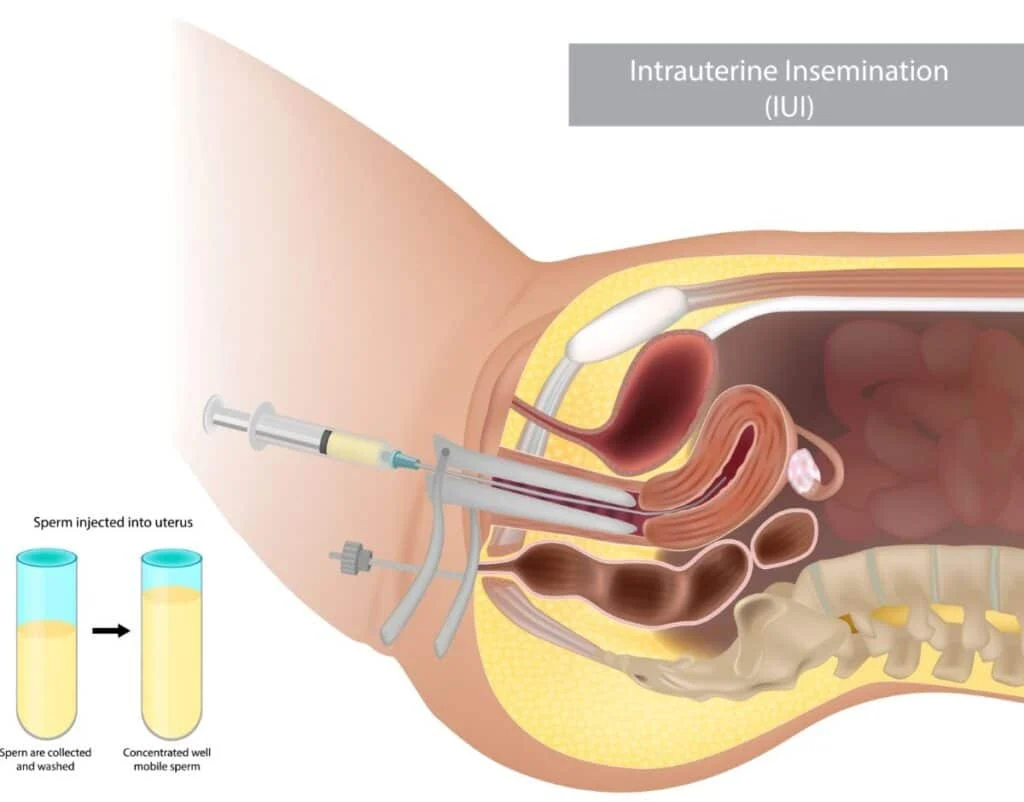
    Intrauterine insemination (IUI) is a procedure in which washed and concentrated sperm is directly inserted into the uterus at the time of ovulation. This procedure can be used in cases of mild male infertility or when the cause of infertility is unknown. It can also be used in combination with fertility drugs to stimulate ovulation.

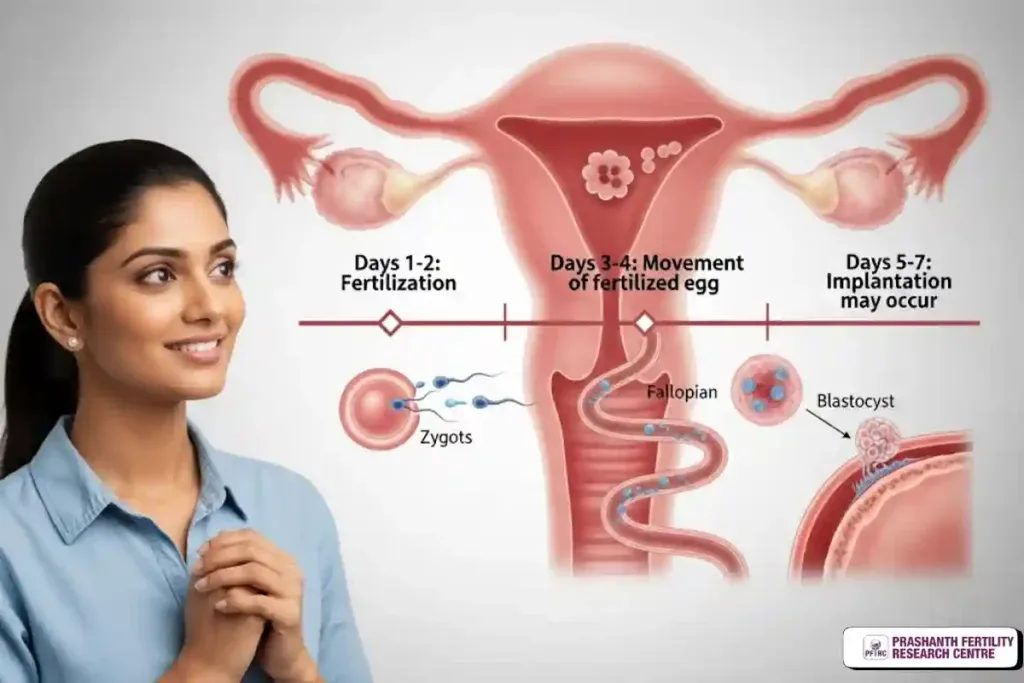
    Illustration showing fertilization and implantation timeline with a woman looking hopeful.

    The Impact of Male Infertility: Intrauterine Insemination vs Donor Insemination

    The success of IUI depends on the quality of the sperm, the timing of the procedure, and the condition of the woman’s reproductive system. It is a less invasive and less expensive option compared to other fertility treatments, making it a popular choice for couples struggling with male infertility.

    Donor Insemination (DI)

    Donor insemination (DI) involves using sperm from a donor to fertilize the woman’s egg. This option is often recommended when the male partner has severe male infertility or when there is a risk of passing on genetic conditions. The donor sperm is screened and tested for quality before being used in the procedure.

    DI is a more invasive and costly option compared to IUI, as it involves additional medical procedures and the use of fertility drugs. However, it can also have a higher success rate, as the donor sperm is often of better quality and can overcome any male infertility issues.

    Comparing IUI and DI

    Both IUI and DI have their own advantages and disadvantages. IUI is a more natural and less invasive option, but it may not be effective for severe cases of male infertility. DI, on the other hand, can have a higher success rate, but it can also be a more complicated and expensive process.

    In terms of success rates, studies have shown that IUI has a success rate of around 10-20%, while DI has a success rate of 20-30%. However, the success rates can vary depending on the individual’s fertility issues and the quality of the sperm used.

    Conclusion

    Male infertility can have a significant impact on couples trying to conceive. However, with advancements in fertility treatments, there are options available to help overcome this challenge. Intrauterine insemination (IUI) and donor insemination (DI) are two common options used to treat male infertility. While both have their own advantages and disadvantages, it is important for couples to consult with a fertility specialist to determine the most suitable treatment option for their specific situation.

    In summary, male infertility is a common issue that affects many couples, and it can have a significant emotional impact. Intrauterine insemination (IUI) and donor insemination (DI) are two treatment options available for male infertility. While IUI is a less invasive and less expensive option, DI can have a higher success rate. It is important for couples to consult with a fertility specialist to determine the best course of action for their individual needs.

  • Sperm Analysis vs Semen Analysis: Which is More Accurate for Diagnosing Male Infertility?

    Blog Post:

    When a couple is struggling with infertility, it is often assumed that the issue lies with the female partner. However, male infertility is just as common and can be a contributing factor in up to 50% of cases. In order to determine the cause of male infertility, doctors may recommend either a sperm analysis or a semen analysis. Both tests are used to evaluate the quality and quantity of sperm, but there are some key differences that can affect their accuracy. In this blog post, we will explore the differences between sperm analysis and semen analysis and determine which one is more accurate in diagnosing male infertility.

    Sperm Analysis:

    Sperm analysis, also known as a sperm count, is a laboratory test that evaluates the number, shape, and movement of sperm in a sample. This test is typically done by collecting a semen sample through masturbation and examining it under a microscope. The World Health Organization (WHO) has established guidelines for what is considered a normal sperm count, which is typically around 15 million sperm per milliliter of semen. A sperm count below this number may indicate male infertility.

    Sperm analysis is a relatively simple and non-invasive procedure that can be done in a fertility clinic or at home using a home sperm test kit. However, there are some limitations to this test. Sperm count can vary from day to day, so multiple tests may be needed to get an accurate result. Additionally, sperm can be affected by lifestyle factors such as alcohol consumption, smoking, and certain medications. This means that a single sperm analysis may not give a complete picture of a man’s fertility.

    Semen Analysis:

    test tube with sperm in blue liquid, promoting IUI success rate and factors influencing fertility.

    Sperm Analysis vs Semen Analysis: Which is More Accurate for Diagnosing Male Infertility?

    Semen analysis, on the other hand, is a more comprehensive test that evaluates not only the sperm count but also the overall quality of the semen. This includes the volume of semen, pH levels, and the presence of any infections or abnormalities. Unlike sperm analysis, semen analysis also requires the collection of the entire ejaculate, not just a small sample of it.

    Semen analysis is typically done in a laboratory setting and can take up to a week to get results. It is a more invasive procedure as it requires the use of a special condom or collection cup during intercourse to collect the entire ejaculate. This can be uncomfortable and may not be feasible for all couples.

    Which is More Accurate?

    Both sperm analysis and semen analysis have their own set of advantages and limitations, making it difficult to determine which one is more accurate in diagnosing male infertility. Sperm analysis is a quick and easy test that can be done at home, but it only evaluates the quantity of sperm and not the quality. On the other hand, semen analysis provides a more comprehensive evaluation of the semen, but it is a more invasive and time-consuming procedure.

    Furthermore, the results of both tests can be affected by external factors such as stress, illness, and recent ejaculation. This means that a single test may not always give an accurate representation of a man’s fertility. In some cases, doctors may recommend both tests to get a more complete picture of a man’s fertility.

    Summary:

    In summary, sperm analysis and semen analysis are both important tests in diagnosing male infertility. Sperm analysis is a quick and easy test that evaluates the number, shape, and movement of sperm, while semen analysis provides a more comprehensive evaluation of the semen. However, both tests have their own set of limitations and external factors that can affect their accuracy. In some cases, doctors may recommend both tests to get a more complete picture of a man’s fertility and determine the best course of treatment.

  • Sperm Analysis and Semen Analysis: How Do They Help with Male Fertility Preservation?

    Blog Post:

    When it comes to starting a family, many couples face challenges with infertility issues. While there are multiple factors that can contribute to infertility, one important aspect to consider is male fertility. In recent years, there has been an increase in male fertility preservation techniques, and one of the key methods used is sperm analysis and semen analysis. In this blog post, we will explore what these analyses involve and how they can help with male fertility preservation.

    Sperm Analysis:

    Sperm analysis, also known as a sperm count or semen analysis, is a test used to evaluate the quality and quantity of sperm in a man’s semen. The test is typically done to determine a man’s fertility potential and can be performed at a fertility clinic or a laboratory.

    The process of sperm analysis involves collecting a semen sample, either through masturbation or using a collection condom during intercourse. The sample is then examined under a microscope to assess the sperm count, motility (movement), and morphology (shape and size).

    The World Health Organization (WHO) has established guidelines for normal sperm analysis results. According to the WHO, a normal sperm count should be at least 15 million sperm per milliliter of semen, with at least 40% of the sperm showing normal motility and 4% having normal morphology. A man with a sperm count lower than these values may have a decreased chance of fathering a child naturally.

    Semen Analysis:

    Semen analysis is a more comprehensive test that evaluates not only the sperm but also other components in the semen. This test can provide valuable information about the overall health of a man’s reproductive system and identify any underlying issues that may be affecting fertility.

    Illustration of the IUI process, showing a syringe and catheter in the reproductive system.

    Sperm Analysis and Semen Analysis: How Do They Help with Male Fertility Preservation?

    In addition to evaluating sperm count, motility, and morphology, semen analysis also looks at the volume of semen, pH levels, and the presence of any infections or other abnormalities. The test can also detect the presence of white blood cells, which could indicate an infection or inflammation in the reproductive tract.

    How Do These Analyses Help with Male Fertility Preservation?

    Sperm and semen analyses play a crucial role in male fertility preservation. By providing vital information about a man’s sperm quality and reproductive health, these tests can help identify any potential issues that may be affecting fertility. They can also be used to monitor the success of fertility treatments and determine the best course of action for couples struggling with infertility.

    For men who are considering sperm banking or other fertility preservation methods, these analyses are essential. By assessing the quality and quantity of sperm, doctors can determine the best approach for preserving fertility, such as freezing sperm for future use in in vitro fertilization (IVF) or intrauterine insemination (IUI).

    Moreover, for men who have undergone cancer treatment or other medical procedures that can affect fertility, sperm and semen analyses can provide valuable information about the impact of these treatments on sperm quality. This information can help guide the decision-making process for fertility preservation before undergoing potentially harmful treatments.

    In conclusion, sperm analysis and semen analysis are crucial tools in male fertility preservation. These tests provide valuable information about sperm quality and reproductive health, helping couples struggling with infertility to make informed decisions about their fertility journey. They also play a significant role in the success of fertility treatments and can provide peace of mind for men looking to preserve their fertility for future parenthood.

    Summary:

    Sperm analysis and semen analysis are tests used to evaluate the quality and quantity of sperm in a man’s semen. These analyses can provide valuable information about sperm quality and reproductive health, helping couples struggling with infertility to make informed decisions about their fertility journey. They can also play a significant role in the success of fertility treatments and are essential for men looking to preserve their fertility for future parenthood.

  • Sperm Analysis vs Semen Analysis: Which is More Cost-Effective?

    Blog Post:

    When it comes to fertility testing, there are two commonly used methods: sperm analysis and semen analysis. While these terms are often used interchangeably, they actually refer to different tests with different purposes. Sperm analysis is used to assess the quality and quantity of sperm, while semen analysis is a more comprehensive test that looks at the overall health of the semen. Both tests are important for diagnosing male infertility, but which one is more cost-effective?

    In this blog post, we will explore the differences between sperm analysis and semen analysis, as well as the costs associated with each. By the end, you will have a better understanding of which test is more cost-effective for your needs.

    Sperm Analysis: What is it and How Much Does it Cost?

    Sperm analysis, also known as a sperm count or semen analysis, is a basic fertility test that measures the number, shape, and movement of sperm in a semen sample. This test is usually one of the first steps taken when trying to determine the cause of male infertility. The process involves collecting a semen sample, either through masturbation or through a special condom during intercourse, and sending it to a laboratory for analysis.

    The cost of sperm analysis varies depending on the location and the laboratory performing the test. On average, the cost can range from $100 to $300. Most insurance plans do not cover the cost of sperm analysis unless it is deemed medically necessary, such as when a couple is actively trying to conceive.

    Semen Analysis: What is it and How Much Does it Cost?

    illustration of an intrauterine insemination procedure with medical instruments and anatomical details

    Sperm Analysis vs Semen Analysis: Which is More Cost-Effective?

    Semen analysis, on the other hand, is a more comprehensive test that evaluates not just the sperm, but also the overall health of the semen. This test includes the same measurements as sperm analysis, but also looks at the volume, pH level, and the presence of any infections or abnormalities in the semen. Semen analysis is often used to diagnose conditions such as low sperm count, poor sperm motility, and infections, which can all contribute to male infertility.

    The cost of semen analysis is slightly higher than sperm analysis, with an average cost ranging from $150 to $500. This higher cost is due to the additional tests that are performed on the semen sample. Like sperm analysis, most insurance plans do not cover the cost of semen analysis unless it is deemed necessary.

    Which is More Cost-Effective?

    Now that we have a better understanding of what each test entails and how much they cost, the question remains: which one is more cost-effective? The answer to this question depends on the individual’s specific needs and circumstances.

    If a couple is actively trying to conceive and the male partner has no known medical conditions that could affect his fertility, sperm analysis may be the more cost-effective option. This test is less expensive and can provide valuable information about the quality and quantity of sperm. However, if there are any concerns about the overall health of the semen or if the male partner has a history of infections or other medical conditions, semen analysis may be the more cost-effective choice. This test provides a more thorough assessment of the semen and can identify any underlying issues that may be contributing to infertility.

    It is important to note that both tests may need to be repeated multiple times to get accurate results, which can add to the overall cost. Additionally, if any abnormalities are found, further testing and treatment may be necessary, further increasing the cost.

    Summary:

    Sperm analysis and semen analysis are two different tests used to assess male fertility. Sperm analysis focuses on the quantity and quality of sperm, while semen analysis looks at the overall health of the semen. The cost of sperm analysis ranges from $100 to $300, while semen analysis costs between $150 to $500. The more cost-effective test depends on the individual’s specific needs and circumstances, but both tests may need to be repeated and can lead to additional costs if abnormalities are found.

  • Sperm Analysis and Semen Analysis: How Do They Differ for Infertility Treatment?

    Blog Post Title: Sperm Analysis and Semen Analysis: Understanding the Differences for Infertility Treatment

    Infertility is a common struggle for many couples trying to conceive. In fact, it is estimated that 1 in 8 couples have trouble getting pregnant or sustaining a pregnancy. When seeking medical help for infertility, one of the first steps is usually a sperm analysis or semen analysis. While these terms are often used interchangeably, they are actually two different tests that play a crucial role in diagnosing and treating infertility. In this blog post, we will dive deeper into the differences between sperm analysis and semen analysis and how they are used in infertility treatment.

    Sperm Analysis: What Is It and Why Is It Important?

    Sperm analysis, also known as a sperm count or semen analysis, is a test that measures the number and quality of sperm in a man’s semen. This test is typically one of the first steps in diagnosing male infertility, as sperm health is a key factor in achieving pregnancy. The World Health Organization (WHO) has set guidelines for sperm parameters, including sperm count, motility (ability to swim), and morphology (shape and size of sperm). A sperm analysis can also detect any abnormalities in the sperm, such as low sperm count or poor motility, which can impact fertility.

    The process of collecting a sperm sample for analysis is simple and non-invasive. It can be done at a fertility clinic or at home with a collection cup. The sample is then sent to a lab for testing, where it is examined under a microscope. The results of a sperm analysis can provide valuable information to both the male and female partner, as it can help identify potential causes of infertility and guide treatment options.

    Semen Analysis: What Is It and Why Is It Important?

    On the other hand, semen analysis is a broader test that looks at the overall health and composition of semen. It not only evaluates the sperm, but also other substances that make up semen, such as fructose, citric acid, and enzymes. Semen analysis is an important tool in diagnosing male infertility, as it can detect any underlying issues that may affect sperm health, such as infections or hormonal imbalances.

    Similar to sperm analysis, a semen analysis is also performed in a lab on a sample of semen collected either at home or at a fertility clinic. The results of a semen analysis can provide valuable insights into the overall health of the male reproductive system and guide treatment plans for infertility.

    Diagram illustrating intrauterine insemination (IUI) procedure with sperm injection into the uterus.

    Sperm Analysis and Semen Analysis: How Do They Differ for Infertility Treatment?

    How Do They Differ?

    While both sperm analysis and semen analysis are important tests in diagnosing male infertility, they differ in their focus and purpose. Sperm analysis specifically looks at the number, motility, and morphology of sperm, while semen analysis evaluates the overall composition of semen. Sperm analysis is also more focused on male fertility, while semen analysis can also provide information about the male’s general health.

    Another key difference between the two tests is the timing of when they are performed. Sperm analysis is typically done on a fresh sample, meaning the sample is collected and tested immediately. Semen analysis, on the other hand, can be done on both fresh and frozen samples. This is important in cases where a man may not be able to produce a sample on the day of the test or if the sample needs to be preserved for future use.

    How Are They Used in Infertility Treatment?

    Both sperm analysis and semen analysis are crucial in diagnosing and treating male infertility. If a man’s sperm analysis shows abnormal results, further testing may be needed to determine the cause. Depending on the results, a fertility specialist may recommend lifestyle changes, medication, or assisted reproductive techniques such as intrauterine insemination (IUI) or in vitro fertilization (IVF).

    Semen analysis, on the other hand, can help identify any underlying issues that may be affecting sperm health. For example, if the analysis shows a low fructose level, it may indicate a blockage in the male reproductive tract. This information can guide the treatment plan and help address the root cause of infertility.

    Summary:

    Sperm analysis and semen analysis are two important tests used in diagnosing and treating male infertility. Sperm analysis specifically looks at the number, motility, and morphology of sperm, while semen analysis evaluates the overall composition of semen. They differ in their focus, timing, and purpose, but both play a crucial role in identifying the cause of male infertility and guiding treatment options.

  • The Importance of Sperm Analysis and Semen Analysis in Assisted Reproductive Technologies

    Blog Post:

    When it comes to assisted reproductive technologies, sperm and semen analysis may not be the first thing that comes to mind. However, these procedures play a crucial role in the success of various fertility treatments. In this blog post, we will explore the importance of sperm analysis and semen analysis in assisted reproductive technologies.

    Assisted reproductive technologies (ART) refer to various medical procedures and treatments that assist individuals and couples in achieving pregnancy. These technologies have revolutionized the field of fertility and have helped countless people become parents. However, the success of these treatments heavily relies on the quality of sperm and semen.

    Sperm analysis, also known as a semen analysis, is a test that evaluates the quantity, quality, and movement of sperm in a man’s semen. This test is often one of the first steps in diagnosing male infertility. It involves collecting a semen sample and examining it under a microscope. The results of a sperm analysis can provide valuable information about a man’s fertility and help determine the best course of treatment.

    One of the primary reasons why sperm analysis is crucial in assisted reproductive technologies is that it helps identify male infertility factors. Male infertility accounts for about 40% of all infertility cases. A sperm analysis can identify issues such as low sperm count, poor sperm morphology (shape), and abnormal sperm movement. These factors can significantly impact a man’s ability to impregnate a partner naturally. However, with the help of assisted reproductive technologies, these issues can be addressed, and the chances of pregnancy can be increased.

    Moreover, sperm analysis also plays a vital role in determining which assisted reproductive technology may be most suitable for a couple. For example, if a man has a low sperm count, in vitro fertilization (IVF) may be recommended, where the eggs are fertilized with the sperm in a laboratory setting. On the other hand, if a man has issues with sperm movement, intrauterine insemination (IUI) may be a more viable option, where the sperm is directly injected into the woman’s uterus. By understanding a man’s sperm quality, fertility specialists can determine the best treatment plan and increase the chances of a successful pregnancy.

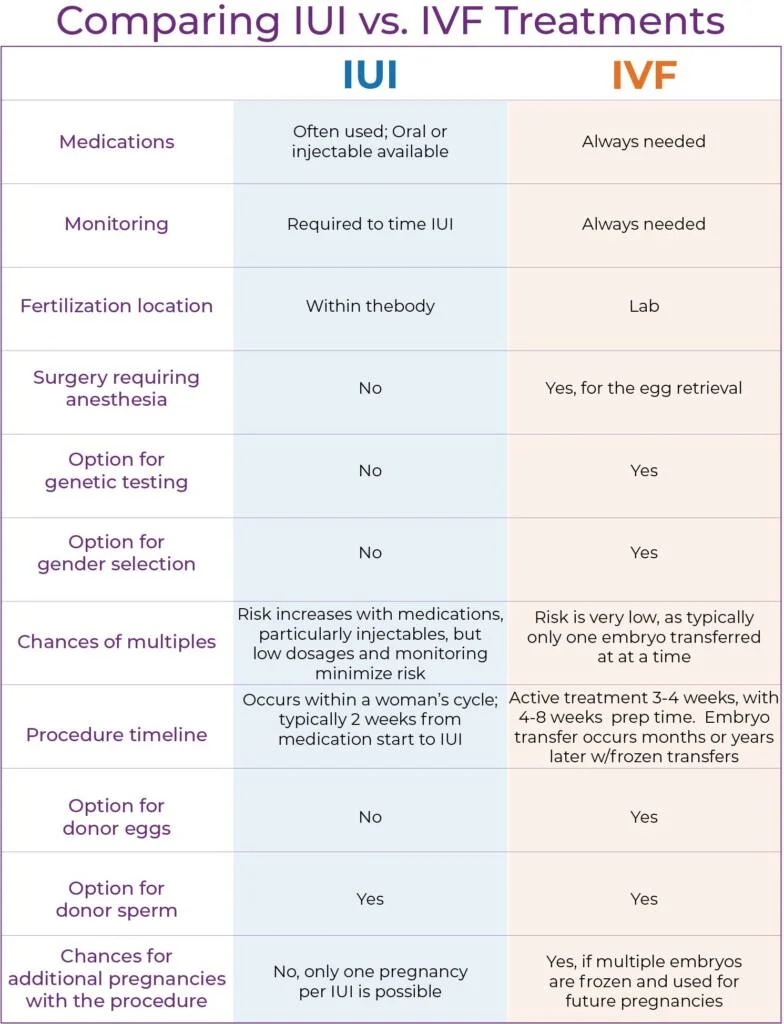
    Comparison of IUI and IVF with illustrations of each procedure.

    The Importance of Sperm Analysis and Semen Analysis in Assisted Reproductive Technologies

    In addition to sperm analysis, semen analysis is also a crucial component of assisted reproductive technologies. Semen analysis involves examining the physical and chemical properties of semen, such as pH levels, fructose levels, and the presence of white blood cells. These factors can affect the quality of sperm and can provide valuable information about a man’s overall reproductive health.

    The results of a semen analysis can also help identify underlying health issues that may be impacting fertility. For example, a high number of white blood cells in semen may indicate an infection, which can affect sperm quality. By addressing these underlying health issues, fertility specialists can improve the chances of a successful pregnancy through assisted reproductive technologies.

    Furthermore, semen analysis is also essential in monitoring the success of assisted reproductive technologies. After a couple undergoes a fertility treatment, a semen analysis can be performed to assess the quality of sperm and determine if the treatment was successful. This is particularly crucial in cases of IVF, where the quality of sperm can affect the success rate of fertilization.

    In conclusion, sperm analysis and semen analysis are vital components of assisted reproductive technologies. These procedures provide valuable information about a man’s fertility, help identify underlying health issues, and determine the best course of treatment. By understanding the importance of sperm and semen analysis, couples can increase their chances of success with assisted reproductive technologies and fulfill their dream of becoming parents.

    Summary:

    In this blog post, we discussed the importance of sperm analysis and semen analysis in assisted reproductive technologies (ART). These procedures play a crucial role in identifying male infertility factors, determining the most suitable treatment plan, and monitoring the success of fertility treatments. By understanding the role of sperm and semen analysis, couples can improve their chances of success with ART and fulfill their dream of becoming parents.

  • Sperm Analysis vs Semen Analysis: Which is More Reliable?

    Sperm Analysis vs Semen Analysis: Which is More Reliable?

    When a couple is trying to conceive, one of the first steps in determining any potential fertility issues is to undergo a semen analysis. This involves testing the male partner’s semen for various factors that can affect fertility, including sperm count, motility, and morphology. However, there is often confusion between the terms “sperm analysis” and “semen analysis,” and many people use them interchangeably. In reality, these two tests are quite different, and understanding the differences between them can help determine which one is more reliable in diagnosing male fertility issues.

    Sperm Analysis: What is it?

    Sperm analysis, also known as a sperm count, is a test that measures the number of sperm present in a semen sample. This is usually the first test recommended by doctors when assessing male fertility. The World Health Organization (WHO) defines a normal sperm count as having at least 15 million sperm per milliliter of semen. A low sperm count, also known as oligospermia, can be an indication of male infertility.

    Sperm Analysis: How is it Done?

    A sperm analysis is typically done by collecting a semen sample through masturbation. Men are usually asked to abstain from ejaculation for 2-3 days before the test to ensure an accurate reading. The sample is then examined under a microscope to count the number of sperm present. A trained technician will also assess the sperm’s motility (movement) and morphology (shape) to determine if they are healthy and able to fertilize an egg.

    Semen Analysis: What is it?

    Comparison chart of IUI and IVF treatments, detailing medications, monitoring, procedures, and success rates.

    Sperm Analysis vs Semen Analysis: Which is More Reliable?

    Semen analysis, on the other hand, is a broader test that evaluates not only the sperm but also the other components of semen, including seminal fluid and other cells. This test is often recommended for men who have a normal sperm count but are still experiencing fertility issues. It can also be useful in diagnosing underlying health conditions that may affect fertility, such as infections or hormonal imbalances.

    Semen Analysis: How is it Done?

    The process for collecting a semen sample for a semen analysis is the same as a sperm analysis. However, in addition to counting the sperm, the sample is also tested for volume, pH level, fructose levels, and the presence of white blood cells. These factors can affect the sperm’s ability to fertilize an egg and can help identify any underlying issues that may be causing infertility.

    Which is More Reliable?

    The reliability of a sperm analysis versus a semen analysis depends on the specific issue being evaluated. For example, if a couple is having trouble conceiving due to a low sperm count, a sperm analysis would be more reliable in diagnosing the issue. However, if the issue is related to the quality of the sperm or other factors, a semen analysis would be the more reliable test.

    Sperm Analysis vs Semen Analysis: Understanding the Differences

    To summarize, sperm analysis and semen analysis are two different tests that evaluate different aspects of male fertility. Sperm analysis focuses solely on the sperm count, while semen analysis looks at the overall composition of semen. Both tests are essential in diagnosing and treating male infertility, and their reliability depends on the specific issue being evaluated. It is best to consult with a doctor or fertility specialist to determine which test is most appropriate for individual circumstances.

    In conclusion, while there is often confusion between sperm analysis and semen analysis, understanding the differences between the two is crucial in determining which one is more reliable. Both tests play a vital role in diagnosing and treating male infertility, and it is essential to consult with a medical professional for an accurate assessment and treatment plan.