Tag: infertility treatment

  • The Pros and Cons of Using Fertility Medications and Supplements

    Fertility medications and supplements have become increasingly popular among those struggling with infertility. These medications and supplements are designed to help regulate hormones, increase ovulation, and improve overall reproductive health. While they can be effective in helping couples achieve their dream of having a child, there are also potential risks and drawbacks to consider. In this blog post, we will explore the pros and cons of using fertility medications and supplements.

    Pros of Using Fertility Medications and Supplements:

    1. Improved Chances of Conception: The main benefit of fertility medications and supplements is that they can increase the chances of conception. These medications and supplements can help regulate hormones and improve ovulation, making it easier for couples to conceive. For those struggling with infertility, this can be a major advantage and can bring them one step closer to starting a family.

    2. Variety of Options: There are various types of fertility medications and supplements available, allowing couples to find the right one for their specific needs. From oral medications like Clomid to injectable medications like gonadotropins, there is a range of options to choose from. Additionally, there are also many different types of supplements that can be used to support reproductive health, such as folic acid, omega-3 fatty acids, and Coenzyme Q10.

    3. Cost-Effective: In comparison to other infertility treatments such as in vitro fertilization (IVF), fertility medications and supplements are relatively affordable. This makes them a more cost-effective option for couples who may not be able to afford more expensive treatments. Additionally, some insurance plans may cover the cost of these medications and supplements, making them even more accessible.

    4. Non-Invasive: Fertility medications and supplements are non-invasive, meaning they do not require any surgical procedures. This can be appealing for couples who may be hesitant to undergo more invasive treatments. It also means that there is less risk involved and a shorter recovery time.

    5. Can Address Underlying Issues: In some cases, fertility medications and supplements can also help address underlying issues that may be causing infertility. For example, some supplements may help improve egg quality or sperm count, while certain medications can help regulate conditions like polycystic ovary syndrome (PCOS) or endometriosis.

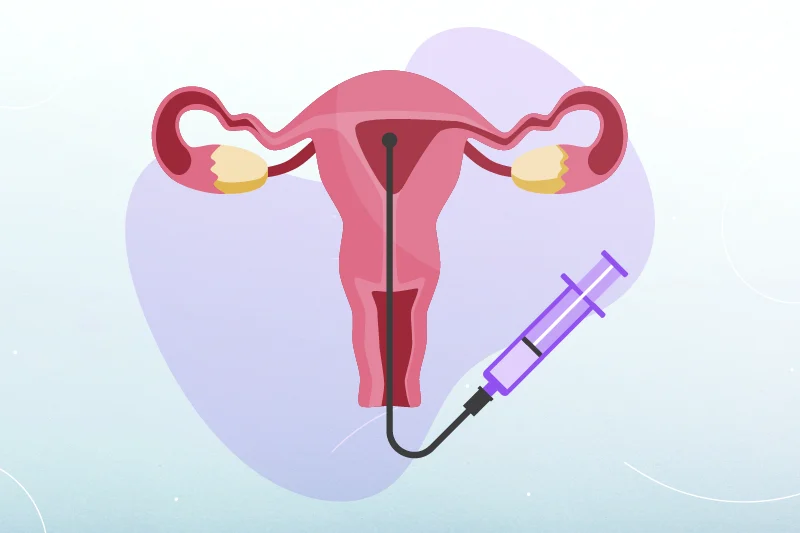
    Illustration of IUI procedure with uterus and syringe against a DNA background.

    The Pros and Cons of Using Fertility Medications and Supplements

    Cons of Using Fertility Medications and Supplements:

    1. Side Effects: Like all medications, fertility medications and supplements can come with potential side effects. These can range from mild symptoms such as headaches and nausea to more severe reactions like ovarian hyperstimulation syndrome (OHSS). It is important to discuss potential side effects with a doctor and closely monitor any symptoms while using these medications and supplements.

    2. May Not Work for Everyone: While fertility medications and supplements have helped many couples conceive, they may not work for everyone. Factors such as age, overall health, and underlying medical conditions can play a role in the effectiveness of these treatments. It is essential to have realistic expectations and discuss other options with a doctor if these treatments are not successful.

    3. Multiple Births: One of the potential risks of fertility medications and supplements is the increased chance of multiple births. This is more common with treatments like IVF, but it can also occur with other medications and supplements. Multiple pregnancies can be high-risk and may require more medical care and monitoring.

    4. Requires Monitoring: Fertility medications and supplements require close monitoring by a doctor to ensure they are working correctly and to monitor for any potential side effects. This may involve frequent appointments, blood work, and ultrasounds, which can be time-consuming and may add to the overall cost of treatment.

    5. Not a Permanent Solution: Fertility medications and supplements are not a permanent solution for infertility. While they can help couples conceive, they do not address the underlying cause of infertility. This means that once the medications and supplements are stopped, infertility may return. For some couples, this may mean needing to continue using these treatments or exploring other options in the future.

    In summary, fertility medications and supplements can be a helpful tool for couples struggling with infertility. They offer a variety of options, are cost-effective, and are non-invasive. However, they also come with potential risks and drawbacks, such as side effects and the risk of multiple births. It is essential to discuss these treatments with a doctor and weigh the pros and cons to determine if they are the right choice for you.

    Metadata:

  • Intrauterine Insemination vs Donor Insemination: A Choice for Couples with Infertility

    Infertility is a struggle that many couples face, and the journey to starting a family can be a long and emotional one. For couples who are unable to conceive naturally, there are several fertility treatment options available, including intrauterine insemination (IUI) and donor insemination (DI). Both of these procedures involve the introduction of sperm into the uterus in hopes of fertilizing an egg and achieving pregnancy. However, there are some key differences between IUI and DI that couples should be aware of when considering their options.

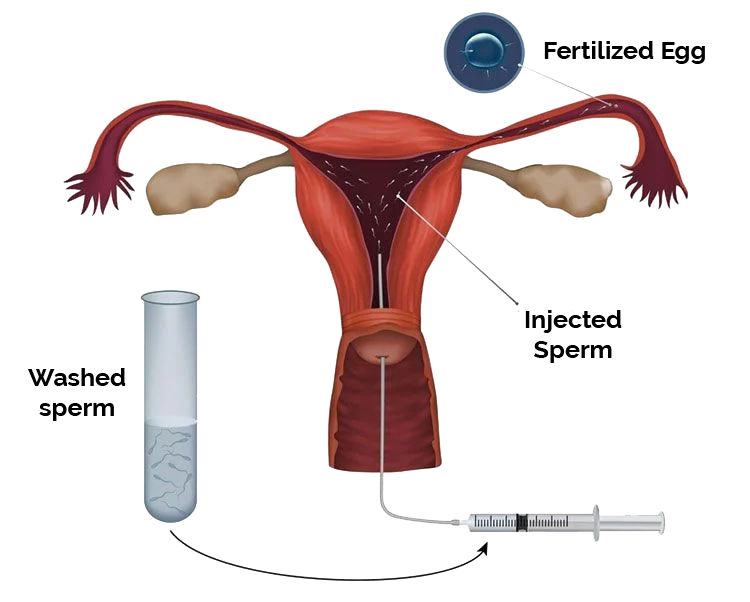
    Intrauterine insemination, also known as artificial insemination, is a fertility treatment that involves placing washed and concentrated sperm directly into the uterus using a catheter. This procedure is usually recommended for couples who have unexplained infertility or mild fertility issues, such as low sperm count or cervical mucus problems. It can also be used for same-sex female couples or single women who want to conceive using donor sperm.

    On the other hand, donor insemination is a process where donor sperm is used to fertilize the woman’s egg. This can be done through either IUI or in vitro fertilization (IVF). Donor sperm is typically used when the male partner has severe sperm abnormalities or when a woman does not have a male partner. It can also be used for same-sex male couples or single men who want to have a child.

    There are a few key differences between IUI and DI that couples should consider when making a decision about which treatment option is right for them.

    Firstly, the source of the sperm is different. In IUI, the sperm comes from the male partner, while in DI, the sperm is from an anonymous or known donor. This can be an important factor for couples to consider, as using donor sperm means that the child will not be genetically related to the male partner.

    Secondly, the number of sperm used is different. In IUI, the sperm is washed and concentrated before being inserted into the uterus, which means that a smaller number of sperm is used. In DI, a larger number of sperm is used, as the goal is to fertilize the egg in a lab setting. This can increase the chances of pregnancy, but it also means that there is a higher risk of multiple pregnancies with DI.

    Illustration of the IUI process, showing a syringe and catheter in the reproductive system.

    Intrauterine Insemination vs Donor Insemination: A Choice for Couples with Infertility

    Another important difference between IUI and DI is the level of involvement of the male partner. In IUI, the male partner is an active participant, providing the sperm for the procedure. In DI, the male partner’s involvement is limited to choosing the donor and providing a semen sample for testing and storage. This can be a consideration for couples who want the male partner to have a more active role in the conception process.

    Cost is also a factor to consider when deciding between IUI and DI. IUI is typically less expensive than DI, as it does not involve the added cost of donor sperm and the associated testing and storage fees. However, the cost can vary depending on factors such as the clinic and location.

    When it comes to success rates, both IUI and DI have similar success rates, with an average of 10-20% per cycle. However, the success rates can vary depending on factors such as age, overall health, and the underlying cause of infertility.

    In terms of risks and side effects, both IUI and DI are generally safe procedures. However, there is a slight risk of infection or allergic reaction with IUI, while DI carries a slightly higher risk of multiple pregnancies.

    It’s also important to note that both IUI and DI may not be successful on the first try and may require multiple cycles to achieve pregnancy. This can add to the emotional and financial stress of fertility treatments, and couples should be prepared for this possibility.

    In summary, both IUI and DI are viable treatment options for couples struggling with infertility. The key differences between the two procedures lie in the source of the sperm, the level of involvement of the male partner, and the cost. Couples should carefully consider these factors and consult with a fertility specialist to determine which option is best for their unique situation.

  • Choosing the Right Clinic: IUI vs DI

    In today’s world, there are many options available for individuals and couples struggling with fertility issues. Two popular options are Intrauterine Insemination (IUI) and Donor Insemination (DI). Both of these procedures are forms of artificial insemination and can help individuals and couples achieve their dream of starting a family. However, it is important to understand the differences between these two procedures and choose the right clinic for your specific needs. In this blog post, we will discuss the factors that should be considered when choosing between IUI and DI, and how to find the right clinic for your fertility journey.

    IUI, also known as artificial insemination, is a procedure where concentrated sperm is placed directly into the uterus during ovulation. This procedure is often recommended for couples who have unexplained infertility, mild male factor infertility, or cervical issues. It can also be used for single women or same-sex female couples who wish to have a child. DI, on the other hand, involves using donor sperm to fertilize the woman’s egg either through IUI or In Vitro Fertilization (IVF). DI is often recommended for couples with severe male factor infertility, single women or same-sex male couples, or individuals with genetic diseases that they do not want to pass on to their child.

    One of the main factors to consider when choosing between IUI and DI is the cause of infertility. If the male partner has a low sperm count or poor sperm quality, IUI may be a better option as it allows for the sperm to be directly placed into the uterus, increasing the chances of fertilization. However, if the male partner has no sperm or a genetic condition that could be passed on, DI may be the better choice.

    Another important factor to consider is the success rates of each procedure. According to the American Society for Reproductive Medicine, the success rates for IUI range from 5-20% per cycle, depending on various factors such as age and cause of infertility. DI, on the other hand, has a higher success rate of 20-30% per cycle, as the donor sperm used is often of higher quality and quantity. It is important to keep in mind that these success rates can vary depending on the specific clinic and the individual’s medical history.

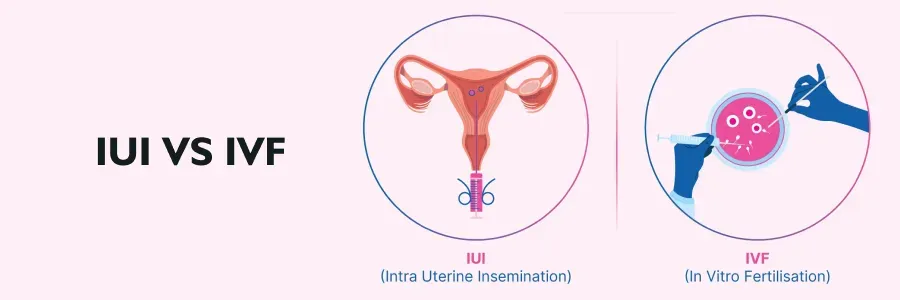
    Comparison of IUI and IVF with illustrations of each procedure.

    Choosing the Right Clinic: IUI vs DI

    Cost is also a factor that should be considered when choosing between IUI and DI. IUI is typically less expensive than DI, as it does not involve the use of donor sperm. However, the cost can vary depending on the clinic and any additional procedures that may be recommended. DI, on the other hand, can be more expensive due to the cost of purchasing donor sperm and any additional procedures that may be required.

    When it comes to choosing the right clinic for your fertility journey, there are a few key factors to keep in mind. First and foremost, it is important to choose a reputable clinic with experienced and knowledgeable doctors. You can research the clinic online, read reviews, and ask for recommendations from friends or family members who have gone through fertility treatments. It is also important to consider the clinic’s location, as you will likely have multiple appointments and procedures that will require your time and travel. Additionally, consider the clinic’s success rates and the specific procedures they offer. Some clinics may specialize in IUI, while others may have a higher success rate with DI.

    Another important factor to consider is the clinic’s approach to patient care. Fertility treatments can be emotionally and physically draining, so it is important to choose a clinic that prioritizes patient care and support. This may include offering counseling services or having support groups for patients going through similar experiences. It is also important to choose a clinic that makes you feel comfortable and supported throughout your entire journey.

    In conclusion, choosing the right clinic for IUI or DI is a personal decision that should be based on various factors, including the cause of infertility, success rates, and cost. It is important to do thorough research and consult with a trusted doctor to determine the best option for you. When choosing a clinic, consider the clinic’s reputation, location, success rates, and approach to patient care. With the right clinic and treatment, you can increase your chances of successfully starting a family and achieving your dream of parenthood.

    Summary:
    Choosing the right clinic for fertility treatments is an important decision that should be based on various factors, including the cause of infertility, success rates, and cost. Two popular options are Intrauterine Insemination (IUI) and Donor Insemination (DI). IUI is recommended for milder cases of male factor infertility or cervical issues, while DI is recommended for more severe cases or individuals with genetic diseases. When choosing a clinic, it is important to consider factors such as reputation, location, success rates, and approach to patient care. With the right clinic and treatment, individuals and couples can increase their chances of starting a family and achieving their dream of parenthood.

  • The Importance of Research: Choosing Between Fertility Clinics and Hospitals

    Summary:

    The decision to seek fertility treatment is not an easy one, and it is important to carefully consider all options before choosing a clinic or hospital. Research plays a crucial role in this decision-making process as it provides valuable information about the quality of care, success rates, and cost-effectiveness of different facilities. In this blog post, we will explore the importance of research when choosing between fertility clinics and hospitals.

    Firstly, it is important to understand the difference between fertility clinics and hospitals. Fertility clinics are specialized facilities that offer a range of services for couples and individuals struggling with infertility. They are staffed with doctors, nurses, and other medical professionals who have specialized training and experience in reproductive health. On the other hand, hospitals are larger medical facilities that offer a wide range of medical services, including fertility treatment. While both options may seem viable, thorough research can help determine which one is the best fit for an individual’s specific needs.

    One of the most crucial aspects of research when choosing between fertility clinics and hospitals is the success rates of their treatments. It is important to look into the clinic or hospital’s history of successful pregnancies and births, as this can give an indication of their expertise and the likelihood of success. Additionally, one should also consider the types of treatments offered and the success rates of those specific procedures. A good fertility clinic or hospital will have a high success rate, which can give patients confidence in their ability to help them achieve their goal of starting a family.

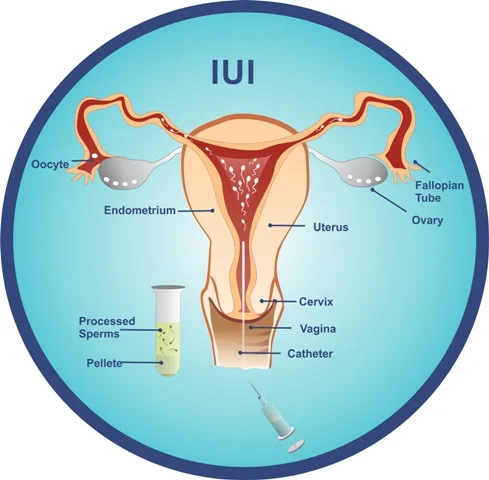
    diagram of the female reproductive system with an IUI syringe and test tube for artificial insemination

    The Importance of Research: Choosing Between Fertility Clinics and Hospitals

    Another important factor to consider is the quality of care provided by the clinic or hospital. This includes the expertise and qualifications of the medical staff, the availability of advanced technologies, and the overall patient experience. Researching the qualifications and experience of the doctors and staff can give insight into the level of care one can expect. Additionally, looking into the facilities and equipment available can help determine whether the clinic or hospital is equipped to handle different types of fertility treatments. It is also important to read reviews from previous patients to get a better understanding of their experiences and satisfaction with the care provided.

    Cost is another significant factor to consider when choosing between fertility clinics and hospitals. Fertility treatments can be expensive, and it is crucial to research the cost of treatments at different facilities. This includes not only the initial treatment but also any additional costs that may arise during the course of treatment. It is essential to understand the costs involved and make sure it fits within an individual’s budget. This research can help avoid any unexpected financial strain and allow for proper planning.

    Medical research is constantly evolving, and it is important to choose a fertility clinic or hospital that stays up-to-date with the latest advancements in the field. This can greatly impact the success rates and overall quality of care provided. By researching a facility’s involvement in medical research, one can get a better understanding of their commitment to staying current and providing the best possible care to their patients.

    In addition to these factors, it is also essential to consider the location and accessibility of the fertility clinic or hospital. This is especially important for individuals who may need to undergo multiple treatments or appointments. Choosing a facility that is conveniently located and easily accessible can greatly reduce the stress of fertility treatment.

    In conclusion, research plays a crucial role in choosing between fertility clinics and hospitals. It provides valuable information about the success rates, quality of care, costs, and involvement in medical research. By thoroughly researching different facilities, individuals can make an informed decision and choose the best option for their specific needs. Fertility treatment is a significant investment, and choosing the right clinic or hospital can greatly impact the outcome. Therefore, taking the time to research and compare different options is crucial for anyone seeking fertility treatment.

  • Fertility Clinics vs Hospitals: The Role of Genetics in Treatment

    Title: Fertility Clinics vs Hospitals: The Role of Genetics in Treatment

    Introduction:
    Fertility issues are a common problem that affects many couples worldwide. With advancements in technology, there are now various treatment options available to help couples struggling with infertility. However, when it comes to deciding between fertility clinics and hospitals for treatment, many factors need to be considered. One crucial aspect that often plays a significant role in the success of fertility treatment is genetics. In this blog post, we will discuss the role of genetics in fertility treatment and compare fertility clinics and hospitals in terms of their approach to genetic testing and treatment.

    Genetics and Infertility:
    Genetics play a vital role in fertility, and it is estimated that up to 15% of couples struggling with infertility have a genetic cause. In some cases, genetic disorders can lead to infertility, while in others, they can affect the success of fertility treatments. Therefore, understanding the role of genetics in infertility is crucial in determining the most effective treatment approach.

    Fertility Clinics:
    Fertility clinics are specialized centers that offer a range of services to help couples conceive. These clinics have highly trained and experienced staff, including reproductive endocrinologists, embryologists, and genetic counselors, who work together to provide personalized treatment plans for each patient. Fertility clinics often have a holistic approach to treatment, considering all factors that may affect fertility, including genetics.

    Role of Genetics in Fertility Clinics:
    Fertility clinics understand the significance of genetics in fertility, and they offer various genetic testing options to their patients. These tests can help identify genetic disorders that may be causing infertility and determine the best course of treatment. Some of the most common genetic tests offered by fertility clinics include carrier screening, preimplantation genetic testing, and chromosomal analysis. These tests not only help with the diagnosis of genetic disorders but also help in selecting the best embryos for transfer during IVF procedures.

    Genetic Counseling:
    Fertility clinics also provide genetic counseling services to their patients. This involves discussing the results of genetic testing and the potential risks and implications of any inherited disorders. Genetic counselors help patients understand their options and make informed decisions about their treatment.

    Illustration of the uterus with a syringe, depicting the intrauterine insemination procedure.

    Fertility Clinics vs Hospitals: The Role of Genetics in Treatment

    Hospitals:
    Hospitals, on the other hand, are primary healthcare facilities that offer a broad range of medical services, including fertility treatment. Unlike fertility clinics, hospitals are more focused on treating medical conditions rather than specialized fertility services. However, many hospitals have fertility clinics within their premises, offering a more comprehensive range of fertility services.

    Role of Genetics in Hospitals:
    While hospitals may not have the same level of expertise and experience in fertility treatment as specialized fertility clinics, they still recognize the importance of genetics in fertility. Therefore, many hospitals offer genetic testing and counseling services to their patients. However, the level of expertise and resources may vary from hospital to hospital, and they may not have the same range of genetic testing options as fertility clinics.

    Comparison:
    When it comes to the role of genetics in fertility treatment, fertility clinics have a clear advantage over hospitals. Fertility clinics have a team of experts who specialize in reproductive genetics and have access to advanced genetic testing options, making them better equipped to handle genetic issues in fertility treatment. Moreover, fertility clinics have a more personalized approach to treatment, considering each patient’s genetic profile to develop the most effective treatment plan.

    On the other hand, hospitals may not have the same level of expertise in reproductive genetics, and their genetic testing options may be limited. However, some patients may prefer hospitals due to their familiarity and trust with their doctors, and they may feel more comfortable receiving treatment in a hospital setting.

    Conclusion:
    In conclusion, genetics play a crucial role in fertility, and it is essential to consider them when seeking treatment. Fertility clinics have a clear advantage over hospitals in terms of expertise and resources when it comes to genetic testing and counseling. However, both fertility clinics and hospitals recognize the importance of genetics in fertility treatment and strive to provide the best possible care to their patients.

    Summary:
    Fertility clinics and hospitals are both options for couples seeking fertility treatment. However, when it comes to the role of genetics in treatment, fertility clinics have an advantage due to their specialized expertise and resources. Fertility clinics offer a range of genetic testing options and genetic counseling services, while hospitals may have limited resources in this area. Ultimately, the decision between fertility clinics and hospitals for treatment should be based on individual preferences and needs.

  • Fertility Clinics vs Hospitals: Which is More Successful?

    Fertility clinics and hospitals are two common options for individuals and couples struggling with infertility. Both offer a range of treatments and services to help people achieve their dream of having a baby. However, there is often confusion about which option is more successful in terms of achieving pregnancy. In this blog post, we will discuss the differences between fertility clinics and hospitals, their success rates, and factors to consider when choosing between the two.

    Fertility clinics, also known as reproductive or infertility clinics, specialize in helping individuals and couples overcome fertility issues. These clinics offer a wide range of treatments, including in vitro fertilization (IVF), intrauterine insemination (IUI), and fertility drugs. They also provide services such as fertility testing, genetic screening, and counseling. On the other hand, hospitals offer a broader range of medical services, including fertility treatments. However, their focus is not solely on fertility, and they may not have the same level of expertise and resources as fertility clinics.

    One of the significant differences between fertility clinics and hospitals is the success rates. Fertility clinics have a higher success rate when it comes to helping couples achieve pregnancy. According to the Centers for Disease Control and Prevention (CDC), the success rates for IVF in 2016 were 32% for women under 35, 27% for women aged 35-37, and 18% for women aged 38-40. In contrast, the success rates for IVF in hospitals were significantly lower, with only 15% for women under 35, 7% for women aged 35-37, and 3% for women aged 38-40. This difference in success rates can be attributed to the specialized expertise and advanced technology available in fertility clinics.

    Another factor to consider when choosing between fertility clinics and hospitals is the level of personalization and individualized care. Fertility clinics often have a smaller patient load, allowing doctors to spend more time with each patient and tailor treatment plans to their specific needs. In contrast, hospitals may have a higher volume of patients, leading to a more generalized approach to treatment. This personalized care can make a significant difference in the success of fertility treatments, as each individual’s needs and circumstances may vary.

    diagram illustrating intrauterine insemination (IUI) with labeled reproductive anatomy and procedures

    Fertility Clinics vs Hospitals: Which is More Successful?

    Moreover, fertility clinics often have a more supportive and understanding environment for patients dealing with infertility. The staff and doctors at these clinics are specially trained in handling the emotional and psychological aspects of infertility and provide a safe space for patients to share their experiences. Hospitals, on the other hand, may not have the same level of sensitivity and understanding, as they deal with a broader range of medical issues.

    Cost is another crucial factor to consider when choosing between fertility clinics and hospitals. Fertility treatments can be expensive, and while both options offer a range of payment plans and insurance coverage, fertility clinics may be more affordable. This is because fertility clinics specialize in fertility treatments and have a better understanding of the financial burden it can place on patients. They may also offer more affordable options, such as shared risk programs, where patients only pay for successful treatments.

    While fertility clinics may have higher success rates and provide a more personalized and supportive environment, hospitals have their own advantages. One of the main benefits of hospitals is their availability in case of any medical emergencies. If a complication arises during a fertility treatment, hospitals have the necessary resources and expertise to handle the situation. Additionally, hospitals may also offer a broader range of services, such as prenatal care and delivery, which can be beneficial for patients who become pregnant through fertility treatments.

    In conclusion, both fertility clinics and hospitals offer a range of treatments to help individuals and couples struggling with infertility. However, fertility clinics have higher success rates, provide personalized care, and have a more supportive environment for patients. On the other hand, hospitals offer the advantage of availability in case of a medical emergency and may have a broader range of services. Ultimately, the choice between the two will depend on an individual’s specific needs and preferences.

    In summary, fertility clinics and hospitals are both viable options for individuals and couples seeking infertility treatment. However, fertility clinics have higher success rates, offer personalized care, and provide a supportive environment. Hospitals have their own benefits, such as availability in case of emergencies and a broader range of services. Factors such as success rates, personalized care, and cost should be considered when choosing between the two. Ultimately, the decision will depend on the individual’s needs and circumstances.

  • At-Home Insemination Kits vs. Medical Supplies: What’s Right for You?

    Blog Post Summary:

    At-home insemination kits and medical supplies both offer options for individuals or couples trying to conceive. While at-home insemination kits may seem more convenient and cost-effective, medical supplies can provide a higher success rate and more thorough testing and monitoring. Ultimately, the decision between the two options depends on individual needs and preferences.

    The blog post delves into the differences between at-home insemination kits and medical supplies, including the pros and cons of each option. It also discusses important factors to consider such as success rates, cost, safety, and monitoring.

    At-home insemination kits are designed for convenience and privacy, allowing individuals or couples to perform the insemination process in the comfort of their own home. These kits typically include a syringe or dropper, collection cup, and instructions. They are also more affordable than medical supplies.

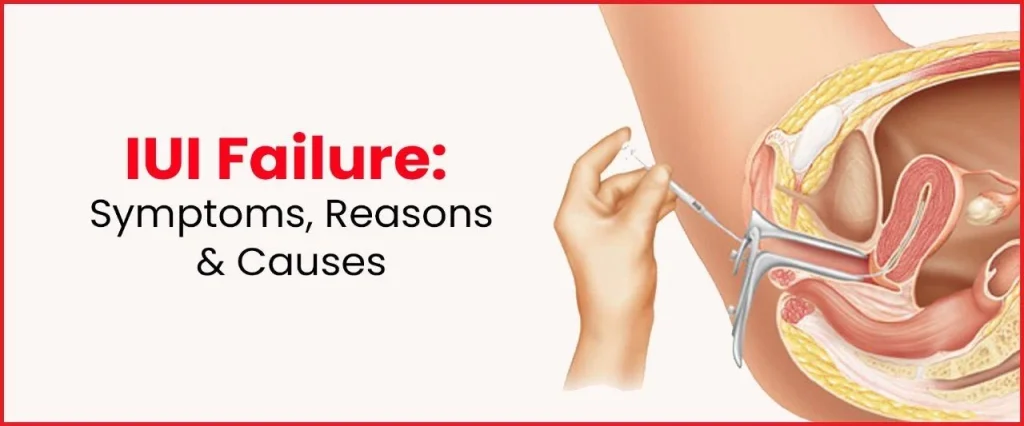
    illustration of IUI procedure with text on symptoms, reasons, and causes of IUI failure

    At-Home Insemination Kits vs. Medical Supplies: What's Right for You?

    On the other hand, medical supplies, such as intrauterine insemination (IUI) kits, offer a more medically sound approach. These kits include a catheter, syringe, and other necessary tools for the insemination process. They also provide a higher success rate as they are usually performed by a healthcare professional and can be monitored closely for timing and accuracy.

    The blog post also discusses the importance of considering safety when choosing between at-home insemination kits and medical supplies. While at-home kits may seem simple and straightforward, there is a risk of infection if proper sterilization protocols are not followed. Medical supplies, on the other hand, are used in a sterile environment and are typically handled by trained professionals.

    Cost is also a significant factor to consider when deciding between the two options. At-home insemination kits are generally more affordable, and some insurance plans may cover the cost. However, medical supplies and procedures can be more expensive, especially if multiple attempts are needed.

    Monitoring and testing are crucial for successful insemination, and medical supplies offer more comprehensive options. With at-home insemination kits, individuals or couples must rely on at-home pregnancy tests to determine if the process was successful. Medical supplies, on the other hand, can be used with more advanced testing and monitoring methods, such as ultrasounds and blood tests.

    In conclusion, both at-home insemination kits and medical supplies offer options for individuals or couples trying to conceive. While at-home kits may be more convenient and cost-effective, medical supplies provide a higher success rate, safer procedures, and more thorough monitoring and testing. It is essential to carefully consider individual needs and preferences when deciding between the two options.

  • Intrauterine Insemination vs Low-Tech IVF: The Role of Acupuncture

    Intrauterine insemination (IUI) and low-tech in vitro fertilization (IVF) are two commonly used methods for treating infertility. Both procedures involve the placement of sperm directly into the uterus, but they differ in their approach and success rates. In recent years, the use of acupuncture as an adjunct therapy for IUI and low-tech IVF has gained popularity. In this blog post, we will explore the similarities and differences between IUI and low-tech IVF, and the role of acupuncture in enhancing their effectiveness.

    Intrauterine insemination (IUI) is a fertility treatment where washed and concentrated sperm is placed directly into the uterus through a catheter during the ovulation period. This procedure is often used for couples with unexplained infertility, mild male factor infertility, or in cases where the woman has difficulty conceiving due to cervical issues. IUI is a relatively simple and less invasive procedure compared to other fertility treatments, and it is usually less expensive. However, IUI has a lower success rate compared to other fertility treatments, with only a 10-20% chance of pregnancy per cycle.

    On the other hand, low-tech IVF is a type of in vitro fertilization that uses lower doses of medications to stimulate the ovaries, resulting in the production of fewer eggs. The eggs are then retrieved and fertilized in the laboratory before being placed into the uterus. Low-tech IVF is often chosen by couples who want to avoid the potential side effects and risks associated with high doses of fertility medication. It is also a more affordable option compared to conventional IVF. However, low-tech IVF has a lower success rate compared to conventional IVF, with a 10-15% chance of pregnancy per cycle.

    One of the main reasons for the lower success rates of IUI and low-tech IVF is the quality of the eggs and sperm used. As women age, the quality of their eggs decreases, and this can affect the chances of successful fertilization and implantation. Similarly, the quality of sperm can also be a factor in the success of these procedures. This is where acupuncture comes in.

    Acupuncture is an ancient Chinese practice that involves the insertion of thin needles into specific points on the body to restore balance and promote healing. In recent years, acupuncture has gained recognition as a complementary therapy for infertility treatment. It is believed that acupuncture can improve reproductive health by promoting blood flow to the reproductive organs, reducing stress, and balancing hormones.

    Comparison of IUI and IVF with illustrations of each procedure.

    Intrauterine Insemination vs Low-Tech IVF: The Role of Acupuncture

    Studies have shown that acupuncture can improve the quality of eggs and sperm by increasing blood flow to the ovaries and testes. This can potentially increase the chances of successful fertilization and implantation during IUI and low-tech IVF. Acupuncture may also help reduce the side effects of fertility medication and promote relaxation, making it easier for women to undergo these procedures.

    In addition to improving the quality of eggs and sperm, acupuncture may also improve the chances of pregnancy by preparing the uterus for implantation. Studies have shown that acupuncture can increase the thickness of the uterine lining, which is important for successful implantation. Acupuncture may also help regulate the menstrual cycle and promote ovulation, which is crucial for successful IUI and low-tech IVF.

    Acupuncture can also help couples who have undergone multiple unsuccessful IUI or low-tech IVF cycles. The stress and disappointment of failed cycles can take a toll on a couple’s mental and emotional well-being, which can affect their chances of success. Acupuncture can help reduce stress, anxiety, and depression, allowing couples to have a more positive outlook on their fertility journey.

    In conclusion, IUI and low-tech IVF are two commonly used methods for treating infertility, with their own advantages and limitations. While these procedures can be effective, their success rates can be enhanced with the use of acupuncture. Acupuncture can improve the quality of eggs and sperm, prepare the uterus for implantation, and reduce stress and anxiety. It is important to note that acupuncture is not a standalone treatment for infertility, but rather a complementary therapy that can be used in conjunction with IUI and low-tech IVF.

    Summary: Intrauterine insemination (IUI) and low-tech in vitro fertilization (IVF) are two commonly used methods for treating infertility. While these procedures can be effective, their success rates can be enhanced with the use of acupuncture. Acupuncture can improve the quality of eggs and sperm, prepare the uterus for implantation, and reduce stress and anxiety. It is important to note that acupuncture is not a standalone treatment for infertility, but rather a complementary therapy that can be used in conjunction with IUI and low-tech IVF.

  • Sperm Analysis and Semen Analysis: How Do They Differ for Infertility Treatment?

    Blog Post Title: Sperm Analysis and Semen Analysis: Understanding the Differences for Infertility Treatment

    Infertility is a common struggle for many couples trying to conceive. In fact, it is estimated that 1 in 8 couples have trouble getting pregnant or sustaining a pregnancy. When seeking medical help for infertility, one of the first steps is usually a sperm analysis or semen analysis. While these terms are often used interchangeably, they are actually two different tests that play a crucial role in diagnosing and treating infertility. In this blog post, we will dive deeper into the differences between sperm analysis and semen analysis and how they are used in infertility treatment.

    Sperm Analysis: What Is It and Why Is It Important?

    Sperm analysis, also known as a sperm count or semen analysis, is a test that measures the number and quality of sperm in a man’s semen. This test is typically one of the first steps in diagnosing male infertility, as sperm health is a key factor in achieving pregnancy. The World Health Organization (WHO) has set guidelines for sperm parameters, including sperm count, motility (ability to swim), and morphology (shape and size of sperm). A sperm analysis can also detect any abnormalities in the sperm, such as low sperm count or poor motility, which can impact fertility.

    The process of collecting a sperm sample for analysis is simple and non-invasive. It can be done at a fertility clinic or at home with a collection cup. The sample is then sent to a lab for testing, where it is examined under a microscope. The results of a sperm analysis can provide valuable information to both the male and female partner, as it can help identify potential causes of infertility and guide treatment options.

    Semen Analysis: What Is It and Why Is It Important?

    On the other hand, semen analysis is a broader test that looks at the overall health and composition of semen. It not only evaluates the sperm, but also other substances that make up semen, such as fructose, citric acid, and enzymes. Semen analysis is an important tool in diagnosing male infertility, as it can detect any underlying issues that may affect sperm health, such as infections or hormonal imbalances.

    Similar to sperm analysis, a semen analysis is also performed in a lab on a sample of semen collected either at home or at a fertility clinic. The results of a semen analysis can provide valuable insights into the overall health of the male reproductive system and guide treatment plans for infertility.

    Diagram illustrating intrauterine insemination (IUI) procedure with sperm injection into the uterus.

    Sperm Analysis and Semen Analysis: How Do They Differ for Infertility Treatment?

    How Do They Differ?

    While both sperm analysis and semen analysis are important tests in diagnosing male infertility, they differ in their focus and purpose. Sperm analysis specifically looks at the number, motility, and morphology of sperm, while semen analysis evaluates the overall composition of semen. Sperm analysis is also more focused on male fertility, while semen analysis can also provide information about the male’s general health.

    Another key difference between the two tests is the timing of when they are performed. Sperm analysis is typically done on a fresh sample, meaning the sample is collected and tested immediately. Semen analysis, on the other hand, can be done on both fresh and frozen samples. This is important in cases where a man may not be able to produce a sample on the day of the test or if the sample needs to be preserved for future use.

    How Are They Used in Infertility Treatment?

    Both sperm analysis and semen analysis are crucial in diagnosing and treating male infertility. If a man’s sperm analysis shows abnormal results, further testing may be needed to determine the cause. Depending on the results, a fertility specialist may recommend lifestyle changes, medication, or assisted reproductive techniques such as intrauterine insemination (IUI) or in vitro fertilization (IVF).

    Semen analysis, on the other hand, can help identify any underlying issues that may be affecting sperm health. For example, if the analysis shows a low fructose level, it may indicate a blockage in the male reproductive tract. This information can guide the treatment plan and help address the root cause of infertility.

    Summary:

    Sperm analysis and semen analysis are two important tests used in diagnosing and treating male infertility. Sperm analysis specifically looks at the number, motility, and morphology of sperm, while semen analysis evaluates the overall composition of semen. They differ in their focus, timing, and purpose, but both play a crucial role in identifying the cause of male infertility and guiding treatment options.

  • Fertility Coaching vs Fertility Doctors: Which Offers a More Personalized Treatment Plan?

    Fertility is a complex and emotional journey for many individuals and couples. When faced with challenges in conceiving, seeking guidance and support is crucial. This is where fertility coaching and fertility doctors come into play. Both offer different approaches to help individuals achieve their dream of starting a family. While fertility doctors specialize in medical interventions and treatments, fertility coaches provide emotional support and personalized guidance throughout the fertility journey. In this blog post, we will discuss the differences between fertility coaching and fertility doctors and determine which one offers a more personalized treatment plan.

    Fertility coaching is a relatively new concept that has gained popularity in recent years. It involves working with a trained coach who specializes in fertility and reproductive health. The role of a fertility coach is to provide emotional support, guidance, and resources to individuals and couples who are struggling with infertility. Fertility coaches often have personal experience with infertility, which makes them more relatable and understanding of their clients’ struggles.

    On the other hand, fertility doctors are medical professionals who specialize in reproductive health and fertility. They have extensive medical training and expertise in diagnosing and treating infertility. Fertility doctors offer a range of treatments, including fertility medications, intrauterine insemination (IUI), and in vitro fertilization (IVF). They also perform procedures such as egg retrieval and embryo transfer.

    One of the main differences between fertility coaching and fertility doctors is the approach to treatment. Fertility doctors focus mainly on the medical aspect of infertility, while fertility coaches take a holistic approach to address the emotional, mental, and physical aspects of fertility. Fertility coaching recognizes that infertility can be a result of various factors, including stress, diet, lifestyle, and emotional well-being. Therefore, fertility coaches work with their clients to identify and address these factors to improve their chances of conception.

    illustration of IUI procedure with text on symptoms, reasons, and causes of IUI failure

    Fertility Coaching vs Fertility Doctors: Which Offers a More Personalized Treatment Plan?

    Another significant difference between fertility coaching and fertility doctors is the level of personalization in treatment plans. Fertility doctors often follow a standardized approach to treatment, which involves prescribing fertility medications and performing procedures based on the individual’s diagnosis. While this approach may be effective for some, it may not work for others. On the other hand, fertility coaches work closely with their clients to develop personalized treatment plans that cater to their specific needs and circumstances. This may include lifestyle changes, stress management techniques, and alternative therapies, in addition to medical treatments.

    Moreover, fertility coaching offers a more supportive and compassionate approach to infertility. Fertility coaches understand the emotional toll that infertility can take on individuals and couples. They provide a safe space for their clients to express their feelings, fears, and frustrations without judgment. Fertility doctors, on the other hand, may not have the time or resources to offer the same level of emotional support as they are primarily focused on the medical aspect of treatment.

    It is also worth noting that fertility coaching and fertility doctors can work together to provide a well-rounded approach to infertility treatment. While fertility doctors focus on the medical interventions, fertility coaches can offer support and guidance throughout the process. This collaboration can be beneficial for individuals and couples who are going through the challenging and often isolating experience of infertility.

    In conclusion, both fertility coaching and fertility doctors offer valuable support and guidance to individuals and couples struggling with infertility. While fertility doctors specialize in medical interventions, fertility coaches provide a more holistic approach to treatment, addressing the emotional, mental, and physical aspects of fertility. Fertility coaching also offers a more personalized treatment plan, taking into account the individual’s specific needs and circumstances. Ultimately, the decision between fertility coaching and fertility doctors depends on the individual’s preferences and needs. However, combining both approaches can be a powerful tool in helping individuals achieve their dream of starting a family.

    In summary, fertility coaching and fertility doctors offer different approaches to treating infertility. Fertility coaching takes a holistic approach, addressing the emotional, mental, and physical aspects of fertility, while fertility doctors primarily focus on medical interventions. Fertility coaching also offers a more personalized treatment plan and a supportive, compassionate approach to infertility. Combining both approaches can be beneficial for individuals and couples struggling with infertility.