Tag: fertility journey

  • Fertility Coaches vs Traditional Therapy: Choosing the Best Approach for Your Fertility Needs

    Summary:

    Fertility issues can be an incredibly stressful and emotional journey for individuals and couples. Along with seeking medical assistance, many people also turn to additional forms of support, such as fertility coaches and traditional therapy, to help them cope with the challenges of trying to conceive. Both fertility coaches and traditional therapy can offer valuable support and guidance, but they approach fertility struggles in different ways.

    Fertility coaches focus specifically on the fertility journey and provide personalized support, guidance, and resources to help individuals and couples navigate the process. On the other hand, traditional therapy may also address fertility struggles, but it typically takes a more general approach to mental health and well-being.

    In this blog post, we will explore the differences between fertility coaches and traditional therapy, and help you understand which approach may be best for your specific fertility needs.

    Fertility Coaches:

    Fertility coaches are professionals who specialize in providing support and guidance to individuals and couples struggling with fertility issues. They often have personal experience with fertility struggles and have received specialized training to support others on their journey. Fertility coaches work with their clients to develop personalized plans that address their specific needs and concerns.

    One of the main benefits of working with a fertility coach is their specialized knowledge and experience in the fertility journey. They understand the emotional, physical, and mental challenges that come with trying to conceive and can provide practical strategies to cope with them.

    Fertility coaches also offer a safe and non-judgmental space for individuals and couples to express their feelings and concerns. They can help their clients navigate difficult decisions, such as choosing between different fertility treatments, and provide emotional support throughout the process.

    Additionally, fertility coaches often have a network of resources and connections within the fertility community, which can be invaluable for their clients. They may be able to provide recommendations for trusted medical professionals, support groups, and other helpful resources.

    Traditional Therapy:
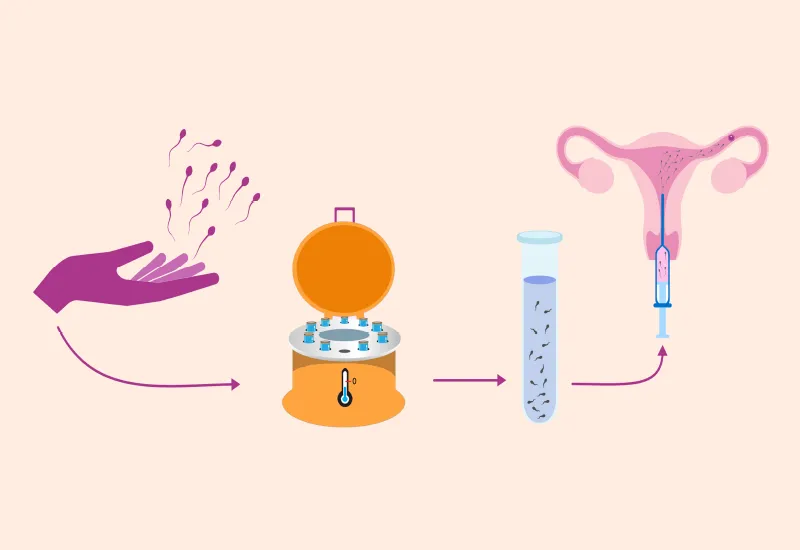
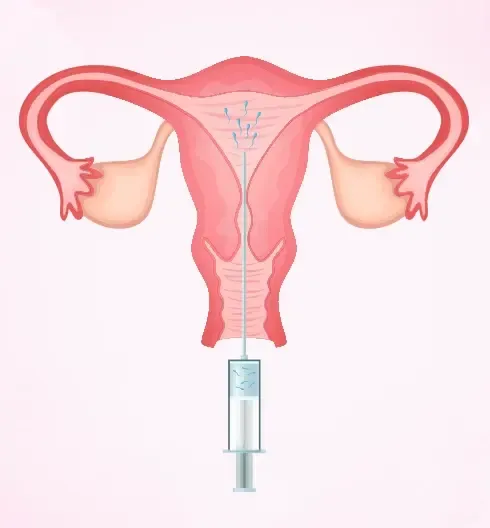
    illustration of the IUI process, showing sperm collection, preparation, and insertion into the uterus

    Fertility Coaches vs Traditional Therapy: Choosing the Best Approach for Your Fertility Needs

    Traditional therapy, also known as psychotherapy or counseling, is a form of mental health treatment that can help individuals and couples struggling with fertility issues. Therapists in this field have a broad range of training and may have experience working with clients on a variety of issues, including fertility struggles.

    Traditional therapy can help individuals and couples explore and address any underlying mental health concerns that may be impacting their fertility journey. These issues can include anxiety, depression, trauma, or relationship difficulties.

    One of the main benefits of traditional therapy is its focus on overall mental health and well-being. While fertility coaches may primarily focus on the fertility journey, traditional therapy can address a wide range of concerns that may be impacting an individual’s life. This can lead to improved overall mental health and coping strategies, which can be beneficial for the fertility journey as well.

    Choosing the Best Approach for Your Fertility Needs:

    When it comes to choosing between fertility coaches and traditional therapy, there is no right or wrong answer. It ultimately depends on your personal preferences and needs. However, there are a few factors to consider that can help you determine which approach may be best for you.

    For individuals who are primarily seeking guidance and support specifically related to their fertility journey, a fertility coach may be the best option. They can provide specialized knowledge, personalized support, and a deep understanding of the unique challenges of trying to conceive.

    On the other hand, if you are struggling with mental health concerns that may be impacting your fertility journey, traditional therapy may be a better fit. A therapist can help you address these concerns and develop coping strategies that can be beneficial for your overall well-being and the fertility journey.

    It’s also important to consider your budget and availability. Fertility coaches often charge for their services, while traditional therapy may be covered by insurance or offered at a lower cost. Additionally, fertility coaches may offer more flexible scheduling options, as they are not bound by the traditional therapy session structure.

    Ultimately, the most important factor is finding a supportive and trustworthy professional who can meet your specific needs and help you navigate the challenges of the fertility journey.

    In conclusion, both fertility coaches and traditional therapy can offer valuable support for individuals and couples struggling with fertility issues. While fertility coaches provide specialized knowledge and support for the fertility journey, traditional therapy can address a broader range of concerns that may be impacting an individual’s well-being. By considering your specific needs and preferences, you can determine which approach is best for you and find the support you need on your fertility journey.
  • Fertility Coaches: Nurturing Your Mind, Body, and Soul through the Fertility Journey

    Summary:

    The journey towards starting a family is an emotional and physically demanding process, especially for those struggling with fertility issues. In such a difficult and sensitive time, having a fertility coach by your side can make all the difference. Fertility coaches are trained professionals who provide support and guidance throughout the fertility journey, helping individuals and couples navigate the complex world of infertility. From addressing emotional and mental health concerns to implementing healthy lifestyle changes, fertility coaches offer a holistic approach to fertility, nurturing the mind, body, and soul. In this blog post, we will explore the role of fertility coaches and how they can support individuals and couples on their journey towards parenthood.

    Introduction:

    According to the World Health Organization, 1 in 4 couples worldwide experience fertility problems. The journey towards parenthood can be challenging and emotionally taxing for those struggling with infertility. The constant cycle of hope and disappointment, along with the physical and financial stress of fertility treatments, can take a toll on one’s mental and emotional well-being. This is where fertility coaches come in – to provide much-needed support and guidance during this difficult time.

    What is a Fertility Coach?

    A fertility coach is a trained professional who specializes in providing support and guidance to those struggling with infertility. They work closely with individuals and couples to help them navigate the complex world of fertility treatments while addressing underlying emotional and mental health concerns. Fertility coaches are not medical professionals, but they work in collaboration with fertility doctors and other healthcare providers to offer a holistic approach to fertility.

    Nurturing the Mind:

    The fertility journey can be emotionally draining, and it is essential to take care of one’s mental health during this time. Fertility coaches offer a safe and non-judgmental space for individuals and couples to express their feelings and emotions. They provide coping strategies and tools to manage stress, anxiety, and other mental health concerns that may arise during the fertility journey. Fertility coaches also help individuals and couples address any unresolved feelings or traumas related to infertility, which may be hindering their chances of conceiving.

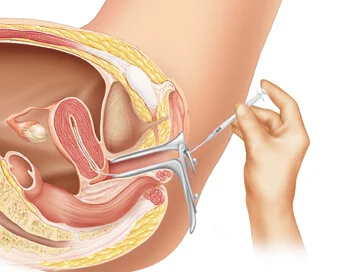
    illustration of intrauterine insemination procedure with a hand holding a speculum and syringe near the uterus

    Fertility Coaches: Nurturing Your Mind, Body, and Soul through the Fertility Journey

    Nurturing the Body:

    Fertility coaches also focus on nurturing the body through healthy lifestyle changes. They work with individuals and couples to develop personalized nutrition plans and exercise routines that support fertility and overall well-being. Fertility coaches also educate their clients about the impact of factors such as diet, exercise, and environmental toxins on fertility. They may also recommend alternative treatments such as acupuncture, yoga, or meditation to improve overall health and increase chances of conception.

    Nurturing the Soul:

    Infertility can take a toll on one’s spiritual well-being, and fertility coaches address this aspect as well. They help individuals and couples explore their beliefs and values and how they may be affecting their fertility journey. Fertility coaches also offer guidance on finding inner peace and acceptance, regardless of the outcome of fertility treatments. They may also incorporate relaxation techniques and mindfulness practices to help individuals and couples stay grounded and connected to their inner selves.

    Support throughout the Fertility Journey:

    Fertility coaches provide continuous support throughout the fertility journey. They are there to celebrate the highs and offer comfort during the lows. They also act as a liaison between their clients and the medical team, providing clarity and understanding of the treatments and procedures. Fertility coaches also offer practical advice and resources, such as support groups and online communities, for individuals and couples to connect with others going through a similar experience.

    Conclusion:

    The journey towards parenthood can be challenging, but having a fertility coach by your side can make all the difference. Fertility coaches offer a holistic approach to fertility, nurturing the mind, body, and soul. They provide support, guidance, and education to individuals and couples struggling with infertility, helping them navigate the complex world of fertility treatments. With their help, individuals and couples can feel empowered, supported, and emotionally prepared for the journey towards parenthood.

  • Fertility Coaches: Your Partner in Advocating for Your Fertility Needs

    Summary:

    Fertility is a deeply personal and sensitive topic for many individuals and couples. The journey to building a family can be filled with challenges, emotions, and uncertainties. In such a complex and overwhelming process, having a fertility coach by your side can provide invaluable support and guidance. Fertility coaches are trained professionals who specialize in supporting individuals and couples through their fertility journey. They serve as advocates, educators, and emotional support systems for their clients. In this blog post, we will explore the role of fertility coaches and how they can be your partner in advocating for your fertility needs.

    What is a fertility coach?

    A fertility coach is a professional who provides guidance and support to individuals and couples struggling with fertility issues. They are experts in the field of reproductive health and are trained to provide evidence-based information and emotional support to their clients. Fertility coaches work closely with their clients to understand their unique needs, concerns, and goals. They are equipped with the knowledge and resources to help their clients navigate the complex world of fertility treatments, adoption, and surrogacy.

    How can a fertility coach help you?

    1. Advocating for your needs

    Fertility coaches are strong advocates for their clients. They work closely with fertility clinics, doctors, and other healthcare professionals to ensure that their clients receive the best possible care. They serve as a bridge between their clients and medical professionals, ensuring that their clients’ needs and concerns are heard and addressed. Fertility coaches also help their clients understand their treatment options and make informed decisions based on their personal goals and values.

    2. Emotional support

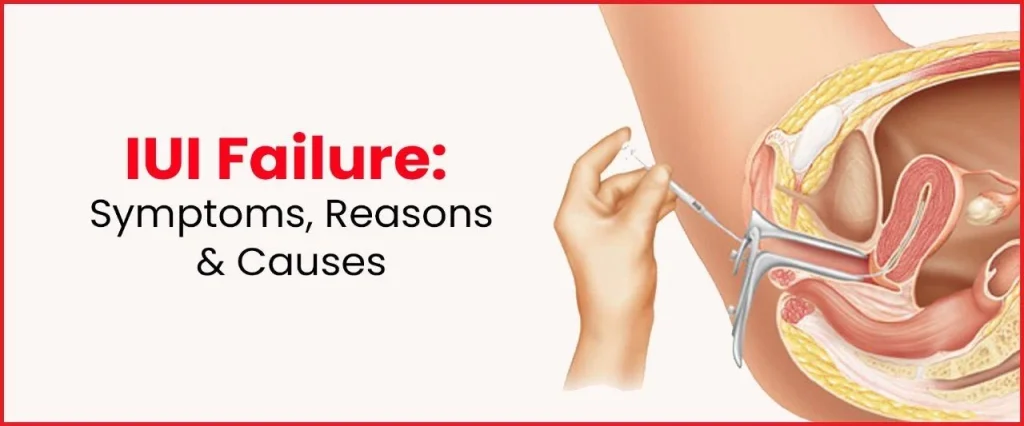
    illustration of IUI procedure with text on symptoms, reasons, and causes of IUI failure

    Fertility Coaches: Your Partner in Advocating for Your Fertility Needs

    Dealing with fertility challenges can take a toll on an individual’s emotional well-being. Fertility coaches provide a safe and non-judgmental space for their clients to express their feelings and concerns. They offer emotional support and coping strategies to help their clients navigate the ups and downs of their fertility journey. Fertility coaches also help their clients overcome any barriers to self-care and promote overall well-being.

    3. Education and resources

    The world of fertility treatments can be overwhelming and confusing. Fertility coaches are trained professionals who are up-to-date with the latest research and developments in the field of reproductive health. They provide their clients with evidence-based information and resources to help them make informed decisions about their fertility journey. Fertility coaches also offer educational workshops, webinars, and support groups to help their clients understand their options and feel empowered throughout the process.

    4. Personalized support

    No two fertility journeys are the same. Fertility coaches understand that each client has their own unique needs and goals. They offer personalized support to their clients, taking into consideration their individual circumstances, values, and preferences. Fertility coaches work closely with their clients to create a customized plan that meets their specific needs and helps them achieve their fertility goals.

    5. Support during pregnancy and postpartum

    Fertility coaches not only support their clients through the fertility treatment process but also during pregnancy and postpartum. They offer guidance and resources to help their clients have a healthy and successful pregnancy. Fertility coaches also provide support and tools to help new parents adjust to parenthood and navigate any challenges that may arise.

    In conclusion, fertility coaches can be a valuable partner in advocating for your fertility needs. They offer a wide range of services and support to help individuals and couples navigate their fertility journey with confidence, knowledge, and emotional well-being. If you are struggling with fertility issues, consider working with a fertility coach to have a knowledgeable and compassionate partner by your side.

  • Fertility Coaches and Nutrition: The Impact of Diet on Fertility

    Fertility Coaches and Nutrition: The Impact of Diet on Fertility

    Fertility is a topic that is often surrounded by myths and misconceptions. Many couples struggle with conceiving and often turn to fertility treatments without realizing that nutrition plays a crucial role in their fertility journey. This is where fertility coaches come in. These experts offer guidance on how to optimize nutrition for fertility, helping couples increase their chances of conceiving naturally. In this blog post, we will explore the role of fertility coaches and nutrition in improving fertility, as well as some dietary changes that can benefit those trying to conceive.

    The Role of Fertility Coaches

    Fertility coaches are professionals who specialize in helping couples improve their fertility through lifestyle changes, including nutrition. They work closely with clients to create customized plans tailored to their specific needs and goals. These coaches have extensive knowledge about fertility and are trained to identify potential roadblocks that may be hindering a couple’s ability to conceive.

    One of the main roles of fertility coaches is to educate their clients about the impact of nutrition on fertility. They help couples understand the importance of a well-balanced diet and how it can improve their chances of conceiving. Fertility coaches also provide support and motivation to their clients throughout their fertility journey, helping them stay on track and make positive changes.

    How Nutrition Affects Fertility

    The food we eat has a significant impact on our overall health, including our fertility. A poor diet can lead to nutrient deficiencies, hormonal imbalances, and other health issues that can affect fertility. On the other hand, a healthy and balanced diet can improve fertility by providing the necessary nutrients for reproductive health.

    One of the key nutrients for fertility is folic acid, which is essential for the development of a healthy baby. It is recommended that women who are trying to conceive take folic acid supplements and consume foods rich in this nutrient, such as leafy greens, legumes, and citrus fruits. Other important nutrients for fertility include iron, zinc, and vitamin D.

    In addition to providing essential nutrients, a healthy diet can also help regulate hormones. Hormonal imbalances can disrupt the menstrual cycle and ovulation, making it difficult to conceive. By consuming a diet that is rich in whole foods and low in processed foods, couples can help balance their hormones and improve their chances of conceiving.

    Dietary Changes for Fertility

    Fertility coaches work with their clients to create personalized meal plans that support fertility. These plans often include whole foods such as fruits, vegetables, whole grains, lean proteins, and healthy fats. They also recommend avoiding or limiting processed foods, added sugars, and unhealthy fats.

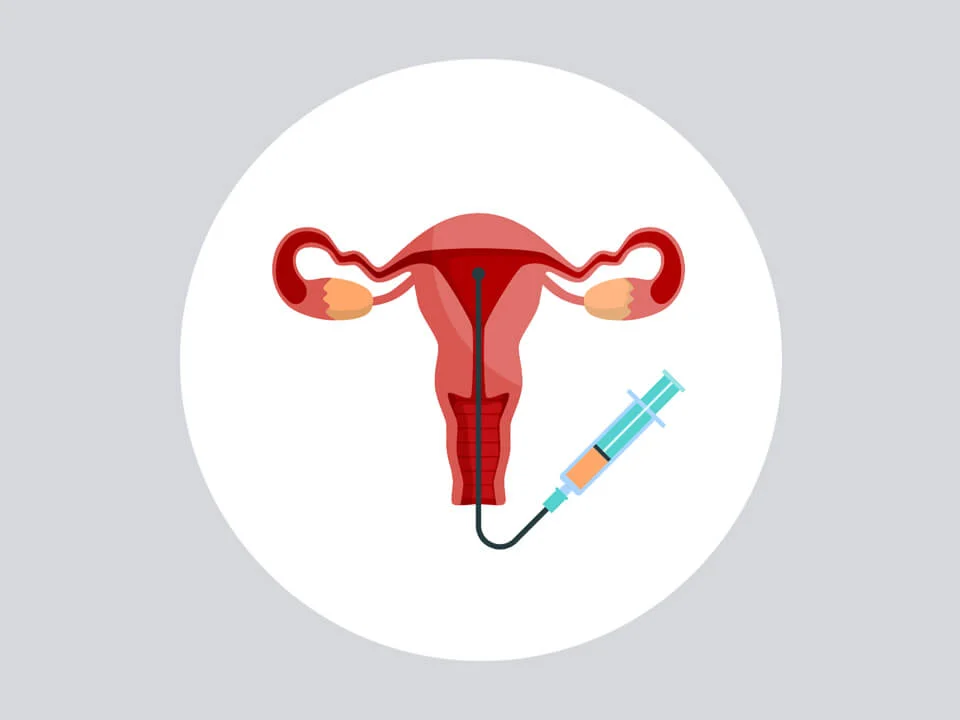
    Illustration of a uterus with a syringe indicating an intrauterine insemination procedure.

    Fertility Coaches and Nutrition: The Impact of Diet on Fertility

    Some dietary changes that can benefit those trying to conceive include:

    1. Eating a Mediterranean-style diet – This diet is rich in fruits, vegetables, whole grains, and healthy fats, and has been linked to improved fertility.

    2. Consuming more plant-based proteins – Plant-based proteins such as beans, lentils, and tofu are rich in iron and have been associated with better egg quality and ovulation.

    3. Including healthy fats – Healthy fats, such as those found in avocados, nuts, and olive oil, are important for reproductive health and can help regulate hormones.

    4. Avoiding trans fats – Trans fats, found in processed and fried foods, have been linked to ovulatory infertility, so it is best to limit consumption.

    5. Reducing caffeine and alcohol intake – High caffeine and alcohol intake have been associated with decreased fertility, so it is recommended to limit consumption or avoid them altogether.

    In addition to these dietary changes, fertility coaches also emphasize the importance of a healthy weight for fertility. Being underweight or overweight can affect hormone levels and ovulation, making it harder to conceive. Fertility coaches work with their clients to achieve a healthy weight through proper nutrition and exercise.

    The Impact of Diet on Male Fertility

    While most discussions about fertility focus on women, it is essential to note that diet plays a crucial role in male fertility as well. A healthy diet can improve sperm quality and quantity, increasing the chances of conception. On the other hand, a poor diet can lead to sperm abnormalities and decrease fertility.

    Fertility coaches work with both partners to improve their diet and overall health to maximize their chances of conceiving. They also recommend supplements and lifestyle changes that can benefit male fertility.

    In summary, fertility coaches play a vital role in helping couples improve their fertility through nutrition. By educating their clients about the impact of diet on fertility and providing personalized plans, these coaches can help couples achieve their dream of starting a family. Making dietary changes, along with other lifestyle modifications, can greatly improve fertility and increase the chances of conceiving naturally.

  • Fertility Coaches: Empowering Women to Take Charge of Their Reproductive Health

    Fertility is a topic that is often discussed in hushed tones and kept behind closed doors. For many women, the journey to becoming a mother can be filled with challenges, uncertainties, and even disappointment. However, with the help of fertility coaches, women are starting to take charge of their reproductive health and feel empowered in their fertility journey.

    What is a Fertility Coach?

    A fertility coach is a trained professional who specializes in supporting women on their fertility journey. These coaches use a combination of holistic and evidence-based approaches to help women optimize their reproductive health and navigate the emotional and physical challenges that come with trying to conceive. Fertility coaches are not medical professionals, but they work in close collaboration with doctors, nutritionists, and other healthcare practitioners to provide a comprehensive approach to fertility support.

    Empowering Women Through Education

    One of the key roles of a fertility coach is to educate women about their reproductive health. Many women are not fully aware of the complexities of their menstrual cycle and how it relates to their fertility. Fertility coaches help women understand their unique cycle, identify any potential issues, and make informed decisions about their fertility journey. By understanding their bodies and the various factors that can impact fertility, women are empowered to take control of their reproductive health.

    Supporting Women Emotionally

    Trying to conceive can take an emotional toll on women, especially when they face challenges along the way. Fertility coaches provide a safe and supportive space for women to express their feelings, fears, and frustrations. Through active listening and empathy, coaches help women navigate the rollercoaster of emotions that come with trying to conceive. They also provide coping strategies and tools to help women manage stress and anxiety, which can have a significant impact on fertility.

    Illustration of the IUI process, showing a syringe and catheter in the reproductive system.

    Fertility Coaches: Empowering Women to Take Charge of Their Reproductive Health

    Creating a Personalized Plan for Fertility

    Every woman’s fertility journey is unique, and there is no one-size-fits-all approach to improving reproductive health. Fertility coaches work closely with women to create personalized plans that address their specific needs and concerns. This may include recommendations for lifestyle changes, such as diet and exercise, as well as alternative therapies like acupuncture and herbal supplements. By taking a holistic approach, fertility coaches aim to optimize a woman’s overall health and well-being, which can positively impact fertility.

    Advocating for Self-Care

    In today’s fast-paced world, many women put their own needs and well-being on the backburner. However, when it comes to fertility, self-care is crucial. Fertility coaches emphasize the importance of self-care and provide strategies for women to prioritize their own health and wellness. This may include setting boundaries, practicing mindfulness, and incorporating self-care activities into daily routines. By prioritizing self-care, women can improve their overall health and fertility while also reducing stress and promoting a positive mindset.

    Navigating the Fertility Journey

    The journey to motherhood is not always a straightforward path. Fertility coaches are there to support women through the ups and downs, providing guidance and encouragement along the way. They help women navigate fertility treatments, manage expectations, and make informed decisions about their fertility journey. With their support, women can feel empowered to take control of their reproductive health and make choices that align with their values and goals.

    In conclusion, fertility coaches play a crucial role in empowering women to take charge of their reproductive health. Through education, emotional support, personalized plans, and advocacy for self-care, these coaches help women navigate the challenges of trying to conceive and feel empowered in their fertility journey. With their guidance and support, women are empowered to make informed decisions about their reproductive health and ultimately achieve their dream of becoming a mother.

  • Fertility Coaches vs Online Fertility Programs: Understanding the Differences

    Fertility Coaches vs Online Fertility Programs: Understanding the Differences

    When struggling with fertility, the journey to parenthood can be both emotionally and physically challenging. It can often feel overwhelming and isolating, with endless amounts of information and advice available online. In recent years, the rise of fertility coaches and online fertility programs has provided individuals and couples with more support and guidance through their fertility journey. However, it’s important to understand the differences between these two options and how they can best serve your needs. In this blog post, we will delve into the world of fertility coaches and online fertility programs, exploring their unique features, benefits, and limitations.

    Fertility Coaches: Personalized Support and Guidance

    Fertility coaches are trained professionals who offer personalized support and guidance to individuals and couples trying to conceive. They typically have a background in fertility medicine, counseling, or coaching, and use their expertise to help clients navigate the complex and emotional fertility journey.

    One of the main benefits of working with a fertility coach is the personalized support and guidance they provide. Unlike online programs, fertility coaches offer one-on-one sessions where they can tailor their approach to meet the specific needs and goals of their clients. This can include creating personalized fertility plans, providing emotional support, and offering guidance on lifestyle changes and alternative treatments.

    Additionally, fertility coaches can serve as a valuable source of information and education. They can help their clients understand the various fertility treatments and options available, as well as provide insights and tips on how to optimize fertility and increase the chances of conception.

    Another advantage of working with a fertility coach is the emotional support they offer. The fertility journey can be overwhelming and emotionally draining, and having someone to talk to who understands the challenges can be incredibly beneficial. Fertility coaches can provide a safe and non-judgmental space for clients to express their feelings and concerns, ultimately helping them cope with the stress and anxiety that often comes with trying to conceive.

    However, it’s important to note that fertility coaches are not medical professionals and cannot provide medical treatment or diagnose fertility issues. They can work alongside medical professionals to support their clients, but they do not replace them.

    Online Fertility Programs: Convenient and Accessible Resources

    Comparison of IUI and IVF, illustrating procedures and definitions for each fertility treatment.

    Fertility Coaches vs Online Fertility Programs: Understanding the Differences

    Online fertility programs, on the other hand, offer a more convenient and accessible option for those seeking support and guidance on their fertility journey. These programs typically consist of online courses, videos, and resources that can be accessed at any time and from anywhere.

    The main advantage of online fertility programs is their convenience. They can be accessed from the comfort of one’s home, making it easier for individuals and couples to fit them into their busy schedules. This can be especially beneficial for those who live in remote areas or have limited access to fertility resources.

    Another benefit of online fertility programs is their cost-effectiveness. Working with a fertility coach can be expensive, and not everyone has the means to afford it. Online programs offer a more affordable option, often with one-time payments or monthly subscriptions, making them accessible to a wider audience.

    Online fertility programs also provide a wealth of information and education on fertility. They often cover topics such as understanding fertility, optimizing fertility, and navigating fertility treatments. This can be particularly helpful for those who are just beginning their fertility journey and are seeking more information and guidance.

    However, the downside of online fertility programs is the lack of personalized support. While they may offer online forums or community groups for participants to connect and share their experiences, it’s not the same as having one-on-one support from a fertility coach. Additionally, online programs cannot provide the emotional support that many individuals and couples may need during this challenging time.

    Which Option is Right for You?

    There is no one-size-fits-all answer to this question, as each individual and couple’s needs and preferences are unique. Some may benefit greatly from the personalized support and guidance of a fertility coach, while others may find online programs to be a more convenient and accessible option.

    It’s important to carefully consider your needs and goals when deciding between a fertility coach and an online program. If you require personalized support and guidance, a fertility coach may be the better option. On the other hand, if you are seeking convenient and cost-effective resources, an online fertility program may be the way to go. It’s also worth considering a combination of both options, as they can complement each other and provide a more comprehensive approach to fertility support.

    In conclusion, fertility coaches and online fertility programs both offer valuable resources and support for individuals and couples on their fertility journey. By understanding the differences and benefits of each option, you can make an informed decision on which one best suits your needs and goals.

  • Fertility Coaches: Building a Strong Support System for Your Fertility Journey

    Summary:

    Fertility struggles can be emotionally and physically taxing, and many couples and individuals feel overwhelmed and lost when trying to navigate their journey towards parenthood. This is where fertility coaches come in – they provide a strong support system to help individuals and couples through their fertility journey. In this blog post, we will delve into the role of fertility coaches, the benefits of having one on your team, and how to choose the right coach for you.

    Firstly, what exactly is a fertility coach? A fertility coach is a trained professional who specializes in providing support and guidance to individuals and couples who are struggling with infertility. They work closely with their clients to create personalized plans, provide emotional support, and help navigate the complex world of fertility treatments.

    One of the main benefits of having a fertility coach is the emotional support they provide. Going through fertility struggles can be isolating and emotionally draining, and having someone to talk to who understands and can offer guidance can make a huge difference. Fertility coaches also act as a sounding board, helping their clients work through their emotions and fears, and providing a safe space to express their feelings without judgment.

    In addition to emotional support, fertility coaches also offer practical guidance. They are well-versed in the various fertility treatments available and can help their clients make informed decisions about which treatments may be best for them. They also provide education on fertility and reproductive health, helping their clients understand their bodies and the fertility process better.

    Comparison of IUI and IVF treatments with diagrams of reproductive anatomy.

    Fertility Coaches: Building a Strong Support System for Your Fertility Journey

    Another significant benefit of having a fertility coach is the personalized support they offer. Every individual’s fertility journey is unique, and a fertility coach recognizes this. They work closely with their clients to create personalized plans based on their specific needs, goals, and values. This individualized approach can be incredibly beneficial, as it allows clients to feel like they have a partner in their journey rather than a one-size-fits-all approach.

    Choosing the right fertility coach is crucial, as they will play a significant role in your fertility journey. The first step is to do your research and gather recommendations from friends, family, or your healthcare provider. You can also search for fertility coaches online and read reviews from past clients. Once you have a list of potential coaches, schedule a consultation with them to get a feel for their coaching style and see if it is a good fit for you. It is vital to choose someone you feel comfortable with and can trust to guide you through this sensitive and challenging process.

    In addition to individual fertility coaches, there are also group coaching programs available. These programs offer the benefits of individual coaching, but with the added support and camaraderie of a group setting. Many individuals find comfort in knowing they are not alone in their struggles and can connect with others who are going through a similar experience.

    One common misconception about fertility coaches is that they are only helpful for those undergoing fertility treatments. However, fertility coaches can also provide support for those who are trying to conceive naturally or considering alternative paths to parenthood, such as adoption or surrogacy. They can help individuals and couples navigate these options and provide support no matter what path they choose.

    In conclusion, fertility coaches play a vital role in supporting individuals and couples on their fertility journey. They offer emotional and practical guidance, personalized support, and can be a valuable part of your support system. If you are struggling with infertility, consider working with a fertility coach to help you navigate this challenging and emotional time.

  • Fertility Coaches: Your Personal Guide to Navigating the World of Fertility Treatments

    Summary:

    Fertility treatments can be a daunting and overwhelming experience for individuals and couples who are struggling to conceive. With so many options and information available, it can be challenging to navigate the world of fertility treatments alone. This is where fertility coaches come in – they serve as personal guides to support and empower individuals through their fertility journey. In this blog post, we will delve into the role of fertility coaches and how they can help individuals navigate the complex world of fertility treatments.

    Introduction:

    The journey towards parenthood is not always a straightforward one. Many individuals and couples face challenges when trying to conceive, and in some cases, they may need assistance from medical professionals to help them achieve their dream of having a child. This is where fertility treatments come in, offering a range of options to help individuals overcome their fertility struggles. However, with so many options and information available, it can be overwhelming and confusing for individuals to navigate on their own. This is where fertility coaches play a crucial role – to provide support, guidance, and education to individuals going through fertility treatments.

    What is a Fertility Coach?

    A fertility coach is a trained professional who specializes in supporting individuals and couples through their fertility journey. They provide emotional support, education, and guidance to help individuals make informed decisions and navigate the complex world of fertility treatments. Fertility coaches are not medical professionals, but they work in collaboration with medical providers to ensure their clients receive comprehensive and holistic care.

    How Can a Fertility Coach Help?

    1. Emotional Support:

    Going through fertility treatments can be a rollercoaster of emotions. From the initial diagnosis to the various procedures and treatments, individuals can experience feelings of stress, anxiety, and even grief. A fertility coach provides a safe and non-judgmental space for individuals to express their emotions and fears. They offer a listening ear and help individuals process their feelings, which can be therapeutic and empowering.

    2. Education and Information:

    test tube with sperm in blue liquid, promoting IUI success rate and factors influencing fertility.

    Fertility Coaches: Your Personal Guide to Navigating the World of Fertility Treatments

    Fertility treatments can be complex, and it can be challenging to understand all the options and information available. A fertility coach can help individuals understand the different procedures, their success rates, and potential side effects. They can also provide information on lifestyle changes that may improve fertility and answer any questions individuals may have about their treatment plan.

    3. Advocacy:

    Fertility coaches serve as advocates for their clients. They work closely with medical providers to ensure their clients’ needs are met and their questions are answered. They also help individuals communicate their wants and needs effectively, making them feel more in control of their fertility journey.

    4. Holistic Support:

    Fertility coaches take a holistic approach to support their clients’ well-being. They understand that fertility is not just a physical issue but also an emotional and mental one. They may recommend complementary therapies such as acupuncture, nutrition, or mindfulness techniques to help individuals feel more relaxed and improve their overall well-being.

    5. Decision-Making Support:

    With so many options available, making decisions about fertility treatments can be overwhelming. Fertility coaches can help individuals weigh the pros and cons of different treatment options, considering their unique circumstances and goals. This support can be beneficial in reducing the stress and anxiety associated with making such significant decisions.

    Do You Need a Fertility Coach?

    Deciding whether to work with a fertility coach is a personal choice. However, if you are feeling overwhelmed, stressed, or in need of emotional support during your fertility journey, a fertility coach can be a valuable resource. They can provide you with the tools and support you need to navigate the complex world of fertility treatments, making your journey less stressful and more manageable.

    In conclusion, fertility coaches play a vital role in supporting individuals and couples through their fertility journey. They provide emotional support, education, advocacy, and holistic care to help individuals make informed decisions and navigate the complex world of fertility treatments. If you are struggling with fertility issues, consider working with a fertility coach to help you through this challenging journey.

  • Fertility Coaching: Setting Realistic Goals for Your Fertility Journey

    Blog Post:

    Fertility struggles can be emotionally and physically draining for couples trying to conceive. The journey towards parenthood can be filled with uncertainty, disappointment, and frustration. It is common for couples to feel overwhelmed and unsure about what steps to take next in their fertility journey. This is where fertility coaching comes in. Fertility coaching is a specialized form of coaching that focuses on providing support, guidance, and resources to individuals and couples who are struggling with fertility issues. In this blog post, we will discuss the importance of setting realistic goals in your fertility journey and how fertility coaching can help you achieve them.

    Why Setting Realistic Goals is Important in Your Fertility Journey:

    When it comes to fertility, it is easy to get caught up in the desire to conceive quickly and easily. For many couples, the thought of not being able to have a child can be devastating. This can lead to setting unrealistic and unattainable goals, which can further add to the stress and pressure of trying to conceive. However, setting realistic goals is crucial for maintaining your emotional well-being and increasing your chances of success.

    First and foremost, setting realistic goals can help you manage your expectations. It is essential to understand that fertility is a complex process and that there are factors that are beyond our control. By setting realistic goals, you are acknowledging that there may be challenges along the way and that it may take time to achieve your desired outcome. This can help you stay grounded and avoid feeling disappointed or defeated if things do not go as planned.

    Moreover, setting realistic goals can also help you develop a more positive mindset. When you have a clear understanding of what is achievable, you are more likely to stay motivated and focused on your fertility journey. This can help you maintain a positive attitude and reduce the negative emotions associated with fertility struggles, such as stress, anxiety, and depression.

    How Fertility Coaching Can Help You Set Realistic Goals:

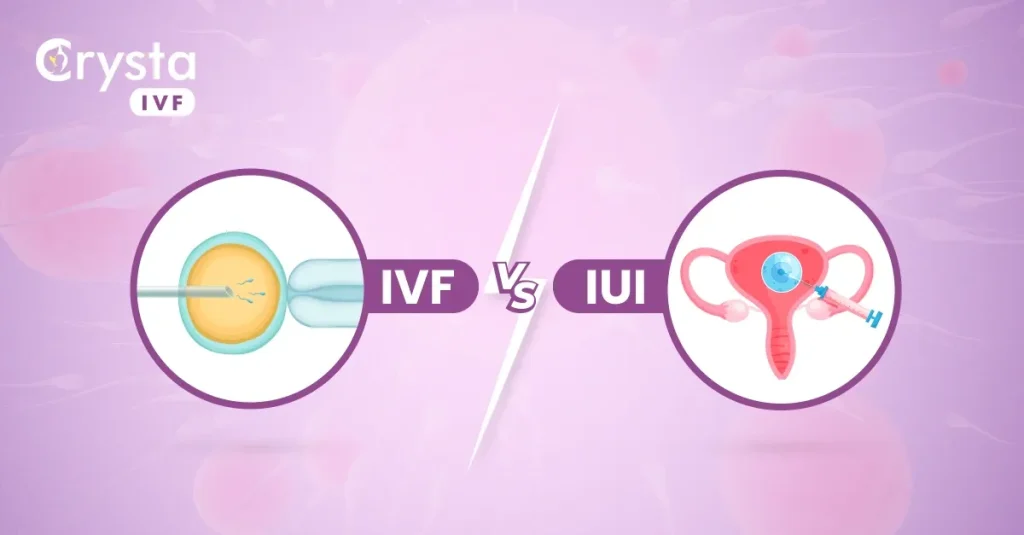
    Comparison of IVF and IUI procedures with illustrations of each method.

    Fertility Coaching: Setting Realistic Goals for Your Fertility Journey

    Fertility coaching is a valuable resource for individuals and couples who are struggling with fertility issues. Fertility coaches are trained professionals who specialize in providing support, guidance, and resources to help individuals and couples achieve their fertility goals. Here are some ways fertility coaching can help you set realistic goals for your fertility journey:

    1. Understanding your fertility options: Fertility coaches have extensive knowledge and understanding of the various fertility treatments and options available. They can help you navigate through the overwhelming amount of information and make informed decisions about your fertility journey. A fertility coach can also provide you with valuable insights into the success rates, risks, and costs associated with different fertility treatments, which can help you set realistic goals that align with your personal and financial situation.

    2. Identifying your strengths and weaknesses: Fertility coaches can help you identify your strengths and weaknesses when it comes to your fertility journey. This can include your physical health, emotional well-being, and any underlying fertility issues. By understanding your strengths and weaknesses, you can set realistic goals that take into account your limitations and work towards improving them.

    3. Creating a personalized plan: Every individual and couple’s fertility journey is unique. Fertility coaches can work with you to create a personalized plan that is tailored to your specific needs and goals. This can include setting realistic timelines and milestones, as well as outlining the steps you need to take to achieve your fertility goals.

    4. Providing emotional support: Fertility struggles can take a toll on your emotional well-being. Fertility coaches can provide you with much-needed emotional support throughout your fertility journey. They can help you manage the stress and anxiety associated with fertility issues and provide you with coping strategies to help you stay positive and motivated.

    5. Holding you accountable: Fertility coaches can also act as your accountability partner. They can help you stay on track with your fertility goals and provide you with the support and motivation you need to keep going, even when things get tough.

    In summary, setting realistic goals is crucial in your fertility journey. It can help you manage your expectations, maintain a positive mindset, and increase your chances of success. Fertility coaching can be a valuable resource in helping you set realistic goals and achieve them. By working with a fertility coach, you can receive the support, guidance, and resources you need to navigate through your fertility journey and increase your chances of conceiving.

    In conclusion, fertility coaching is a valuable resource for individuals and couples struggling with fertility issues. By setting realistic goals with the help of a fertility coach, you can increase your chances of success while maintaining your emotional well-being. If you are currently on a fertility journey, consider seeking the support and guidance of a fertility coach to help you set realistic goals and achieve your dream of starting a family.

  • Fertility Coaches and Counselors: Teamwork for Optimal Fertility

    Blog Post: Fertility Coaches and Counselors: Teamwork for Optimal Fertility

    The journey to parenthood can be an emotional and challenging one, especially for those who struggle with fertility. For many couples and individuals, the process of trying to conceive can feel overwhelming and isolating. This is where the support and guidance of fertility coaches and counselors can make a significant difference. By working together as a team, these professionals can provide comprehensive support and resources to help individuals and couples achieve optimal fertility.

    What is a Fertility Coach?

    A fertility coach is a trained professional who specializes in supporting individuals and couples on their fertility journey. They provide coaching, education, and guidance to help clients navigate the physical, emotional, and psychological challenges of trying to conceive. Fertility coaches work with clients to identify any underlying issues that may be affecting their fertility, create personalized plans to optimize their fertility, and provide emotional support throughout the process.

    The Role of a Fertility Counselor

    On the other hand, fertility counselors are mental health professionals who specialize in working with individuals and couples struggling with fertility issues. They offer a safe and supportive space for clients to explore their emotions and concerns related to fertility. Fertility counselors can help clients cope with the stress, grief, and anxiety that often come with fertility struggles, as well as provide tools and techniques to improve mental and emotional well-being.

    The Benefits of Teamwork between Fertility Coaches and Counselors

    Illustration of a uterus with a syringe, representing intrauterine insemination (IUI) procedure.

    Fertility Coaches and Counselors: Teamwork for Optimal Fertility

    While both fertility coaches and counselors play crucial roles in supporting individuals and couples on their fertility journey, they are often seen as separate entities. However, when these two professionals work together as a team, the benefits for their clients are numerous. Here are some of the advantages of teamwork between fertility coaches and counselors:

    1. Holistic Approach: Fertility coaches and counselors each bring a unique set of skills and expertise to the table. By working together, they can provide a more comprehensive and holistic approach to fertility support. Fertility coaches can focus on the physical aspects of fertility, such as diet, exercise, and medical treatments, while fertility counselors can address the emotional and psychological aspects.

    2. Addressing Underlying Issues: Fertility coaches and counselors can work together to identify any underlying issues that may be affecting fertility. For example, a fertility coach may notice patterns in a client’s diet or lifestyle that could be impacting their fertility, while a fertility counselor may uncover underlying emotional issues that could be contributing to fertility challenges.

    3. Personalized Support: With both a fertility coach and counselor on their team, clients can receive personalized support and guidance tailored to their specific needs. Fertility coaches and counselors can collaborate to create a customized plan for each client, taking into account their physical, emotional, and psychological well-being.

    4. Emotional Support: Dealing with fertility struggles can take a toll on one’s emotional well-being. By having a fertility counselor on their team, clients have a safe and supportive space to process their feelings and concerns. This emotional support can be invaluable in helping clients cope with the ups and downs of trying to conceive.

    5. Improved Communication: Fertility coaches and counselors can help improve communication between clients and their medical team. They can act as an advocate for their clients, helping them ask the right questions and understand all aspects of their fertility treatment. This can lead to better decision-making and a more positive experience overall.

    6. Increased Success Rates: Studies have shown that the combination of fertility coaching and counseling can lead to increased success rates for fertility treatments. By addressing both the physical and emotional aspects of fertility, clients may experience improved outcomes and a higher chance of conceiving.

    In summary, the fertility journey can be challenging, but with the support and guidance of a fertility coach and counselor working together as a team, individuals and couples can achieve optimal fertility. By taking a holistic approach, addressing underlying issues, and providing personalized support and emotional care, fertility coaches and counselors can make a significant difference in the lives of their clients.