Tag: Parenthood

  • Breaking Down the Differences: Egg Donation vs Egg Freezing

    Breaking Down the Differences: Egg Donation vs Egg Freezing

    Egg donation and egg freezing are two methods that women can use to preserve their fertility or help others achieve parenthood. While both involve the use of eggs, there are significant differences between the two processes. In this blog post, we will break down the key differences between egg donation and egg freezing, including their purpose, procedure, and potential impact on the donor or recipient.

    Purpose:

    The primary purpose of egg donation is to help individuals or couples who are struggling with infertility. This could be due to various reasons such as advanced maternal age, medical conditions, or same-sex partnerships. In egg donation, a woman donates her eggs to be fertilized by sperm and transferred to the recipient’s uterus, resulting in pregnancy and potential parenthood. On the other hand, egg freezing is a method used to preserve a woman’s fertility for future use. It involves retrieving and freezing a woman’s eggs for later use in in vitro fertilization (IVF) or other fertility treatments. This allows women to delay pregnancy and have a biological child when they are ready, even if they are facing age-related fertility decline or medical treatments that may affect their fertility.

    Procedure:

    The process of egg donation and egg freezing also differs significantly. In egg donation, the donor must undergo a series of medical and psychological screenings to ensure they are physically and emotionally prepared for the process. This includes blood tests, ultrasounds, and genetic screening. Once cleared, the donor will undergo ovarian stimulation with hormones to produce multiple eggs. The eggs are then retrieved through a minor surgical procedure and used for fertilization in a laboratory. The recipient will then undergo embryo transfer, and if successful, pregnancy may occur.
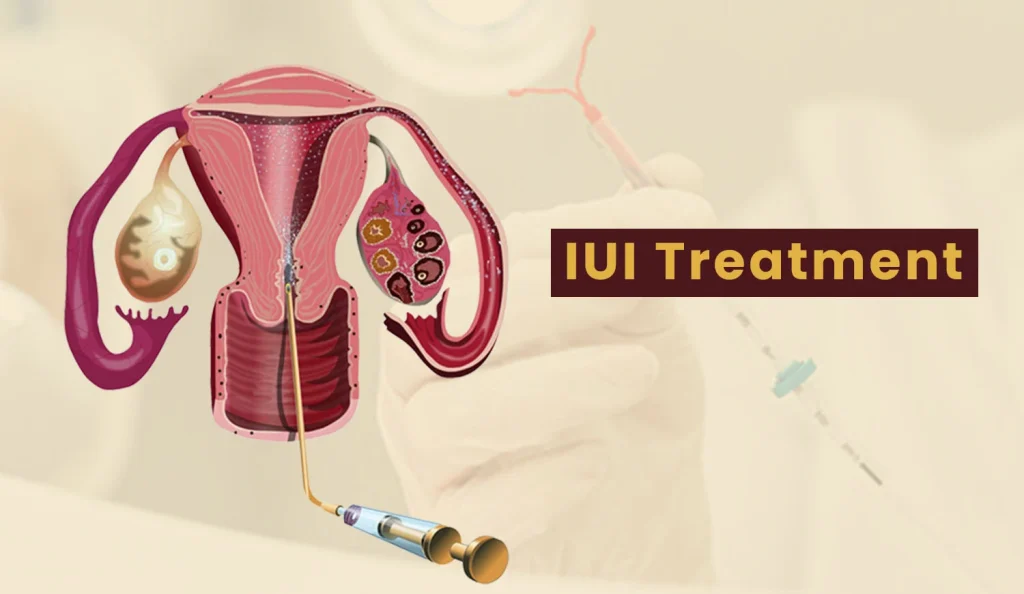
    illustration of the uterus and ovaries with a syringe, labeled "IUI Treatment" in the background

    Breaking Down the Differences: Egg Donation vs Egg Freezing

    Egg freezing, on the other hand, involves a similar initial process of medical and psychological screenings. However, the main difference is that instead of donating eggs to someone else, the woman’s eggs are retrieved and frozen for her own future use. The procedure for retrieving the eggs is the same as egg donation, and they are then cryopreserved until the woman is ready to use them. When she decides to use her frozen eggs, they are thawed and fertilized with sperm in a laboratory, and the resulting embryo is transferred to her uterus.

    Potential Impact:

    Another significant difference between egg donation and egg freezing is the potential impact on the donor or recipient. Egg donation can have a significant emotional, physical, and ethical impact on the donor. The donor may experience side effects from the hormone injections, and the egg retrieval procedure carries some risks, including bleeding, infection, or damage to the ovaries. The donor may also have to deal with the emotional impact of giving away their genetic material and may have ongoing contact with the recipient and their child.

    On the other hand, egg freezing has less of an impact on the woman undergoing the procedure as it is primarily for her own benefit. However, there may still be emotional and financial implications as the process can be costly and may require multiple rounds of egg retrieval for a successful pregnancy. Additionally, there is no guarantee that the frozen eggs will result in a successful pregnancy, and the woman may still face age-related fertility decline even with the use of her frozen eggs.

    In terms of impact on the recipient, egg donation can be a life-changing experience as it allows them to fulfill their dream of becoming a parent. However, there may be ethical concerns about the use of donor eggs and the potential impact on the child’s identity and relationship with their parents. On the other hand, egg freezing allows the woman to have a biological child later in life, giving her more control over her fertility and family planning. However, there may still be ethical concerns about the potential effects on the child’s health and well-being due to the use of frozen eggs.

    In summary, egg donation and egg freezing are two distinct methods that serve different purposes. Egg donation aims to help individuals or couples achieve parenthood, while egg freezing allows women to preserve their fertility for future use. The procedures and potential impact on the donor and recipient also differ significantly. While egg donation can have a significant emotional and ethical impact, egg freezing is primarily for the woman’s own benefit but may still have implications for her future family planning.

    In conclusion, both egg donation and egg freezing have their unique benefits and considerations. It is essential for individuals to carefully consider their options and consult with their healthcare provider before deciding on which method is right for them. Whether it is helping someone else in their journey to parenthood or preserving one’s own fertility, egg donation and egg freezing can make a significant difference in people’s lives.
  • Choosing Your Path: Single Motherhood vs Traditional Family Planning for LGBTQ+ Individuals

    Blog Post Title: Choosing Your Path: Single Motherhood vs Traditional Family Planning for LGBTQ+ Individuals

    Summary:

    In today’s society, the traditional notion of a family has evolved to include a wide range of diverse family structures. For LGBTQ+ individuals, the decision to start a family may bring about unique challenges and considerations. One of the biggest decisions to make when starting a family as an LGBTQ+ individual is whether to pursue single motherhood or traditional family planning. While both paths have their own set of pros and cons, it ultimately comes down to what is best for the individual and their future family.

    Single Motherhood:

    Choosing to become a single mother as an LGBTQ+ individual can be a daunting but empowering decision. It allows individuals to take control of their own reproductive choices and create a family on their own terms. For single LGBTQ+ individuals, becoming a parent through donor insemination or adoption provides a sense of fulfillment and purpose. It also eliminates the societal pressure to conform to traditional family structures and roles.

    However, single motherhood also comes with its challenges. The financial burden of raising a child on one income may be overwhelming, and the lack of a partner for emotional and physical support can be difficult. Single mothers also face the possibility of discrimination and stigmatization from society, which can make the journey even more challenging.

    Traditional Family Planning:

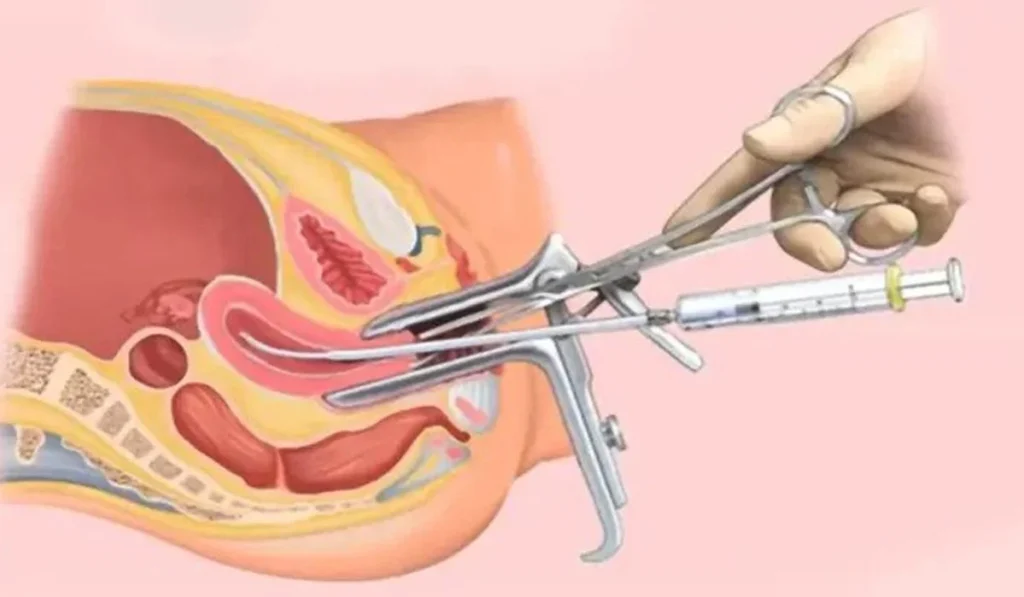
    illustration of an intrauterine insemination procedure with medical instruments and anatomical details

    Choosing Your Path: Single Motherhood vs Traditional Family Planning for LGBTQ+ Individuals

    For LGBTQ+ couples, traditional family planning may involve exploring options such as adoption, surrogacy, or co-parenting. These options allow for a shared experience of parenthood and the opportunity to raise a child as a family unit. Traditional family planning also provides the support and stability of a partner, which can be beneficial for both the parents and the child.

    However, the process of traditional family planning can be complex and expensive. Adoption and surrogacy can involve lengthy legal procedures, and co-parenting may require careful consideration and communication between all parties involved. LGBTQ+ individuals may also face discrimination during the process, making it emotionally and mentally taxing.

    Factors to Consider:

    When deciding between single motherhood and traditional family planning, there are several factors that LGBTQ+ individuals should consider. These include their financial stability, emotional readiness, and support system. It is important to have a strong support system in place, whether it is through friends, family, or a community of other LGBTQ+ individuals and families.

    Another important factor to consider is the legal rights and protections of both the parents and the child. In some places, single parenthood may not be recognized, and legal rights may be limited for LGBTQ+ parents. It is crucial to research and understand the legal implications of each option before making a decision.

    Ultimately, the decision between single motherhood and traditional family planning should be based on what feels right for the individual or couple. Every family is unique, and what works for one may not work for another. It is important for LGBTQ+ individuals to trust their instincts and make the best decision for themselves and their future family.

    In conclusion, starting a family as an LGBTQ+ individual is a personal and life-changing decision. Whether one chooses single motherhood or traditional family planning, both paths have their own set of challenges and rewards. By considering the factors mentioned above and trusting one’s instincts, LGBTQ+ individuals can choose the path that feels right for them and embark on the journey of parenthood with confidence and pride.

  • The Single Motherhood Choice: Finding Peace and Happiness

    Blog Post:

    For many women, the decision to become a single mother is not an easy one. It can be a daunting and overwhelming journey, filled with challenges and uncertainties. Yet, for those who have made this choice, it can also be a path to finding peace and happiness.

    There are many reasons why a woman may choose to become a single mother. It could be due to a failed relationship, infertility, or simply a desire to have a child without a partner. Whatever the reason may be, the decision to embark on this journey requires courage, strength, and a strong sense of self.

    One of the first things that a single mother needs to do is to let go of any guilt or shame associated with her decision. Society often places a stigma on single mothers, portraying them as irresponsible or incapable of raising a child on their own. However, the reality is that single mothers are just as capable of providing a loving and nurturing environment for their child as any two-parent household.

    It’s also important for single mothers to surround themselves with a support system, whether it be family, friends, or other single mothers who understand and can offer guidance and encouragement. Building a network of people who can help with childcare, emotional support, and practical advice can make a huge difference in a single mother’s journey.

    Another crucial aspect of finding peace and happiness as a single mother is to prioritize self-care. It’s easy for single mothers to get caught up in the demands of parenting and neglect their own well-being. However, taking care of oneself is essential for maintaining physical, emotional, and mental balance. This can include simple acts like taking a walk, practicing mindfulness, or indulging in a hobby. It’s also important to make time for rest and relaxation, as parenthood can be exhausting, especially when done alone.

    One of the biggest challenges that single mothers face is balancing work and parenting. Many single mothers have to juggle full-time jobs while also being the sole caregiver for their child. This can be overwhelming and lead to feelings of guilt and inadequacy. However, it’s important for single mothers to remember that they are doing the best they can and that their child is their top priority. Finding a flexible job or creating a schedule that allows for quality time with their child can help alleviate some of the stress.

    IVF vs IUI comparison with illustrations of reproductive processes and a flower on a pregnant belly.

    The Single Motherhood Choice: Finding Peace and Happiness

    It’s also crucial for single mothers to maintain a positive mindset and outlook. It’s easy to get bogged down by the challenges of single motherhood, but focusing on the blessings and joys of raising a child can bring a sense of peace and happiness. Practicing gratitude and finding joy in the little things can be helpful in shifting one’s perspective.

    As a single mother, it’s also important to establish boundaries and learn to say no. With the responsibilities of parenting and potentially working, it’s easy to spread oneself too thin. Learning to set boundaries and say no to things that do not align with one’s priorities can help reduce stress and create a sense of balance.

    One of the most significant benefits of single motherhood is the close bond that is formed between a mother and her child. Being the sole caregiver, a single mother has the opportunity to develop a deep and meaningful relationship with her child. This bond can bring great joy and fulfillment to both the mother and child.

    In addition to finding peace and happiness in their own lives, single mothers also have the opportunity to be role models for their children. By showing strength, resilience, and independence, single mothers can teach their children valuable life lessons and instill important values.

    In conclusion, the decision to become a single mother is a personal and unique one. While it may come with its own set of challenges, it can also lead to a fulfilling and happy life. By letting go of guilt and shame, building a support system, prioritizing self-care, maintaining a positive mindset, and setting boundaries, single mothers can find peace and happiness in their journey. They also have the opportunity to create a strong bond with their child and be an inspiration for the next generation.

    Summary:

    The decision to become a single mother is a personal and often difficult one. However, it can also lead to a fulfilling and happy life. To find peace and happiness in this journey, single mothers should let go of guilt and shame, build a support system, prioritize self-care, maintain a positive mindset, and establish boundaries. They also have the opportunity to create a strong bond with their child and be role models for the next generation.

  • Single Motherhood: Navigating Career and Parenthood

    Blog Post: Single Motherhood: Navigating Career and Parenthood

    Being a single mother is a challenging but rewarding experience. Not only do you have to navigate the ups and downs of parenthood, but you also have the added responsibility of providing for your family on your own. One of the biggest challenges that single mothers face is balancing their career and parenthood. With limited time and resources, it can be a daunting task to juggle both effectively. However, with the right strategies and support, single mothers can successfully navigate their career while also being present and involved in their children’s lives. In this blog post, we will discuss some practical tips and advice for single mothers to help them navigate career and parenthood.

    1. Find a Flexible Career Path

    One of the biggest challenges for single mothers is finding a career that allows them to balance work and family life. That’s why it’s crucial to find a job with flexible working hours. This could mean working remotely, part-time, or freelancing. Flexible jobs can give single mothers the freedom to schedule work around their children’s needs, such as school hours and extracurricular activities. It also allows them to be present for important moments in their children’s lives, such as school events and doctor’s appointments. Additionally, a flexible career path can reduce the need for expensive childcare, which can be a significant burden for single mothers.

    2. Utilize Support Systems

    As a single mother, it’s vital to have a support system in place. This could include family members, friends, or other single mothers who can help with childcare or offer emotional support. It’s essential to communicate with your support system and let them know when you need help. Many single mothers struggle with asking for help, but it’s crucial to remember that it takes a village to raise a child. Don’t be afraid to reach out and ask for assistance when needed. Utilizing a support system can also provide a sense of community and belonging, which can be beneficial for both the mother and child.

    3. Set Realistic Expectations

    It’s essential for single mothers to set realistic expectations for themselves. Trying to do it all and be a supermom can quickly lead to burnout and feelings of inadequacy. It’s crucial to prioritize and focus on what’s most important. For example, it’s okay to let go of non-essential tasks like a perfectly clean house or gourmet meals every night. Instead, focus on spending quality time with your children and taking care of yourself. It’s also essential to communicate with your employer and set realistic expectations for your work. Be honest about your situation and communicate any limitations or needs you may have as a single mother. Setting realistic expectations can help alleviate stress and pressure, allowing you to be a better parent and employee.

    4. Invest in Self-Care

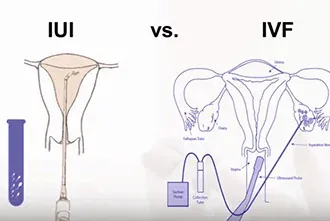
    Comparison of IUI and IVF treatments with diagrams of reproductive anatomy.

    Single Motherhood: Navigating Career and Parenthood

    As a single mother, it’s easy to put your needs last, but self-care is crucial for your well-being. Taking care of yourself physically, mentally, and emotionally is vital to be the best parent and employee you can be. Make time for yourself, whether it’s through exercise, hobbies, or simply relaxing with a good book. It’s also essential to prioritize your health by getting regular check-ups and seeking help when needed. Remember, you can’t pour from an empty cup, so taking care of yourself is necessary for both you and your children.

    5. Be Open and Honest with Your Children

    Single mothers often feel guilty about not being able to spend as much time with their children due to work commitments. That’s why it’s crucial to be open and honest with your children about your situation. Explain to them why you have to work and assure them that you still love and care for them deeply. It’s also essential to involve your children in your work life when possible. For example, you can talk to them about your job or bring them to your workplace for a visit. This can help children understand and appreciate the hard work their mother does to provide for them. It also teaches them valuable lessons about responsibility and work ethic.

    6. Seek Out Resources

    There are many resources available for single mothers to help them navigate career and parenthood. These resources can offer financial assistance, emotional support, and even career guidance. For example, there are non-profit organizations that provide childcare subsidies for low-income single mothers. There are also support groups and online communities where single mothers can connect and share their experiences. Additionally, there are mentorship programs that can provide guidance and support for single mothers looking to advance their careers. Don’t be afraid to reach out and utilize these resources to make your life as a single mother easier.

    7. Be Kind to Yourself

    Finally, it’s essential to be kind to yourself. As a single mother, you are doing the best you can in a challenging situation. Remember that it’s okay to make mistakes and that you don’t have to be perfect. Cut yourself some slack and focus on the positive aspects of your life. Celebrate your achievements, big or small, and practice gratitude. Being kind to yourself is crucial for your mental well-being and can help you navigate the challenges of single motherhood with a more positive mindset.

    In conclusion, being a single mother is not an easy journey, but it’s one that can be navigated successfully with the right strategies and support. By finding a flexible career path, utilizing support systems, setting realistic expectations, investing in self-care, being open and honest with your children, seeking out resources, and being kind to yourself, single mothers can find a balance between career and parenthood. Remember, you are not alone, and with determination and perseverance, you can thrive as a single mother and provide a fulfilling life for both you and your children.

    Summary:

    Single motherhood comes with its own set of challenges, especially when it comes to balancing career and parenthood. However, with the right strategies and support, single mothers can successfully navigate both aspects of their lives. These strategies include finding a flexible career path, utilizing support systems, setting realistic expectations, investing in self-care, being open and honest with children, seeking out resources, and being kind to oneself. By implementing these tips, single mothers can find a balance between work and family life, leading to a more fulfilling and rewarding experience as a single mother.

  • The Unique Challenges of Single Motherhood vs Traditional Family Planning

    Blog Post:

    Single motherhood and traditional family planning are two very different paths to parenthood. While both have their own sets of challenges, there are some unique challenges that single mothers face that are not experienced by those in traditional families. In this blog post, we will explore the unique challenges of single motherhood versus traditional family planning and how these challenges can impact the lives of single mothers and their children.

    One of the most significant challenges faced by single mothers is the lack of a partner’s support. Traditional family planning involves two parents working together to raise a child, whereas single mothers have to handle everything on their own. This includes financial responsibilities, decision-making, and emotional support for their children. Raising a child as a single mother can be overwhelming and emotionally draining, especially if there is no support system in place.

    Financial stability is another major challenge faced by single mothers. Traditional families often have two incomes to rely on, making it easier to provide for their children. However, single mothers often have to juggle multiple jobs to make ends meet, which can lead to exhaustion and stress. The lack of financial stability can also have a direct impact on the child, as they may not have access to the same resources and opportunities as children from traditional families.

    Another unique challenge of single motherhood is the societal stigma attached to it. Single mothers are often judged and viewed negatively by society, which can lead to feelings of shame and isolation. This stigma can also make it challenging for single mothers to find support and resources that are vital for their well-being and that of their children. It can also affect their children’s self-esteem and their relationships with their peers.

    The emotional toll of single motherhood is another significant challenge. Single mothers not only have to deal with their own emotions but also those of their children. Children of single mothers may struggle with feelings of abandonment, anger, and confusion, which can be difficult for single mothers to navigate. Single mothers also have to manage their own feelings of guilt and loneliness, as they may feel like they are not doing enough for their children.

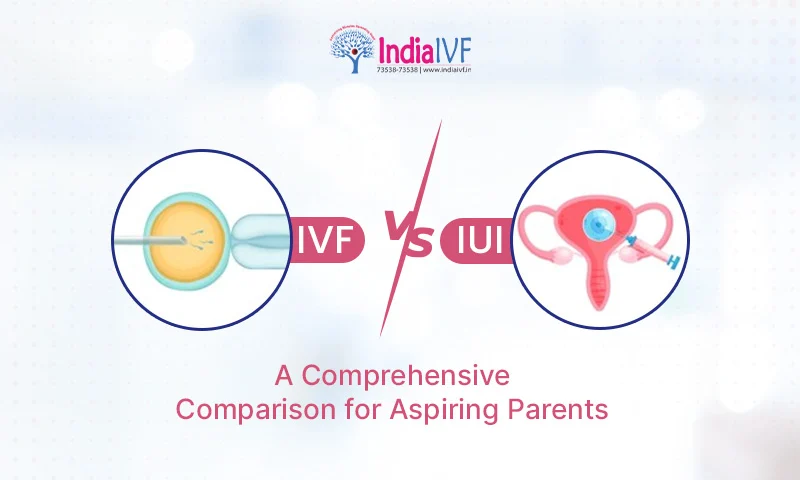
    IVF vs IUI comparison graphic highlighting reproductive methods for aspiring parents.

    The Unique Challenges of Single Motherhood vs Traditional Family Planning

    One of the unique challenges of traditional family planning is the pressure to conform to societal norms. In traditional families, there is an expectation to follow a certain path in life, which often includes getting married and having children. This pressure can make it challenging for couples who may not be ready or willing to have children. It can also lead to couples feeling inadequate or judged if they are unable to conceive or choose not to have children.

    Traditional family planning also comes with the challenge of balancing work and family life. In today’s society, both parents are often working, which can make it challenging to find a balance between work and family responsibilities. This can result in parents feeling burnt out and not spending enough quality time with their children, leading to feelings of guilt and regret.

    One of the most significant challenges faced by traditional families is the impact of divorce or separation. When a traditional family breaks apart, it can have a significant impact on the children involved. They may struggle with feelings of loss and confusion, and the family dynamic may change drastically. This can also be a challenging time for the parents, as they have to navigate co-parenting and adjusting to life as a single parent.

    In conclusion, single motherhood and traditional family planning both come with their own unique challenges. Single mothers face the lack of support and financial stability, as well as societal stigma and emotional toll. On the other hand, traditional families may struggle with the pressure to conform to societal norms, balancing work and family life, and the impact of divorce or separation. It is essential to recognize and understand these challenges to provide support and resources for both single mothers and traditional families.

    Summary:

    Single motherhood and traditional family planning are two different paths to parenthood with their own sets of challenges. While traditional families have the support of two parents, single mothers have to handle everything on their own. Financial stability, societal stigma, emotional toll, pressure to conform, and balancing work and family life are some of the unique challenges faced by single mothers and traditional families. Understanding and recognizing these challenges are crucial to providing support and resources for both single mothers and traditional families.

  • Single Motherhood: Choosing to Be a Parent on Your Own Terms

    Blog Post: Single Motherhood: Choosing to Be a Parent on Your Own Terms

    Motherhood is often seen as a traditional role that is fulfilled within the confines of marriage or a committed relationship. However, in recent years, there has been a rise in the number of single mothers, who have chosen to become parents on their own terms. These women have made a conscious decision to embark on the journey of motherhood without a partner, challenging societal norms and redefining what it means to be a family.

    The decision to become a single mother is not an easy one. It involves careful planning, financial stability, and emotional readiness. For many women, it is a choice that comes after years of contemplation, weighing the pros and cons, and ultimately deciding that motherhood is a path they want to pursue, regardless of their relationship status.

    One of the most common reasons for choosing single motherhood is the desire for a child. Many women have a strong maternal instinct and feel a deep longing to have a child of their own. However, they may not have found the right partner or may not want to wait for the perfect time to start a family. By choosing to become a single mother, they are taking control of their own destiny and fulfilling their dream of having a child.

    Another reason for choosing single motherhood is the desire for independence. Women today are more empowered and financially stable than ever before. They have successful careers, own homes, and have a strong support system of friends and family. For some women, becoming a single mother means not having to compromise on their dreams and goals. They can continue to pursue their passions while also raising a child on their own.

    For some women, becoming a single mother is a result of circumstances beyond their control. They may have gone through a divorce, lost their partner, or have not found the right partner yet. In these situations, single motherhood may not have been the original plan, but it becomes a necessity. These women are faced with the daunting task of raising a child alone, but they do so with strength and determination, creating a loving and stable environment for their child.

    IVF vs IUI comparison with illustrations of reproductive processes and a flower on a pregnant belly.

    Single Motherhood: Choosing to Be a Parent on Your Own Terms

    Choosing to become a single mother also means being a role model for the child. By making a conscious decision to become a parent on their own terms, these women are showing their child that it is possible to break away from societal norms and create a life that is fulfilling and meaningful. They are teaching their child the importance of independence, resilience, and self-worth.

    While the decision to become a single mother may be a personal one, it is not without its challenges. Raising a child alone means taking on all the responsibilities of parenthood – from financial support to emotional guidance. These women often have to balance work and parenting, and may not have the luxury of a co-parent to share the load. However, they develop a strong sense of resilience and determination as they navigate through the ups and downs of motherhood.

    Single motherhood also comes with its own set of stigma and judgment from society. Many people may question the ability of a single mother to provide a stable and loving environment for their child. However, these women prove time and again that they are more than capable of raising happy and well-adjusted children. They often form a strong support network with other single mothers, who understand and empathize with their struggles.

    In recent years, there has been a rise in support and resources for single mothers. From financial aid to emotional support groups, these women have a vast network of resources available to help them on their journey. Additionally, many countries now offer legal protections and rights for single mothers, ensuring that they have the same opportunities and benefits as traditional families.

    In conclusion, single motherhood is a choice that is made with careful consideration and a strong desire for motherhood. These women are breaking away from societal norms and choosing to become parents on their own terms. They are redefining what it means to be a family and are showing their children that love, determination, and independence are the foundations of a happy and fulfilling life. Single motherhood may not be the traditional path, but it is a valid and courageous choice that deserves respect and support from society.

    Summary:

    Single motherhood is a rising trend where women choose to become parents on their own terms, without a partner. It is a decision made after careful contemplation and a strong desire for motherhood. These women may choose single motherhood for various reasons, such as a desire for a child, independence, or due to circumstances beyond their control. They often face challenges but develop resilience and strength as they navigate through parenthood alone. Single motherhood also comes with its own set of stigma, but there is a growing support network and resources available for these women. Ultimately, single motherhood is a valid and courageous choice that is redefining what it means to be a family.

  • The Emotional Journey of Single Motherhood vs Traditional Family Planning

    The Emotional Journey of Single Motherhood vs Traditional Family Planning

    Single motherhood and traditional family planning are two very different paths to parenthood, each with its own unique set of challenges and rewards. While traditional family planning involves a committed partnership and planned pregnancies, single motherhood often comes with unexpected and often overwhelming emotional struggles. In this blog post, we will explore the emotional journey of both single motherhood and traditional family planning, and how they differ in terms of expectations, support, and fulfillment.

    The Expectations

    One of the biggest differences between single motherhood and traditional family planning is the expectations that come with each. For women who choose traditional family planning, there is a sense of stability and security in the partnership and the planned pregnancies. There is a shared responsibility and a built-in support system. On the other hand, single mothers often face societal expectations and stereotypes, such as being seen as “broken” or “incomplete” without a partner. This can lead to feelings of shame and inadequacy, and can be a major source of emotional turmoil for single mothers.

    The Support

    Another major difference between single motherhood and traditional family planning is the support system. Traditional family planning often involves a network of family and friends who are there to offer emotional support and practical help. Single mothers, on the other hand, may not have the same level of support and may feel like they are navigating parenthood alone. This lack of support can lead to feelings of isolation and overwhelm, as single mothers try to juggle all the responsibilities of raising a child on their own.

    The Emotional Rollercoaster of Single Motherhood

    Single motherhood is often a rollercoaster of emotions, with highs and lows that can be difficult to navigate. From the initial shock and fear of finding out they are pregnant, to the joy and love of holding their child for the first time, single mothers experience a range of emotions that can be overwhelming. In addition, they may also struggle with feelings of guilt and worry about whether they are doing a good job as a parent, especially if they are doing it without a partner.

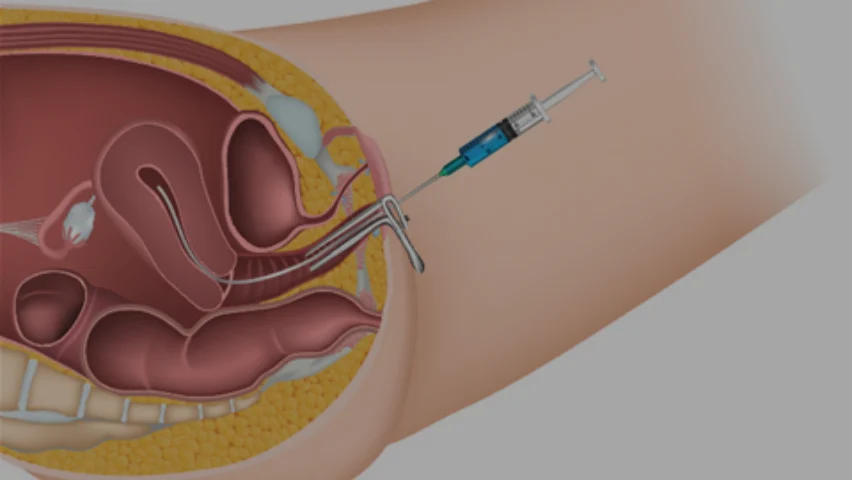
    Illustration of intrauterine insemination (IUI) procedure with syringe and catheter in the uterus.

    The Emotional Journey of Single Motherhood vs Traditional Family Planning

    The Challenges of Traditional Family Planning

    While traditional family planning may seem like the “easier” route to parenthood, it also comes with its own set of challenges. For some couples, the pressure to conceive can lead to feelings of stress and strain on the relationship. In addition, infertility issues and the disappointment of failed attempts can take a toll on both partners emotionally. For women who struggle with infertility, the emotional journey can be especially difficult, as they may feel like they are failing at the one thing they are “supposed” to be able to do.

    The Fulfillment of Parenthood

    Despite the challenges and emotional struggles, both single mothers and couples who choose traditional family planning can find fulfillment in parenthood. For single mothers, the bond they form with their child can be incredibly strong, as they are the sole caregiver and provider. This can bring a sense of pride and accomplishment, as they see their child grow and thrive under their care. For couples who have planned and waited for a child, the joy and fulfillment of finally becoming parents can be unparalleled.

    The Importance of Self-Care

    No matter the path to parenthood, both single mothers and couples need to prioritize self-care in order to navigate the emotional journey. This includes taking care of physical and mental health, seeking support from loved ones or a therapist, and finding ways to cope with stress and overwhelm. For single mothers, self-care can be especially challenging, as they may feel guilty for taking time for themselves when they have so many responsibilities. However, it is crucial for their well-being and the well-being of their child.

    In Conclusion

    The emotional journey of single motherhood vs traditional family planning is vastly different, but both paths come with their own set of challenges and rewards. Whether you are a single mother or planning to start a family with a partner, it is important to acknowledge and address the emotional struggles that come with parenthood. With the right support and self-care practices, both single mothers and traditional families can find fulfillment in their journey of raising a child.

  • Choosing Your Path: Single Mother by Choice or Traditional Family Planning

    Blog Post Title: Choosing Your Path: Single Mother by Choice or Traditional Family Planning

    Becoming a mother is a big decision that requires careful thought and planning. In today’s society, there are two main paths that women can take when it comes to starting a family – becoming a single mother by choice or following the traditional route of family planning with a partner. Each path has its own unique challenges and rewards, and it’s important for women to carefully consider their options and choose the path that is right for them. In this blog post, we will explore the realities of both single motherhood by choice and traditional family planning, and provide insights to help you make an informed decision about your future.

    Single Mother by Choice

    Single mother by choice is a growing trend in today’s society, as more and more women are choosing to have children without a partner. This path is often chosen by women who are financially stable and have a strong desire to become a mother, but have not found the right partner or do not want to wait any longer to start a family. One of the main benefits of this path is that women have complete control over their reproductive choices and can become mothers on their own timeline.

    However, there are also challenges that come with being a single mother by choice. The financial burden of raising a child alone can be daunting, and there may be a lack of emotional support or co-parenting assistance. In addition, societal stigma and judgment towards single mothers may still exist, and women may face challenges in balancing their career and motherhood without a partner’s support.

    Despite these challenges, many single mothers by choice have found immense joy and fulfillment in raising their children on their own. They have formed strong bonds with their children and have created a loving and nurturing environment for their family. With the right support system in place, single motherhood can be a rewarding and empowering experience.

    Traditional Family Planning

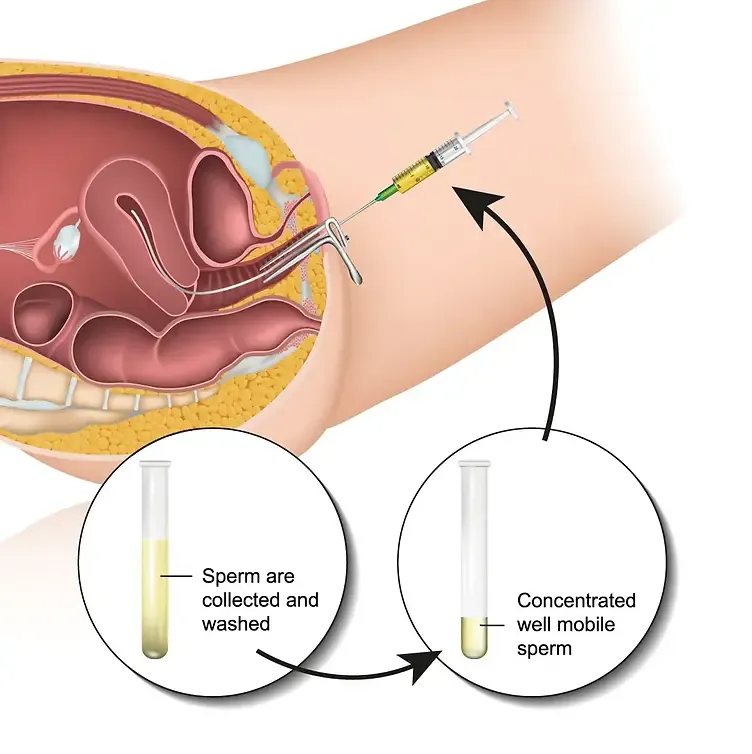
    Illustration of intrauterine insemination process, showing sperm collection and injection into the uterus.

    Choosing Your Path: Single Mother by Choice or Traditional Family Planning

    The traditional route of family planning involves finding a partner and starting a family together. This path is often seen as the more conventional and socially accepted option, and many women dream of finding their perfect partner and building a family with them. One of the main benefits of traditional family planning is the emotional and financial support that comes with having a partner. Both parents can share the responsibilities of raising a child, and the financial burden can be split between them.

    However, this path also has its challenges. Women may face difficulties in finding the right partner or may experience challenges in conceiving a child. In addition, the traditional gender roles of mother as the primary caregiver and father as the breadwinner may still exist, causing women to have to balance their career and motherhood responsibilities. There may also be societal pressure to conform to certain expectations and judgments from others about their family planning choices.

    Despite these challenges, traditional family planning can offer a sense of stability and security for women who desire a partner and a family. With open communication and mutual support, couples can navigate the challenges of parenthood together and create a loving and nurturing environment for their children.

    Making the Decision

    Choosing between single motherhood by choice and traditional family planning is a personal decision that only you can make. It’s important to take the time to reflect on your desires, values, and goals for the future. Consider your financial stability, support system, and your readiness to take on the responsibilities of parenthood alone or with a partner.

    It’s also important to do your research and seek out support from others who have chosen either path. Connect with other single mothers by choice or couples who have gone through traditional family planning to gain insights and advice. Ultimately, the most important factor in making this decision is to trust your instincts and do what feels right for you.

    Summary:

    In this blog post, we explored the two main paths for starting a family – single mother by choice and traditional family planning. Each path has its own unique challenges and rewards, and it’s important for women to carefully consider their options and choose the path that is right for them. Single mother by choice offers women complete control over their reproductive choices, while traditional family planning provides emotional and financial support from a partner. The decision ultimately comes down to personal desires, values, and readiness for parenthood. It’s important to do research and seek support from others before making this life-changing decision.

  • The Double Standard of Single Motherhood vs Traditional Family Planning

    Blog Post Title: The Double Standard of Single Motherhood vs Traditional Family Planning

    In today’s society, there is still a prevalent double standard when it comes to single motherhood versus traditional family planning. While single mothers are often looked down upon and judged, families who have carefully planned and prepared for a child are seen as ideal. This double standard not only perpetuates harmful stereotypes, but it also ignores the reality of the challenges and sacrifices that single mothers face. In this blog post, we will explore the reasons behind this double standard and the impact it has on single mothers and their families.

    The Double Standard of Single Motherhood:

    One of the main reasons for the double standard of single motherhood is the societal expectation that a child should be raised in a two-parent household. Single mothers are often seen as failures, incapable of providing a stable and nurturing environment for their child. This stereotype is reinforced by media portrayals of single mothers as struggling and overwhelmed, adding to the negative stigma surrounding single motherhood.

    Another contributing factor to the double standard is the idea that single mothers are solely responsible for their situation. Society often blames single mothers for their circumstances, labeling them as promiscuous or irresponsible. This belief ignores the many reasons why a woman might become a single mother, such as divorce, death of a partner, or choice to have a child without a partner.

    The Impact on Single Mothers:

    The double standard of single motherhood can have a significant impact on single mothers, both emotionally and financially. The negative stereotypes and judgment can lead to feelings of shame, guilt, and inadequacy for single mothers, even though they are doing their best to provide for their child. This can also affect their mental health and self-esteem, creating a constant struggle to prove themselves to society.

    Financially, single mothers often face more challenges than two-parent families. They often have to juggle work, childcare, and household responsibilities on their own, which can be overwhelming and exhausting. Single mothers also tend to have lower incomes, making it harder to provide for their children and give them the same opportunities as children from traditional families.

    The Double Standard of Traditional Family Planning:

    Cost breakdown for IUI components, including requirements, impacts, and alternatives.

    The Double Standard of Single Motherhood vs Traditional Family Planning

    On the other hand, traditional family planning is often seen as the ideal and praised by society. Families who have carefully planned and prepared for a child are seen as responsible and successful. They are often portrayed as the perfect example of a happy and stable family, with both parents providing for their child.

    However, this idealization of traditional family planning can also have negative consequences. It puts pressure on couples to have children, even if they are not ready or do not want them. This can lead to feelings of shame or failure for those who are unable to conceive or choose not to have children. It also reinforces the belief that a family must consist of a mother, father, and children, neglecting the diversity of family structures and dynamics.

    The Impact on Traditional Families:

    The double standard of traditional family planning can also have a significant impact on traditional families. The pressure to have children can create a sense of competition among couples, leading to feelings of inadequacy or disappointment if they are unable to have children. The emphasis on traditional family planning can also put a strain on the relationship between parents, as they try to balance work, childcare, and household responsibilities.

    Moreover, this double standard also ignores the challenges that traditional families face. While they may have the support of a partner, they also have to navigate the demands of modern parenthood, such as work-life balance and financial stability. This can lead to stress and burnout for both parents, affecting the overall well-being of the family.

    Breaking the Double Standard:

    It is time to break the double standard of single motherhood versus traditional family planning. Instead of judging and stigmatizing single mothers, society should acknowledge and support the sacrifices and challenges they face. We should also celebrate the diversity of family structures and recognize that there is no one “right” way to have a family.

    Moreover, it is essential to support traditional families as well. Instead of idealizing them, we should acknowledge the struggles and challenges they face and provide them with the necessary resources and support. We should also break the societal pressure to have children, allowing couples to make their own choices without fear of judgment.

    In conclusion, the double standard of single motherhood versus traditional family planning is a harmful and outdated belief that needs to be challenged and dismantled. Let us embrace and support all types of families, regardless of their structure or how they came to be. Parenthood is a journey full of ups and downs, and no one should be judged or stigmatized for the choices they make.

  • Making the Choice: Single Motherhood vs Traditional Family Planning

    Making the Choice: Single Motherhood vs Traditional Family Planning

    In today’s society, there are many paths to building a family. Gone are the days where traditional family planning was the only option. Single motherhood has become a more prevalent choice for women, and it raises important questions about the benefits and challenges of this path compared to traditional family planning. In this blog post, we will explore the reasons why women may choose single motherhood over traditional family planning, the potential benefits and challenges of this choice, and provide insight into making an informed decision.

    Reasons for Choosing Single Motherhood

    There are various reasons why women may choose to become single mothers. For some, it may be a choice of circumstance due to the absence of a partner or the inability to find the right partner. For others, it may be a conscious decision to have a child without being in a traditional relationship. Some women may also choose single motherhood as a means of empowerment and independence.

    One of the main reasons for choosing single motherhood is the desire to have a child and start a family. Women who are unable to find a suitable partner or are not ready to settle down may opt for single motherhood to fulfill this desire. Additionally, advancements in reproductive technology have made it possible for women to have children without a partner, further increasing the appeal of single motherhood as an option.

    Another reason for choosing single motherhood is the desire for independence and control over the process of starting a family. Traditional family planning often involves compromise and joint decision-making with a partner, whereas single mothers have the freedom to make all decisions regarding their child’s upbringing. This can be especially appealing for women who value their independence and do not want to compromise on their beliefs and values.

    Benefits of Single Motherhood

    Single motherhood also comes with its own set of benefits. For one, single mothers have complete control over their finances and do not have to rely on a partner to support their child. This can be a significant factor for women who prioritize financial stability and do not want to be financially dependent on anyone else.

    Furthermore, single mothers can also provide their children with strong role models of independence and resilience. By juggling the responsibilities of parenthood and work, single mothers can demonstrate to their children the importance of hard work, determination, and self-sufficiency. This can have a positive impact on a child’s development and shape them into strong, independent individuals.

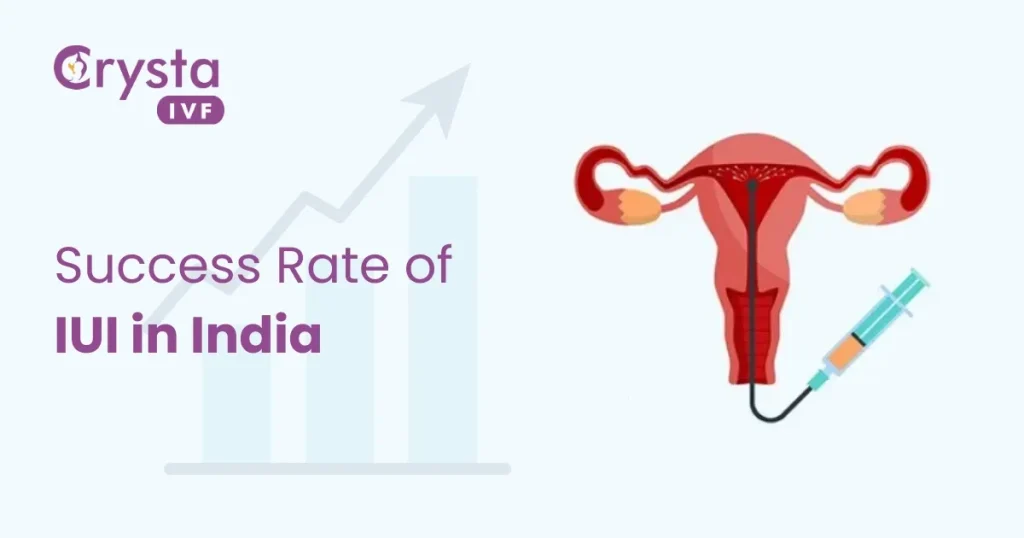
    success rate of IUI in India with a graphic of a uterus and syringe alongside a rising graph

    Making the Choice: Single Motherhood vs Traditional Family Planning

    Challenges of Single Motherhood

    While single motherhood can have its benefits, it also comes with its own set of challenges. One of the most significant challenges faced by single mothers is the lack of support and assistance. Raising a child alone can be physically and emotionally exhausting, and without a partner to share the responsibilities with, single mothers may feel overwhelmed.

    Another challenge faced by single mothers is the societal stigma attached to their choice. Single mothers may face judgment and discrimination, which can be difficult to handle. This can also impact a child’s well-being, as they may face bullying or feel excluded due to their family structure.

    Traditional Family Planning

    On the other hand, traditional family planning involves having a child within a traditional relationship, usually with a partner. This path to starting a family has been the norm for many years and comes with its own set of benefits and challenges.

    One of the primary benefits of traditional family planning is the support and partnership provided by having a partner. Raising a child together allows for shared responsibilities and decision-making, which can make the journey of parenthood less overwhelming. Additionally, having a partner can also provide emotional support and companionship, making the experience of raising a child more fulfilling.

    However, traditional family planning also has its challenges. One of the main challenges is the compromise and sacrifice that comes with being in a relationship. Couples may have to make difficult decisions and compromise on certain aspects of their lives to accommodate each other and their child. This can be challenging for individuals who value their independence and may lead to feelings of resentment or dissatisfaction.

    Making an Informed Decision

    Ultimately, the decision between single motherhood and traditional family planning is a personal one and should be made after careful consideration. It is crucial to weigh the potential benefits and challenges of each option and determine which path aligns with your values and goals. Seeking support and advice from loved ones, as well as professionals, can also provide valuable insight and guidance in making this decision.

    In conclusion, both single motherhood and traditional family planning have their own unique benefits and challenges. Women should have the freedom to choose the path that best suits their desires and goals. By understanding the reasons for choosing single motherhood, the potential benefits and challenges, and considering all factors, women can make an informed decision that is best for them and their future family.