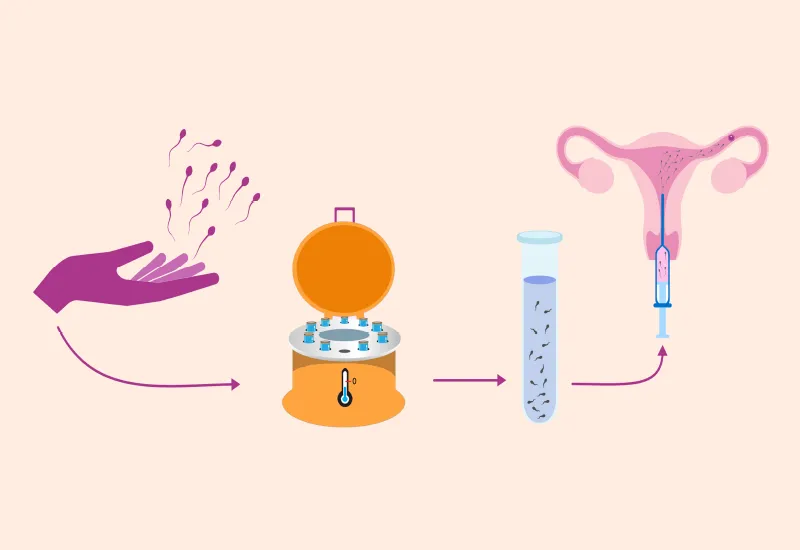
Tag: Donor sperm

  • Same-Sex Couples and Assisted Reproductive Technology: Home Insemination and IVF

    Blog Post:

    Same-sex couples have been facing numerous challenges when it comes to starting a family. For many years, adoption was the only option available to them, but with the advancement of technology and the legalization of same-sex marriage in many countries, assisted reproductive technology (ART) has become a viable option for these couples. In this blog post, we will explore two methods of ART that have become increasingly popular among same-sex couples – home insemination and in vitro fertilization (IVF).

    Home insemination, also known as artificial insemination, involves the process of self-insemination at home using donor sperm. This method is relatively simple and cost-effective compared to other ART procedures. It involves purchasing donor sperm from a sperm bank or using a known donor, and then using a syringe or a special device to deposit the sperm into the vagina or cervix. The procedure can be done in the comfort of one’s home and does not require any medical intervention.

    One of the main advantages of home insemination is the control it gives to the couple over the entire process. Unlike other ART procedures, home insemination allows the couple to choose the donor based on their preferences, such as physical characteristics, health history, and even personality traits. This control over the donor selection process can provide a sense of connection and involvement in the conception of the child.

    Another benefit of home insemination is the privacy it offers. Same-sex couples often face discrimination and judgment when trying to start a family, and home insemination allows them to avoid these challenges by conceiving in the privacy of their own home. Moreover, the procedure can be done at any time without having to schedule appointments or visits to a fertility clinic.

    However, home insemination is not without its drawbacks. The success rate of this method is relatively low, with only a 10-15% chance of pregnancy per cycle. This is because the sperm has to travel a longer distance to reach the egg, making it more challenging for fertilization to occur. The lack of medical supervision and monitoring also means that any potential fertility issues or complications may go undetected.

    This is where IVF comes in as a more advanced and effective method of ART for same-sex couples. In vitro fertilization involves the fertilization of eggs and sperm in a laboratory, and the resulting embryos are then transferred into the uterus. This procedure requires medical intervention and is typically performed at a fertility clinic.
    Comparison of IUI and IVF treatments with diagrams of reproductive anatomy.

    Same-Sex Couples and Assisted Reproductive Technology: Home Insemination and IVF

    IVF offers a higher success rate compared to home insemination, with a 30-40% chance of pregnancy per cycle. It also allows for more control over the genetic makeup of the child, as the couple can choose to use their own eggs and sperm or opt for donor gametes. Moreover, IVF allows for genetic testing of embryos, which can help identify and prevent the transfer of any hereditary diseases or disorders.

    One of the main challenges of IVF for same-sex couples is the cost. The procedure can be expensive, and insurance coverage may not always be available. This can be a significant barrier for many couples, especially those from marginalized communities who may already face financial challenges. Additionally, the process of IVF can also be emotionally and physically taxing, with multiple doctor visits, hormone injections, and potential side effects.

    However, despite the challenges, IVF has become a popular choice for same-sex couples due to its higher success rate and ability to ensure a biologically related child. Many fertility clinics now offer LGBTQ+ friendly services, and some even have programs specifically designed for same-sex couples.

    It is essential to note that both home insemination and IVF have their pros and cons, and the decision of which method to choose ultimately depends on the couple’s preferences and circumstances. Some couples may opt for home insemination due to its lower cost and privacy, while others may prefer the higher success rate and genetic control of IVF.

    In conclusion, ART has opened up a world of possibilities for same-sex couples who wish to start a family. Home insemination and IVF are two methods that have become increasingly popular among these couples, each with its unique advantages and drawbacks. With advancements in technology and continued support for LGBTQ+ families, these methods will continue to provide hope and fulfill the dream of parenthood for many same-sex couples.

    Summary:

    Same-sex couples face various challenges when it comes to starting a family, but assisted reproductive technology (ART) has provided new options for them. Home insemination, also known as artificial insemination, involves the process of self-insemination at home using donor sperm. It offers control, privacy, and a lower cost but has a lower success rate and lack of medical supervision. In vitro fertilization (IVF) is a more advanced and successful method of ART, but it can be expensive and emotionally taxing. Both methods have their pros and cons, and the decision depends on the couple’s preferences and circumstances.

  • The Ethics of Home Insemination and IVF for Same-Sex Couples

    The Ethics of Home Insemination and IVF for Same-Sex Couples

    In recent years, there has been a significant increase in the number of same-sex couples choosing to start a family through home insemination and IVF (In Vitro Fertilization). While this decision has brought joy and fulfillment to many, it has also sparked debates and controversies surrounding the ethical implications of these methods. In this blog post, we will explore the ethics of home insemination and IVF for same-sex couples, including the concerns and considerations surrounding these methods, and the importance of understanding and respecting the ethical principles involved.

    The History of Home Insemination and IVF for Same-Sex Couples

    Home insemination, also known as artificial insemination, has been a popular method for heterosexual couples struggling with fertility issues. However, with the legalization of same-sex marriage and the growing acceptance of LGBTQ+ individuals, this method has also become a viable option for same-sex couples to start a family. Home insemination involves using a donor’s sperm to fertilize the egg, either through vaginal or intrauterine insemination. Similarly, IVF involves retrieving eggs from a female partner or a donor, fertilizing them with sperm in a laboratory, and transferring the resulting embryo to the uterus.

    The Ethics of Home Insemination and IVF

    One of the main ethical concerns surrounding home insemination and IVF for same-sex couples is the use of donor sperm. The choice to use a donor raises questions about the child’s genetic makeup and their right to know their biological origins. Some argue that children have a right to know their genetic heritage and that it is unethical to deny them that information. However, others argue that the love and care provided by the parents are more important than genetic similarities.

    Another ethical consideration is the potential psychological impact on the child of growing up without a traditional family structure. Some argue that children need both a mother and a father figure to thrive, and that same-sex couples may not be able to provide this. However, numerous studies have shown that children raised by same-sex couples do not differ significantly from those raised by heterosexual couples in terms of psychological well-being and development.

    The Role of Consent and Autonomy

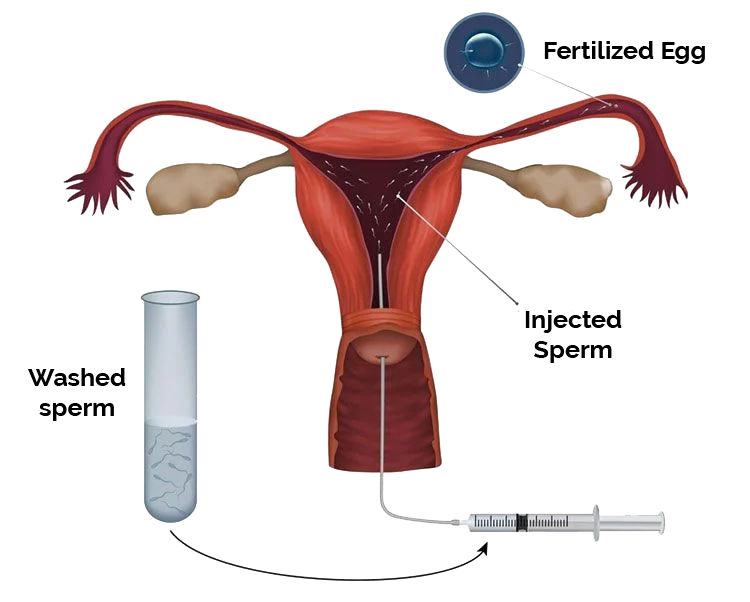
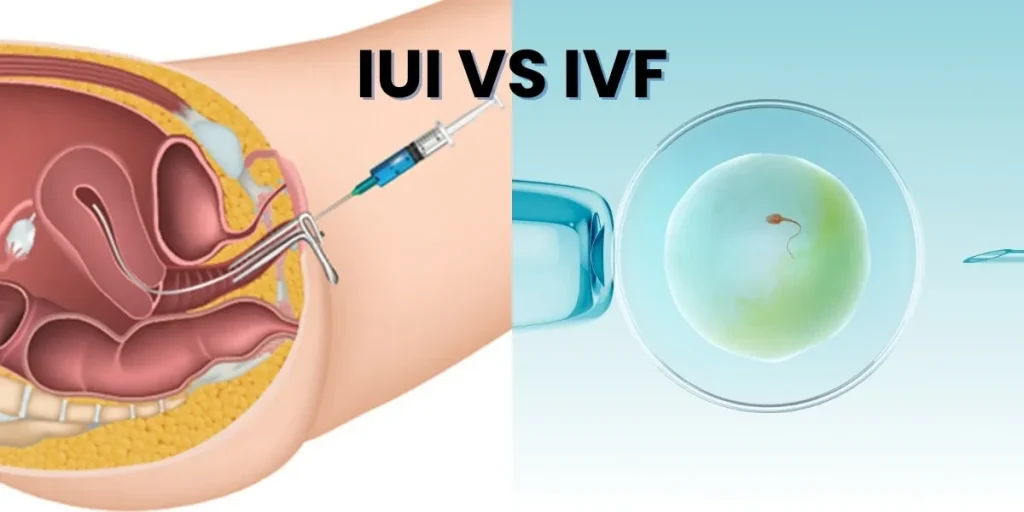
    comparison of IUI and IVF fertility treatments with illustrations of procedures and a petri dish with an egg and sperm

    The Ethics of Home Insemination and IVF for Same-Sex Couples

    Consent and autonomy are crucial ethical principles to consider when it comes to home insemination and IVF for same-sex couples. It is essential to ensure that all parties involved, including the donor, are giving informed and voluntary consent. This means understanding the potential risks, implications, and responsibilities that come with donating sperm or being a parent. The autonomy of the donor and the parents must also be respected, and their wishes should be taken into consideration throughout the process.

    Regulations and Legalities

    The use of donor sperm and IVF for same-sex couples raises questions about the regulations and legalities surrounding these methods. In many countries, the laws and regulations surrounding assisted reproduction and donor anonymity are still evolving, leading to uncertainty and ambiguity for same-sex couples. Some countries may have strict regulations that limit access to these methods, while others may lack regulations altogether. It is crucial for same-sex couples to do their research and seek legal advice to ensure that they are following the proper procedures and regulations.

    The Importance of Open Communication and Transparency

    Open communication and transparency are essential for the ethical practice of home insemination and IVF for same-sex couples. This includes being honest with the child about their conception and ensuring that they have access to information about their genetic heritage when they are old enough to understand. It also involves maintaining open communication with the donor, if possible, to address any potential concerns or issues that may arise.

    The Bottom Line

    The decision to use home insemination or IVF for same-sex couples is a personal one that should be made after careful consideration of the ethical implications involved. While there are valid concerns and considerations to be addressed, it is essential to remember that the most crucial factor in any family is love and care. As long as all parties involved give informed consent, and the well-being of the child is the top priority, home insemination and IVF can be a viable and ethical option for same-sex couples to start a family.

    In summary, the use of home insemination and IVF for same-sex couples has sparked ethical debates and concerns. The main issues revolve around donor anonymity and the psychological impact on the child. However, with proper consideration of ethical principles such as consent, autonomy, and open communication, these methods can be an ethical and fulfilling way for same-sex couples to start a family.

  • Same-Sex Couples and Biological Parenthood: A Look at Home Insemination and IVF

    Blog Post:

    Same-sex couples have long faced challenges when it comes to starting a family. In recent years, however, advancements in reproductive technology have opened up new possibilities for biological parenthood for same-sex couples. Home insemination and in vitro fertilization (IVF) are two popular options that provide same-sex couples with the opportunity to have a biological child. In this blog post, we will explore the process of home insemination and IVF, and discuss the considerations and benefits for same-sex couples looking to start a family.

    Home Insemination:

    Home insemination, also known as at-home insemination, is a method in which sperm is placed into the vagina or cervix in order to achieve pregnancy. This can be done using a syringe, turkey baster, or other similar device. For same-sex female couples, home insemination involves using donor sperm to fertilize one partner’s egg. This process can be done at home, without the need for medical intervention.

    One of the main benefits of home insemination is the privacy and comfort it provides for same-sex couples. Many couples prefer to have control over the process and be able to do it in the comfort of their own home. Home insemination also tends to be less expensive than other methods of assisted reproduction, making it a more accessible option for many couples.

    However, home insemination also has its limitations. It is a less controlled and less reliable method compared to other assisted reproduction techniques. The success rate of home insemination depends on factors such as timing, sperm quality, and the fertility of the partner carrying the pregnancy. Additionally, there are legal and emotional considerations to be taken into account when using donor sperm for home insemination. It is important for same-sex couples to consult with a fertility specialist and a lawyer before proceeding with home insemination.

    IVF:

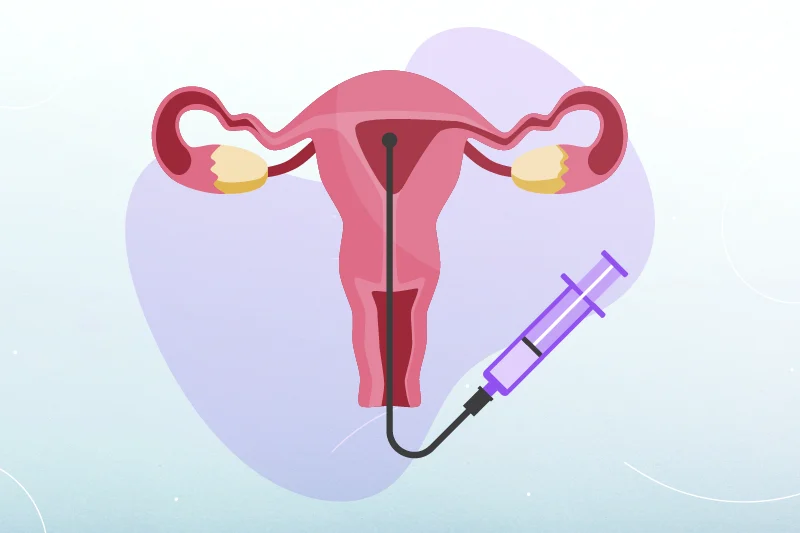
    illustration of a uterus with a syringe, representing intrauterine insemination procedure

    Same-Sex Couples and Biological Parenthood: A Look at Home Insemination and IVF

    In vitro fertilization, or IVF, is a more complex assisted reproduction technique that involves retrieving eggs from the ovaries and fertilizing them with sperm in a laboratory setting. The resulting embryo is then transferred into the uterus for implantation. IVF is a common option for same-sex couples who want to have a biological child, as it allows for both partners to be genetically related to the child.

    The IVF process begins with ovarian stimulation, in which fertility medications are used to help the ovaries produce multiple eggs. The eggs are then retrieved and fertilized with sperm in a laboratory, and the resulting embryos are monitored for a few days before being transferred into the uterus. Any remaining embryos can be frozen for future use. The success rate of IVF varies depending on factors such as age, health, and the quality of the embryos.

    One of the main advantages of IVF is the ability to screen embryos for genetic disorders and select the healthiest ones for implantation. This can reduce the risk of passing on genetic diseases to the child. IVF also allows for both partners to have a biological connection to the child, which can be a meaningful and important factor for many same-sex couples.

    However, IVF also comes with its own set of challenges. The process can be physically and emotionally demanding, and it can also be quite expensive, with one cycle costing thousands of dollars. There is also the possibility of multiple births, which can increase the risk of complications for the mother and the babies. It is important for same-sex couples to carefully consider all aspects of IVF and consult with a fertility specialist before moving forward.

    Conclusion:

    Home insemination and IVF are two popular options for same-sex couples looking to have a biological child. Both methods have their own unique benefits and challenges, and it is important for couples to carefully consider their options and seek professional guidance before making a decision. With advancements in reproductive technology, biological parenthood is now more attainable for same-sex couples, providing them with the opportunity to start a family and create a loving home for their child.

    Summary:

    Same-sex couples have faced challenges when it comes to starting a family, but advancements in reproductive technology have opened up new possibilities for biological parenthood. Home insemination, using donor sperm to fertilize one partner’s egg, can be done at home and is a more affordable option. However, it is less reliable and has legal and emotional considerations. IVF, a more complex process involving retrieving eggs, fertilizing them with sperm, and transferring the embryo into the uterus, allows for both partners to have a biological connection to the child and screen for genetic disorders. However, it can be physically and emotionally demanding and expensive. Same-sex couples should carefully consider their options and seek professional guidance before making a decision.

  • The Impact of Technology on Sperm Banks vs Known Donors

    Blog Post:

    For couples facing infertility, sperm donation has become a popular option for starting a family. In the past, sperm banks were the primary source for donor sperm, but with the advancement of technology, known donors have become an increasingly popular alternative. With the rise of technology, the traditional model of sperm banks has faced new challenges and opportunities. In this blog post, we will explore the impact of technology on sperm banks vs known donors.

    Sperm banks have been around for decades and have been a reliable source for donor sperm. However, with the advancement of technology, the industry has seen significant changes. One of the biggest impacts has been the improvement in sperm analysis and selection. Traditional sperm banks used basic screening methods to select donors, such as physical and medical examinations. But with the help of technology, sperm banks now use advanced methods, such as genetic testing and computer-assisted sperm analysis, to ensure the quality and viability of donated sperm. This has made the process more efficient and accurate, giving couples a better chance of successful conception.

    Another impact of technology on sperm banks is the ease of access to donor information. In the past, donors were anonymous, and couples had limited information about the donor’s physical characteristics and medical history. But now, with online databases and social media, donors can choose to make their information available to recipients. This has given couples a wider pool of potential donors to choose from and has also allowed for more transparency in the process.

    On the other hand, known donors have also been impacted by technology. With the rise of social media and online platforms, it has become easier for individuals to connect with potential recipients and offer to donate their sperm. This has opened up a whole new world of options for couples, as they can now choose a known donor who shares similar characteristics and beliefs. Technology has made it possible for couples to connect with known donors from different parts of the world, expanding their choices beyond the limited pool available at traditional sperm banks.

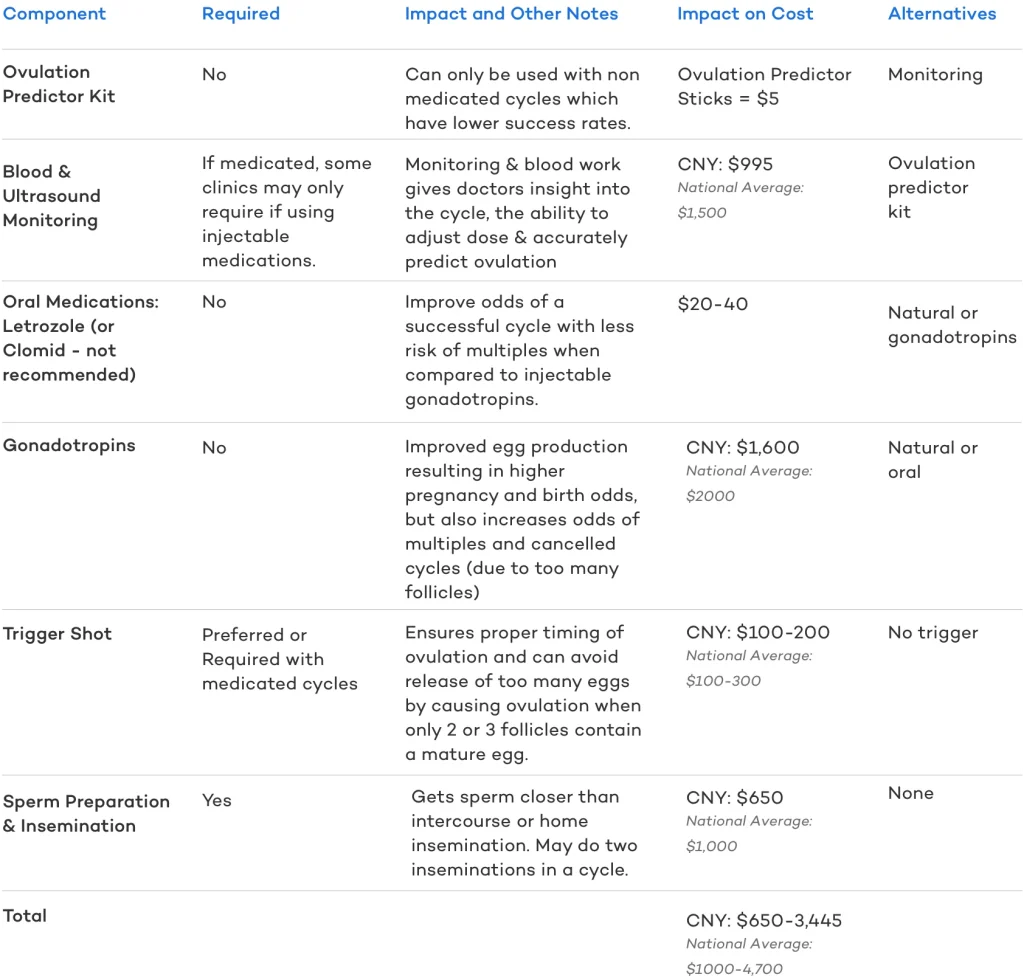
    Cost breakdown for IUI components, including requirements, impacts, and alternatives.

    The Impact of Technology on Sperm Banks vs Known Donors

    Moreover, technology has also made the process of finding a known donor more convenient. With the use of fertility apps and websites, couples can now search for donors based on specific criteria, such as location, physical characteristics, and education level. This has made the process more efficient and has also given couples a sense of control over the selection process.

    One of the biggest concerns surrounding known donors is the legal and ethical implications. With traditional sperm banks, donors are required to go through a thorough screening process and sign contracts to protect their legal rights and responsibilities. However, with known donors, the legal and ethical boundaries can become blurred. Technology has made it easier for donors and recipients to communicate and form relationships, which can lead to complicated legal and ethical issues. This is a significant challenge that needs to be addressed as the use of known donors continues to grow.

    Another impact of technology on sperm banks vs known donors is the cost. Sperm banks often charge high fees for their services, which can be a deterrent for some couples. On the other hand, known donors may offer their sperm for free or at a lower cost. This can be a significant advantage for couples who are struggling with the financial burden of fertility treatments.

    In conclusion, technology has had a significant impact on the sperm donation industry, both for sperm banks and known donors. With the advancement of technology, sperm banks have improved their selection process and made it easier for couples to access donor information. Known donors have also benefited from technology, as it has made the process more convenient and given them a wider pool of potential recipients to choose from. However, technology has also brought new challenges, such as legal and ethical implications. As technology continues to evolve, it will be interesting to see how it will shape the future of sperm donation.

    Summary:

    Technology has greatly impacted the sperm donation industry, particularly in the traditional model of sperm banks vs known donors. Advancements in technology have improved the selection process and given couples easier access to donor information. Known donors have also benefited from technology, as it has made the process more convenient and expanded their choices. However, technology has also brought new challenges, such as legal and ethical implications. As technology continues to evolve, it will be interesting to see how it will shape the future of sperm donation.

  • Sperm Banks vs Known Donors: Which Option is Right for You?

    Blog Post:

    When it comes to starting a family, there are many options available for those who may have difficulty conceiving naturally. Two common options are sperm banks and known donors. Sperm banks are facilities that collect and store sperm from anonymous donors, while known donors are individuals who personally donate sperm to a recipient. Both options have their own pros and cons, and it can be overwhelming to decide which one is the right choice for you. In this blog post, we will explore the differences between sperm banks and known donors and help you determine which option may be the best fit for your family-building journey.

    Sperm Banks:
    Sperm banks have been around for decades and have become a popular choice for individuals and couples who need donor sperm to conceive. These facilities collect and store sperm from anonymous donors who have gone through a rigorous screening process. The screening process typically includes physical and genetic testing, as well as a thorough medical and family history. This ensures that the donor sperm is of high quality and free from any genetic diseases or health issues.

    One of the biggest advantages of using sperm banks is the anonymity of the donor. Many people prefer this option as it allows them to maintain their privacy and not have any contact with the donor. Moreover, sperm banks have a large selection of donors to choose from, making it easier to find a match based on specific characteristics such as physical traits, education, and ethnicity.

    However, there are also some downsides to using sperm banks. The anonymity of the donor means that the recipient and their future child will have no information or connection to the biological father. This can be a concern for some families, especially when the child grows up and may have questions about their biological origins. Additionally, the cost of using a sperm bank can be quite high, with fees ranging from $300 to $1000 per vial, and multiple vials may be needed for successful conception.

    comparison of IUI and IVF fertility treatments with illustrations of procedures and a petri dish with an egg and sperm

    Sperm Banks vs Known Donors: Which Option is Right for You?

    Known Donors:
    Known donors, on the other hand, are individuals who personally donate sperm to a recipient. This is often done through artificial insemination at a fertility clinic or at home. Known donors can be friends or family members, or they can be found through online platforms or support groups. Unlike sperm banks, known donors are not required to go through a rigorous screening process. However, it is highly recommended that they still undergo some form of testing to ensure their sperm is safe and healthy.

    One of the biggest advantages of known donors is the potential for a personal connection between the donor and the recipient’s family. This can be especially important for those who want their child to have a relationship with their biological father. Furthermore, known donors may offer their sperm for free or at a lower cost compared to sperm banks, making it a more affordable option for some families.

    However, using a known donor also comes with potential risks and challenges. Unlike sperm banks, there is no guarantee of the donor’s anonymity, and the child may have access to their biological father’s information. This can lead to complicated legal and emotional situations, especially if the donor wants to have a role in the child’s life. Moreover, known donors may not have been screened for genetic or health issues, which can pose a risk to the recipient and their future child.

    Which Option is Right for You?
    Deciding between sperm banks and known donors ultimately depends on your personal preferences and needs. If you value anonymity and a wide selection of donors, sperm banks may be the best option for you. On the other hand, if you want a personal connection with the donor and are comfortable with potential legal and emotional challenges, known donors may be a better fit. It is important to carefully consider all aspects and potential consequences before making a decision.

    In conclusion, choosing between sperm banks and known donors is a personal and complex decision. It is important to thoroughly research and consider all factors before making a choice. Whether you decide to use a sperm bank or a known donor, what matters most is that you are able to build a loving and supportive family.

    Summary:
    Sperm banks and known donors are two common options for individuals and couples who need donor sperm to conceive. Sperm banks offer anonymity and a large selection of donors, but at a higher cost. Known donors may offer a personal connection and lower cost, but come with potential risks and challenges. Ultimately, the choice between the two options depends on personal preferences and needs.

  • The Role of Genetics in Sperm Banks vs Known Donors

    Blog Post Title: The Role of Genetics in Sperm Banks vs Known Donors

    Introduction:
    The decision to use donor sperm is a complex one, and often involves considerations such as financial costs, legal concerns, and emotional factors. One of the most crucial aspects to take into account is the role of genetics. Many people want to ensure that the donor sperm they choose will result in a child who shares their own genetic makeup. In this blog post, we will explore the role of genetics in sperm banks versus known donors and discuss the implications of each option.

    Sperm Banks:
    Sperm banks are facilities that collect, store, and distribute donor sperm for use in assisted reproductive techniques such as artificial insemination or in vitro fertilization. One of the main advantages of using sperm banks is the extensive screening process that donors undergo. This includes medical and genetic testing, as well as psychological evaluations. These measures are in place to ensure that the donor is healthy and free of any genetic diseases that could be passed on to the child.

    Another advantage of sperm banks is the anonymity of the donor. This means that the child will not have access to the donor’s identity, and the donor will not have any legal or financial responsibilities towards the child. This can be beneficial for families who do not want any potential complications or emotional attachments with the donor.

    However, one of the biggest limitations of sperm banks is the lack of control over the genetic traits of the donor. While donors are screened for genetic diseases, they are not typically chosen based on specific physical or personality traits. This can be a concern for individuals or couples who have a strong desire for their child to resemble them or share certain characteristics.

    Known Donors:
    In contrast, known donors are individuals who are personally known to the recipient and agree to donate their sperm. This could be a friend, family member, or someone found through online platforms or support groups. One of the main advantages of using known donors is the ability to have more control over the genetic traits of the donor. Recipients can choose someone who closely resembles them or shares their desired characteristics.

    diagram of the female reproductive system with an IUI syringe and test tube for artificial insemination

    The Role of Genetics in Sperm Banks vs Known Donors

    Another advantage of known donors is the possibility of creating a relationship with them. This can be particularly beneficial for single mothers or same-sex couples who may want their child to have a connection with their biological father. Additionally, having a known donor can provide the child with a sense of identity and belonging.

    However, using known donors also comes with potential risks and complications. Unlike donors from sperm banks, known donors may not undergo the same extensive screening process. This means that there is a higher risk of genetic diseases being passed on to the child. In addition, there may be legal and financial implications to consider, as the donor may be held responsible for child support or custody in the future.

    The Role of Genetics:
    The role of genetics in sperm banks and known donors is an important factor to consider. Sperm banks offer a more comprehensive screening process for genetic diseases, while known donors allow for more control over the genetic traits of the donor. However, both options have their limitations and potential risks.

    It is essential for individuals or couples to thoroughly research and carefully consider their options when it comes to the role of genetics in choosing donor sperm. Consulting with a medical professional or a genetic counselor can also provide valuable insights and guidance in making this decision.

    Conclusion:
    In conclusion, the role of genetics plays a significant role in the decision between sperm banks and known donors. Each option has its advantages and limitations, and it is crucial for individuals or couples to thoroughly assess their priorities and concerns before making a decision. Ultimately, the most important factor is to ensure the health and well-being of the child, both physically and emotionally.

    Summary:
    The decision to use donor sperm is a complex one, and one of the crucial aspects to consider is the role of genetics. Sperm banks offer a more comprehensive screening process for genetic diseases, while known donors allow for more control over the genetic traits of the donor. However, both options have their limitations and potential risks. It is essential for individuals or couples to thoroughly research and carefully consider their options before making a decision.

  • A Comprehensive Guide to Sperm Banks vs Known Donors

    A Comprehensive Guide to Sperm Banks vs Known Donors: Understanding the Differences and Making the Right Choice

    When it comes to starting a family, there are many paths to parenthood. For couples or individuals who are unable to conceive naturally, the use of assisted reproductive technologies (ARTs) such as sperm donation can be a viable option. However, the decision to use donor sperm can come with its own set of challenges and considerations, particularly when it comes to choosing between using a sperm bank or a known donor. In this comprehensive guide, we will explore the differences between sperm banks and known donors, the benefits and limitations of each, and provide guidance on how to make the best choice for your family-building journey.

    Sperm Banks: What They Are and How They Work

    Sperm banks, also known as cryobanks, are facilities that collect, process, and store sperm from anonymous donors for the purpose of artificial insemination. The process of becoming a donor at a sperm bank involves a thorough screening process, including medical and genetic testing, as well as an evaluation of the donor’s personal and family history. This ensures that the sperm provided by the donor is of high quality and free from any potential genetic or medical issues that could be passed on to the child.

    Once a donor is accepted, their sperm is frozen and stored in quarantine for a period of at least six months to allow for additional testing for infectious diseases. After the quarantine period, the sperm is tested again and if deemed safe, it is made available for purchase by individuals or couples looking to conceive.

    Benefits of Sperm Banks

    One of the main benefits of using a sperm bank is the anonymity of the donor. This can be appealing for those who want to maintain privacy and avoid potential legal and emotional complications that may arise from using a known donor. Additionally, sperm banks offer a wide variety of donors, giving individuals and couples the ability to choose based on physical characteristics, education, and other personal preferences.

    Another advantage of using a sperm bank is the rigorous screening process that donors undergo. This provides a level of assurance that the sperm being used is of high quality and free from potential genetic or medical issues.

    Limitations of Sperm Banks

    While anonymity may be a benefit for some, it can also be a limitation for others. Many people feel that knowing the identity of the donor can be important for the child’s sense of identity and their understanding of their genetic background. In addition, the cost of using a sperm bank can be a barrier for some, as fees for donor sperm can range from hundreds to thousands of dollars per vial, and multiple vials may be needed for successful insemination.

    Cost breakdown for IUI components, including requirements, impacts, and alternatives.

    A Comprehensive Guide to Sperm Banks vs Known Donors

    Known Donors: What They Are and How They Work

    Known donors are individuals who provide their sperm for the purpose of artificial insemination to someone they know. This can include friends, acquaintances, or even family members. Unlike sperm banks, known donors do not go through a formal screening process and may not be anonymous.

    Benefits of Known Donors

    One of the main benefits of using a known donor is the potential for a personal connection and relationship between the donor and the child. This can be especially important for same-sex couples or single individuals who want their child to have a connection to their biological father. Known donors can also provide a more affordable option, as they typically do not charge for their sperm.

    Limitations of Known Donors

    The lack of formal screening and testing for known donors can be a major limitation. Without these processes in place, there is a higher risk of potential genetic or medical issues being passed on to the child. In addition, the use of a known donor can also raise legal and emotional complications, as there may be disagreements over parental rights and responsibilities.

    Making the Right Choice

    When it comes to choosing between sperm banks and known donors, there is no one-size-fits-all answer. Every individual or couple’s situation is unique, and what may work for one may not work for another. It is important to carefully consider the benefits and limitations of each option and to seek advice from medical professionals, legal counsel, and mental health professionals to determine the best course of action for your specific circumstances.

    In some cases, using a sperm bank may be the best choice for those seeking anonymity and a wide selection of donors. On the other hand, known donors may be a better fit for those wanting a personal connection and more affordable option. Ultimately, the most important factor to consider is the well-being and best interests of the child.

    In conclusion, the decision to use donor sperm is a complex and personal one. By understanding the differences between sperm banks and known donors, the benefits and limitations of each, and seeking professional guidance, individuals and couples can make an informed choice that is right for them and their future family.

  • Exploring the Ethics: Intrauterine Insemination vs In Vitro Fertilization

    Blog Post Title: Exploring the Ethics: Intrauterine Insemination vs In Vitro Fertilization

    Introduction:
    In today’s world, there are many different options available for couples who are struggling with infertility. Two common methods are Intrauterine Insemination (IUI) and In Vitro Fertilization (IVF). Both of these procedures involve assisted reproductive technology and have been successful in helping couples conceive. However, along with the medical and scientific advancements, there are also ethical considerations that come into play when it comes to these methods of conception. In this blog post, we will explore the ethics behind IUI and IVF, and how they differ from each other.

    Definition and Process of IUI:
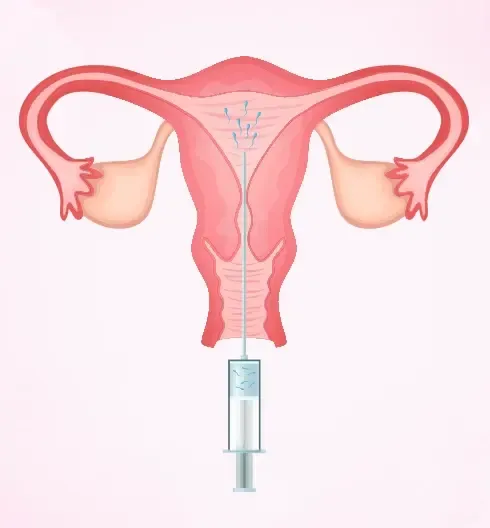
    Intrauterine Insemination, also known as artificial insemination, involves placing washed sperm directly into a woman’s uterus during her ovulation period. This process is typically used when a couple is having difficulty conceiving due to issues with sperm quality or quantity. The sperm is collected from the male partner or a donor, washed and prepared before being inserted into the uterus. This procedure is relatively simple and can be done in a doctor’s office without the need for anesthesia.

    Definition and Process of IVF:
    In Vitro Fertilization, on the other hand, is a more complex procedure that involves fertilizing an egg with sperm in a laboratory setting. The process starts with the female partner undergoing hormonal injections to stimulate the ovaries to produce multiple eggs. Once the eggs are mature, they are retrieved from the ovaries and combined with sperm in a petri dish. After fertilization, the embryo is then transferred back into the woman’s uterus, where it can hopefully implant and result in a pregnancy. IVF is often used when there are issues with the woman’s fallopian tubes, or when other fertility treatments have not been successful.

    The Ethical Considerations of IUI:
    One of the main ethical concerns with IUI is the potential for multiple pregnancies. Since the procedure involves placing washed sperm directly into the uterus, there is a higher chance of multiple eggs being fertilized and resulting in a multiple pregnancy. While some couples may see this as a blessing, it can also lead to high-risk pregnancies and complications for both the mother and the babies. Additionally, there is the issue of donor sperm and the ethical implications that come with choosing a donor. Some may argue that using donor sperm goes against traditional views of conception and raises questions about the child’s identity and genetic heritage.

    Illustration of the uterus with a syringe, depicting the intrauterine insemination procedure.

    Exploring the Ethics: Intrauterine Insemination vs In Vitro Fertilization

    The Ethical Considerations of IVF:
    IVF also raises ethical concerns, particularly with the use of donor eggs or sperm. In this case, the child may not have a genetic connection to one or both of their parents, which can raise questions about identity and family dynamics. There are also concerns about the potential for unused embryos, as not all embryos that are created during the IVF process are transferred back into the uterus. Some may be discarded, while others may be kept frozen for future use. This raises ethical questions about the value and status of these embryos and what should be done with them.

    Another ethical consideration with IVF is the cost. This procedure can be expensive, and not all couples can afford it. This creates a divide between those who have the financial means to pursue IVF and those who do not, which can lead to feelings of injustice and inequality.

    The Role of Religion:
    Religion also plays a significant role in the ethical considerations of both IUI and IVF. Some religious beliefs view these methods of assisted reproduction as interfering with the natural process of conception and therefore, go against their beliefs. This can create a moral dilemma for couples who are struggling with infertility and are seeking treatment. They may feel conflicted between their desire to have a child and their religious beliefs.

    The Importance of Informed Consent:
    One crucial factor that applies to both IUI and IVF is the importance of informed consent. Both procedures involve complex medical and ethical considerations, and it is crucial for couples to fully understand the risks, benefits, and potential outcomes before making a decision. It is the responsibility of the medical professionals to provide thorough and accurate information and for the couple to ask questions and make an informed decision based on their values and beliefs.

    Conclusion:
    In conclusion, both IUI and IVF are effective methods of assisted reproduction, but they come with their own set of ethical considerations. Whether it is the potential for multiple pregnancies, the use of donor sperm or eggs, the cost, or religious beliefs, couples must carefully consider these factors before deciding on a course of action. It is also essential for medical professionals to follow ethical guidelines and provide informed consent to ensure that couples are fully aware of the implications of these procedures.

    Summary:
    Intrauterine Insemination (IUI) and In Vitro Fertilization (IVF) are two common methods of assisted reproduction that have helped many couples conceive. However, along with the medical and scientific advancements, there are also ethical considerations that come into play when it comes to these methods of conception. Some of the ethical concerns include the potential for multiple pregnancies, the use of donor sperm or eggs, the cost, and religious beliefs. Both procedures also require informed consent to ensure that couples are fully aware of the implications and can make an informed decision based on their values and beliefs.

  • Exploring the Legal Side: Intrauterine Insemination vs In Vitro Fertilization

    Exploring the Legal Side: Intrauterine Insemination vs In Vitro Fertilization

    In recent years, the advancements in reproductive technology have opened up new possibilities for couples struggling with infertility. Intrauterine insemination (IUI) and in vitro fertilization (IVF) are two of the most commonly used assisted reproductive techniques. While both procedures have proven to be effective in helping couples achieve their dream of having a child, there are legal considerations that need to be taken into account when it comes to these fertility treatments. In this blog post, we will delve into the legal side of IUI and IVF, discussing the potential legal implications and considerations for couples considering these procedures.

    Understanding Intrauterine Insemination (IUI)

    Intrauterine insemination, also known as artificial insemination, is a relatively simple and non-invasive fertility treatment. It involves placing sperm directly into a woman’s uterus during her ovulation period, increasing the chances of fertilization. The procedure can be done with the use of a donor sperm or the partner’s sperm, depending on the couple’s specific needs.

    Legal Considerations for IUI

    When it comes to IUI, the most significant legal consideration is the use of donor sperm. Many couples opt for donor sperm when the male partner’s sperm is not viable or in the case of same-sex couples. In these cases, it is essential to have a legal agreement in place between the donor and the intended parent(s). This agreement should outline the donor’s rights and responsibilities, as well as the intended parent(s)’ rights to the child.

    Another legal consideration for IUI is the potential for multiple pregnancies. Since IUI involves placing sperm directly into the uterus, there is a higher chance of multiple eggs being fertilized. This could result in the birth of twins, triplets, or more. In these cases, it is essential to have a legal agreement in place outlining the rights and responsibilities of the intended parent(s) and potential legal issues that may arise from multiple pregnancies.

    Understanding In Vitro Fertilization (IVF)

    In vitro fertilization is a more complex fertility treatment that involves retrieving eggs from a woman’s ovaries and fertilizing them with sperm in a laboratory setting. The fertilized eggs, known as embryos, are then transferred into the woman’s uterus, increasing the chances of pregnancy.

    Illustration of a uterus with a syringe indicating an intrauterine insemination procedure.

    Exploring the Legal Side: Intrauterine Insemination vs In Vitro Fertilization

    Legal Considerations for IVF

    Similar to IUI, the use of donor sperm or eggs in IVF raises legal considerations that need to be addressed. In addition to the agreement between the donor and intended parent(s), there may also be legal implications regarding the anonymity of the donor and the rights of the child to know their genetic origins. Laws and regulations surrounding these issues vary from state to state, so it is essential to consult with a legal professional familiar with reproductive law.

    Another legal consideration for IVF is the creation, storage, and potential disposal of embryos. In cases where multiple embryos are created, there may be ethical and legal implications regarding the fate of unused embryos. It is crucial for couples to have a clear understanding of their rights and options for their embryos before undergoing the IVF process.

    The Role of Legal Contracts

    In both IUI and IVF, it is essential to have legal contracts in place to protect the rights of all parties involved. These contracts can outline the responsibilities and obligations of the donor, intended parent(s), and the fertility clinic. They can also address issues such as custody, privacy, and financial arrangements.

    The Importance of Legal Counsel

    Navigating the legal side of IUI and IVF can be complicated, and it is crucial to seek the advice of a legal professional before embarking on these fertility treatments. An experienced reproductive law attorney can help couples understand their rights and responsibilities, draft legal agreements, and ensure that all legal requirements are met.

    In conclusion, while IUI and IVF offer hope for couples struggling with infertility, it is essential to consider the legal implications and seek the guidance of a legal professional. Having clear legal agreements in place can help protect the rights of all parties involved and ensure a smooth and successful fertility journey.

    Summary:

    Intrauterine insemination (IUI) and in vitro fertilization (IVF) are two commonly used assisted reproductive techniques for couples struggling with infertility. However, there are legal considerations that need to be taken into account for these procedures, such as the use of donor sperm or eggs, potential for multiple pregnancies, and the creation, storage, and disposal of embryos. Legal contracts and the guidance of a legal professional are crucial in navigating the legal side of IUI and IVF.

  • The Ethics of Artificial Insemination and IVF: Debating the Controversy

    Blog Post: The Ethics of Artificial Insemination and IVF: Debating the Controversy

    Artificial insemination and in vitro fertilization (IVF) are two commonly used methods of assisted reproductive technology (ART) that have sparked much debate and controversy. While these procedures have helped countless couples struggling with infertility to conceive, they also raise ethical questions and concerns. In this blog post, we will delve into the ethical implications of artificial insemination and IVF, exploring the arguments for and against these procedures.

    What is Artificial Insemination?

    Artificial insemination, also known as intrauterine insemination (IUI), is a form of ART where sperm is directly injected into a woman’s uterus to fertilize her eggs. This can be done with the sperm of a partner or a donor. The procedure is relatively simple and non-invasive, making it a popular choice for couples struggling with male infertility or other fertility issues.

    The Ethics of Artificial Insemination

    One of the primary ethical concerns surrounding artificial insemination is the use of donor sperm. While this may be a viable option for couples struggling with male infertility, it raises questions about the child’s right to know their biological father. Should children conceived through artificial insemination have the right to know the identity of their sperm donor? Some argue that the child has a right to know their genetic background and medical history, while others argue that the donor’s anonymity is necessary for the protection of both the donor and the child.

    Another ethical concern is the potential exploitation of women, particularly in commercial sperm banks. Women who choose to become sperm donors may be motivated by financial incentives, leading to ethical concerns about the commodification of human reproductive materials. Additionally, there have been cases of sperm donors fathering a large number of children, raising questions about the potential negative impact on the children and the possibility of unknowingly forming relationships with half-siblings.

    The Ethics of IVF

    IVF involves retrieving eggs from a woman’s ovaries and fertilizing them with sperm in a laboratory. The fertilized eggs, or embryos, are then transferred into the woman’s uterus. Similar to artificial insemination, IVF raises ethical concerns about the use of donor sperm or eggs. In addition, there are concerns about the fate of unused embryos, as it is common for multiple embryos to be created during the IVF process. These embryos may be cryopreserved for future use, donated to other couples, or discarded, raising questions about the value and sanctity of human life.

    illustration of the IUI process, showing sperm collection, preparation, and insertion into the uterus

    The Ethics of Artificial Insemination and IVF: Debating the Controversy

    Another ethical concern with IVF is the potential for “designer babies.” With advancements in technology, it is now possible to screen embryos for genetic disorders and select embryos with desired traits. This raises questions about the ethics of choosing certain traits for a child and the potential implications for society.

    Arguments for ART

    Advocates for ART argue that these procedures have helped millions of couples to have children and fulfill their dreams of starting a family. They argue that every individual has the right to reproductive autonomy and that ART allows individuals to exercise this right when natural conception is not possible.

    Furthermore, ART has also helped the LGBTQ+ community to start families, allowing same-sex couples and single individuals to have children through sperm or egg donation and surrogacy. This has opened up new possibilities for individuals who were previously unable to have children.

    Arguments Against ART

    On the other hand, opponents of ART argue that these procedures go against the natural and traditional way of conceiving a child. They believe that ART interferes with the natural process of reproduction and that it is a form of playing “God.”

    Moreover, opponents argue that ART is a costly procedure that is not accessible to everyone, creating an inequality in the ability to have children. This raises concerns about the potential for a “designer baby” industry, where only those with financial means can afford to select desirable traits for their children.

    In addition, there are concerns about the potential physical and emotional risks associated with ART, such as multiple pregnancies, ovarian hyperstimulation syndrome, and the psychological impact of failed procedures.

    Summary

    In conclusion, artificial insemination and IVF have revolutionized the world of assisted reproduction, giving hope to millions of couples struggling with infertility. However, these procedures also raise ethical concerns about the use of donor sperm and eggs, the fate of unused embryos, and the potential for “designer babies.” While advocates argue that ART is a fundamental right and has helped many individuals to start families, opponents raise concerns about the interference with natural reproduction and potential societal implications. As with any complex ethical issue, there is no easy answer, and the debate surrounding ART will continue to evolve as technology advances.