Title: Surrogacy vs Adoption: A Comparison of Processes
Surrogacy and adoption are two options available for individuals and couples who are unable to have children naturally. Both processes involve bringing a child into a family, but they differ significantly in terms of the process, cost, and legal implications. In this blog post, we will explore the differences between surrogacy and adoption and help you understand which option may be best for your family.
Surrogacy Process
Surrogacy is a process where a woman (surrogate) carries a child for another person or couple (intended parents). There are two types of surrogacy: traditional and gestational. In traditional surrogacy, the surrogate’s egg is fertilized with the intended father’s sperm through artificial insemination. This means that the surrogate is genetically related to the child. In gestational surrogacy, the embryo is created using the intended parents’ eggs and sperm or through a donor, and then transferred to the surrogate’s uterus. This process means that the surrogate has no genetic connection to the child.
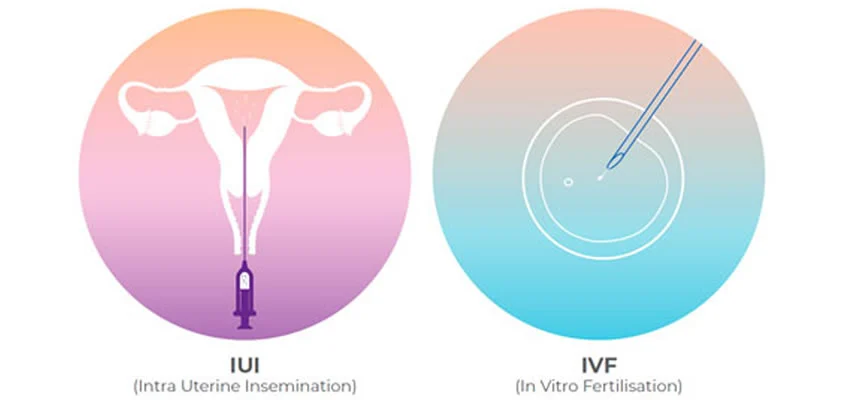
The surrogacy process involves several steps, including finding a surrogate, undergoing medical and psychological evaluations, and drafting a surrogacy contract. The intended parents may also need to go through IVF (in vitro fertilization) to create the embryo. Once the surrogate is pregnant, the intended parents will cover all medical expenses and provide financial compensation to the surrogate for carrying the child.
Adoption Process
Adoption is a legal process where a child becomes a permanent member of a family different from their birth family. There are different types of adoption, including domestic, international, and foster care adoption. In domestic adoption, the child is adopted within the country, while international adoption involves adopting a child from a different country. Foster care adoption is when a child is adopted from the foster care system.
The adoption process involves several steps, such as finding an adoption agency, completing a home study, and attending training and education sessions. The agency will then match the prospective adoptive parents with a child, and once the child is placed with the family, the adoption process is finalized through a court order. The cost of adoption varies depending on the type of adoption, but it typically includes agency fees, legal fees, and any necessary travel expenses.
Surrogacy vs Adoption: A Comparison of Processes
Cost Comparison
One of the significant differences between surrogacy and adoption is the cost. Surrogacy can cost anywhere between $100,000 to $150,000, while domestic adoption can cost between $20,000 to $50,000. International adoption can cost between $30,000 to $50,000, and foster care adoption is significantly less expensive, with little to no cost involved.
The high cost of surrogacy is mainly due to medical expenses, which can include IVF, prenatal care, labor and delivery, and any complications that may arise during pregnancy. In contrast, adoption costs are primarily associated with agency fees and legal fees.
Legal Implications
Surrogacy and adoption also differ in terms of legal implications. In surrogacy, a legal contract is signed between the intended parents and the surrogate, outlining the terms and conditions of the surrogacy. It is essential to have a well-drafted contract to avoid any legal issues that may arise during or after the surrogacy process. However, even with a contract in place, there have been cases where the surrogate has changed her mind and decided to keep the child.
In adoption, the legal process involves terminating the birth parents’ rights and transferring them to the adoptive parents. Once the adoption is finalized, the adoptive parents have full legal rights and responsibilities for the child, just like biological parents.
Emotional Considerations
Both surrogacy and adoption involve a lot of emotions for all parties involved. For intended parents, the surrogacy process can be emotionally challenging, as they are relying on someone else to carry their child. In adoption, the process can also be emotionally taxing as it involves navigating through the birth parents’ feelings and potentially facing rejection from the child.
For surrogates, there may be emotional challenges as they carry a child that they will not raise, and they may experience postpartum depression after giving birth. In adoption, the birth parents may also experience emotional struggles as they make the difficult decision to place their child for adoption.
Summary:
Surrogacy and adoption are two options available for individuals and couples who are unable to have children naturally. Surrogacy involves finding a surrogate to carry the child, while adoption is a legal process of bringing a child into a family. Surrogacy is a more expensive option, while adoption costs can vary depending on the type of adoption. There are also differences in legal implications and emotional considerations for both processes.