Tag: acupuncture

  • Fertility Acupuncture for Unsuccessful IVF: Is It Worth Trying?

    Fertility Acupuncture for Unsuccessful IVF: Is It Worth Trying?

    In recent years, more and more couples have turned to in vitro fertilization (IVF) as a solution for their struggles with fertility. While IVF can be a successful option for some, it is not a guaranteed solution for everyone. For those who have tried IVF multiple times without success, the idea of fertility acupuncture as an alternative treatment may be intriguing. But is it worth trying?

    Acupuncture, a form of traditional Chinese medicine, has been used for centuries to treat a variety of health issues, including fertility. It involves placing thin needles into specific points on the body to stimulate energy flow and promote healing. In recent years, there has been growing interest in the use of acupuncture for fertility, particularly as a complementary treatment to IVF.

    Many studies have examined the effectiveness of acupuncture in improving IVF success rates, and the results have been mixed. Some studies have shown a significant increase in pregnancy rates for those who received acupuncture during IVF treatment, while others have shown no significant difference. So, what is the truth about fertility acupuncture for unsuccessful IVF? Let’s take a closer look.

    How Does Acupuncture Help with Fertility?

    According to traditional Chinese medicine, the body has a vital energy called Qi (pronounced “chee”) that flows through channels or meridians. When there is a blockage or disruption in the flow of Qi, it can lead to illness and disease. Acupuncture aims to restore the balance of Qi in the body by stimulating specific points along these meridians.

    In terms of fertility, acupuncture is believed to help by:

    1. Regulating Hormones: Acupuncture can help regulate the hormones responsible for ovulation, which can improve egg quality and increase the chances of fertilization.

    2. Increasing Blood Flow to the Reproductive Organs: Acupuncture has been shown to improve blood flow to the uterus and ovaries, which can help with the development of follicles and thickening of the uterine lining.

    3. Reducing Stress: The process of IVF can be stressful, and stress has been linked to lower success rates. Acupuncture can help reduce stress and anxiety, creating a more relaxed and receptive environment for the embryo to implant.

    4. Improving Sperm Quality: Acupuncture has also been shown to improve sperm count and motility, which can increase the chances of fertilization.
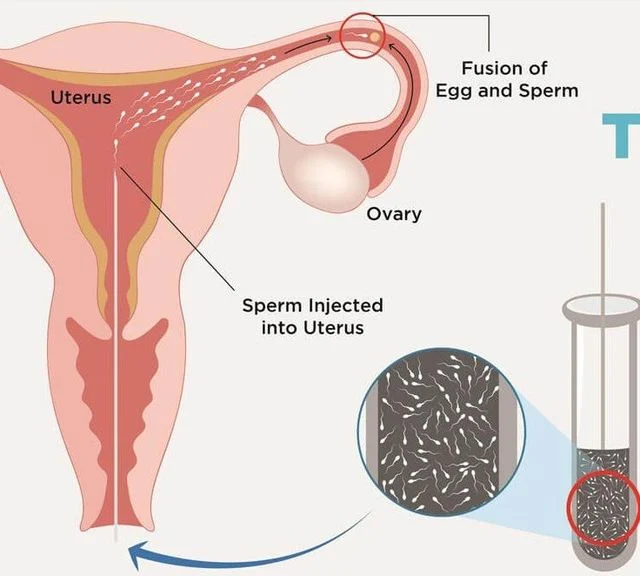
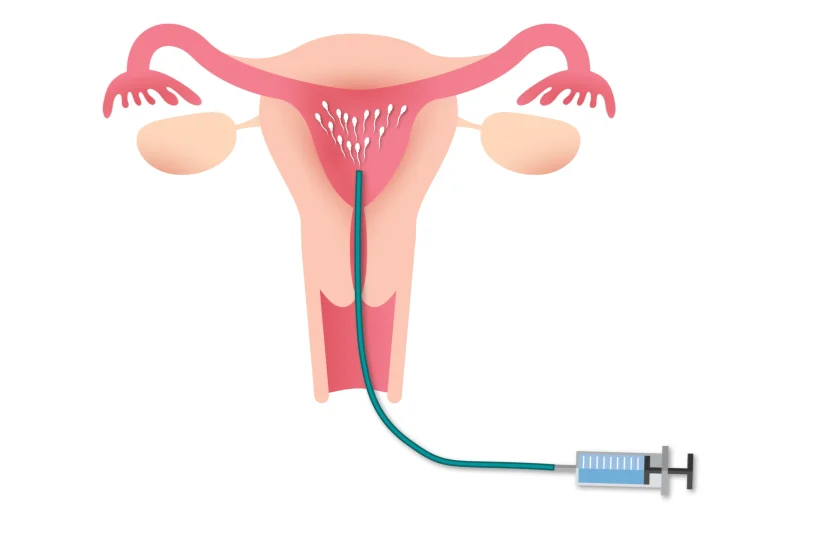
    Diagram illustrating the IUI process, showing sperm injection into the uterus and egg fertilization.

    Fertility Acupuncture for Unsuccessful IVF: Is It Worth Trying?

    Is Fertility Acupuncture Effective for Unsuccessful IVF?

    As mentioned earlier, the results of studies on the effectiveness of fertility acupuncture for unsuccessful IVF have been mixed. However, there are some factors to consider when interpreting these results.

    Firstly, the quality of the acupuncture treatment and the experience of the acupuncturist can play a significant role in its effectiveness. It is essential to find a licensed acupuncturist with experience in treating fertility issues.

    Secondly, the timing of acupuncture sessions is crucial. Research has shown that receiving acupuncture before and after embryo transfer can significantly improve pregnancy rates. Therefore, it is recommended to start acupuncture at least three months before beginning IVF treatment.

    Lastly, acupuncture may not be effective for everyone. Factors such as age, underlying medical conditions, and the cause of infertility can also impact its effectiveness.

    Should You Try Fertility Acupuncture for Unsuccessful IVF?

    The decision to try fertility acupuncture for unsuccessful IVF ultimately depends on the individual and their unique circumstances. It is essential to consult with a qualified acupuncturist and discuss your medical history and goals before starting treatment.

    If you have already undergone multiple unsuccessful IVF cycles, it may be worth trying acupuncture as a complementary treatment. It can help improve your overall physical and emotional well-being and create a more favorable environment for a successful outcome.

    However, it is vital to keep in mind that fertility acupuncture is not a guaranteed solution, and it may not work for everyone. It is crucial to manage your expectations and remain open to other options.

    In conclusion, fertility acupuncture may be worth trying for those who have had unsuccessful IVF cycles. While it may not be a miracle cure, it can offer many benefits and potentially increase the chances of a successful pregnancy. As with any medical treatment, it is essential to do your research, consult with a professional, and make an informed decision.

    Summary:

    Fertility acupuncture, a form of traditional Chinese medicine, has been used for centuries to treat a variety of health issues, including fertility. It involves placing thin needles into specific points on the body to stimulate energy flow and promote healing. While studies have shown mixed results, acupuncture may help with fertility by regulating hormones, increasing blood flow to the reproductive organs, reducing stress, and improving sperm quality. The decision to try fertility acupuncture for unsuccessful IVF ultimately depends on the individual and their unique circumstances. It is essential to consult with a qualified acupuncturist and manage expectations while remaining open to other options.
  • The Link between Traditional Chinese Medicine and Fertility Acupuncture

    Blog Post:

    Traditional Chinese Medicine (TCM) has been used for centuries to promote overall health and well-being. One aspect of TCM that has gained popularity in recent years is fertility acupuncture. This ancient practice has been shown to have a positive impact on fertility and has become a sought-after treatment for couples struggling to conceive. In this blog post, we will explore the link between traditional Chinese medicine and fertility acupuncture, and how it can help improve the chances of conception.

    Understanding Traditional Chinese Medicine

    Before diving into the connection between TCM and fertility acupuncture, it is crucial to have a basic understanding of TCM principles. TCM is a holistic approach to healthcare that focuses on balancing the body’s energy or Qi (pronounced “chee”) to promote overall health. According to TCM, the body has a network of meridians or pathways through which Qi flows. Any disruption or blockage in these meridians can lead to illness or disease.

    TCM practitioners use various techniques to balance Qi, including acupuncture, herbal medicine, massage, and dietary therapy. Acupuncture is the most well-known and widely used technique, which involves inserting thin needles into specific points along the body’s meridians to stimulate Qi flow and promote healing.

    How TCM Can Impact Fertility

    According to TCM, infertility is caused by an imbalance in the body’s Qi, which can be due to various factors such as stress, poor diet, or underlying health conditions. By restoring the balance of Qi, TCM can help improve fertility and increase the chances of conception.

    TCM practitioners believe that the reproductive organs are connected to specific meridians and acupuncture points. By targeting these points, acupuncture can help regulate the menstrual cycle, improve blood flow to the reproductive organs, and balance hormones. It can also reduce stress and promote relaxation, which can have a significant impact on fertility.

    Studies have shown that acupuncture can regulate the hypothalamic-pituitary-ovarian (HPO) axis, which is responsible for producing and regulating hormones involved in the menstrual cycle and ovulation. By balancing the HPO axis, acupuncture can help regulate the menstrual cycle and improve ovulation, increasing the chances of conception.

    IVF vs IUI comparison with illustrations of reproductive processes and a flower on a pregnant belly.

    The Link between Traditional Chinese Medicine and Fertility Acupuncture

    Acupuncture has also been shown to improve the quality of eggs and sperm. A study published in the Journal of Integrative Medicine found that acupuncture can increase the number of mature eggs and improve the quality of sperm in men with infertility issues. Acupuncture can also reduce inflammation in the body, which can have a positive impact on fertility.

    Fertility acupuncture can also help with underlying health conditions that may be contributing to infertility. TCM practitioners take a holistic approach to healthcare, considering the mind, body, and spirit as interconnected. By addressing any underlying health issues, such as thyroid problems or polycystic ovary syndrome (PCOS), acupuncture can help improve overall health and increase fertility.

    The Role of Herbal Medicine in Fertility

    Herbal medicine is another essential aspect of TCM that can have a positive impact on fertility. TCM practitioners use a combination of herbs to create personalized formulas for their patients, based on their specific needs and underlying health issues.

    Herbal medicine can help balance hormones, regulate the menstrual cycle, and improve egg quality. It can also address underlying health conditions that may be contributing to infertility. Unlike pharmaceutical drugs, which often have side effects, herbal medicine is natural and has minimal side effects. It can also be used in conjunction with other fertility treatments such as IVF to improve success rates.

    Combining TCM and Modern Fertility Treatments

    Many couples turn to TCM and fertility acupuncture after struggling with modern fertility treatments such as IVF or IUI. TCM can help prepare the body for these treatments by improving overall health, reducing stress, and balancing hormones. It can also help reduce the side effects of these treatments, such as bloating and mood swings.

    Studies have shown that combining acupuncture with IVF can significantly improve success rates. A study published in the Journal of Chinese Medicine found that women who received acupuncture before and after embryo transfer had a significantly higher pregnancy rate compared to those who did not receive acupuncture.

    Summary:

    Traditional Chinese Medicine (TCM) is a holistic approach to healthcare that focuses on balancing the body’s energy or Qi to promote overall health. Fertility acupuncture, a practice rooted in TCM, has gained popularity for its ability to improve fertility and increase the chances of conception. By targeting specific points along the body’s meridians, acupuncture can regulate the menstrual cycle, improve hormone balance, and increase the quality of eggs and sperm. Herbal medicine, another aspect of TCM, can also play a crucial role in promoting fertility by addressing underlying health issues and balancing hormones. Combining TCM with modern fertility treatments, such as IVF, can significantly improve success rates and reduce side effects. Overall, the link between traditional Chinese medicine and fertility acupuncture can offer hope and help to couples struggling to conceive.

  • Fertility Acupuncture for Same-Sex Couples: A Viable Option?

    Blog Post Title: Fertility Acupuncture for Same-Sex Couples: A Viable Option?

    Summary:

    Fertility struggles are a common challenge faced by many couples, regardless of their sexual orientation. For same-sex couples, the journey to parenthood can often be more complex, as they may face additional legal and societal barriers. In recent years, fertility acupuncture has gained popularity as a natural and effective option for enhancing fertility. But can it also be a viable option for same-sex couples?

    In this blog post, we will explore the benefits and challenges of using fertility acupuncture for same-sex couples, and provide insights from experts in the field.

    The Benefits of Fertility Acupuncture for Same-Sex Couples:

    Fertility acupuncture is a holistic approach to enhancing fertility that has been used for centuries in traditional Chinese medicine. It involves the insertion of thin needles into specific points on the body to improve the flow of energy and promote overall health. For same-sex couples, fertility acupuncture can offer a range of benefits, including:

    1. Boosting reproductive health: Fertility acupuncture has been shown to regulate menstrual cycles, improve sperm quality, and increase the chances of successful fertilization.

    2. Reducing stress and anxiety: The journey to parenthood can be emotionally and mentally taxing for same-sex couples. Fertility acupuncture can help reduce stress and anxiety levels, which can have a positive impact on fertility.

    3. Improving overall health: Fertility acupuncture focuses on treating the whole person, not just their reproductive organs. This can lead to improvements in overall health, which is crucial for a successful pregnancy.

    The Challenges of Using Fertility Acupuncture for Same-Sex Couples:

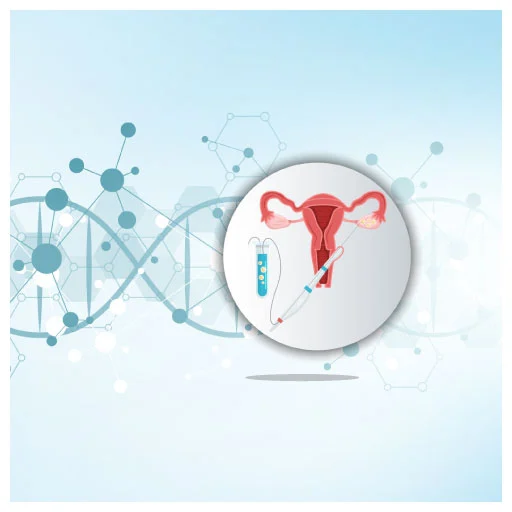
    Illustration of IUI procedure with uterus and syringe against a DNA background.

    Fertility Acupuncture for Same-Sex Couples: A Viable Option?

    While fertility acupuncture offers many benefits for same-sex couples, there are also some challenges to consider. These include:

    1. Legal barriers: In some countries, same-sex couples may face legal barriers when seeking fertility treatments, including acupuncture. It is important to research the laws and regulations in your country before pursuing fertility acupuncture.

    2. Finding a qualified practitioner: Fertility acupuncture requires specialized training, and not all acupuncturists may have experience working with same-sex couples. It is essential to do thorough research and find a qualified and experienced practitioner who is LGBTQ+ friendly.

    3. Cost: Fertility acupuncture can be expensive, and insurance coverage may vary for same-sex couples. It is crucial to discuss the cost and potential insurance coverage with the practitioner before starting treatment.

    Expert Insights:

    To gain further insights into fertility acupuncture for same-sex couples, we spoke to Dr. Jennifer Lee, a licensed acupuncturist and fertility expert. According to Dr. Lee, “Fertility acupuncture can be a viable option for same-sex couples, as it not only improves reproductive health but also supports overall well-being. It can also be used in conjunction with other fertility treatments, such as IVF, to enhance their effectiveness.”

    Dr. Lee also stresses the importance of finding a qualified and experienced acupuncturist who is trained to work with same-sex couples. “It is essential for the practitioner to create a safe and inclusive space for their clients. Same-sex couples may have unique challenges and concerns that need to be addressed, and a knowledgeable and empathetic practitioner can make all the difference,” she says.

    In addition to fertility acupuncture, Dr. Lee also recommends incorporating lifestyle changes such as a healthy diet, regular exercise, and stress-management techniques to improve fertility for same-sex couples.

    In conclusion, fertility acupuncture can be a valuable option for same-sex couples on their journey to parenthood. It offers a range of benefits, including improving reproductive health, reducing stress and anxiety, and promoting overall well-being. However, it is essential to consider the potential challenges and find a qualified practitioner who can provide a safe and inclusive environment for treatment.

    SEO metadata:

  • Fertility Acupuncture: A Personal Journey to Conception

    Blog Post: Fertility Acupuncture: A Personal Journey to Conception

    For many couples, the journey to conception can be a long and difficult one. From monitoring ovulation to trying different fertility treatments, the process can be emotionally and physically taxing. As someone who struggled with infertility for years, I understand the frustration and heartache that comes with wanting to have a child and facing obstacles in the way. After trying various methods, my husband and I turned to fertility acupuncture as our last option. This is our personal journey to conception and how fertility acupuncture helped us achieve our dream of starting a family.

    My husband and I had been trying to conceive for over two years with no success. After multiple visits to the doctor and undergoing various tests, we were diagnosed with unexplained infertility. We were devastated and felt like we were running out of options. That’s when a friend suggested trying fertility acupuncture. At first, I was skeptical and didn’t know much about it. But after doing some research and reading about its success rates, we decided to give it a try.

    Fertility acupuncture is a form of traditional Chinese medicine that has been used for centuries to treat infertility. It involves the insertion of thin needles into specific points on the body to stimulate the flow of energy or “qi”. This energy flow is believed to be responsible for maintaining overall health and balance in the body. By targeting specific points, acupuncture can help regulate hormones, improve blood flow to the reproductive organs, and reduce stress and anxiety.

    Our journey with fertility acupuncture began with an initial consultation with a licensed acupuncturist. She asked us about our medical history, lifestyle, and any previous fertility treatments we had tried. She also performed a physical exam and checked my pulse and tongue, which are important in traditional Chinese medicine. Based on all this information, she created a customized treatment plan for us.

    We started with weekly acupuncture sessions, which involved lying on a comfortable table while the acupuncturist inserted needles into different parts of my body. I was surprised that the needles didn’t hurt at all and actually felt quite relaxing. During the sessions, I would often fall asleep, and when I woke up, I felt refreshed and rejuvenated. After a few weeks, I noticed that I was feeling less stressed and more balanced overall.

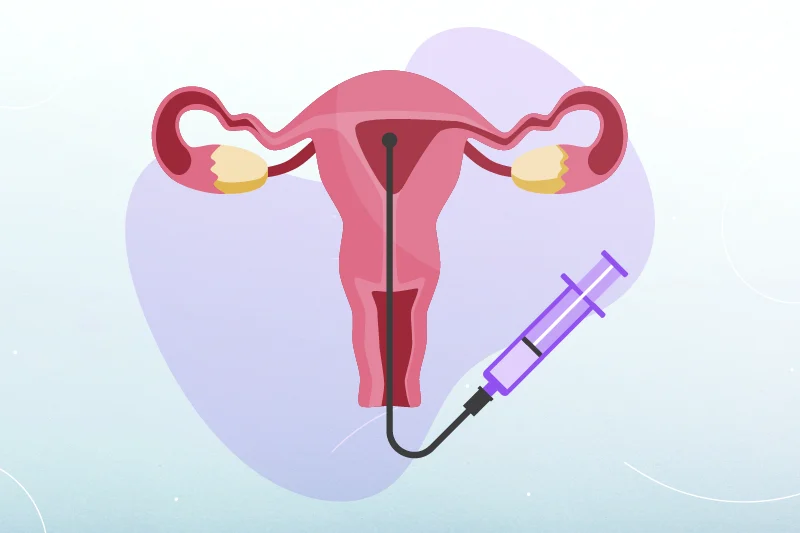
    diagram of a uterus with a syringe for intrauterine insemination procedure

    Fertility Acupuncture: A Personal Journey to Conception

    Along with acupuncture, the acupuncturist also suggested making some dietary changes and incorporating Chinese herbs into my routine. She explained that certain foods and herbs can help nourish the reproductive organs and improve fertility. I started eating more warm, cooked foods and avoided cold or raw foods, as per her recommendation. I also took herbal supplements prescribed by her.

    After about three months of acupuncture and dietary changes, I started to notice some changes in my body. My menstrual cycle, which was usually irregular, became more regular, and I was ovulating regularly. I also experienced less PMS symptoms and had more energy. My husband also noticed improvements in his overall health and well-being.

    To our surprise, after six months of acupuncture, we found out that we were pregnant. We were overjoyed and couldn’t believe that after years of trying, we were finally going to have a baby. We continued with acupuncture throughout my pregnancy, which helped with morning sickness, fatigue, and other pregnancy symptoms. Our baby girl was born healthy and happy, and we couldn’t be more grateful to have her in our lives.

    Looking back, I am convinced that fertility acupuncture played a significant role in our journey to conception. Not only did it help regulate my hormones and improve my fertility, but it also helped reduce my stress and anxiety, which I believe was a major factor in our previous failed attempts. I am now a firm believer in the power of acupuncture and have recommended it to many of my friends who are struggling with fertility issues.

    In conclusion, fertility acupuncture may not be the answer for everyone, but it was the solution for us. It helped us overcome our struggles with infertility and achieve our dream of becoming parents. If you are on a similar journey, I would highly recommend considering fertility acupuncture as an option. It not only helped us conceive, but it also improved our overall health and well-being. Trust the process and have faith that your miracle will come.

    Summary:

    For couples struggling with infertility, the journey to conception can be emotionally and physically taxing. After trying various methods, my husband and I turned to fertility acupuncture as our last option. Fertility acupuncture is a form of traditional Chinese medicine that involves the insertion of thin needles into specific points on the body to stimulate the flow of energy. After receiving weekly acupuncture sessions, making dietary changes, and taking herbal supplements, we noticed improvements in our overall health and fertility. After six months of treatment, we were blessed with a healthy baby girl. Fertility acupuncture may not be the answer for everyone, but it was the solution for us.

  • The Cost Comparison: Fertility Acupuncture vs Traditional Treatments

    Blog Post:

    When it comes to fertility treatments, there are many options available for couples struggling to conceive. From traditional medical treatments such as in vitro fertilization (IVF) to alternative therapies like acupuncture, the choices can be overwhelming. However, one factor that often comes into consideration is the cost – both financially and emotionally. In this blog post, we will take a closer look at the cost comparison between fertility acupuncture and traditional treatments.

    The Cost of Traditional Treatments

    Traditional medical treatments for fertility, such as IVF, can be expensive. The average cost of one IVF cycle in the United States is around $12,000, and that does not include additional costs for medications, tests, and other procedures. In some cases, multiple cycles may be needed, which can significantly increase the overall cost. These treatments often require a significant financial investment, which can add stress and strain to an already emotionally challenging journey.

    Aside from the financial cost, traditional treatments can also have side effects and risks. Medications used in IVF can cause hormonal imbalances and increase the risk of multiple pregnancies. The procedures themselves can also be physically uncomfortable and invasive, adding to the emotional toll of fertility treatments.

    The Cost of Fertility Acupuncture

    On the other hand, fertility acupuncture is a natural and non-invasive alternative that has been gaining popularity in recent years. Acupuncture involves the insertion of thin needles into specific points on the body to stimulate the flow of energy and promote healing. In terms of cost, fertility acupuncture is significantly more affordable than traditional treatments, with an average session costing between $75-150.

    But does the lower cost of fertility acupuncture mean it is less effective? Not necessarily. Many studies have shown that acupuncture can improve fertility outcomes by regulating hormones, improving blood flow to the reproductive organs, and reducing stress and anxiety. Additionally, acupuncture can also improve the success rates of traditional treatments such as IVF when used in conjunction.

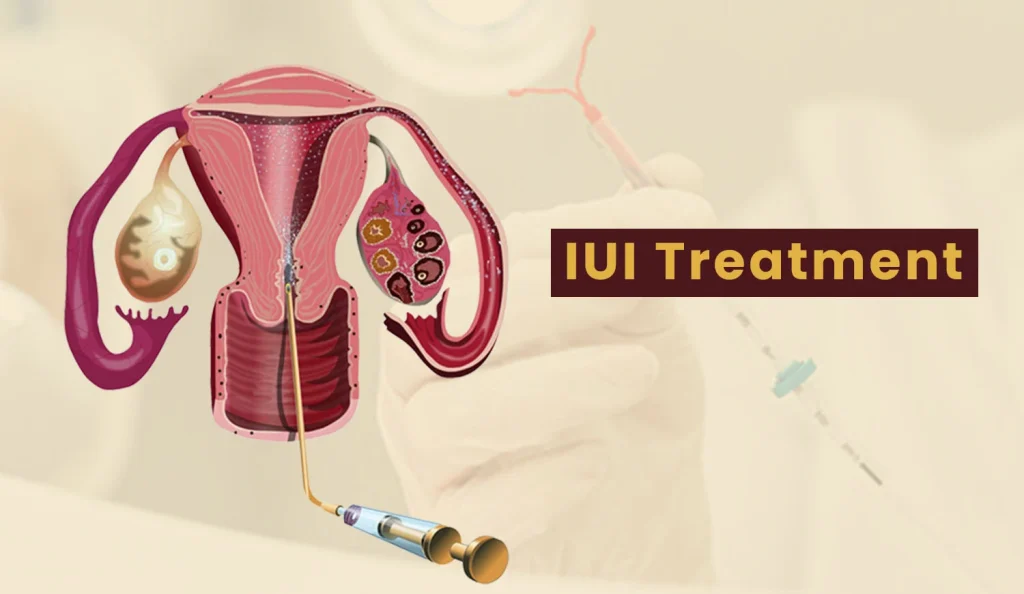
    illustration of the uterus and ovaries with a syringe, labeled "IUI Treatment" in the background

    The Cost Comparison: Fertility Acupuncture vs Traditional Treatments

    Comparing Success Rates

    When comparing the success rates of fertility acupuncture and traditional treatments, the results can vary. While some studies have shown similar success rates between acupuncture and IVF, others have shown a higher success rate for acupuncture. For example, a study published in the Journal of Integrative Medicine found that the pregnancy rate was 43.3% for women who received acupuncture with IVF compared to 26.3% for those who only received IVF treatment.

    Furthermore, fertility acupuncture can also improve overall health and well-being, which can contribute to a better pregnancy outcome. By addressing underlying issues such as stress, hormonal imbalances, and irregular menstrual cycles, acupuncture can help create a healthier environment for conception.

    The Emotional Cost

    Aside from the financial cost, the emotional toll of fertility treatments cannot be overlooked. The rollercoaster of emotions that couples experience can be overwhelming and can take a toll on their mental health. Traditional treatments often involve a lot of waiting, uncertainty, and disappointment, which can be difficult to handle. On the other hand, fertility acupuncture can provide a sense of control and empowerment for couples as they actively participate in their treatment.

    Moreover, fertility acupuncture can also improve emotional well-being by reducing stress and anxiety. This is crucial as stress can negatively impact fertility by disrupting hormonal balance and affecting ovulation. By helping couples relax and reduce stress, acupuncture can create a more positive and conducive environment for conception.

    In conclusion, when it comes to the cost of fertility treatments, it is essential to weigh both the financial and emotional factors. While traditional treatments may have higher success rates, they can also come with a significant financial burden and potential side effects. Fertility acupuncture, on the other hand, is a more affordable and natural alternative with promising results. It can also improve overall health and well-being, leading to a more positive pregnancy outcome. Ultimately, the choice between the two will depend on the individual needs and preferences of the couple, but it is worth considering all options before making a decision.

    Summary:

    Fertility treatments can be expensive, both financially and emotionally. Traditional treatments such as IVF can cost an average of $12,000 per cycle, with potential side effects and risks. On the other hand, fertility acupuncture is a more affordable and natural alternative, with an average cost of $75-150 per session. Studies have shown that acupuncture can improve fertility outcomes and can even improve success rates of traditional treatments when used in conjunction. Furthermore, acupuncture can also improve overall health and well-being, leading to a more positive pregnancy outcome. Ultimately, the choice between traditional treatments and fertility acupuncture will depend on the individual needs and preferences of the couple.

  • Fertility Acupuncture and Endometriosis: Can It Help?

    Blog Post:

    Endometriosis is a condition affecting approximately 10% of women of reproductive age and is characterized by the abnormal growth of tissue similar to the lining of the uterus outside of the uterus. This condition can cause a range of symptoms including pelvic pain, heavy or irregular menstrual periods, and infertility. While there is no known cure for endometriosis, there are various treatments available to help manage the symptoms and improve fertility. One alternative treatment that has gained popularity in recent years is fertility acupuncture. In this blog post, we will explore the connection between fertility acupuncture and endometriosis and whether it can help in managing this condition.

    What is Fertility Acupuncture?

    Acupuncture is a form of traditional Chinese medicine that involves the insertion of thin needles into specific points on the body to stimulate the flow of energy or “qi.” Fertility acupuncture, specifically, focuses on treating fertility issues and improving reproductive health. This holistic approach aims to balance the body’s energy and restore harmony, which can have a positive impact on fertility.

    How Does Acupuncture Help with Endometriosis?

    Endometriosis is a complex condition that can involve multiple factors such as hormonal imbalances, inflammation, and immune dysfunction. Fertility acupuncture can help address these underlying issues by:

    1. Reducing Inflammation: Studies have shown that acupuncture can help reduce inflammation in the body. Inflammation is a significant contributor to endometriosis symptoms, including pain and infertility. By reducing inflammation, acupuncture can help alleviate these symptoms and improve fertility.

    2. Regulating Hormones: Hormonal imbalances, particularly of estrogen, play a crucial role in the development and progression of endometriosis. Acupuncture has been shown to regulate hormone levels, including estrogen, which can help improve endometriosis symptoms and fertility.

    3. Improving Blood Flow: Acupuncture can stimulate blood flow to the pelvic area, which can help nourish the reproductive organs and improve their function. This increased blood flow can also help reduce the build-up of endometrial tissue outside of the uterus.

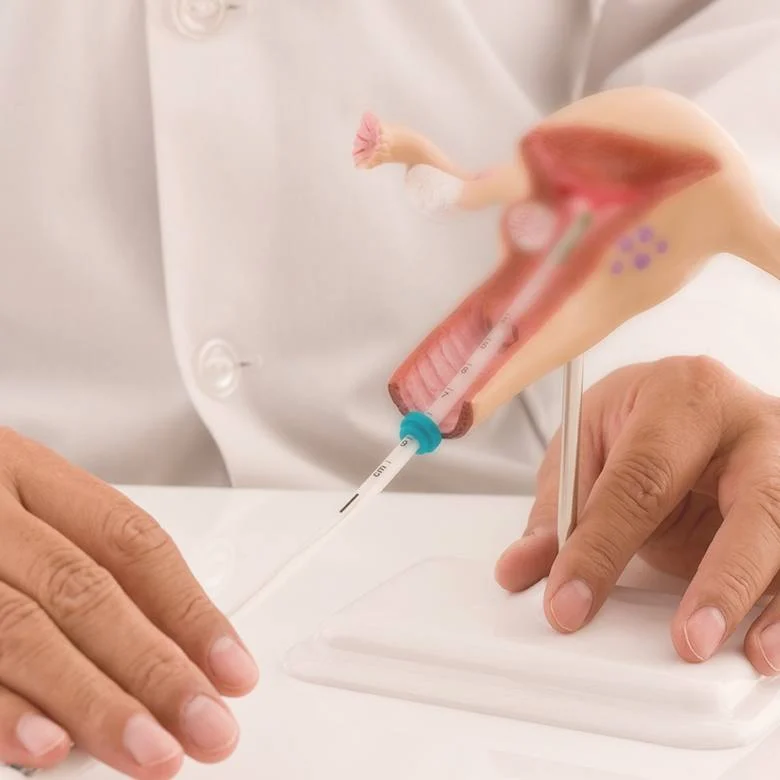
    model of the female reproductive system with a hand demonstrating intrauterine insemination technique

    Fertility Acupuncture and Endometriosis: Can It Help?

    4. Boosting the Immune System: Endometriosis is considered to be an autoimmune disorder, where the body’s immune system mistakenly attacks healthy tissue. Acupuncture can help balance the immune system and reduce its overactivity, which can help manage endometriosis symptoms.

    Can Fertility Acupuncture Help with Infertility?

    Infertility is a common concern for women with endometriosis. The good news is that acupuncture has shown promising results in improving fertility in women with endometriosis. A study published in the Journal of Integrative Medicine found that women who received acupuncture in conjunction with in vitro fertilization (IVF) had a higher rate of pregnancy and live birth compared to women who only received IVF treatment.

    Additionally, acupuncture can also help with the side effects of fertility treatments such as nausea, bloating, and anxiety. It can also help reduce stress, which is a known contributor to infertility.

    Is Fertility Acupuncture Safe for Endometriosis?

    Acupuncture is generally considered to be a safe and non-invasive treatment. However, it is essential to consult with a licensed and experienced acupuncturist who has experience in treating endometriosis. They will be able to create a personalized treatment plan based on your specific symptoms and needs.

    In some cases, acupuncture may not be suitable for women with severe endometriosis or those with certain medical conditions. It is always best to consult with your doctor before starting any new treatment, including acupuncture.

    Conclusion

    While there is no definitive evidence to suggest that acupuncture can cure endometriosis, it can be a valuable tool in managing the symptoms and improving fertility. By addressing the underlying factors contributing to endometriosis, acupuncture can help alleviate pain, regulate hormones, and improve overall reproductive health. As with any alternative treatment, it is essential to consult with your doctor and a licensed acupuncturist to determine if fertility acupuncture is right for you.

    In summary, fertility acupuncture can help with endometriosis by reducing inflammation, regulating hormones, improving blood flow, and boosting the immune system. It has also shown promising results in improving fertility in women with endometriosis. However, it is crucial to consult with a licensed acupuncturist and your doctor before starting any new treatment.

  • Fertility Acupuncture and Male Factor Infertility: What You Need to Know

    Blog Post:

    Fertility acupuncture has become a popular alternative treatment for couples struggling with infertility. While there are many factors that can contribute to difficulty conceiving, one that is often overlooked is male factor infertility. In fact, studies have shown that male infertility is the sole cause or a contributing factor in approximately 30% of infertility cases. In this blog post, we will explore the benefits of fertility acupuncture for male factor infertility and what you need to know before seeking this treatment.

    What is Male Factor Infertility?

    Male factor infertility refers to any condition that affects a man’s ability to impregnate a woman. This can include low sperm count, poor sperm motility, structural abnormalities, or hormonal imbalances. These issues can be caused by a variety of factors such as genetic disorders, infections, lifestyle choices, or underlying health conditions. However, in many cases, the exact cause of male factor infertility is unknown.

    How Can Fertility Acupuncture Help?

    Acupuncture is a traditional Chinese medicine practice that involves the insertion of thin needles into specific points on the body to stimulate energy flow and promote healing. In terms of fertility, acupuncture can help by improving blood flow to the reproductive organs, balancing hormones, and reducing stress and inflammation. For men with male factor infertility, acupuncture can help to improve sperm quality and quantity, leading to an increased chance of conception.

    Research has shown that acupuncture can increase sperm count, improve sperm motility, and enhance sperm morphology. A study published in the Journal of Fertility and Sterility found that men who received acupuncture twice a week for five weeks had significant improvements in sperm quality compared to those who did not receive acupuncture. Another study in the Journal of Andrology showed that acupuncture can also increase the production of testosterone, a hormone essential for sperm production.

    In addition to improving sperm quality, acupuncture can also help to reduce stress and anxiety, which are common in couples struggling with infertility. Stress can negatively impact fertility by disrupting hormone balance and affecting sperm production. Acupuncture can help to calm the mind and body, allowing for a more relaxed state that is conducive to conception.

    Illustration of the uterus with a syringe, depicting the intrauterine insemination procedure.

    Fertility Acupuncture and Male Factor Infertility: What You Need to Know

    What to Expect During Fertility Acupuncture Treatment

    If you and your partner have decided to try fertility acupuncture for male factor infertility, it is essential to find a qualified and experienced acupuncturist who specializes in fertility. During your first visit, the acupuncturist will perform a detailed assessment to understand your individual situation and create a personalized treatment plan. This may include a combination of acupuncture, herbal supplements, and lifestyle recommendations.

    Acupuncture treatments for male factor infertility typically involve inserting thin needles into specific points on the body, including the lower abdomen, lower back, and legs. These points correspond to the reproductive organs and help to improve blood flow to the area. The needles are left in place for 20-30 minutes, and many people find the experience to be relaxing and even energizing.

    It is important to note that fertility acupuncture is not a quick fix and may take several months to see significant results. Consistency is key, and you may need to undergo weekly or bi-weekly treatments for a few months to achieve the best results.

    Other Considerations for Male Factor Infertility

    While fertility acupuncture can be an effective treatment for male factor infertility, it is essential to address any underlying health issues that may be contributing to the problem. This may include making lifestyle changes such as quitting smoking, reducing alcohol consumption, and maintaining a healthy weight. In some cases, medical interventions such as surgery or medication may be necessary to address structural or hormonal issues.

    It is also crucial for both partners to undergo fertility testing to determine if there are any other fertility issues that need to be addressed. In some cases, fertility acupuncture can be used in conjunction with other fertility treatments, such as in vitro fertilization (IVF), to enhance the chances of success.

    In summary, fertility acupuncture can be a beneficial treatment for male factor infertility. By improving sperm quality and reducing stress, it can increase the chances of conception for couples struggling with fertility issues. However, it is essential to find a qualified acupuncturist and to address any underlying health issues for the best results. With patience and consistency, fertility acupuncture can help you and your partner on your journey to parenthood.

  • Exploring the Connection between Fertility Acupuncture and Hormonal Imbalance

    Exploring the Connection between Fertility Acupuncture and Hormonal Imbalance

    For many couples who are struggling to conceive, the journey can be emotionally, physically, and financially challenging. In the search for answers and solutions, many turn to alternative therapies such as acupuncture, which has been gaining popularity in the realm of fertility treatment. Acupuncture, a traditional Chinese medicine practice, involves the insertion of thin needles into specific points on the body to stimulate energy flow and promote overall balance and well-being. While the effectiveness of acupuncture in treating fertility issues is still being studied, there is growing evidence suggesting that it may be beneficial for those experiencing hormonal imbalances, a common cause of infertility.

    Understanding Hormonal Imbalance

    Hormones are chemical messengers in the body that regulate various bodily functions, including reproduction. A delicate balance of hormones is necessary for healthy ovulation and successful conception. However, hormonal imbalances can occur due to various factors, such as stress, poor diet, and underlying medical conditions. When hormones are out of balance, it can lead to irregular menstrual cycles, anovulation (lack of ovulation), and other fertility issues.

    The Role of Acupuncture in Balancing Hormones

    Acupuncture works by activating the body’s natural healing mechanisms, including the regulation of hormones. According to traditional Chinese medicine, the body has a flow of energy called Qi, which travels through channels known as meridians. These meridians connect to specific organs and correspond to different bodily functions. When there is a blockage in the flow of Qi, it can lead to imbalances in the body, including hormonal imbalances. Acupuncture helps to restore the flow of Qi, thus promoting overall balance and harmony in the body.

    Research on Acupuncture and Hormonal Imbalance

    While there is still a need for more extensive and conclusive research, several studies have shown promising results regarding the effectiveness of acupuncture in balancing hormones and improving fertility. A study published in the Journal of Integrative Medicine found that acupuncture helped regulate hormones and improve ovulation in women with polycystic ovary syndrome (PCOS), a common hormonal disorder that can cause infertility. Another study published in the Journal of Clinical Endocrinology & Metabolism found that acupuncture helped regulate the hormones responsible for ovulation in women with infertility due to hypothalamic amenorrhea, a condition caused by hormonal imbalances.

    Illustration of intrauterine insemination (IUI) procedure with syringe and catheter in the uterus.

    Exploring the Connection between Fertility Acupuncture and Hormonal Imbalance

    Furthermore, a meta-analysis published in the Journal of Evidence-Based Complementary and Alternative Medicine, which looked at 30 studies involving over 1,300 women, found that acupuncture significantly improved pregnancy rates in women undergoing in vitro fertilization (IVF) treatment. The study also noted that acupuncture helped regulate hormones, including follicle-stimulating hormone (FSH), luteinizing hormone (LH), and estradiol, which are crucial for successful IVF outcomes.

    How Acupuncture is Administered for Fertility Treatment

    Acupuncture for fertility treatment involves the insertion of thin needles into specific points on the body, usually on the legs, arms, abdomen, and back. The needles are left in place for about 20-30 minutes while the patient relaxes. Acupuncture sessions are typically done once or twice a week, depending on the individual’s needs and treatment plan. The number of sessions required may vary, but most experts recommend a minimum of three consecutive months of treatment for optimal results.

    Acupuncture can also be combined with other fertility treatments, such as IVF, to maximize its effectiveness. In fact, many fertility clinics now offer acupuncture as an adjunct therapy for their patients undergoing IVF treatment.

    Other Benefits of Acupuncture for Fertility

    In addition to balancing hormones, acupuncture has other potential benefits for fertility. It can help reduce stress and anxiety, which are known to affect hormonal balance and fertility. Acupuncture also promotes better blood flow to the reproductive organs, providing them with the necessary nutrients and oxygen for optimal function. It can also help regulate the menstrual cycle and improve the quality of the uterine lining, making it more conducive for embryo implantation.

    Summary:

    Fertility acupuncture is a traditional Chinese medicine practice that involves the insertion of thin needles into specific points on the body to stimulate energy flow and promote overall balance and well-being. While its effectiveness in treating fertility issues is still being studied, there is growing evidence suggesting that it may be beneficial for those experiencing hormonal imbalances, a common cause of infertility. Acupuncture works by activating the body’s natural healing mechanisms, including the regulation of hormones. Several studies have shown promising results regarding the effectiveness of acupuncture in balancing hormones and improving fertility, and it can also be combined with other fertility treatments for maximum effectiveness. Additionally, acupuncture can help reduce stress and anxiety, promote better blood flow to the reproductive organs, and regulate the menstrual cycle, making it a potential holistic approach to treating infertility.

  • The Benefits of Fertility Acupuncture for Women over 35

    Blog Post: The Benefits of Fertility Acupuncture for Women over 35

    As women age, their fertility declines, making it more difficult to conceive and carry a healthy pregnancy. For women over 35, this can be a particularly challenging and emotional journey. While there are various medical interventions available, many women are turning to alternative therapies like acupuncture to help improve their chances of getting pregnant. In this blog post, we will explore the benefits of fertility acupuncture for women over 35 and how it can support their fertility journey.

    1. Regulates Hormones
    One of the key benefits of fertility acupuncture for women over 35 is its ability to regulate hormones. As women age, their hormone levels fluctuate, which can impact their fertility. Acupuncture works by stimulating specific points in the body, which in turn helps to balance hormones. This can be particularly helpful for women with conditions such as polycystic ovary syndrome (PCOS) or endometriosis, which can affect hormone levels and make it harder to conceive.

    2. Improves Ovarian Function
    As women age, the quality and quantity of their eggs decline. This can make it more difficult to conceive and increase the risk of chromosomal abnormalities. Fertility acupuncture has been shown to improve ovarian function and promote the production of healthy eggs. This is achieved by increasing blood flow to the ovaries, which helps to nourish the eggs and improve their quality. For women over 35, this can be a significant benefit as it can increase their chances of getting pregnant naturally or with assisted reproductive techniques.

    3. Reduces Stress and Anxiety
    Trying to conceive can be a stressful and emotional experience, especially for women over 35 who may feel the pressure of their ticking biological clock. Acupuncture has been shown to reduce stress and anxiety levels by promoting the release of endorphins, the body’s natural feel-good hormones. This can help women to relax and manage the emotional toll of their fertility journey. Additionally, stress and anxiety can have a negative impact on fertility, so reducing these factors may also improve the chances of getting pregnant.

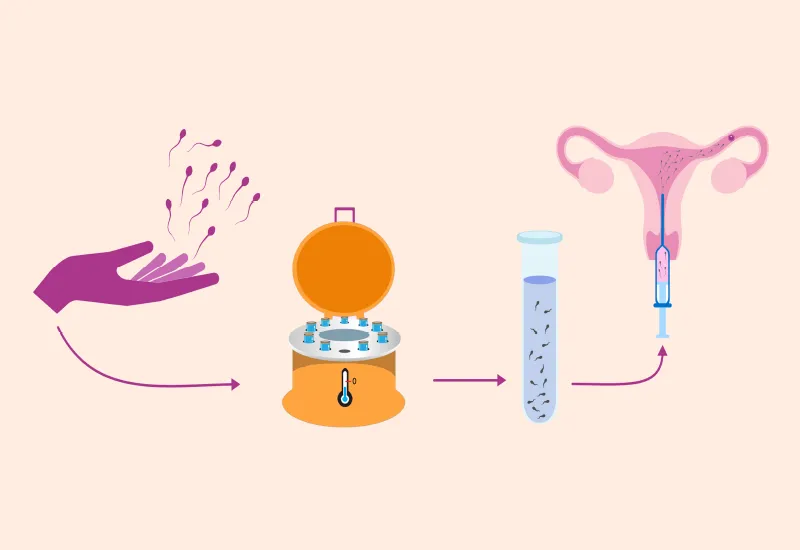
    illustration of the IUI process, showing sperm collection, preparation, and insertion into the uterus

    The Benefits of Fertility Acupuncture for Women over 35

    4. Increases Blood Flow to the Uterus
    Acupuncture can also help to increase blood flow to the uterus, which is essential for a healthy pregnancy. As women age, the blood flow to the uterus naturally decreases, making it more difficult for the embryo to implant and grow. By increasing blood flow, acupuncture can help to create a more hospitable environment for the embryo and improve the chances of a successful pregnancy.

    5. Supports Assisted Reproductive Techniques
    For women over 35 who are undergoing assisted reproductive techniques such as in vitro fertilization (IVF) or intrauterine insemination (IUI), acupuncture can be a valuable supportive therapy. Studies have shown that acupuncture can improve the success rates of these techniques by increasing blood flow to the uterus, reducing stress, and improving hormone levels. It can also help to reduce the side effects of fertility medications, making the process more comfortable for women.

    6. Addresses Underlying Health Issues
    In traditional Chinese medicine, infertility is often seen as a symptom of an underlying health issue. Acupuncture takes a holistic approach to fertility, addressing not just the reproductive system but also the overall health and well-being of the individual. By identifying and treating any underlying health issues, acupuncture can help to improve overall health and fertility. For women over 35, this is particularly beneficial as they may be more likely to have underlying health conditions that could be affecting their fertility.

    In conclusion, fertility acupuncture can offer numerous benefits for women over 35 who are trying to conceive. By regulating hormones, improving ovarian function, reducing stress, and supporting assisted reproductive techniques, acupuncture can help to improve the chances of getting pregnant and having a healthy pregnancy. It also takes a holistic approach to fertility, addressing any underlying health issues that may be impacting fertility. If you are over 35 and trying to conceive, consider incorporating acupuncture into your fertility journey for its potential benefits.

    Summary:

    As women age, their fertility declines, making it more challenging to conceive and carry a healthy pregnancy. However, fertility acupuncture can offer numerous benefits for women over 35 who are trying to conceive. It can regulate hormones, improve ovarian function, reduce stress and anxiety, increase blood flow to the uterus, and support assisted reproductive techniques. Acupuncture also takes a holistic approach to fertility, addressing any underlying health issues that may be impacting fertility. With its potential benefits, fertility acupuncture can be a valuable tool for women over 35 on their fertility journey.

  • Fertility Acupuncture vs Clomid: Which is More Effective?

    Blog Post:

    Fertility issues can be a major source of stress and heartache for many couples trying to conceive. In the pursuit of finding a solution, there are various methods and treatments available, including fertility acupuncture and Clomid. Both have been known to help increase fertility and improve the chances of conception. But which one is more effective? In this blog post, we will delve into the world of fertility treatments and compare the benefits and effectiveness of fertility acupuncture vs Clomid.

    What is Fertility Acupuncture?

    Fertility acupuncture is a form of traditional Chinese medicine that involves the insertion of thin needles into specific points on the body to stimulate energy flow. This ancient practice has been used for centuries to treat various health conditions, including fertility issues. According to traditional Chinese medicine, the body has a flow of energy called Qi, and when this flow is disrupted, it can lead to health problems.

    Acupuncture aims to restore the balance of Qi in the body by targeting specific points along channels called meridians. In terms of fertility, acupuncture is believed to improve blood flow to the reproductive organs, regulate hormone levels, and reduce stress and anxiety, all of which can contribute to fertility issues.

    What is Clomid?

    Clomid, also known as clomiphene citrate, is a medication commonly prescribed for women who have trouble ovulating. It works by stimulating the release of hormones that are necessary for ovulation to occur. Clomid is taken orally and is commonly prescribed for women with polycystic ovary syndrome (PCOS) or unexplained fertility issues.

    Fertility Acupuncture vs Clomid: Effectiveness

    When it comes to effectiveness, both fertility acupuncture and Clomid have shown promising results in helping women conceive. However, studies have shown that acupuncture may be more effective than Clomid in certain cases.

    One study published in the Journal of Alternative and Complementary Medicine found that women who received acupuncture treatments had a significantly higher pregnancy rate compared to those who received fertility medications, including Clomid. Another study published in the Journal of Chinese Medicine also reported higher pregnancy rates in women who received acupuncture compared to those who took Clomid.

    Furthermore, acupuncture has been found to be particularly effective for women with PCOS. A study published in the American Journal of Physiology-Endocrinology and Metabolism found that acupuncture helped to regulate hormone levels and improve ovulation in women with PCOS, resulting in a higher pregnancy rate.

    On the other hand, Clomid has been found to be more effective in women with unexplained fertility issues. A study published in the New England Journal of Medicine found that Clomid was more effective than a placebo in helping women with unexplained infertility conceive.

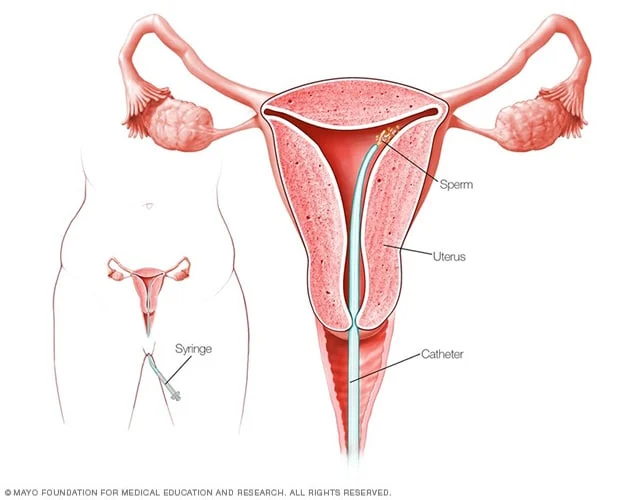
    diagram illustrating intrauterine insemination (IUI) procedure with uterus, sperm, and catheter labeled

    Fertility Acupuncture vs Clomid: Which is More Effective?

    Benefits and Side Effects

    Both fertility acupuncture and Clomid have their own set of benefits and potential side effects. Acupuncture has been found to be a natural and non-invasive method of increasing fertility. It has no known side effects and can also help to reduce stress and anxiety, which can potentially impact fertility.

    Clomid, on the other hand, is a medication that can have potential side effects, including hot flashes, headaches, nausea, and mood swings. It also has a higher risk of multiple pregnancies, which can lead to complications during pregnancy and delivery.

    In terms of cost, acupuncture sessions can range from $60 to $150 per session, and multiple sessions may be needed. Clomid, on the other hand, can cost around $50 to $100 for a one-month supply. However, the overall cost of fertility treatments can vary depending on individual needs and insurance coverage.

    Which is More Effective: Fertility Acupuncture or Clomid?

    The answer to this question ultimately depends on individual circumstances and needs. For women with PCOS, fertility acupuncture may be more effective in regulating hormone levels and increasing ovulation. On the other hand, Clomid may be a better option for women with unexplained fertility issues.

    It is also important to note that fertility acupuncture and Clomid can be used together for optimal results. Studies have shown that combining acupuncture with fertility medications, such as Clomid, can further increase pregnancy rates.

    Conclusion

    Overall, both fertility acupuncture and Clomid have shown promising results in helping women conceive. Acupuncture may be more effective for women with PCOS, while Clomid may be more effective for those with unexplained fertility issues. It is important to consult with a healthcare provider to determine the best treatment option for individual needs.

    In the end, the most important factor is to find a treatment that works for you and your partner, and to stay positive and hopeful on your journey towards parenthood.

    Summary:

    Fertility acupuncture and Clomid are two treatments commonly used to increase fertility and improve the chances of conception. Fertility acupuncture involves the insertion of thin needles into specific points on the body to stimulate energy flow, while Clomid is a medication that stimulates ovulation. Both have shown promising results, with studies suggesting that acupuncture may be more effective for women with PCOS, while Clomid may be more effective for those with unexplained fertility issues. It is important to consult with a healthcare provider to determine the best treatment option for individual needs.