Tag: Infertility

  • A Closer Look: Intrauterine Insemination vs Sperm Washing

    Blog Post: A Closer Look: Intrauterine Insemination vs Sperm Washing

    In the world of assisted reproductive technology, there are many options available for couples struggling to conceive. Two commonly used methods are intrauterine insemination (IUI) and sperm washing. Both techniques involve the use of sperm to fertilize an egg, but they differ in their processes and success rates. In this blog post, we will take a closer look at these two procedures and compare their benefits, risks, and success rates.

    What is Intrauterine Insemination?

    Intrauterine insemination, also known as artificial insemination, is a procedure where washed and prepared sperm is directly inserted into the uterus during a woman’s ovulation period. This method is often used for couples with unexplained infertility, mild male factor infertility, or cervical mucus issues. It is also a popular choice for single women or same-sex couples who want to start a family.

    The process of IUI involves the following steps:

    1. Ovarian Stimulation: In order to increase the chances of pregnancy, women may be given fertility medication to stimulate the ovaries to produce multiple eggs.

    2. Monitoring Egg Development: Ultrasound scans are used to monitor the growth and development of the eggs.

    3. Sperm Preparation: The male partner’s sperm is collected and washed to remove any impurities and increase the concentration of healthy sperm.

    4. Insertion of Sperm: A catheter is used to insert the washed sperm directly into the uterus.

    5. Wait for Pregnancy: After the procedure, the woman must wait for about two weeks to take a pregnancy test to see if the procedure was successful.

    What is Sperm Washing?

    Sperm washing, also known as sperm preparation, is a technique used to separate healthy sperm from semen. This process is commonly used when a man has a low sperm count or a history of genetic disorders. It is also used in cases where the male partner is HIV positive.

    The process of sperm washing involves the following steps:

    1. Semen Collection: The male partner’s semen is collected through masturbation.
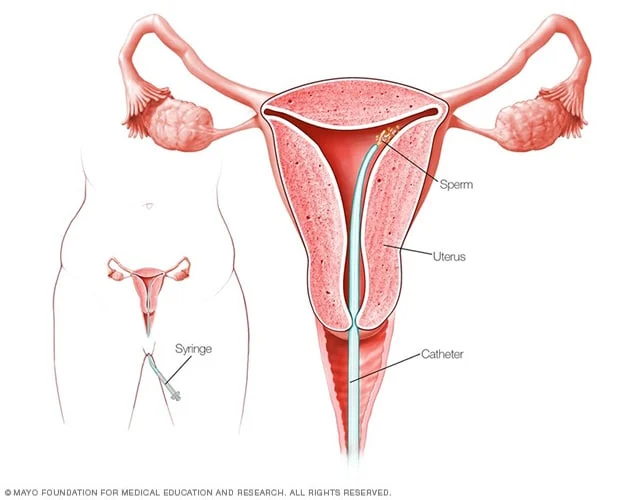
    diagram illustrating intrauterine insemination (IUI) procedure with uterus, sperm, and catheter labeled

    A Closer Look: Intrauterine Insemination vs Sperm Washing

    2. Semen Analysis: The semen is analyzed to determine the sperm count, motility, and morphology.

    3. Sperm Washing: The semen is washed to remove any impurities and separate the healthy sperm.

    4. In Vitro Fertilization (IVF): The washed sperm is used in an IVF procedure, where the egg is fertilized outside the body and then implanted into the woman’s uterus.

    Benefits of Intrauterine Insemination

    One of the main benefits of IUI is that it is a less invasive and less expensive procedure compared to other assisted reproductive techniques. It also allows for the use of the male partner’s sperm, which can be comforting for couples. The procedure is also quick and painless, and the woman can resume her normal activities immediately after.

    Another advantage of IUI is that it can be done at home, with the help of a fertility kit. This allows for more privacy and convenience for couples who may not want to go to a fertility clinic. However, it is important to note that IUI done at home may have a lower success rate compared to a clinic procedure.

    Benefits of Sperm Washing

    The main benefit of sperm washing is its ability to reduce the risk of transmission of HIV or other sexually transmitted diseases. This is especially important for couples where the male partner is HIV positive. Sperm washing also allows for the selection of the healthiest sperm, increasing the chances of a successful pregnancy.

    Risks and Success Rates

    As with any medical procedure, there are risks associated with both IUI and sperm washing. In IUI, there is a risk of infection or damage to the uterus during the insertion of the catheter. There is also a possibility of multiple pregnancies, which can be risky for both the mother and the babies.

    Sperm washing carries a risk of contamination, which can affect the success of the IVF procedure. There is also a small chance of the sperm being damaged during the washing process, leading to a lower success rate.

    When it comes to success rates, both IUI and sperm washing have similar rates of around 10-20% per cycle. However, the success rate of IUI can increase significantly when combined with fertility medication or when multiple cycles are done.

    Summary:

    Intrauterine insemination and sperm washing are two commonly used assisted reproductive techniques for couples struggling to conceive. IUI involves the insertion of washed sperm directly into the uterus, while sperm washing separates healthy sperm from semen, which is then used in an IVF procedure. Both methods have their own benefits, risks, and success rates, and the choice between the two will depend on the individual needs and circumstances of the couple.

  • The Science Behind It: Exploring Intrauterine Insemination vs Sperm Washing

    In today’s world, more and more couples are facing challenges when it comes to conceiving a child. Infertility affects approximately 1 in 8 couples, and the emotional and financial toll it takes can be overwhelming. Thankfully, advances in assisted reproductive technology have made it possible for many couples to overcome these challenges and fulfill their dream of starting a family. Two common fertility treatments that are often used are intrauterine insemination (IUI) and sperm washing. While these procedures may seem similar, they have distinct differences in terms of the science behind them and their effectiveness. In this blog post, we will explore the science behind IUI vs sperm washing and how they can help couples struggling with infertility.

    What is Intrauterine Insemination (IUI)?

    Intrauterine insemination, also known as artificial insemination, is a fertility treatment where washed and concentrated sperm is placed directly into the woman’s uterus during ovulation. This procedure is often used for couples with unexplained infertility, mild male factor infertility, or for same-sex female couples who are using donor sperm.

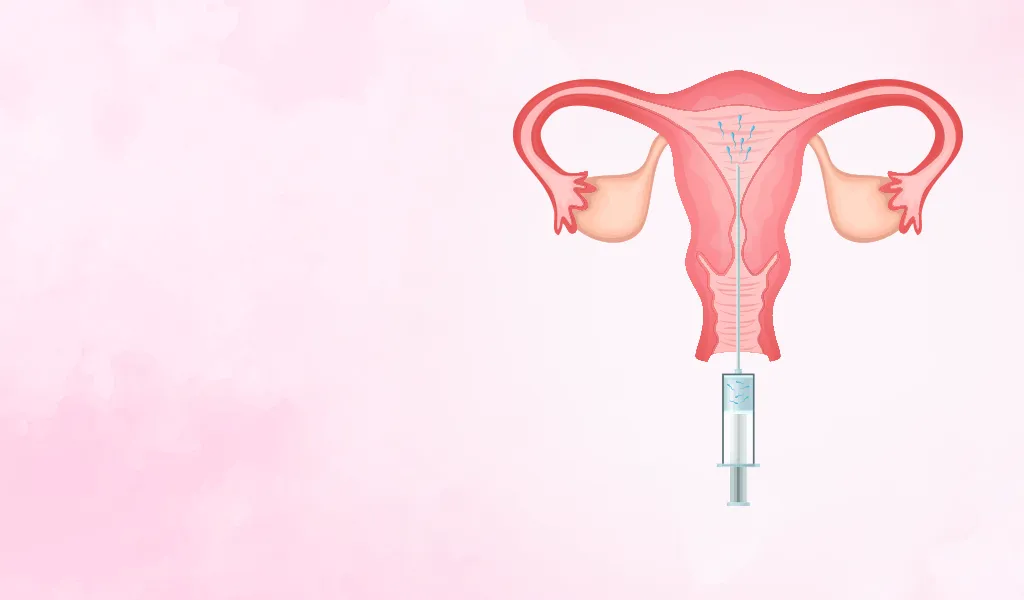
    The process of IUI begins with the woman taking fertility medication to stimulate the ovaries and produce multiple eggs. This increases the chances of fertilization and pregnancy. Then, the male partner or donor provides a semen sample, which is washed and prepared in the laboratory. The washed sperm is then placed into a thin catheter and inserted into the uterus through the cervix. The goal of IUI is to increase the number of sperm that reach the fallopian tubes and have a chance to fertilize the egg.

    What is Sperm Washing?

    Sperm washing is a process that involves separating the sperm from the semen and preparing it for use in assisted reproductive technology procedures, such as IUI or in vitro fertilization (IVF). The process of sperm washing involves removing the seminal fluid, dead sperm, and other debris from the sperm sample to obtain a concentrated solution of healthy, motile sperm that can be used for fertilization.

    The process of sperm washing begins with the male partner or donor providing a semen sample, which is then mixed with a special solution to separate the sperm from the other components of the semen. The sperm is then washed several times to remove any remaining debris, and the final solution is tested for motility and quality. The washed sperm is then used for IUI or IVF procedures.

    The Science Behind IUI vs Sperm Washing

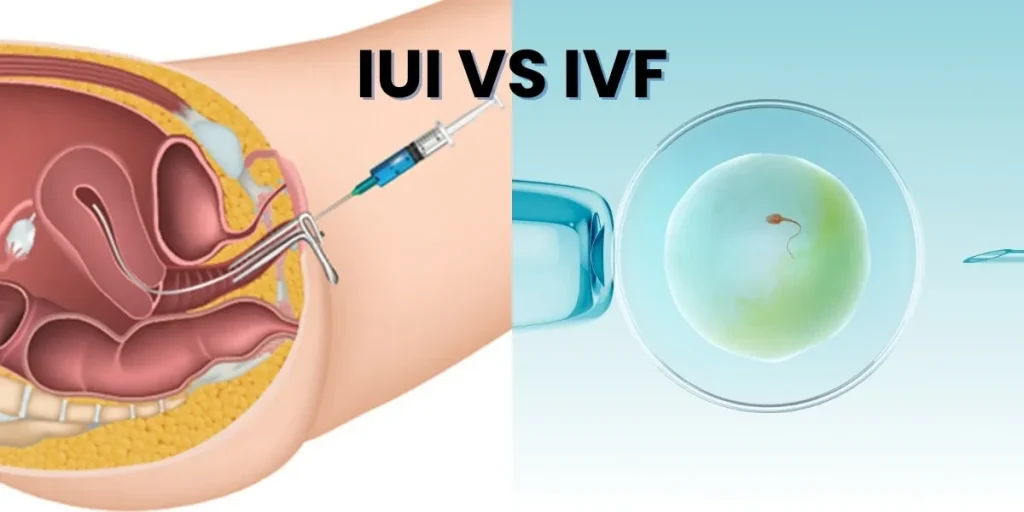
    Comparison of IUI and IVF, illustrating procedures and definitions for each fertility treatment.

    The Science Behind It: Exploring Intrauterine Insemination vs Sperm Washing

    Both IUI and sperm washing are procedures that aim to increase the chances of fertilization by placing a concentrated amount of healthy, motile sperm closer to the egg. However, the main difference between the two is where the sperm is placed. In IUI, the sperm is placed directly into the uterus, whereas in sperm washing, the sperm is used for fertilization in a laboratory setting.

    One of the key reasons why sperm washing is preferred over IUI for some fertility treatments is due to its ability to separate the sperm from the seminal fluid. Seminal fluid contains prostaglandins, which can cause contractions in the uterus and potentially interfere with the success of IUI. By removing the seminal fluid, sperm washing eliminates this potential issue and increases the chances of fertilization.

    Sperm washing also allows for the selection of the healthiest and most motile sperm for fertilization. This is particularly beneficial for couples with male factor infertility, as sperm washing can help overcome issues such as low sperm count or motility.

    Effectiveness of IUI vs Sperm Washing

    The success rates of both IUI and sperm washing vary depending on the individual’s specific circumstances. Generally, IUI has a success rate of 10-20% per cycle, while sperm washing has a success rate of 20-30% per cycle. However, for couples with male factor infertility, sperm washing may be a more effective option.

    In addition, sperm washing can also be used for couples with conditions that make IUI more challenging, such as cervical issues, endometriosis, or anti-sperm antibodies. In these cases, sperm washing may increase the chances of fertilization and a successful pregnancy.

    Conclusion

    Intrauterine insemination and sperm washing are two common fertility treatments that can help couples struggling with infertility achieve their dream of starting a family. While they may seem similar, the science behind them and their effectiveness can vary. Sperm washing offers a more targeted and controlled approach to fertilization, making it a preferable option for some couples. Ultimately, the choice between IUI and sperm washing will depend on the individual’s specific circumstances and the recommendation of their fertility specialist.

    In summary, intrauterine insemination and sperm washing are two distinct fertility treatments with different methods and success rates. Understanding the science behind these procedures can help couples make informed decisions about their fertility journey and increase their chances of a successful pregnancy.

  • Intrauterine Insemination vs Sperm Washing: Which is Right for You?

    Intrauterine insemination (IUI) and sperm washing are two common fertility treatments used to help couples conceive. Both procedures involve the use of assisted reproductive technology (ART) to increase the chances of fertilization. While they may seem similar, there are some key differences between IUI and sperm washing that can impact which one is the right choice for you. In this blog post, we will explore the differences between IUI and sperm washing and help you determine which one is the best option for your specific fertility needs.

    What is Intrauterine Insemination?

    Intrauterine insemination, also known as artificial insemination, is a fertility treatment where sperm is placed directly into a woman’s uterus at the time of ovulation. This procedure is typically performed in a doctor’s office and does not require anesthesia. It is a relatively simple and non-invasive procedure that can be done quickly and easily.

    The process of IUI begins with the male partner providing a semen sample. The sample is then washed and prepared in a laboratory to separate the healthy sperm from the semen. The prepared sperm is then inserted into the woman’s uterus using a thin catheter. This procedure is timed to coincide with the woman’s ovulation to increase the chances of fertilization.

    IUI is often recommended for couples with unexplained infertility, mild male factor infertility, or cervical issues that may impede natural conception. It can also be used in conjunction with fertility medications to further enhance the chances of a successful pregnancy.

    What is Sperm Washing?

    Sperm washing is a technique used to separate healthy sperm from semen in order to prepare it for use in ART procedures, such as IUI or in vitro fertilization (IVF). This process involves spinning the semen sample in a centrifuge to separate the sperm from the other components of the semen.

    The washed sperm is then examined and analyzed to select the most viable and healthy sperm for use in ART procedures. This process is important because it helps remove any potential contaminants or impurities that may interfere with fertilization.

    Sperm washing is often recommended for couples where the male partner has a low sperm count, poor sperm motility, or abnormal sperm morphology. It can also be used in cases where the male partner has a known infectious disease, such as HIV, to reduce the risk of transmitting the disease to the female partner.

    Key Differences between IUI and Sperm Washing

    While both IUI and sperm washing involve the use of assisted reproductive technology, there are some key differences between the two procedures.

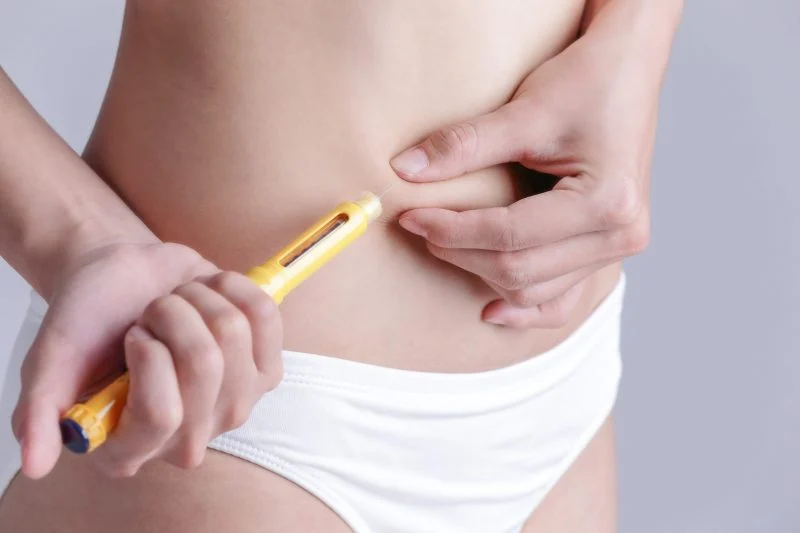
    A person administering an injection into their abdomen with a yellow pen-like device.

    Intrauterine Insemination vs Sperm Washing: Which is Right for You?

    1. Procedure Process

    The procedure process for IUI and sperm washing is different. IUI involves the direct insertion of prepared sperm into the woman’s uterus, while sperm washing involves the separation and preparation of sperm for use in ART procedures. IUI is a relatively quick and simple procedure, while sperm washing can take longer due to the preparation process.

    2. Timing

    Timing is crucial for both IUI and sperm washing. IUI must be timed to coincide with a woman’s ovulation to increase the chances of fertilization. Sperm washing, on the other hand, can be done at any time and the prepared sperm can be stored for future use.

    3. Cost

    The cost of IUI and sperm washing can vary. IUI tends to be less expensive than sperm washing, as it does not involve the additional steps of sperm preparation and analysis. However, the cost of both procedures may also depend on other factors such as the clinic, location, and any additional fertility medications that may be needed.

    Which is Right for You?

    The decision between IUI and sperm washing ultimately depends on your specific fertility needs and the recommendation of your doctor. If you and your partner have unexplained infertility or mild male factor infertility, IUI may be a good option for you. However, if you have more severe male factor infertility or any known infectious diseases, sperm washing may be the better choice.

    It is important to consult with a fertility specialist to determine the best course of action for you and your partner. They can evaluate your individual situation and provide personalized recommendations for your fertility treatment.

    In Summary

    Intrauterine insemination and sperm washing are two common fertility treatments that use assisted reproductive technology to increase the chances of conception. While they may seem similar, there are some key differences between the two procedures, such as the process, timing, and cost. Consulting with a fertility specialist is important to determine which option is the best fit for your specific fertility needs.

    SEO metadata:

  • The Pros and Cons: Intrauterine Insemination vs Sperm Washing

    Intrauterine insemination (IUI) and sperm washing are two common fertility treatments that can help couples struggling with infertility. Both procedures involve the insertion of sperm into the woman’s uterus, but they differ in the way the sperm is prepared and the level of intervention required.

    In this blog post, we’ll explore the pros and cons of intrauterine insemination vs sperm washing to help you make an informed decision about which option may be best for you.

    Intrauterine Insemination (IUI):

    IUI, also known as artificial insemination, involves the direct insertion of washed and concentrated sperm into the woman’s uterus. This procedure is often used when the male partner has a low sperm count or decreased sperm motility, or when there are issues with the woman’s cervical mucus.

    Pros:

    1. Less invasive: IUI is a relatively simple and non-invasive procedure that can be performed in a doctor’s office.

    2. No need for fertility drugs: Unlike in vitro fertilization (IVF), IUI does not require the use of fertility drugs, which can have side effects and add to the cost of treatment.

    3. Cost-effective: IUI is generally more affordable than other fertility treatments, making it a more accessible option for couples on a budget.

    4. Increases chances of conception: IUI can increase the chances of conception by placing the sperm directly into the uterus, bypassing potential obstacles such as cervical mucus.

    Cons:

    1. Lower success rates: The success rates for IUI are lower compared to other fertility treatments, such as IVF. On average, the success rate for IUI is around 10-20% per cycle.

    2. Requires healthy sperm: IUI is only effective if the male partner has a sufficient number of healthy sperm. If there are issues with the quality or quantity of sperm, IUI may not be a viable option.

    3. Limited to certain fertility issues: IUI is not suitable for all types of infertility. It may not be effective for couples with severe male factor infertility or blocked fallopian tubes.

    doctor discussing treatment with a patient in a medical office, featuring an ultrasound machine in the background

    The Pros and Cons: Intrauterine Insemination vs Sperm Washing

    Sperm Washing:

    Sperm washing is a technique that involves separating healthy sperm from semen and preparing it for use in fertility treatments such as IUI or IVF.

    Pros:

    1. Improves sperm quality: Sperm washing can improve the quality of sperm by separating the healthy sperm from other components in the semen, such as dead sperm or white blood cells.

    2. Prevents transmission of infections: Sperm washing can reduce the risk of transmitting infections from the male partner to the female partner or the baby.

    3. Can be used for multiple fertility treatments: Sperm washing is not limited to IUI and can also be used in other fertility treatments, such as IVF or intracytoplasmic sperm injection (ICSI).

    Cons:

    1. More invasive: Sperm washing involves a more invasive procedure compared to IUI, as it requires the insertion of a catheter into the cervix.

    2. Requires fertility drugs: Similar to IVF, sperm washing usually requires the use of fertility drugs to stimulate the ovaries and increase the chances of conception.

    3. Higher cost: Sperm washing is more expensive compared to IUI, making it a less accessible option for couples on a budget.

    4. May not be effective for severe male factor infertility: Sperm washing may not be effective for couples with severe male factor infertility, as it relies on the presence of a sufficient number of healthy sperm.

    Summary:

    Intrauterine insemination (IUI) and sperm washing are two fertility treatments that can help couples struggling with infertility. IUI is a less invasive and more affordable option, but it may not be effective for all types of infertility. On the other hand, sperm washing can improve the quality of sperm and reduce the risk of transmission of infections, but it is a more invasive and expensive procedure. Ultimately, the choice between IUI and sperm washing will depend on the specific needs and circumstances of each couple.

  • Understanding the Process: Intrauterine Insemination vs Sperm Washing

    Understanding the Process: Intrauterine Insemination vs Sperm Washing

    Intrauterine insemination (IUI) and sperm washing are two common fertility treatments used to help couples struggling with infertility. Both procedures involve the use of assisted reproductive technologies (ART) and aim to increase the chances of a successful pregnancy. While they may seem similar, there are significant differences between IUI and sperm washing that couples should understand before deciding which option is best for them.

    What is Intrauterine Insemination (IUI)?

    Intrauterine insemination, also known as artificial insemination, is a procedure in which sperm is inserted directly into a woman’s uterus during ovulation. This increases the chances of fertilization as the sperm is placed closer to the egg, bypassing the need for it to travel through the fallopian tubes. IUI is often recommended for couples with unexplained infertility, mild male factor infertility, or for single women and same-sex couples who want to conceive using donor sperm.

    The Process of IUI

    The process of IUI typically involves the following steps:

    1. Ovarian Stimulation: Before the IUI procedure, the woman may be given fertility drugs to stimulate the ovaries to produce multiple eggs. This increases the chances of fertilization and pregnancy.

    2. Sperm Collection and Preparation: The male partner or donor provides a semen sample, which is then washed and prepared in the laboratory. The washing process separates the healthy, motile sperm from the seminal fluid and dead sperm, ensuring that only the best-quality sperm is used for the IUI procedure.

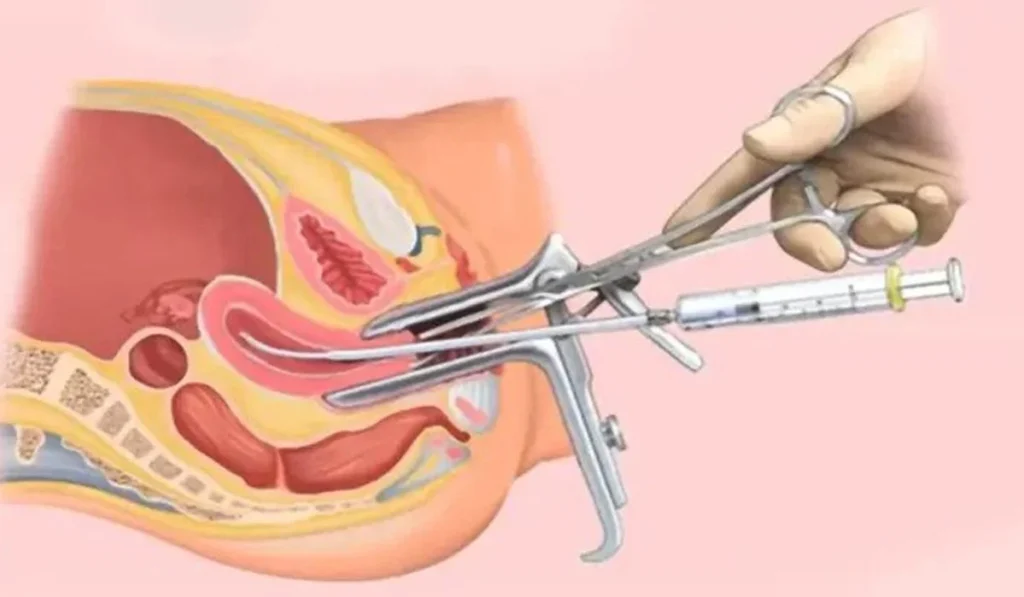
    3. Insemination: Once the sperm is prepared, a thin, flexible catheter is inserted into the woman’s cervix and into the uterus. The washed sperm is then injected into the uterus, and the catheter is removed.

    4. Rest and Monitoring: After the procedure, the woman may be advised to rest for a short period before resuming normal activities. She may also be monitored for ovulation and may be given progesterone supplements to support the development of the uterine lining.

    What is Sperm Washing?

    Sperm washing is a laboratory procedure that separates healthy, motile sperm from the seminal fluid and dead sperm. This process is typically used in conjunction with other ART procedures, such as in vitro fertilization (IVF) or IUI, to improve the quality of the sperm used for fertilization. Sperm washing is especially beneficial for couples with male factor infertility, as it can increase the chances of successful fertilization.

    The Process of Sperm Washing

    illustration of an intrauterine insemination procedure with medical instruments and anatomical details

    Understanding the Process: Intrauterine Insemination vs Sperm Washing

    The process of sperm washing typically involves the following steps:

    1. Sperm Collection: The male partner or donor provides a semen sample, which is then collected and placed in a sterile container.

    2. Washing and Preparation: The sperm is washed and prepared in the laboratory using a special solution that separates the healthy, motile sperm from the seminal fluid and dead sperm.

    3. Insemination: Once the sperm is prepared, it can be used for various ART procedures, such as IVF or IUI, depending on the couple’s specific needs and preferences.

    4. Storage: Any remaining sperm can be frozen and stored for future use, if needed.

    The Differences Between IUI and Sperm Washing

    While both IUI and sperm washing involve the use of assisted reproductive technologies, there are some key differences between the two procedures. These include:

    1. Purpose: The primary purpose of IUI is to increase the chances of fertilization by placing the sperm closer to the egg. On the other hand, the main purpose of sperm washing is to improve the quality of sperm used for fertilization.

    2. Timing: IUI is typically performed during the woman’s ovulation, whereas sperm washing can be done at any time.

    3. Fertility Issues: IUI is often recommended for couples with unexplained infertility, mild male factor infertility, or for single women and same-sex couples. Sperm washing, on the other hand, is primarily used for couples with male factor infertility.

    4. Procedure: IUI involves the insertion of washed sperm directly into the uterus, while sperm washing is a laboratory procedure that prepares sperm for use in other ART procedures.

    Which Option is Right for You?

    Deciding between IUI and sperm washing depends on your individual circumstances and fertility issues. It’s essential to consult with a fertility specialist to determine which procedure is best for you. They will consider factors such as your age, medical history, and fertility test results to recommend the most suitable treatment option.

    In conclusion, both IUI and sperm washing are effective fertility treatments that can increase the chances of a successful pregnancy. While IUI is primarily used to place sperm closer to the egg, sperm washing aims to improve the quality of sperm used for fertilization. Understanding the differences between the two procedures can help couples make an informed decision about which option is best for them.

  • Breaking Down the Differences: Intrauterine Insemination vs Sperm Washing

    Breaking Down the Differences: Intrauterine Insemination vs Sperm Washing

    When it comes to assisted reproductive technology, there are several options available for couples struggling with infertility. Two of the most commonly used methods are intrauterine insemination (IUI) and sperm washing. While both methods involve the use of sperm to increase the chances of pregnancy, they have distinct differences in terms of procedure, cost, success rates, and other factors. In this blog post, we will take a closer look at each method and break down their differences to help you make an informed decision about which one may be right for you.

    What is Intrauterine Insemination (IUI)?

    Intrauterine insemination, also known as artificial insemination, is a medical procedure in which sperm is placed directly into a woman’s uterus to increase the chances of fertilization. The procedure is typically done when a woman is ovulating and involves a thin, flexible tube called a catheter, which is used to inject the sperm through the cervix and into the uterus.

    What is Sperm Washing?

    Sperm washing is a laboratory process in which sperm is separated from the semen and prepared for use in assisted reproductive techniques. This method is usually recommended for couples where the male partner is HIV positive or has a genetic disease that could be passed on to the offspring. Sperm washing involves several steps, including diluting the semen, spinning it in a centrifuge, and separating the sperm from the other components. The resulting sperm is then used for intrauterine insemination, in vitro fertilization (IVF), or other assisted reproductive techniques.

    Procedure Differences

    One of the main differences between IUI and sperm washing is the procedure itself. While IUI involves placing sperm directly into the uterus, sperm washing is a laboratory process that prepares the sperm for use in assisted reproductive techniques. IUI is a relatively quick and straightforward procedure that can be done in a doctor’s office, while sperm washing is a more complex process that requires specialized equipment and skills.

    Cost Differences

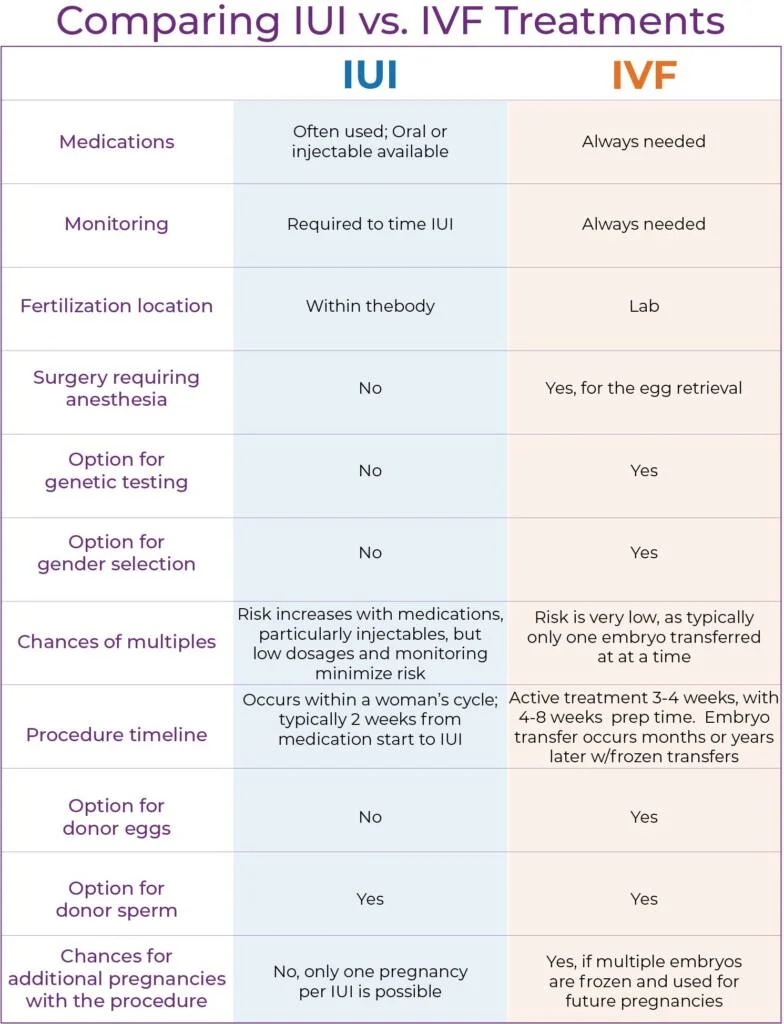
    Comparison chart of IUI and IVF treatments, detailing medications, monitoring, procedures, and success rates.

    Breaking Down the Differences: Intrauterine Insemination vs Sperm Washing

    In terms of cost, IUI is generally more affordable than sperm washing. The average cost of IUI ranges from $300 to $1000 per cycle, while sperm washing can cost anywhere from $500 to $2500 per cycle. The cost of sperm washing may be higher due to the additional laboratory procedures involved.

    Success Rates

    Success rates are another important factor to consider when comparing IUI and sperm washing. Both methods have varying success rates, depending on factors such as age, overall health, and the underlying cause of infertility. According to the American Pregnancy Association, the success rate for IUI ranges from 10% to 20% per cycle, while the success rate for sperm washing is slightly higher at 20% to 25% per cycle. It is important to note that these rates may vary depending on individual circumstances and should be discussed with a fertility specialist.

    Risks and Side Effects

    As with any medical procedure, there are potential risks and side effects associated with IUI and sperm washing. IUI carries a minimal risk of infection or discomfort during the procedure, while sperm washing may have a higher risk of infection due to handling of the semen. Both methods may also cause mild side effects such as cramping or spotting, which should subside within a few days.

    When to Consider IUI or Sperm Washing

    IUI is often recommended for couples who have been trying to conceive for a year or more without success, or for those with mild cases of male factor infertility. It may also be used for women with ovulation issues or cervical problems that affect sperm motility. On the other hand, sperm washing is usually recommended for couples where the male partner is HIV positive or has a genetic condition that could be passed on to the offspring. It may also be used for couples who have failed previous fertility treatments or for women with blocked fallopian tubes.

    In conclusion, both intrauterine insemination and sperm washing are effective methods for increasing the chances of pregnancy in couples struggling with infertility. However, they differ in terms of procedure, cost, success rates, and other factors. It is important to consult with a fertility specialist to determine which method may be right for you based on your individual circumstances. With the right treatment plan, many couples are able to overcome infertility and fulfill their dreams of starting a family.

    Summary:

    Intrauterine insemination (IUI) and sperm washing are two commonly used methods of assisted reproductive technology for couples struggling with infertility. IUI involves placing sperm directly into the uterus, while sperm washing is a laboratory process that prepares the sperm for use in assisted reproductive techniques. IUI is more affordable and has a lower success rate compared to sperm washing, which is a more complex and expensive procedure with a slightly higher success rate. Both methods have potential risks and side effects, and the decision on which one to use should be based on individual circumstances. Consulting with a fertility specialist is crucial in determining the best treatment option for achieving pregnancy.

  • The Emotional Toll of Infertility: How Fertility Preservation Can Help

    Infertility is a deeply personal and often heartbreaking struggle that affects millions of people worldwide. It is defined as the inability to conceive a child after one year of trying, or six months if the woman is over the age of 35. For those who dream of starting a family, facing infertility can be a devastating blow. Not only does it bring physical challenges, but it also takes a significant emotional toll on individuals and couples. In this blog post, we will discuss the emotional impact of infertility and how fertility preservation can provide hope and support during this difficult journey.

    The Emotional Toll of Infertility
    Infertility can cause a wide range of emotions, from sadness and anger to guilt and shame. It is a complex and often misunderstood issue that can take a toll on one’s mental health and well-being. The inability to conceive can lead to feelings of inadequacy, failure, and even grief. Many individuals and couples struggling with infertility experience a sense of loss, as they watch their friends and family members start their own families effortlessly.

    Moreover, the pressure and expectations from society and cultural norms can add to the emotional burden. Women, in particular, may feel a sense of shame or guilt for not being able to fulfill their “natural” role as a mother. As a result, they may isolate themselves and avoid social situations that involve children or pregnancy, further deepening their feelings of loneliness and isolation.

    The emotional impact of infertility can also strain relationships. The stress and disappointment of failed attempts to conceive can cause tension and disagreements between partners. This can lead to feelings of resentment and blame, which can ultimately damage the relationship. In addition, the constant focus on fertility and trying to conceive can take a toll on intimacy and add pressure to the already stressful situation.

    How Fertility Preservation Can Help
    Fertility preservation is the process of freezing and storing reproductive cells, such as sperm, eggs, or embryos, for future use. It is commonly used by individuals and couples who want to preserve their fertility for medical or personal reasons. However, it can also be a valuable tool for those facing infertility.

    One of the main benefits of fertility preservation is the preservation of hope. The journey of fertility can be unpredictable and full of disappointments. Knowing that there is a backup plan, such as frozen eggs or embryos, can provide a sense of security and hope for the future. This can alleviate some of the emotional stress and anxiety associated with infertility.

    Fertility preservation can also give individuals and couples more control over their family planning. It allows them to take a break from the constant pressure of trying to conceive and focus on other aspects of their lives. This can help reduce the feelings of guilt and shame often associated with infertility and give individuals a sense of empowerment.

    illustration of a uterus with a syringe, representing intrauterine insemination procedure

    The Emotional Toll of Infertility: How Fertility Preservation Can Help

    In addition, fertility preservation can also improve the success rates of fertility treatments. As individuals age, their reproductive cells also age, making it more challenging to conceive. By preserving their eggs or sperm at a younger age, individuals can increase their chances of success when they are ready to start a family. This can significantly reduce the emotional toll of multiple failed attempts at conception.

    Fertility preservation can also have a positive impact on relationships. It can help alleviate the pressure and strain of trying to conceive, allowing couples to focus on strengthening their bond and supporting each other through the emotional journey. Moreover, it can also provide a sense of unity and shared responsibility, as both partners are actively involved in the process.

    The Importance of Reproductive Health
    While fertility preservation can be a valuable tool for those facing infertility, it is also essential to prioritize reproductive health early on. Many individuals and couples do not consider their fertility until they are ready to have children. However, seeking advice from a fertility specialist and taking proactive steps to maintain reproductive health can greatly reduce the risk of infertility.

    A healthy lifestyle, including a balanced diet and regular exercise, can play a significant role in maintaining reproductive health. Avoiding harmful substances such as tobacco and excessive alcohol consumption can also help preserve fertility. It is also crucial to address any underlying medical conditions that can affect fertility, such as polycystic ovary syndrome (PCOS) or endometriosis.

    Seeking counseling or therapy can also be beneficial for individuals and couples struggling with infertility. It can provide a safe space to process emotions, improve communication, and develop coping strategies. Many fertility clinics also offer support groups and counseling services specifically for those facing infertility.

    In conclusion, the emotional toll of infertility is a complex and challenging experience that can deeply impact individuals and couples. Fertility preservation can provide hope and support during this difficult journey by giving individuals more control over their family planning, preserving hope, and improving success rates. However, it is crucial to prioritize reproductive health early on and seek support when needed. With advancements in technology and a better understanding of the emotional impact of infertility, there is hope for those facing this struggle to one day fulfill their dream of starting a family.

    SEO metadata:

  • Fertility Preservation vs Immediate Pregnancy: A Personal Journey

    In today’s society, there are many options available for individuals and couples looking to start a family. Some may choose to wait until they are financially stable or have achieved certain career goals, while others may face challenges with infertility. As a woman in her late 20s, I was faced with the decision of whether to pursue fertility preservation or try for immediate pregnancy. This personal journey has led me to explore the pros and cons of each option, and ultimately make a decision that was best for me.

    Fertility preservation, also known as egg freezing, is a process where a woman’s eggs are collected and frozen for future use. This method allows women to delay pregnancy and preserve their fertility for later in life. It is often seen as a viable option for women who are not ready to start a family but want to ensure they have the opportunity to do so in the future. It is also commonly used by women who are facing medical treatments that may affect their fertility, such as chemotherapy.

    On the other hand, immediate pregnancy is the traditional route of trying to conceive without any medical interventions. This may include tracking ovulation, using fertility medications, or undergoing fertility treatments such as in vitro fertilization (IVF). For some, this may be the preferred option as they do not want to delay starting a family or face the risks and costs associated with fertility preservation.

    For me, the decision between fertility preservation and immediate pregnancy was not an easy one. I had always envisioned myself as a mother, but I also wanted to have a stable career and financial stability before starting a family. However, at the age of 28, I was diagnosed with endometriosis, a condition that can cause infertility. This diagnosis made me realize that my time to start a family may be limited, and I needed to consider all my options.

    After much research and discussions with my partner, I decided to pursue fertility preservation. While it was a costly and time-consuming process, I felt at ease knowing that I had taken steps to preserve my fertility for the future. The procedure itself was not without its challenges, both physically and emotionally. The hormone injections and egg retrieval process were uncomfortable, and the uncertainty of whether the eggs would be viable added to the stress. However, I was able to freeze 15 healthy eggs, giving me a sense of relief and hope for the future.

    One of the main reasons I chose fertility preservation over immediate pregnancy was the option to have children later in life. By freezing my eggs, I had the flexibility to choose when I wanted to start a family, without the added pressure of age-related fertility decline. This was especially important to me as I wanted to be able to focus on my career and personal goals before becoming a mother.

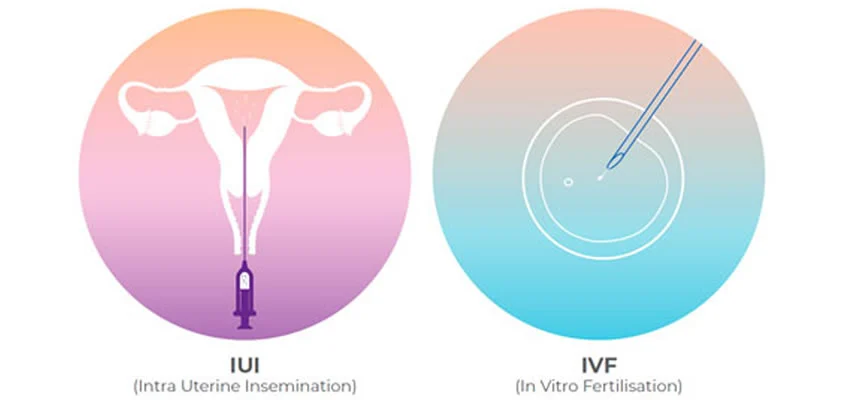
    comparison of IUI and IVF procedures illustrated with simple graphics and labels

    Fertility Preservation vs Immediate Pregnancy: A Personal Journey

    Another factor that influenced my decision was the potential risks and complications associated with immediate pregnancy. As someone with endometriosis, I knew that trying to conceive naturally could be challenging and may require medical interventions such as IVF. These treatments can be physically and emotionally draining, and the success rates are not guaranteed. By preserving my eggs, I was reducing the potential risks and complications associated with immediate pregnancy.

    However, fertility preservation is not without its downsides. The cost of the procedure can be a significant barrier for many individuals and couples. It can also be a lengthy process, with multiple doctor appointments and hormone injections requiring time off work. Furthermore, there is no guarantee that the frozen eggs will result in a successful pregnancy in the future.

    On the other hand, immediate pregnancy may seem like a more straightforward and natural option for starting a family. It also eliminates the need for costly and time-consuming procedures. However, it is essential to consider the potential risks and challenges that may come with trying to conceive naturally, especially for those facing infertility.

    In the end, the decision between fertility preservation and immediate pregnancy is a personal one and depends on individual circumstances. For me, fertility preservation was the best option, as it gave me a sense of control and security over my future fertility. While it may not be the right choice for everyone, it is essential to be aware of all the available options and make an informed decision based on personal values and goals.

    In conclusion, the decision between fertility preservation and immediate pregnancy is a complex one with no one-size-fits-all solution. It involves weighing personal desires, medical factors, and financial considerations. My personal journey has taught me the importance of being informed and proactive when it comes to family planning. Whether it is through fertility preservation or immediate pregnancy, the most important thing is to make a decision that feels right for you and your family.

    SEO metadata:

  • The Role of Mental Health in Fertility Preservation: Coping with the Decision

    Blog Post:

    The decision to undergo fertility preservation can be a complex and emotionally charged one. For individuals or couples facing a potential loss of fertility due to medical treatments or other factors, the option of preserving their fertility can provide a sense of hope for the future. However, this decision can also bring about a range of emotions and challenges, making it crucial to address the role of mental health in the process.

    Infertility and the decision to preserve fertility can have a significant impact on an individual’s mental health. The stress and anxiety of facing potential infertility can take a toll on one’s well-being and can be further exacerbated by the process of fertility preservation. It’s essential to address these mental health concerns and provide support for individuals as they navigate this decision.

    One of the primary challenges individuals may face when considering fertility preservation is the emotional toll of infertility. The inability to conceive naturally can bring about feelings of grief, loss, and even shame. These emotions can be further intensified by the fear of losing the opportunity to have biological children in the future. It’s essential to acknowledge and validate these feelings and to seek emotional support from loved ones, therapists, or support groups.

    Additionally, the decision to undergo fertility preservation requires careful consideration and can be overwhelming for some individuals. The process involves various medical procedures, financial considerations, and the uncertainty of success. It’s crucial to have a support system in place to help navigate these decisions and provide emotional support during this time. This can include seeking guidance from a fertility specialist, consulting with financial advisors, or speaking with others who have gone through a similar experience.

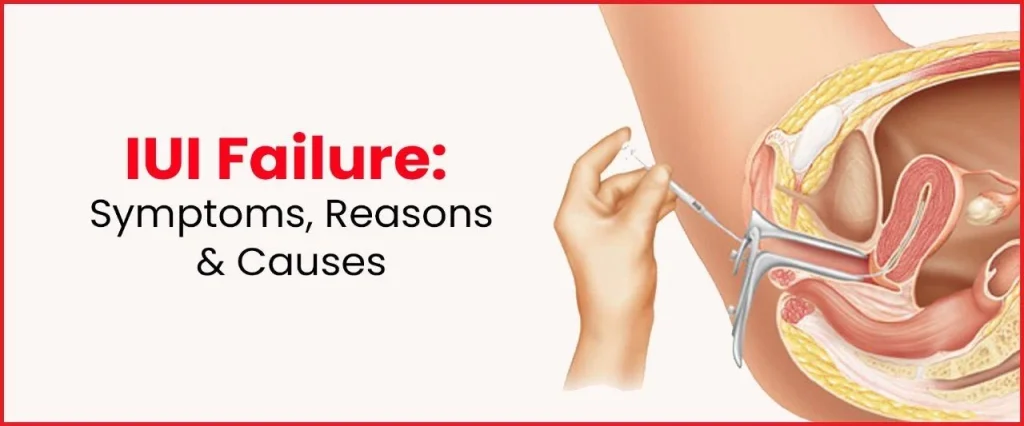
    illustration of IUI procedure with text on symptoms, reasons, and causes of IUI failure

    The Role of Mental Health in Fertility Preservation: Coping with the Decision

    Coping mechanisms are also vital when dealing with the decision to undergo fertility preservation. These can include mindfulness practices, such as meditation and deep breathing, to help manage stress and anxiety. Engaging in physical activities, such as yoga or exercise, can also help individuals manage their emotions and promote overall well-being. Additionally, finding healthy outlets for emotions, such as journaling or talking to a therapist, can be beneficial in coping with the complexities of this decision.

    It’s also essential to address the impact of fertility preservation on one’s relationship and communication with their partner. The decision to preserve fertility can bring about differences in opinions and feelings, which can strain the relationship. It’s crucial to have open and honest communication with one’s partner and to seek support from a therapist or couples counselor if needed. This can help strengthen the relationship and ensure that both individuals are on the same page when making this decision.

    Self-care is another crucial aspect of coping with the decision to undergo fertility preservation. Taking care of one’s physical, emotional, and mental well-being is essential during this time. This can include getting enough rest, eating a balanced diet, and engaging in activities that bring joy and relaxation. It’s also crucial to set boundaries and prioritize one’s needs, as this decision can be physically and emotionally draining.

    In addition to addressing one’s mental health, it’s also essential to have realistic expectations and understanding of the fertility preservation process. While it can provide hope for the future, it’s not a guarantee of success. It’s crucial to understand the risks and success rates of different fertility preservation methods and to have a backup plan in case the preservation is not successful.

    In conclusion, the decision to undergo fertility preservation is a challenging and emotional one that can have a significant impact on an individual’s mental health. It’s essential to address and prioritize one’s mental well-being through the process by seeking emotional support, using coping mechanisms, and practicing self-care. It’s also crucial to have open and honest communication with one’s partner and to have realistic expectations of the process. With proper support and self-care, individuals can navigate this decision with greater resilience and hope for the future.

    SEO Metadata:

  • Fertility Preservation Options for Men: Beyond Freezing Sperm

    Fertility preservation is a topic that is often associated with women, but it is just as important for men to consider their options when it comes to preserving their fertility. While sperm freezing is a common and effective method for preserving male fertility, there are other options available for men to consider. In this blog post, we will discuss some of the other fertility preservation options for men beyond just freezing sperm.

    One alternative to sperm freezing is testicular tissue freezing. This involves removing a small piece of testicular tissue and freezing it for later use. This method is often used for men who have a medical condition that may affect their fertility, such as cancer or genetic disorders. The tissue can later be thawed and used for in vitro fertilization (IVF) or other fertility treatments.

    Another option for men is cryopreservation of testicular tissue. This involves removing a sample of testicular tissue and freezing it without any further processing. This tissue can then be used for research purposes or for future fertility treatments. While this option may not directly preserve a man’s fertility, it can provide valuable information for future fertility treatments and research.

    In addition to freezing testicular tissue, there are also options for preserving sperm in a more natural way. One such option is testicular sperm extraction (TESE). This involves extracting sperm directly from the testicles through a small biopsy. The sperm can then be used for IVF or other fertility treatments. This method is often used for men who have a blockage in their reproductive system, making it difficult for sperm to reach the ejaculate.

    comparison of IUI and IVF fertility treatments with illustrations of procedures and a petri dish with an egg and sperm

    Fertility Preservation Options for Men: Beyond Freezing Sperm

    For men who want to preserve their fertility but are not ready to have children yet, there is also the option of sperm banking. This involves collecting and freezing multiple samples of sperm over a period of time. The frozen sperm can then be used for future fertility treatments when the man is ready to start a family. This option is often used by men who are about to undergo medical treatments that may affect their fertility, such as chemotherapy.

    Aside from preserving sperm or testicular tissue, there are also lifestyle changes that men can make to improve their overall fertility. These include maintaining a healthy weight, reducing alcohol and tobacco consumption, and managing stress levels. Engaging in regular exercise and eating a well-balanced diet can also have a positive impact on male fertility.

    It is important for men to be proactive in considering their fertility preservation options, especially if they have a medical condition that may affect their fertility. Consulting with a reproductive specialist can help determine which option is best for an individual’s specific situation.

    In summary, fertility preservation is not just a concern for women, but also for men. Beyond the common method of sperm freezing, there are other options available for men to preserve their fertility, such as testicular tissue freezing, cryopreservation of testicular tissue, testicular sperm extraction, and sperm banking. Making lifestyle changes can also improve overall fertility. It is important for men to educate themselves on these options and consult with a specialist to determine the best course of action for preserving their fertility.