Blog Post:
Surrogacy has become a popular option for couples and individuals who are unable to conceive a child on their own. It involves a woman carrying and giving birth to a child for another person or couple. There are two types of surrogacy: traditional and gestational. While both methods have their own set of challenges and rewards, they differ significantly in their processes and legal implications. In this blog post, we will explore the differences between traditional and gestational surrogacy and discuss the challenges and rewards associated with each.
Traditional Surrogacy:
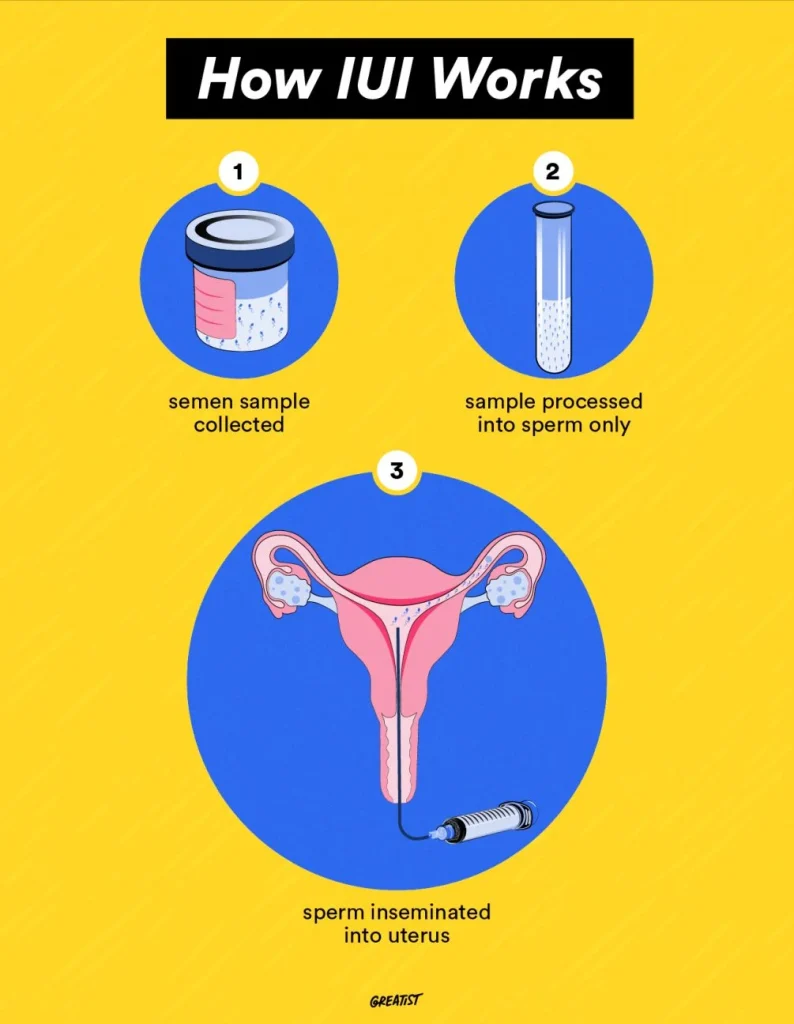
Traditional surrogacy, also known as genetic or partial surrogacy, is a method where the surrogate mother is the biological mother of the child. In this process, the surrogate’s egg is fertilized with the intended father’s sperm, either through artificial insemination or in vitro fertilization (IVF). The surrogate then carries and gives birth to the child and relinquishes all parental rights to the intended parents.
Challenges:
One of the main challenges of traditional surrogacy is the emotional bond that the surrogate mother may develop with the child. Since the surrogate is the biological mother, she may have a strong attachment to the baby, making it difficult for her to hand over the child to the intended parents. This can create a complicated and emotional situation for all parties involved.
Another challenge is the legal implications. In some countries, traditional surrogacy is not recognized, which can lead to legal battles and custody issues. The intended parents may also face challenges in obtaining legal rights to the child, as the surrogate is the biological mother.
Rewards:
For some people, traditional surrogacy may be a more affordable option compared to gestational surrogacy. Since the surrogate is using her own eggs, the cost of IVF is eliminated, making it a more cost-effective method.
Additionally, traditional surrogacy allows for a genetic connection between the child and one of the intended parents. This can be a rewarding experience for those who want a biological link to their child.

Challenges and Rewards: Traditional vs. Gestational Surrogacy
Gestational Surrogacy:
Gestational surrogacy, also known as host or full surrogacy, is a method where the surrogate mother has no genetic connection to the child. In this process, the intended parents’ sperm and egg are fertilized through IVF and then transferred to the surrogate’s uterus. The surrogate carries the child to term and gives birth, but has no biological ties to the child.
Challenges:
One of the main challenges of gestational surrogacy is the high cost involved. The process of IVF is expensive, and the intended parents also have to cover the surrogate’s medical expenses and compensation for her time and effort.
Another challenge is finding a suitable surrogate. The process of finding a willing and qualified surrogate can be time-consuming and may involve a lot of paperwork and legal procedures.
Rewards:
Gestational surrogacy offers the intended parents a chance to have a child that is genetically related to them. This can be a rewarding experience for couples who are unable to conceive on their own.
Moreover, gestational surrogacy eliminates the emotional bond and potential legal issues that come with traditional surrogacy. The surrogate has no biological ties to the child, making it easier for her to relinquish parental rights.
In gestational surrogacy, the intended parents have more control over the pregnancy and can be involved in the process from the very beginning. They can choose the surrogate and be a part of the pregnancy journey, which can be a rewarding experience for many.
Summary:
Surrogacy is a complex and emotional process, and both traditional and gestational surrogacy have their own set of challenges and rewards. Traditional surrogacy involves the surrogate being the biological mother of the child, while gestational surrogacy has no genetic ties between the surrogate and the child. Traditional surrogacy may be a more affordable option, but can come with emotional and legal challenges. On the other hand, gestational surrogacy offers the intended parents a genetic connection to the child and more control over the pregnancy, but can be more expensive. Ultimately, the choice between traditional and gestational surrogacy depends on the individual circumstances and preferences of the intended parents.