Tag: Fertility Treatments

  • The Emotional Toll: Coping with Male and Female Infertility Treatments

    The Emotional Toll: Coping with Male and Female Infertility Treatments

    Infertility affects millions of couples around the world, and the struggle to conceive can take a heavy toll on both individuals physically, mentally, and emotionally. While it is often assumed that women bear the brunt of the emotional burden, both men and women experience their own unique challenges when facing infertility treatments. In this blog post, we will explore the emotional toll that male and female infertility treatments can have on couples, and offer tips on how to cope with these challenges.

    The Emotional Toll on Women

    For many women, the inability to conceive can be a source of immense emotional pain and stress. The desire to have a child is a natural and instinctive one, and when this is not possible, it can lead to feelings of grief, shame, and inadequacy. Women may also feel a sense of guilt, blaming themselves for their inability to conceive, and may struggle with feelings of jealousy towards friends and family members who have successfully become pregnant.

    Furthermore, the constant cycle of hope and disappointment that comes with infertility treatments can be emotionally draining. Each round of treatment brings with it the possibility of success, but also the fear of yet another failure. This rollercoaster of emotions can take a toll on a woman’s mental well-being, leading to anxiety, depression, and even relationship strain.

    The Emotional Toll on Men

    While the focus of infertility is often on women, men also experience their own emotional struggles when undergoing fertility treatments. The pressure to perform and produce a viable sperm sample can cause immense stress and anxiety for men. This can be compounded by feelings of guilt and shame, as men may feel responsible for their partner’s infertility.

    In addition, men may also struggle with feelings of inadequacy and loss of masculinity when faced with fertility issues. Society often places a great emphasis on a man’s ability to father a child, and when this is not possible, it can lead to a sense of failure and loss of identity. Men may also struggle with feelings of isolation and lack of support, as infertility is still largely seen as a “women’s issue.”
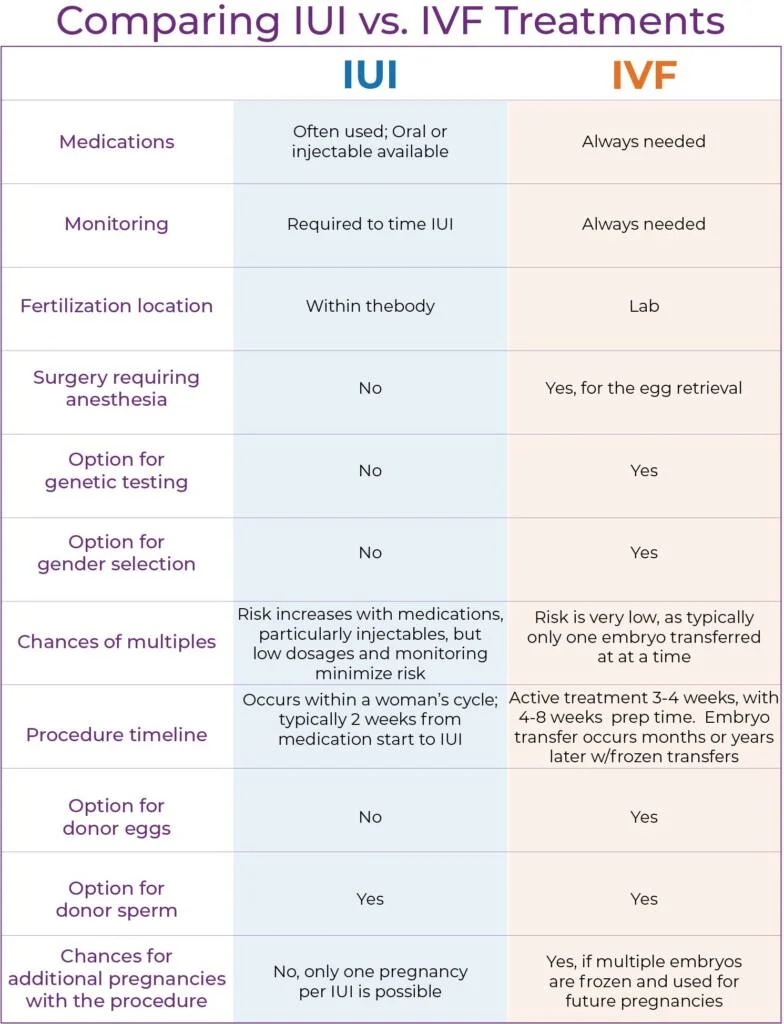
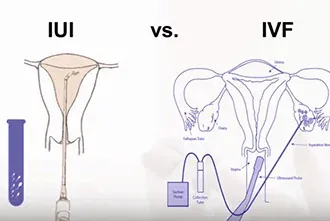
    Comparison chart of IUI and IVF treatments, detailing medications, monitoring, procedures, and success rates.

    The Emotional Toll: Coping with Male and Female Infertility Treatments

    Coping Strategies for Couples

    Infertility treatments can be a difficult and emotional journey for couples, but there are ways to cope with the challenges that arise. The first step is to acknowledge and validate each other’s feelings. Both partners should feel comfortable expressing their emotions and supporting each other through difficult times. It is also important to communicate openly and honestly, and to seek professional help if needed.

    Another helpful coping strategy is to find a support system. This can be through joining a support group for couples going through similar experiences, or simply confiding in close friends and family members. Having a support system can provide a sense of understanding and empathy, and can help alleviate feelings of isolation and loneliness.

    Self-care is also crucial during infertility treatments. It is important for both partners to take care of their physical and mental well-being. This can include engaging in stress-reducing activities such as exercise, meditation, or therapy. It is also important to find ways to relax and enjoy each other’s company, outside of the pressure and stress of fertility treatments.

    Lastly, it is important for couples to remember that they are not defined by their ability to conceive. While the desire to have a child is undoubtedly strong, it is important to not let it consume one’s entire identity and relationship. It is important to find joy and fulfillment in other aspects of life, such as hobbies, careers, and relationships.

    In conclusion, the emotional toll of male and female infertility treatments is a significant and often overlooked aspect of the journey towards parenthood. It is important for couples to acknowledge and validate each other’s feelings, communicate openly, seek support, practice self-care, and remember that their worth is not defined by their ability to conceive. With these coping strategies, couples can navigate the emotional challenges of fertility treatments and come out stronger together.

    Summary:

    Infertility treatments can take a heavy toll on both men and women, with each facing their own unique emotional challenges. Women may experience feelings of grief, guilt, and jealousy, while men may struggle with stress, shame, and a sense of inadequacy. Coping strategies such as communication, seeking support, self-care, and remembering one’s worth outside of parenthood can help couples navigate this emotional journey together.

  • The Role of Family and Friends: How Fertility Support Groups Can Provide a Support System

    Blog Post Title: The Role of Family and Friends: How Fertility Support Groups Can Provide a Support System

    Summary:

    Infertility is a difficult and often isolating experience for those struggling to conceive. Many couples and individuals feel alone in their journey and may not have the necessary support system in place to help them cope with the emotional and physical challenges of fertility treatments. This is where fertility support groups come in.

    Fertility support groups provide a safe and understanding space for individuals and couples to connect with others going through similar experiences. In this blog post, we will explore the role of family and friends in the journey of infertility and how fertility support groups can provide a much-needed support system.

    First and foremost, family and friends play a crucial role in the lives of those struggling with infertility. They are often the first people we turn to for emotional support when facing challenges. However, infertility is still a taboo topic in many societies, making it difficult for individuals to open up to their loved ones about their struggles. This can lead to feelings of isolation and can strain relationships.

    This is where fertility support groups can bridge the gap. These groups offer a judgment-free and understanding space for individuals to share their experiences and emotions with others who can relate. Fertility support groups are often led by trained professionals or individuals who have gone through similar experiences, making them a valuable source of guidance and comfort.

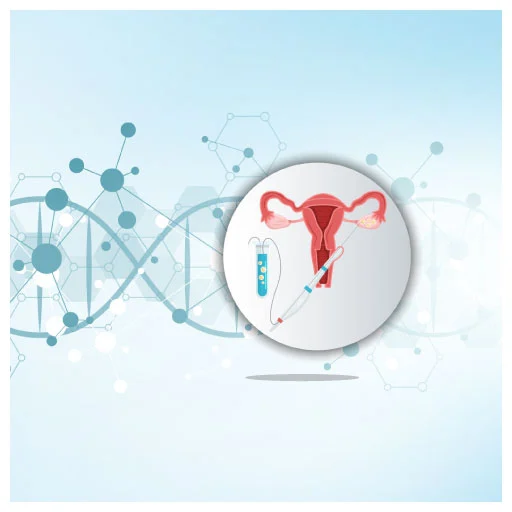
    Illustration of IUI procedure with uterus and syringe against a DNA background.

    The Role of Family and Friends: How Fertility Support Groups Can Provide a Support System

    In addition to emotional support, fertility support groups also offer practical support. Many individuals and couples going through fertility treatments may have to juggle work, appointments, and other responsibilities, making it challenging to manage everything on their own. Support groups can provide practical assistance, such as offering rides to appointments or helping with household tasks, to ease the burden.

    Moreover, fertility support groups can also provide a sense of community and belonging. Those struggling with infertility often feel like outsiders in a world where having children is seen as the norm. Support groups offer a sense of belonging and understanding, as everyone in the group is going through a similar experience. This can be incredibly comforting and can help individuals feel less alone in their journey.

    One of the most significant benefits of fertility support groups is the opportunity to learn from others. Everyone’s fertility journey is unique, and sharing experiences with others can provide valuable insights and perspectives. Support group members often share information about different treatments, doctors, and resources that they have found helpful. This information can be invaluable in helping individuals make informed decisions about their own fertility treatments.

    Another essential aspect of fertility support groups is the opportunity to connect with others who have successfully navigated the journey of infertility. This can provide hope and encouragement to those still struggling. Seeing others who have overcome similar challenges can give individuals the strength and motivation to keep going.

    Furthermore, fertility support groups can also help individuals and couples prepare for the emotional and psychological toll that fertility treatments can have. Infertility can be a rollercoaster of emotions, and it is essential to have a strong support system in place to help navigate these ups and downs. Support groups can provide coping mechanisms, tips for managing stress and anxiety, and a safe space to express emotions without judgment.

    In addition to providing support for those struggling with infertility, fertility support groups can also offer support to friends and family members of those going through fertility treatments. Often, loved ones may not know how to support their friends or family members during this challenging time. Support groups can provide them with guidance and resources to be a better support system for their loved ones.

    In conclusion, family and friends play a crucial role in the journey of infertility, but they may not always be equipped to provide the necessary support. Fertility support groups fill this gap and offer a safe, understanding, and supportive community for individuals and couples struggling with infertility. These groups provide emotional and practical support, a sense of community and belonging, and the opportunity to learn from others. They also offer hope and encouragement for those still on the journey and can help prepare individuals for the emotional challenges of fertility treatments. Fertility support groups not only benefit those struggling with infertility but also their loved ones, making them a vital resource in the journey towards parenthood.

  • The Cost of Infertility: How Counseling and Support Groups Can Provide Financial Guidance

    Blog Post:

    Infertility is a complex and emotionally challenging issue that affects millions of couples worldwide. It can take a toll on a person’s mental and emotional well-being, as well as their financial stability. Many couples struggling with infertility face significant financial burdens, from the cost of fertility treatments to the expenses associated with adoption or surrogacy. This financial strain can add an extra layer of stress and anxiety to an already difficult situation.

    In the United States, the average cost of one cycle of in vitro fertilization (IVF) is around $12,000, and that does not include additional expenses such as medications, diagnostic tests, and other procedures. These costs can quickly add up, and for many couples, it can be difficult to afford multiple cycles of IVF. In addition, many insurance companies do not cover fertility treatments, leaving couples to bear the full financial burden on their own.

    The Cost of Counseling for Infertility

    Counseling and support groups can provide much-needed guidance and support for couples struggling with infertility. However, many people may be hesitant to seek out these resources due to the added expense. While it is understandable to be concerned about the cost of counseling, it is essential to consider the potential long-term benefits that can outweigh the short-term costs.

    Counseling can help individuals and couples navigate the complex emotions that come with infertility. It can provide a safe space to process feelings of grief, anger, and frustration. Infertility can also strain a couple’s relationship, and counseling can help improve communication and strengthen their bond. By addressing these emotional challenges, couples may find that they are better equipped to handle the financial strain of infertility.

    Counseling can also provide guidance on managing financial stress and making informed decisions about fertility treatments. A counselor can help couples explore all their options and develop a plan that is both financially and emotionally sustainable. They can also provide resources for financial assistance and help couples create a budget to manage the costs of fertility treatments.

    The Value of Support Groups

    Support groups are another valuable resource for couples facing infertility. These groups provide a sense of community and understanding that can be difficult to find elsewhere. They allow individuals to connect with others who are going through a similar experience, providing a sense of validation and support.

    Support groups can also be a valuable source of information and advice on managing the financial aspects of infertility. Members can share their experiences with different treatments and offer tips on how to minimize costs. They can also provide emotional support and help individuals and couples navigate the ups and downs of the fertility journey.

    A person administering an injection into their abdomen with a yellow pen-like device.

    The Cost of Infertility: How Counseling and Support Groups Can Provide Financial Guidance

    Cost-Efficient Counseling and Support Options

    While the cost of individual counseling sessions can add up, there are also more cost-efficient options available. Many therapists offer sliding scale fees based on income, making counseling more affordable for those on a tight budget. In addition, some insurance plans may cover a portion of counseling costs, so it is worth checking with your provider to see if this is an option.

    Online support groups and counseling are also becoming increasingly popular and can be a more cost-effective alternative. These virtual platforms allow individuals to connect with others from the comfort of their own home, eliminating the need for travel expenses. Online counseling sessions may also be more affordable than traditional in-person sessions.

    Finding Financial Support for Infertility

    In addition to counseling and support groups, there are also financial resources available for couples struggling with infertility. Many fertility clinics offer financing options, such as payment plans or loans, to help make treatments more affordable. Some clinics also offer discounted rates for multiple cycles or have programs in place to assist low-income individuals and couples.

    There are also grants and scholarships available specifically for fertility treatments. These grants can help cover the cost of IVF, medications, and other related expenses. It is worth researching and applying for these grants, as they can provide much-needed financial assistance for couples facing infertility.

    Summary:

    Infertility can be emotionally and financially draining for couples. The cost of fertility treatments, coupled with the added expenses of counseling and support, can make it challenging to pursue the dream of starting a family. However, seeking out counseling and support can provide valuable guidance and emotional support to help couples navigate the challenges of infertility.

    Counseling can provide a safe space to process emotions, improve relationships, and make informed decisions about fertility treatments. Support groups can offer a sense of community and valuable information on managing the financial aspects of fertility. These resources, along with cost-efficient options and financial assistance, can help alleviate the financial strain of infertility and make the journey more manageable.

    By seeking out counseling and support, couples can not only improve their mental and emotional well-being but also receive valuable financial guidance to help them achieve their dream of starting a family.

  • Fertility Options: Exploring Donor Insemination vs Partner Insemination

    Blog Post Title: Fertility Options: Exploring Donor Insemination vs Partner Insemination

    Summary:

    Fertility is a topic that affects many couples and individuals, and the decision of how to conceive can be a difficult one. For those struggling with infertility, there are two main options: donor insemination and partner insemination. Donor insemination involves using sperm from a donor to fertilize an egg, while partner insemination involves using sperm from a partner or known donor. In this blog post, we will explore the differences between these two methods, including the process, success rates, and emotional considerations.

    Donor Insemination:

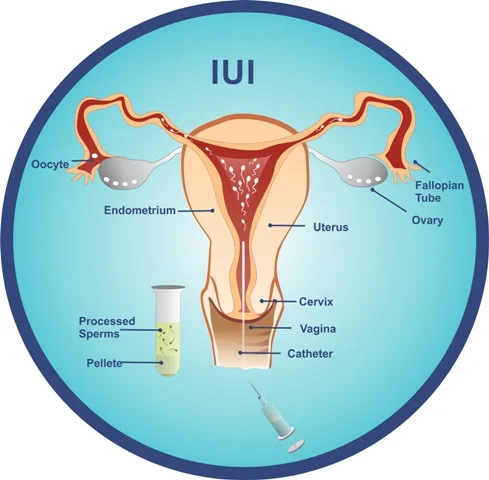
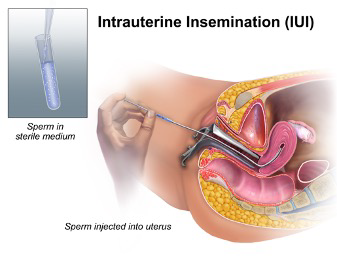
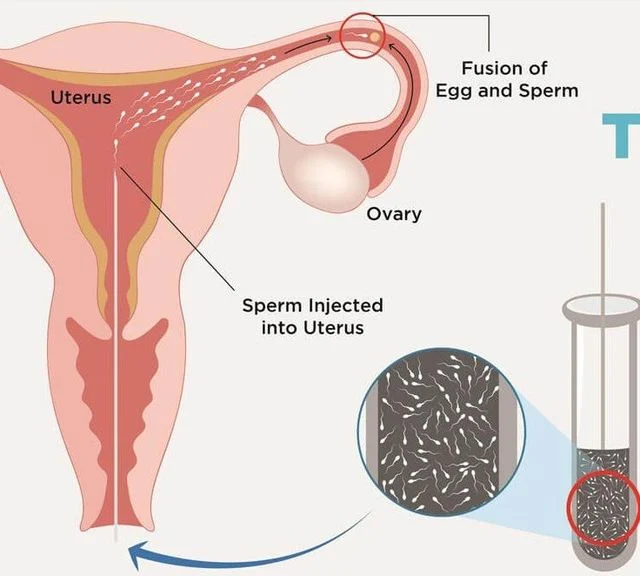
    Donor insemination, also known as artificial insemination, is a process in which sperm from a donor is used to fertilize an egg. This can be done through intrauterine insemination (IUI) or in vitro fertilization (IVF). In IUI, the sperm is inserted directly into the uterus, while in IVF, the sperm is used to fertilize the egg in a laboratory before being transferred into the uterus.

    One of the major benefits of donor insemination is that it allows individuals and couples to conceive without the need for a male partner. This can be a great option for single women or same-sex couples. Additionally, donor insemination can be less expensive and less invasive than other fertility treatments.

    However, there are some potential downsides to donor insemination. The success rates can vary greatly depending on factors such as the age and health of the recipient, the quality of the sperm, and the frequency of insemination. While some individuals and couples may have success with their first attempt, others may require multiple cycles or even be unsuccessful. There is also the emotional aspect of using a donor, as it may be difficult for some to come to terms with the fact that their child will not share genetic material with one of the parents.

    diagram illustrating intrauterine insemination (IUI) with labeled reproductive anatomy and procedures

    Fertility Options: Exploring Donor Insemination vs Partner Insemination

    Partner Insemination:

    Partner insemination, also known as natural insemination, is the process of using sperm from a partner or known donor to fertilize an egg. This method can be done at home or in a clinical setting, and it can involve either vaginal or cervical insemination.

    The main benefit of partner insemination is that it allows for a more intimate and personal connection between the parents and the child. It also allows for the child to have a genetic connection to both parents, which can be important for some individuals and couples.

    However, there are also some potential challenges with partner insemination. One of the main concerns is the success rates, as they can be lower than with donor insemination. This is because the sperm may not be as healthy or viable as that of a donor. Additionally, there may be legal and emotional considerations when using a known donor, as there may be questions about parental rights and responsibilities.

    Conclusion:

    Both donor insemination and partner insemination have their own unique benefits and challenges. Ultimately, the decision of which method to choose will depend on individual circumstances and preferences. It is important to discuss all options with a fertility specialist and to consider the emotional, financial, and legal implications before making a decision.

    In summary, when exploring fertility options, it is important to consider the differences between donor insemination and partner insemination. Donor insemination allows for conception without a male partner, is less invasive and expensive, but may have lower success rates and emotional considerations. Partner insemination allows for a more intimate connection between parents and child, but may also have lower success rates and potential legal and emotional challenges. Consultation with a fertility specialist and open communication between partners is crucial in making the best decision for starting or expanding a family.

  • Donor Insemination vs Partner Insemination: A Cultural Perspective

    Donor Insemination vs Partner Insemination: A Cultural Perspective

    In the world of fertility treatments, there are two main options for individuals or couples who are unable to conceive naturally: donor insemination and partner insemination. While both methods involve the use of donor sperm, there are cultural differences in how they are perceived and practiced. In this blog post, we will explore the cultural perspectives surrounding donor insemination and partner insemination and how they affect individuals and families.

    Donor insemination, also known as artificial insemination by donor (AID), is a method where donor sperm is used to fertilize the egg of a woman. This can be done in a medical setting, such as a fertility clinic, or at home using a home insemination kit. The donors can be anonymous or known, and the sperm can be purchased from a sperm bank or donated by a friend or family member. The main goal of donor insemination is to help individuals or couples conceive a child when they are unable to do so naturally.

    On the other hand, partner insemination, also known as artificial insemination by partner (AIH), is a method where the sperm of the female partner is used to fertilize her own egg or the egg of her female partner. This can be done through a medical procedure, such as intrauterine insemination (IUI), or at home using a donor sperm and a home insemination kit. Partner insemination is often used by lesbian couples or single women who want to have a child without a male partner. It is also used by heterosexual couples who have fertility issues or for other reasons prefer partner insemination over donor insemination.

    One of the main cultural differences between donor insemination and partner insemination is the perception of the role of the donor. In donor insemination, the donor is seen as a mere provider of sperm, and their role in the child’s life is often limited to that of a biological father. In contrast, in partner insemination, the donor is seen as a co-parent, and their relationship with the child is expected to be more involved and meaningful. This difference in perception can have a significant impact on the dynamics of the family, especially when the child grows up and starts to question their identity and origins.

    Another cultural perspective that differs between donor insemination and partner insemination is the involvement of the male partner in the conception process. In donor insemination, the male partner is often seen as a supportive figure, but not a necessary one. The focus is mainly on the woman and her desire to have a child. In partner insemination, the male partner’s role is more prominent, as their sperm is used for the insemination process. This can lead to a more balanced and equal partnership, as both partners are actively involved in the conception of the child.

    Illustration of intrauterine insemination (IUI) procedure, showing sperm injection into the uterus.

    Donor Insemination vs Partner Insemination: A Cultural Perspective

    The use of donor insemination and partner insemination also varies across cultures. In some cultures, donor insemination is seen as more socially acceptable than partner insemination. This may be due to traditional gender roles and the preference for a male partner in the conception process. In contrast, partner insemination may be seen as taboo or even illegal in some cultures due to the rejection of same-sex relationships or non-traditional family structures.

    Furthermore, the cultural perspective on donor insemination and partner insemination can also affect the legal rights and responsibilities of the parents and the child. In many countries, donor insemination is regulated by laws that protect the anonymity of the donor and limit their rights and responsibilities towards the child. In contrast, partner insemination may not be legally recognized in some countries, leaving the non-biological parent with limited rights and no legal connection to the child.

    It is also essential to consider the emotional impact of donor insemination and partner insemination on individuals and families. Donor insemination can bring feelings of loss and grief for the biological connection to the child, especially for the non-biological parent. Partner insemination, on the other hand, can bring feelings of joy and fulfillment for creating a family together. However, it can also bring challenges, such as dealing with societal stigma and discrimination.

    In conclusion, donor insemination and partner insemination both offer options for individuals and couples to conceive a child when faced with fertility issues or when choosing alternative family structures. However, the cultural perspectives surrounding these methods can significantly impact the dynamics of the family, the legal rights and responsibilities, and the emotional well-being of the individuals involved. It is essential to be aware of these cultural differences and to have open and honest communication when considering these options for starting a family.

    Summary:

    Donor insemination and partner insemination are two methods of using donor sperm to help individuals and couples conceive a child. However, there are cultural differences in how these methods are perceived and practiced. Donor insemination is seen as a way to conceive when faced with fertility issues, while partner insemination is often used by lesbian couples or single women who want to have a child without a male partner. The main differences in cultural perspectives include the role of the donor, the involvement of the male partner, and the legal rights and responsibilities of the parents and the child. It is crucial to consider these cultural differences and have open communication when choosing a method for starting a family.

  • The Benefits of Both: Donor Insemination and Partner Insemination

    Blog Post: The Benefits of Both: Donor Insemination and Partner Insemination

    When it comes to starting a family, there are many options available to couples and individuals, including adoption, surrogacy, and assisted reproductive technologies. Among these options, donor insemination and partner insemination are two popular methods for conceiving a child. While both involve the use of donor sperm, there are some key differences between the two. In this blog post, we will explore the benefits of both donor insemination and partner insemination and how they can help individuals and couples achieve their dream of having a family.

    Donor Insemination:

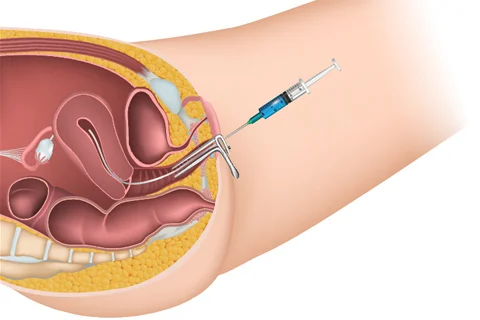
    Donor insemination, also known as artificial insemination, is a process in which donor sperm is used to fertilize a woman’s egg, either through intrauterine insemination (IUI) or in vitro fertilization (IVF). In IUI, the donor sperm is directly injected into the woman’s uterus, while in IVF, the sperm and egg are fertilized in a laboratory before being transferred to the woman’s uterus.

    One of the main benefits of donor insemination is that it allows individuals and couples to overcome fertility issues and start a family. This method is often used by same-sex couples, single individuals, or heterosexual couples with male infertility issues. By using donor sperm, they can still have a biological connection to their child.

    Another benefit of donor insemination is that it offers a high success rate, especially when combined with IVF. IVF has a success rate of 40-45% per cycle, and when donor sperm is used, the success rate can increase even further. This can be incredibly reassuring for those who have been struggling with fertility issues and want to increase their chances of conceiving.

    Moreover, donor insemination allows individuals and couples to have control over the selection of the donor. They can choose a donor who matches their desired physical characteristics, personality traits, or educational background. This can provide a sense of comfort and help individuals and couples feel more connected to their child.

    illustration of intrauterine insemination procedure with a syringe and catheter in the uterus.

    The Benefits of Both: Donor Insemination and Partner Insemination

    Partner Insemination:

    Partner insemination, also known as at-home insemination, is a process in which a couple uses a syringe or an insemination kit to insert donor sperm into the vagina or cervix of the female partner. This method can be done at home, without the need for medical intervention, making it a more affordable option for some.

    One of the primary benefits of partner insemination is that it allows couples to have a more intimate and natural experience when trying to conceive. Unlike donor insemination, which often requires medical procedures and appointments, partner insemination can be done in the comfort and privacy of one’s home. This can help couples feel more relaxed and connected during the process.

    Additionally, partner insemination can be a less invasive option for those who are uncomfortable with medical procedures. It also allows couples to have more control over the timing of insemination, as they can track ovulation and plan accordingly.

    Moreover, partner insemination can be an affordable option for those who cannot afford the costs of medical procedures or who do not have insurance coverage for fertility treatments. This can make starting a family more accessible for individuals and couples who are on a tight budget.

    Summary:

    In conclusion, both donor insemination and partner insemination have their own unique benefits that can help individuals and couples achieve their dream of having a family. Donor insemination offers a high success rate, control over the selection of the donor, and the ability to overcome fertility issues. On the other hand, partner insemination allows for a more intimate and natural experience, can be less invasive and more affordable. Ultimately, the decision between the two methods will depend on the individual or couple’s preferences and needs.

  • The Role of the Donor: Donor Insemination vs Partner Insemination

    Blog Post Title: The Role of the Donor: Donor Insemination vs Partner Insemination

    The decision to have a child is a deeply personal one, and for many people, the traditional methods of conception may not be an option. This has led to the rise of alternative methods, such as donor insemination and partner insemination. These two options offer different paths to parenthood, with their own unique benefits and considerations. In this blog post, we will explore the role of the donor and compare the process and implications of donor insemination versus partner insemination.

    Donor Insemination:
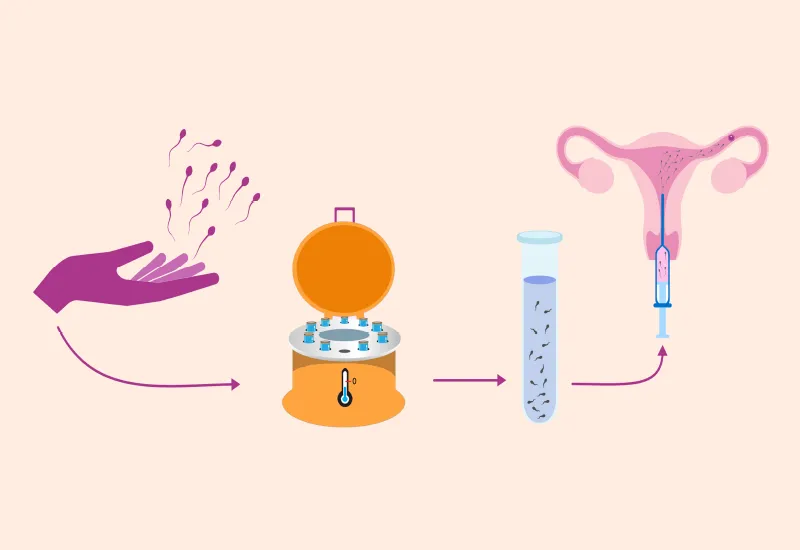
    Donor insemination, also known as artificial insemination, is a process in which sperm from a donor is used to fertilize a woman’s egg. This can be done through a fertility clinic or at home with a donor sperm kit. The process involves the donor providing a sample of sperm, which is then washed and prepared for insemination. The sperm is then inserted into the woman’s uterus through a catheter, usually around the time of ovulation.

    One of the main benefits of donor insemination is that it allows individuals or couples to have a child without the need for a male partner. This can be particularly appealing for single women or same-sex female couples. It also offers the opportunity for individuals or couples to have a child genetically related to one of them, as the donor sperm can come from someone who shares similar physical characteristics or traits.

    Another advantage of donor insemination is that it can be less expensive and less invasive than other fertility treatments, such as in vitro fertilization (IVF). This makes it a more accessible option for those who may not have the financial means or desire to undergo more extensive fertility treatments.

    However, there are also some considerations to keep in mind when pursuing donor insemination. The most significant factor is the involvement of a third-party in the conception process. Unlike partner insemination, where the sperm comes from a known and trusted source, the use of donor sperm means that the child will have a genetic connection to someone outside of the family unit. This can raise questions and challenges, particularly for the child, as they may have a desire to know more about their biological father.

    Another aspect to consider is the legal implications of using a donor. In some cases, the donor may have parental rights and responsibilities, even if they are not involved in the child’s life. This can vary depending on the laws of the country or state in which the insemination takes place, so it is essential to consult with a legal professional before proceeding with donor insemination.

    diagram illustrating intrauterine insemination (IUI) with labeled reproductive anatomy and procedures

    The Role of the Donor: Donor Insemination vs Partner Insemination

    Partner Insemination:
    Partner insemination, also known as at-home insemination, is a process in which sperm from a known partner or friend is used to fertilize a woman’s egg. This can be done through natural insemination, where the sperm is deposited into the vagina during intercourse, or through artificial insemination, where the sperm is inserted into the uterus using a syringe.

    One of the primary benefits of partner insemination is the involvement of a known and trusted source for the sperm. This can provide a sense of security and comfort for both the parents and the child, as they will have a relationship with the donor from the start. Partner insemination also eliminates the need for a third-party in the conception process, making it a more intimate and personal experience for the couple.

    Another advantage of partner insemination is the potential for a stronger emotional bond between the parents and the child. As the child will have a genetic connection to both parents, it can create a deeper sense of family and identity.

    However, there are also some challenges to consider when pursuing partner insemination. One of the most significant hurdles is the potential lack of medical screening for the sperm donor. Unlike donor insemination, where donors are thoroughly screened for medical and genetic conditions, partner insemination relies on the trust and honesty of the donor to disclose any potential health issues. This can pose a risk to the health of the child and should be carefully considered before proceeding with partner insemination.

    Additionally, partner insemination can be a more expensive option, as it often requires the assistance of a fertility clinic and medical professionals. It also may not be a viable option for same-sex male couples or single men, as they would still require a female partner to carry the pregnancy.

    In conclusion, the role of the donor is a crucial factor to consider when choosing between donor insemination and partner insemination. Both methods offer unique benefits and challenges, and the decision ultimately depends on the individual or couple’s personal preferences and circumstances. It is essential to thoroughly research and consult with medical and legal professionals to make an informed decision that is right for you and your family.

    Summary:
    In this blog post, we discussed the role of the donor in the conception process and compared the process and implications of donor insemination and partner insemination. Donor insemination involves the use of sperm from a donor to fertilize a woman’s egg, while partner insemination involves using sperm from a known and trusted source. Both methods have their own benefits and considerations, such as genetic connections to the child, legal implications, and medical screening. Ultimately, the decision between donor insemination and partner insemination depends on personal preferences and individual circumstances.

  • The Importance of Communication: Donor Insemination vs Partner Insemination

    Communication is an essential aspect of any successful relationship, whether it be romantic, platonic, or professional. It allows individuals to express their thoughts, feelings, and needs, and fosters understanding and connection between people. In the realm of assisted reproduction, communication takes on an even greater significance, particularly when it comes to choosing between donor insemination and partner insemination. In this blog post, we will explore the importance of communication in the context of these two options for achieving pregnancy.

    Donor insemination, also known as third-party reproduction, is a method of assisted reproduction where donated sperm is used to fertilize the intended parent’s egg. This process can be done through a sperm bank or through a known donor, such as a friend or family member. Partner insemination, on the other hand, involves using the sperm of one partner to fertilize the egg of the other partner.

    The decision to undergo donor insemination or partner insemination is a highly personal one and should be made after careful consideration and communication between partners. One of the most crucial aspects of communication in this context is understanding the emotional impact of each option. For couples considering donor insemination, it is essential to discuss the potential emotional challenges that may arise, such as feelings of loss or grief over not using one partner’s genetic material. Open and honest communication about these emotions can help both partners prepare for and cope with any potential difficulties.

    In contrast, couples considering partner insemination must communicate about the potential physical and emotional toll on the partner providing the eggs. The process of fertility treatments, including hormonal injections and egg retrieval, can be physically and emotionally taxing. It is crucial for partners to discuss these potential challenges and come to a mutual decision that considers the well-being of both individuals.

    Comparison of IUI and IVF treatments with diagrams of reproductive anatomy.

    The Importance of Communication: Donor Insemination vs Partner Insemination

    Communication is also vital in establishing clear expectations and boundaries within the relationship. In cases of donor insemination, there may be concerns about the involvement of the donor in the child’s life or how to handle potential future contact. It is essential for couples to have open and honest discussions about these issues and come to a mutual understanding and agreement. Similarly, in partner insemination, communication about the role each partner will play in the child’s life is crucial for maintaining a healthy and supportive relationship.

    Moreover, communication is essential in ensuring that both partners feel equally involved and invested in the process. In donor insemination, one partner may feel more disconnected from the process as they are not providing genetic material. It is crucial for the other partner to communicate and involve them in decision-making to foster a sense of equality and partnership. In partner insemination, it is essential for both partners to have a say in the treatment plan and feel equally invested in the process.

    Another crucial aspect of communication in these situations is discussing potential legal and financial implications. In cases of donor insemination, there may be legal considerations to consider, such as parental rights and obligations. Couples must communicate and understand these implications to make informed decisions and avoid any potential legal issues in the future. In partner insemination, there may be financial considerations, such as the cost of fertility treatments and the potential need for a sperm donor. Open communication about these matters can help couples plan and budget accordingly.

    In addition to communication between partners, it is also essential to communicate with medical professionals. These specialists play a crucial role in the process of assisted reproduction and can provide valuable information and support to couples. It is crucial to discuss any concerns or questions with medical professionals to ensure that the chosen method of assisted reproduction is the best fit for the couple’s situation.

    In summary, communication is paramount in the decision-making process of choosing between donor insemination and partner insemination. It helps couples understand and navigate the emotional, physical, legal, and financial implications of each option. It also fosters a sense of equality and partnership between partners, ensuring that both individuals feel equally involved and invested in the process. Open and honest communication with medical professionals is also crucial in making informed decisions and receiving support throughout the process.

  • Donor Insemination vs Partner Insemination: Which is Right for You?

    Donor Insemination vs Partner Insemination: Which is Right for You?

    Deciding to start a family is a major decision for any couple, and for those who are unable to conceive naturally, there are several options available to help them achieve their dream of parenthood. Two popular methods for achieving pregnancy are donor insemination and partner insemination. While they may sound similar, there are some key differences between the two. In this blog post, we will explore the differences between donor insemination and partner insemination and help you determine which option may be right for you.

    What is Donor Insemination?

    Donor insemination, also known as artificial insemination, involves using donor sperm to fertilize the woman’s egg. This can be done either at a fertility clinic or at home with a donor insemination kit. The donor sperm can come from a sperm bank or from a known donor, such as a friend or family member.

    Pros of Donor Insemination:

    1. Access to diverse gene pool: One of the main advantages of donor insemination is the ability to choose from a wide range of donors. This allows for a diverse gene pool and the opportunity to select a donor with desired physical and genetic characteristics.

    2. Control over timing: Donor insemination allows for more control over the timing of insemination, as it can be done at a fertility clinic or at home with a donor insemination kit.

    3. No need for a male partner: Donor insemination is an ideal option for single women or same-sex female couples who do not have a male partner.

    4. Lower cost: Donor insemination is often less expensive than other fertility treatments, such as in vitro fertilization (IVF).

    Cons of Donor Insemination:

    1. Lack of genetic connection: For some couples, the lack of a genetic connection to one partner can be a significant drawback to donor insemination.

    2. Limited information about the donor: While sperm banks provide some information about donors, it is often limited to basic physical characteristics and medical history. This may not be enough for couples who are looking for more detailed information about the donor’s personality, interests, and background.

    3. Legal and emotional complexities: Using a known donor can lead to legal and emotional complexities, especially if the donor wants to play a role in the child’s life.

    Diagram illustrating the IUI process, showing sperm injection into the uterus and egg fertilization.

    Donor Insemination vs Partner Insemination: Which is Right for You?

    What is Partner Insemination?

    Partner insemination, also known as intrauterine insemination (IUI), involves placing sperm directly into the woman’s uterus in order to increase the chances of fertilization. This can be done using sperm from the woman’s male partner or from a donor.

    Pros of Partner Insemination:

    1. Genetic connection: Partner insemination allows for a genetic connection to both partners, which can be important for some couples.

    2. More information about the donor: When using donor sperm, couples have the opportunity to learn more about the donor, including their physical characteristics, medical history, and sometimes even their personality and interests.

    3. Legal and emotional clarity: Partner insemination eliminates the legal and emotional complexities that can arise when using a known donor.

    Cons of Partner Insemination:

    1. Need for a male partner: Partner insemination is not an option for single women or same-sex female couples who do not have a male partner.

    2. Higher cost: Partner insemination can be more expensive than donor insemination, as it involves additional medical procedures and monitoring.

    3. Less control over timing: Partner insemination relies on the woman’s natural cycle, so there is less control over the timing of insemination compared to donor insemination.

    Which is Right for You?

    Choosing between donor insemination and partner insemination ultimately depends on your individual circumstances and preferences. If you are a single woman or a same-sex female couple, donor insemination may be the best option for you. However, if you are a heterosexual couple looking to conceive using the male partner’s sperm, partner insemination may be the better choice.

    It’s important to consider the pros and cons of each method and discuss them with your partner and healthcare provider before making a decision. Both options have high success rates, so it’s important to choose the one that feels right for you.

    In summary, donor insemination and partner insemination are two different methods for achieving pregnancy using donor sperm. Donor insemination allows for a wider gene pool and more control over timing, while partner insemination offers a genetic connection to both partners and more information about the donor. Ultimately, the decision between the two methods will depend on your personal circumstances and preferences.

  • A Closer Look at Donor Insemination and Partner Insemination Procedures

    Blog Post Title: A Closer Look at Donor Insemination and Partner Insemination Procedures

    Donor insemination and partner insemination are two commonly used fertility treatments for individuals or couples who are struggling to conceive. These procedures involve the use of donor sperm to help achieve pregnancy. While they may seem similar, there are some key differences between the two that are important to understand. In this blog post, we will take a closer look at donor insemination and partner insemination procedures, their process, success rates, and other important factors to consider.

    Donor Insemination Procedure

    Donor insemination, also known as artificial insemination, is a fertility treatment where donated sperm is used to fertilize a woman’s egg. The process involves collecting sperm from a donor, either through a sperm bank or a known donor, and inserting it into the woman’s uterus or cervix during ovulation. The goal is for the sperm to travel to the fallopian tubes and fertilize the egg, resulting in pregnancy.

    The process of donor insemination starts with choosing a donor. Sperm donors can be anonymous or known, and they must undergo strict medical and genetic testing to ensure the safety and quality of their sperm. Once a donor is selected, the sperm is either shipped to a fertility clinic or brought in by the donor. The sperm is then washed and prepared for insemination.

    The insemination itself is a relatively simple and painless procedure. It can be done at a fertility clinic, doctor’s office, or even at home with the help of a fertility kit. The sperm is inserted into the woman’s reproductive tract using a thin catheter, which can be done through the vagina or directly into the uterus. The entire process takes only a few minutes, and the woman can resume her normal activities immediately.

    Partner Insemination Procedure

    Partner insemination, also known as intrauterine insemination (IUI), is a fertility treatment where sperm from a male partner is inserted directly into the woman’s uterus. This procedure is typically used for couples who are struggling with male factor infertility, such as low sperm count or motility. It can also be used for women with cervical issues or same-sex female couples.

    illustration of the IUI process, showing sperm collection, preparation, and insertion into the uterus

    A Closer Look at Donor Insemination and Partner Insemination Procedures

    The process of partner insemination is similar to donor insemination, but instead of using donated sperm, the sperm is from the male partner. The sperm is collected through ejaculation and then washed and prepared for insemination. The insemination process is the same as donor insemination, where the sperm is inserted directly into the woman’s uterus.

    Success Rates

    The success rates of both donor insemination and partner insemination vary depending on several factors, such as the age of the woman, the quality of the sperm, and the underlying cause of infertility. Generally, the success rates for donor insemination are slightly higher than partner insemination. According to the American Pregnancy Association, the success rate for donor insemination ranges from 10-20% per cycle, while the success rate for partner insemination ranges from 5-10% per cycle.

    It is also important to note that both procedures may require multiple cycles before achieving a successful pregnancy. However, with advancements in technology and techniques, the success rates of both procedures have significantly improved in recent years.

    Other Considerations

    There are a few other important factors to consider when deciding between donor insemination and partner insemination. One major difference between the two is the level of involvement of the male partner. In donor insemination, the sperm is from an unknown donor, and the male partner is not genetically related to the child. In partner insemination, the sperm is from the male partner, making him the biological father.

    Another consideration is the cost. Donor insemination can be more expensive than partner insemination, as it involves the use of donated sperm. However, partner insemination may require additional fertility treatments, such as ovulation induction, which can increase the overall cost.

    Summary:

    Donor insemination and partner insemination are two fertility treatments that involve the use of donor sperm to help achieve pregnancy. Donor insemination is the process of using donated sperm to fertilize a woman’s egg, while partner insemination is the process of using the sperm from a male partner. Both procedures have similar processes, but partner insemination may have lower success rates and require more involvement from the male partner. It is important to consider factors such as success rates, cost, and level of involvement when deciding between the two.