Tag: Fertility Treatments

  • Fertility Treatments or Adoption: Which One is More Cost-Effective?

    Fertility Treatments or Adoption: Which One is More Cost-Effective?

    Choosing to start a family is a significant decision, one that requires careful consideration of various factors, including financial stability. For couples facing infertility or individuals wanting to become parents, fertility treatments and adoption are two popular options. Both routes have their own set of challenges, but one common concern is the cost. In this blog post, we will take a closer look at the expenses involved with fertility treatments and adoption, and determine which one is more cost-effective.

    Fertility Treatments: Understanding the Costs

    Fertility treatments refer to a range of medical procedures aimed at helping couples or individuals conceive a child. These treatments can include medication, artificial insemination, in vitro fertilization (IVF), and more. The cost of fertility treatments can vary greatly depending on the specific procedure, the clinic or doctor, and any additional expenses, such as medication or diagnostic tests.

    The average cost of a single IVF cycle in the United States is around $12,000, and most couples require multiple cycles to achieve a successful pregnancy. This means that the total cost of IVF can easily reach tens of thousands of dollars. Other fertility treatments, such as artificial insemination and ovulation induction, can also add up to a significant amount over time. Additionally, there may be costs for consultations, diagnostic tests, and medications, which are not always covered by insurance.

    Adoption: Examining the Expenses

    Adoption is another popular option for those looking to expand their family. The process involves legally taking on the responsibility of another person’s child, either through a private agency, public agency, or independent adoption. The cost of adoption can vary depending on the type of adoption and the agency involved.

    Private adoptions, which involve working with an attorney or agency, can cost around $30,000 to $40,000. This includes legal fees, home study fees, and other expenses related to the adoption process. Public adoptions, also known as foster care adoptions, are generally more affordable, with costs ranging from $0 to $2,500. However, the process can be lengthy, and there may be additional expenses for things such as background checks and training courses. Independent adoptions, which involve working directly with the birth parents, can cost anywhere from $8,000 to $40,000.
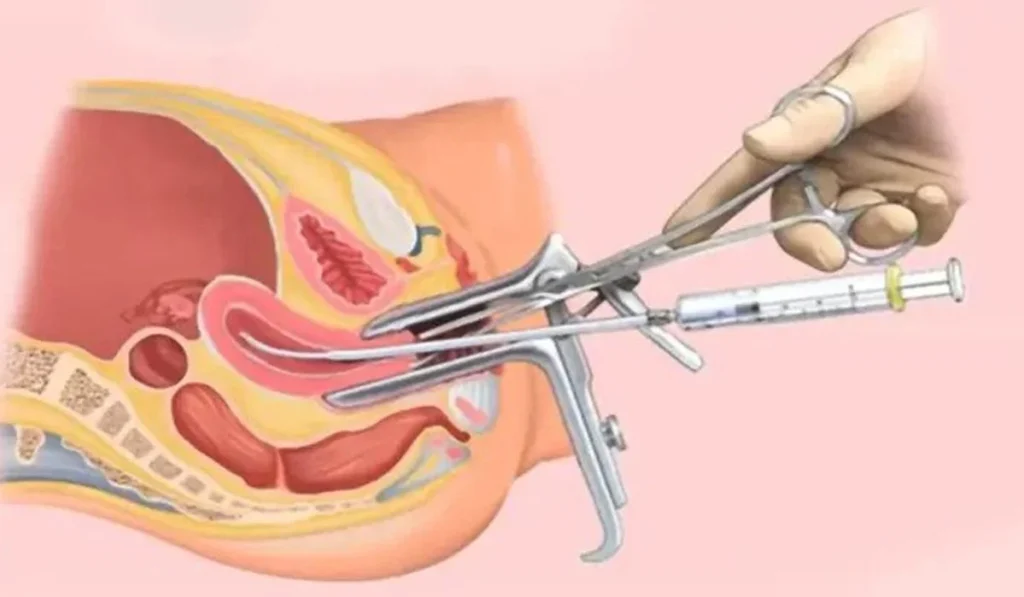
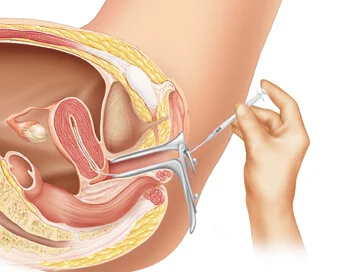
    illustration of an intrauterine insemination procedure with medical instruments and anatomical details

    Fertility Treatments or Adoption: Which One is More Cost-Effective?

    Which One is More Cost-Effective?

    When considering the costs of fertility treatments and adoption, it’s essential to take into account the success rates of both options. While fertility treatments can be expensive, the chances of a successful pregnancy are higher than with adoption. The success rate for IVF, for example, is around 30%, meaning that out of 100 couples, only 30 will have a successful pregnancy. Adoption, on the other hand, has a success rate of 90%, as almost all families who choose this route are able to adopt a child.

    Moreover, the costs of fertility treatments are not a one-time expense. As mentioned earlier, most couples require multiple cycles of IVF, which can add up to a significant amount. Adoption, on the other hand, is a one-time cost, and once the adoption is finalized, there are no further expenses related to the process. Additionally, some employers offer adoption benefits, which can help offset the costs.

    Factors to Consider

    While the cost of fertility treatments and adoption is a crucial factor to consider, there are other things to keep in mind as well. Fertility treatments can be physically and emotionally taxing, as couples may experience multiple failed attempts before achieving a successful pregnancy. Adoption, on the other hand, can also be a lengthy and emotionally challenging process, as it involves dealing with the birth parents and navigating the legal system.

    Another aspect to consider is the age of the couple or individual. As women age, their chances of a successful pregnancy decrease, and fertility treatments may become less effective. Adoption, on the other hand, has no age limit, and individuals of any age can become parents through this route.

    In the end, the decision between fertility treatments and adoption is a personal one, and there is no one-size-fits-all answer. It’s essential to weigh the costs, success rates, and other factors before making a decision. Consulting with a fertility specialist or adoption agency can also provide valuable insight and help individuals and couples make an informed decision.

    Summary:

    Choosing to start a family is a significant decision, and for those facing infertility or wanting to become parents, fertility treatments and adoption are two options. Both routes involve significant costs, but the success rates and additional factors need to be considered. Fertility treatments can cost tens of thousands of dollars, and the chances of a successful pregnancy may be lower than with adoption. Adoption, on the other hand, has a higher success rate, and the costs are a one-time expense. Other factors to consider include the physical and emotional toll of fertility treatments, the age of the couple or individual, and personal preferences. Ultimately, the decision between fertility treatments and adoption is a personal one, and individuals should carefully weigh all factors before making a choice.
  • The Price Tag of Parenthood: Fertility Treatments vs Adoption

    [Blog Post Title: The Price Tag of Parenthood: Fertility Treatments vs Adoption]

    Parenthood is often described as one of the most rewarding and fulfilling experiences in life. However, for many couples, the journey to becoming parents can be a challenging and expensive one. With fertility issues on the rise, many couples are left with the difficult decision of choosing between fertility treatments or adoption. Both options come with their own set of emotional, physical, and financial challenges. In this blog post, we will explore the price tag of parenthood and compare the costs of fertility treatments and adoption.

    [Fertility Treatments]

    Fertility treatments have become increasingly popular in recent years, with advancements in technology and medical procedures. These treatments are designed to help couples who are struggling to conceive naturally, and they offer a chance of having a biological child. However, along with the hope of starting a family, comes a hefty price tag.

    The cost of fertility treatments can vary greatly depending on the specific treatment and the individual’s circumstances. In vitro fertilization (IVF) is one of the most common fertility treatments and can cost anywhere from $12,000 to $15,000 per cycle. This cost includes the initial testing, medication, and procedure. However, many couples may require multiple cycles to achieve a successful pregnancy, which can add up to tens of thousands of dollars.

    Other fertility treatments, such as intrauterine insemination (IUI) and intracytoplasmic sperm injection (ICSI), also come with a significant price tag. IUI can cost around $1,000 per cycle, while ICSI can cost up to $5,000 per cycle. These treatments may also require multiple cycles, further adding to the overall cost.

    In addition to the direct medical costs, there are also other expenses to consider, such as travel costs for appointments, time off work, and potential childcare expenses during treatment. These added expenses can quickly add up, putting a strain on couples’ finances.

    [Adoption]

    Adoption is another option for couples struggling with fertility issues. It allows couples to provide a loving home for a child in need and fulfill their dream of becoming parents. However, the adoption process also comes with its own set of costs.

    The cost of adoption can vary greatly depending on the type of adoption, agency fees, and legal costs. Domestic adoption can cost anywhere from $20,000 to $40,000, while international adoption can cost up to $50,000. These costs cover the home study, legal fees, birth mother expenses, and agency fees.

    In addition to the direct costs of adoption, there may also be other expenses to consider, such as travel costs for meeting the birth mother or bringing the child home, as well as potential medical expenses for the birth mother and the child.

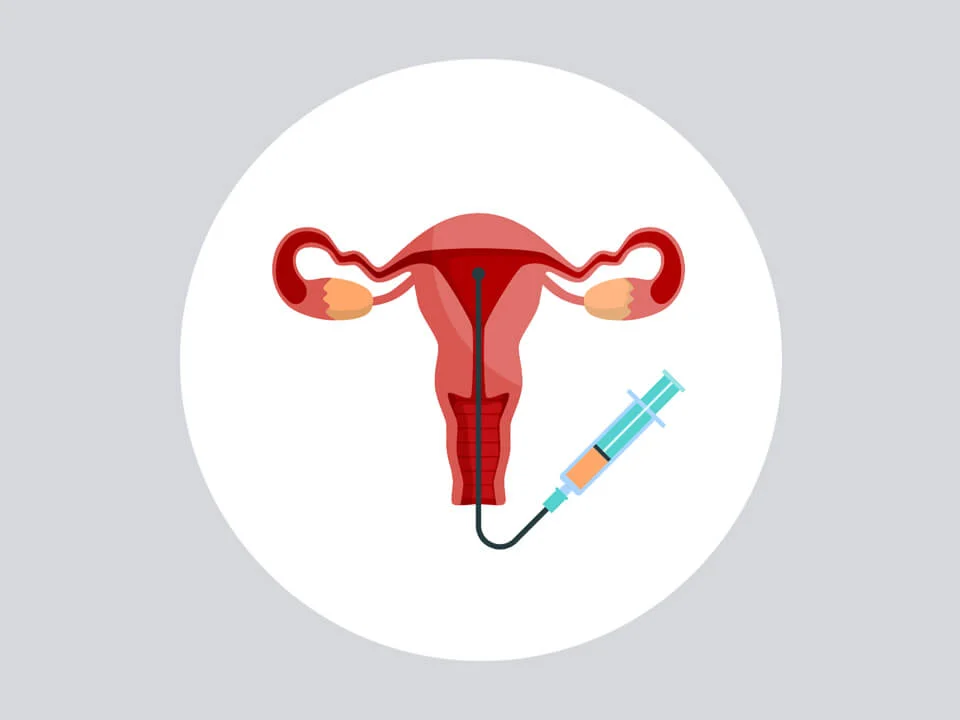
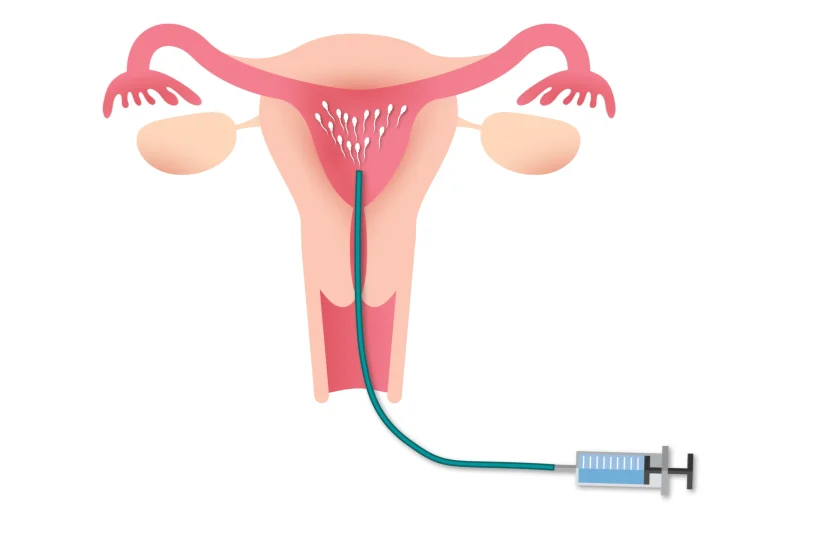
    Illustration of a uterus with a syringe, representing intrauterine insemination (IUI) procedure.

    The Price Tag of Parenthood: Fertility Treatments vs Adoption

    [Factors to Consider]

    When deciding between fertility treatments and adoption, there are several factors to consider beyond the price tag. Fertility treatments offer the chance of having a biological child, while adoption provides the opportunity to give a child in need a loving home. It is also important to consider the emotional and physical toll that both options can have on couples.

    Fertility treatments can be physically and emotionally draining, with the stress and pressure of trying to conceive and the potential disappointment of failed cycles. On the other hand, the adoption process can also be emotionally challenging, as couples must navigate the complexities of the legal system and the potential for birth parents to change their minds.

    It is also essential to consider the success rates of both options. While fertility treatments may offer the chance of a biological child, they are not a guarantee of success. Adoption, on the other hand, has a higher success rate, with the majority of adoptions being successful.

    [The Cost of Parenthood]

    Aside from the direct costs of fertility treatments and adoption, there are also ongoing costs associated with parenthood that should be considered. These include expenses such as childcare, education, and medical expenses. While these costs will vary depending on the child’s needs, they should be factored into the decision-making process.

    [Finding the Right Option]

    Deciding between fertility treatments and adoption is a personal and complex decision. Couples must carefully consider their financial situation, emotional readiness, and desire for a biological child when making this decision. It is also crucial to seek guidance from medical professionals and adoption agencies to fully understand the costs and processes involved in both options.

    [Summary]

    Parenthood is a dream for many couples, but the price tag can be a barrier for some. Fertility treatments and adoption both come with significant costs, both financially and emotionally. Fertility treatments offer the chance of having a biological child, but they can be physically and emotionally taxing and come with a high price tag. Adoption provides the opportunity to give a child in need a loving home, but it also comes with its own set of costs and challenges. Ultimately, the decision between fertility treatments and adoption is a personal one, and couples must carefully consider all factors before choosing the right option for them.

    [

  • and Wanting a Baby: Understanding the Financial Realities of Fertility Treatments and Adoption

    Becoming a parent is a dream for many individuals and couples. However, for some, the journey to parenthood can be a difficult and expensive one. In today’s society, there are various options for starting a family, including fertility treatments and adoption. While these methods can be a blessing for those struggling with infertility or looking to expand their family, they also come with a high financial cost. In this blog post, we will explore the financial realities of fertility treatments and adoption, and provide insight on how to navigate these expenses and make your dream of having a baby a reality.

    Fertility Treatments: Costs and Considerations

    Fertility treatments have become a popular option for couples and individuals who are unable to conceive naturally. These treatments can range from medications and intrauterine insemination (IUI) to more invasive procedures such as in-vitro fertilization (IVF). While the success rates of these treatments have improved over the years, they can come with a hefty price tag.

    The average cost of one cycle of IVF in the United States is around $12,000, and most couples require multiple cycles to increase their chances of success. This can quickly add up to tens of thousands of dollars, and unfortunately, most insurance plans do not cover fertility treatments. This means that couples often have to pay for these procedures out of pocket, putting a significant strain on their finances.

    Aside from the financial cost, fertility treatments also require a significant time commitment. The process can be emotionally and physically draining, and it may take months or even years to achieve a successful pregnancy. This means taking time off work for appointments and procedures, which can result in a loss of income.

    Adoption: Expenses and Challenges

    Adoption is another popular option for starting a family, and it can be a beautiful and rewarding experience. However, it also comes with its own set of financial and emotional challenges. The cost of adoption can vary greatly, depending on the type of adoption and the agency used. On average, domestic adoption can cost anywhere from $20,000 to $50,000, while international adoption can range from $30,000 to $50,000.

    One of the main expenses in adoption is the agency fees, which cover services such as home studies, counseling, and legal fees. These fees can be daunting for many families, and they often have to rely on loans, grants, or fundraising to cover the costs. In addition to the financial burden, the adoption process can also be emotionally challenging, as it involves navigating complex legal processes and waiting periods.

    diagram of a uterus with a syringe for intrauterine insemination procedure

    and Wanting a Baby: Understanding the Financial Realities of Fertility Treatments and Adoption

    Navigating the Financial Realities

    For couples and individuals who are determined to have a baby, the financial realities of fertility treatments and adoption may seem overwhelming. However, there are ways to manage these expenses and make your dream of becoming a parent a reality.

    1. Do your research: Before embarking on any fertility treatments or adoption process, it is essential to research the costs and options available. Look into different clinics or agencies and compare their fees, success rates, and any potential hidden costs. This will help you make an informed decision and avoid any unexpected expenses.

    2. Consider alternative options: While IVF and domestic adoption may be the most well-known methods, there are other options that may be more affordable. For example, consider looking into international adoption or embryo adoption, which can have lower costs.

    3. Look into insurance coverage: While most insurance plans do not cover fertility treatments, some may offer partial coverage or discounts for certain procedures. It is worth checking with your insurance provider to see what is covered and if there are any options for financial assistance.

    4. Explore financing options: Many fertility clinics and adoption agencies offer financing options or payment plans to help ease the financial burden. This can allow you to spread out the costs over a longer period and make it more manageable.

    5. Utilize grants and fundraising: There are various grants and organizations that offer financial assistance to families seeking fertility treatments or adoption. Additionally, fundraising through social media or other platforms can also help offset some of the expenses.

    Summary:

    Becoming a parent through fertility treatments or adoption can be an expensive and emotionally challenging journey. Fertility treatments can cost tens of thousands of dollars, while adoption can range from $20,000 to $50,000. These expenses, coupled with the emotional toll and time commitment, can make the dream of having a baby seem out of reach. However, by doing thorough research, considering alternative options, and exploring financing and fundraising options, it is possible to navigate the financial realities of these methods and make your dream of becoming a parent a reality.

  • The Hidden Costs of Building a Family: Fertility Treatments and Adoption

    Blog Post Title: The Hidden Costs of Building a Family: Fertility Treatments and Adoption

    Starting a family is a dream for many people, but for some, it may not come as easily as they had hoped. Infertility affects about 12% of couples in the United States, and for those struggling with it, the journey to build a family can be emotionally, physically, and financially draining. Fertility treatments and adoption are two common options for couples facing infertility, but what many people don’t realize is the hidden costs associated with these methods. In this blog post, we will delve into the hidden costs of building a family through fertility treatments and adoption.

    Fertility Treatments:
    Fertility treatments are medical procedures that assist with achieving pregnancy. These treatments can range from simple medication to more advanced procedures such as in vitro fertilization (IVF). While the primary cost of fertility treatments is the actual procedure itself, there are many hidden costs that couples may not be aware of.

    1. Diagnostic Testing:
    Before starting any fertility treatment, couples must undergo a series of diagnostic tests to determine the cause of their infertility. These tests can include hormone level tests, ultrasound scans, and semen analysis for the male partner. These tests can add up quickly and are not always covered by insurance.

    2. Medications:
    Fertility medications, such as hormone injections, are a vital part of many fertility treatments. These medications can cost thousands of dollars per cycle, and multiple cycles may be needed before achieving a successful pregnancy. Unfortunately, these medications are often not covered by insurance, leaving couples to bear the cost themselves.

    3. Additional Procedures:
    In some cases, additional procedures may be necessary during fertility treatment. For example, if a woman has blocked fallopian tubes, she may need to undergo surgery to remove the blockage before proceeding with fertility treatments. These procedures can come with hefty price tags and are not always covered by insurance.

    4. Travel Expenses:
    Many couples may have to travel to a different city or state to receive fertility treatments. This can add significant costs to the overall treatment, including transportation, lodging, and meals.

    5. Emotional Support:
    The emotional toll of fertility treatments cannot be understated. Many couples may require counseling or therapy to cope with the anxiety, stress, and disappointment that often come with these treatments. The cost of emotional support is often not factored into the overall cost of fertility treatments.

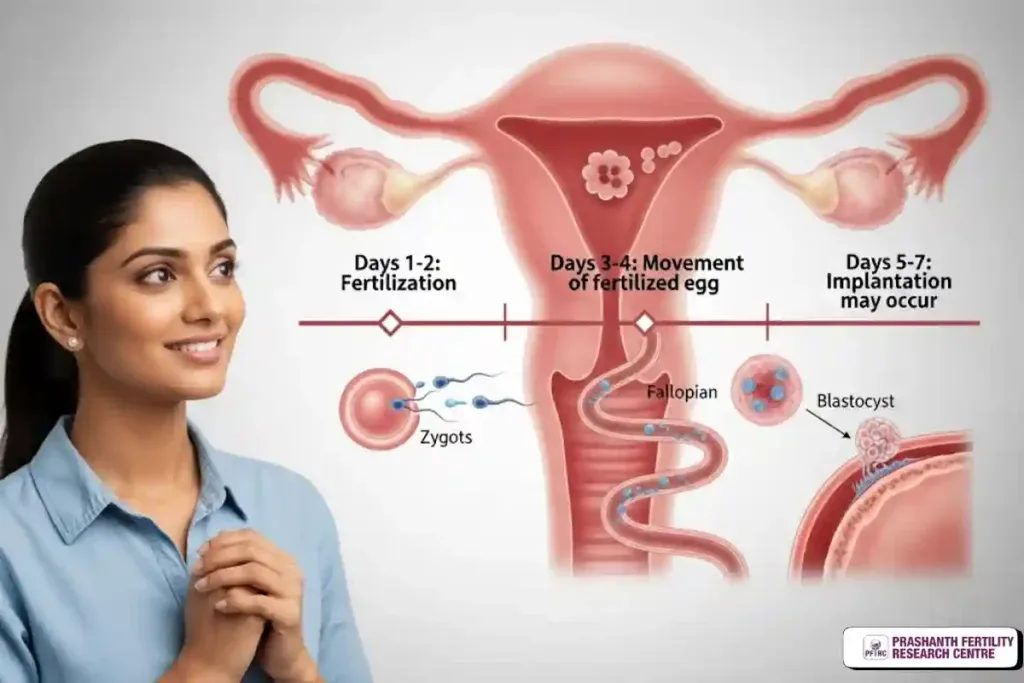
    Illustration showing fertilization and implantation timeline with a woman looking hopeful.

    The Hidden Costs of Building a Family: Fertility Treatments and Adoption

    Adoption:
    Adoption is another option for couples facing infertility. While adoption is often seen as a more affordable alternative to fertility treatments, the hidden costs of adoption can add up quickly.

    1. Agency Fees:
    The first step in the adoption process is finding an agency to work with. Adoption agencies charge fees for their services, which can range from a few thousand dollars to tens of thousands of dollars. These fees often cover things like home studies, counseling, and legal fees.

    2. Home Study:
    A home study is required for all types of adoptions and involves a social worker visiting the couple’s home and interviewing them. This process can take several months and can cost anywhere from $1,500 to $3,000.

    3. Legal Fees:
    The legal process of adoption can be lengthy and costly. Couples may have to hire an attorney to help navigate the legal complexities of adoption. These fees can vary greatly but can easily add up to thousands of dollars.

    4. Travel Expenses:
    Similar to fertility treatments, couples may have to travel to a different state or even a different country to complete the adoption process. This can include travel expenses for multiple trips, as well as lodging and meals.

    5. Medical Expenses:
    In some cases, the birth mother’s medical expenses may be covered by the adoptive parents. These expenses can include prenatal care, delivery, and postpartum care, and can add up to thousands of dollars.

    The Emotional Costs:
    Aside from the financial costs of fertility treatments and adoption, there are also emotional costs that are often overlooked. The stress, uncertainty, and disappointment that come with these methods of building a family can have a significant impact on couples. It can strain relationships, lead to depression, and take a toll on overall well-being.

    In conclusion, building a family through fertility treatments and adoption comes with hidden costs that are not always apparent. Couples facing infertility should carefully consider all of the expenses associated with these methods before making a decision. It’s essential to have a realistic understanding of the financial and emotional costs involved to avoid any surprises along the way.

    Summary:
    Starting a family through fertility treatments and adoption can be a challenging and expensive journey. While the primary costs of these methods are well-known, there are many hidden costs that couples may not be aware of. These include diagnostic testing, medications, additional procedures, travel expenses, emotional support, agency fees, home studies, legal fees, medical expenses, and the emotional toll it takes on couples. It’s crucial for couples facing infertility to carefully consider all of these costs before embarking on the journey to build a family.

  • Breaking Down the Costs: Fertility Treatments vs Adoption Expenses

    Fertility treatments and adoption are both paths to building a family for couples struggling with infertility. While both options can bring immense joy and fulfillment, they also come with significant financial costs. In this blog post, we will break down the costs of fertility treatments versus adoption expenses, so that you can make an informed decision on which route is best for you and your family.

    Fertility Treatments:

    Fertility treatments involve various medical procedures and techniques that help couples conceive a child. These treatments can range from simple lifestyle changes to more complex procedures like in vitro fertilization (IVF). The costs of fertility treatments can vary greatly depending on the type of treatment, location, and individual circumstances. On average, a single cycle of IVF in the United States can cost anywhere from $12,000 to $17,000, not including medication or additional procedures.

    Additional costs to consider with fertility treatments include medications, which can range from $2,000 to $5,000 per cycle, and diagnostic tests, which can range from $1,000 to $3,000. If a couple chooses to use a sperm or egg donor, the costs can increase significantly, with sperm donors costing around $500 per vial and egg donors costing around $8,000 to $10,000. It is also important to keep in mind that many couples may need to undergo multiple cycles of fertility treatments before achieving a successful pregnancy, leading to even higher costs.

    Adoption Expenses:

    Adoption is another option for couples looking to build a family. The process involves legally welcoming a child into your family who is not biologically related to you. The costs of adoption can vary greatly depending on the type of adoption, agency fees, and location. On average, domestic adoptions in the United States can cost anywhere from $20,000 to $40,000, while international adoptions can range from $30,000 to $50,000.

    Some of the expenses associated with adoption include home study fees, legal fees, and agency fees. A home study, which is required for all adoptions, can cost anywhere from $1,500 to $3,000. Legal fees can range from $2,000 to $5,000, and agency fees can vary greatly, with some agencies charging a flat rate and others charging a percentage of the final adoption costs. Other costs to consider with adoption include travel expenses, medical expenses for the birth mother, and post-adoption expenses.

    Factors to Consider:

    illustration of an intrauterine insemination procedure with medical instruments and anatomical details

    Breaking Down the Costs: Fertility Treatments vs Adoption Expenses

    When deciding between fertility treatments and adoption, there are several factors to consider, including the success rates and the emotional toll of each option. The success rates of fertility treatments can vary greatly depending on the individual’s age and health, but on average, the success rate for IVF is around 30%. This means that multiple cycles may be necessary, leading to higher costs and emotional strain.

    On the other hand, adoption is not always a guaranteed process, and the wait time can vary greatly. Additionally, the emotional toll of adoption can be significant, as couples may experience setbacks and heartache throughout the process. It is essential to carefully weigh these factors and consider which option is best for you and your family.

    Financial Assistance:

    Both fertility treatments and adoption can be costly, and many couples may not have the funds readily available to cover these expenses. However, there are options available to help alleviate the financial burden. Some employers offer fertility treatment coverage as part of their employee benefits, and some states have laws mandating insurance coverage for fertility treatments. Additionally, there are grants and loans available specifically for fertility treatments and adoption.

    Conclusion:

    Fertility treatments and adoption are both viable options for couples struggling with infertility. While fertility treatments can be costly and may not always result in a successful pregnancy, adoption also has its own set of expenses and emotional challenges. It is crucial for couples to carefully consider all factors, including financial costs and success rates, before making a decision.

    In the end, the most important thing is to choose the path that is right for you and your family. Whether you choose fertility treatments or adoption, the end result of welcoming a child into your family will be worth the financial sacrifices.

    In summary, fertility treatments and adoption both come with significant financial expenses, and it is essential for couples to carefully consider all factors before making a decision. Fertility treatments can range from $12,000 to $17,000 per cycle, not including medication and other procedures, while adoption can cost anywhere from $20,000 to $50,000, depending on the type and location. Both options have their own set of challenges and emotional tolls, but in the end, the most important thing is to choose the path that is best for you and your family.

  • Is Adoption More Affordable Than Fertility Treatments? A Comprehensive Comparison

    Summary:

    Adoption and fertility treatments are two options for couples struggling with infertility who still want to start a family. While both paths can lead to the same result, there are significant differences in terms of cost. In this blog post, we will compare the costs of adoption and fertility treatments and explore the various factors that can affect the overall affordability. We will also delve into the emotional and psychological impact of both options and provide resources for couples to consider when making this important decision. By the end of this post, you will have a better understanding of which option may be more affordable for you and your family.

    Adoption Costs:

    Adoption is the legal process of permanently transferring parental rights and responsibilities from one family to another. There are three main types of adoption: domestic, international, and foster care. Each type has its own unique costs and requirements.

    Domestic adoption, where a child is adopted from within the country, typically has the highest costs. The average cost of a domestic adoption can range from $20,000 to $40,000. This includes expenses such as agency fees, legal fees, birth mother expenses, and home study fees.

    International adoption, where a child is adopted from another country, can also be expensive. The average cost can range from $25,000 to $50,000. This includes expenses such as agency fees, travel expenses, and foreign country fees.

    Foster care adoption, where a child in the foster care system is adopted, is generally the most affordable option. The average cost can range from $2,000 to $5,000. This includes expenses such as home study fees and legal fees.

    Fertility Treatment Costs:

    Fertility treatments are medical procedures that are used to help couples conceive a child. There are various types of fertility treatments, such as in vitro fertilization (IVF), intrauterine insemination (IUI), and fertility drugs. The costs of these treatments can vary depending on the type of treatment, the number of cycles needed, and any additional procedures or medications required.

    The average cost of one cycle of IVF can range from $12,000 to $15,000. This does not include additional costs such as medications, which can add another $3,000 to $5,000 to the total cost.

    IUI, which involves placing sperm directly into the uterus, is a less expensive option with an average cost of $500 to $4,000 per cycle. However, multiple cycles may be needed for success.

    Fertility drugs, which are used to stimulate ovulation, can range from $50 to $5,000 per cycle, depending on the type of medication and dosage needed.

    illustration of intrauterine insemination procedure with a hand holding a speculum and syringe near the uterus

    Is Adoption More Affordable Than Fertility Treatments? A Comprehensive Comparison

    Factors Affecting Cost:

    There are several factors that can affect the overall cost of adoption and fertility treatments. One of the biggest factors is the type of adoption or treatment chosen. As mentioned earlier, domestic adoption and IVF tend to have higher costs compared to foster care adoption and IUI.

    The location can also play a significant role in cost. Adoption costs can vary depending on the state and country, while fertility treatment costs can differ between clinics. It is essential to research and compare costs in different locations to find the most affordable option for your specific situation.

    Another factor to consider is the age of the child or the woman undergoing fertility treatments. Older children and women may require more extensive medical care, which can increase costs. Additionally, women over the age of 35 may need to use more expensive fertility treatments, such as IVF, due to a decline in fertility.

    Emotional and Psychological Impact:

    The decision to pursue adoption or fertility treatments can be emotionally and psychologically taxing for couples. Adoption can be a lengthy process, and the uncertainty of being matched with a child can be stressful. On the other hand, fertility treatments can also take a toll on a couple’s emotional well-being, with the added pressure of undergoing medical procedures and the possibility of not being successful.

    It is crucial for couples to consider the emotional and psychological impact of both options and to seek support from professionals or support groups throughout the process.

    Resources for Couples:

    There are many resources available for couples who are considering adoption or fertility treatments. These resources can provide guidance, support, and financial assistance.

    For adoption, there are grants, loans, and tax credits available to help offset the costs. Organizations such as the National Adoption Foundation and the Dave Thomas Foundation for Adoption offer financial assistance for families looking to adopt.

    For fertility treatments, some insurance plans may cover some of the costs. It is essential to research and understand your insurance coverage and consider speaking with a financial advisor to explore other options such as loans or grants.

    Conclusion:

    In conclusion, the cost of adoption and fertility treatments can vary significantly depending on various factors. While foster care adoption and IUI may be more affordable options, they are not suitable for every couple. It is crucial for couples to carefully consider their financial situation, emotional readiness, and personal preferences when deciding between adoption and fertility treatments. Seeking support from professionals and utilizing available resources can also make the process more manageable. Ultimately, the most affordable option for starting a family will depend on each couple’s unique circumstances.

  • The Price of Parenthood: Navigating the Costs of Fertility Treatments and Adoption

    Blog Post:

    Parenthood is a dream for many people, but for some, it may come with a hefty price tag. Fertility treatments and adoption can be expensive options for those wanting to start a family, and navigating the costs can be overwhelming. In this blog post, we will explore the various factors that contribute to the price of parenthood and how to financially prepare for these options.

    The Cost of Fertility Treatments:

    According to the American Society for Reproductive Medicine, the average cost of a single IVF (In Vitro Fertilization) cycle is around $12,000. However, this cost can vary greatly depending on individual circumstances. Additional factors such as medication, genetic testing, and frozen embryo transfers can significantly increase the overall cost of fertility treatments.

    One of the main reasons for the high cost of fertility treatments is that they are not usually covered by insurance. Most insurance companies consider fertility treatments as an elective procedure and therefore do not provide coverage. This leaves individuals and couples to bear the full financial burden.

    Another factor that contributes to the high cost of fertility treatments is the need for multiple cycles. According to the Centers for Disease Control and Prevention, the success rate for IVF is around 30% for women under 35. This means that many individuals and couples may need to go through multiple cycles, increasing the overall cost.

    Ways to Manage the Cost of Fertility Treatments:

    1. Research and Compare: It is essential to research and compare different fertility clinics to find the best possible price. Some clinics may offer discounted rates or financing options that can help reduce the cost.

    2. Utilize Insurance Benefits: While most insurance companies do not cover fertility treatments, some may provide coverage for specific procedures or medications. It is crucial to understand your insurance benefits and utilize them to the fullest.

    3. Consider Shared Risk Programs: Some fertility clinics offer shared risk programs where a portion of the cost is refunded if the treatment is unsuccessful. This can be a beneficial option for those who may need multiple cycles.

    4. Look into Grants and Financial Assistance: There are various grants and financial assistance programs available for those struggling with the cost of fertility treatments. Doing thorough research and applying for these programs can help alleviate some of the financial burden.

    The Cost of Adoption:

    Adoption is another option for those looking to start a family, but it can also come with a significant price tag. The cost of adoption can range from $0 to $50,000, depending on the type of adoption and individual circumstances.

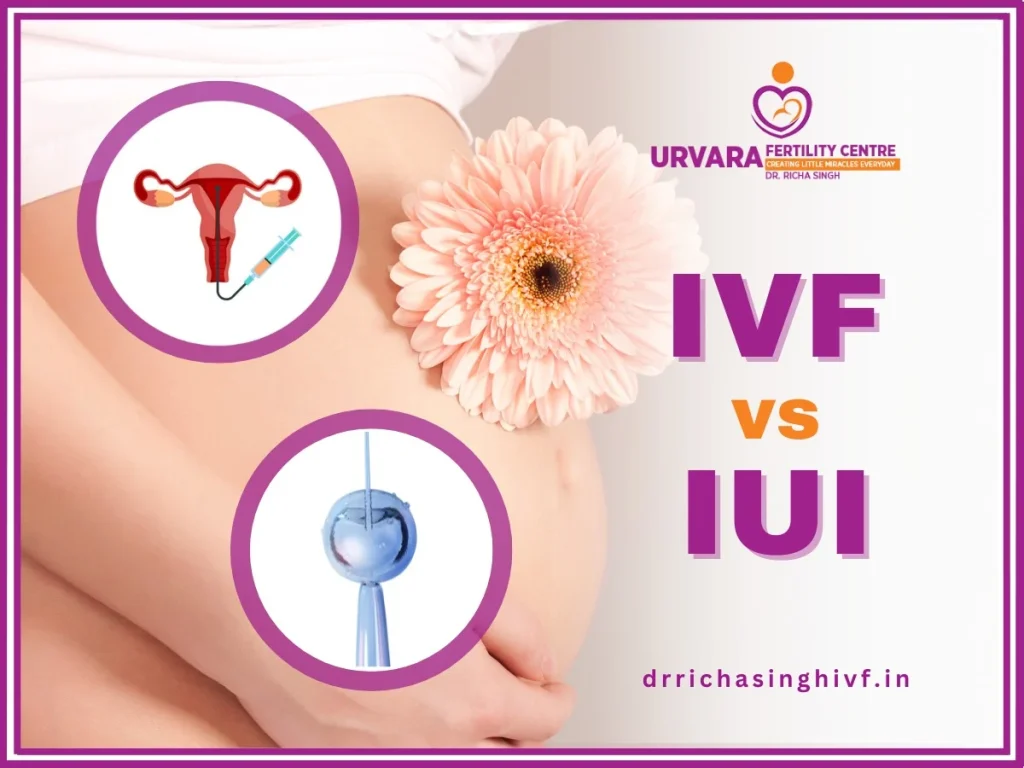
    IVF vs IUI comparison with illustrations of reproductive processes and a flower on a pregnant belly.

    The Price of Parenthood: Navigating the Costs of Fertility Treatments and Adoption

    The most affordable option for adoption is through the foster care system, where most of the costs are covered by the state. However, this option may not be suitable for everyone as it comes with its own set of challenges and uncertainties.

    Private domestic adoption, where a child is placed directly with the adoptive family, can cost between $20,000 to $40,000. This cost includes legal fees, agency fees, and birth mother expenses.

    International adoptions can be even more expensive, with costs ranging from $25,000 to $50,000. This high cost is due to travel expenses, legal fees, and international program fees.

    Ways to Manage the Cost of Adoption:

    1. Explore Different Types of Adoption: It is essential to consider different types of adoption and their associated costs. While international and private domestic adoptions may come with a higher price tag, foster care adoption can be a more affordable option.

    2. Look into Tax Credits and Benefits: The federal government provides a tax credit of up to $14,300 for adoption-related expenses. This can significantly help reduce the overall cost of adoption.

    3. Research Adoption Grants and Loans: There are various organizations and foundations that offer grants and loans for adoptions. These can help alleviate some of the financial burden and make adoption more attainable for families.

    4. Consider Fundraising: Many families turn to fundraising to help cover the costs of adoption. This can include events, selling products, or crowdfunding campaigns. It is essential to research and follow any legal guidelines before starting a fundraising campaign.

    The Emotional Cost of Parenthood:

    While the financial cost of parenthood is significant, the emotional cost should not be overlooked. Fertility treatments and adoption can be emotionally taxing, and the journey can be full of ups and downs. It is essential to prioritize self-care and seek support from loved ones or a therapist during this process.

    In conclusion, the price of parenthood can be a significant obstacle for many individuals and couples. It is essential to thoroughly research and understand the costs associated with fertility treatments and adoption. With proper planning and utilizing resources available, starting a family can be more attainable despite the high costs.

    Summary:

    Parenthood is a dream for many, but the cost of fertility treatments and adoption can be a significant barrier. Fertility treatments can cost around $12,000 per cycle, and adoption can range from $0 to $50,000. The lack of insurance coverage and the need for multiple cycles contribute to the high costs. However, there are ways to manage these expenses, such as researching and comparing different options, utilizing insurance benefits, and looking into grants and financial assistance. It is also essential to consider the emotional cost of parenthood and prioritize self-care during this process.

  • The Financial Journey to Parenthood: Comparing Fertility Treatments and Adoption Costs

    The journey to parenthood is a significant one filled with excitement and anticipation. However, for many couples, it can also be a financially overwhelming experience. With the rising cost of fertility treatments and adoption fees, it’s essential to understand the financial implications of starting a family. In this blog post, we will compare the costs of fertility treatments and adoption and provide insights into the financial journey to parenthood.

    Fertility Treatments:
    For couples struggling with infertility, fertility treatments can offer a ray of hope. However, these treatments can come with a hefty price tag, and the actual cost varies depending on several factors. The most common fertility treatments include intrauterine insemination (IUI), in vitro fertilization (IVF), and egg or sperm donation.

    IUI is the most affordable option, with an average cost of $1,000-$4,000 per cycle. However, the success rate is relatively low, at around 10-20%. IVF, on the other hand, is more expensive, with an average cost of $12,000 per cycle. The success rate is higher, at around 40-45%, but the cost can quickly add up if multiple cycles are needed.

    For couples who require donor eggs or sperm, the cost can increase significantly. The average cost of donor eggs is around $25,000, while donor sperm can cost $500-$1,000 per vial. These costs are in addition to the IVF fees, making the overall cost of treatment even more expensive.

    It’s essential to note that these costs are just an average estimate and can vary widely depending on the clinic, location, and individual circumstances. Additional costs such as medications, genetic testing, and storage fees for frozen embryos can also add up to the overall cost of fertility treatments.

    Adoption:
    Adoption is another option for couples looking to expand their family. While it can be a rewarding experience, it also comes with its own set of costs. The average cost of adoption in the US can range from $20,000-$40,000, depending on the type of adoption.

    Domestic adoption, where a child is adopted from within the country, is generally less expensive than international adoption. The average cost for domestic adoption is around $20,000-$30,000, while international adoption can cost $30,000-$40,000.

    Another factor that can affect the cost of adoption is whether it is an open or closed adoption. In an open adoption, the biological parents have contact with the adoptive family, while in a closed adoption, there is no contact. Open adoptions can be more expensive, as they often involve additional legal and counseling fees.

    It’s essential to note that there are also other costs associated with adoption, such as home study fees, legal fees, and travel expenses. These costs can quickly add up, making adoption a significant financial commitment.

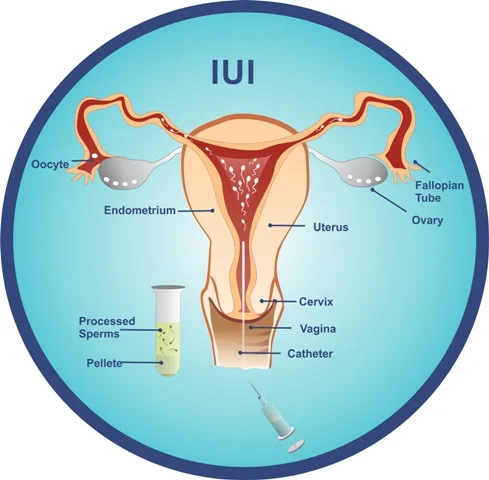
    diagram illustrating intrauterine insemination (IUI) with labeled reproductive anatomy and procedures

    The Financial Journey to Parenthood: Comparing Fertility Treatments and Adoption Costs

    Comparing Costs:
    When comparing the costs of fertility treatments and adoption, it’s crucial to consider the success rates, as well. While fertility treatments can be expensive, they offer a higher chance of success compared to adoption. However, this also means that couples may need to go through multiple cycles of treatment, further increasing the cost.

    On the other hand, adoption may be a more cost-effective option in the long run, as the fees are a one-time expense. However, the chance of success may be lower, and the process can be emotionally taxing.

    Financial Planning for Parenthood:
    The high costs associated with fertility treatments and adoption may seem daunting, but there are ways to make it more manageable. Here are a few tips for couples planning to start a family:

    1. Research and Compare: It’s essential to research and compare different fertility clinics or adoption agencies to find the best option that fits your budget and needs.

    2. Consider Insurance Coverage: Some insurance plans may cover certain fertility treatments, so it’s worth checking with your insurance provider. However, adoption is usually not covered by insurance.

    3. Explore Financing Options: Many fertility clinics offer financing options, such as payment plans or loans, to help couples manage the costs. There are also grants and scholarships available for adoption, which can help ease the financial burden.

    4. Create a Budget: It’s crucial to create a budget and stick to it when going through fertility treatments or adoption. This can help you track your expenses and make necessary adjustments.

    5. Seek Emotional Support: Going through fertility treatments and adoption can be emotionally challenging, so it’s essential to seek support from friends, family, or a therapist. This can help couples cope with the financial and emotional stress of the journey to parenthood.

    In conclusion, the financial journey to parenthood can be a daunting one, but it’s essential to understand the costs associated with fertility treatments and adoption. By researching, comparing, and planning, couples can make informed decisions and manage the financial implications of starting a family.

  • Fertility Acupuncture and Thyroid Disorders: What You Need to Know

    Fertility Acupuncture and Thyroid Disorders: What You Need to Know

    When it comes to fertility, many factors can play a role in a couple’s ability to conceive. One often overlooked factor is thyroid health. The thyroid gland, located in the neck, is responsible for producing hormones that regulate metabolism and play a crucial role in reproductive health. When the thyroid is out of balance, it can have a significant impact on a woman’s fertility. Fortunately, acupuncture has been found to be an effective treatment for both fertility issues and thyroid disorders. In this blog post, we will explore the link between fertility, acupuncture, and thyroid disorders and what you need to know if you are struggling to conceive.

    Understanding Thyroid Disorders

    Before we delve into the connection between fertility and thyroid disorders, it is essential to have a basic understanding of what the thyroid gland does and how it can affect your health. The thyroid gland produces two main hormones – triiodothyronine (T3) and thyroxine (T4) – that regulate metabolism. These hormones play a vital role in the body’s functions, including heart rate, digestion, and body temperature.

    When the thyroid gland is not functioning correctly, it can lead to thyroid disorders, which can be either hypothyroidism (underactive thyroid) or hyperthyroidism (overactive thyroid). In hypothyroidism, the thyroid gland does not produce enough hormones, resulting in a slower metabolism. This can lead to symptoms such as fatigue, weight gain, hair loss, and irregular menstrual cycles. On the other hand, hyperthyroidism is when the thyroid gland produces too many hormones, causing an overactive metabolism. Symptoms of hyperthyroidism include weight loss, rapid heart rate, and irregular menstrual cycles.

    The Connection Between Fertility and Thyroid Disorders

    The thyroid gland plays a crucial role in the reproductive system, and when it is not functioning correctly, it can have a significant impact on a woman’s fertility. In women, the thyroid hormones are essential for the development and maturation of the eggs, the production of progesterone, and the maintenance of a healthy uterine lining. When the thyroid is not functioning correctly, it can lead to irregular menstrual cycles, anovulation (lack of ovulation), and a higher risk of miscarriage.

    Thyroid disorders can also affect male fertility. Studies have shown that men with hypothyroidism have lower sperm counts and reduced sperm motility, making it more difficult to conceive. Additionally, thyroid disorders can cause sexual dysfunction in men, making it challenging to achieve or maintain an erection.

    Fertility Acupuncture and Thyroid Disorders

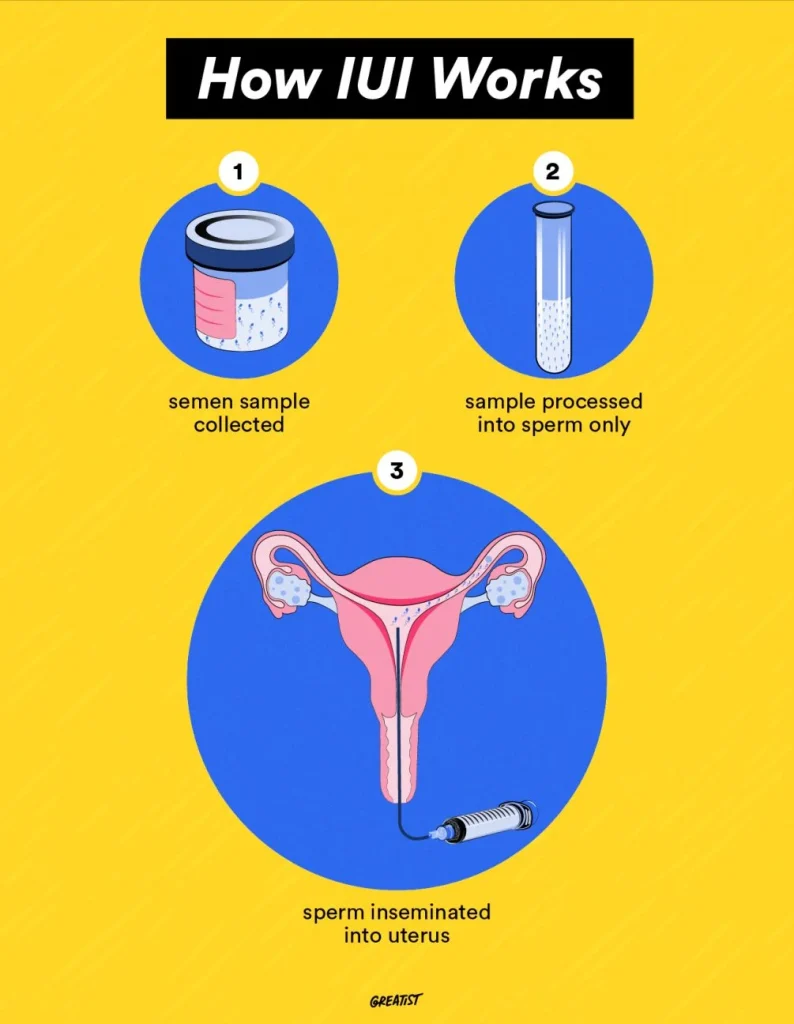
    illustration explaining the steps of intrauterine insemination (IUI) process on a bright yellow background

    Fertility Acupuncture and Thyroid Disorders: What You Need to Know

    Acupuncture is a form of traditional Chinese medicine that has been used for centuries to treat a wide range of health issues. It involves the insertion of thin needles into specific points on the body to stimulate the body’s natural healing abilities. When it comes to fertility and thyroid disorders, acupuncture has been found to be an effective treatment option.

    One study found that acupuncture can improve thyroid function in patients with subclinical hypothyroidism (mildly underactive thyroid). The study showed that patients who received acupuncture had significantly lower levels of thyroid-stimulating hormone (TSH) and higher levels of T3 and T4 hormones than those who did not receive acupuncture. This indicates that acupuncture can help regulate the thyroid gland and improve thyroid function.

    Acupuncture has also been found to be beneficial for women with polycystic ovary syndrome (PCOS), a condition often associated with thyroid disorders. PCOS is a hormonal disorder that can affect a woman’s fertility, and many women with PCOS also have underlying thyroid issues. Acupuncture has been shown to regulate hormone levels, improve menstrual regularity, and increase the chances of ovulation in women with PCOS.

    Acupuncture can also be used to support couples undergoing fertility treatments such as in vitro fertilization (IVF). Studies have shown that acupuncture can improve the success rate of IVF by increasing blood flow to the uterus, reducing stress, and regulating the endocrine system.

    In addition to treating fertility issues, acupuncture can also help manage the symptoms of thyroid disorders. Patients with hyperthyroidism can benefit from acupuncture’s calming and sedative effects, while those with hypothyroidism can experience an increase in energy and improved digestion.

    Conclusion

    Fertility and thyroid disorders are closely linked, and it is essential to address any thyroid issues if you are struggling to conceive. Acupuncture is a safe and effective treatment option for both fertility issues and thyroid disorders. By regulating the thyroid gland and balancing hormone levels, acupuncture can improve fertility and increase the chances of a successful pregnancy.

    If you are experiencing fertility issues or have been diagnosed with a thyroid disorder, consider incorporating acupuncture into your treatment plan. It is always best to consult with a licensed acupuncturist who can create a personalized treatment plan tailored to your specific needs. With the help of acupuncture, you can take a step towards improving your overall health and increasing your chances of starting a family.

    SEO metadata:

  • The Cost Comparison: Fertility Acupuncture vs Traditional Treatments

    Blog Post:

    When it comes to fertility treatments, there are many options available for couples struggling to conceive. From traditional medical treatments such as in vitro fertilization (IVF) to alternative therapies like acupuncture, the choices can be overwhelming. However, one factor that often comes into consideration is the cost – both financially and emotionally. In this blog post, we will take a closer look at the cost comparison between fertility acupuncture and traditional treatments.

    The Cost of Traditional Treatments

    Traditional medical treatments for fertility, such as IVF, can be expensive. The average cost of one IVF cycle in the United States is around $12,000, and that does not include additional costs for medications, tests, and other procedures. In some cases, multiple cycles may be needed, which can significantly increase the overall cost. These treatments often require a significant financial investment, which can add stress and strain to an already emotionally challenging journey.

    Aside from the financial cost, traditional treatments can also have side effects and risks. Medications used in IVF can cause hormonal imbalances and increase the risk of multiple pregnancies. The procedures themselves can also be physically uncomfortable and invasive, adding to the emotional toll of fertility treatments.

    The Cost of Fertility Acupuncture

    On the other hand, fertility acupuncture is a natural and non-invasive alternative that has been gaining popularity in recent years. Acupuncture involves the insertion of thin needles into specific points on the body to stimulate the flow of energy and promote healing. In terms of cost, fertility acupuncture is significantly more affordable than traditional treatments, with an average session costing between $75-150.

    But does the lower cost of fertility acupuncture mean it is less effective? Not necessarily. Many studies have shown that acupuncture can improve fertility outcomes by regulating hormones, improving blood flow to the reproductive organs, and reducing stress and anxiety. Additionally, acupuncture can also improve the success rates of traditional treatments such as IVF when used in conjunction.

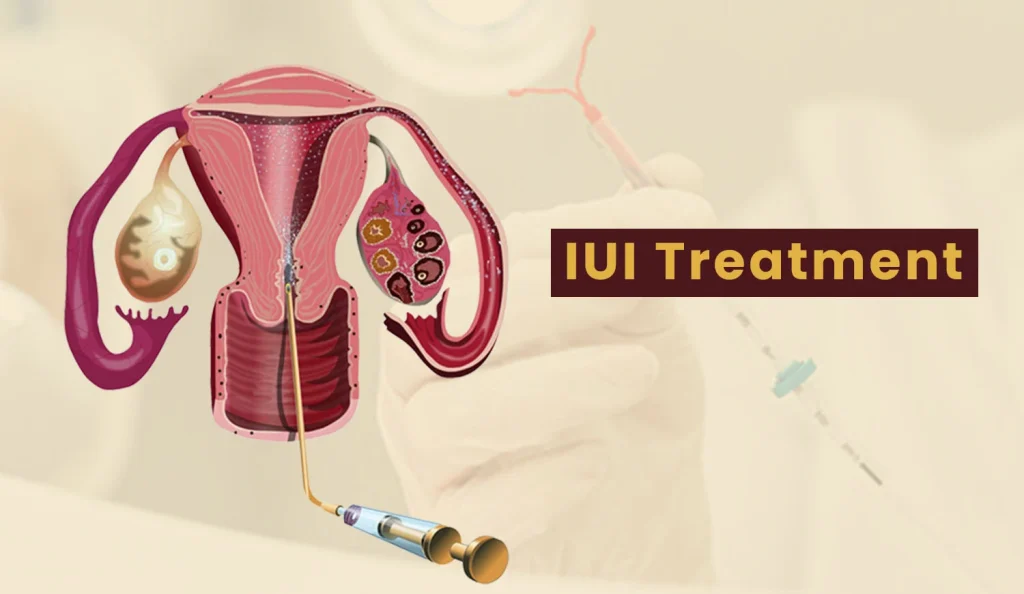
    illustration of the uterus and ovaries with a syringe, labeled "IUI Treatment" in the background

    The Cost Comparison: Fertility Acupuncture vs Traditional Treatments

    Comparing Success Rates

    When comparing the success rates of fertility acupuncture and traditional treatments, the results can vary. While some studies have shown similar success rates between acupuncture and IVF, others have shown a higher success rate for acupuncture. For example, a study published in the Journal of Integrative Medicine found that the pregnancy rate was 43.3% for women who received acupuncture with IVF compared to 26.3% for those who only received IVF treatment.

    Furthermore, fertility acupuncture can also improve overall health and well-being, which can contribute to a better pregnancy outcome. By addressing underlying issues such as stress, hormonal imbalances, and irregular menstrual cycles, acupuncture can help create a healthier environment for conception.

    The Emotional Cost

    Aside from the financial cost, the emotional toll of fertility treatments cannot be overlooked. The rollercoaster of emotions that couples experience can be overwhelming and can take a toll on their mental health. Traditional treatments often involve a lot of waiting, uncertainty, and disappointment, which can be difficult to handle. On the other hand, fertility acupuncture can provide a sense of control and empowerment for couples as they actively participate in their treatment.

    Moreover, fertility acupuncture can also improve emotional well-being by reducing stress and anxiety. This is crucial as stress can negatively impact fertility by disrupting hormonal balance and affecting ovulation. By helping couples relax and reduce stress, acupuncture can create a more positive and conducive environment for conception.

    In conclusion, when it comes to the cost of fertility treatments, it is essential to weigh both the financial and emotional factors. While traditional treatments may have higher success rates, they can also come with a significant financial burden and potential side effects. Fertility acupuncture, on the other hand, is a more affordable and natural alternative with promising results. It can also improve overall health and well-being, leading to a more positive pregnancy outcome. Ultimately, the choice between the two will depend on the individual needs and preferences of the couple, but it is worth considering all options before making a decision.

    Summary:

    Fertility treatments can be expensive, both financially and emotionally. Traditional treatments such as IVF can cost an average of $12,000 per cycle, with potential side effects and risks. On the other hand, fertility acupuncture is a more affordable and natural alternative, with an average cost of $75-150 per session. Studies have shown that acupuncture can improve fertility outcomes and can even improve success rates of traditional treatments when used in conjunction. Furthermore, acupuncture can also improve overall health and well-being, leading to a more positive pregnancy outcome. Ultimately, the choice between traditional treatments and fertility acupuncture will depend on the individual needs and preferences of the couple.