Blog Post:
In recent years, more and more couples and individuals are turning to home insemination as a way to start or expand their families. With advances in technology and the increasing acceptance of non-traditional families, home insemination has become a popular option for those who may not be able to conceive through traditional methods. However, with this rise in popularity comes legal implications that must be considered to protect the future of your family. In this blog post, we will discuss the legal implications of home insemination and how you can ensure that your family’s future is legally protected.
What is home insemination?
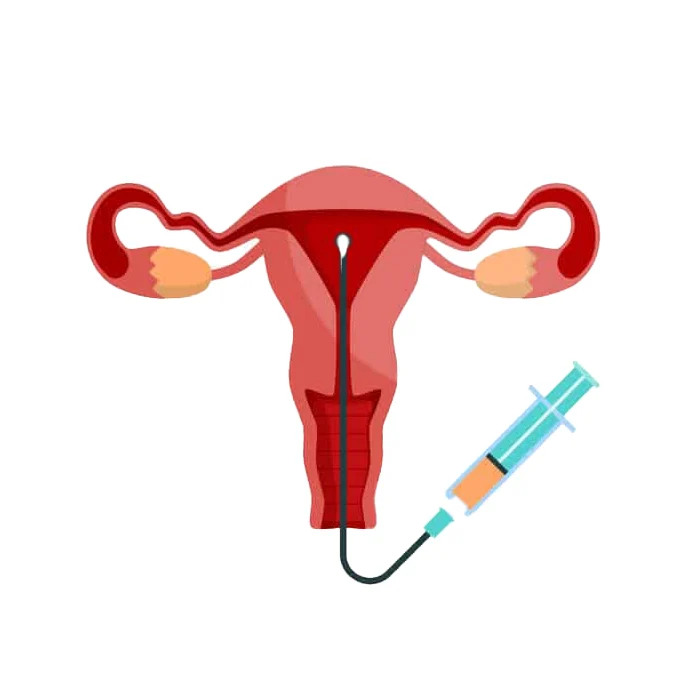
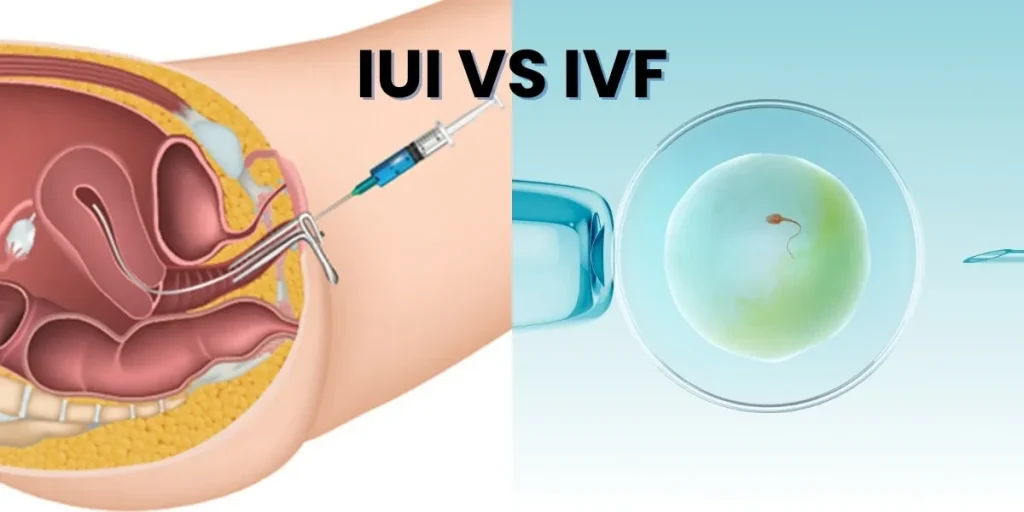
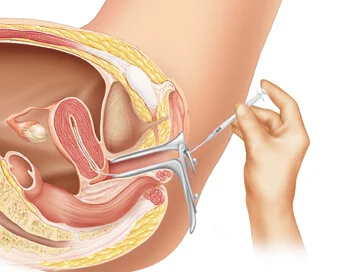
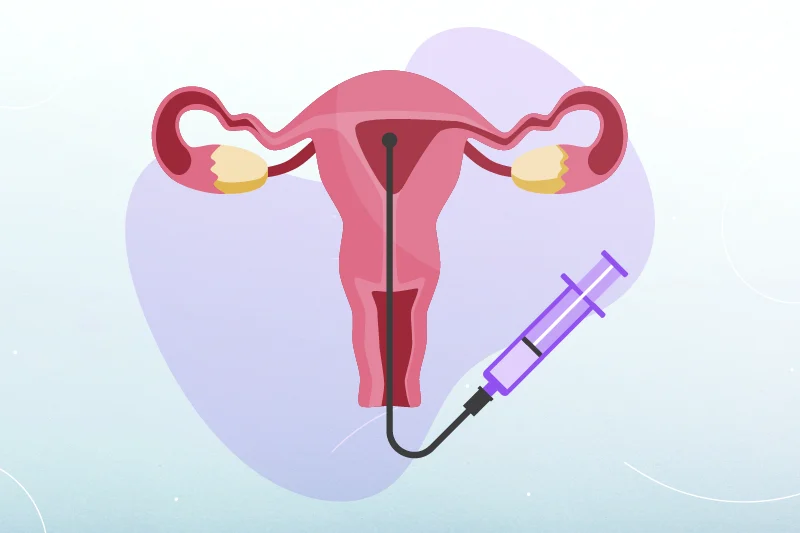
Home insemination, also known as self-insemination, is the process of using a donor’s sperm to conceive a child without the assistance of a medical professional. This can be done through various methods, such as using a syringe or a special kit that facilitates the process. The donor can be a known or anonymous individual, and the insemination can take place in the comfort and privacy of your own home.
Legal implications of home insemination:
1. Parental rights and responsibilities:
One of the most important legal implications of home insemination is determining the parental rights and responsibilities of all parties involved. In traditional conception, the biological father is automatically considered the legal father of the child. However, in cases of home insemination, the legal status of the donor may not be as clear. In some states, the donor may be considered the legal father unless a written agreement stating otherwise is in place. This can lead to potential custody and child support issues in the future.
To avoid any confusion or legal battles, it is crucial to have a written agreement in place before the insemination takes place. This agreement should clearly state the intentions of all parties involved, including the donor’s relinquishment of parental rights and responsibilities.
2. Legal parentage:
In addition to determining parental rights and responsibilities, home insemination also raises questions about legal parentage. In cases where a same-sex couple is using a donor’s sperm, the non-biological parent may not have legal parentage without a second-parent adoption or a court order. This can have serious implications in terms of custody, inheritance, and decision-making for the child.
To protect the legal parentage of the non-biological parent, it is important to consult with a family law attorney and complete the necessary legal steps, such as a second-parent adoption or a court order, to establish legal parentage.
The Legal Implications of Home Insemination: Protecting Your Family's Future
3. Medical and genetic history:
When using a known donor for home insemination, it is essential to consider the medical and genetic history of the donor. In traditional conception through a medical professional, the donor’s medical and genetic history is thoroughly screened. However, in home insemination, this responsibility falls on the individuals involved.
To protect the future health of your child, it is crucial to have the donor undergo medical and genetic testing before the insemination takes place. This can help identify any potential health risks for the child and ensure that the donor does not carry any hereditary conditions that could affect the child.
4. Consent and documentation:
Consent and documentation are critical in any legal matter, and home insemination is no exception. It is essential to have written consent from all parties involved, including the donor and the non-biological parent, if applicable. This will help protect all parties in case of any legal disputes in the future.
In addition to consent, it is also crucial to keep thorough documentation of the entire process, including any medical or genetic testing, the insemination process, and the written agreement. This documentation can serve as evidence in case of any legal issues that may arise.
Protecting your family’s future:
To ensure that your family’s future is legally protected, it is crucial to consult with a family law attorney who has experience in handling home insemination cases. They can provide guidance and assist in creating a comprehensive legal agreement that outlines all parties’ rights and responsibilities. Additionally, they can help navigate the legal process of establishing legal parentage and securing the non-biological parent’s rights.
In conclusion, home insemination can be a beautiful and rewarding way to start or expand your family. However, it is essential to consider the legal implications and take the necessary steps to protect your family’s future. By consulting with a family law attorney and having a well-documented and legally binding agreement in place, you can ensure that your family is legally protected.
Summary:
Home insemination is a popular option for couples and individuals who want to start or expand their families. However, this process comes with legal implications that must be considered to protect the future of your family. These include determining parental rights and responsibilities, legal parentage, medical and genetic history, and the importance of consent and documentation. To protect your family’s future, it is crucial to consult with a family law attorney and have a comprehensive legal agreement in place.