Navigating the World of Fertility: Holistic vs Western Medicine Perspectives
Fertility is a topic that affects many couples and individuals all over the world. With the rise of infertility rates, more and more people are seeking out treatments and solutions to help them conceive. However, when it comes to fertility, there are two main perspectives – holistic and western medicine. Both of these approaches have their own unique philosophies and methods, leaving many individuals confused about which path to take. In this blog post, we will explore the differences between holistic and western medicine perspectives on fertility and provide insights on how to navigate this complex world.
Holistic Medicine Perspective
Holistic medicine, also known as alternative or complementary medicine, takes a more natural and holistic approach to treating fertility issues. It focuses on the overall health and well-being of an individual, taking into account their mind, body, and spirit. Holistic medicine practitioners believe that the body has the ability to heal itself and that by addressing the root cause of an issue, one can achieve optimal health.
When it comes to fertility, holistic medicine believes that the body needs to be in balance for conception to occur. This means addressing any underlying health issues, such as hormonal imbalances, stress, or nutritional deficiencies. Holistic practitioners use a variety of natural methods to help individuals improve their fertility, such as acupuncture, herbal remedies, and lifestyle changes.
One of the main advantages of holistic medicine is its focus on individualized treatment. Holistic practitioners take the time to understand each person’s unique health history and tailor their treatments accordingly. This personalized approach can be beneficial for those who have been unsuccessful with traditional western medicine methods.
Western Medicine Perspective
On the other hand, western medicine, also known as conventional medicine, follows a more scientific and evidence-based approach to treating fertility issues. It relies on medical interventions such as medications, surgeries, and assisted reproductive technologies (ART) to help individuals conceive. Western medicine practitioners focus on treating the specific symptoms or conditions that may be causing infertility.
Navigating the World of Fertility: Holistic vs Western Medicine Perspectives
Western medicine approaches fertility from a more mechanical perspective, treating the body as separate parts rather than a whole. It also tends to focus on the physical aspects of fertility, often overlooking the emotional and psychological factors that may play a role.
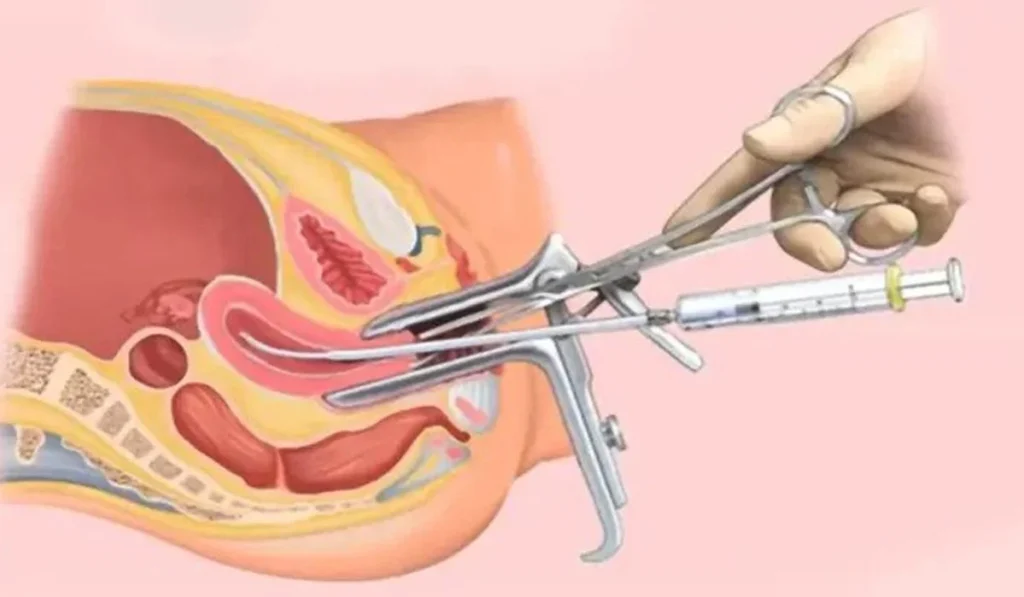
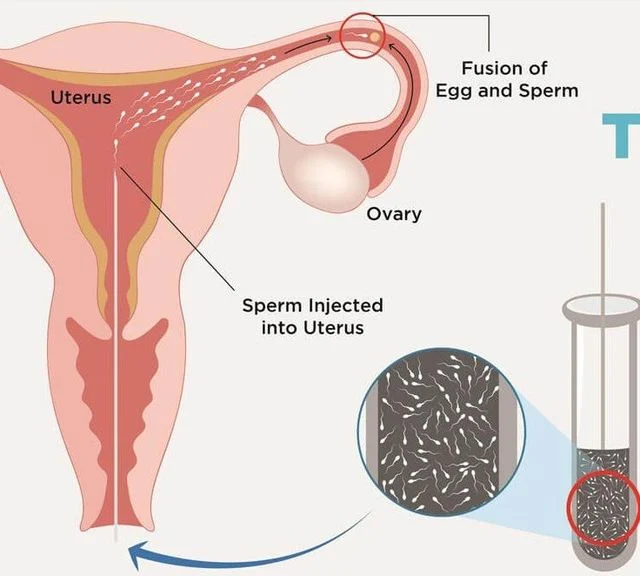
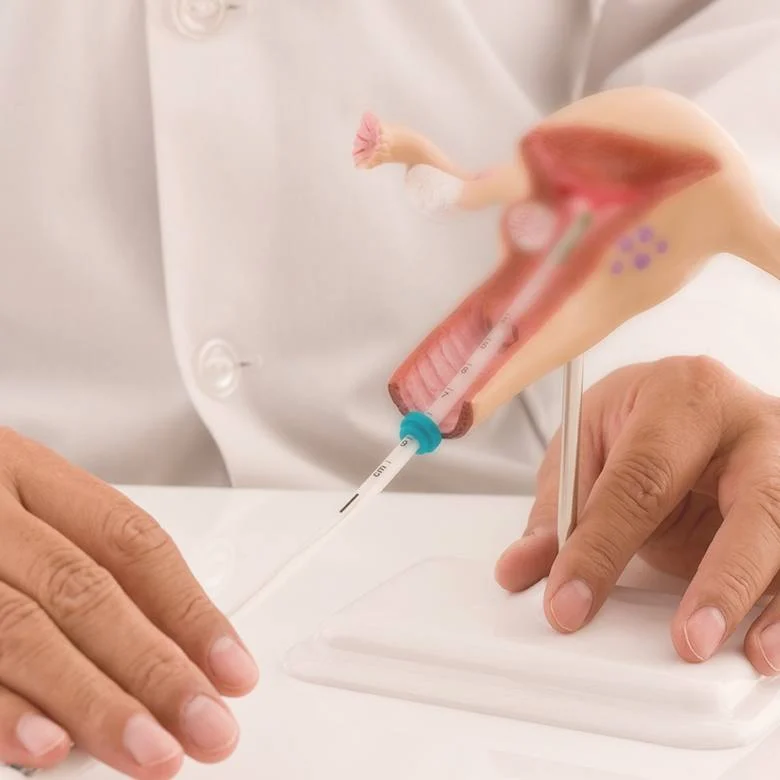
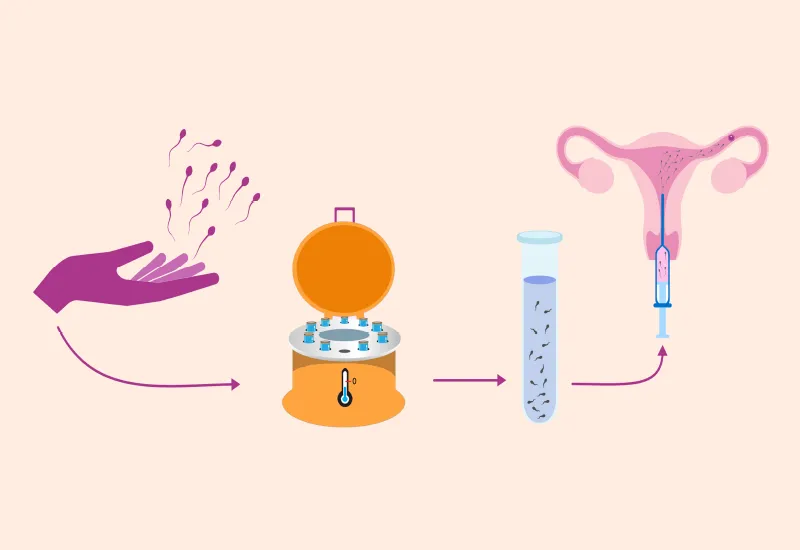
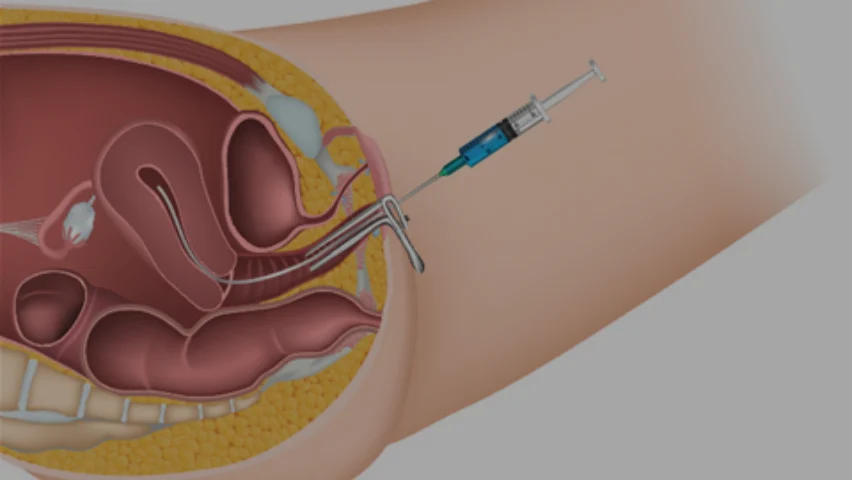
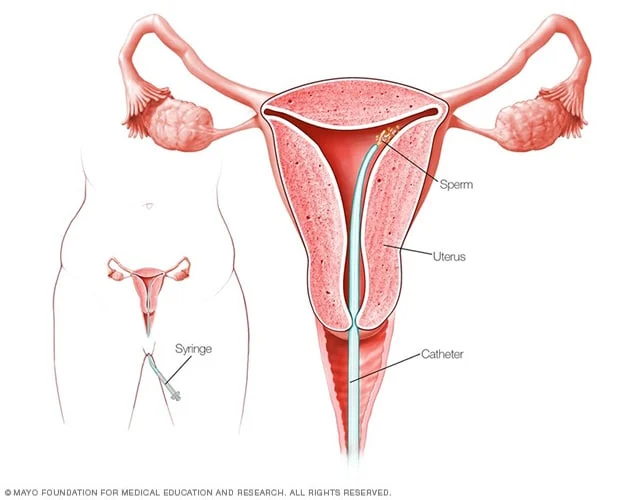
One of the main benefits of western medicine is its ability to provide quick and effective solutions. With advancements in technology and medical procedures, couples can now have a higher chance of conceiving through ART, such as in vitro fertilization (IVF) and intrauterine insemination (IUI). However, these treatments can be expensive and may not always address the underlying cause of infertility.
Navigating the World of Fertility
When it comes to fertility, there is no one-size-fits-all solution. Each person’s body is unique, and what may work for one individual may not work for another. The key to navigating the world of fertility is to find a balance between the holistic and western medicine approaches.
It is essential to first understand the root cause of your fertility issues. If you have been diagnosed with a specific medical condition, such as endometriosis or polycystic ovary syndrome (PCOS), then western medicine may be the best approach. However, if your infertility is unexplained or has been attributed to stress or hormonal imbalances, then a holistic approach may be more beneficial.
It is also crucial to keep an open mind and be willing to try different methods. Combining holistic practices, such as acupuncture and herbal remedies, with western medicine treatments, can provide a more well-rounded approach to fertility. It is also important to consult with both a holistic practitioner and a western medicine doctor to ensure that you are receiving the best care possible.
Additionally, taking care of your overall health and well-being is crucial for fertility. This includes eating a nutritious diet, exercising regularly, and managing stress levels. Both holistic and western medicine practitioners agree that a healthy lifestyle can greatly impact fertility.
In the end, it is not about choosing one perspective over the other but finding a balance between the two. By incorporating both holistic and western medicine approaches, individuals can improve their chances of conceiving and achieve optimal health.
In summary, navigating the world of fertility can be overwhelming, especially when faced with the two main perspectives – holistic and western medicine. Both approaches have their own unique philosophies and methods, and it is essential to find a balance between the two. By understanding the root cause of your fertility issues, consulting with both holistic and western medicine practitioners, and taking care of your overall health, you can find the best approach for your individual needs. Remember, fertility is a journey, and it is important to be patient, open-minded, and willing to try different methods.