Natural vs Medicinal Approaches to Fertility: Finding the Right Balance
Fertility is a topic that has gained more attention in recent years as more couples struggle with infertility issues. With the increasing availability of fertility treatments and medications, many people are turning to modern medicine for help in conceiving a child. However, there is a growing interest in natural approaches to fertility, which involves using natural methods and lifestyle changes to increase the chances of conception. In this blog post, we will explore the differences between natural and medicinal approaches to fertility and how finding the right balance between the two can lead to successful and healthy pregnancies.
Natural Approaches to Fertility
Natural approaches to fertility focus on using natural methods to optimize the body’s reproductive health. This can include changes in diet, exercise, stress management techniques, and the use of herbal supplements. These methods aim to support the body’s natural functions and promote overall well-being, rather than targeting a specific fertility issue.
Diet plays a crucial role in natural fertility. A diet that is rich in whole, unprocessed foods, and low in sugar and unhealthy fats can improve hormone balance, boost egg and sperm health, and increase chances of conception. Certain foods, such as leafy greens, avocados, and nuts, are known to support fertility due to their high nutrient content.
Regular exercise is also beneficial for fertility, as it helps regulate hormone levels, maintain a healthy weight, and reduce stress. Stress is a known contributor to infertility, and incorporating stress management techniques such as yoga, meditation, or acupuncture can help improve fertility outcomes.
Another aspect of natural fertility is the use of herbal supplements. Herbs such as maca, chasteberry, and red raspberry leaf have been traditionally used to support reproductive health and boost fertility. However, it is essential to consult with a healthcare provider before incorporating any herbal supplements into your routine, as they may interact with other medications or have adverse effects on certain health conditions.
Medicinal Approaches to Fertility
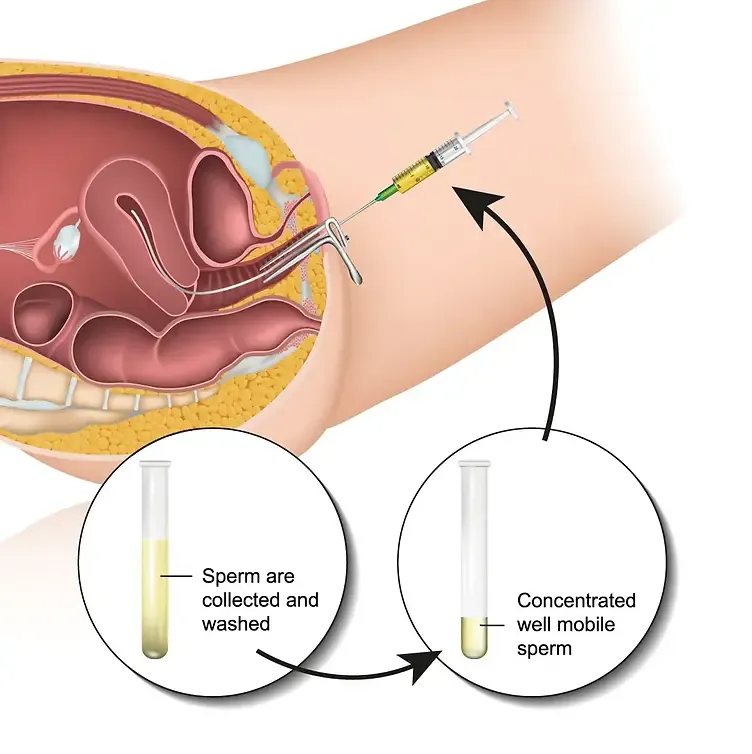
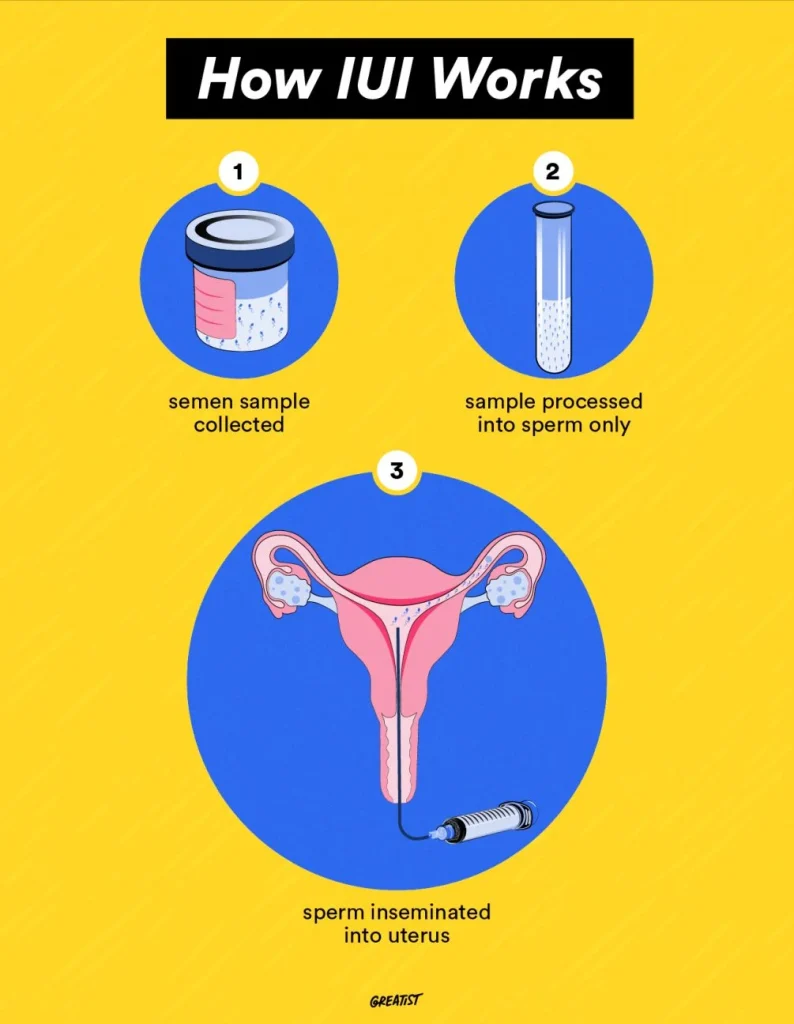
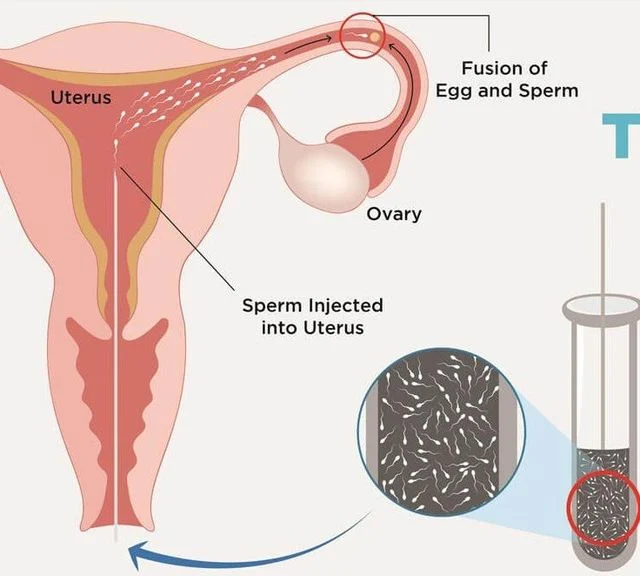
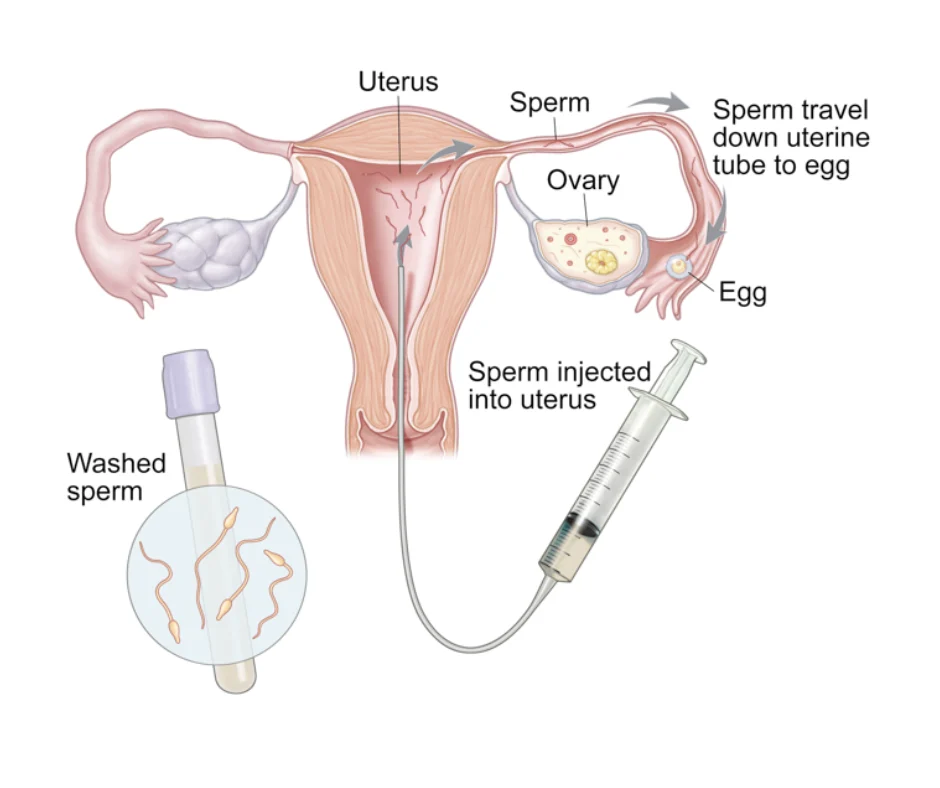
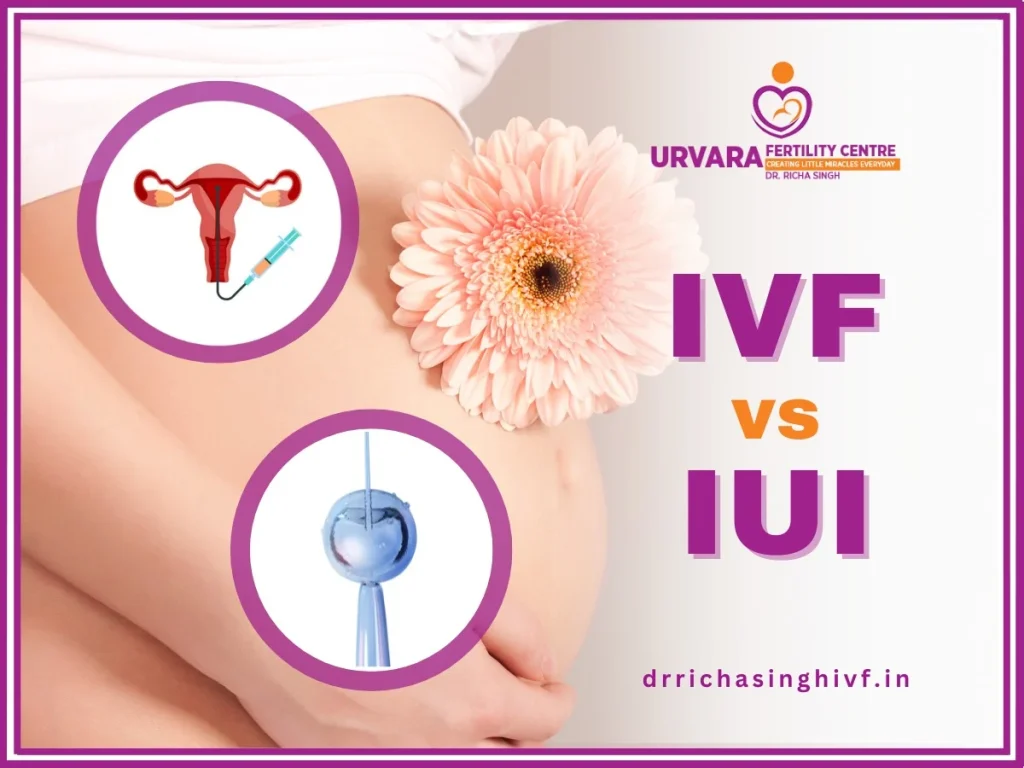
Medicinal approaches to fertility involve using medications and assisted reproductive technologies (ART) to overcome fertility challenges. Medications such as Clomid and Letrozole are commonly used to stimulate ovulation in women with irregular menstrual cycles. ART, on the other hand, includes procedures like intrauterine insemination (IUI) and in vitro fertilization (IVF) to help couples conceive.

Natural vs Medicinal Approaches to Fertility: Finding the Right Balance
Medications and ART can be effective in treating specific fertility issues, such as hormonal imbalances, blocked fallopian tubes, or low sperm count. However, they also come with potential side effects and risks, and they can be costly. Additionally, many couples may find the process emotionally and physically draining.
Finding the Right Balance
The decision between natural and medicinal approaches to fertility should not be a black and white one. Both approaches have their benefits and limitations, and it is essential to find the right balance to achieve the best possible outcome.
For couples struggling with fertility, it is crucial to consult with a healthcare provider who specializes in fertility. They can assess your specific situation and recommend the best approach for you. In some cases, a combination of natural and medicinal approaches may be recommended.
One example of this is using natural methods to prepare the body for an ART procedure. Studies have shown that incorporating lifestyle changes, such as diet and exercise, can improve the success rates of IVF. Additionally, some herbal supplements may support the body during fertility treatments and help reduce side effects.
It is also important to listen to your body and make informed decisions. While medications and ART may be necessary for some couples, others may find success with natural methods alone. It is essential to understand the potential risks and benefits of each approach and choose what feels right for you.
In conclusion, both natural and medicinal approaches to fertility have their place in helping couples conceive. By finding the right balance between the two, couples can optimize their chances of a successful and healthy pregnancy. It is crucial to consult with a healthcare provider and listen to your body to make informed decisions about your fertility journey.
Summary:
Fertility is a topic that has gained more attention in recent years, with more couples struggling with infertility issues. While modern medicine offers various treatments and medications, there is also a growing interest in natural approaches to fertility. These methods involve lifestyle changes, such as diet, exercise, and stress management, as well as the use of herbal supplements. On the other hand, medicinal approaches to fertility involve medications and assisted reproductive technologies (ART) like IVF. It is essential to find the right balance between the two approaches to achieve the best possible outcome. Consulting with a healthcare provider and listening to your body can help you make informed decisions about your fertility journey.