Blog Post Title: The Pros and Cons: Intrauterine Insemination vs In Vitro Fertilization
Infertility affects millions of couples around the world, making it a common and often heartbreaking struggle for many. Fortunately, advances in medical technology have provided options for couples who are having difficulty conceiving naturally. Two popular options for assisted reproduction are Intrauterine Insemination (IUI) and In Vitro Fertilization (IVF). While both procedures have the same goal of helping couples conceive, they differ in method and success rates. In this blog post, we will discuss the pros and cons of IUI and IVF to help couples make an informed decision on which option is best for them.
Intrauterine Insemination (IUI)
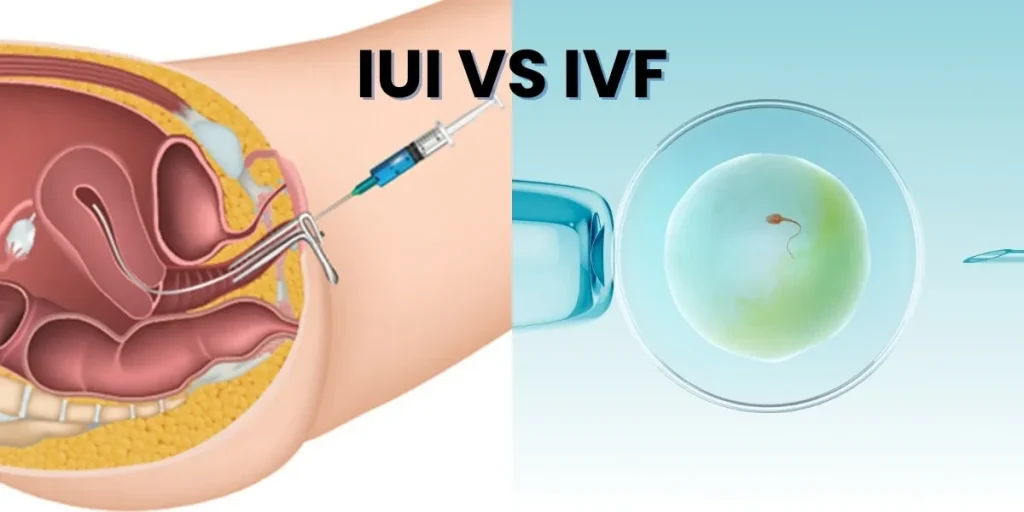
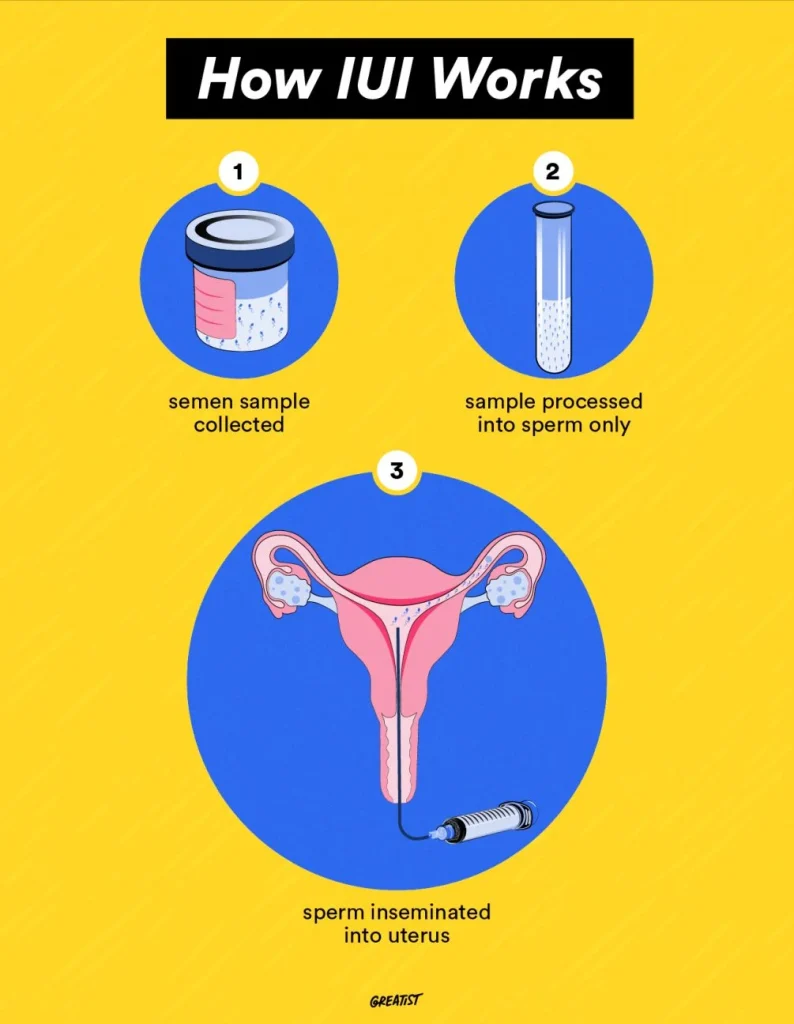
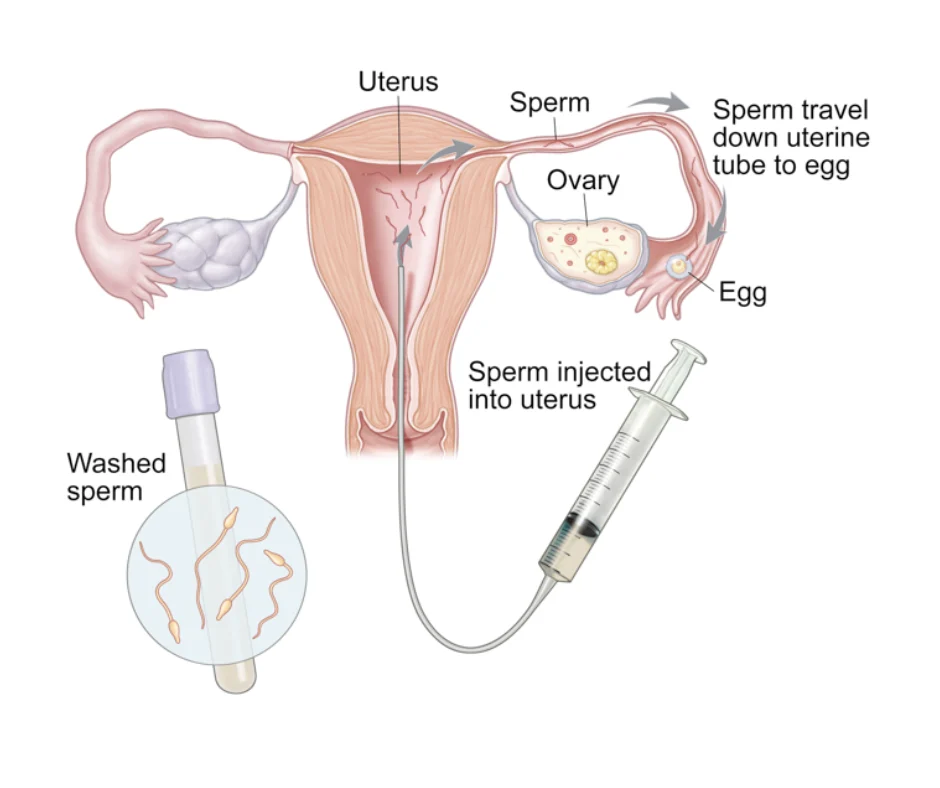
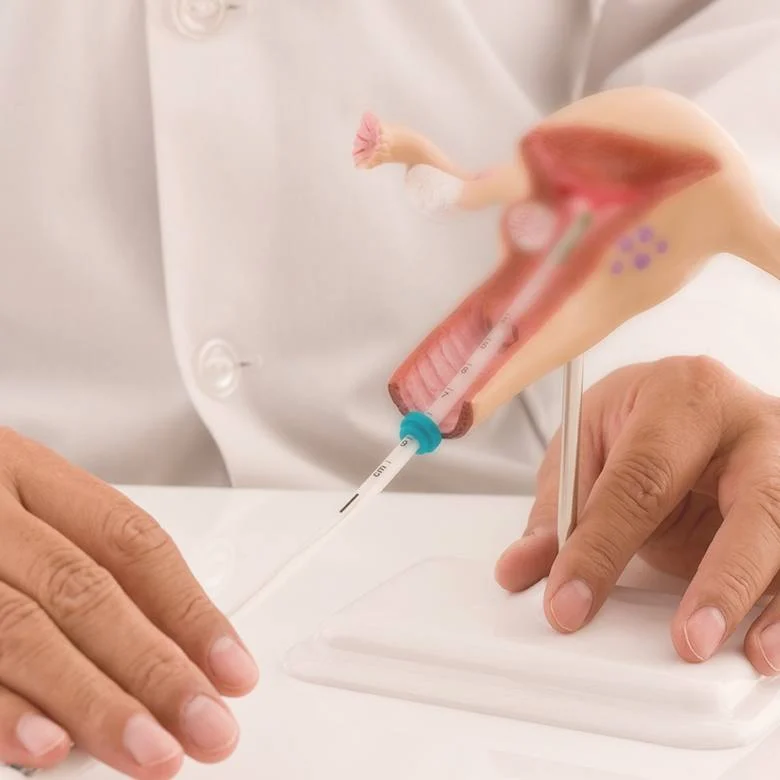
IUI, also known as artificial insemination, is a simple and less invasive procedure compared to IVF. It involves the placement of washed sperm directly into the uterus, bypassing the cervix, and increasing the chances of fertilization. IUI is often recommended for couples with unexplained infertility, low sperm count, or cervical issues. Here are some pros and cons of IUI to consider:
Pros:
1. Less invasive: IUI is a relatively simple and painless procedure that does not require any anesthesia or major surgery. This makes it a convenient option for couples who are not comfortable with more invasive procedures.
2. Cost-effective: In comparison to IVF, IUI is a more affordable option. The procedure itself is less expensive, and it also does not require as many medications and monitoring, reducing the overall cost.
3. Increases sperm count: For couples with male factor infertility, IUI can be an effective way to increase the number of sperm reaching the uterus, increasing the chances of fertilization.
4. Fewer side effects: The medications used in IUI are milder and have fewer side effects compared to those used in IVF.
Cons:
1. Lower success rates: The success rate of IUI varies depending on factors such as age, fertility issues, and the number of cycles attempted. On average, the success rate is around 10-20% per cycle, which is lower than IVF.
2. Limited to certain conditions: IUI is not suitable for all types of infertility. For example, if a woman has blocked fallopian tubes or severe male factor infertility, IUI may not be an effective option.
3. Multiple pregnancies: One of the risks of IUI is the possibility of multiple pregnancies, which can increase the chances of complications during pregnancy and delivery.
The Pros and Cons: Intrauterine Insemination vs In Vitro Fertilization
In Vitro Fertilization (IVF)
IVF is a more complex and invasive procedure that involves fertilizing an egg with sperm in a laboratory setting before transferring the embryo into the uterus. It is often recommended for couples with more severe fertility issues, such as advanced age, tubal factor infertility, or endometriosis. Let’s take a look at the pros and cons of IVF:
Pros:
1. Higher success rates: The success rates of IVF are higher compared to IUI, with an average of 40-50% per cycle. This is because the fertilization process takes place in a controlled laboratory environment, increasing the chances of a successful pregnancy.
2. Suitable for various fertility issues: IVF is a more versatile option, making it suitable for various types of infertility, including advanced maternal age, tubal blockages, and male factor infertility.
3. Genetic testing: IVF allows for the option of genetic testing of embryos before implantation, which can help identify any potential genetic disorders and increase the chances of a successful pregnancy.
4. Higher chances of a single pregnancy: Unlike IUI, IVF has a lower risk of multiple pregnancies, reducing the chances of complications during pregnancy and delivery.
Cons:
1. More invasive: IVF involves a more invasive process, including hormone injections, egg retrieval, and embryo transfer, which can be physically and emotionally taxing for some women.
2. Higher cost: IVF is a more expensive option compared to IUI, with the cost of medications, procedures, and monitoring adding up quickly.
3. Risks of complications: As with any medical procedure, there are risks of complications with IVF, such as ovarian hyperstimulation syndrome (OHSS) and multiple pregnancies.
4. Emotional toll: The IVF process can be emotionally draining for couples, as it involves a lot of waiting, uncertainty, and disappointment if the cycle is unsuccessful.
Summary:
Both IUI and IVF are viable options for couples struggling with infertility. IUI is a less invasive and more cost-effective option, while IVF has a higher success rate and is suitable for various types of fertility issues. However, both procedures have their own set of pros and cons, and the choice ultimately depends on the couple’s specific situation and preferences. Consulting with a fertility specialist can help couples make an informed decision on which option is best for them.