Tag: IUI

  • and Facing Infertility: The Financial Burden of Fertility Treatments and Adoption

    Facing Infertility: The Financial Burden of Fertility Treatments and Adoption

    Infertility affects millions of couples worldwide, and the emotional toll of struggling to conceive can be overwhelming. But aside from the emotional and physical challenges, one of the biggest obstacles for couples facing infertility is the financial burden of fertility treatments and adoption. In this blog post, we will delve into the costs of fertility treatments and adoption, as well as explore potential solutions to alleviate the financial burden for couples.

    The Cost of Fertility Treatments
    According to the American Society for Reproductive Medicine, fertility treatments can cost anywhere from $5,000 to $15,000 per cycle, and many couples require multiple cycles in order to achieve a successful pregnancy. This can quickly add up to tens of thousands of dollars, and unfortunately, most insurance plans do not cover the costs of fertility treatments. In fact, only 15 states in the US have laws requiring insurance coverage for fertility treatments, leaving the majority of couples to foot the bill themselves.

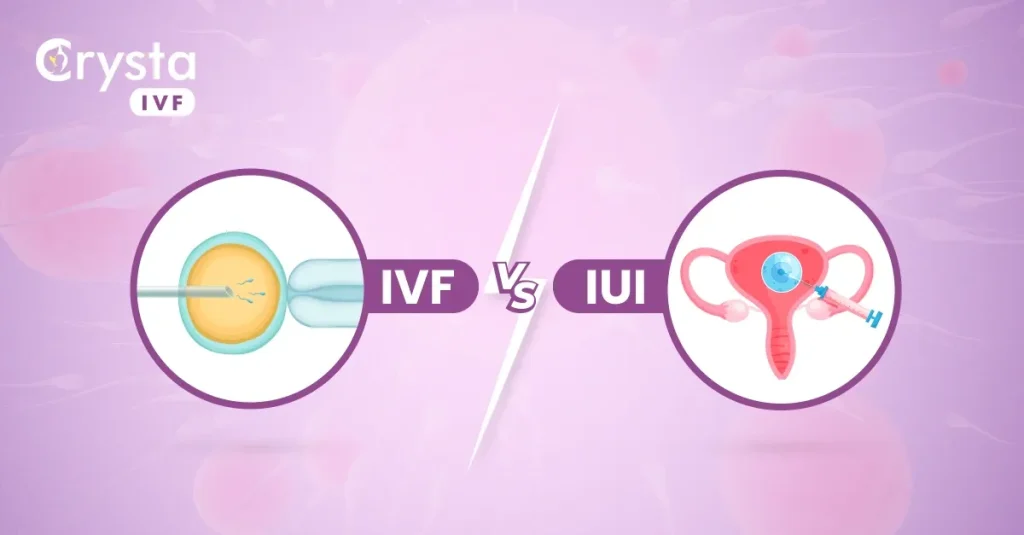
    The most common fertility treatments include in vitro fertilization (IVF), intrauterine insemination (IUI), and fertility drugs. IVF, the most effective and costly option, involves retrieving eggs from the woman’s ovaries and fertilizing them with sperm in a lab before transferring the embryos back into the woman’s uterus. This procedure can cost upwards of $12,000 per cycle, not including additional costs for medications and genetic testing.

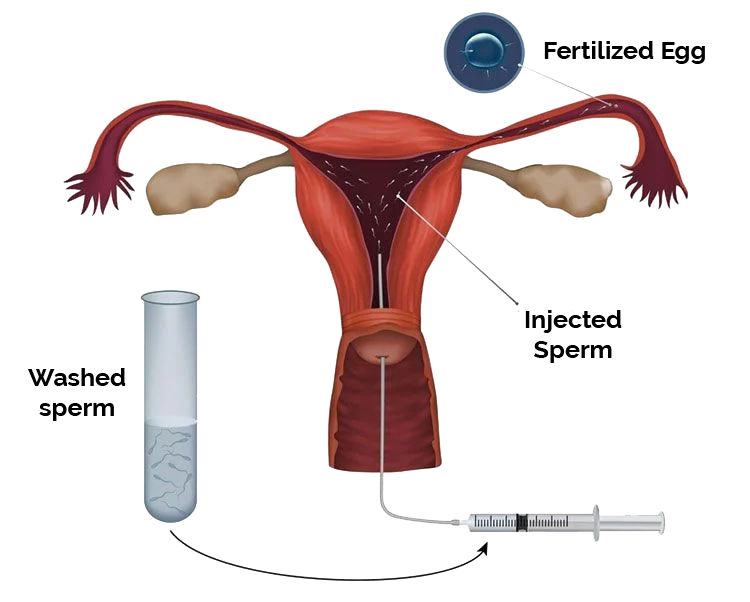
    IUI, on the other hand, is a less expensive option that involves placing washed and prepared sperm directly into the woman’s uterus. This procedure costs around $500 to $1000 per cycle, but it also has a lower success rate compared to IVF.

    Fertility drugs, such as Clomid and Femara, are also commonly used to stimulate ovulation and increase the chances of conception. These medications can cost anywhere from $50 to $500 per cycle, depending on the specific drug and dosage prescribed.

    The Cost of Adoption
    For couples who are unable to conceive naturally or through fertility treatments, adoption is often considered as an alternative option. However, the cost of adoption can also be a significant financial strain for couples.

    The average cost of a domestic adoption in the US is around $40,000, which includes fees for home studies, legal fees, and agency fees. International adoptions can be even more expensive, with costs ranging from $15,000 to $50,000 or more, depending on the country and adoption agency.

    In addition to the initial costs, there are also ongoing expenses associated with raising a child, such as healthcare, education, and daily living expenses. While there are some tax credits and financial assistance available for adoptive families, these may not fully cover the costs incurred.
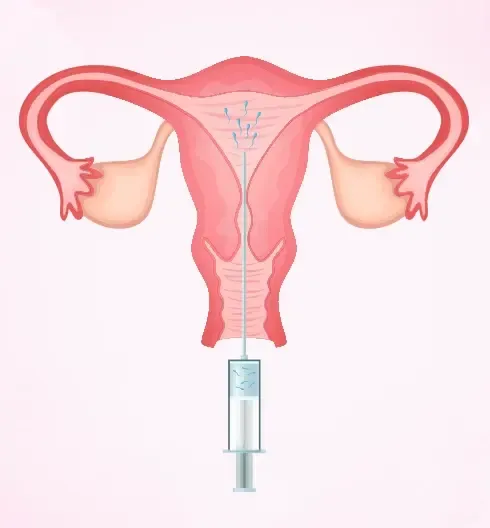
    Illustration of a uterus with a syringe indicating an intrauterine insemination procedure.

    and Facing Infertility: The Financial Burden of Fertility Treatments and Adoption

    The Emotional Toll of Financial Burden
    The financial burden of fertility treatments and adoption can take a toll on couples emotionally, adding to the stress and pressure they are already facing. It can also cause strain in relationships as couples try to navigate the financial aspect of their journey towards parenthood.

    Couples may also feel guilty or ashamed for not being able to afford the treatments or adoption process, leading to feelings of inadequacy and hopelessness. This can further exacerbate the emotional impact of infertility and make it a much more challenging experience for couples.

    Solutions to Alleviate the Financial Burden
    Thankfully, there are some options available for couples facing the high costs of fertility treatments and adoption.

    1. Fertility Grants and Scholarships: Many organizations offer grants and scholarships to help cover the costs of fertility treatments. These grants are often awarded based on financial need and other criteria, and can significantly reduce the financial burden for couples.

    2. Crowdfunding: With the rise of social media and crowdfunding platforms, many couples have turned to crowdfunding to help fund their fertility treatments or adoption journey. By sharing their story and reaching out to their network, couples can raise funds and receive support from their community.

    3. Adoption Loans: Some financial institutions offer loans specifically for adoption expenses, with lower interest rates and more flexible repayment terms compared to traditional loans.

    4. Insurance Coverage: While the majority of insurance plans do not cover fertility treatments, it is worth checking with your insurance provider to see if there are any options available. Some employers also offer fertility benefits as part of their employee benefits package.

    5. Budgeting and Saving: Planning ahead and budgeting for fertility treatments or adoption can help couples prepare for the costs and alleviate some of the financial strain. Setting aside a certain amount each month can add up over time and make it more manageable to cover the expenses.

    The journey to parenthood is undoubtedly a challenging one, both emotionally and financially. But with these options available, couples can find ways to overcome the financial burden and fulfill their dream of starting a family.

    In summary, infertility can be a devastating experience for couples, and the financial burden of fertility treatments and adoption only adds to the stress and pressure. The costs of fertility treatments, adoption, and ongoing expenses can quickly add up, leaving many couples feeling overwhelmed and unable to afford the necessary treatments or adoption process. However, there are options available to help alleviate the financial burden, such as grants, crowdfunding, adoption loans, and budgeting. With the right support and resources, couples can navigate the financial aspect of their journey towards parenthood and start the family they have always dreamed of.
  • Is Adoption More Affordable Than Fertility Treatments? A Comprehensive Comparison

    Summary:

    Adoption and fertility treatments are two options for couples struggling with infertility who still want to start a family. While both paths can lead to the same result, there are significant differences in terms of cost. In this blog post, we will compare the costs of adoption and fertility treatments and explore the various factors that can affect the overall affordability. We will also delve into the emotional and psychological impact of both options and provide resources for couples to consider when making this important decision. By the end of this post, you will have a better understanding of which option may be more affordable for you and your family.

    Adoption Costs:

    Adoption is the legal process of permanently transferring parental rights and responsibilities from one family to another. There are three main types of adoption: domestic, international, and foster care. Each type has its own unique costs and requirements.

    Domestic adoption, where a child is adopted from within the country, typically has the highest costs. The average cost of a domestic adoption can range from $20,000 to $40,000. This includes expenses such as agency fees, legal fees, birth mother expenses, and home study fees.

    International adoption, where a child is adopted from another country, can also be expensive. The average cost can range from $25,000 to $50,000. This includes expenses such as agency fees, travel expenses, and foreign country fees.

    Foster care adoption, where a child in the foster care system is adopted, is generally the most affordable option. The average cost can range from $2,000 to $5,000. This includes expenses such as home study fees and legal fees.

    Fertility Treatment Costs:

    Fertility treatments are medical procedures that are used to help couples conceive a child. There are various types of fertility treatments, such as in vitro fertilization (IVF), intrauterine insemination (IUI), and fertility drugs. The costs of these treatments can vary depending on the type of treatment, the number of cycles needed, and any additional procedures or medications required.

    The average cost of one cycle of IVF can range from $12,000 to $15,000. This does not include additional costs such as medications, which can add another $3,000 to $5,000 to the total cost.

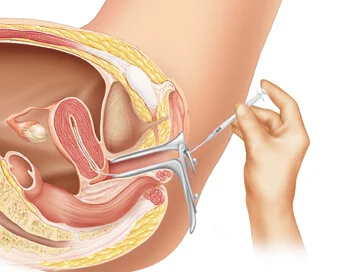
    IUI, which involves placing sperm directly into the uterus, is a less expensive option with an average cost of $500 to $4,000 per cycle. However, multiple cycles may be needed for success.

    Fertility drugs, which are used to stimulate ovulation, can range from $50 to $5,000 per cycle, depending on the type of medication and dosage needed.

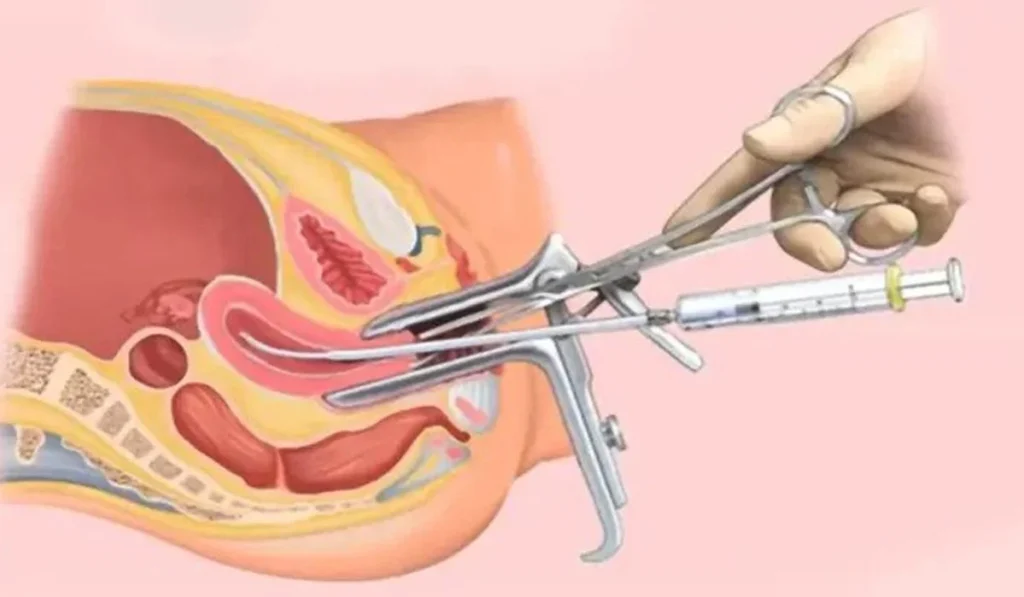
    illustration of intrauterine insemination procedure with a hand holding a speculum and syringe near the uterus

    Is Adoption More Affordable Than Fertility Treatments? A Comprehensive Comparison

    Factors Affecting Cost:

    There are several factors that can affect the overall cost of adoption and fertility treatments. One of the biggest factors is the type of adoption or treatment chosen. As mentioned earlier, domestic adoption and IVF tend to have higher costs compared to foster care adoption and IUI.

    The location can also play a significant role in cost. Adoption costs can vary depending on the state and country, while fertility treatment costs can differ between clinics. It is essential to research and compare costs in different locations to find the most affordable option for your specific situation.

    Another factor to consider is the age of the child or the woman undergoing fertility treatments. Older children and women may require more extensive medical care, which can increase costs. Additionally, women over the age of 35 may need to use more expensive fertility treatments, such as IVF, due to a decline in fertility.

    Emotional and Psychological Impact:

    The decision to pursue adoption or fertility treatments can be emotionally and psychologically taxing for couples. Adoption can be a lengthy process, and the uncertainty of being matched with a child can be stressful. On the other hand, fertility treatments can also take a toll on a couple’s emotional well-being, with the added pressure of undergoing medical procedures and the possibility of not being successful.

    It is crucial for couples to consider the emotional and psychological impact of both options and to seek support from professionals or support groups throughout the process.

    Resources for Couples:

    There are many resources available for couples who are considering adoption or fertility treatments. These resources can provide guidance, support, and financial assistance.

    For adoption, there are grants, loans, and tax credits available to help offset the costs. Organizations such as the National Adoption Foundation and the Dave Thomas Foundation for Adoption offer financial assistance for families looking to adopt.

    For fertility treatments, some insurance plans may cover some of the costs. It is essential to research and understand your insurance coverage and consider speaking with a financial advisor to explore other options such as loans or grants.

    Conclusion:

    In conclusion, the cost of adoption and fertility treatments can vary significantly depending on various factors. While foster care adoption and IUI may be more affordable options, they are not suitable for every couple. It is crucial for couples to carefully consider their financial situation, emotional readiness, and personal preferences when deciding between adoption and fertility treatments. Seeking support from professionals and utilizing available resources can also make the process more manageable. Ultimately, the most affordable option for starting a family will depend on each couple’s unique circumstances.

  • Fertility Acupuncture and Unsuccessful IUI: Exploring Alternative Options

    Fertility Acupuncture and Unsuccessful IUI: Exploring Alternative Options

    For couples struggling with infertility, the journey to parenthood can be a long and difficult one. Intrauterine insemination (IUI) is a common fertility treatment option that involves placing sperm directly into the uterus during ovulation, in hopes of increasing the chances of conception. However, for some couples, IUI may not be successful, leaving them feeling frustrated and discouraged. In these cases, many couples turn to alternative options, including fertility acupuncture, to help improve their chances of conception.

    What is Fertility Acupuncture?

    Acupuncture is a traditional Chinese medicine practice that involves inserting thin needles into specific points in the body to stimulate energy flow. Fertility acupuncture, also known as reproductive acupuncture, is a specific type of acupuncture that focuses on improving fertility and treating conditions that may be hindering conception.

    How Does Fertility Acupuncture Work?

    According to traditional Chinese medicine, the body has a flow of energy called Qi, and when this energy is disrupted or blocked, it can lead to health issues, including infertility. Fertility acupuncture aims to unblock and balance the Qi, which in turn can help improve reproductive health and increase the chances of conception.

    Acupuncture also stimulates the release of neurotransmitters, such as endorphins, which can help reduce stress and promote relaxation. High levels of stress can negatively impact fertility, so reducing stress levels through acupuncture can be beneficial for those trying to conceive.

    Furthermore, acupuncture can help regulate the menstrual cycle and improve blood flow to the reproductive organs, which can enhance the quality of eggs and sperm and increase the likelihood of successful fertilization.

    Can Fertility Acupuncture Help with Unsuccessful IUI?

    For couples who have undergone unsuccessful IUIs, fertility acupuncture may be a promising option. Studies have shown that acupuncture can significantly increase the success rates of IUI by improving sperm quality, regulating hormone levels, and increasing the thickness of the uterine lining.

    diagram of the female reproductive system with an IUI syringe and test tube for artificial insemination

    Fertility Acupuncture and Unsuccessful IUI: Exploring Alternative Options

    In one study, women who received acupuncture before and after IUI had a pregnancy rate of 65.5%, compared to only 39.4% in women who did not receive acupuncture. Additionally, a review of 13 studies found that acupuncture can improve the chances of pregnancy in couples undergoing assisted reproductive technology (ART), which includes IUI.

    Alternative Options to IUI

    In addition to fertility acupuncture, there are other alternative options that couples can explore if IUI has been unsuccessful. These options include:

    1. In vitro fertilization (IVF): IVF is a more advanced fertility treatment that involves fertilizing eggs with sperm in a laboratory and then transferring the resulting embryos into the uterus. IVF has a higher success rate compared to IUI, making it a popular alternative for couples who have had unsuccessful IUIs.

    2. Herbal supplements: Some herbal supplements, such as chasteberry, maca root, and red raspberry leaf, have been shown to improve fertility and increase the chances of conception. However, it is essential to consult with a healthcare professional before taking any supplements, as they may interact with other medications or have side effects.

    3. Lifestyle changes: Making healthy lifestyle changes, such as maintaining a healthy weight, reducing stress levels, and avoiding alcohol and smoking, can also improve fertility and increase the chances of successful conception.

    4. Traditional Chinese medicine: In addition to fertility acupuncture, traditional Chinese medicine offers other treatment options, such as herbal medicine, dietary therapy, and mind-body practices, which can help improve reproductive health.

    5. Donor sperm or egg: For couples with severe fertility issues, using donor sperm or egg may be the best option to achieve pregnancy.

    In conclusion, while IUI can be an effective fertility treatment for some couples, it may not work for everyone. In cases of unsuccessful IUI, exploring alternative options, such as fertility acupuncture, can be beneficial in improving fertility and increasing the chances of conception. It is essential to consult with a healthcare professional to determine the best course of action for each individual case.

    Summary:

    Fertility acupuncture, a traditional Chinese medicine practice, can help improve fertility and increase the chances of conception by unblocking and balancing the body’s energy flow. It can also reduce stress, regulate the menstrual cycle, and improve blood flow to the reproductive organs. Studies have shown that acupuncture can significantly increase the success rates of IUI and improve the chances of pregnancy in couples undergoing ART. Other alternative options to IUI include IVF, herbal supplements, lifestyle changes, traditional Chinese medicine, and using donor sperm or egg. Consulting with a healthcare professional is essential to determine the best course of action for each individual case.

  • The Journey to Parenthood: Intrauterine Insemination vs Sperm Washing

    The Journey to Parenthood: Intrauterine Insemination vs Sperm Washing

    Parenthood is a dream for many couples, but for some, it may not come as easily as they had hoped. In the past, options for assisted reproduction were limited, leaving many couples feeling lost and hopeless. However, with advancements in medical technology, there are now more options available to help couples on their journey to parenthood. In this blog post, we will explore two common methods of assisted reproduction: intrauterine insemination (IUI) and sperm washing.

    What is Intrauterine Insemination?

    Intrauterine insemination, also known as artificial insemination, is a form of assisted reproduction where washed and concentrated sperm is placed directly into the uterus. This procedure is usually done around the time of ovulation, increasing the chances of fertilization. IUI is a relatively simple and non-invasive procedure that can be performed in a doctor’s office.

    The process begins with the male partner providing a semen sample, which is then washed and prepared in a laboratory. This process removes impurities and increases the concentration of healthy sperm. Meanwhile, the female partner may be prescribed fertility medications to stimulate ovulation. Once the sperm is prepared and the female partner is ovulating, the doctor will insert a thin catheter through the cervix and into the uterus, where the washed sperm will be released.

    What is Sperm Washing?

    Sperm washing is a technique used to separate healthy sperm from seminal fluid, dead sperm, and other impurities. This process is commonly used in conjunction with other assisted reproductive technologies, such as in vitro fertilization (IVF) or IUI. The process involves collecting a semen sample and then using a centrifuge to spin the sample at high speeds. This separates the sperm from the other components of the semen.

    After the washing process, the concentrated sperm is then ready for use in assisted reproductive procedures. Sperm washing is also used to prepare sperm from a donor or a male partner who has a low sperm count or poor sperm quality.

    Intrauterine Insemination vs Sperm Washing: What’s the Difference?

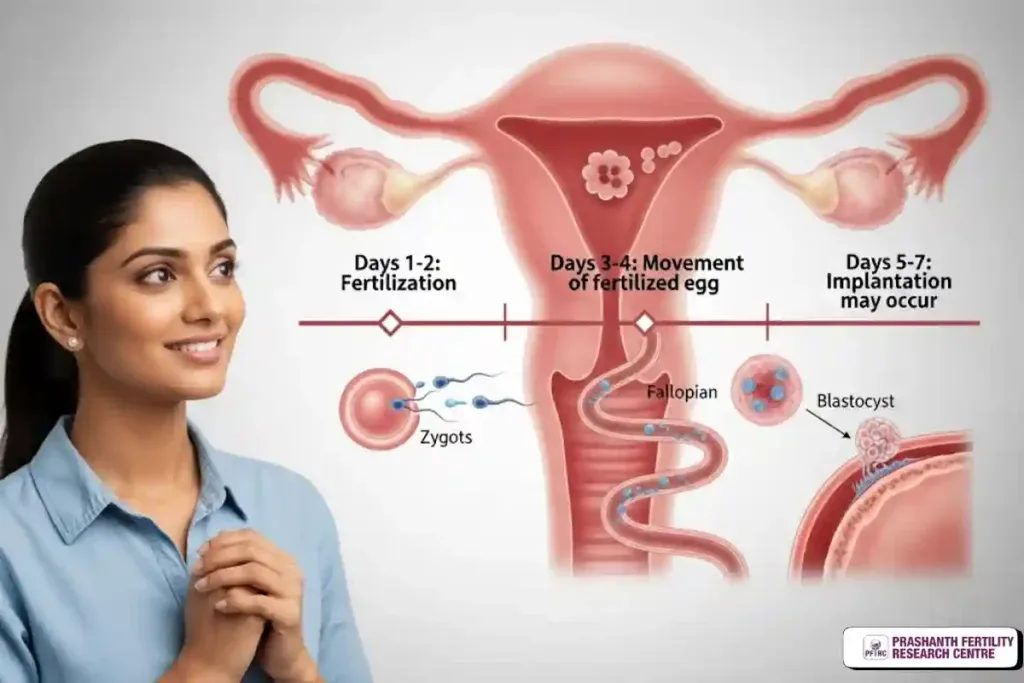
    Illustration showing fertilization and implantation timeline with a woman looking hopeful.

    The Journey to Parenthood: Intrauterine Insemination vs Sperm Washing

    While both IUI and sperm washing involve the use of washed and concentrated sperm, they differ in some key ways. The main difference between the two procedures is the method of delivery. IUI involves placing the washed sperm directly into the uterus, while sperm washing is used to prepare sperm for other assisted reproductive procedures such as IVF.

    Another difference is the level of complexity and invasiveness. IUI is a relatively simple and non-invasive procedure that can be done in a doctor’s office. On the other hand, sperm washing is a more involved process that requires specialized equipment and trained technicians.

    Success Rates of IUI and Sperm Washing

    The success rates of both IUI and sperm washing vary depending on factors such as age, overall health, and the underlying cause of infertility. However, research has shown that IUI has a higher success rate compared to sperm washing alone. According to the American Pregnancy Association, the success rate of IUI is between 10-20% per cycle, while sperm washing has a success rate of around 5-15%.

    Cost of IUI and Sperm Washing

    The cost of IUI and sperm washing also differs. IUI is generally more affordable than sperm washing, as it does not involve the use of specialized equipment or trained technicians. The average cost of IUI can range from $300-$1000 per cycle, while sperm washing can cost anywhere from $500-$1000 per cycle.

    Which Option is Right for You?

    Ultimately, the decision between IUI and sperm washing will depend on individual circumstances and the recommendation of a fertility specialist. IUI may be a more suitable option for couples with unexplained infertility or those who do not require extensive fertility treatments. On the other hand, sperm washing may be recommended for couples undergoing more complex assisted reproductive procedures, such as IVF.

    In conclusion, the journey to parenthood can be a challenging and emotional one, but with the help of assisted reproductive technologies like IUI and sperm washing, many couples are able to achieve their dream of having a child. It is essential to consult with a fertility specialist to determine the best course of action for your individual situation. With the right support and guidance, the path to parenthood can become a reality.

  • The Long-Term Effects: Intrauterine Insemination vs Sperm Washing

    Blog Post: The Long-Term Effects: Intrauterine Insemination vs Sperm Washing

    Intrauterine insemination (IUI) and sperm washing are two commonly used fertility treatments that can help couples struggling with infertility to conceive. Both procedures involve the use of assisted reproductive techniques, but there are some key differences between them. While IUI involves placing washed and prepared sperm directly into the uterus, sperm washing is a process that separates healthy sperm from semen and prepares them for use in assisted reproductive techniques. In this blog post, we will explore the long-term effects of these two procedures and help you understand which one might be the best option for you.

    The Process of Intrauterine Insemination (IUI)

    Intrauterine insemination (IUI) is a relatively simple and non-invasive fertility treatment that involves placing washed and prepared sperm directly into the uterus. The process is usually carried out around the time of ovulation, when the chances of conception are highest. During the procedure, a thin and flexible catheter is inserted into the uterus through the cervix, and the washed sperm is then released into the uterus. This increases the chances of the sperm reaching and fertilizing the egg, ultimately leading to pregnancy.

    The Process of Sperm Washing

    Sperm washing, on the other hand, is a process that involves separating healthy sperm from semen and preparing them for use in assisted reproductive techniques. This procedure is particularly useful for couples in which the male partner has a low sperm count, abnormal sperm motility, or sperm with poor morphology. Sperm washing is also commonly used for couples where the male partner has a history of sexually transmitted diseases, as it helps to remove any potential harmful pathogens from the semen.

    The sperm washing process involves several steps. First, the semen sample is collected and processed to remove any debris or dead sperm. Then, it is washed with a special solution to separate the healthy sperm from the rest of the sample. This process can also involve the use of a centrifuge to further separate the sperm from the semen. After the sperm has been washed, it is then ready to be used in assisted reproductive techniques such as IUI, in vitro fertilization (IVF), or intracytoplasmic sperm injection (ICSI).

    The Long-Term Effects of IUI and Sperm Washing

    While both IUI and sperm washing are effective fertility treatments, they do have some potential long-term effects that couples should be aware of before choosing one over the other. Let’s take a closer look at the potential long-term effects of each procedure.

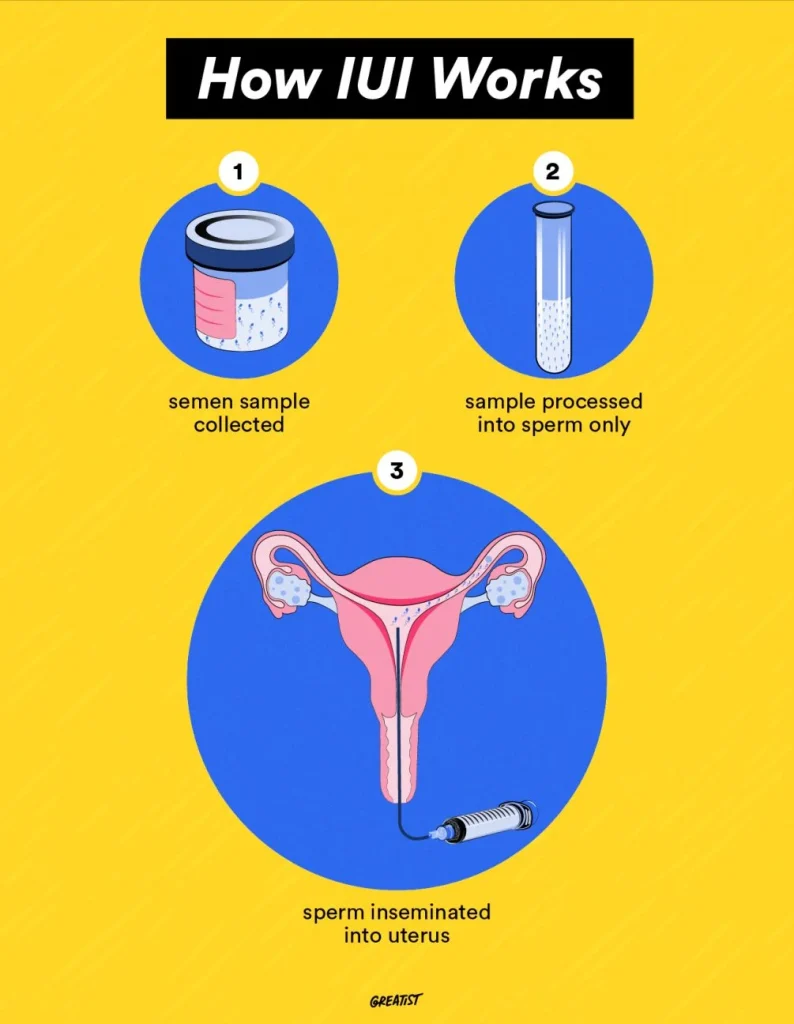
    illustration explaining the steps of intrauterine insemination (IUI) process on a bright yellow background

    The Long-Term Effects: Intrauterine Insemination vs Sperm Washing

    Long-Term Effects of IUI

    One of the main concerns with IUI is the potential risk of multiple pregnancies. Since the procedure involves placing washed sperm directly into the uterus, there is a higher chance of multiple eggs being fertilized and resulting in a multiple pregnancy. This can increase the risk of complications during pregnancy, such as preterm labor and low birth weight. However, the chances of a multiple pregnancy can be reduced by closely monitoring the number of eggs released during ovulation and limiting the number of embryos transferred during the procedure.

    Another potential long-term effect of IUI is the risk of infection. The insertion of a catheter into the uterus can introduce bacteria into the reproductive system, which can lead to infections such as pelvic inflammatory disease (PID). However, this risk is relatively low and can be further reduced by taking precautions such as using sterile equipment and antibiotics during the procedure.

    Long-Term Effects of Sperm Washing

    Sperm washing, on the other hand, has a lower risk of multiple pregnancies since only the healthiest sperm are used for assisted reproductive techniques. However, there are some potential long-term effects that couples should be aware of when considering this procedure.

    One of the main concerns with sperm washing is the potential for DNA damage to the sperm. The process of washing and preparing the sperm can cause damage to the DNA, which can affect the sperm’s ability to fertilize an egg and lead to birth defects in the offspring. However, this risk can be minimized by using advanced techniques such as density gradient centrifugation, which has been shown to reduce DNA damage in sperm.

    Another potential long-term effect of sperm washing is the risk of transmission of genetic diseases or infections. While the process of washing and preparing sperm can reduce the risk of transferring genetic diseases or infections, it is not 100% effective. Therefore, it is essential that couples undergo thorough genetic testing and screening before undergoing sperm washing to ensure the health of the offspring.

    Which Procedure is Right for You?

    When it comes to choosing between IUI and sperm washing, there is no one-size-fits-all answer. The best option for you will depend on your specific fertility issues, medical history, and personal preferences. It is essential to consult with a fertility specialist to determine which procedure is best for your individual needs and to discuss any potential long-term effects.

    In summary, both IUI and sperm washing are effective fertility treatments that can help couples struggling with infertility to conceive. However, they do come with some potential long-term effects that should be carefully considered before making a decision. With the help of a fertility specialist, you can determine which procedure is best for you and increase your chances of achieving a successful pregnancy.

  • The Role of Nutrition: How Diet Can Affect Intrauterine Insemination and Sperm Washing

    Blog Post Title: The Role of Nutrition: How Diet Can Affect Intrauterine Insemination and Sperm Washing

    Summary:

    Nutrition plays a crucial role in our overall health and well-being, and it can also have a significant impact on the success rates of fertility treatments such as intrauterine insemination (IUI) and sperm washing. In this blog post, we will explore the connection between diet and fertility, specifically focusing on how nutrition can affect the success of IUI and sperm washing.

    First, we will discuss the importance of a healthy diet for both men and women who are trying to conceive. We will delve into the key nutrients that support fertility and the foods that are rich in these nutrients. We will also discuss the impact of a poor diet on fertility and how making dietary changes can improve the chances of successful IUI and sperm washing.

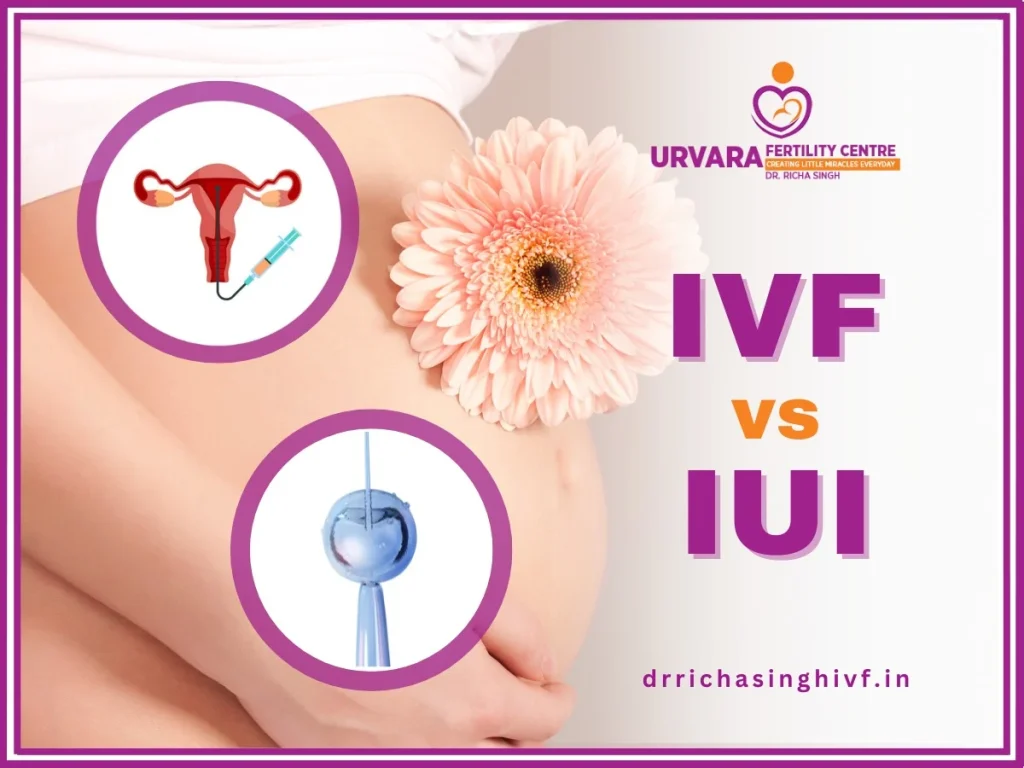
    IVF vs IUI comparison with illustrations of reproductive processes and a flower on a pregnant belly.

    The Role of Nutrition: How Diet Can Affect Intrauterine Insemination and Sperm Washing

    Next, we will focus on the specific ways in which diet can affect IUI and sperm washing. We will explore how certain nutrients can improve sperm quality and motility, as well as how a healthy diet can enhance the receptiveness of the female reproductive system to fertilization. We will also discuss the negative effects of a poor diet on sperm quality and the success of IUI and sperm washing.

    Furthermore, we will look at the role of nutrition in preparing for IUI and sperm washing. We will discuss the importance of maintaining a healthy weight and how certain dietary habits can affect the success of these procedures. We will also touch upon the use of supplements and the impact they can have on fertility and the success of IUI and sperm washing.

    Lastly, we will provide some tips and recommendations for a fertility-friendly diet for both men and women. We will highlight the foods that are rich in the key nutrients for fertility and suggest some dietary changes that can improve the chances of successful IUI and sperm washing. We will also discuss the importance of a balanced and varied diet and how it can support overall reproductive health.

    In conclusion, nutrition plays a vital role in fertility, and it can significantly impact the success rates of IUI and sperm washing. By understanding the connection between diet and fertility and making dietary changes, men and women can optimize their chances of successful IUI and sperm washing.

  • Intrauterine Insemination vs Sperm Washing: A Doctor’s Perspective

    Intrauterine insemination (IUI) and sperm washing are two commonly used fertility treatments that can help couples achieve their dream of having a baby. As a doctor with years of experience in the field of reproductive medicine, I have seen a lot of confusion and misconceptions surrounding these two procedures. In this blog post, I will provide a complete overview of both IUI and sperm washing from a doctor’s perspective, including their differences, benefits, and potential risks.

    IUI, also known as artificial insemination, is a procedure in which washed and prepared sperm is directly inserted into the uterus during the woman’s ovulation period. This allows the sperm to bypass the cervix and increase the chances of fertilization. On the other hand, sperm washing is a laboratory technique that involves separating the sperm from the semen and preparing it for use in assisted reproductive techniques such as IUI, in vitro fertilization (IVF), or intra-cytoplasmic sperm injection (ICSI).

    One of the main differences between IUI and sperm washing is the timing of the procedure. IUI is usually performed during the woman’s ovulation period, while sperm washing can be done before or after ovulation. This makes IUI a more time-sensitive procedure, and careful monitoring of the woman’s ovulation is crucial for its success. On the other hand, sperm washing can be performed at any time, making it a more flexible option for couples.

    Another difference between the two procedures is the level of invasiveness. IUI is a minimally invasive procedure that can be done in the doctor’s office without the need for anesthesia. The washed sperm is inserted into the uterus using a thin catheter, which may cause mild discomfort. On the other hand, sperm washing is a more invasive procedure that requires a semen sample to be collected and then processed in a laboratory setting. This may cause some discomfort for the male partner, but it is usually well-tolerated.

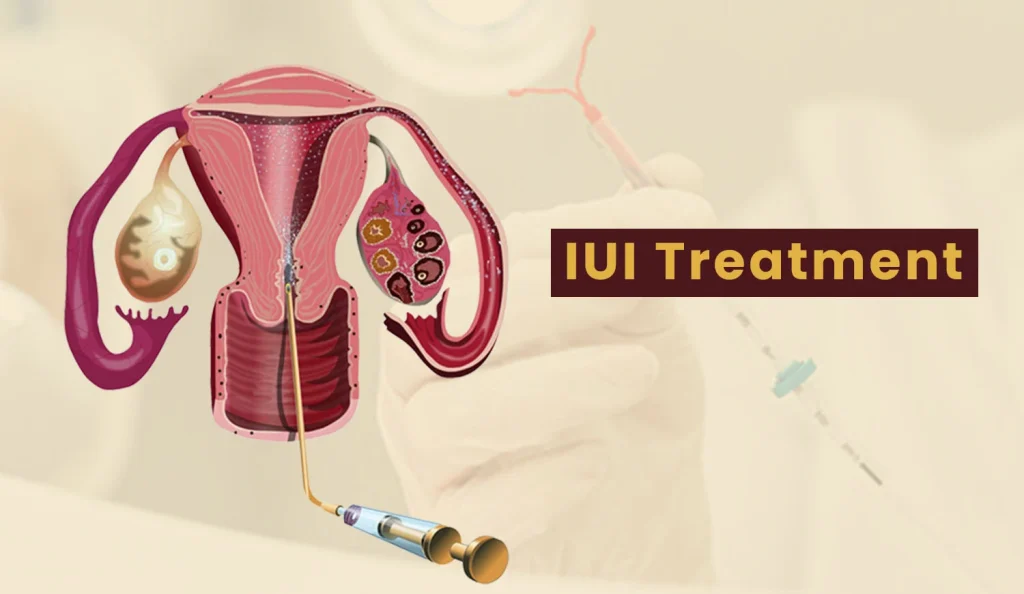
    illustration of the uterus and ovaries with a syringe, labeled "IUI Treatment" in the background

    Intrauterine Insemination vs Sperm Washing: A Doctor's Perspective

    Now, let’s talk about the benefits of IUI and sperm washing. Both procedures can be beneficial for couples struggling with male factor infertility, cervical mucus abnormalities, or unexplained infertility. IUI can also be helpful for women with ovulation disorders, as it increases the chances of sperm reaching the egg. Additionally, IUI is a less expensive option compared to other assisted reproductive techniques, making it more accessible for couples.

    Sperm washing, on the other hand, can be beneficial for couples where the male partner has a low sperm count or poor sperm quality. The washing process removes seminal fluid, which may contain substances that can interfere with fertilization. This increases the chances of using healthy and motile sperm for assisted reproductive techniques, resulting in higher success rates.

    As with any medical procedure, there are potential risks associated with IUI and sperm washing. The most common risk of IUI is multiple pregnancies, as the procedure can result in the fertilization of multiple eggs. This can be managed by closely monitoring the woman’s ovulation and adjusting the amount of sperm used during the procedure. Sperm washing, on the other hand, has a very low risk of complications. However, there is a small chance of infection or injury during the collection of the semen sample.

    In conclusion, both IUI and sperm washing are effective fertility treatments that can help couples achieve their dream of having a baby. While IUI is a more time-sensitive and less invasive option, sperm washing can be beneficial for couples with male factor infertility. As a doctor, I believe that the best approach is to discuss these options with a fertility specialist and determine the best treatment plan based on the couple’s individual needs and circumstances.

    In summary, IUI and sperm washing are two commonly used fertility treatments with their unique differences and benefits. While IUI is a minimally invasive and time-sensitive option, sperm washing can be beneficial for couples with male factor infertility. Both procedures have their potential risks, but they have helped countless couples in their journey towards parenthood. If you are struggling with infertility, it is important to consult with a fertility specialist and explore all your options to find the best treatment plan for you.

  • The Emotional Impact: Coping with the Differences of Intrauterine Insemination and Sperm Washing

    Blog Post:

    Intrauterine insemination (IUI) and sperm washing are two common fertility treatments used by couples struggling with infertility. While both methods involve the use of donated sperm, they differ in their process and emotional impact on the individuals involved. In this blog post, we will delve into the emotional impact of coping with the differences of intrauterine insemination and sperm washing.

    Firstly, let’s understand what these procedures entail. Intrauterine insemination is a relatively simple procedure where donated sperm is placed directly into the uterus during ovulation. On the other hand, sperm washing involves the separation of healthy sperm from the semen sample and then placing it into the uterus through IUI or in vitro fertilization (IVF). Both procedures have their own set of pros and cons, but the emotional impact they have on couples can be overwhelming.

    When it comes to IUI, the process is more straightforward and less invasive compared to sperm washing. This can be a relief for couples who may have already been through multiple invasive fertility treatments. The emotional impact of IUI may be less traumatic as it does not involve extensive medical procedures. However, the success rates of IUI can vary and there is always a chance of disappointment if the procedure does not result in a pregnancy.

    On the other hand, sperm washing may bring about a sense of hope for couples who have been struggling with infertility for a long time. This procedure is often recommended for couples where the male partner has low sperm count or poor sperm quality, making natural conception difficult. The process of sperm washing can be physically and emotionally draining, as it involves multiple medical procedures and a longer waiting period for results. This waiting period can be emotionally taxing for couples who have been trying to conceive for a long time.

    One of the biggest emotional impacts of both IUI and sperm washing is the financial burden. These procedures can be expensive and may require multiple cycles before a successful pregnancy is achieved. This can add stress and strain to the already emotionally charged journey of fertility treatments. Couples may feel a sense of pressure to succeed with each cycle, leading to feelings of frustration and disappointment if the procedure does not result in pregnancy.

    Comparison of IVF and IUI procedures with illustrations of each method.

    The Emotional Impact: Coping with the Differences of Intrauterine Insemination and Sperm Washing

    Another aspect of the emotional impact of IUI and sperm washing is the strain on the relationship between the couple. Going through fertility treatments can be a rollercoaster of emotions, and it can be a trying time for any couple. The stress and pressure of trying to conceive can lead to conflicts and strain the relationship. It is essential for couples to communicate openly and support each other during this time.

    Moreover, the emotional impact of these procedures can also affect individuals differently. For women, the process of IUI or sperm washing can be physically and emotionally taxing. The hormonal changes and the uncertainty of the outcome can bring about feelings of anxiety and depression. On the other hand, men may feel a sense of inadequacy if they are unable to contribute to the conception process naturally. It is crucial for couples to support each other and seek counseling if needed, to cope with the emotional impact of fertility treatments.

    It is also essential to acknowledge the emotional impact that a failed cycle can have on couples. The emotional toll of dealing with infertility, combined with the disappointment of a failed procedure, can be overwhelming. Couples may experience a range of emotions such as grief, anger, and hopelessness. It is crucial for couples to give themselves time to process these emotions and seek support from loved ones or a therapist if needed.

    In addition to the emotional impact, there are also legal and ethical considerations involved in these procedures. Couples may have to navigate through complex legal and ethical issues, such as donor anonymity and parental rights, which can add to the emotional strain of the process.

    In conclusion, coping with the differences of intrauterine insemination and sperm washing can have a significant emotional impact on couples struggling with infertility. It is essential for couples to communicate openly, support each other, and seek help if needed to navigate through this challenging journey. With advancements in technology and medical procedures, there is hope for couples struggling with infertility. But it is crucial to acknowledge and address the emotional impact of these procedures to ensure a healthier and more positive experience for all involved.

    Summary:

    Intrauterine insemination (IUI) and sperm washing are two common fertility treatments that involve the use of donated sperm. While IUI is a relatively simple and less invasive procedure, sperm washing is more complex and can be physically and emotionally draining. The emotional impact of these procedures can be overwhelming, including financial burden, strain on relationships, and individual emotions. Coping with the differences of IUI and sperm washing requires open communication, support, and seeking help if needed. It is crucial to address the emotional impact of these procedures to ensure a more positive experience for couples struggling with infertility.

  • Intrauterine Insemination vs Sperm Washing: A Look at the Medical Procedures

    As more and more couples struggle with fertility issues, medical advancements have provided various options for those trying to conceive. Two procedures that are commonly used are Intrauterine Insemination (IUI) and Sperm Washing. While both procedures involve the use of sperm, they differ in their process and success rates. In this blog post, we will take a closer look at these procedures and compare their effectiveness.

    What is Intrauterine Insemination?

    Intrauterine Insemination, also known as artificial insemination, is a fertility procedure that involves directly placing sperm into the uterus to increase the chances of fertilization. This procedure can be done with or without fertility drugs, depending on the individual’s fertility issues.

    The process of IUI starts with the male partner providing a semen sample, which is then washed and prepared in a lab. The washed sperm is then inserted directly into the uterus using a thin catheter. This process is usually painless and takes only a few minutes to complete.

    What is Sperm Washing?

    Sperm Washing is a fertility technique that involves separating sperm from the semen to increase the sperm’s quality and reduce the risk of transmitting infections or diseases. This procedure is often recommended for couples where the male partner has a low sperm count or poor sperm quality.

    The process of sperm washing starts with collecting a semen sample from the male partner, which is then washed and separated from the semen. The washed sperm is then tested for quality and motility before being used for fertilization. This procedure is usually done in combination with other fertility treatments such as In Vitro Fertilization (IVF).

    Comparison of IUI and Sperm Washing

    While both IUI and Sperm Washing involve the use of sperm, they differ in their process and effectiveness. Here are some key differences between the two procedures:

    Illustration of a uterus with a syringe indicating an intrauterine insemination procedure.

    Intrauterine Insemination vs Sperm Washing: A Look at the Medical Procedures

    1. Process: In IUI, the washed sperm is directly inserted into the uterus, whereas in Sperm Washing, the washed sperm is used for fertilization through other procedures such as IVF.

    2. Success Rates: The success rates of IUI and Sperm Washing vary depending on the individual’s fertility issues. However, IUI has a success rate of around 10-20%, whereas Sperm Washing has a success rate of 20-30%.

    3. Cost: IUI is a more affordable option compared to Sperm Washing. The cost of IUI can range from $300-$1000 per cycle, while Sperm Washing can cost anywhere from $1000-$5000 per cycle.

    4. Fertility drugs: IUI can be done with or without fertility drugs, whereas Sperm Washing is usually done in combination with other fertility treatments that require the use of fertility drugs.

    5. Risks: Both procedures have minimal risks, but IUI carries a slightly higher risk of multiple pregnancies compared to Sperm Washing.

    Which Procedure is Right for You?

    The choice between IUI and Sperm Washing will depend on various factors, such as the individual’s fertility issues, age, and financial situation. It is crucial to consult with a fertility specialist to determine the best course of action for your specific situation.

    In conclusion, both IUI and Sperm Washing are effective fertility procedures that can help couples struggling with infertility. While IUI is a more affordable option, Sperm Washing has a higher success rate. It is essential to consult with a medical professional to determine which procedure is best suited for your needs.

    Summary:

    Intrauterine Insemination (IUI) and Sperm Washing are two fertility procedures that involve the use of sperm. IUI is a process of directly placing washed sperm into the uterus, while Sperm Washing involves separating sperm from the semen for use in other fertility treatments. While IUI is more affordable, Sperm Washing has a higher success rate. The choice between the two procedures will depend on individual factors, and it is crucial to consult with a fertility specialist to determine the best course of action.

  • The Role of the Partner: Intrauterine Insemination vs Sperm Washing

    Blog Post Title: The Role of the Partner: Intrauterine Insemination vs Sperm Washing

    In the world of fertility treatments, many couples may turn to assisted reproductive techniques to help them conceive. Two popular options are intrauterine insemination (IUI) and sperm washing. While both procedures involve the use of a partner’s sperm, they have different roles in the fertility process. In this blog post, we will discuss the differences between IUI and sperm washing, their respective roles, and which one may be the best option for you and your partner.

    What is Intrauterine Insemination (IUI)?

    Intrauterine insemination, also known as artificial insemination, is a fertility treatment that involves placing sperm directly into a woman’s uterus during ovulation. This procedure is often used for couples who have been trying to conceive naturally for at least a year without success, or for those with fertility issues such as low sperm count or cervical mucus problems.

    The IUI process begins with the collection of the male partner’s sperm sample. The sperm is then washed and prepared in a lab to remove any non-motile or unhealthy sperm. The healthy sperm is then placed into a catheter and inserted directly into the uterus. This process increases the chances of the sperm reaching the egg and fertilizing it, as it bypasses any potential obstacles such as hostile cervical mucus.

    What is Sperm Washing?

    Sperm washing, also known as sperm preparation, is a process that involves separating healthy sperm from semen. This procedure is often used for couples where the male partner has a low sperm count, as it helps to concentrate the sperm and remove any impurities that may affect fertility.

    The sperm washing process begins with the collection of a semen sample from the male partner. The sample is then placed in a centrifuge to separate the sperm from the other components of the semen. The healthy sperm is then washed and prepared for use in assisted reproductive techniques such as IUI or in vitro fertilization (IVF).

    illustration of an intrauterine insemination procedure with medical instruments and anatomical details

    The Role of the Partner: Intrauterine Insemination vs Sperm Washing

    The Role of the Partner in IUI vs Sperm Washing

    In both IUI and sperm washing, the partner’s role is crucial in the fertility process. In IUI, the partner provides the sperm sample, which is then washed and inserted into the woman’s uterus. The partner’s sperm is the only source of genetic material in this procedure, making it an important factor in the success of the treatment.

    In sperm washing, the partner’s role is to provide a semen sample for the procedure. However, their role does not end there. The quality of the sperm sample is crucial in determining the success of the treatment. Therefore, the partner plays a vital role in ensuring the sperm sample is of good quality by following the healthcare provider’s instructions and maintaining a healthy lifestyle.

    Which Option is Best for You and Your Partner?

    The decision between IUI and sperm washing ultimately depends on your specific fertility needs and situation. In general, IUI is a less invasive procedure compared to sperm washing, as it involves placing the sperm directly into the uterus rather than separating it from the semen. Therefore, IUI may be a better option for couples with mild fertility issues.

    On the other hand, sperm washing is a more involved procedure that requires the use of a lab and specialized equipment. It is often recommended for couples with severe male infertility issues, such as a very low sperm count or poor sperm quality.

    In some cases, your healthcare provider may recommend a combination of both procedures to increase the chances of a successful pregnancy. For example, if a couple’s fertility issue is a combination of male and female factors, sperm washing may be used to prepare the sperm for IUI.

    Summary:

    Intrauterine insemination (IUI) and sperm washing are two popular fertility treatments that involve the use of a partner’s sperm. While IUI involves placing washed sperm directly into the uterus, sperm washing is a process that separates healthy sperm from semen. Both procedures rely on the partner’s sperm, making their role crucial in the success of the treatment. The decision between IUI and sperm washing depends on the couple’s specific fertility needs, and in some cases, a combination of both procedures may be recommended.