Blog

  • Fertility Yoga vs Traditional Exercise: Which Is Safer for Women Trying to Conceive?

    When it comes to trying to conceive, women are often bombarded with conflicting information about what they can and cannot do. Some may advise against certain exercises or activities, while others may tout the benefits of staying active throughout the fertility journey. In recent years, fertility yoga has gained popularity as a safe and effective form of exercise for women trying to conceive. But how does it compare to traditional exercise? Is one safer than the other for women on their fertility journey? In this blog post, we will delve into the world of fertility yoga and traditional exercise to determine which is safer for women trying to conceive.

    Fertility Yoga: What Is It and How Does It Work?

    Fertility yoga is a form of yoga specifically designed to support women on their journey to conception. It combines traditional yoga poses with breathing techniques and meditations that aim to improve overall physical and emotional well-being. The practice is based on the belief that certain yoga poses can help to balance hormones, increase blood flow to the reproductive organs, and reduce stress and anxiety, all of which can have a positive impact on fertility.

    One of the main benefits of fertility yoga is that it focuses on gentle movements and poses that are safe for women who are trying to conceive. Unlike traditional exercise, which can sometimes be intense and high-impact, fertility yoga is designed to be low-impact and gentle on the body. This can be especially beneficial for women who may be undergoing fertility treatments, as strenuous exercise can sometimes interfere with the success of these treatments.

    Traditional Exercise and Its Impact on Fertility

    Traditional exercise, on the other hand, encompasses a wide range of physical activities, from running and weightlifting to team sports and aerobics classes. While regular exercise has numerous health benefits, it can also have an impact on fertility, especially when done excessively or intensely.

    Studies have shown that women who engage in high-intensity exercise may experience changes in their menstrual cycles, which can affect ovulation and, in turn, decrease their chances of conception. Additionally, excessive exercise can also lead to a decrease in body fat, which is essential for hormone production and ovulation. This is why some women who engage in intense exercise may experience irregular or absent periods, making it difficult to track their fertile window.
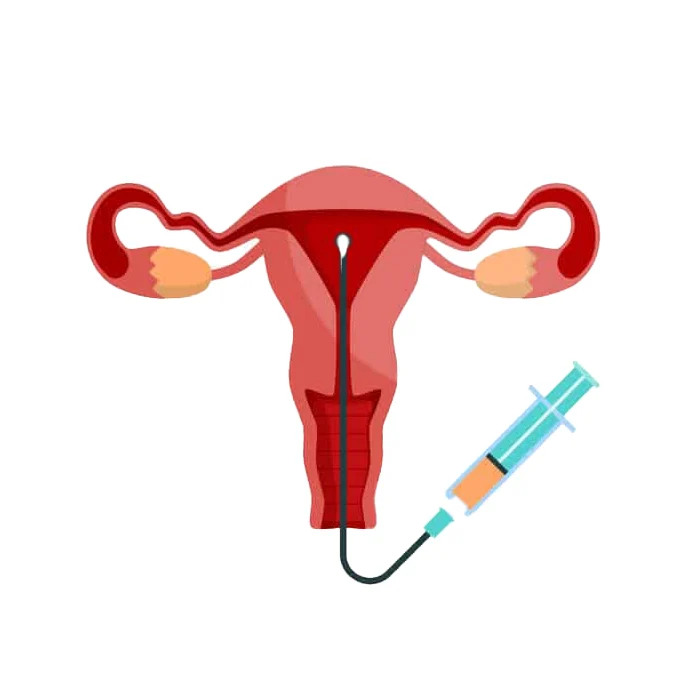
    illustration of a uterus with a syringe for intrauterine insemination (IUI) procedure

    Fertility Yoga vs Traditional Exercise: Which Is Safer for Women Trying to Conceive?

    Safer Options for Women Trying to Conceive

    Both fertility yoga and traditional exercise have their benefits and drawbacks, so what are the safer options for women on their fertility journey? The answer is a combination of both. While fertility yoga may be gentler and more suitable for women undergoing fertility treatments, traditional exercise can still play a role in maintaining overall health and well-being.

    For women who are already physically active, it is generally safe to continue with their regular exercise routine while trying to conceive. However, it is essential to listen to your body and make modifications as needed. For example, instead of high-intensity workouts, opt for lower-impact activities such as walking, swimming, and cycling. It is also crucial to avoid over-exercising and give your body enough rest and recovery time.

    On the other hand, if you are new to exercise, fertility yoga can be an excellent place to start. It is a safe and gentle form of exercise that can help improve flexibility, reduce stress, and support overall reproductive health. With regular practice, fertility yoga can also help to build strength and endurance, making it easier to transition to more intense exercise when the time is right.

    In Conclusion: Finding Balance is Key

    In the end, the key to a safe and healthy fertility journey lies in finding balance. Both fertility yoga and traditional exercise have their advantages and disadvantages, and what works for one woman may not work for another. The most important thing is to listen to your body and make choices that feel right for you. Whether it’s practicing fertility yoga or engaging in traditional exercise, the key is to find a routine that supports your physical and emotional well-being while on your journey to conception.

    In summary, fertility yoga and traditional exercise are both safe options for women trying to conceive, with each having its unique benefits. Fertility yoga can help to reduce stress and improve reproductive health, while traditional exercise can support overall physical well-being. Ultimately, finding a balance between the two is key to a safe and healthy fertility journey.
  • Yoga for Fertility: A Natural and Gentle Way to Prepare Your Body for Pregnancy

    Blog Post:

    Yoga has been practiced for centuries as a way to promote physical, mental, and emotional well-being. In recent years, it has become increasingly popular for its ability to aid in fertility and prepare the body for pregnancy. With its gentle and natural approach, yoga can help increase fertility, balance hormones, and create a healthy environment for conception. In this blog post, we will explore the benefits of yoga for fertility and how it can be a valuable tool for those trying to conceive.

    Benefits of Yoga for Fertility:

    1. Reduces Stress and Anxiety:
    One of the main benefits of yoga for fertility is its ability to reduce stress and anxiety. The journey to parenthood can be overwhelming and stressful, which can have a negative impact on fertility. Yoga helps to calm the nervous system and release tension from the body, providing a sense of calm and relaxation. This can also help regulate hormones and improve the chances of conception.

    2. Increases Blood Flow:
    Yoga postures, especially those that focus on the pelvic region, help to increase blood flow to the reproductive organs. This increased blood flow can improve the health of the ovaries and uterus, making it easier for the egg to be fertilized. It also helps to flush out toxins and supply essential nutrients to the reproductive organs, creating a healthy environment for conception.

    3. Balances Hormones:
    Hormonal imbalance is a common cause of infertility in women. Practicing yoga can help to balance hormones by stimulating the endocrine glands, which are responsible for the production and regulation of hormones. Certain yoga poses, such as the shoulder stand, can also help to regulate the thyroid gland, which plays a crucial role in fertility.

    4. Releases Tension in the Pelvic Region:
    The pelvic area can hold a lot of tension, especially for women who are experiencing fertility issues. This tension can interfere with the proper functioning of the reproductive organs. Yoga helps to release this tension through stretching and breathing exercises, allowing for a more relaxed and open pelvic area. This can also improve the chances of successful implantation of the fertilized egg.

    5. Increases Mind-Body Connection:
    Yoga is not just a physical practice; it also involves connecting the mind, body, and breath. Through yoga, one can become more aware of their body and its needs, leading to a better understanding of their fertility journey. This mind-body connection also helps to reduce stress and promote relaxation, which are essential for fertility.

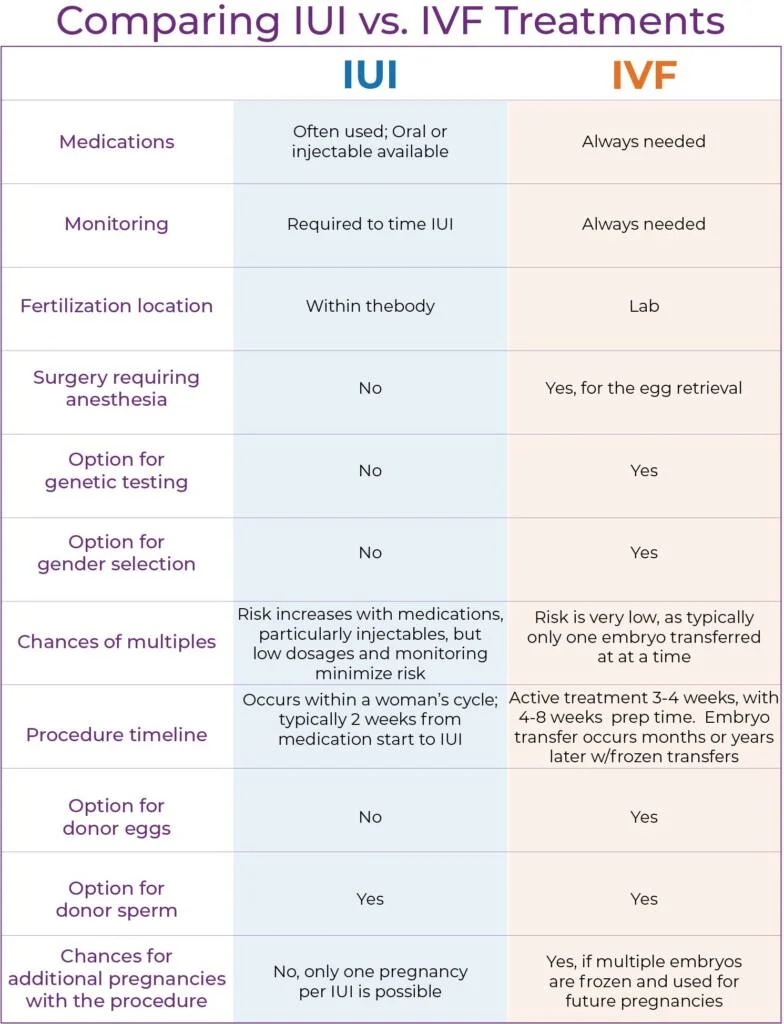
    Comparison chart of IUI and IVF treatments, detailing medications, monitoring, procedures, and success rates.

    Yoga for Fertility: A Natural and Gentle Way to Prepare Your Body for Pregnancy

    6. Builds Strength and Stamina:
    The physical aspect of yoga also plays a significant role in preparing the body for pregnancy. Many yoga poses focus on building strength and stamina, which are necessary for a healthy pregnancy and childbirth. Asanas (postures) that target the core, hips, and pelvic floor are particularly beneficial for fertility and pregnancy.

    7. Improves Emotional Well-being:
    Trying to conceive can be an emotional rollercoaster, with feelings of hope, disappointment, and frustration. The mindful and meditative aspect of yoga can help to improve emotional well-being and manage these emotions. It can also provide a sense of peace and acceptance, which is important for those going through fertility treatments.

    Yoga Practices for Fertility:

    1. Fertility-Specific Yoga Classes:
    Many yoga studios now offer fertility-specific classes that are designed to support women on their journey to conceive. These classes often incorporate specific postures and techniques to stimulate fertility and create a nurturing environment for pregnancy.

    2. Restorative Yoga:
    Restorative yoga is a gentle and relaxing practice that uses props to support the body in various poses. This type of yoga is particularly beneficial for those undergoing fertility treatments, as it can help to reduce stress and promote relaxation.

    3. Fertility Yoga Poses:
    Certain yoga poses have been found to be particularly helpful for fertility. These include the butterfly pose, the reclined bound angle pose, and the legs up the wall pose. These postures focus on stretching and opening the pelvic area, increasing blood flow, and balancing hormones.

    4. Breathing Exercises:
    Pranayama, or breathing exercises, are an essential part of yoga and can be used to support fertility. Practices such as abdominal breathing, alternate nostril breathing, and the bee breath can help to reduce stress, balance hormones, and increase blood flow to the reproductive organs.

    5. Meditation:
    Meditation is another powerful tool that can aid in fertility. It helps to calm the mind, reduce stress and anxiety, and create a positive mindset. Regular meditation practice can also increase self-awareness and help individuals to connect with their fertility journey on a deeper level.

    In summary, yoga can be a natural and gentle way to prepare the body for pregnancy. By reducing stress, increasing blood flow, balancing hormones, and improving emotional well-being, it can significantly improve fertility and increase the chances of conception. Whether practiced on its own or in combination with other fertility treatments, yoga can be a valuable tool for those trying to conceive.

  • The Mind-Body Connection: How Fertility Yoga Helps with Conception

    The Mind-Body Connection: How Fertility Yoga Helps with Conception

    The journey to conception can be a challenging and emotional one for many couples. While there are medical treatments and interventions available, there is also a growing interest in alternative methods such as fertility yoga. This ancient practice combines physical movements, breathing techniques, and meditation to create a mind-body connection that can support and enhance fertility. In this blog post, we will explore the mind-body connection and how fertility yoga can help with conception.

    Understanding the Mind-Body Connection

    The mind-body connection refers to the interdependent relationship between our thoughts, emotions, and physical health. It is the idea that our mental and emotional states can have a significant impact on our physical well-being. This connection works both ways, as our physical state can also affect our mental and emotional state.

    When it comes to fertility, the mind-body connection is particularly important. The stress and anxiety that often accompany the struggle to conceive can have a negative impact on a woman’s reproductive system. These emotions can disrupt hormonal balance, ovulation, and even implantation of a fertilized egg. On the other hand, a calm and relaxed state of mind can promote a healthy reproductive system and increase the chances of conception.

    How Fertility Yoga Can Help

    Fertility yoga is a specific type of yoga that focuses on poses and breathing techniques that support reproductive health. It is designed to create a balance between the mind and body, promoting relaxation, and reducing stress and anxiety. Here are some ways in which fertility yoga can help with conception:

    1. Reducing Stress and Anxiety: Fertility yoga combines physical movements with deep breathing and meditation, which can help to calm the mind and reduce stress and anxiety. This is especially beneficial for women who are undergoing fertility treatments or are constantly worried about their ability to conceive. By reducing stress levels, fertility yoga can help to balance hormones and improve the chances of conception.

    2. Improving Blood Flow: Certain poses in fertility yoga, such as the butterfly pose and the legs-up-the-wall pose, can increase blood flow to the reproductive organs. This can improve the health of the ovaries and uterus, as well as increase the chances of successful implantation.

    3. Regulating Hormones: The practice of fertility yoga involves specific breathing techniques that can help to regulate hormones. This is particularly beneficial for women with hormonal imbalances, such as Polycystic Ovary Syndrome (PCOS), which can make it difficult to conceive.

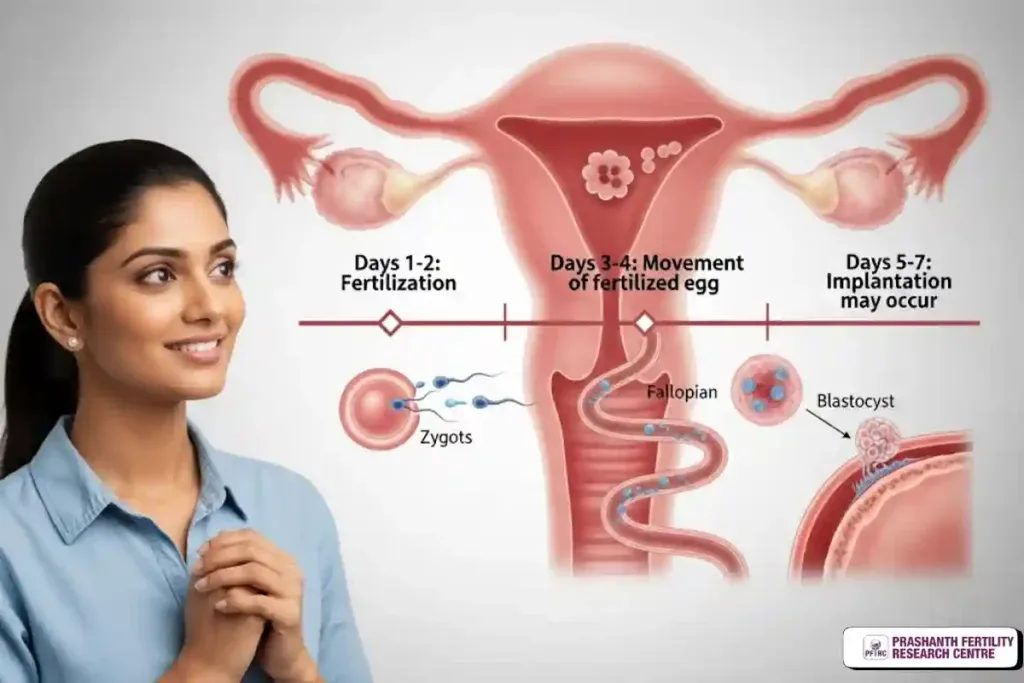
    Illustration showing fertilization and implantation timeline with a woman looking hopeful.

    The Mind-Body Connection: How Fertility Yoga Helps with Conception

    4. Strengthening the Pelvic Floor: Many fertility yoga poses focus on strengthening the pelvic floor muscles. This can improve the health of the reproductive organs, as well as support the body during pregnancy and childbirth.

    5. Creating a Positive Mindset: The mind-body connection is all about creating a positive mindset, which is crucial when trying to conceive. Fertility yoga can help to shift negative thoughts and emotions to a more positive and hopeful state, which can have a significant impact on a woman’s ability to conceive.

    In addition to these benefits, fertility yoga can also improve overall physical health, reduce inflammation, and boost the immune system, all of which can contribute to a healthier reproductive system.

    How to Incorporate Fertility Yoga into Your Routine

    If you are interested in trying fertility yoga to help with conception, here are some tips for incorporating it into your routine:

    1. Find a Certified Instructor: It is essential to find a certified fertility yoga instructor who has experience working with women trying to conceive. They will be able to guide you through the poses and breathing techniques that are most beneficial for fertility.

    2. Practice Regularly: Consistency is key when it comes to fertility yoga. Aim to practice at least three times a week to experience the full benefits.

    3. Combine with Other Techniques: Fertility yoga can be combined with other relaxation techniques such as acupuncture, massage, and meditation to create a more comprehensive mind-body approach to fertility.

    4. Listen to Your Body: It is essential to listen to your body and not push yourself too hard. If a pose feels uncomfortable or painful, modify it or skip it altogether.

    In summary, the mind-body connection is a crucial aspect of fertility, and fertility yoga offers a natural and holistic approach to support and enhance this connection. By reducing stress and anxiety, improving blood flow and hormone balance, and creating a positive mindset, fertility yoga can be a valuable tool for couples trying to conceive. With its many benefits for both the mind and body, fertility yoga is definitely worth considering on your journey to parenthood.

  • Traditional Exercise vs Fertility Yoga: Which Is More Effective for Fertility?

    Traditional Exercise vs Fertility Yoga: Which Is More Effective for Fertility?

    When it comes to fertility, many couples struggle to conceive and often turn to alternative methods to increase their chances. Two popular options are traditional exercise and fertility yoga. Both have their own benefits and advocates, but which one is more effective for fertility? In this blog post, we will explore the differences between traditional exercise and fertility yoga and their impact on fertility.

    Traditional Exercise:

    Traditional exercise includes activities such as running, weightlifting, and other high-intensity workouts. These types of exercises are known to improve overall health and fitness levels, but how do they specifically affect fertility?

    One study conducted by the Harvard School of Public Health found that women who performed high-intensity exercises for five or more hours per week had a 42% lower chance of ovulatory infertility compared to those who did not exercise. Another study from the University of North Carolina found that women who performed moderate to high-intensity exercises had a 3.2% lower chance of infertility compared to those who did not exercise at all.

    So, it seems that traditional exercises do have a positive impact on fertility, but there are also some drawbacks to consider. High-intensity workouts can cause stress on the body, leading to hormonal imbalances that can affect fertility. Additionally, over-exercising and having a low body fat percentage can also cause menstrual irregularities and decrease the chances of ovulation.

    Fertility Yoga:

    On the other hand, fertility yoga is a form of exercise that focuses on specific poses and breathing techniques to improve reproductive health. It is believed that certain yoga poses can increase blood flow to the reproductive organs, balance hormones, and reduce stress levels, all of which can improve fertility.

    A person administering an injection into their abdomen with a yellow pen-like device.

    Traditional Exercise vs Fertility Yoga: Which Is More Effective for Fertility?

    One study published in the Journal of Alternative and Complementary Medicine found that women who practiced yoga for three months had a 17% increase in pregnancy rates compared to those who did not. Another study from the University of Washington found that women who participated in a 10-week yoga program had improved levels of stress and fertility-related hormones.

    Fertility yoga also has additional benefits that traditional exercise does not offer. It can help regulate menstrual cycles, improve pelvic floor strength, and provide a sense of relaxation and calmness, which can be beneficial for couples struggling with fertility issues.

    So, Which Is More Effective for Fertility?

    The answer is not straightforward as both traditional exercise and fertility yoga have their own advantages and limitations. Traditional exercise can improve overall health and fitness levels, leading to better chances of fertility, but it can also cause stress and hormonal imbalances. Fertility yoga, on the other hand, has been shown to directly impact reproductive health and reduce stress levels, but it may not provide the same physical benefits as traditional exercise.

    The key is to find a balance between the two. Incorporating both traditional exercise and fertility yoga into a well-rounded fitness routine can provide the best results for fertility. For example, you can perform high-intensity workouts a few times a week and practice fertility yoga on the other days. This way, you can reap the benefits of both forms of exercise without overdoing either.

    It is also important to consult with a doctor or fertility specialist before starting any new exercise routine. They can provide personalized recommendations based on your specific health and fertility needs.

    In conclusion, both traditional exercise and fertility yoga have their own benefits and limitations when it comes to fertility. The key is to find a balance and incorporate both into a well-rounded fitness routine. Remember to consult with a healthcare professional before starting any new exercise routine, and always listen to your body to avoid over-exercising.

    Summary:

    Traditional exercise and fertility yoga are two popular methods used by couples to improve their chances of fertility. Traditional exercise, such as high-intensity workouts, can improve overall health and fitness levels, but it can also cause stress and hormonal imbalances. On the other hand, fertility yoga focuses on specific poses and breathing techniques to improve reproductive health and reduce stress levels. While both have their own benefits and limitations, finding a balance between the two may provide the best results for fertility. It is important to consult with a healthcare professional before starting any new exercise routine and to listen to your body to avoid over-exercising.

  • Fertility Yoga: A Holistic Approach to Boosting Your Chances of Pregnancy

    Fertility Yoga: A Holistic Approach to Boosting Your Chances of Pregnancy

    For many couples, starting a family is a dream come true. However, for some, the journey to pregnancy can be a challenging and emotional one. From fertility treatments to hormone therapy, many options exist to help couples conceive. But what if there was a more natural and holistic approach to boosting fertility? Enter fertility yoga – a gentle and mindful practice that can not only increase your chances of conception but also provide numerous other benefits for your mind, body, and spirit.

    What is fertility yoga?

    Fertility yoga is a specialized form of yoga that focuses on the physical, emotional, and mental aspects of fertility. It combines gentle yoga poses, breathing techniques, and mindfulness practices to help balance hormones, reduce stress, and create a supportive environment for conception. This holistic approach to fertility recognizes the mind-body connection and aims to create a sense of harmony within the body to promote optimal reproductive health.

    How does it work?

    Fertility yoga works by targeting specific areas of the body that are essential for reproductive health. These include the reproductive organs, endocrine system, and nervous system. By incorporating gentle stretches and poses, fertility yoga can help improve blood flow to the reproductive organs, balance hormones, and reduce tension and stress in the body. It also promotes relaxation and mindfulness, which can be crucial for couples struggling with the emotional toll of fertility challenges.

    Benefits of fertility yoga

    1. Regulates hormones

    Hormonal imbalances can be a significant obstacle for couples trying to conceive. Fertility yoga can help regulate hormones by stimulating the endocrine system and promoting hormonal balance. The gentle stretches and poses also help to reduce stress, a known cause of hormonal imbalances.

    2. Increases blood flow to the reproductive organs

    Proper blood flow to the reproductive organs is crucial for optimal reproductive health. Fertility yoga poses, such as the butterfly pose and cobra pose, can help improve blood circulation to the pelvic area, which can increase the chances of conception.

    3. Reduces stress and anxiety

    Stress and anxiety can have a significant impact on fertility, with studies showing that high levels of stress can affect hormone levels and decrease the chances of conception. Fertility yoga incorporates breathing techniques and mindfulness practices that can help reduce stress and promote relaxation, creating a more conducive environment for conception.

    4. Improves overall physical and mental well-being

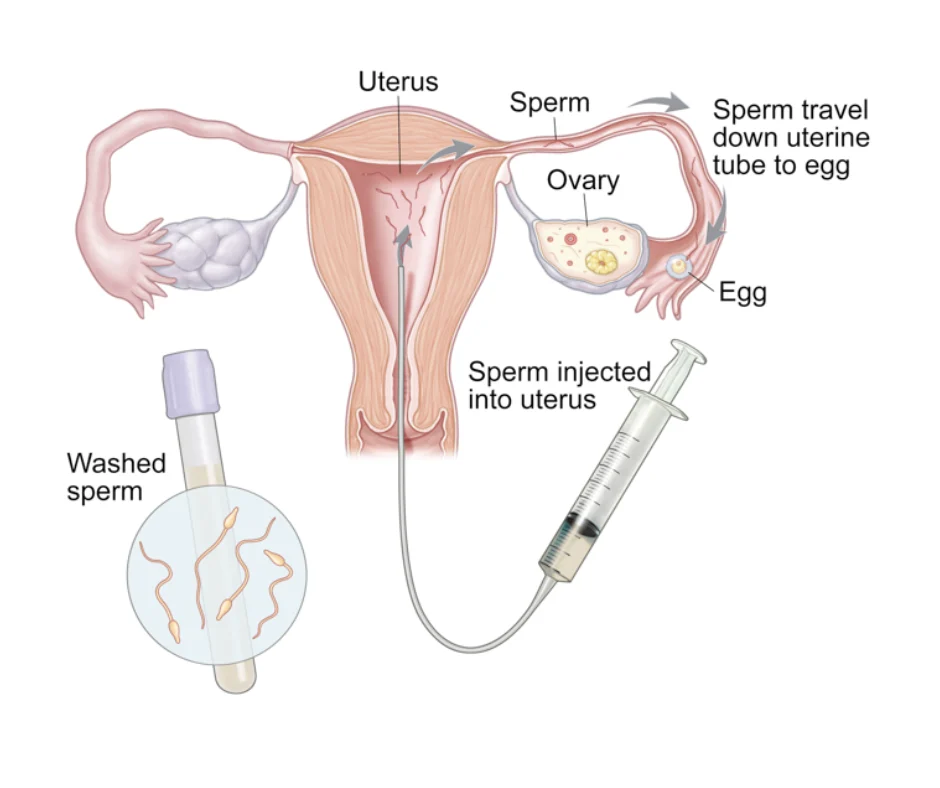
    diagram illustrating intrauterine insemination process, showing sperm injection into the uterus and egg fertilization pathway

    Fertility Yoga: A Holistic Approach to Boosting Your Chances of Pregnancy

    Beyond its fertility-boosting benefits, fertility yoga can also improve overall physical and mental well-being. It can help increase flexibility, strength, and balance, as well as enhance mood, reduce fatigue, and promote a sense of calm and inner peace.

    5. Provides support and community

    Trying to conceive can often feel like a lonely and isolating journey. Fertility yoga classes provide a supportive and understanding community of individuals who are also on their fertility journey. This sense of connection and support can be incredibly beneficial for couples struggling with fertility challenges.

    How to get started with fertility yoga

    If you are interested in trying fertility yoga, here are some tips to help you get started:

    1. Find a certified fertility yoga instructor

    It is essential to find a certified fertility yoga instructor who has experience working with individuals and couples trying to conceive. They will understand the specific needs and challenges of fertility and can tailor the practice to meet your needs.

    2. Choose a gentle and mindful practice

    Fertility yoga should be gentle and mindful, focusing on relaxation and creating a sense of balance and harmony in the body. Avoid intense and strenuous poses and opt for slower and more mindful movements.

    3. Practice regularly

    Like any form of exercise, consistency is key. Aim to practice fertility yoga at least three times a week to see the most significant benefits. You can also incorporate some of the breathing and mindfulness practices into your daily routine for added support.

    4. Listen to your body

    It is crucial to listen to your body and do what feels comfortable for you. If a particular pose or movement feels uncomfortable or painful, do not push yourself to do it. Fertility yoga is about creating a supportive and nurturing environment for your body, not pushing it beyond its limits.

    In conclusion, fertility yoga is a holistic approach to boosting your chances of pregnancy. By targeting the physical, emotional, and mental aspects of fertility, this gentle and mindful practice can regulate hormones, improve blood flow to the reproductive organs, reduce stress and anxiety, and improve overall physical and mental well-being. It also provides a supportive and understanding community for individuals and couples on their fertility journey. If you are considering trying fertility yoga, remember to find a certified instructor, choose a gentle practice, practice regularly, and listen to your body. With consistency and patience, fertility yoga can be a valuable tool in your journey towards parenthood.

  • Breaking Down the Science: Fertility Yoga vs Traditional Exercise for Conception

    Blog Post: Breaking Down the Science: Fertility Yoga vs Traditional Exercise for Conception

    When it comes to trying to conceive, many couples turn to various methods and techniques to increase their chances of getting pregnant. While traditional exercises such as running, weightlifting, and cycling are known to improve overall health and fitness, there is a growing interest in fertility yoga as a potential aid in conception. But which one is more effective? In this blog post, we will delve into the science behind fertility yoga and traditional exercise and compare their impact on fertility.

    Understanding Fertility Yoga

    Fertility yoga is a specialized form of yoga that focuses on poses and breathing techniques specifically designed to support reproductive health. The practice combines traditional yoga postures with breathing exercises, meditation, and visualization to create a mind-body connection and promote relaxation and balance in the body. Fertility yoga aims to improve blood flow to the reproductive organs, reduce stress and anxiety, and balance hormones, all of which can potentially increase fertility.

    The Science Behind Fertility Yoga

    Several scientific studies have shown a positive correlation between fertility yoga and improved reproductive health. A 2013 study published in the journal Complementary Therapies in Clinical Practice found that women who participated in a six-week fertility yoga program reported a significant reduction in stress levels and increased feelings of relaxation and well-being. Another study published in the Journal of Alternative and Complementary Medicine in 2016 showed that women who practiced yoga had higher levels of anti-Mullerian hormone (AMH), an indicator of ovarian reserve, compared to those who did not practice yoga.

    But how does yoga impact fertility? One theory is that the deep breathing and relaxation techniques used in yoga can stimulate the parasympathetic nervous system, which is responsible for regulating hormones and promoting relaxation. This, in turn, can help balance the body’s hormones and potentially improve fertility. Additionally, the physical postures in fertility yoga are designed to massage and stimulate the reproductive organs, increasing blood flow and potentially improving their function.

    Traditional Exercise and Fertility

    On the other hand, traditional forms of exercise, such as running, weightlifting, and cycling, have been shown to have numerous health benefits, including improved cardiovascular health, increased muscle strength, and weight management. However, when it comes to fertility, the impact of traditional exercise is not as clear-cut.

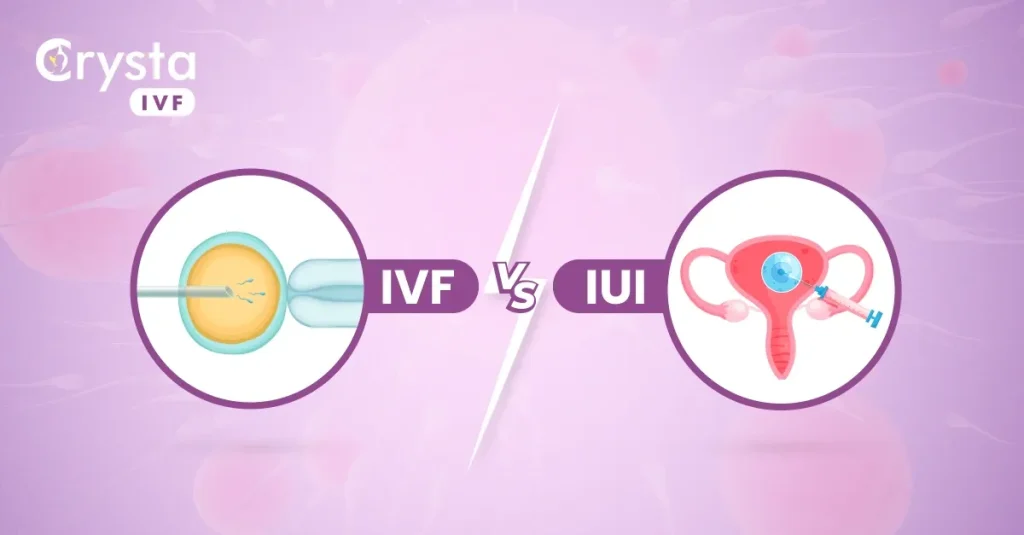
    Comparison of IVF and IUI procedures with illustrations of each method.

    Breaking Down the Science: Fertility Yoga vs Traditional Exercise for Conception

    A study published in the journal Fertility and Sterility in 2010 found that women who engaged in high-intensity exercise, such as running or aerobics, had a lower chance of becoming pregnant compared to women who engaged in low or moderate-intensity exercise. The study suggested that high levels of physical activity could disrupt the delicate balance of hormones needed for ovulation and conception. However, more research is needed to fully understand the relationship between traditional exercise and fertility.

    The Benefits of Combining Fertility Yoga with Traditional Exercise

    While both fertility yoga and traditional exercise have their unique benefits, combining the two can have even more positive effects on fertility. By incorporating both practices into one’s routine, individuals can reap the physical and mental benefits of traditional exercise while also promoting relaxation and balancing hormones through fertility yoga.

    Additionally, practicing both fertility yoga and traditional exercise can help individuals maintain a healthy weight, which is essential for fertility. Being under or overweight can affect hormone levels and disrupt the menstrual cycle, making it challenging to conceive.

    Incorporating Fertility Yoga into Your Routine

    If you are interested in trying fertility yoga, it is essential to consult with a certified instructor who specializes in this practice. They can guide you through the proper techniques and poses to target reproductive health and ensure you are practicing safely.

    It is also important to remember that fertility yoga is not a magic solution for infertility. While it can have positive effects on reproductive health, it should be used in conjunction with other healthy lifestyle choices, such as maintaining a healthy weight, eating a balanced diet, and managing stress levels.

    Summary:

    Fertility yoga and traditional exercise are both potential aids in improving fertility. Fertility yoga combines traditional yoga postures with breathing exercises and meditation to promote relaxation, balance hormones, and improve blood flow to the reproductive organs. Several studies have shown a positive correlation between fertility yoga and improved reproductive health. On the other hand, the impact of traditional exercise on fertility is not as clear-cut, with some studies suggesting that high-intensity exercise may have a negative effect on fertility. However, combining both practices can have even more positive effects on fertility, promoting physical and mental well-being. It is important to consult with a certified instructor and remember that fertility yoga should be used in conjunction with other healthy lifestyle choices.

  • Yoga for Fertility: How It Differs from Traditional Workouts

    Blog Post:

    For many couples struggling with fertility issues, the journey to parenthood can be a long and emotional one. In addition to seeking medical treatments and alternative therapies, many couples also turn to exercise as a way to improve their chances of conceiving. While traditional workouts can provide numerous physical and mental benefits, there is a specific type of exercise that is gaining popularity among those trying to conceive – yoga for fertility. In this blog post, we will explore the ways in which yoga differs from traditional workouts and how it can support fertility.

    Yoga is an ancient practice that combines physical postures, breathing techniques, and meditation to create a sense of balance and harmony in the body and mind. It has been used for centuries to promote overall health and wellbeing, and in recent years, it has also gained recognition for its potential benefits in supporting fertility.

    So, how does yoga differ from traditional workouts when it comes to fertility?

    Attending to the Mind-Body Connection

    One of the key ways in which yoga differs from traditional workouts is its emphasis on the mind-body connection. In traditional workouts, the focus is often on physical strength and endurance, with less attention paid to the mind and its role in overall health. However, in yoga, the mind and body are seen as interconnected, and the practice aims to bring balance and harmony to both.

    When it comes to fertility, stress and anxiety can have a significant impact on a couple’s ability to conceive. The body’s stress response can disrupt hormonal balance and affect reproductive functions. By practicing yoga, individuals can learn to tune into their bodies and become more aware of their thoughts and emotions. This increased awareness can help reduce stress and promote relaxation, which can be beneficial for fertility.

    Stimulating the Reproductive Organs

    Another way in which yoga differs from traditional workouts is its focus on specific poses and techniques that can stimulate the reproductive organs. In traditional workouts, the focus is primarily on building muscle and improving cardiovascular health. While these are important for overall wellbeing, they may not directly target the reproductive system.

    Cost breakdown for IUI components, including requirements, impacts, and alternatives.

    Yoga for Fertility: How It Differs from Traditional Workouts

    Yoga, on the other hand, has a variety of poses and techniques that specifically target the reproductive organs. For example, poses like the Butterfly Pose and the Reclining Bound Angle Pose can help increase blood flow to the pelvic area and stimulate the ovaries and uterus. These poses also help release tension in the hips and pelvis, which can improve the alignment of the reproductive organs.

    Promoting Hormonal Balance

    Hormonal imbalances can be a significant factor in fertility issues for both men and women. In traditional workouts, the focus is often on intense and high-impact exercises, which can increase cortisol (stress hormone) levels in the body. This, in turn, can disrupt hormonal balance and affect fertility.

    Yoga, on the other hand, is a low-impact exercise that focuses on slow and controlled movements, deep breathing, and relaxation. This can help reduce cortisol levels and promote the production of other hormones, such as estrogen and progesterone, which are crucial for fertility.

    Supporting Emotional Wellbeing

    Trying to conceive can take a toll on one’s emotional wellbeing, with feelings of frustration, disappointment, and stress being common. Traditional workouts may not address these emotions, and in some cases, intense and high-impact exercises may even increase them.

    Yoga, however, has a strong focus on mindfulness and meditation, which can help individuals cope with the emotional challenges of fertility. By practicing yoga, individuals can learn to manage their thoughts and emotions, reduce stress and anxiety, and cultivate a more positive mindset. This can be beneficial not only for fertility but also for overall mental health and wellbeing.

    Summary:

    Yoga for fertility differs from traditional workouts in several ways. Unlike traditional workouts, yoga focuses on the mind-body connection and aims to bring balance and harmony to both. It also includes specific poses and techniques that can stimulate the reproductive organs, promote hormonal balance, and support emotional wellbeing. By attending to the mind, body, and emotions, yoga can be a valuable tool for couples trying to conceive.

  • The Benefits of Fertility Yoga: A Comparison to Traditional Exercise

    BLOG POST:

    Fertility issues can be a difficult and emotional journey for many individuals and couples. While there are various medical treatments and procedures available, many are turning to alternative methods such as fertility yoga to help improve their chances of conceiving. Fertility yoga is a specialized form of yoga that focuses on poses and movements specifically designed to support reproductive health and enhance fertility. In this blog post, we will explore the benefits of fertility yoga and compare it to traditional exercise.

    First, let’s discuss the physical benefits of fertility yoga. Like traditional exercise, fertility yoga can improve overall physical health by increasing strength, flexibility, and stamina. However, what sets fertility yoga apart is its focus on the reproductive system. The practice includes specific poses and sequences that target the pelvic region, stimulating blood flow and increasing oxygen and nutrients to the reproductive organs. This can help regulate hormones and improve the function of the ovaries and uterus, ultimately improving fertility.

    Another major benefit of fertility yoga is its ability to reduce stress and promote relaxation. The journey towards parenthood can be incredibly stressful, and stress is known to have a negative impact on fertility. Fertility yoga incorporates breathing techniques and meditation, which can help calm the mind and reduce stress levels. This, in turn, can balance hormone levels and improve fertility.

    In addition to the physical and mental benefits, fertility yoga also has a spiritual aspect that can be beneficial for those trying to conceive. The practice of yoga focuses on connecting the mind, body, and spirit, allowing individuals to tune in to their inner selves and let go of any emotional blockages that may be hindering fertility. This can help individuals feel more positive and empowered, creating a sense of hope and optimism for their fertility journey.

    Now, let’s compare fertility yoga to traditional exercise. Traditional exercises such as running, weightlifting, and cycling are great for overall physical health and can also have a positive impact on fertility. However, these exercises tend to be more high-impact and can put a lot of stress on the body, especially for women who are trying to conceive. Fertility yoga, on the other hand, is a low-impact form of exercise that is gentle on the body. This makes it suitable for individuals who may have injuries or conditions that prevent them from doing more strenuous exercises.

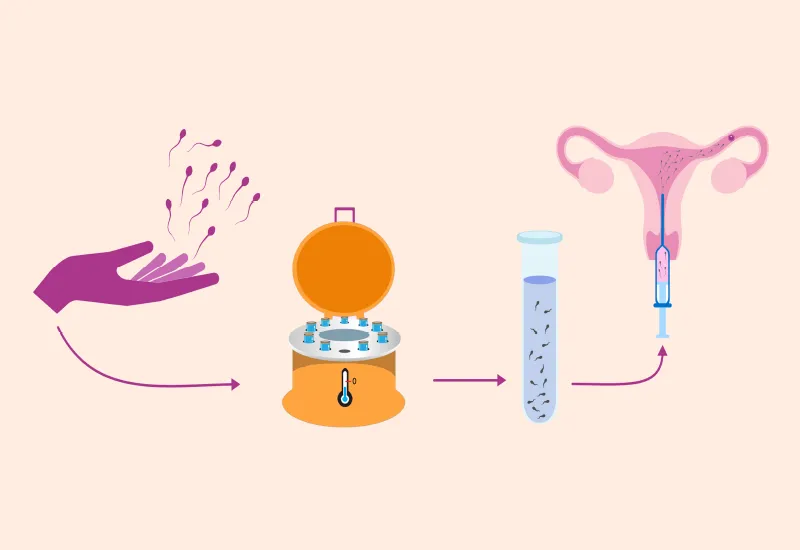
    illustration of the IUI process, showing sperm collection, preparation, and insertion into the uterus

    The Benefits of Fertility Yoga: A Comparison to Traditional Exercise

    Furthermore, traditional exercise can sometimes be monotonous and repetitive. Fertility yoga, on the other hand, offers a variety of poses and sequences that can keep the practice interesting and engaging. This can be especially beneficial for those going through the emotional rollercoaster of fertility treatments, as it provides a sense of mindfulness and relaxation.

    Additionally, fertility yoga is a holistic approach to fertility that takes into account the mind, body, and spirit, whereas traditional exercise primarily focuses on the physical aspect. By incorporating breathing techniques, meditation, and a spiritual connection, fertility yoga can address the emotional and psychological aspects of fertility, which can have a significant impact on conception.

    It is also worth mentioning that fertility yoga can be done together with traditional exercise. In fact, many individuals and couples who are trying to conceive find that a combination of both can be highly beneficial. While traditional exercise can provide a good workout and improve overall physical health, fertility yoga can offer a more specialized approach to support reproductive health and enhance fertility.

    In conclusion, fertility yoga offers a unique and effective way to support fertility and improve overall well-being. Its focus on the reproductive system, along with its ability to reduce stress and promote relaxation, make it a valuable tool for individuals and couples trying to conceive. By incorporating fertility yoga into their daily routine, individuals can not only improve their chances of conceiving but also find a sense of balance and harmony in their fertility journey.

    SUMMARY:

    This blog post discussed the benefits of fertility yoga and compared it to traditional exercise. Fertility yoga offers physical benefits such as improved reproductive function and hormone balance, as well as mental benefits such as stress reduction and spiritual connection. Compared to traditional exercise, fertility yoga is low-impact, holistic, and can be done in combination with other exercises. By incorporating fertility yoga into their routine, individuals can improve their chances of conceiving and find a sense of balance and harmony in their fertility journey.

    SEO metadata:

  • The Legalities of DIY Insemination: Ensuring a Safe and Secure Process for All Parties Involved

    Blog Post:

    DIY insemination, also known as at-home insemination, is a method of conception that involves using a sperm donor to fertilize an egg without medical assistance. This process has become increasingly popular among individuals and couples who are looking to start a family on their own terms, without the involvement of a traditional fertility clinic. While DIY insemination can be a viable option for many, it is important to understand the legalities involved in order to ensure a safe and secure process for all parties involved.

    Legal Considerations for Sperm Donors:

    The first and most important aspect to consider in DIY insemination is the legal implications for sperm donors. In most countries, the person who provides the sperm is legally recognized as the father of the child, unless proven otherwise. This means that without proper legal documentation, a sperm donor may have legal rights and responsibilities towards the child, such as financial support and custody. It is crucial for sperm donors to understand and protect their legal rights before agreeing to donate sperm.

    One way to protect the rights of sperm donors is through a written agreement between all parties involved. This agreement should clearly outline the intention of the donor to have no legal rights or responsibilities towards the child. It should also address any potential legal implications, such as parental rights and financial obligations. It is recommended to seek legal advice when drafting such an agreement to ensure that it is legally binding and enforceable.

    Legal Considerations for Recipients:

    On the other hand, recipients of the sperm also have legal considerations to take into account. In many countries, the law recognizes the person who gives birth to the child as the legal mother, regardless of who the genetic mother is. This means that if a woman uses a sperm donor to conceive, her partner or spouse may not have any legal rights or responsibilities towards the child. In the event of separation or divorce, this could lead to a complicated custody battle for the non-biological parent.

    To avoid such circumstances, it is important for recipients to take legal steps to establish their partner’s legal rights as a parent to the child. This can be done through a legal agreement or by obtaining a second-parent adoption, which allows the non-biological parent to become a legal parent of the child. It is crucial to consult with a lawyer to ensure that all legal requirements are met and that the rights of both parents are protected.

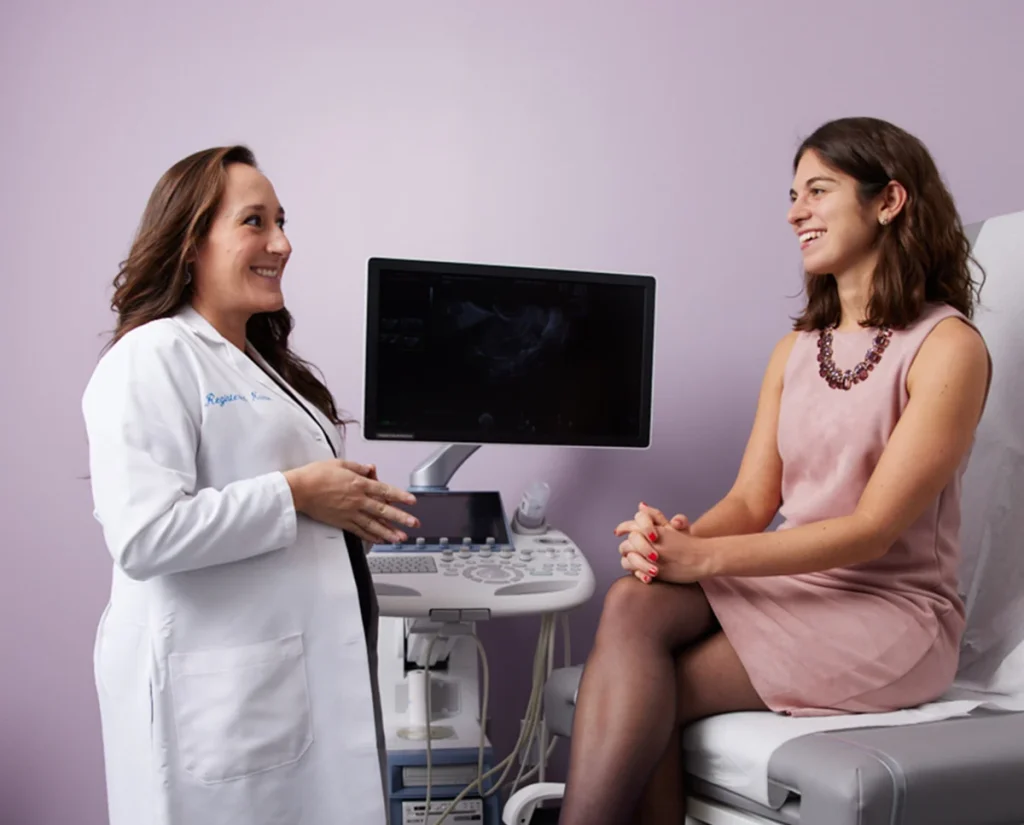
    doctor discussing treatment with a patient in a medical office, featuring an ultrasound machine in the background

    The Legalities of DIY Insemination: Ensuring a Safe and Secure Process for All Parties Involved

    Risks of DIY Insemination:

    Aside from the legal considerations, there are also potential risks involved in DIY insemination that both donors and recipients should be aware of. These risks include the potential for sexually transmitted infections (STIs) and the potential for the donor to have a genetic condition that could be passed on to the child. In a traditional fertility clinic, donors are thoroughly screened for these risks, but in DIY insemination, this responsibility falls on the individuals involved.

    To reduce these risks, it is important for both parties to undergo STI testing and receive genetic counseling before proceeding with insemination. This not only ensures the health and safety of all parties involved, but also protects the well-being of the potential child.

    Legal Implications for the Child:

    The legal implications of DIY insemination also extend to the child. In many countries, children conceived through DIY insemination may not have access to important information about their biological origin, such as the identity of the donor. This could lead to complex emotional and psychological issues for the child, as they may have questions about their identity and medical history.

    To address these concerns, it is recommended for donors to be open to the possibility of future contact with the child. This could mean providing identifying information or agreeing to meet the child once they reach a certain age. Recipients should also consider the potential impact on the child and be open to discussing the child’s origins and answering any questions they may have.

    Summary:

    DIY insemination can be a viable option for individuals and couples looking to start a family, but it is important to understand the legalities involved. Sperm donors should protect their legal rights through a written agreement, while recipients should take legal steps to establish their partner’s rights as a parent. Both parties should also be aware of the potential risks involved and take necessary precautions to protect the health and well-being of all parties involved. Furthermore, the legal implications for the child should also be considered, and open communication and transparency between all parties can help address any potential issues.

    In conclusion, DIY insemination can be a safe and secure process for all parties involved if proper legal considerations are taken into account. It is important to consult with legal professionals and have open communication between all parties to ensure a smooth and legally sound process.

  • Home Insemination vs Clinical Insemination: Legal Considerations for Self-Insemination

    Home Insemination vs Clinical Insemination: Legal Considerations for Self-Insemination

    In recent years, there has been a rise in the popularity of self-insemination methods, particularly home insemination. With advancements in technology and the availability of at-home insemination kits, many couples and individuals are opting for this method as a more affordable and convenient way to conceive. However, before embarking on this journey, it is essential to consider the legal implications of self-insemination, particularly in comparison to clinical insemination. In this blog post, we will explore the legal considerations for self-insemination and how they differ from clinical insemination.

    What is Home Insemination?

    Home insemination, also known as self-insemination, is the process of using a DIY method to conceive without medical intervention. This method involves collecting sperm from a donor (either a known or anonymous donor) and inserting it into the vagina using a syringe or a specialized at-home insemination kit. Home insemination can be done through various methods, such as intracervical insemination (ICI), intrauterine insemination (IUI), and intravaginal insemination (IVI).

    What is Clinical Insemination?

    Clinical insemination, also known as assisted insemination, is a medical procedure that involves the use of a healthcare professional to inseminate sperm into the vagina, cervix, or uterus. This method is usually done in a doctor’s office or a fertility clinic and can involve various techniques, such as IUI, IVF, and ICSI.

    Legal Considerations for Self-Insemination

    1. Parentage and Legal Rights

    One of the most critical legal considerations for self-insemination is parentage and legal rights. In most countries, the law recognizes the donor as the legal father of the child, regardless of whether they are known or anonymous. This means that the donor may have parental rights and responsibilities, such as custody, visitation, and financial support. In some cases, the donor may also be liable for child support payments.

    To avoid potential legal issues, it is essential to have a written agreement in place between the donor and the intended parent(s). This agreement should clearly outline the roles and responsibilities of each party and address issues such as parental rights and financial support. It is advisable to seek legal advice when drafting this agreement to ensure that it is legally binding and enforceable.

    2. Health and Safety

    Illustration showing fertilization and implantation timeline with a woman looking hopeful.

    Home Insemination vs Clinical Insemination: Legal Considerations for Self-Insemination

    Another important consideration for self-insemination is health and safety. Unlike clinical insemination, which is done under the supervision of a healthcare professional, home insemination carries a higher risk of infection and other health complications. Without proper training and knowledge, there is a risk of introducing bacteria into the reproductive system, which can lead to serious health issues. It is crucial to follow proper hygiene practices and use sterile equipment to reduce the risk of infection.

    Additionally, it is essential to ensure that the donor undergoes proper screening for sexually transmitted infections (STIs) and other genetic disorders to minimize the risk of passing them on to the child. In a clinical setting, donors are screened thoroughly, and their medical history is thoroughly examined to ensure the health and safety of the recipient and the child.

    3. Legal Recognition of Parent-Child Relationship

    The legal recognition of the parent-child relationship is another crucial consideration for self-insemination. In some countries, the law may not recognize the intended parent(s) as the legal parent(s) of the child in cases of self-insemination. This means that the child may not have access to legal benefits and protections, such as inheritance rights, medical insurance, and citizenship, among others.

    To ensure the legal recognition of the parent-child relationship, it is advisable to seek legal advice and obtain a court order or a second parent adoption if necessary. This will establish the legal relationship between the intended parent and the child and provide the child with all the legal protections and benefits.

    4. Donor Anonymity and Confidentiality

    One of the significant differences between home insemination and clinical insemination is donor anonymity and confidentiality. In clinical insemination, donors are usually anonymous, and their identity is kept confidential to protect their privacy. On the other hand, in self-insemination, donors may be known to the recipient, and their identity may not be kept confidential.

    This raises concerns about the potential impact on the child’s well-being, such as the child’s right to know their biological origins and potential psychological and emotional effects of not knowing their donor. To address these concerns, it is crucial to have open and honest communication with the donor and establish clear boundaries and expectations.

    Conclusion

    In conclusion, self-insemination is a viable option for couples and individuals looking to conceive without medical intervention. However, it is essential to consider the legal implications of self-insemination and seek legal advice when necessary. Factors such as parentage and legal rights, health and safety, legal recognition of the parent-child relationship, and donor anonymity and confidentiality should be carefully considered before embarking on this journey. By understanding the legal considerations and taking the necessary precautions, self-insemination can be a successful and fulfilling experience for all parties involved.

    Summary:

    Home insemination, also known as self-insemination, is a popular method for conceiving without medical intervention. However, before embarking on this journey, it is crucial to consider the legal implications of self-insemination. In this blog post, we explored the legal considerations for self-insemination, such as parentage and legal rights, health and safety, legal recognition of the parent-child relationship, and donor anonymity and confidentiality. By understanding these factors and seeking legal advice when necessary, self-insemination can be a successful and fulfilling experience for all parties involved.