Tag: IUI

  • The Pros and Cons: Intrauterine Insemination vs In Vitro Fertilization

    Blog Post Title: The Pros and Cons: Intrauterine Insemination vs In Vitro Fertilization

    Infertility affects millions of couples around the world, making it a common and often heartbreaking struggle for many. Fortunately, advances in medical technology have provided options for couples who are having difficulty conceiving naturally. Two popular options for assisted reproduction are Intrauterine Insemination (IUI) and In Vitro Fertilization (IVF). While both procedures have the same goal of helping couples conceive, they differ in method and success rates. In this blog post, we will discuss the pros and cons of IUI and IVF to help couples make an informed decision on which option is best for them.

    Intrauterine Insemination (IUI)

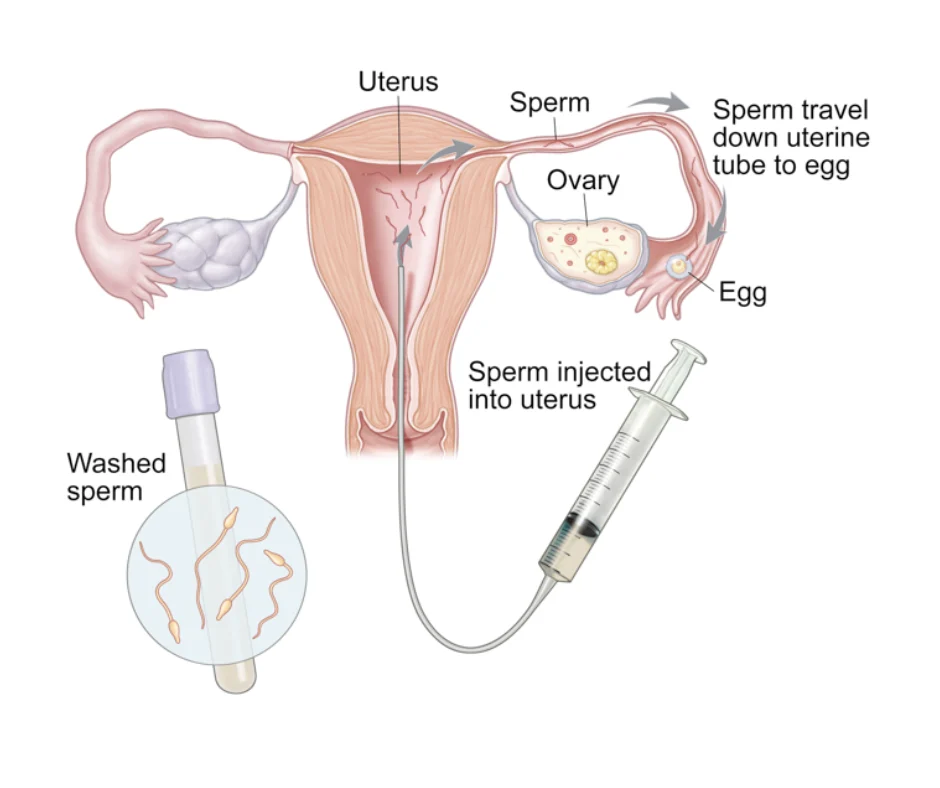
    IUI, also known as artificial insemination, is a simple and less invasive procedure compared to IVF. It involves the placement of washed sperm directly into the uterus, bypassing the cervix, and increasing the chances of fertilization. IUI is often recommended for couples with unexplained infertility, low sperm count, or cervical issues. Here are some pros and cons of IUI to consider:

    Pros:
    1. Less invasive: IUI is a relatively simple and painless procedure that does not require any anesthesia or major surgery. This makes it a convenient option for couples who are not comfortable with more invasive procedures.

    2. Cost-effective: In comparison to IVF, IUI is a more affordable option. The procedure itself is less expensive, and it also does not require as many medications and monitoring, reducing the overall cost.

    3. Increases sperm count: For couples with male factor infertility, IUI can be an effective way to increase the number of sperm reaching the uterus, increasing the chances of fertilization.

    4. Fewer side effects: The medications used in IUI are milder and have fewer side effects compared to those used in IVF.

    Cons:
    1. Lower success rates: The success rate of IUI varies depending on factors such as age, fertility issues, and the number of cycles attempted. On average, the success rate is around 10-20% per cycle, which is lower than IVF.

    2. Limited to certain conditions: IUI is not suitable for all types of infertility. For example, if a woman has blocked fallopian tubes or severe male factor infertility, IUI may not be an effective option.

    3. Multiple pregnancies: One of the risks of IUI is the possibility of multiple pregnancies, which can increase the chances of complications during pregnancy and delivery.
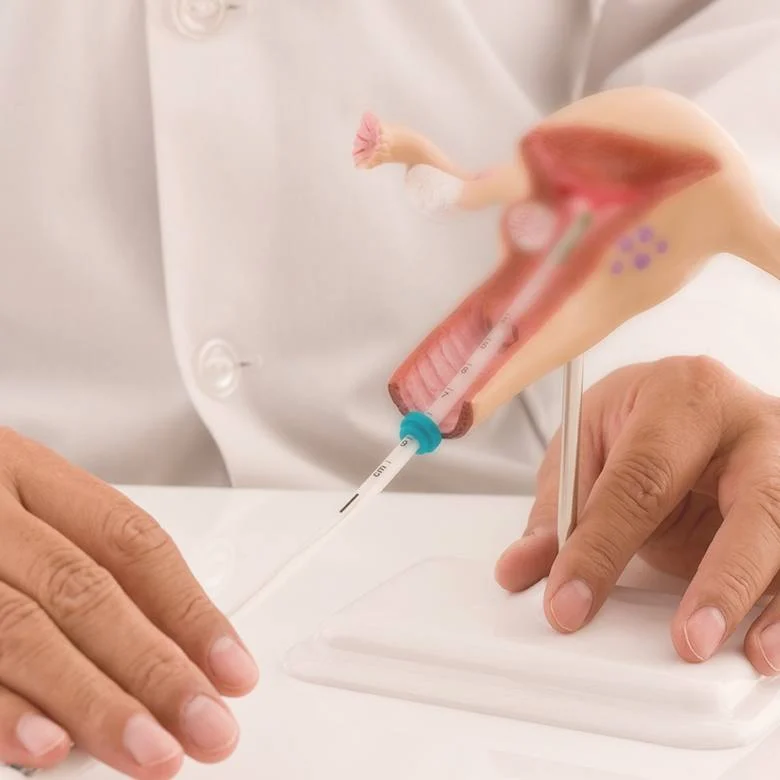
    model of the female reproductive system with a hand demonstrating intrauterine insemination technique

    The Pros and Cons: Intrauterine Insemination vs In Vitro Fertilization

    In Vitro Fertilization (IVF)

    IVF is a more complex and invasive procedure that involves fertilizing an egg with sperm in a laboratory setting before transferring the embryo into the uterus. It is often recommended for couples with more severe fertility issues, such as advanced age, tubal factor infertility, or endometriosis. Let’s take a look at the pros and cons of IVF:

    Pros:
    1. Higher success rates: The success rates of IVF are higher compared to IUI, with an average of 40-50% per cycle. This is because the fertilization process takes place in a controlled laboratory environment, increasing the chances of a successful pregnancy.

    2. Suitable for various fertility issues: IVF is a more versatile option, making it suitable for various types of infertility, including advanced maternal age, tubal blockages, and male factor infertility.

    3. Genetic testing: IVF allows for the option of genetic testing of embryos before implantation, which can help identify any potential genetic disorders and increase the chances of a successful pregnancy.

    4. Higher chances of a single pregnancy: Unlike IUI, IVF has a lower risk of multiple pregnancies, reducing the chances of complications during pregnancy and delivery.

    Cons:
    1. More invasive: IVF involves a more invasive process, including hormone injections, egg retrieval, and embryo transfer, which can be physically and emotionally taxing for some women.

    2. Higher cost: IVF is a more expensive option compared to IUI, with the cost of medications, procedures, and monitoring adding up quickly.

    3. Risks of complications: As with any medical procedure, there are risks of complications with IVF, such as ovarian hyperstimulation syndrome (OHSS) and multiple pregnancies.

    4. Emotional toll: The IVF process can be emotionally draining for couples, as it involves a lot of waiting, uncertainty, and disappointment if the cycle is unsuccessful.

    Summary:
    Both IUI and IVF are viable options for couples struggling with infertility. IUI is a less invasive and more cost-effective option, while IVF has a higher success rate and is suitable for various types of fertility issues. However, both procedures have their own set of pros and cons, and the choice ultimately depends on the couple’s specific situation and preferences. Consulting with a fertility specialist can help couples make an informed decision on which option is best for them.
  • The Pros and Cons of Artificial Insemination vs IVF

    Blog Post: The Pros and Cons of Artificial Insemination vs IVF

    In the world of fertility treatments, there are two main methods that are commonly used: artificial insemination and in vitro fertilization (IVF). Both techniques have been successful in helping couples and individuals overcome infertility and achieve their dream of having a child. However, they differ in their approach and have their own set of advantages and disadvantages. In this blog post, we will discuss the pros and cons of artificial insemination vs IVF to help you make an informed decision about which treatment may be right for you.

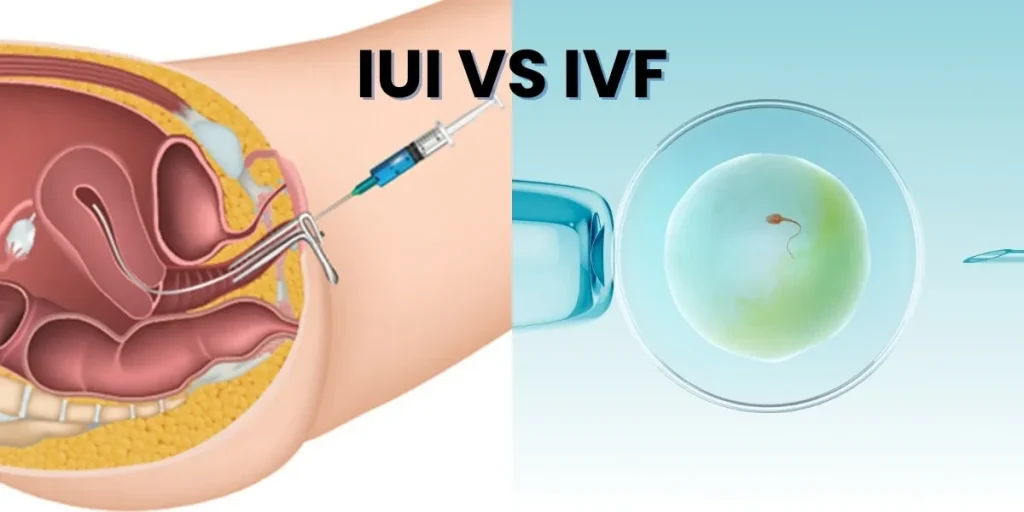
    Artificial insemination, also known as intrauterine insemination (IUI), is a procedure in which sperm is placed directly into a woman’s uterus to fertilize an egg. This can be done with a partner’s sperm or donor sperm. On the other hand, IVF is a more complex procedure that involves retrieving eggs from a woman’s ovaries, fertilizing them with sperm in a laboratory, and then transferring the resulting embryo back into the woman’s uterus.

    Let’s take a closer look at the pros and cons of each method:

    Pros of Artificial Insemination:

    1. Less invasive and less expensive: Artificial insemination is a relatively simple and less invasive procedure compared to IVF. It does not require any surgical procedures and can be done in a doctor’s office. This also makes it less expensive, making it a more accessible option for couples who may not have the means to afford IVF.

    2. Can be done with fresh or frozen sperm: Unlike IVF, which requires fresh sperm, artificial insemination can be done using fresh or frozen sperm. This gives couples the flexibility to use donor sperm or to collect and freeze their partner’s sperm for future use.

    3. Can be used for various fertility issues: Artificial insemination can be used to treat a wide range of fertility issues, including cervical factor infertility, male factor infertility, and unexplained infertility. It can also be used by single women or same-sex couples who want to have a child.

    4. Increased chance of success for certain fertility issues: For couples with mild male factor infertility, artificial insemination can significantly increase their chances of conception. This is because the sperm is placed directly into the uterus, bypassing any potential issues with sperm motility or morphology.

    Cons of Artificial Insemination:

    1. Lower success rates: The success rates of artificial insemination are lower compared to IVF. This is because the sperm still needs to travel through the fallopian tubes to reach the egg, which can be a barrier for some couples.

    comparison of IUI and IVF fertility treatments with illustrations of procedures and a petri dish with an egg and sperm

    The Pros and Cons of Artificial Insemination vs IVF

    2. Risk of multiple pregnancies: There is a higher risk of multiple pregnancies with artificial insemination, especially when using fertility medications to stimulate ovulation. This can increase the chances of complications during pregnancy and delivery.

    3. Limited control over genetic factors: With artificial insemination, the couple has limited control over the genetic factors of their child. This can be a concern for couples who want to have a child with specific genetic traits.

    Pros of IVF:

    1. Higher success rates: IVF has a higher success rate compared to artificial insemination. This is because the eggs are fertilized outside the body, giving the doctors more control over the process.

    2. Can be used for more complex fertility issues: IVF can be used to treat more complex fertility issues, such as tubal factor infertility, endometriosis, and male factor infertility. It also offers a higher chance of success for couples with multiple failed IUI attempts.

    3. Genetic screening: With IVF, couples have the option to undergo genetic screening of their embryos to detect any potential genetic abnormalities. This can help prevent passing on genetic disorders to their child.

    Cons of IVF:

    1. Invasive and expensive: IVF is a more invasive and complex procedure compared to artificial insemination. It requires multiple appointments, hormone injections, and surgical procedures, making it more expensive than artificial insemination.

    2. Increased risk of complications: The use of fertility medications and the retrieval of eggs can lead to potential complications, such as ovarian hyperstimulation syndrome and multiple pregnancies.

    3. Limited number of embryos: During IVF, doctors will typically retrieve multiple eggs, but not all of them may fertilize or develop into healthy embryos. This can limit the number of embryos available for transfer, reducing the chances of success.

    In summary, both artificial insemination and IVF have their own set of pros and cons. While artificial insemination is a less invasive and less expensive option, it may have lower success rates and a higher risk of multiple pregnancies. On the other hand, IVF offers higher success rates and can treat more complex fertility issues, but it is more invasive and expensive. It is important to consult with a fertility specialist to determine which treatment may be the best option for your specific situation.

    SEO Metadata:

  • Natural Conception vs Assisted Reproduction: A Personal Journey and Reflection

    Blog post:

    Natural Conception vs Assisted Reproduction: A Personal Journey and Reflection

    Becoming a parent is a dream for many people. The idea of creating a new life and watching it grow and thrive is a deeply human desire. However, for some individuals or couples, the journey to parenthood may not be as straightforward as they had hoped. This is where the topic of natural conception vs assisted reproduction comes into play. In this blog post, I will share my personal journey and reflections on this topic, hoping to shed light on the emotional, physical, and ethical aspects of both methods of conception.

    My husband and I had been trying to conceive for over a year with no success. As each month went by, we became more and more frustrated and worried. We decided to seek medical advice, and after a series of tests, we were told that we had unexplained infertility. This diagnosis left us feeling confused, helpless, and heartbroken. We had always imagined starting a family naturally, and the idea of assisted reproduction was daunting to us.

    We began to research and explore our options, and we soon learned that there are several methods of assisted reproduction, including in vitro fertilization (IVF), intrauterine insemination (IUI), and donor conception. Each method comes with its own set of pros and cons, and we were overwhelmed with the information we were presented with. We also had to consider the financial aspect of these treatments, as they can be quite costly.

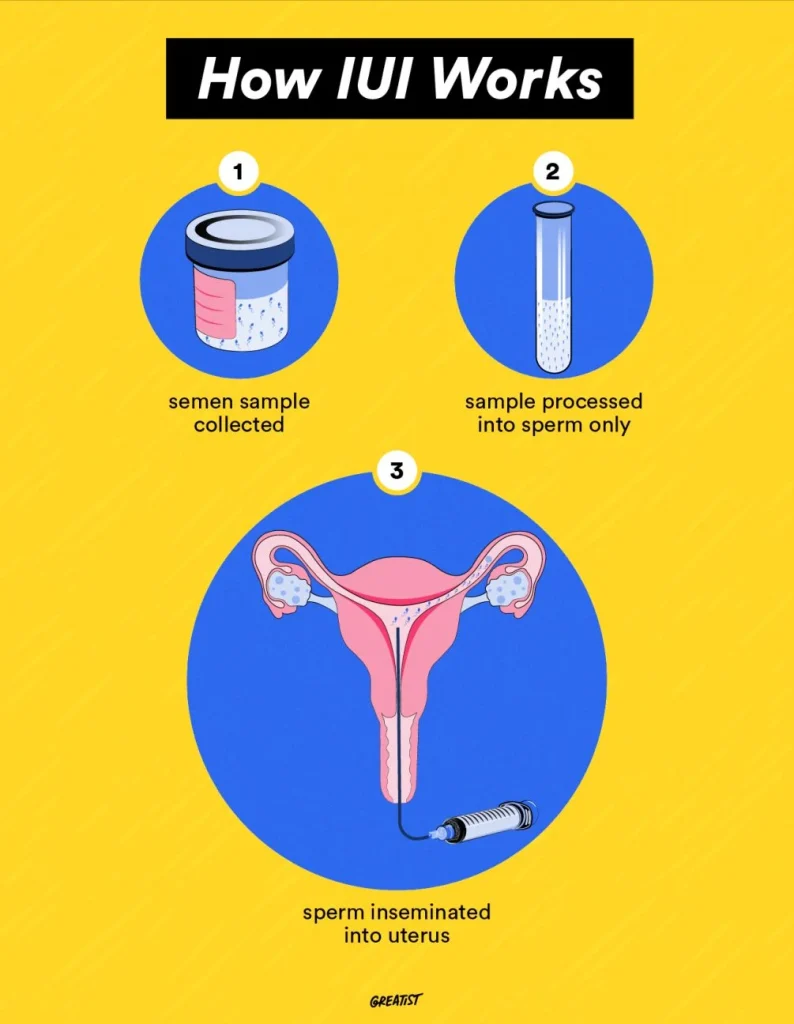
    After much contemplation and discussions with our doctor, we decided to try IUI. This method involves placing washed and concentrated sperm directly into the uterus, increasing the chances of fertilization. It was less invasive and less expensive than IVF, and we were hopeful that it would work for us. However, after several unsuccessful attempts, we were left feeling defeated and disappointed. We were emotionally and physically drained, and our relationship was also being tested.

    illustration explaining the steps of intrauterine insemination (IUI) process on a bright yellow background

    Natural Conception vs Assisted Reproduction: A Personal Journey and Reflection

    It was then that we decided to take a break from assisted reproduction and focus on our mental and emotional well-being. We also looked into alternative methods such as acupuncture and herbal supplements, hoping that they would increase our chances of conceiving naturally. We were determined to exhaust all options before considering IVF, which seemed like a last resort to us.

    During this time, we also reflected on the ethical aspects of assisted reproduction. We had to consider the use of fertility drugs and the risk of multiple pregnancies, as well as the possibility of having leftover embryos. We also thought about the potential impact on the child, as they may not have a genetic connection to one or both of us. These were difficult conversations, but we knew we had to address them before moving forward with any treatment.

    After a year of trying alternative methods, we finally received the news we had been longing for – we were pregnant. It was a surreal and joyous moment, and we were grateful for every step of our journey, including the struggles and setbacks. Looking back, I realize that our journey to parenthood was not just about the end goal of having a child, but also about the personal growth and strength we gained along the way.

    Reflecting on our experience, I have come to appreciate both natural conception and assisted reproduction. Natural conception is a beautiful and miraculous process, and I am in awe of those who are able to conceive without any assistance. However, I also understand the desire for individuals and couples to seek help in fulfilling their dream of parenthood. Assisted reproduction offers hope and possibilities for those who may not be able to conceive naturally, and it should not be stigmatized or judged.

    In conclusion, the journey to parenthood is a personal and unique one for each individual or couple. It is a journey filled with highs and lows, and it is important to consider all options and make informed decisions that are best for you and your family. Whether it be through natural conception or assisted reproduction, the end goal of creating a loving and nurturing environment for a child remains the same.

    Summary:

    In this blog post, the author shares their personal journey and reflections on the topic of natural conception vs assisted reproduction. After struggling with unexplained infertility, they explore the different methods of assisted reproduction and share their experiences with IUI. They also discuss the emotional, physical, and ethical aspects of both natural and assisted conception and the importance of mental and emotional well-being during the journey to parenthood. After trying alternative methods and addressing ethical concerns, the author and their partner finally conceive naturally and reflect on the growth and strength gained throughout their journey.

  • The Pros and Cons of Natural Conception vs Assisted Reproduction

    Blog Post: The Pros and Cons of Natural Conception vs Assisted Reproduction

    The decision to start a family is one of the biggest and most life-changing choices a person can make. For many couples, conception happens naturally, but for others, it may require the assistance of medical procedures. In recent years, assisted reproduction techniques, such as in vitro fertilization (IVF) and intrauterine insemination (IUI), have become more widely available and accepted. While these methods can help individuals and couples achieve their dream of having a child, they also come with their own set of pros and cons. In this blog post, we will explore the advantages and disadvantages of natural conception versus assisted reproduction.

    Natural Conception: The Pros

    1. The Emotional Connection
    Many couples who conceive naturally report feeling a strong emotional bond with their child from the very beginning. The process of trying to conceive and the anticipation of pregnancy can bring couples closer together, creating a strong emotional connection with their child even before they are born.

    2. No Medical Procedures
    Natural conception requires no medical procedures or interventions, making it a simpler and less invasive process. This can be a relief for couples who are uncomfortable with the idea of undergoing medical treatments or procedures.

    3. Less Expensive
    Compared to assisted reproduction techniques, natural conception is significantly less expensive. Couples do not have to pay for fertility treatments, medications, or doctor visits, which can add up to a significant amount of money.

    4. Higher Success Rates
    While it may take longer for some couples to conceive naturally, the success rates of natural conception are higher than assisted reproduction techniques. This is because natural conception involves the natural process of sperm meeting the egg, which is how our bodies are designed to reproduce.

    Natural Conception: The Cons

    1. Unpredictability
    One of the biggest drawbacks of natural conception is the unpredictability of the process. It can take months or even years for some couples to conceive, and there is no guarantee that it will happen at all. This uncertainty can be emotionally taxing and can cause stress and anxiety for couples.

    2. Age-Related Fertility Decline
    As women age, their fertility declines, which can make it more difficult to conceive naturally. After the age of 35, a woman’s chances of getting pregnant decrease significantly, and after 40, it becomes even more challenging. This can be a significant disadvantage for couples who decide to start a family later in life.

    diagram illustrating intrauterine insemination process, showing sperm injection into the uterus and egg fertilization pathway

    The Pros and Cons of Natural Conception vs Assisted Reproduction

    3. Health Issues
    Certain health issues can make it difficult for couples to conceive naturally. These include conditions such as endometriosis, uterine fibroids, and polycystic ovary syndrome (PCOS). In some cases, these health issues may require medical intervention to overcome, making natural conception impossible.

    Assisted Reproduction: The Pros

    1. Increased Chance of Conception
    For couples who have been struggling to conceive naturally, assisted reproduction techniques offer a higher chance of success. IVF and IUI can bypass any potential barriers to conception and increase the chances of fertilization and pregnancy.

    2. Can Help with Specific Fertility Issues
    Assisted reproduction techniques can be beneficial for couples who have specific fertility issues. For instance, IVF can help women with blocked fallopian tubes or men with low sperm count. These techniques can also help same-sex couples and single individuals who want to start a family.

    3. Allows for Genetic Testing
    With assisted reproduction, couples have the option to undergo genetic testing before conception. This can help identify any potential genetic disorders or abnormalities, giving couples the option to choose a healthy embryo for implantation.

    Assisted Reproduction: The Cons

    1. Expensive
    One of the most significant drawbacks of assisted reproduction techniques is the cost. IVF and IUI can be expensive, with an average cost of $12,000 per cycle. This can be a financial burden for many couples, especially if multiple cycles are needed.

    2. Emotional Toll
    The process of assisted reproduction can be emotionally taxing for couples. The constant monitoring, hormone injections, and waiting for the results can take a toll on a couple’s mental health. The possibility of failed cycles can also be devastating for couples who have put all their hopes and resources into the process.

    3. Risk of Multiple Births
    With assisted reproduction techniques, there is a higher risk of multiple births, such as twins or triplets. While this may seem like a positive outcome for some, multiple pregnancies come with their own set of challenges and complications.

    Summary:

    Natural conception and assisted reproduction techniques both have their pros and cons. Natural conception offers an emotional connection with the child, no medical procedures, and higher success rates, but it can also be unpredictable and affected by age and health issues. On the other hand, assisted reproduction techniques can increase the chances of conception and help with specific fertility issues, but they can be expensive, emotionally taxing, and carry a risk of multiple births. Ultimately, the decision between natural conception and assisted reproduction should be based on individual circumstances, preferences, and medical advice.