Tag: Conception

  • Navigating Fertility: Comparing Apps and Traditional Tracking Tools

    Navigating Fertility: Comparing Apps and Traditional Tracking Tools

    Fertility is a topic that has been gaining more attention in recent years as more couples struggle with conceiving. With advancements in technology, there are now various apps and traditional tracking tools available to help individuals and couples navigate their fertility journey. In this blog post, we will explore the different options and compare apps and traditional tracking tools to help you decide which one may be best for you.

    Understanding Fertility Tracking

    Before diving into the comparison, it’s important to understand the basics of fertility tracking. Fertility tracking involves monitoring and recording various fertility signs such as menstrual cycle, basal body temperature, cervical mucus, and ovulation. By tracking these signs, individuals can identify their most fertile days and increase their chances of conception.

    Apps for Fertility Tracking

    In recent years, there has been a surge in the popularity of fertility tracking apps. These apps use algorithms and data input by users to predict ovulation and fertile days. There are many different apps available, each with its unique features and interface. Some popular options include Clue, Flo, and Glow.

    Pros of Apps for Fertility Tracking

    One of the main advantages of using an app for fertility tracking is convenience. Most apps are available for download on smartphones, making it easy to track on-the-go. These apps also have features that allow users to input data such as menstrual cycle length, ovulation test results, and other fertility signs, making it easier to keep track of everything in one place. Additionally, some apps offer additional features such as personalized insights, community forums, and partner syncing options.

    Cons of Apps for Fertility Tracking

    One of the main drawbacks of using fertility tracking apps is their reliance on algorithms and data input by users. This means that the accuracy of predictions and fertile window may vary from person to person. Some apps also require a paid subscription for full access to features, which can be costly in the long run.

    Traditional Tracking Tools

    Traditional tracking tools have been used for decades to monitor fertility signs. These tools include ovulation predictor kits (OPKs), basal body temperature thermometers, and cervical mucus monitoring. Unlike apps, these tools do not rely on algorithms or data input and instead provide more accurate readings of fertility signs.
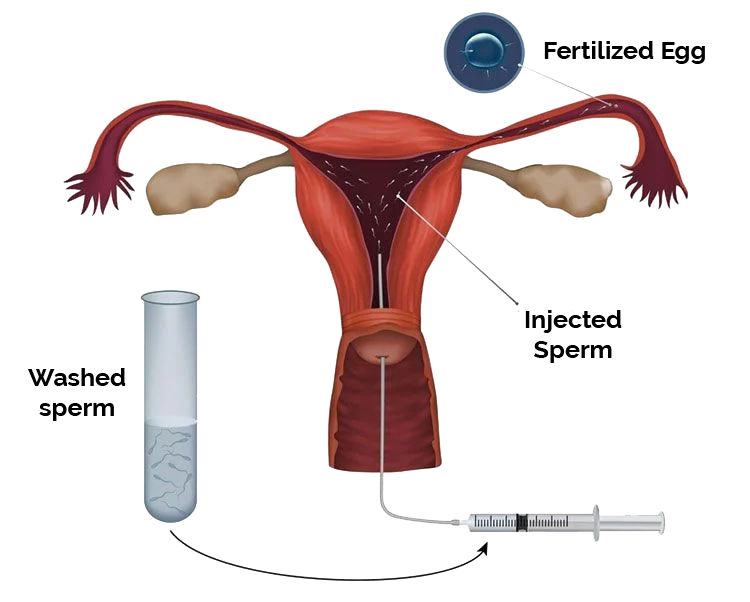
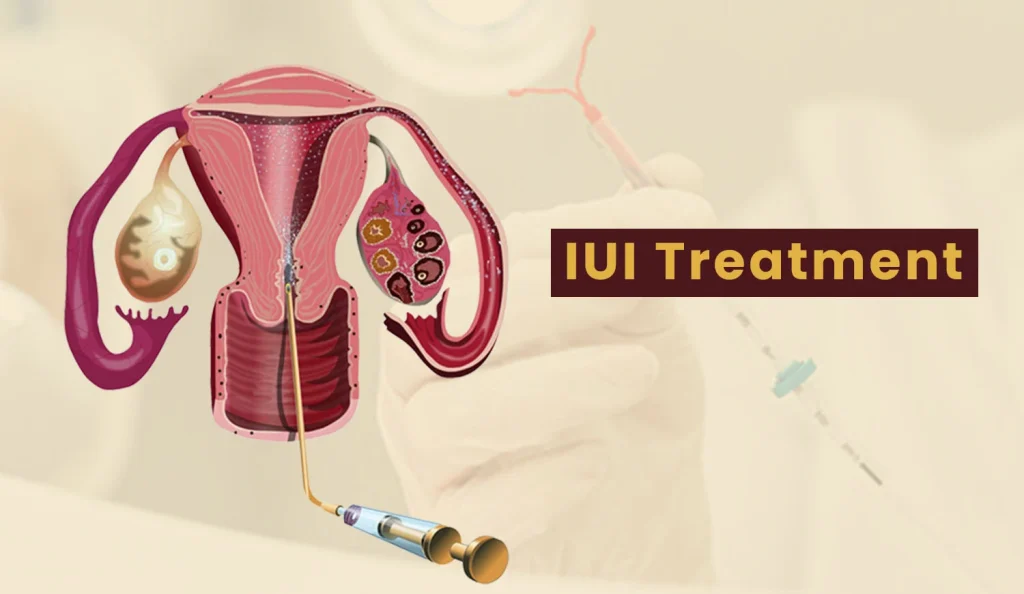
    diagram of the female reproductive system with an IUI syringe and test tube for artificial insemination

    Navigating Fertility: Comparing Apps and Traditional Tracking Tools

    Pros of Traditional Tracking Tools

    One of the main advantages of traditional tracking tools is their accuracy. OPKs, for example, use urine tests to detect the surge in luteinizing hormone, which is a primary indicator of ovulation. Basal body temperature thermometers are also highly accurate in detecting changes in body temperature that occur during ovulation. Additionally, these tools are often more affordable in the long run compared to fertility tracking apps.

    Cons of Traditional Tracking Tools

    One of the main drawbacks of traditional tracking tools is the inconvenience and time commitment required. For example, basal body temperature thermometers require daily temperature readings at the same time each morning, which can be challenging for individuals with irregular sleep schedules. OPKs also require daily testing during the predicted fertile window, which can be costly and time-consuming.

    Comparing Apps and Traditional Tracking Tools

    When it comes to comparing apps and traditional tracking tools, it ultimately depends on personal preference and individual fertility needs. Apps offer convenience and additional features, while traditional tracking tools provide more accurate readings. Some individuals may find it beneficial to use a combination of both methods for a more comprehensive tracking approach.

    Tips for Effective Fertility Tracking

    Regardless of whether you choose to use apps or traditional tracking tools, there are some tips that can help make your fertility tracking more effective:

    1. Be consistent: Whether using an app or traditional tracking tool, it’s important to be consistent with tracking your fertility signs. This will provide more accurate data and help identify patterns.

    2. Educate yourself: It’s essential to understand the basics of fertility and how tracking works to make informed decisions about your fertility journey.

    3. Seek professional help: If you are struggling to conceive or have concerns about your fertility, it’s best to consult a healthcare professional for guidance and support.

    Summary:

    Fertility tracking is essential for individuals and couples who are trying to conceive. With advancements in technology, there are now various apps and traditional tracking tools available to help in this process. Apps offer convenience and additional features, while traditional tracking tools provide more accurate readings. Some tips for effective fertility tracking include being consistent, educating yourself, and seeking professional help if needed.
  • The Pros and Cons of Fertility Tracking Apps and Traditional Methods

    Blog Post:

    Fertility tracking is a crucial aspect for many couples who are trying to conceive or avoid pregnancy. In the past, traditional methods such as calendar tracking and cervical mucus observation were used to track fertility. However, with the rise of technology, fertility tracking apps have become increasingly popular. These apps claim to make the process of tracking fertility easier and more accurate. But are they really better than traditional methods? In this blog post, we will discuss the pros and cons of fertility tracking apps and traditional methods.

    Pros of Fertility Tracking Apps:

    1. Convenience: One of the biggest advantages of using fertility tracking apps is convenience. These apps can be easily downloaded on smartphones and can be used anytime and anywhere. Unlike traditional methods, where you need to keep a physical record, these apps automatically track and store your data, making it easier for you to view and analyze your fertility patterns.

    2. Accurate Predictions: Fertility tracking apps use advanced algorithms and data analysis to predict ovulation and fertile days. These predictions are based on the user’s menstrual cycle data, making them more accurate than traditional methods. This helps couples to plan their intercourse more effectively, increasing their chances of conceiving.

    3. Additional Features: Many fertility tracking apps come with additional features such as reminders for taking birth control pills, tracking symptoms, and providing personalized tips for improving fertility. These features not only make the process of tracking fertility easier but also help couples to understand their bodies better.

    4. Privacy: Fertility is a personal matter, and many couples prefer to keep it private. Fertility tracking apps provide a sense of privacy as compared to traditional methods, where you might have to share your data with a healthcare provider.

    Cons of Fertility Tracking Apps:

    1. Cost: While some fertility tracking apps are free, others come with a price tag. The cost can add up over time, especially if the app requires a subscription. On the other hand, traditional methods are free of cost and only require basic materials such as a calendar and a pen.

    2. Technology Dependence: Fertility tracking apps are dependent on technology, and if there is a technical issue or if the app crashes, it can disrupt your tracking process. This can be frustrating, especially for couples who are actively trying to conceive.

    3. Human Error: Fertility tracking apps may be advanced, but they are not foolproof. They rely on the user’s input of data, and if the data is incorrect, the predictions can be inaccurate. This can lead to unplanned pregnancies or missed fertile days.

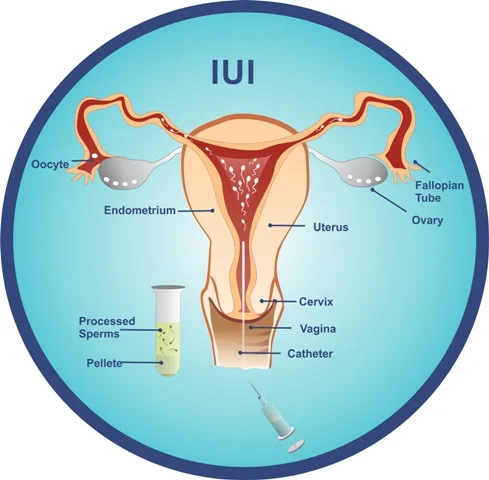
    diagram illustrating intrauterine insemination (IUI) with labeled reproductive anatomy and procedures

    The Pros and Cons of Fertility Tracking Apps and Traditional Methods

    4. Inaccurate for Irregular Cycles: Fertility tracking apps work best for women with regular menstrual cycles. However, for women with irregular cycles, these apps may not be as accurate. Traditional methods, on the other hand, can be tailored to fit the individual’s cycle length, making them more suitable for women with irregular cycles.

    Pros of Traditional Methods:

    1. Cost-effective: As mentioned earlier, traditional methods are free of cost and only require basic materials. This makes them a more affordable option for couples who are trying to conceive or avoid pregnancy.

    2. Non-Dependent on Technology: Unlike fertility tracking apps, traditional methods do not rely on technology. This eliminates the risk of technical issues disrupting your tracking process.

    3. Suitable for Irregular Cycles: Traditional methods can be adjusted according to the individual’s cycle length, making them more suitable for women with irregular cycles.

    4. Familiarity: Many women have been using traditional methods for years and are familiar with them. This can make them more comfortable and reliable compared to new technology.

    Cons of Traditional Methods:

    1. Time-consuming: Traditional methods require daily tracking and recording of data, which can be time-consuming. This can be a burden for busy couples who have a lot on their plates.

    2. Inaccurate Predictions: Traditional methods rely on past data and assumptions, which may not always be accurate. This can lead to unplanned pregnancies or missed fertile days.

    3. Lack of Additional Features: Unlike fertility tracking apps, traditional methods do not come with additional features such as reminders and personalized tips, making the process of tracking fertility less comprehensive.

    Summary:

    Fertility tracking is an essential aspect for many couples, and with the rise of technology, fertility tracking apps have gained popularity. These apps offer convenience, accurate predictions, and additional features, but they also come with a cost and technology dependence. On the other hand, traditional methods are cost-effective and non-dependent on technology, but they can be time-consuming and less accurate for women with irregular cycles. Ultimately, the choice between fertility tracking apps and traditional methods depends on personal preference and individual needs.

  • The Role of Acupuncture in Enhancing At-Home Intrauterine Insemination

    Blog Post Title: The Role of Acupuncture in Enhancing At-Home Intrauterine Insemination

    Acupuncture has been used for centuries as a form of traditional Chinese medicine to treat various health conditions. In recent years, it has gained popularity in the field of fertility and has been found to enhance the success of at-home intrauterine insemination (IUI). In this blog post, we will explore the role of acupuncture in enhancing at-home IUI and how it can benefit couples trying to conceive.

    What is At-Home Intrauterine Insemination?

    At-home intrauterine insemination (IUI) is a fertility treatment where washed and prepared sperm is placed directly into the uterus using a catheter. This procedure is often done at home by couples who are trying to conceive without the assistance of a medical professional. It is a less invasive and more cost-effective option compared to in-clinic IUI, making it a popular choice for many couples.

    The Role of Acupuncture in Enhancing At-Home IUI

    Acupuncture is believed to improve fertility by promoting relaxation, regulating hormones, increasing blood flow to the reproductive organs, and reducing inflammation. When used in conjunction with at-home IUI, it can enhance the success of the procedure in several ways.

    1. Promotes Relaxation and Reduces Stress

    Trying to conceive can be a stressful and emotionally taxing experience for couples. Stress and anxiety can have a negative impact on fertility by disrupting hormone levels and affecting the menstrual cycle. Acupuncture has been shown to promote relaxation and reduce stress levels, which can help improve the chances of conception.

    2. Regulates Hormones

    Hormonal imbalances can affect ovulation and the overall reproductive health of women. Acupuncture has been found to regulate hormone levels, especially the luteinizing hormone (LH) and follicle-stimulating hormone (FSH), which are essential for ovulation. By improving hormone balance, acupuncture can increase the chances of successful ovulation and conception.

    3. Increases Blood Flow to the Reproductive Organs

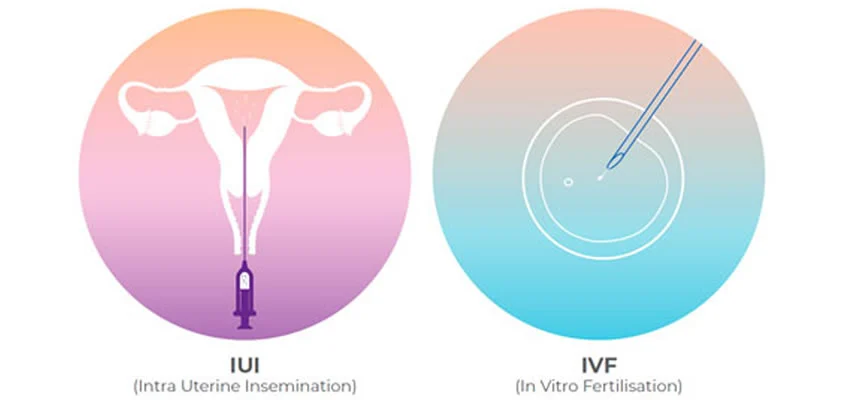
    comparison of IUI and IVF procedures illustrated with simple graphics and labels

    The Role of Acupuncture in Enhancing At-Home Intrauterine Insemination

    Proper blood flow is crucial for the health of the reproductive organs and the success of at-home IUI. Acupuncture has been found to increase blood flow to the uterus and ovaries, which can improve the thickness of the uterine lining and the quality of the eggs released during ovulation. This can result in a higher chance of successful fertilization and implantation.

    4. Improves Sperm Quality

    Acupuncture has been shown to improve sperm quality in men by increasing sperm count, motility, and morphology. This can improve the overall quality of the sperm used in at-home IUI, increasing the chances of successful fertilization.

    5. Reduces Inflammation

    Inflammation in the reproductive organs can interfere with fertility and the success of at-home IUI. Acupuncture has anti-inflammatory properties that can help reduce inflammation in the uterus and ovaries, promoting a healthy environment for conception.

    How to Incorporate Acupuncture into At-Home IUI

    Acupuncture can be incorporated into at-home IUI in two ways: pre-IUI and post-IUI treatments. Pre-IUI treatments usually begin a few weeks before ovulation and can help prepare the body for conception. Post-IUI treatments are done after the IUI procedure to enhance its success and support the pregnancy.

    During pre-IUI treatments, acupuncture can help regulate hormone levels, improve blood flow to the reproductive organs, and reduce stress levels. Post-IUI treatments can help promote implantation and support the early stages of pregnancy.

    It is essential to consult with a licensed acupuncturist who specializes in fertility to create a personalized treatment plan that addresses your specific needs and cycle.

    In Summary

    At-home intrauterine insemination (IUI) can be a successful fertility treatment for couples trying to conceive. The addition of acupuncture can enhance the success of at-home IUI by promoting relaxation, regulating hormones, increasing blood flow to the reproductive organs, improving sperm quality, and reducing inflammation.

    By incorporating acupuncture into the at-home IUI process, couples can increase their chances of successful conception and have a healthier pregnancy. It is crucial to consult with a licensed acupuncturist who specializes in fertility to create a personalized treatment plan that fits your unique needs.

  • Maximizing Results: Combining At-Home and Clinic Intrauterine Insemination

    Title: Maximizing Results: Combining At-Home and Clinic Intrauterine Insemination

    Intrauterine insemination (IUI) is a common fertility treatment option for couples struggling with infertility. It involves the placement of washed and prepared sperm directly into the uterus during the woman’s ovulation period. While traditionally done in a medical clinic, there is an increasing interest in performing IUI at home.

    At-home IUI involves the same process as clinic IUI, but it allows couples to have more control over the timing and comfort of the procedure. However, there are also potential risks and challenges associated with at-home IUI. In this blog post, we will discuss how combining at-home and clinic IUI can maximize results for couples trying to conceive.

    Benefits of At-Home IUI
    There are several reasons why couples may choose to do at-home IUI. Firstly, it offers a more relaxed and intimate environment for the procedure. For some couples, the clinical setting of a fertility clinic can be overwhelming and cause anxiety. By doing the procedure at home, couples can create a comfortable and familiar atmosphere, which can positively impact their chances of success.

    Secondly, at-home IUI allows for more flexibility in terms of timing. In a clinical setting, couples have to adhere to the clinic’s schedule, which may not align with the woman’s ovulation cycle. By doing the procedure at home, couples can time it more accurately, increasing the chances of successful conception.

    Challenges of At-Home IUI
    While at-home IUI offers many benefits, there are also potential challenges that couples need to consider. Firstly, there is a risk of contamination and infection if the procedure is not done correctly. The sperm must be handled and inserted in a sterile environment to avoid introducing bacteria into the uterus.

    illustration of a uterus with a syringe, representing intrauterine insemination procedure

    Maximizing Results: Combining At-Home and Clinic Intrauterine Insemination

    Additionally, at-home IUI may not be suitable for couples with certain fertility issues, such as low sperm count or motility. In these cases, a clinical setting may be more beneficial as it allows for closer monitoring and potential medical interventions.

    Combining At-Home and Clinic IUI
    To maximize the success of IUI, many fertility experts recommend a combination of at-home and clinic IUI. This approach takes advantage of the benefits of both methods while minimizing the risks and challenges.

    The first step in combining at-home and clinic IUI is to seek guidance from a fertility specialist. They can assess the couple’s individual situation and determine if at-home IUI is a suitable option. They can also provide instructions and support for the at-home procedure, ensuring it is done correctly and safely.

    Next, the couple can use ovulation predictor kits to determine the timing of the procedure accurately. This method involves tracking the woman’s hormone levels to determine when she is most fertile. By using these kits, couples can time the at-home IUI procedure more accurately, increasing the chances of success.

    Finally, after the at-home IUI procedure, the couple can go to the clinic for a follow-up visit. This visit allows the fertility specialist to monitor the woman’s hormone levels and uterine lining, as well as confirm if the procedure was successful. If needed, they can also provide additional medical interventions to increase the chances of conception.

    In conclusion, combining at-home and clinic IUI can maximize results for couples struggling with infertility. It offers the comfort and flexibility of at-home IUI while also allowing for close monitoring and potential medical interventions of clinic IUI. However, it is essential to seek guidance from a fertility specialist and follow instructions carefully to ensure the safety and success of the procedure.

  • The Importance of Proper Sanitation in At-Home Intrauterine Insemination

    Blog Post:

    In recent years, there has been a rise in popularity of at-home intrauterine insemination (IUI) as a method of conceiving for couples struggling with infertility. This method involves inserting sperm directly into the uterus, bypassing any potential barriers in the cervix and increasing the chances of fertilization. While IUI can be a convenient and cost-effective option for many couples, it is important to understand the importance of proper sanitation in this process. In this blog post, we will explore the reasons why proper sanitation is crucial for successful at-home IUI.

    1. Preventing Infection

    One of the greatest risks associated with at-home IUI is the potential for infection. The cervix serves as a barrier to prevent bacteria from entering the uterus, but with IUI, this barrier is bypassed. This means that any bacteria present on the IUI insemination device or sperm sample can easily enter the uterus and cause an infection. Infections can not only hinder the chances of successful conception, but they can also be harmful to both the mother and potential fetus. Therefore, it is essential to maintain proper sanitation to reduce the risk of infection.

    2. Ensuring Quality Sperm Sample

    Another reason why proper sanitation is crucial for at-home IUI is to ensure the quality of the sperm sample. Sperm is highly sensitive and can be easily affected by external factors such as temperature, pH levels, and bacteria. If the sperm sample is not properly sanitized, it can be contaminated, leading to a decrease in sperm motility and viability. This can significantly lower the chances of a successful pregnancy. By properly sanitizing the IUI insemination device and sperm sample, you can ensure that the sperm is free from any harmful bacteria and maintain its optimal quality.

    test tube with sperm in blue liquid, promoting IUI success rate and factors influencing fertility.

    The Importance of Proper Sanitation in At-Home Intrauterine Insemination

    3. Maximizing Chances of Conception

    Proper sanitation is also crucial in maximizing the chances of conception through at-home IUI. The goal of IUI is to increase the number of sperm that reach the fallopian tubes and potentially fertilize the egg. However, if the sperm sample or insemination device is not adequately sanitized, it can lead to a decrease in sperm count and motility. This, in turn, can reduce the chances of successful fertilization. By maintaining proper sanitation, you can increase the chances of successful conception and ultimately, a healthy pregnancy.

    4. Promoting Overall Health and Well-being

    In addition to the risks associated with infection and low sperm quality, improper sanitation in at-home IUI can also have long-term consequences for the mother and potential child. Infections can lead to more serious reproductive health issues, and exposure to contaminated sperm can result in genetic abnormalities in the child. By prioritizing proper sanitation in the IUI process, you are not only increasing the chances of conception but also promoting the overall health and well-being of both the mother and potential child.

    5. Creating a Safe and Comfortable Environment

    At-home IUI can be an intimate and personal experience for couples, and it is essential to create a safe and comfortable environment for this process. Proper sanitation not only reduces the risk of infection and maximizes the chances of conception, but it also promotes a sense of cleanliness and hygiene. This can alleviate any potential discomfort or anxiety that couples may have and allow them to fully focus on the process of conceiving.

    In summary, proper sanitation is crucial for successful at-home intrauterine insemination. It helps prevent infection, ensures the quality of the sperm sample, maximizes the chances of conception, promotes overall health and well-being, and creates a safe and comfortable environment for the process. By prioritizing proper sanitation, couples can increase their chances of successful conception and ultimately, have a healthy pregnancy and child.

  • Is At-Home Intrauterine Insemination Right for You?

    Is At-Home Intrauterine Insemination Right for You?

    For couples struggling with infertility, the idea of trying at-home intrauterine insemination (IUI) may be an appealing option. This fertility treatment involves placing sperm directly into the woman’s uterus to increase the chances of conception. While it can be a more affordable and convenient option compared to traditional IUI at a fertility clinic, it’s important to consider if at-home IUI is the right choice for you. In this blog post, we will discuss the process of at-home IUI, its potential benefits and risks, and who may be a good candidate for this treatment.

    What is At-Home Intrauterine Insemination (IUI)?

    At-home IUI involves collecting a semen sample from the male partner and using a syringe to insert it into the woman’s uterus at the time of ovulation. This can be done at home without the assistance of a medical professional. The woman may use ovulation predictor kits or monitor her basal body temperature to determine the best time for insemination.

    Benefits of At-Home IUI

    One of the main benefits of at-home IUI is the cost. Traditional IUI at a fertility clinic can cost thousands of dollars, but at-home IUI can be done for a fraction of the price. Additionally, at-home IUI offers more privacy and convenience, as the couple can perform the procedure in the comfort of their own home without having to schedule appointments or travel to a clinic.

    Risks and Considerations

    illustration of a uterus with a syringe for intrauterine insemination (IUI) procedure

    Is At-Home Intrauterine Insemination Right for You?

    While at-home IUI may seem like an attractive option, there are some important risks and considerations to keep in mind. The success rate of at-home IUI is generally lower compared to traditional IUI at a fertility clinic. This is due to factors such as the quality of the sperm sample and the accuracy of the insemination process. There is also a risk of infection if proper sterile techniques are not followed during the process.

    Another important consideration is the lack of monitoring during at-home IUI. In a traditional IUI at a fertility clinic, the woman’s cycle is closely monitored, and the timing of the insemination is carefully planned. This is not possible with at-home IUI, which may decrease the chances of success.

    Who is a Good Candidate for At-Home IUI?

    At-home IUI may be a good option for couples who have been trying to conceive for a year or more without success, have unexplained infertility, or have a male partner with low sperm count or motility. It is also a good option for same-sex couples or single women who are using donor sperm.

    However, it’s important to note that at-home IUI is not recommended for couples who have tubal blockage or severe male factor infertility. In these cases, traditional IUI at a fertility clinic may be a better option.

    Conclusion

    At-home intrauterine insemination can be an affordable and convenient option for couples struggling with infertility. However, it’s important to carefully consider the potential risks and success rates before deciding if it’s the right choice for you. Consulting with a fertility specialist and following all sterile techniques can help increase the chances of success with at-home IUI.

    In summary, at-home IUI offers a more affordable and private option for couples struggling with infertility. However, it may not be suitable for everyone and should be carefully considered with the guidance of a fertility specialist.

  • DIY Insemination: A Natural Alternative to Medical Procedures

    Blog Post: DIY Insemination: A Natural Alternative to Medical Procedures

    In recent years, there has been a growing interest in natural alternatives to medical procedures, especially when it comes to fertility and conception. One option that has gained popularity is DIY insemination, also known as at-home insemination. This process involves using a simple and inexpensive method to introduce sperm into the cervix or uterus in order to increase the chances of pregnancy.

    While medical procedures such as intrauterine insemination (IUI) or in vitro fertilization (IVF) may be necessary for some individuals, they can be expensive and invasive. DIY insemination, on the other hand, provides a more affordable and natural option for those who are trying to conceive. In this blog post, we will explore the ins and outs of DIY insemination and how it can be a viable alternative for those looking to start a family.

    What is DIY Insemination?

    DIY insemination is a method of introducing sperm into the reproductive tract without the need for medical intervention. This can be done through various methods such as using a syringe, cervical cap, or softcup. The goal is to place the sperm as close as possible to the cervix or uterus to increase the chances of conception.

    Why Choose DIY Insemination?

    There are several reasons why someone may choose to try DIY insemination instead of a medical procedure. One of the main reasons is cost. Medical procedures can be expensive, with one round of IVF costing thousands of dollars. DIY insemination, on the other hand, can cost as little as $20-$50 for the necessary supplies.

    Another reason is the desire for a more natural approach. Many people prefer to avoid medical interventions and opt for a more holistic and natural method. DIY insemination allows for a more hands-on approach and can be done in the comfort and privacy of one’s own home.

    Who Can Benefit from DIY Insemination?

    DIY insemination can be a viable option for a variety of individuals or couples. It can be used by same-sex couples, single individuals, or heterosexual couples experiencing fertility issues. It can also be a great option for those who prefer to use donor sperm instead of going through a sperm bank or fertility clinic.

    Step-by-Step Guide to DIY Insemination

    Cost breakdown for IUI components, including requirements, impacts, and alternatives.

    DIY Insemination: A Natural Alternative to Medical Procedures

    Step 1: Determine Ovulation Cycle
    The first step to DIY insemination is to determine your ovulation cycle. This can be done through various methods such as tracking basal body temperature, using ovulation predictor kits, or monitoring changes in cervical mucus.

    Step 2: Gather Supplies
    Once you have determined your ovulation cycle, it’s time to gather the necessary supplies. These may include a syringe, cervical cap, softcup, or a menstrual cup.

    Step 3: Collect Sperm
    If using donor sperm, it can be purchased from a sperm bank or obtained from a known donor. If using a known donor, it’s important to have a conversation about any potential health concerns or diseases.

    Step 4: Prepare Sperm
    Before insemination, the sperm needs to be prepared. This can be done by liquefying it at room temperature for about 20-30 minutes.

    Step 5: Insert the Sperm
    Using the chosen method, insert the sperm into the cervix or uterus. This can be done by yourself or with the help of a partner.

    Step 6: Rest
    After insemination, it’s recommended to rest for at least 15-20 minutes to allow the sperm to travel towards the egg.

    Step 7: Repeat
    Insemination can be repeated every 12-24 hours during the ovulation period to increase the chances of pregnancy.

    Risks and Considerations

    While DIY insemination can be a safe and effective method, it’s important to be aware of the potential risks and considerations. It’s essential to use sterile equipment and to follow proper hygiene practices to avoid any infections. It’s also important to have open and honest communication with a known donor to ensure the safety and well-being of everyone involved.

    In addition, it’s important to keep in mind that DIY insemination does not guarantee pregnancy and may not be suitable for everyone. It’s always recommended to consult with a medical professional before trying any new fertility method.

    Summary:

    DIY insemination is a natural and affordable alternative to medical procedures for those looking to conceive. It involves placing sperm into the reproductive tract using a simple and inexpensive method. It can benefit a variety of individuals or couples and can be done in the comfort of one’s own home. However, it’s important to be aware of the potential risks and to consult with a medical professional before trying DIY insemination.

  • DIY Insemination and the Importance of Timing

    DIY Insemination and the Importance of Timing: A Comprehensive Guide

    In recent years, there has been a rise in the popularity of DIY insemination, as more and more couples and individuals are choosing alternative methods for starting a family. While traditional methods of conception involve timing intercourse to coincide with ovulation, DIY insemination allows for more flexibility and control over the process. However, with this freedom comes the responsibility of understanding the importance of timing in order to increase the chances of successful insemination. In this blog post, we will delve into the world of DIY insemination and explore the vital role that timing plays in the process.

    Understanding DIY Insemination

    DIY insemination, also known as at-home insemination, is the process of using donor sperm to conceive without the assistance of a medical professional. This method is commonly used by same-sex couples, single individuals, and heterosexual couples experiencing fertility issues. It involves the use of a donor sperm, either from a known or anonymous donor, and can be done at home with the help of a DIY insemination kit or through a medical facility.

    The Importance of Timing

    Timing is crucial in DIY insemination as it directly impacts the success of the process. In order for sperm to fertilize an egg, they need to be present in the reproductive tract at the same time as the egg. This can only happen during the fertile window, which is the window of time when a woman is most likely to conceive. The fertile window is typically a 6-day period that ends on the day of ovulation.

    Tracking Ovulation

    The key to successful DIY insemination is tracking ovulation. There are a few methods that can be used to determine when ovulation occurs, such as tracking basal body temperature, cervical mucus changes, and using ovulation predictor kits. Basal body temperature is the body’s lowest resting temperature, which increases slightly after ovulation. Cervical mucus changes also indicate ovulation, as the mucus becomes thinner, clearer, and more stretchy during this time. Ovulation predictor kits, available at most drugstores, detect the surge of luteinizing hormone (LH) that occurs before ovulation.

    Timing Intercourse

    Once the fertile window has been identified, it is important to time intercourse accordingly. Sperm can survive in the reproductive tract for up to 5 days, so having intercourse a few days before ovulation can still result in pregnancy. However, the chances of conception are highest when intercourse occurs during the fertile window. It is recommended to have intercourse every other day during this time to increase the chances of sperm being present in the reproductive tract when ovulation occurs.

    Illustration of intrauterine insemination (IUI) procedure with syringe and catheter in the uterus.

    DIY Insemination and the Importance of Timing

    Timing DIY Insemination

    Timing DIY insemination is similar to timing intercourse, as it should also be done during the fertile window. Insemination can be done either at home or at a medical facility, depending on the individual’s preference. If doing it at home, it is important to follow the instructions provided with the DIY insemination kit. The sperm should be inserted as close to the cervix as possible, as this is where it will have the best chance of reaching the egg.

    Tips for Successful DIY Insemination

    In addition to timing, there are a few other tips that can increase the chances of successful DIY insemination. These include:

    1. Choosing a donor carefully: It is important to choose a donor who has been properly screened and tested for any potential health issues or genetic conditions.

    2. Using fresh sperm: Fresh sperm has a higher chance of survival than frozen sperm, so choosing a donor who can provide fresh sperm is ideal.

    3. Preparing the body: Eating a healthy diet, exercising regularly, and avoiding alcohol and tobacco can improve the chances of successful insemination.

    4. Using pre-seed lubricant: Regular lubricants can be harmful to sperm, so using a sperm-friendly lubricant like pre-seed can aid in the process.

    5. Seeking medical advice: It is always recommended to consult a doctor or fertility specialist before attempting DIY insemination, as they can provide valuable advice and guidance.

    In conclusion, DIY insemination can be a viable option for those looking to conceive, but it is important to understand the importance of timing in the process. By tracking ovulation, timing intercourse or insemination accordingly, and following these tips, the chances of successful DIY insemination can greatly increase.

    Summary: DIY insemination is a popular method for individuals and couples looking to conceive. Timing is crucial in this process, as sperm needs to be present in the reproductive tract during the fertile window. Tracking ovulation, timing intercourse or insemination, and following other tips can increase the chances of successful DIY insemination.

  • The Role of Sperm Donors in DIY Insemination

    Blog Post:

    In recent years, there has been a growing trend in the world of fertility and conception – DIY insemination. This refers to the process of self-insemination, where individuals or couples use donor sperm to conceive at home without the assistance of a medical professional. This method has become increasingly popular for various reasons, including the high cost of fertility treatments and the desire for more control over the conception process. And at the heart of this trend are sperm donors, who play a crucial role in DIY insemination. In this blog post, we will explore the role of sperm donors in DIY insemination and the impact they have on this unconventional method of conception.

    First and foremost, let’s understand who sperm donors are and why they choose to donate. Sperm donors are typically healthy, fertile men who voluntarily donate their sperm for the purpose of helping others conceive. They can be known donors, where they have a personal connection with the recipient, or anonymous donors, where their identity is never revealed to the recipient. Sperm donors may choose to donate for various reasons, such as altruism, financial compensation, or personal fulfillment. However, regardless of their motivations, sperm donors play a crucial role in the DIY insemination process.

    One of the main reasons why sperm donors are essential to DIY insemination is that they provide the necessary genetic material for conception. In traditional fertility treatments, sperm is usually obtained from a medical sperm bank, which involves a lengthy and often expensive process. However, with DIY insemination, individuals or couples have the option to use known donors, which can be a friend, family member, or even someone they meet through online platforms. This not only eliminates the need for medical intervention but also gives recipients the flexibility to choose a donor who meets their specific requirements and preferences.

    Moreover, sperm donors also play a significant role in giving individuals and couples the opportunity to conceive without the high costs associated with assisted reproductive technologies. Fertility treatments can be incredibly expensive, and even with insurance coverage, it may not be accessible to everyone. DIY insemination, on the other hand, can be a more affordable option, especially when using known donors or obtaining sperm from online sperm banks. This accessibility to donor sperm allows more people to have a chance at parenthood, regardless of their financial situation.

    illustration of the uterus and ovaries with a syringe, labeled "IUI Treatment" in the background

    The Role of Sperm Donors in DIY Insemination

    Apart from the practical aspects, sperm donors also have a profound emotional impact on the recipients. For many individuals or couples, the decision to use a sperm donor is not an easy one. It may involve facing fertility issues, societal stigma, and the fear of not being able to bond with a child who is not biologically related to them. However, the generosity and selflessness of sperm donors can bring hope and comfort to those struggling with these emotions. Knowing that someone is willing to help them fulfill their dream of having a child can be a source of immense gratitude and positivity.

    Another crucial role of sperm donors in DIY insemination is the legal aspect. When using a known donor, there is always a risk of potential legal complications and disputes. However, with proper legal agreements in place, sperm donors can provide legal protection to both parties involved. These agreements outline the donor’s rights and responsibilities, as well as the recipient’s legal rights to the child. This not only ensures a smoother process but also protects the child’s best interests in case any issues arise in the future.

    Furthermore, sperm donors also have an impact on the future of DIY insemination. With the rise of online sperm banks and the increasing acceptance of non-traditional family structures, the demand for sperm donors is expected to continue to grow. This has led to the emergence of innovative technologies, such as home insemination kits and sperm quality testing, making the DIY insemination process more accessible and convenient. Sperm donors are at the forefront of this evolution, and their contributions play a significant role in shaping the future of DIY insemination.

    In conclusion, sperm donors are essential in the world of DIY insemination. They provide the necessary genetic material, make the process more accessible and affordable, offer emotional support, and help navigate the legal complexities. Their contributions have a profound impact on the success of DIY insemination and play a crucial role in fulfilling the dreams of individuals and couples who desire to become parents. Without them, this unconventional method of conception would not be possible, and for that, we owe a great deal of gratitude to sperm donors.

    Summary:

    DIY insemination is a growing trend in fertility and conception, where individuals or couples self-inseminate using donor sperm at home. Sperm donors play a crucial role in this process by providing the necessary genetic material and making it more accessible and affordable. They also offer emotional support and help navigate the legal complexities. Sperm donors have a significant impact on the success of DIY insemination and are essential in fulfilling the dreams of those who desire to become parents.

  • Fertility Medications vs Surgery: A Cost-Benefit Analysis

    Blog Post Title: Fertility Medications vs Surgery: A Cost-Benefit Analysis

    Introduction:

    Fertility issues affect millions of couples worldwide and can be a challenging and emotional experience for those trying to conceive. In recent years, the advancement of medical technology has provided various options for couples struggling with infertility. Two of the most commonly used approaches are fertility medications and surgery. While both can help improve fertility, they come with different costs and benefits. In this blog post, we will compare and analyze the cost-benefit aspect of fertility medications and surgery to help you make an informed decision.

    Fertility Medications:

    Fertility medications are drugs that are prescribed to stimulate ovulation or address hormonal imbalances in women. They can be taken orally, through injections, or inserted vaginally. These medications work by regulating the hormones responsible for ovulation, thereby increasing the chances of getting pregnant.

    Benefits of Fertility Medications:

    1. Less invasive: One of the biggest advantages of fertility medications is that they are non-invasive. Unlike surgery, which requires incisions and recovery time, fertility medications can be taken at home without any discomfort or pain.

    2. Cost-effective: Fertility medications are generally more affordable than surgical procedures, making them a popular choice for couples on a budget. The cost of medications may vary depending on the type and dosage prescribed, but it is significantly lower than the cost of surgery.

    3. Higher success rates: Studies have shown that fertility medications have an average success rate of 20-60%, depending on the underlying cause of infertility. This success rate is significantly higher than surgery, which has a success rate of 10-20%.

    4. Fewer risks and side effects: Fertility medications have fewer risks and side effects compared to surgery. While some women may experience mild side effects like bloating, headaches, or mood swings, they are usually temporary and can be managed with proper medical supervision.

    Costs of Fertility Medications:

    1. Multiple cycles: Depending on the severity of the infertility issue, multiple cycles of fertility medications may be required, which can increase the overall cost. This can be a significant financial burden for couples, especially if they do not have insurance coverage for fertility treatments.

    2. Limited success in certain cases: While fertility medications can help treat various causes of infertility, they may not be effective in all cases. For example, they may not work for women with blocked fallopian tubes or severe male infertility. In such cases, surgery may be the only option for conception.

    Illustration of intrauterine insemination (IUI) procedure with syringe and catheter in the uterus.

    Fertility Medications vs Surgery: A Cost-Benefit Analysis

    Surgery:

    Surgery is a medical procedure that is performed to correct structural abnormalities in the reproductive system or remove any blockages that may be hindering conception. It can be minimally invasive, such as laparoscopy or hysteroscopy, or major surgery, such as tubal ligation reversal or in-vitro fertilization (IVF).

    Benefits of Surgery:

    1. Correct underlying issues: Surgery can address underlying issues that may be causing infertility, such as uterine fibroids, endometriosis, or blocked fallopian tubes. By correcting these issues, surgery can significantly improve the chances of conception.

    2. Higher success rates: In certain cases, surgery may have a higher success rate than fertility medications. For example, IVF has a success rate of 40-50%, making it a more effective option for couples struggling with severe infertility issues.

    3. Long-term solution: In some cases, surgery can provide a long-term solution for fertility issues. For example, tubal ligation reversal can reverse the effects of permanent birth control, allowing women to conceive naturally.

    Costs of Surgery:

    1. Expensive: Surgery for fertility treatments can be costly, and the cost may vary depending on the type of procedure and the medical facility. This can be a significant financial burden for couples, especially if multiple surgeries are required.

    2. Invasive: Surgery is a more invasive option compared to fertility medications. It involves incisions, anesthesia, and a recovery period, which can be physically and emotionally taxing for couples.

    3. Risks and side effects: Like any surgery, fertility procedures also come with risks and potential side effects. These may include infections, bleeding, or damage to surrounding organs, which can be a cause for concern for couples considering surgery.

    Conclusion:

    Both fertility medications and surgery have their pros and cons, and the decision ultimately depends on the specific needs and circumstances of each couple. Fertility medications are less invasive, more affordable, and have a higher success rate, making them a popular choice. However, surgery can address underlying issues and provide a long-term solution in certain cases. It is essential to consult with a fertility specialist and weigh the costs and benefits of both options before making a decision.

    In summary, fertility medications and surgery are two viable options for couples struggling with infertility. While fertility medications are less invasive, cost-effective, and have a higher success rate, surgery can address underlying issues and provide a long-term solution. It is crucial to consider the costs and benefits of both options and consult with a fertility specialist to determine the best course of treatment.