Tag: IVF

  • When to Seek Help: Understanding the Signs of Infertility and Treatment Options

    Summary:

    Infertility is a common issue that affects many couples and can cause a great deal of emotional distress. It is important for individuals and couples to be aware of the signs of infertility and to seek help when needed. In this blog post, we will discuss the various signs of infertility, potential causes, and treatment options available.

    Signs of Infertility:

    The most common sign of infertility is the inability to conceive after trying for a year or more. Other signs may include irregular menstrual cycles, abnormal bleeding, or hormonal imbalances. However, it is important to keep in mind that some individuals may not experience any noticeable signs of infertility, making it crucial to consult with a doctor if you have concerns.

    Causes of Infertility:

    Infertility can be caused by a variety of factors, including age, hormonal imbalances, underlying medical conditions, and lifestyle factors. Women over the age of 35 may experience a decline in fertility due to a decrease in the number and quality of eggs. Hormonal imbalances, such as polycystic ovary syndrome (PCOS), can also affect fertility. Underlying medical conditions, such as endometriosis, can also contribute to infertility. Lifestyle factors such as smoking, excessive alcohol consumption, and obesity can also impact fertility.

    Seeking Help:

    If you have been trying to conceive for a year or more without success, it is important to consult with a fertility specialist. They will run various tests to determine the underlying cause of infertility and develop a treatment plan.
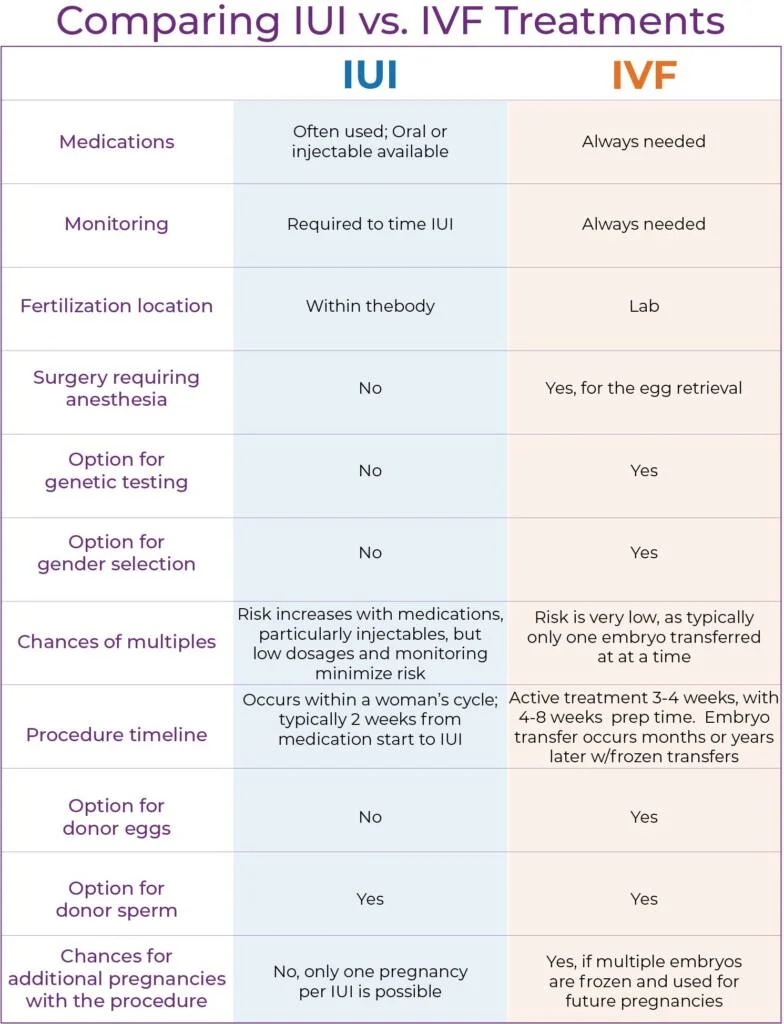
    Comparison chart of IUI and IVF treatments, detailing medications, monitoring, procedures, and success rates.

    When to Seek Help: Understanding the Signs of Infertility and Treatment Options

    Treatment Options:

    The treatment for infertility will depend on the underlying cause. In vitro fertilization (IVF) is a common treatment option that involves retrieving eggs from the ovaries and fertilizing them with sperm in a laboratory. Other options include intrauterine insemination (IUI), which involves placing sperm directly into the uterus, and fertility medications to stimulate ovulation.

    Alternative Therapies:

    In addition to medical treatments, there are also alternative therapies that may help with infertility. Acupuncture, for example, has been shown to improve fertility by reducing stress and promoting blood flow to the reproductive organs. Yoga and meditation can also be beneficial in reducing stress and promoting overall well-being.

    Support and Coping Strategies:

    Dealing with infertility can be emotionally and mentally challenging. It is important to seek support from loved ones, join support groups, or seek therapy to cope with the stress and emotions that come with infertility. It is also important to take care of your physical and mental health by engaging in self-care activities and finding healthy ways to cope with stress.

    Conclusion:

    Infertility can be a difficult and emotional journey for individuals and couples. It is important to be aware of the signs of infertility and to seek help when needed. With advancements in medical technology and various treatment options available, there is hope for those struggling with infertility. Remember to take care of yourself and seek support during this challenging time.
  • The Pros and Cons of Male and Female Infertility Treatments

    Blog Post:

    Infertility is a common issue that affects many couples, with approximately 10-15% of couples worldwide struggling to conceive. When it comes to infertility, both men and women can face challenges in their journey to parenthood. However, thanks to advancements in medical technology, there are various treatments available for both male and female infertility. In this blog post, we will explore the pros and cons of male and female infertility treatments.

    Pros of Male Infertility Treatments:

    1. Availability of Assisted Reproductive Techniques (ART): ART is a group of procedures used to treat infertility by retrieving eggs from a woman’s ovaries and fertilizing them with sperm in a laboratory. This technique has been a game-changer for male infertility as it allows for the use of donor sperm or surgically retrieved sperm to fertilize the eggs.

    2. Varied Treatment Options: Male infertility treatments include various options such as intrauterine insemination (IUI), in vitro fertilization (IVF), and intracytoplasmic sperm injection (ICSI). These options provide couples with a wide range of choices depending on their individual needs and circumstances.

    3. Success Rates: With the use of ART, the success rates for male infertility treatments have significantly increased. According to a study, the live birth rate for couples undergoing ICSI treatment was 31.9% for men with azoospermia (lack of sperm in the semen) and 33.9% for men with severe oligospermia (low sperm count).

    4. Non-Invasive Procedures: Most male infertility treatments are non-invasive, meaning they do not require any surgical procedures. This makes them less painful and reduces the risk of complications.

    Cons of Male Infertility Treatments:

    1. High Cost: The cost of male infertility treatments can be a barrier for many couples. ART procedures, in particular, can be expensive and may not be covered by insurance.

    2. Emotional and Psychological Impact: Infertility treatment can be emotionally and psychologically taxing for both partners. The pressure to conceive and the uncertainty of the outcome can take a toll on a couple’s mental health.

    3. Potential Risks: Some male infertility treatments, such as ICSI, come with potential risks, including multiple pregnancies, ovarian hyperstimulation syndrome, and birth defects.

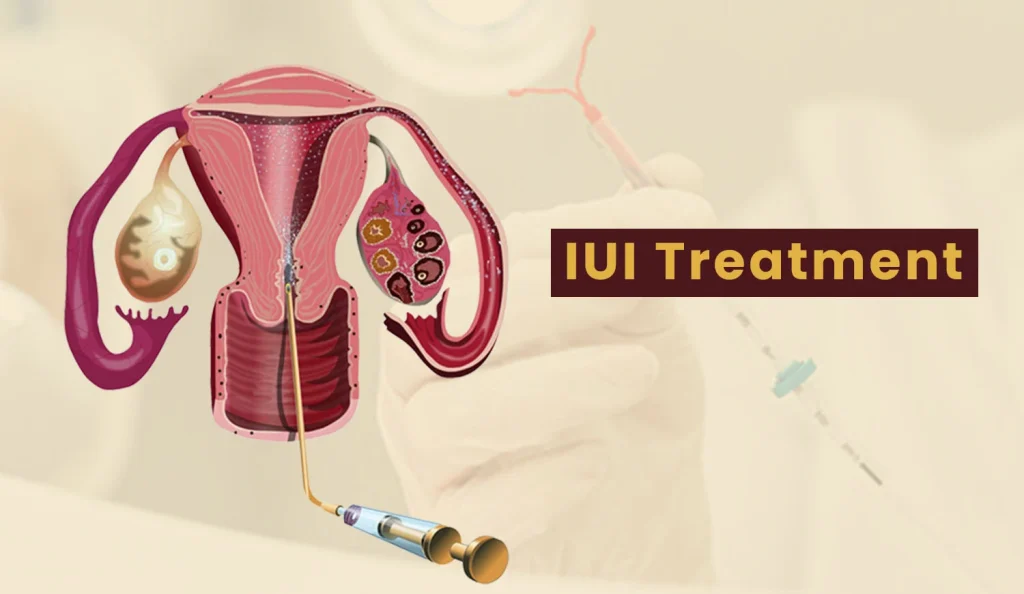
    illustration of the uterus and ovaries with a syringe, labeled "IUI Treatment" in the background

    The Pros and Cons of Male and Female Infertility Treatments

    Pros of Female Infertility Treatments:

    1. Success Rates: Just like male infertility treatments, female infertility treatments have also seen a significant increase in success rates. With the help of ART, the live birth rate for women under the age of 35 is around 40-43% per cycle.

    2. Various Treatment Options: Female infertility treatments include options such as ovulation induction, intrauterine insemination (IUI), and in vitro fertilization (IVF). These options allow couples to choose the best course of treatment based on their specific needs and preferences.

    3. Improved Chances of Conceiving: With the use of fertility drugs and procedures like IVF, women with ovulation disorders or blocked fallopian tubes have a higher chance of conceiving.

    4. Treatment of Underlying Conditions: Female infertility treatments not only focus on helping women conceive but also address underlying conditions that may be causing infertility, such as endometriosis or polycystic ovary syndrome (PCOS).

    Cons of Female Infertility Treatments:

    1. Physical and Emotional Strain: Some female infertility treatments, such as IVF, can be physically demanding and emotionally draining. The process involves multiple injections, frequent doctor visits, and the uncertainty of the outcome, which can take a toll on a woman’s physical and mental well-being.

    2. Potential Risks: Just like male infertility treatments, female infertility treatments also come with potential risks, including multiple pregnancies, ovarian hyperstimulation syndrome, and birth defects.

    3. Age Limitations: As a woman gets older, her chances of conceiving decrease, and the success rates of fertility treatments also decline. This can be a limiting factor for older women who are trying to conceive through infertility treatments.

    4. Financial Burden: Similar to male infertility treatments, female infertility treatments can be expensive and may not be covered by insurance. The cost of fertility drugs, procedures, and doctor visits can add up quickly, putting a financial strain on couples.

    Summary:

    Infertility treatments for both men and women have come a long way, providing couples with a range of options to help them conceive. Male infertility treatments, such as ART procedures, have seen a significant increase in success rates, and the availability of various treatment options makes it easier for couples to find the best solution for their specific needs. On the other hand, female infertility treatments have also seen a rise in success rates, but they can be physically and emotionally taxing, and the cost can be a barrier for many couples. Both male and female infertility treatments come with potential risks, and age and financial limitations can also be a factor to consider. Ultimately, the decision to undergo infertility treatment is a personal one and should be made after careful consideration and consultation with a medical professional.

  • The Road to Parenthood: A Comparison of Male and Female Infertility Treatments

    Title: The Road to Parenthood: A Comparison of Male and Female Infertility Treatments

    Parenthood is a dream that many couples share, but for some, the journey to achieve it can be a long and difficult road. Infertility affects both men and women, and it can be caused by a variety of factors. However, the good news is that with advancements in medical technology, there are now various treatments available to help couples overcome infertility and start a family. In this blog post, we will explore the different treatments for male and female infertility, their success rates, and the pros and cons of each option.

    Male Infertility Treatments:

    When it comes to male infertility, the most common treatment is intrauterine insemination (IUI). This technique involves collecting sperm from the male partner and placing it directly into the uterus of the female partner during ovulation. This procedure is relatively simple and can be done at a doctor’s office. However, the success rates of IUI are around 10-20% per cycle, and it may take several attempts to achieve pregnancy.

    Another option for male infertility is in vitro fertilization (IVF). This technique involves collecting sperm and eggs separately, fertilizing them in a laboratory, and then transferring the resulting embryo into the female partner’s uterus. IVF has a higher success rate compared to IUI, at around 40%, but it is a more invasive and expensive procedure. It also comes with a higher risk of multiple pregnancies.

    In some cases, male infertility may be caused by a blockage in the tubes that carry sperm, known as the vas deferens. In such cases, a surgical procedure called vasectomy reversal can be performed. This procedure aims to reconnect the vas deferens, allowing sperm to flow again. However, the success rates of vasectomy reversal vary, and it may not always result in pregnancy.

    Female Infertility Treatments:

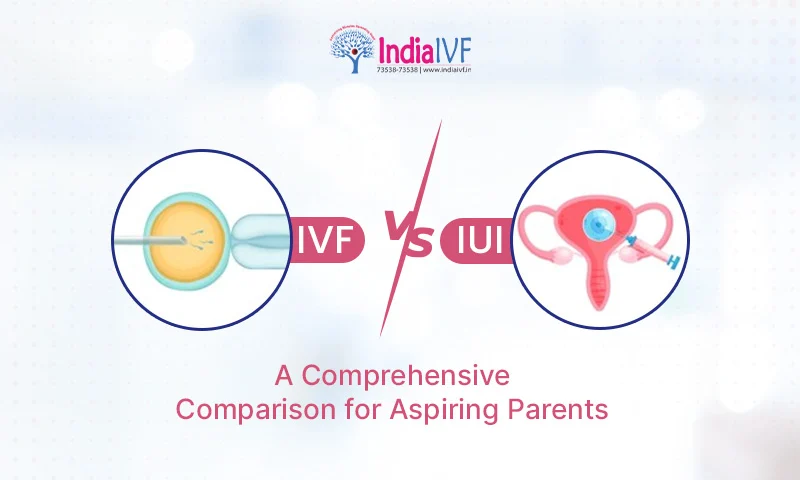
    IVF vs IUI comparison graphic highlighting reproductive methods for aspiring parents.

    The Road to Parenthood: A Comparison of Male and Female Infertility Treatments

    For female infertility, one of the most common treatments is ovulation induction. This involves the use of medication to stimulate the ovaries to produce eggs. The eggs are then collected and fertilized with sperm in a laboratory, and the resulting embryo is transferred into the uterus. Ovulation induction has a success rate of around 20%, but it may increase to 50% when combined with IUI.

    If ovulation induction is not successful, the next step is usually IVF. As mentioned earlier, this technique involves fertilizing the eggs and sperm in a laboratory and transferring the resulting embryo into the uterus. IVF is a more complex procedure for women, as it involves hormone injections, egg retrieval, and embryo transfer. However, it has a higher success rate compared to other treatments for female infertility, at around 40%.

    In cases where a woman’s fallopian tubes are blocked or damaged, a surgical procedure called tubal ligation reversal may be an option. This procedure aims to reconnect the fallopian tubes, allowing eggs to travel from the ovaries to the uterus. However, the success rates of tubal ligation reversal vary, and it may not always result in pregnancy.

    The Emotional Impact of Infertility Treatments:

    The road to parenthood can be emotionally challenging for couples struggling with infertility. The stress and pressure of trying to conceive can take a toll on a couple’s relationship and mental health. This is why it is essential for couples to have a support system and seek counseling if needed.

    In addition to the emotional burden, infertility treatments can also take a financial toll on couples. Depending on the treatment, the cost can range from a few hundred to tens of thousands of dollars. This is why it is crucial to consider all options and their success rates before deciding on a treatment.

    In conclusion, the road to parenthood can be a different journey for men and women, as the causes of infertility and treatments vary. While some treatments may have higher success rates, they may also come with a higher cost and more invasive procedures. The most important thing is for couples to have open communication, support, and to work with a trusted medical professional to find the best treatment option for them.

    SEO metadata:

  • The Science Behind Conception: How Male and Female Infertility Treatments Work

    Blog Post:

    Conception is a miracle of life that allows us to continue the human race. However, for many couples, conceiving a child can be a challenging and emotional journey. Infertility affects approximately 1 in 8 couples, and it can be caused by various factors in both men and women. Fortunately, advancements in medical technology have led to various treatments for both male and female infertility. In this blog post, we will delve into the science behind conception and how infertility treatments work.

    Understanding Conception

    Conception is the process of fertilization, where a sperm cell from a male fertilizes an egg cell from a female. This process usually occurs in the fallopian tubes, where the egg and sperm meet. The fertilized egg then travels down the fallopian tube to the uterus, where it implants itself into the uterine lining and begins to develop into a baby.

    Male Infertility and Treatments

    Male infertility can be caused by various factors, including low sperm count, abnormal sperm shape, and poor sperm motility. These issues can be due to genetic factors, hormonal imbalances, or lifestyle choices such as smoking and excessive alcohol consumption. In some cases, a previous injury or infection can also affect male fertility.

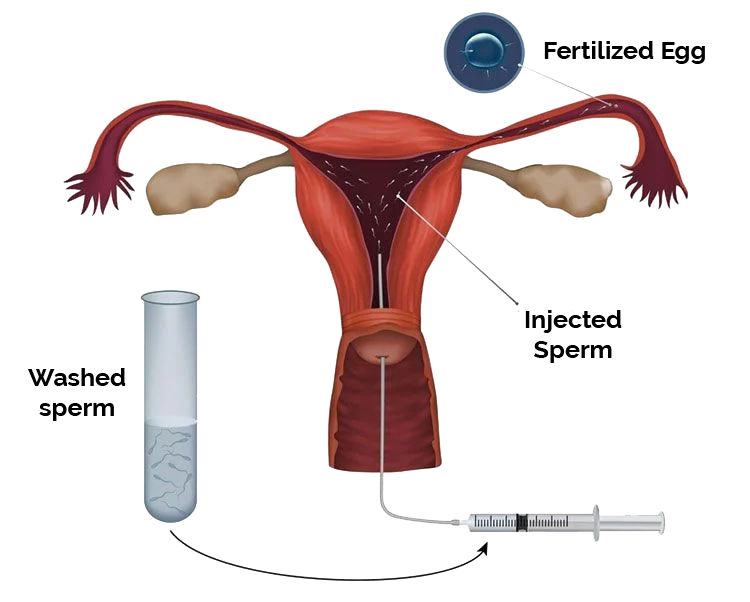
    One of the most common treatments for male infertility is intrauterine insemination (IUI). This procedure involves injecting washed and concentrated sperm directly into the uterus, bypassing any issues with sperm motility. IUI is a relatively simple and non-invasive procedure, and it can increase the chances of conception for couples struggling with male infertility.

    Another treatment option for male infertility is in vitro fertilization (IVF). This process involves retrieving sperm from a male and eggs from a female and fertilizing them in a laboratory setting. The fertilized embryos are then transferred back into the female’s uterus, where they can develop into a baby. IVF can be a more complex and expensive treatment, but it can also be more successful for couples with severe male infertility issues.

    Female Infertility and Treatments

    Female infertility can be caused by various factors, including ovulation disorders, blocked fallopian tubes, and uterine abnormalities. Age also plays a significant role in female fertility, as women are born with a finite number of eggs, and their quality and quantity decrease with age.

    IVF vs IUI comparison graphic highlighting reproductive methods for aspiring parents.

    The Science Behind Conception: How Male and Female Infertility Treatments Work

    One of the most common treatments for female infertility is ovulation induction. This involves taking medications to stimulate the ovaries and increase the chances of ovulation. Ovulation induction can be done using oral medications or injectable hormones, and it can help women with ovulation disorders or those who do not ovulate regularly.

    Another treatment option for female infertility is intrauterine insemination (IUI). As mentioned earlier, this procedure can also be used for male infertility, but it can also help women with ovulation disorders. By placing the washed and concentrated sperm directly into the uterus, it can increase the chances of fertilization for women who have difficulty ovulating.

    In vitro fertilization (IVF) is also a common treatment for female infertility. Just like with male infertility, IVF involves retrieving eggs from a female and fertilizing them in a laboratory setting. The fertilized embryos are then transferred back into the uterus, where they can develop into a baby. IVF can be a more complex and expensive treatment, but it can also be more successful for women with severe infertility issues or older women who may have a lower egg quality.

    The Role of Genetics in Infertility

    In some cases, infertility can be caused by genetic factors. These can include chromosomal abnormalities, inherited conditions, or genetic mutations. In these cases, genetic testing can be done to identify any underlying genetic issues that may be affecting fertility. This information can then be used to guide treatment options and improve the chances of conceiving a healthy child.

    The Importance of a Healthy Lifestyle

    While medical treatments can help with infertility, it is essential to remember that a healthy lifestyle can also play a crucial role in fertility. Maintaining a healthy weight, exercising regularly, and avoiding harmful substances like tobacco and excessive alcohol can improve fertility in both men and women. It is also essential to manage any underlying health conditions that may affect fertility, such as diabetes or thyroid disorders.

    In conclusion, the science behind conception and infertility treatments is complex and ever-evolving. Thanks to advancements in medical technology, couples struggling with infertility have various treatment options available to them. Whether it is male or female infertility or a combination of both, there is hope for couples to conceive and start a family. It is essential to seek help from a fertility specialist and maintain a healthy lifestyle to increase the chances of a successful conception.

    Summary:

    Conception is the process of fertilization, where a sperm from a male fertilizes an egg from a female. Infertility affects 1 in 8 couples and can be caused by various factors in both men and women. Treatments for male infertility include intrauterine insemination (IUI) and in vitro fertilization (IVF). For female infertility, treatments include ovulation induction, IUI, and IVF. Genetics can also play a role in infertility, and maintaining a healthy lifestyle is crucial for fertility. Seeking help from a fertility specialist and maintaining a healthy lifestyle can increase the chances of successful conception.

  • Empowering Women and Men: Taking Control of Infertility Through Treatment

    Empowering Women and Men: Taking Control of Infertility Through Treatment

    Infertility affects millions of couples around the world, causing emotional distress, strain on relationships, and feelings of inadequacy and failure. For years, infertility was seen as a woman’s problem, and the responsibility for seeking treatment and finding a solution often fell solely on her. However, with advancements in medical technology and research, it is now known that infertility can affect both men and women equally. This has led to a shift in the way infertility is viewed and treated, with more focus on empowering both men and women to take control of their fertility journey through treatment options.

    The first step towards empowering couples struggling with infertility is to break the stigma and silence surrounding the issue. Many people feel ashamed and embarrassed to talk about their fertility struggles, which can lead to isolation and a lack of support. By opening up and sharing their experiences, men and women can find a sense of community and understanding, which can be crucial in navigating through the ups and downs of infertility treatment.

    Another important aspect of empowering couples is to educate them about the various causes of infertility and the available treatment options. Infertility can be caused by a variety of factors, such as hormonal imbalances, structural issues, and genetic abnormalities. By understanding the root cause of their infertility, couples can make informed decisions about which treatment options are best suited for their specific situation. This also helps to dispel the myth that infertility is solely a woman’s problem and encourages men to take an active role in seeking treatment and finding solutions.

    One of the most common and effective treatment options for infertility is in vitro fertilization (IVF). This involves retrieving eggs from a woman’s ovaries and fertilizing them with sperm in a laboratory. The resulting embryos are then transferred back into the woman’s uterus, where they have the potential to implant and develop into a pregnancy. IVF has helped countless couples achieve their dream of starting a family, and its success rates continue to improve with advancements in technology and techniques. By understanding the process and success rates of IVF, couples can feel more in control of their fertility journey and have realistic expectations for the outcome.

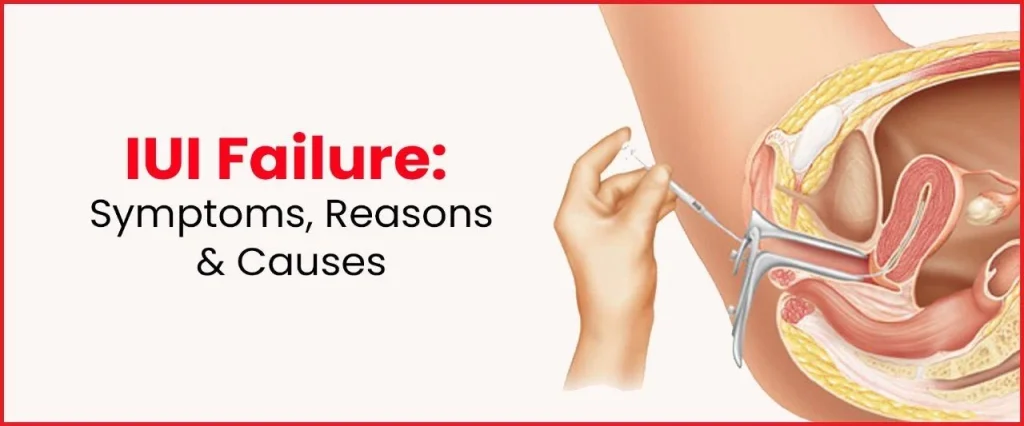
    illustration of IUI procedure with text on symptoms, reasons, and causes of IUI failure

    Empowering Women and Men: Taking Control of Infertility Through Treatment

    Another empowering aspect of infertility treatment is the option of using a third-party donor. This can include using donor eggs, sperm, or embryos, and it allows couples to still have a biological connection to their child while overcoming their own fertility challenges. This option also opens up the possibility for same-sex couples and single individuals to start a family. By embracing the use of third-party donors, couples can break free from the limitations of their own bodies and expand their family in a way that feels right for them.

    Along with medical treatments, there are also lifestyle changes that can improve fertility and increase the chances of success with infertility treatment. This includes maintaining a healthy diet, exercising regularly, and reducing stress levels. These changes not only have a positive impact on fertility but also promote overall health and well-being. By taking control of their lifestyle habits, men and women can feel empowered to actively participate in their fertility journey and increase their chances of success.

    In addition to medical and lifestyle interventions, there are also psychological and emotional aspects to consider when dealing with infertility. The stress and anxiety that come with fertility struggles can take a toll on a couple’s mental health and relationship. It is important for couples to seek support from a therapist or support group to navigate through these challenges and maintain a strong and healthy relationship. By addressing the emotional impact of infertility, couples can feel more empowered to face their fertility journey together and come out stronger on the other side.

    It is also crucial to note that infertility treatment can be a financially and physically demanding process. Many couples face financial burdens and physical discomfort from the procedures, which can add to the stress and strain of the fertility journey. It is important for couples to have open and honest discussions about their financial and physical limitations and to seek support and resources when needed. By acknowledging these challenges and finding ways to overcome them, couples can feel more empowered and in control of their fertility journey.

    In conclusion, infertility can be a challenging and emotional journey, but it doesn’t have to be a journey that is taken alone. By breaking the silence, educating oneself, and seeking support and resources, couples can feel empowered to take control of their fertility journey through treatment options. Whether it be through medical interventions, lifestyle changes, or emotional support, both men and women can play an active role in overcoming their infertility and achieving their dream of starting a family.

  • Breaking Down Barriers: How Male and Female Infertility Treatments Have Evolved

    Blog Post Title: Breaking Down Barriers: How Male and Female Infertility Treatments Have Evolved

    Infertility is a common struggle for many couples trying to conceive. It can be a heart-wrenching journey filled with disappointment, frustration, and financial burden. However, advancements in medical technology and research have made it possible for couples to overcome barriers to fertility and fulfill their dream of starting a family. In this blog post, we will explore the evolution of male and female infertility treatments, from traditional methods to modern techniques, and how these breakthroughs have opened doors for individuals and couples facing fertility challenges.

    The History of Infertility Treatments

    Infertility has been a concern for many centuries, and various treatments have been practiced throughout history. In ancient times, treatments were often based on superstitions and myths, such as consuming certain plants or performing rituals to please the gods. However, as science and medicine advanced, more evidence-based treatments emerged.

    One of the earliest documented treatments for female infertility was described in the ancient Indian text, the Kama Sutra, which suggested the use of certain sexual positions to aid conception. In the 18th century, the first artificial insemination was performed using donated sperm. Later in the 20th century, in-vitro fertilization (IVF) was developed, which involves fertilizing eggs with sperm outside of the body and then transferring the embryo to the uterus.

    Male Infertility Treatments

    Male infertility is a factor in about 30% of all infertility cases. In the past, male infertility was often overlooked, and the focus was solely on female fertility. However, with advancements in medical technology, male infertility treatments have evolved, and we now have a better understanding of the causes and treatments for male infertility.

    One of the most common causes of male infertility is low sperm count or poor sperm quality. In the past, this was often treated with hormone therapy, which aimed to increase sperm production. However, this method was not always successful and could have unpleasant side effects. Today, assisted reproductive techniques, such as intracytoplasmic sperm injection (ICSI), have revolutionized male infertility treatments. ICSI involves injecting a single sperm directly into an egg, allowing for fertilization even with a low sperm count.

    Another breakthrough in male infertility treatment is testicular sperm extraction (TESE), which involves surgically retrieving sperm from the testicles. This method has helped many men with no sperm in their ejaculate, a condition known as azoospermia, to father biological children.

    Female Infertility Treatments

    Comparison chart of IUI and IVF treatments, detailing medications, monitoring, procedures, and success rates.

    Breaking Down Barriers: How Male and Female Infertility Treatments Have Evolved

    Female infertility can be caused by various factors, such as hormonal imbalances, ovulation disorders, and structural issues in the reproductive organs. In the past, fertility treatments for women were limited to medications and surgical procedures, such as laparoscopy to correct structural abnormalities.

    However, with the development of IVF, many more options became available for women struggling with infertility. IVF involves stimulating the ovaries to produce multiple eggs, which are then retrieved and fertilized in a laboratory. The resulting embryos are then transferred into the uterus, increasing the chances of pregnancy. IVF has become a widely used and highly successful treatment for female infertility, with a success rate of up to 50% for women under 35 years old.

    Other assisted reproductive techniques, such as intrauterine insemination (IUI) and frozen embryo transfer (FET), have also made it possible for women with certain conditions, such as endometriosis or a thin uterine lining, to conceive.

    The Role of Genetic Testing

    Genetic testing has also played a significant role in the evolution of infertility treatments. Advances in technology have made it possible to screen embryos for genetic abnormalities before they are transferred into the uterus. This not only increases the chances of a successful pregnancy but also reduces the risk of passing on genetic disorders to the child.

    In addition, genetic testing has also helped identify underlying causes of infertility, such as chromosomal abnormalities, and allowed for more targeted and personalized treatments.

    Conclusion

    The journey of infertility can be a challenging one, but thanks to the evolution of male and female infertility treatments, many couples can now overcome barriers to fertility and have a chance at starting a family. From ancient practices to modern techniques, the advancements in medical technology and research have opened doors for individuals and couples facing fertility challenges.

    Whether it’s through assisted reproductive techniques, hormonal therapies, or genetic testing, there is hope for those struggling with infertility. With ongoing advancements and research, we can only expect further improvements and breakthroughs in the field of infertility treatment, giving more people the opportunity to experience the joy of parenthood.

    Summary:

    Infertility has been a concern for centuries, and various treatments were practiced throughout history. However, with advancements in medical technology and research, male and female infertility treatments have evolved significantly. From ancient practices to modern techniques such as IVF, ICSI, TESE, and genetic testing, these breakthroughs have opened doors for individuals and couples facing fertility challenges. With ongoing advancements, there is hope for those struggling with infertility to fulfill their dream of starting a family.

  • From Pills to Procedures: Understanding Male and Female Infertility Treatments

    Title: From Pills to Procedures: Understanding Male and Female Infertility Treatments

    Infertility affects millions of couples worldwide, with approximately 1 in 8 couples struggling to conceive. While there are many causes of infertility, both male and female, advancements in medical technology have led to a variety of treatments that can help couples achieve their dream of starting a family. From pills to procedures, there are various options available to assist with male and female infertility. In this blog post, we will explore the different treatments for male and female infertility, how they work, and the success rates associated with each method.

    Understanding Male Infertility Treatments:

    Male infertility is often caused by low sperm count, poor sperm quality, or blockages in the reproductive system. One of the most common treatments for male infertility is the use of fertility drugs. These drugs work by stimulating the production of hormones that help to increase sperm production. While this method can be effective in some cases, it does not address problems with sperm quality or blockages in the reproductive system.

    Another option for male infertility treatment is intrauterine insemination (IUI). This involves placing washed and concentrated sperm directly into the woman’s uterus, increasing the chances of fertilization. IUI is often used in combination with fertility drugs to enhance its effectiveness.

    For more severe cases of male infertility, in vitro fertilization (IVF) may be recommended. This procedure involves fertilizing the woman’s eggs with the man’s sperm in a laboratory and then transferring the resulting embryo back into the woman’s uterus. IVF has a higher success rate compared to IUI and fertility drugs alone, but it can be a costly and invasive procedure.

    In cases where there are severe blockages in the reproductive system, surgical procedures may be recommended. These procedures, such as varicocelectomy or vasectomy reversal, aim to repair or remove any blockages, allowing for the normal flow of sperm.

    Understanding Female Infertility Treatments:

    Female infertility is often caused by issues with ovulation, blockages in the fallopian tubes, or conditions such as endometriosis. Fertility drugs are also commonly used to treat female infertility by stimulating ovulation. These drugs work by regulating the hormones involved in the ovulation process.

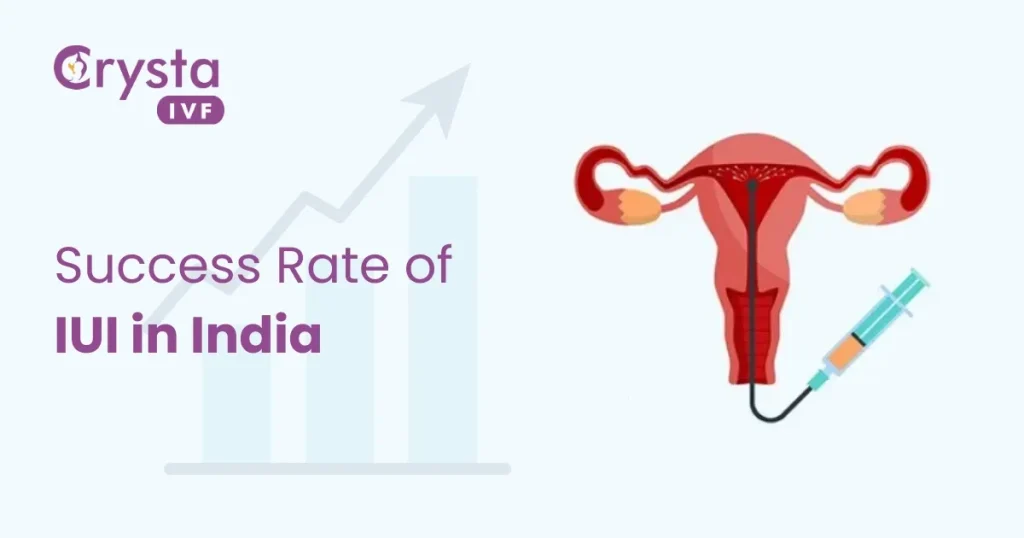
    success rate of IUI in India with a graphic of a uterus and syringe alongside a rising graph

    From Pills to Procedures: Understanding Male and Female Infertility Treatments

    If fertility drugs are not effective, a more advanced treatment option for female infertility is intrauterine insemination (IUI), as mentioned earlier. This method can also be used to bypass blocked fallopian tubes, increasing the chances of fertilization.

    In vitro fertilization (IVF) is also a commonly used treatment for female infertility. This method involves extracting the woman’s eggs and fertilizing them with the man’s sperm in a laboratory. The resulting embryo is then transferred back into the woman’s uterus. IVF has a higher success rate compared to other methods, but it can be a physically and emotionally demanding process.

    For women with severe cases of endometriosis, surgery may be recommended to remove any scar tissue or blockages that may be affecting fertility. In cases of blocked fallopian tubes, surgery may also be an option to remove the blockage and improve the chances of conception.

    Success Rates of Infertility Treatments:

    The success rates of infertility treatments vary depending on various factors such as age, cause of infertility, and the type of treatment. Fertility drugs and IUI have a success rate of around 10-20% per cycle, while IVF has a success rate of 30-40% per cycle. However, it is important to note that these success rates can vary significantly and may also depend on the expertise of the medical team and the clinic’s quality.

    It is also crucial for couples to understand that infertility treatments can be emotionally and financially taxing. It is essential to have realistic expectations and to seek support from loved ones and professionals throughout the process.

    In conclusion, from pills to procedures, there are various options available to treat male and female infertility. While fertility drugs and IUI can be effective for some couples, more advanced treatments such as IVF and surgical procedures may be necessary for others. It is crucial for couples to seek guidance from medical professionals to determine the best course of action for their specific situation.

    Summary:

    Infertility affects millions of couples worldwide, and there are various causes for both male and female infertility. Fortunately, advancements in medical technology have led to a variety of treatments to help couples achieve their dream of starting a family. From fertility drugs and intrauterine insemination to in vitro fertilization and surgical procedures, there are options available for both male and female infertility. However, it is important to have realistic expectations and seek support throughout the process, as these treatments can be emotionally and financially taxing.

  • The Cost of Conception: Exploring the Differences in Male and Female Infertility Treatments

    Summary:

    Infertility is a common issue that affects millions of couples around the world. While both men and women can experience difficulties in conceiving, the treatments for male and female infertility differ significantly. In this blog post, we will explore the cost of conception and delve into the differences in male and female infertility treatments.

    We will begin by discussing the various causes of male and female infertility, including medical conditions, lifestyle factors, and age. It is essential to understand the root cause of infertility before seeking treatment, as it can impact the success rate and cost of treatment.

    Next, we will examine the different treatment options available for male and female infertility. For men, the most common treatment is assisted reproductive technology (ART), which includes procedures such as intrauterine insemination (IUI) and in-vitro fertilization (IVF). These treatments can be costly, with the average cost of IVF ranging from $10,000 to $15,000 per cycle.

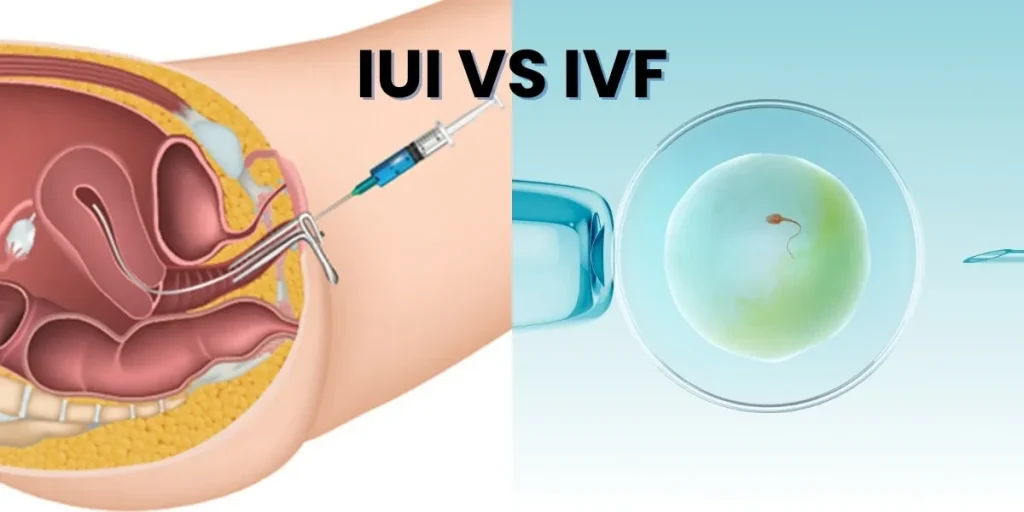
    comparison of IUI and IVF fertility treatments with illustrations of procedures and a petri dish with an egg and sperm

    The Cost of Conception: Exploring the Differences in Male and Female Infertility Treatments

    On the other hand, women have a wider range of treatment options, including medication, surgery, and ART. Medications such as Clomid and Gonadotropins can help stimulate ovulation in women, while surgery can be used to correct structural issues in the reproductive organs. The cost of these treatments can vary greatly, with medication costing a few hundred dollars per cycle and surgery costing thousands of dollars.

    In addition to traditional treatments, alternative therapies such as acupuncture and herbal remedies have gained popularity in recent years for both men and women. These treatments can be more affordable but may not have the same success rates as medical treatments.

    We will also discuss the emotional and psychological toll that infertility can take on couples, as well as the impact of these treatments on their mental health. The cost of infertility treatments can add an extra layer of stress and strain on relationships, and it is crucial for couples to seek support during this challenging time.
    Finally, we will touch on the importance of insurance coverage for infertility treatments. While some insurance plans may cover certain aspects of infertility treatment, many do not cover the full cost. This can be a significant barrier for couples seeking treatment, especially for those with limited financial resources.

    In conclusion, the cost of conception can be a significant burden for couples struggling with infertility. The treatments for male and female infertility differ in terms of options and costs, making it essential for couples to research and understand their options fully. It is also crucial to seek support and prioritize mental health during this challenging journey.

  • The Role of Technology: Donor Insemination vs Partner Insemination

    Blog Post: The Role of Technology: Donor Insemination vs Partner Insemination

    In recent years, advancements in technology have greatly impacted the field of fertility and assisted reproduction. One of the major areas where technology has had a significant role is in donor insemination and partner insemination. Both of these methods have been used to help individuals and couples achieve their dream of starting a family. However, there are distinct differences between the two, particularly in terms of the role technology plays. In this blog post, we will explore the role of technology in donor insemination and partner insemination and how it has revolutionized the process of assisted reproduction.

    Donor insemination, also known as artificial insemination by donor (AID), involves using donated sperm from a sperm bank to fertilize a woman’s eggs. This method is often used by single women or same-sex female couples who wish to have a child. In the past, donor insemination relied heavily on manual methods such as intrauterine insemination (IUI), where the sperm is inserted into the uterus using a catheter. However, with the advancements in technology, the process has become more efficient and precise.

    One of the most significant breakthroughs in donor insemination has been the development of intrauterine insemination (IUI) using washed sperm. This method involves separating the sperm from the semen, which removes any impurities and increases the chances of fertilization. It also allows for a higher concentration of healthy and motile sperm to be inserted into the uterus, increasing the chances of conception. This technology has greatly improved the success rates of donor insemination, making it a popular choice for those looking to start a family.

    Another technological advancement that has had a significant impact on donor insemination is in vitro fertilization (IVF). In this method, the eggs are fertilized with donor sperm in a laboratory setting, and the resulting embryos are then transferred into the woman’s uterus. IVF has revolutionized the field of assisted reproduction, allowing for a greater control over the fertilization process and increasing the chances of pregnancy. It has also made it possible for couples with fertility issues to have a child using donor sperm.

    A person administering an injection into their abdomen with a yellow pen-like device.

    The Role of Technology: Donor Insemination vs Partner Insemination

    On the other hand, partner insemination, also known as artificial insemination by partner (AIP), involves using the sperm of the woman’s male partner to fertilize her eggs. This method is often used by heterosexual couples who are struggling with male fertility issues or have difficulty conceiving through natural methods. Unlike donor insemination, partner insemination does not involve a sperm donor or a sperm bank, making it a more intimate and personal process.

    In the past, partner insemination also relied heavily on manual methods such as IUI. However, with the advancements in technology, the process has become more efficient and precise, similar to donor insemination. One of the technological advancements that have greatly impacted partner insemination is the use of fertility drugs. These drugs stimulate the ovaries to produce more eggs, increasing the chances of fertilization. They also allow for better timing of insemination, making it more likely for the sperm to meet the egg.

    Another technological breakthrough in partner insemination is the use of sperm washing. This process involves separating the sperm from the semen, similar to donor insemination. However, in this case, the washed sperm is from the male partner, eliminating any impurities and increasing the chances of success. Sperm washing has become an essential part of partner insemination, particularly for couples who are dealing with male fertility issues.

    In addition to these advancements, technology has also made it possible for couples to track their fertility and determine the best time for insemination. Apps and devices that track ovulation and cycle patterns have made it easier for couples to plan and time their insemination, increasing the chances of success. This technology has also made the process less stressful and more convenient for couples, as they can monitor their fertility from the comfort of their own home.

    In conclusion, technology has played a vital role in both donor insemination and partner insemination. It has revolutionized the process of assisted reproduction, making it more efficient, precise, and successful. From sperm washing to fertility tracking, technology has improved the chances of conception for couples struggling with fertility issues. With continued advancements, it is safe to say that technology will continue to play a significant role in the field of assisted reproduction, helping individuals and couples achieve their dream of starting a family.

    Summary: Technology has greatly impacted the field of assisted reproduction, particularly in donor insemination and partner insemination. Advancements such as sperm washing, IVF, and fertility tracking have revolutionized the process, making it more efficient and successful. Donor insemination, which involves using donated sperm, has seen a significant increase in success rates, while partner insemination, which uses the sperm of the male partner, has also benefited from advancements such as fertility drugs and sperm washing. With continued advancements, technology will continue to play a crucial role in helping individuals and couples achieve their dream of starting a family.

  • Fertility Supplements vs Medical Treatments: Which Has a Higher Success Rate?

    Blog Post:

    Fertility is a topic that affects many individuals and couples around the world. With advancements in medical technology, there are now various options available for those struggling with infertility. One of the most debated topics when it comes to fertility treatment is whether supplements or medical treatments have a higher success rate. In this blog post, we will explore the differences between fertility supplements and medical treatments and determine which one has a higher success rate.

    Fertility Supplements

    Fertility supplements are often marketed as a natural and non-invasive option for those trying to conceive. These supplements typically contain a combination of vitamins, minerals, and herbs that are believed to improve fertility. Some of the most commonly used supplements include folic acid, vitamin D, zinc, and chasteberry.

    One of the main benefits of fertility supplements is that they are easily accessible and can be purchased over-the-counter without a prescription. They are also generally more affordable compared to medical treatments, making them an attractive option for those on a budget.

    However, the effectiveness of fertility supplements is still a topic of debate. While some studies have shown positive results, others have found no significant difference in pregnancy rates between those taking supplements and those who are not. Additionally, supplements may take longer to show results, and in some cases, can even have adverse effects on fertility.

    Medical Treatments

    diagram of the female reproductive system with an IUI syringe and test tube for artificial insemination

    Fertility Supplements vs Medical Treatments: Which Has a Higher Success Rate?

    On the other hand, medical treatments for fertility include a range of procedures and interventions such as in-vitro fertilization (IVF), intrauterine insemination (IUI), and fertility drugs. These treatments are typically prescribed and monitored by a fertility specialist and require a more invasive approach.

    One of the main advantages of medical treatments is that they have a higher success rate compared to fertility supplements. IVF, for example, has a success rate of around 30% per cycle, while IUI has a success rate of 10-20% per cycle. Additionally, medical treatments are tailored to an individual’s specific needs, making them more effective in addressing fertility issues.

    However, medical treatments also come with their own set of challenges. They can be costly, with IVF averaging around $12,000 per cycle. They also come with potential risks and side effects, which can add to the stress and emotional toll of trying to conceive.

    Which Has a Higher Success Rate?

    When it comes to determining which option has a higher success rate, it is essential to consider the individual circumstances and factors at play. In some cases, individuals may have underlying medical conditions that require medical treatments, while others may benefit from the use of supplements.

    In general, medical treatments have been found to have a higher success rate compared to fertility supplements. However, it is essential to note that both options have their own benefits and limitations. For some individuals, a combination of both may be the most effective approach.

    Summary:

    Fertility is a topic that affects many individuals and couples around the world. When it comes to addressing fertility issues, there are two main options to consider: fertility supplements and medical treatments. While supplements are easily accessible and affordable, their effectiveness is still a topic of debate. On the other hand, medical treatments have a higher success rate but can be costly and come with potential risks and side effects. Ultimately, the best approach will depend on an individual’s specific circumstances and needs.