Tag: yoga

  • Traditional Fertility Treatments: Are They Right for You?

    Traditional Fertility Treatments: Are They Right for You?

    Fertility is a fundamental aspect of human life and the desire to have children is a natural instinct for many individuals. However, for some, conceiving a child may not come as easily as expected. This can be a stressful and emotional journey for couples and individuals who are struggling with fertility issues. In such cases, traditional fertility treatments may be an option to consider. These treatments have been around for centuries and have been used by different cultures to enhance fertility and increase the chances of conception. In this blog post, we will explore the world of traditional fertility treatments, their effectiveness, and whether they may be the right choice for you.

    What are Traditional Fertility Treatments?

    Traditional fertility treatments refer to the use of natural methods and techniques to enhance fertility and increase the chances of conception. These treatments have been used for centuries by various cultures around the world. They are based on the belief that certain herbs, plants, and techniques can regulate the body’s natural processes and improve fertility. Traditional fertility treatments are often seen as a holistic approach to fertility, as they focus on the overall health and well-being of the individual rather than just targeting the reproductive system.

    Types of Traditional Fertility Treatments

    There are various types of traditional fertility treatments, each with its own unique approach and benefits. Some of the most popular ones include:

    1. Acupuncture: This ancient Chinese practice involves the insertion of thin needles into specific points on the body to stimulate energy flow and promote overall health. It is believed that acupuncture can improve fertility by balancing the body’s energy and regulating the reproductive hormones. Studies have shown that acupuncture can be beneficial for women undergoing in-vitro fertilization (IVF) treatments, as it can increase the success rate of the procedure.

    2. Herbal remedies: Traditional herbal remedies have been used for centuries to enhance fertility. Different herbs and plants are believed to have properties that can regulate hormones, improve egg quality, and increase sperm count. Some of the most commonly used herbs for fertility include red clover, chasteberry, and maca root. However, it is important to consult a healthcare professional before trying any herbal remedies, as they may interact with other medications or have side effects.
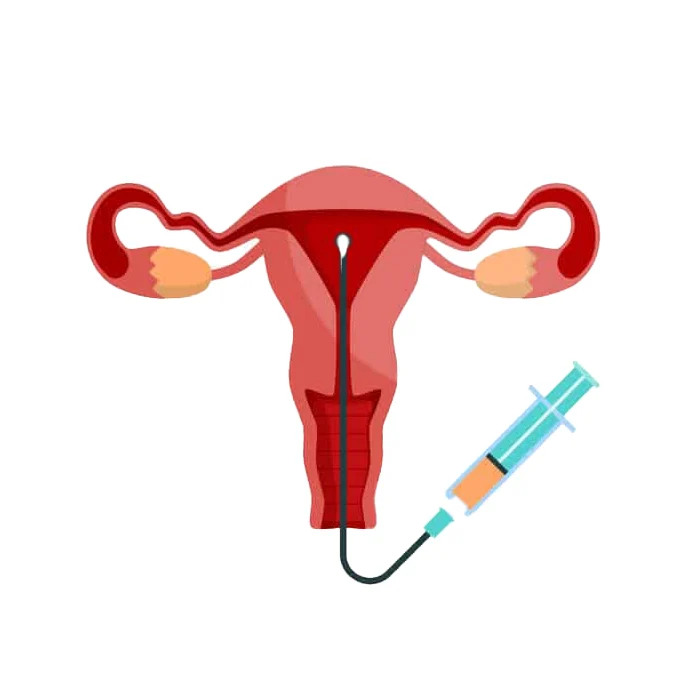
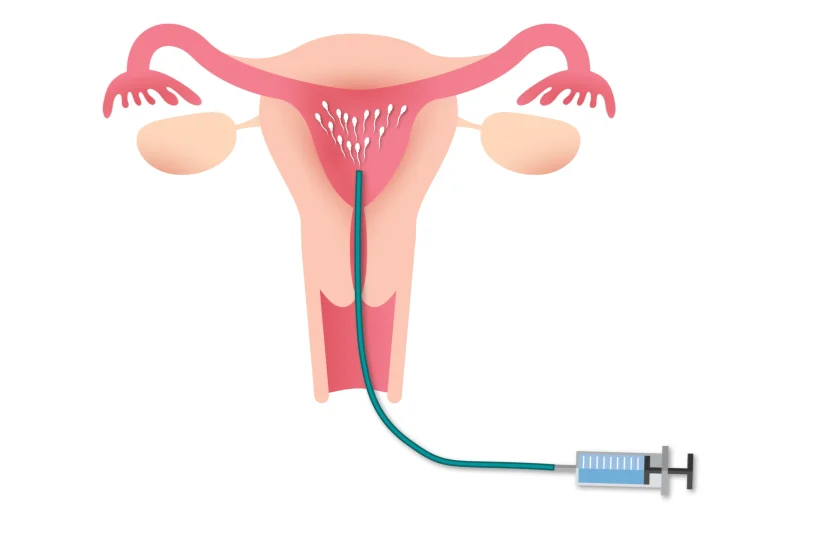
    illustration of a uterus with a syringe for intrauterine insemination (IUI) procedure

    Traditional Fertility Treatments: Are They Right for You?

    3. Yoga and meditation: These ancient practices have gained popularity in recent years for their ability to promote relaxation and reduce stress. Stress has been linked to infertility, and yoga and meditation can be effective in reducing stress levels and improving overall well-being. Certain yoga poses and meditation techniques are also believed to improve blood flow to the reproductive organs, which can enhance fertility.

    4. Traditional Chinese medicine: This includes a combination of herbal remedies, acupuncture, and dietary changes to improve fertility. It is based on the concept of balancing the yin and yang energies in the body to promote overall health and fertility. Traditional Chinese medicine practitioners may also recommend specific diets and lifestyle changes to improve fertility.

    Effectiveness of Traditional Fertility Treatments

    There is limited scientific evidence to support the effectiveness of traditional fertility treatments. However, many individuals and couples have reported success with these methods. It is important to note that the effectiveness of these treatments may vary from person to person, and they may not work for everyone. Some studies have shown that certain traditional fertility treatments, such as acupuncture, can improve the success rate of assisted reproductive techniques like IVF. However, more research is needed to determine the true effectiveness of these treatments.

    Are Traditional Fertility Treatments Right for You?

    Deciding whether traditional fertility treatments are right for you is a personal decision that should be made after careful consideration and consultation with a healthcare professional. These treatments may not be suitable for everyone and should not replace medical advice or treatment. It is important to keep in mind that these treatments may take time to show results and may not work for everyone. Moreover, some traditional fertility treatments may have side effects or interact with other medications, so it is crucial to consult a healthcare professional before trying them.

    In conclusion, traditional fertility treatments have been used for centuries and are still practiced by many individuals and cultures around the world. While there is limited scientific evidence to support their effectiveness, many people have reported success with these methods. However, it is important to approach these treatments with caution and consult a healthcare professional before trying them. With their holistic approach to fertility, traditional treatments may be a worthwhile option for those struggling with fertility issues.

    Summary:

    Fertility is a natural instinct for many individuals, but for some, it can be a challenging journey. Traditional fertility treatments, which have been used for centuries, may offer a holistic approach to enhancing fertility and increasing the chances of conception. These treatments include practices such as acupuncture, herbal remedies, yoga, and traditional Chinese medicine. While there is limited scientific evidence to support their effectiveness, many people have reported success with these methods. However, it is important to consult a healthcare professional before trying traditional fertility treatments, as they may not work for everyone and may have side effects or interact with other medications.

  • Fertility Yoga: A Mind-Body Practice for Reducing Stress and Boosting Fertility

    Blog post:

    Fertility is a topic that affects millions of couples around the world, and the struggle to conceive can take a heavy toll on both the body and mind. In recent years, a growing number of women have turned to fertility yoga as a natural and holistic way to support their fertility journey.

    What is fertility yoga?

    Fertility yoga is a specialized practice that blends traditional yoga poses with breathing techniques, meditation, and visualization exercises to support reproductive health and enhance fertility. It is designed to help women connect with their bodies and create a nurturing environment for conception to occur.

    This mind-body practice focuses on reducing stress and increasing relaxation, both of which are essential for fertility. It also aims to balance hormones, improve circulation, and increase oxygen flow to the reproductive organs.

    How does it work?

    Fertility yoga works by addressing the physical, mental, and emotional aspects of fertility. The physical aspect involves gentle stretches and poses that help improve blood flow to the reproductive organs, regulate hormones, and release tension in the body.

    The mental aspect of fertility yoga involves calming the mind and reducing stress through deep breathing and meditation. This can be especially beneficial for women experiencing infertility-related anxiety and depression.

    Emotionally, fertility yoga provides a safe and supportive space for women to connect with their bodies and explore their feelings about their fertility journey. It can also help release any emotional blockages that may be hindering conception.

    Benefits of fertility yoga

    1. Reduces stress and anxiety

    Stress and anxiety can have a significant impact on reproductive health and can even lead to ovulation disorders and irregular periods. Fertility yoga can help reduce stress and promote relaxation, creating a more conducive environment for conception.

    2. Balances hormones

    Hormonal imbalances can be a major obstacle to conception. Fertility yoga poses, such as the supported bridge pose and the reclining bound angle pose, can help regulate hormone levels and improve reproductive function.

    3. Improves blood flow to the reproductive organs

    The gentle stretches and poses of fertility yoga can increase blood flow to the uterus, ovaries, and fallopian tubes, providing these organs with vital nutrients and oxygen.

    4. Increases fertility awareness

    Fertility yoga encourages women to tune in to their bodies and become more aware of their menstrual cycle and ovulation. This awareness can help women identify the most fertile days of their cycle and increase their chances of conception.

    5. Creates a positive mindset

    Illustration of IUI procedure with uterus and syringe against a DNA background.

    Fertility Yoga: A Mind-Body Practice for Reducing Stress and Boosting Fertility

    The mind is a powerful tool, and a positive outlook can make a significant difference in a woman’s fertility journey. Fertility yoga incorporates positive affirmations and visualization exercises to create a more optimistic mindset and increase the chances of conception.

    6. Promotes self-care

    Trying to conceive can be physically and emotionally exhausting, and it is essential for women to take care of themselves during this time. Fertility yoga provides a nurturing and self-care practice that can help women relax and recharge.

    7. Enhances the mind-body connection

    Fertility yoga encourages women to connect with their bodies and listen to their inner wisdom. By cultivating a strong mind-body connection, women can better understand their fertility and make positive changes to support it.

    Fertility yoga poses to try

    1. Supported bridge pose (Setu Bandhasana)

    This pose helps improve blood flow to the reproductive organs and can also help relieve stress and anxiety.

    2. Reclining bound angle pose (Supta Baddha Konasana)

    This pose helps open up the hips and pelvis, improving circulation to the reproductive organs and balancing hormones.

    3. Child’s pose (Balasana)

    This gentle resting pose can help release tension in the body and promote relaxation.

    4. Legs up the wall pose (Viparita Karani)

    This pose helps improve blood flow to the pelvis and can also reduce stress and anxiety.

    5. Supported headstand (Salamba Sirsasana)

    This advanced pose can help regulate hormones and improve blood flow to the reproductive organs.

    It is essential to remember that every woman’s body is different, and what works for one may not work for another. It is always best to consult with a fertility specialist and a certified fertility yoga instructor before starting any new exercise or relaxation routine.

    In conclusion, fertility yoga can be a valuable tool for women on their fertility journey. By reducing stress, balancing hormones, and promoting a positive mindset, it can help create a more fertile environment for conception to occur. Incorporating fertility yoga into a holistic approach to fertility can provide women with the support they need to navigate this challenging and emotional time.

    Summary:

    Fertility yoga is a specialized practice that combines traditional yoga poses, breathing techniques, meditation, and visualization exercises to support reproductive health and enhance fertility. It works by addressing the physical, mental, and emotional aspects of fertility and offers benefits such as reducing stress and anxiety, balancing hormones, and improving blood flow to the reproductive organs. By promoting self-care and enhancing the mind-body connection, fertility yoga can be a valuable tool for women on their fertility journey.

  • Traditional Exercise vs Fertility Yoga: Which Is More Effective for Improving Male Fertility?

    Traditional Exercise vs Fertility Yoga: Which Is More Effective for Improving Male Fertility?

    When it comes to fertility, many couples often focus on the woman’s health and well-being. However, male fertility is just as important in the conception process, and there are many factors that can affect it. One of the key factors is exercise. While traditional exercise has many benefits for overall health, fertility yoga is gaining attention as a potential solution for improving male fertility. In this blog post, we will explore the differences between traditional exercise and fertility yoga and determine which one may be more effective for improving male fertility.

    Traditional Exercise

    Traditional exercise refers to any physical activity that involves repetitive movements and can be categorized into three main types: aerobic, strength training, and flexibility. Aerobic exercises, such as running, swimming, or cycling, are beneficial for cardiovascular health and can improve overall fitness. Strength training, which includes weightlifting or bodyweight exercises, can increase muscle mass and strength. Flexibility exercises, such as yoga or stretching, can improve range of motion and reduce the risk of injury.

    There is no denying that traditional exercise has numerous benefits for both physical and mental health. Regular exercise can reduce the risk of chronic diseases, improve mood, and increase energy levels. However, when it comes to male fertility, the effects of traditional exercise are not as clear.

    Studies have shown that excessive exercise can have a negative impact on male fertility. High-intensity exercise can lead to an increase in cortisol, a stress hormone that can disrupt the normal functioning of the reproductive system. It can also decrease testosterone levels, which is crucial for sperm production. Additionally, long-distance cycling has been linked to erectile dysfunction and decreased sperm quality.

    On the other hand, moderate exercise has been found to have a positive effect on male fertility. A study published in the Journal of Urology found that men who exercised regularly had a higher sperm count and better sperm quality compared to sedentary men. Moderate exercise can also improve blood flow to the reproductive organs, which is essential for sperm production.

    Fertility Yoga

    Fertility yoga is a specialized form of yoga that focuses on poses, breathing techniques, and meditation to support reproductive health. It is believed that certain yoga poses can stimulate the reproductive organs, increase blood flow, and balance hormones, leading to improved fertility.

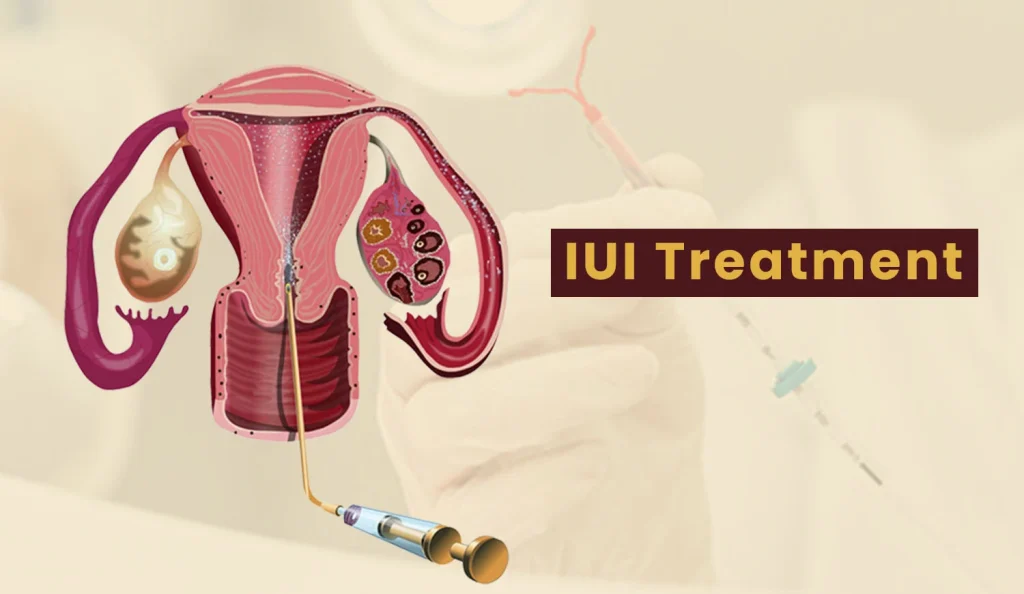
    illustration of the uterus and ovaries with a syringe, labeled "IUI Treatment" in the background

    Traditional Exercise vs Fertility Yoga: Which Is More Effective for Improving Male Fertility?

    One of the key benefits of fertility yoga is its ability to reduce stress. Stress is a major factor in male infertility, as it can disrupt hormone levels and sperm production. By practicing relaxation techniques and calming the mind, fertility yoga can help reduce stress and improve male fertility.

    In addition, fertility yoga can also improve blood circulation to the reproductive organs. Certain poses, such as the Bridge pose and the Cobra pose, can increase blood flow to the pelvic area, which can improve the health of the reproductive organs and increase sperm production.

    Furthermore, fertility yoga can also help balance hormones. Hormonal imbalances can affect sperm production and lead to fertility issues. By practicing certain poses and breathing techniques, fertility yoga can help regulate hormone levels and improve male fertility.

    Which Is More Effective for Improving Male Fertility?

    While both traditional exercise and fertility yoga have their benefits, it is difficult to determine which one is more effective for improving male fertility. The truth is, it may depend on the individual and their specific needs.

    For men who are already physically active, incorporating fertility yoga into their routine may offer additional benefits for improving fertility. It can help reduce stress, improve blood flow, and balance hormones, all of which can contribute to better reproductive health.

    On the other hand, for men who are not as physically active, starting with moderate traditional exercise may be a good first step. It can help improve overall fitness and may have a positive effect on male fertility. However, it is important to avoid over-exercising and to listen to the body’s limits.

    In conclusion, both traditional exercise and fertility yoga have their advantages when it comes to improving male fertility. Moderate traditional exercise can improve overall fitness and blood flow, while fertility yoga can reduce stress and balance hormones. Ultimately, finding the right balance between the two may be the most effective approach for improving male fertility.

    Summary:

    Male fertility is an important factor in the conception process, and exercise can play a crucial role in improving it. Traditional exercise, such as aerobic, strength training, and flexibility, has many benefits for overall health but excessive exercise can have a negative impact on fertility. On the other hand, fertility yoga, with its focus on poses, breathing techniques, and meditation, can reduce stress, improve blood flow, and balance hormones. Both forms of exercise have their benefits, and finding the right balance between the two may be the most effective approach for improving male fertility.

  • Fertility Yoga: A Natural and Empowering Practice for Women on Their Fertility Journey

    Fertility Yoga: A Natural and Empowering Practice for Women on Their Fertility Journey

    For many women, the journey to conceiving a child can be a challenging and emotional experience. Along with the physical aspects of fertility, there are also mental and emotional factors that can impact a woman’s ability to conceive. In recent years, more and more women have turned to yoga as a natural and empowering practice to support them on their fertility journey. In this blog post, we will explore the benefits of fertility yoga and how it can be a beneficial practice for women who are trying to conceive.

    Fertility yoga is a specialized form of yoga that focuses on supporting and optimizing reproductive health. It combines traditional yoga poses with breathwork, meditation, and relaxation techniques to create a holistic approach to fertility. This practice can help improve overall physical and emotional well-being, reduce stress and anxiety, and increase fertility potential.

    One of the key benefits of fertility yoga is its ability to reduce stress levels. The journey to conception can be a stressful and overwhelming experience, and the body’s stress response can have a negative impact on fertility. Fertility yoga can help to calm the mind and body, reducing the production of stress hormones and creating a more conducive environment for conception. By practicing deep breathing and relaxation techniques, women can learn to release tension and let go of negative thoughts and emotions, promoting a sense of peace and balance in their bodies.

    In addition to reducing stress, fertility yoga also helps to improve blood circulation and balance hormones in the body. Certain yoga poses, such as forward bends and inversions, can stimulate blood flow to the reproductive organs, promoting a healthy and regular menstrual cycle. These poses can also help to balance hormone levels, which can be essential for fertility. By supporting the endocrine system and promoting hormonal balance, fertility yoga can increase the chances of conception.

    Fertility yoga can also help to release tension and stiffness in the pelvic region, improving flexibility and promoting a healthy reproductive system. The pelvic area is home to many vital organs, including the uterus, ovaries, and fallopian tubes. Tension and stiffness in this area can impede the flow of energy and blood to these organs, affecting their function. Through specific yoga poses and movements, fertility yoga can help to release this tension and improve the health and vitality of the reproductive organs.

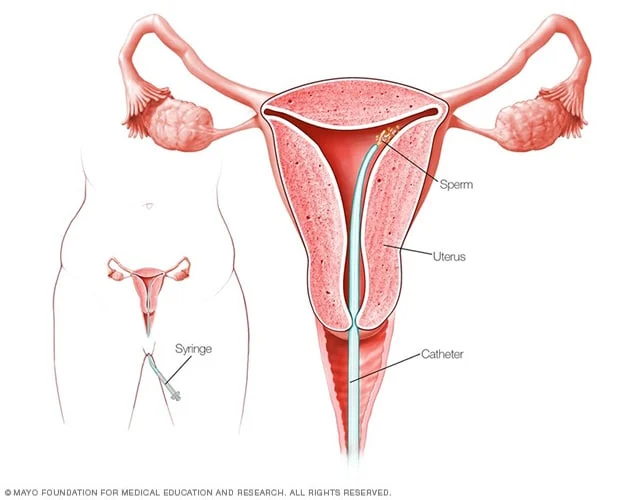
    diagram illustrating intrauterine insemination (IUI) procedure with uterus, sperm, and catheter labeled

    Fertility Yoga: A Natural and Empowering Practice for Women on Their Fertility Journey

    Another significant benefit of fertility yoga is its ability to increase self-awareness and mindfulness. The journey to conception can be a rollercoaster of emotions, and it’s essential to take care of your mental and emotional well-being during this time. Fertility yoga encourages women to connect with their bodies and tune into their inner selves. By practicing mindfulness and self-compassion, women can learn to accept and honor their bodies, fostering a positive mindset that can support fertility.

    Fertility yoga can also be a beneficial practice for women who are undergoing fertility treatments. The stress and anxiety associated with these treatments can be overwhelming, and fertility yoga can provide a much-needed outlet for relaxation and self-care. By incorporating fertility yoga into their treatment plans, women can reduce stress levels, improve their overall well-being, and increase their chances of success.

    Aside from its physical and mental benefits, fertility yoga also offers a sense of community and support for women on their fertility journey. Many yoga studios and classes offer specialized fertility yoga sessions, creating a safe and welcoming space for women to connect with others who share similar experiences. This sense of community can provide emotional support and a sense of belonging, which can be invaluable during a challenging time.

    In conclusion, fertility yoga is a natural and empowering practice that can support women on their fertility journey. By reducing stress, balancing hormones, improving circulation, and promoting self-awareness, fertility yoga can create a more conducive environment for conception. It also provides a sense of community and support, allowing women to connect with others and find comfort in their shared experiences. Whether practiced on its own or in combination with other fertility treatments, fertility yoga can be a powerful tool for women looking to conceive and embark on the beautiful journey of motherhood.

    Summary:

    Fertility yoga is a specialized form of yoga that combines traditional poses with breathwork and relaxation techniques to support reproductive health. It can reduce stress, balance hormones, improve circulation, release tension in the pelvic region, and promote self-awareness. Fertility yoga also offers a sense of community and support for women on their fertility journey. It can be practiced on its own or in combination with other fertility treatments, making it a natural and empowering practice for women looking to conceive.

  • The Role of Yoga in Reducing Inflammation for Women Trying to Conceive

    Summary:

    Inflammation is a natural response of the body to protect itself from injury and infection. However, chronic inflammation can have negative effects on overall health, including fertility. For women who are trying to conceive, managing inflammation is crucial. Yoga, an ancient practice that combines physical postures, breathing techniques, and meditation, has been shown to be effective in reducing inflammation in the body. In this blog post, we will explore the role of yoga in reducing inflammation for women trying to conceive and how it can improve their chances of getting pregnant.

    Yoga and Inflammation:

    Inflammation is often caused by stress, poor diet, environmental toxins, and other lifestyle factors. These can all impact the reproductive system and make it difficult for women to get pregnant. Studies have shown that practicing yoga can help to reduce inflammation in the body by reducing stress and improving overall health.

    One of the key ways yoga helps to reduce inflammation is through its stress-reducing effects. Stress triggers the production of cortisol, a hormone that increases inflammation in the body. Yoga has been found to lower cortisol levels, thus reducing inflammation. Additionally, the physical postures and breathing techniques in yoga help to regulate the nervous system, which in turn reduces stress and inflammation.

    Yoga and Hormonal Balance:

    Hormonal imbalances can also contribute to inflammation and fertility issues. Yoga has been shown to help balance hormones by stimulating the endocrine glands and improving blood flow to the reproductive organs. This can help regulate menstrual cycles, improve ovulation, and increase fertility.

    Certain yoga poses, such as the shoulder stand and the fish pose, are especially beneficial for the reproductive organs. These poses increase blood flow to the pelvic area, which can help to reduce inflammation and improve fertility. They also help to balance hormones and stimulate the thyroid gland, which is responsible for regulating the reproductive hormones.

    diagram illustrating intrauterine insemination (IUI) procedure with uterus, sperm, and catheter labeled

    The Role of Yoga in Reducing Inflammation for Women Trying to Conceive

    Mental and Emotional Health:

    The journey of trying to conceive can be emotionally and mentally challenging for women. The stress, anxiety, and disappointment that come with infertility can also contribute to inflammation in the body. Yoga provides a safe and nurturing space for women to connect with their bodies and emotions, and to release any negative thoughts or feelings.

    Through meditation and breathing techniques, yoga can help to calm the mind and reduce stress and anxiety. It also promotes mindfulness, which allows women to become more aware of their bodies and any areas of tension or discomfort. By releasing these tensions, women can reduce inflammation and create a more supportive environment for conception.

    Yoga and Nutrition:

    Nutrition plays a crucial role in managing inflammation. Certain foods, such as processed and sugary foods, can trigger inflammation in the body. On the other hand, a diet rich in anti-inflammatory foods, such as leafy greens, whole grains, and healthy fats, can help to reduce inflammation.

    Yoga promotes mindful eating, which encourages women to listen to their bodies and make healthier food choices. Through the practice of yoga, women can become more aware of how certain foods affect their bodies and make changes to their diet accordingly. This can not only reduce inflammation but also improve overall health and fertility.

    Final Thoughts:

    In conclusion, yoga can be a powerful tool for women trying to conceive. Its ability to reduce stress, balance hormones, and promote overall health and well-being can help to reduce inflammation in the body and improve fertility. However, it is important to note that yoga should not be used as a replacement for medical treatment. Women should always consult with their healthcare provider before starting any new exercise regimen, especially if they have any underlying health conditions.

    Incorporating yoga into a fertility journey can be a beneficial and empowering experience. Not only does it provide physical benefits, but it also addresses mental, emotional, and nutritional factors that can contribute to inflammation and fertility issues. By reducing inflammation and creating a more harmonious environment in the body, women can increase their chances of conceiving and have a more positive outlook on their fertility journey.

  • Fertility Yoga vs Traditional Exercise: Which Is More Beneficial for Women with Unexplained Infertility?

    Blog Post:

    When it comes to dealing with infertility, women often face a lot of physical and emotional challenges. While there are many different approaches to addressing fertility issues, one that has gained popularity in recent years is fertility yoga. This specialized form of yoga is said to have benefits for women with unexplained infertility, but how does it compare to traditional exercise? In this blog post, we will explore the differences between fertility yoga and traditional exercise, and which one may be more beneficial for women dealing with unexplained infertility.

    Understanding Fertility Yoga:

    Fertility yoga is a form of yoga that is specifically designed to support and enhance reproductive health. It combines traditional yoga poses with breathing techniques and meditation, all aimed at improving hormonal balance, reducing stress, and increasing blood flow to the reproductive organs. The practice is based on the belief that by releasing tension and blocked energy in the body, women can increase their chances of conception.

    One of the main advantages of fertility yoga is that it is gentle and low-impact, making it suitable for women of all ages and fitness levels. It also focuses on specific poses that target the reproductive organs, such as the butterfly pose, which is thought to improve blood flow to the pelvic area and stimulate the ovaries.

    The Benefits of Traditional Exercise:

    On the other hand, traditional exercise, such as cardio and strength training, has been proven to have numerous benefits for overall health and well-being. Regular physical activity can help maintain a healthy weight, improve cardiovascular health, and reduce stress levels. Studies have also shown that exercise can have positive effects on fertility, especially for women with polycystic ovary syndrome (PCOS).

    Additionally, traditional forms of exercise can also improve overall body function and increase energy levels, which can be helpful for women dealing with fertility issues. Exercise can also be a great way to relieve stress and boost mood, which can be beneficial for women going through the emotional rollercoaster of trying to conceive.

    Fertility Yoga vs Traditional Exercise: Which is More Beneficial for Women with Unexplained Infertility?

    While both fertility yoga and traditional exercise have their own unique benefits, it’s important to consider which one may be more beneficial for women with unexplained infertility. According to fertility experts, there is no one-size-fits-all approach to fertility, and what works for one woman may not work for another. However, there are some key factors to consider when deciding between fertility yoga and traditional exercise.

    Illustration of IUI procedure with uterus and syringe against a DNA background.

    Fertility Yoga vs Traditional Exercise: Which Is More Beneficial for Women with Unexplained Infertility?

    1. Stress Reduction:

    Stress is a major factor in fertility, and it can have a significant impact on a woman’s ability to conceive. Fertility yoga is specifically designed to reduce stress levels through breathing techniques and meditation. By calming the mind and releasing tension in the body, fertility yoga may help regulate hormones and improve reproductive health.

    On the other hand, traditional exercise can also be an effective stress-reliever. However, it’s important to choose activities that bring joy and relaxation rather than adding more pressure to an already stressful situation. For some women, the intensity of traditional exercise may actually increase stress levels and have a negative impact on fertility.

    2. Hormonal Balance:

    Hormonal imbalances can be a major factor in unexplained infertility. Fertility yoga is believed to help balance hormones by stimulating the endocrine system and improving blood flow to the reproductive organs. This can be especially beneficial for women with conditions such as PCOS, where hormonal imbalances play a significant role in fertility.

    While traditional exercise does not have a direct effect on hormonal balance, it can help regulate hormones indirectly by promoting a healthy weight and reducing stress levels. It’s also important to note that excessive exercise can have a negative impact on hormonal balance, so it’s important to find a balance and not overdo it.

    3. Physical Limitations:

    As mentioned earlier, fertility yoga is a low-impact form of exercise that is gentle on the body. This makes it suitable for women with physical limitations or injuries, making it a more accessible option for those with fertility issues. Traditional exercise, on the other hand, can be more challenging and may not be suitable for women with certain medical conditions.

    Summary:

    In conclusion, both fertility yoga and traditional exercise have their own unique benefits for women with unexplained infertility. Fertility yoga may be more beneficial for those looking for a low-impact, stress-reducing form of exercise that specifically targets the reproductive organs. On the other hand, traditional exercise can also have positive effects on fertility, especially when it comes to managing stress and maintaining a healthy weight. Ultimately, the best approach will depend on each individual’s needs and preferences.

  • Fertility Yoga: A Holistic Approach to Improving Fertility and Preparing for Motherhood

    Blog Post Title: Fertility Yoga: A Holistic Approach to Improving Fertility and Preparing for Motherhood

    Summary:

    Fertility is a complex and deeply personal journey for many women. It can be filled with challenges, emotions, and uncertainty. While there are many medical treatments and interventions available, some women are turning to a holistic approach to improve their fertility and prepare for motherhood: fertility yoga.

    Fertility yoga is a specific type of yoga practice that focuses on supporting reproductive health and increasing fertility. It combines physical postures, breathing exercises, and meditation to create a mind-body connection that can positively impact fertility. In this blog post, we will explore the benefits of fertility yoga, how it can improve fertility, and how it can prepare women for motherhood.

    One of the main benefits of fertility yoga is its ability to reduce stress and anxiety. The journey of trying to conceive can be incredibly stressful and emotionally draining. This stress can have a negative impact on fertility by disrupting hormone levels and ovulation. Fertility yoga helps to calm the mind and relax the body, reducing stress levels and creating a more positive environment for conception.

    Fertility yoga also focuses on specific postures and exercises that target the reproductive organs. These postures increase blood flow to the pelvic area, which can improve the health of the ovaries and uterus. They can also help to release tension in the hips and lower back, which can be beneficial for women with conditions such as endometriosis or polycystic ovary syndrome (PCOS).

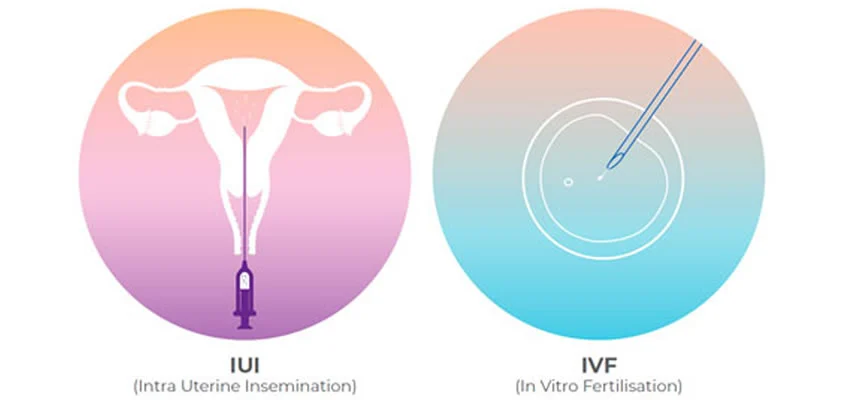
    IVF vs IUI comparison graphic highlighting reproductive methods for aspiring parents.

    Fertility Yoga: A Holistic Approach to Improving Fertility and Preparing for Motherhood

    Additionally, fertility yoga can balance the endocrine system, which is responsible for producing and regulating hormones. Imbalances in hormones can affect fertility, and practicing fertility yoga can help to restore balance and improve reproductive health. The practice also stimulates the parasympathetic nervous system, which is responsible for promoting relaxation and healing in the body.

    Aside from the physical benefits, fertility yoga also focuses on the emotional and spiritual aspects of fertility. The practice encourages women to connect with their bodies and their intuition. It can help women to release emotional blocks and trauma that may be impacting their fertility. Fertility yoga can also help women to cultivate self-love and acceptance, which is crucial for preparing for motherhood.

    Another aspect of fertility yoga is its emphasis on mindfulness and meditation. This practice can help women to become more present and aware of their bodies and their thoughts. It can also help to reduce negative thought patterns and promote a more positive mindset. Cultivating a positive mindset is essential for fertility, as stress and negative thinking can have a significant impact on reproductive health.

    Fertility yoga is not just about improving fertility; it also helps women to prepare for motherhood. The physical postures and exercises can help to strengthen the body and prepare it for the physical demands of pregnancy and childbirth. The deep breathing and relaxation techniques can also be beneficial during labor and delivery. Furthermore, the emotional and spiritual aspects of fertility yoga can help women to feel more connected and ready for the journey of motherhood.

    In addition to the physical and emotional benefits, fertility yoga also offers a supportive community for women on their fertility journey. Many fertility yoga classes and workshops are specifically designed for women trying to conceive, creating a safe and understanding space for women to come together and share their experiences. This sense of community and support can be incredibly empowering and comforting for women going through the challenges of fertility.

    In conclusion, fertility yoga offers a holistic approach to improving fertility and preparing for motherhood. Its combination of physical postures, breathing exercises, and mindfulness techniques can have a positive impact on reproductive health, reduce stress and anxiety, and prepare women for the journey of motherhood. Along with medical treatments, fertility yoga can be a valuable tool for women on their fertility journey.

  • Fertility Yoga for Couples: A Bonding Experience for Those on Their Fertility Journey

    Blog Post Title: Fertility Yoga for Couples: A Bonding Experience for Those on Their Fertility Journey

    Summary:

    For couples struggling with infertility, the journey to parenthood can be emotionally and physically taxing. While medical treatments and interventions can help, many couples may also turn to alternative methods to aid in their fertility journey. One such method that has gained popularity in recent years is fertility yoga for couples.

    Fertility yoga is a specialized form of yoga that combines traditional yoga poses with specific techniques and breathing exercises aimed at promoting fertility. When practiced together as a couple, it not only provides physical and mental benefits but also serves as a bonding experience for partners on the fertility journey.

    In this blog post, we will delve deeper into the practice of fertility yoga for couples, its benefits, and how it can help strengthen the bond between partners on their fertility journey.

    Understanding Fertility Yoga:

    Fertility yoga, also known as reproductive yoga or yoga for fertility, is a holistic approach that focuses on bringing balance and harmony to the body, mind, and spirit. It combines elements of traditional yoga, meditation, and breathing techniques to improve the reproductive health of individuals and aid in their journey towards parenthood.

    Fertility yoga specifically targets the reproductive organs and the endocrine system, which plays a crucial role in fertility. By stimulating these areas through various poses and techniques, fertility yoga aims to improve blood flow, reduce stress, balance hormones, and create a more conducive environment for conception.

    The Benefits of Fertility Yoga:

    1. Reduces Stress: Stress is a major factor that can affect fertility. Fertility yoga involves breathing and relaxation techniques that help calm the mind and reduce stress levels. This, in turn, can have a positive impact on fertility by reducing the levels of cortisol, a stress hormone that can interfere with ovulation and sperm production.

    diagram of a uterus with a syringe for intrauterine insemination procedure

    Fertility Yoga for Couples: A Bonding Experience for Those on Their Fertility Journey

    2. Increases Blood Flow: Fertility yoga incorporates poses that target the reproductive organs, such as the uterus and ovaries, by improving blood flow to these areas. This increased blood flow can help nourish these organs and improve their function, leading to a higher chance of conception.

    3. Balances Hormones: Hormonal imbalances can be a significant barrier to fertility. Fertility yoga poses, such as the supported bridge pose, can stimulate the endocrine system, which is responsible for producing and regulating hormones. This can help bring balance to the hormones and improve fertility.

    4. Encourages Mind-Body Connection: Fertility yoga is not just about physical poses; it also involves mindfulness and meditation. By focusing on the present moment and connecting with one’s body, individuals can cultivate a deeper understanding and awareness of their reproductive health and needs.

    5. Strengthens the Relationship: Practicing fertility yoga as a couple can be a powerful way to strengthen the bond between partners. It allows them to connect and support each other on their fertility journey, creating a sense of unity and understanding. It also provides a safe space for couples to share their emotions and fears, leading to better communication and a stronger relationship.

    Fertility Yoga Poses for Couples:

    1. Seated Forward Bend: This pose helps stimulate the reproductive organs and improve blood flow to the pelvic area. To practice this pose, sit facing each other with your legs extended and feet touching. Hold onto each other’s hands and fold forward, bringing your heads towards your knees.

    2. Supported Bridge Pose: This pose helps balance hormones and reduce stress. To practice this pose, lie on your back with your knees bent and feet flat on the ground. Place a yoga block or pillow under your hips for support. Hold onto each other’s hands and lift your hips towards the ceiling.

    3. Butterfly Pose: This pose helps improve flexibility in the hips and groin area, which can be beneficial for conception. Sit facing each other with the soles of your feet touching. Hold onto each other’s hands and gently press your knees towards the ground.

    4. Heart-to-Heart Pose: This pose helps create a deep connection between partners and encourages communication. Sit facing each other with your legs crossed. Hold onto each other’s hands and gently lean towards each other until your foreheads touch.

    It’s essential to remember that fertility yoga is not a quick fix for fertility issues. It should be used as a complementary practice alongside medical treatments and interventions. It’s also crucial to consult with a certified fertility yoga instructor before starting any yoga practice, especially if you have any underlying medical conditions.

    In conclusion, fertility yoga for couples is a powerful tool that can aid in the fertility journey. It not only provides physical and mental benefits but also strengthens the bond between partners. By practicing fertility yoga together, couples can support each other and create a sense of unity, making the journey towards parenthood a more positive and fulfilling experience.

  • Fertility Yoga: A Gentle and Supportive Practice for Women with Polycystic Ovary Syndrome

    Summary:

    Polycystic Ovary Syndrome (PCOS) is a common endocrine disorder that affects many women of reproductive age. It is characterized by hormonal imbalances, irregular menstrual cycles, and cysts on the ovaries. Women with PCOS often struggle with fertility and may experience physical and emotional challenges. Fertility yoga is a gentle and supportive practice that can help alleviate symptoms of PCOS and improve overall well-being.

    The practice of fertility yoga involves specific postures, breathing techniques, and meditation that are tailored to support women with PCOS. It focuses on reducing stress, balancing hormones, and promoting relaxation. This can help regulate menstrual cycles, increase fertility, and improve mood.

    One of the key benefits of fertility yoga for women with PCOS is stress reduction. Chronic stress can worsen PCOS symptoms and make it difficult to conceive. Fertility yoga helps to calm the mind and body, reducing levels of stress hormones and promoting a sense of well-being. This can also have a positive impact on hormone balance, as stress can disrupt the delicate balance of reproductive hormones.

    doctor discussing treatment with a patient in a medical office, featuring an ultrasound machine in the background

    Fertility Yoga: A Gentle and Supportive Practice for Women with Polycystic Ovary Syndrome

    Fertility yoga also focuses on balancing hormones, which is crucial for women with PCOS. Certain yoga poses can stimulate the endocrine glands, which are responsible for producing hormones. This can help regulate the menstrual cycle and promote ovulation. Additionally, the focused breathing techniques used in fertility yoga can help to balance cortisol levels, a stress hormone that can interfere with reproductive hormones.

    Another important aspect of fertility yoga for women with PCOS is its ability to improve circulation. PCOS can cause insulin resistance and inflammation, which can lead to poor circulation and nutrient deficiencies. The gentle movements and stretches in fertility yoga can help improve blood flow and bring fresh oxygen and nutrients to the reproductive organs. This can help to improve egg quality and support healthy menstrual cycles.

    In addition to the physical benefits, fertility yoga also offers emotional support for women with PCOS. The practice encourages mindfulness and self-compassion, which can be especially beneficial for those struggling with fertility. The emotional toll of PCOS can be significant, as women may feel frustrated, anxious, or depressed. Fertility yoga can provide a safe and nurturing space for women to connect with their bodies, release negative emotions, and cultivate a sense of hope.

    It is important to note that fertility yoga is not a cure for PCOS, but it can be a helpful complementary therapy. It is recommended to consult with a healthcare provider before starting any new exercise routine, especially if you have a medical condition like PCOS. A qualified fertility yoga teacher can also provide guidance and support in creating a personalized practice that meets your unique needs.

    In summary, fertility yoga is a gentle and supportive practice that can benefit women with PCOS in multiple ways. It can help reduce stress, balance hormones, improve circulation, and provide emotional support. Combining fertility yoga with a healthy lifestyle, proper nutrition, and medical treatment may improve the chances of conceiving and enhance overall well-being for women with PCOS.

  • The Connection Between Mindfulness and Fertility: How Yoga Can Help

    Blog Post Title: The Connection Between Mindfulness and Fertility: How Yoga Can Help

    Summary:

    The journey to conception can be both physically and emotionally taxing for couples struggling with fertility issues. In recent years, the practice of mindfulness and yoga have gained popularity as effective tools for managing stress and improving overall well-being. But can these practices also have a positive impact on fertility? The answer is yes. In this blog post, we will explore the connection between mindfulness and fertility, and how incorporating yoga into your routine can help increase your chances of conceiving.

    Mindfulness, which can be defined as the practice of being fully present and aware in the moment, has been shown to reduce stress, anxiety, and depression. These are all common emotions experienced by couples dealing with fertility struggles. Chronic stress can disrupt hormone levels and interfere with the reproductive system, making it more difficult to conceive. By incorporating mindfulness techniques such as deep breathing, meditation, and body scans, individuals can learn to manage their stress and improve their overall mental and emotional well-being.

    Yoga, an ancient practice that combines physical postures, breathing techniques, and meditation, has also been linked to improved fertility. Studies have shown that regular yoga practice can regulate hormone levels, improve blood flow to the reproductive organs, and reduce stress and anxiety levels. In addition, certain yoga poses can stimulate the reproductive organs and improve their function, making conception more likely.

    comparison of IUI and IVF procedures illustrated with simple graphics and labels

    The Connection Between Mindfulness and Fertility: How Yoga Can Help

    One of the key benefits of yoga for fertility is its ability to improve blood flow to the reproductive organs. This is important because a healthy blood flow helps to nourish the egg and create optimal conditions for fertilization. Certain yoga poses, such as the bridge pose and the butterfly pose, can specifically target the pelvic area and increase blood flow to the uterus and ovaries. Additionally, gentle twists and inversions can improve circulation to the reproductive organs and release tension in the pelvic area.

    Yoga can also have a positive impact on hormone levels. Stress hormones, such as cortisol, can disrupt the delicate balance of reproductive hormones, making it more difficult to conceive. By reducing stress levels, yoga can help restore this balance and improve fertility. In addition, certain yoga poses, such as the cobra pose and the fish pose, can stimulate the thyroid gland, which plays a crucial role in regulating hormones related to fertility.

    Furthermore, the practice of yoga can have a profound effect on the mind and emotions. Many couples struggling with fertility issues experience feelings of sadness, frustration, and hopelessness. By incorporating yoga into their routine, individuals can learn to be present with these emotions, without judgment or resistance. This can help them to process and manage their emotions in a healthy way, rather than suppressing them.

    Yoga can also be a powerful tool for cultivating a sense of hope and positivity. The practice of setting intentions and focusing on the present moment can help individuals shift their mindset from one of fear and worry to one of hope and trust in the process. This can be especially beneficial for those going through fertility treatments, as it can help them stay grounded and centered during a time of uncertainty.

    In addition to the physical and emotional benefits, yoga can also serve as a supportive community for individuals struggling with fertility. Joining a fertility yoga class or connecting with other individuals going through a similar journey can provide a sense of belonging and support. This can be especially helpful for those who may feel isolated or misunderstood in their struggles to conceive.

    In conclusion, the connection between mindfulness and fertility is a strong one. By incorporating yoga into a fertility journey, individuals can reduce stress levels, regulate hormones, improve blood flow to the reproductive organs, and cultivate a positive mindset. With its numerous physical, emotional, and social benefits, yoga can be a valuable tool for couples looking to conceive. So if you are struggling with fertility, consider adding a regular yoga practice to your routine and see the positive impact it can have on your journey to parenthood.