Tag: treatment options

  • Fertility Testing for Men and Women: What Happens After You Get the Results?

    Blog Post: Fertility Testing for Men and Women: What Happens After You Get the Results?

    Fertility is a sensitive topic for many couples, and the decision to undergo fertility testing can be a daunting one. However, understanding the results of these tests is crucial in the journey towards parenthood. Both men and women can undergo fertility testing to determine the potential causes of their infertility. In this blog post, we will explore what happens after receiving the results of fertility testing, and what options are available for couples looking to start a family.

    Fertility Testing for Women:
    The first step for women is to undergo a comprehensive physical exam, which may include blood tests, imaging tests, and a pelvic exam. These tests can help identify any underlying medical conditions that may be affecting fertility, such as polycystic ovary syndrome (PCOS) or endometriosis. Additionally, a blood test can also measure hormone levels, which can provide valuable insight into the woman’s reproductive health.

    Another important test for women is the ovarian reserve test, which evaluates the number and quality of a woman’s eggs. This test can help determine the likelihood of a successful pregnancy and can also guide the best course of treatment. In some cases, a hysterosalpingogram (HSG) may also be recommended to check for any blockages in the fallopian tubes that could prevent fertilization.

    After receiving the results of these tests, a fertility specialist will review the findings and discuss the potential treatment options. These may include fertility medications, intrauterine insemination (IUI), or in vitro fertilization (IVF). The specialist will also discuss any lifestyle changes that may improve the chances of conception, such as quitting smoking, losing weight, or reducing stress.

    Fertility Testing for Men:
    For men, the primary test for fertility is a semen analysis. This test examines the quantity and quality of sperm, including factors such as sperm count, motility, and morphology. The results of this test can help identify any potential issues with sperm production, function, or delivery.

    If the semen analysis reveals any abnormalities, additional tests may be recommended to determine the underlying cause. These tests may include hormone level testing, genetic testing, or a physical exam to check for any anatomical issues. Depending on the results, the fertility specialist may recommend lifestyle changes, medications, or assisted reproductive techniques such as intrauterine insemination or in vitro fertilization.
    test tube with sperm in blue liquid, promoting IUI success rate and factors influencing fertility.

    Fertility Testing for Men and Women: What Happens After You Get the Results?

    Coping with the Results:
    Receiving the results of fertility testing can be an emotional experience for couples. It is essential to understand that infertility is a medical condition and not a reflection of one’s self-worth. If the results show that there are issues with fertility, it is crucial to seek support from loved ones, a therapist, or a support group.

    It is also essential to have open communication with your partner and healthcare team. The specialist can explain the results in detail and provide guidance on the next steps. They can also address any concerns or questions you may have about the results and the potential treatment options.

    Options for Treatment:
    Fortunately, there are various options available for couples struggling with fertility issues. Depending on the underlying cause, treatment may involve fertility medications, surgery, assisted reproductive techniques, or a combination of these methods.

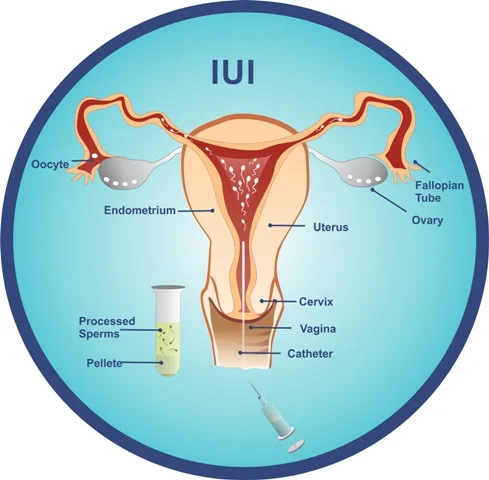
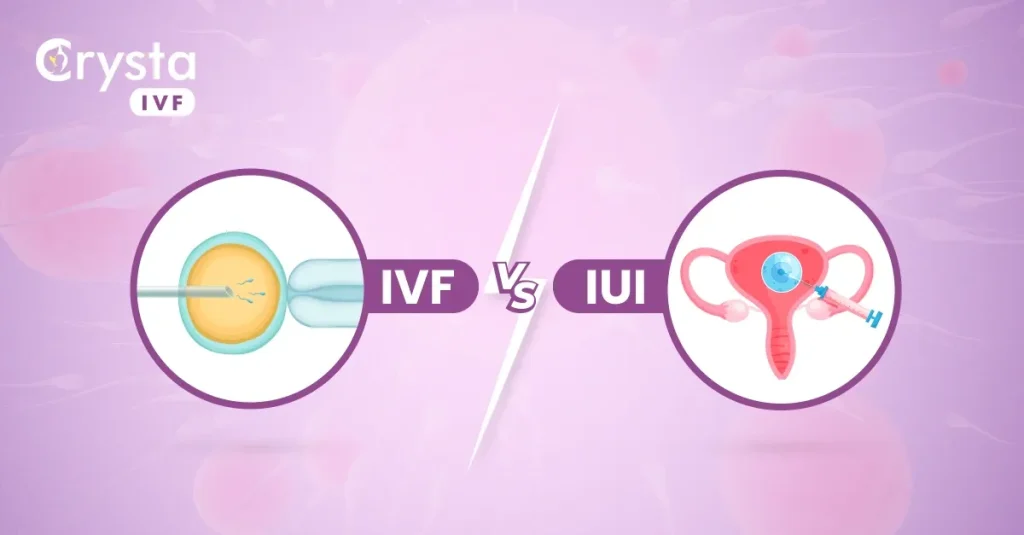
    Fertility medications are often used to stimulate ovulation or improve sperm production. Intrauterine insemination involves placing washed sperm directly into the uterus, increasing the chances of fertilization. In vitro fertilization is a more advanced technique that involves retrieving eggs from the ovaries and fertilizing them with sperm in a lab before transferring the embryos into the uterus.

    In some cases, surgery may be necessary to correct structural issues that are preventing pregnancy. This could include removing fibroids, repairing damaged fallopian tubes, or treating endometriosis.

    Summary:
    Fertility testing is an essential step for couples trying to conceive. For women, testing may include blood tests, imaging tests, and a pelvic exam to identify any underlying medical conditions. Men undergo a semen analysis to evaluate sperm quantity and quality. After receiving the results, a specialist will discuss potential treatment options, which may include medications, surgery, or assisted reproductive techniques. It is essential to have open communication with your partner and healthcare team and seek support if needed.

    In conclusion, fertility testing can provide valuable information and guide couples towards the best course of treatment. While receiving the results of these tests can be emotional, it is essential to remember that there are various options available for couples looking to start a family. With the support of loved ones and healthcare professionals, couples can navigate through this journey towards parenthood.
  • Fertility Testing for Men and Women: What to Expect During the Process

    Blog Post Title: Fertility Testing for Men and Women: What to Expect During the Process

    Summary:

    Fertility is a crucial aspect of human life and the desire to have a child is a natural one. However, for many couples, achieving pregnancy can be a challenging journey. This is where fertility testing comes into play. Fertility testing is a process that helps determine the underlying causes of infertility in both men and women. In this blog post, we will discuss the different types of fertility tests available for men and women, and what to expect during the process.

    For Women:

    1. Medical History and Physical Examination:
    The first step in fertility testing for women is a comprehensive medical history and physical examination. This will help the doctor understand any underlying medical conditions that may be affecting fertility.

    2. Ovulation Testing:
    Ovulation is a crucial aspect of fertility, and a woman must release a healthy egg for pregnancy to occur. Ovulation testing can be done through blood tests, urine tests, or ultrasound scans to determine the timing and regularity of ovulation.

    3. Hormone Testing:
    Hormonal imbalances can greatly affect a woman’s fertility. Hormone testing involves blood tests to measure levels of hormones such as estrogen, progesterone, and follicle-stimulating hormone (FSH).

    4. Imaging Tests:
    Imaging tests, such as ultrasound scans, can help identify any structural abnormalities in the reproductive organs that may be affecting fertility.

    5. Hysterosalpingography (HSG):
    HSG is a procedure where a dye is injected into the uterus and fallopian tubes to check for any blockages or abnormalities that may be preventing pregnancy.

    6. Laparoscopy:
    In some cases, a laparoscopy may be recommended to diagnose and treat conditions such as endometriosis or pelvic inflammatory disease, which can affect fertility.

    For Men:

    1. Semen Analysis:
    The first step in fertility testing for men is a semen analysis. A sample of semen is collected and analyzed for sperm count, motility, and morphology.

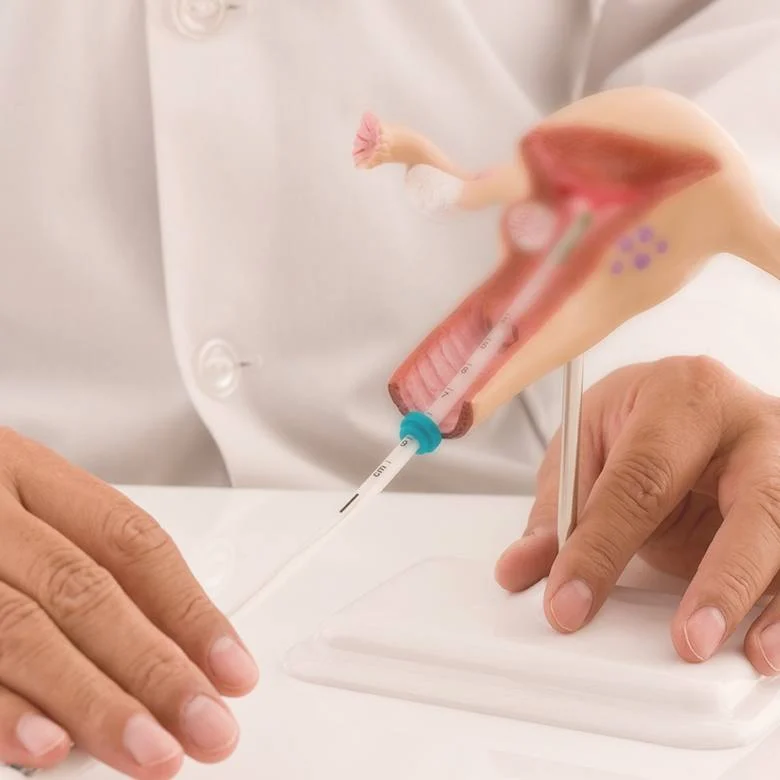
    model of the female reproductive system with a hand demonstrating intrauterine insemination technique

    Fertility Testing for Men and Women: What to Expect During the Process

    2. Hormone Testing:
    Hormonal imbalances in men can also affect fertility. Hormone testing involves blood tests to check the levels of testosterone, follicle-stimulating hormone (FSH), and luteinizing hormone (LH).

    3. Imaging Tests:
    Imaging tests, such as ultrasound scans, can help identify any structural abnormalities in the reproductive organs that may be affecting fertility.

    4. Genetic Testing:
    Some cases of male infertility may be due to genetic factors. Genetic testing can help identify any gene mutations that may be causing fertility issues.

    5. Testicular Biopsy:
    In some cases, a testicular biopsy may be recommended to check for any blockages or abnormalities in the testicles that may be affecting sperm production.

    What to Expect During the Process:

    Fertility testing can be a lengthy and emotional process for couples. It is essential to have open communication with your doctor and partner during this time. Here are some things to keep in mind:

    1. Patience is Key:
    Fertility testing can take time, and it is essential to be patient and not get discouraged if the results are not immediate.

    2. Discomfort:
    Some fertility tests may involve a certain level of discomfort, such as the HSG or testicular biopsy. It is essential to discuss any concerns with your doctor beforehand.

    3. Emotional Support:
    Fertility testing can be emotionally taxing for both partners. It is crucial to lean on each other for emotional support and seek counseling if needed.

    4. Cost:
    Fertility testing can be expensive, and it is important to discuss the costs with your doctor and insurance company beforehand.

    5. Treatment Options:
    Once the fertility testing is complete, your doctor will discuss the results and possible treatment options with you. These may include medication, surgery, or assisted reproductive techniques such as in vitro fertilization (IVF).

    In conclusion, fertility testing is a crucial step in the journey towards parenthood. It helps identify the underlying causes of infertility and allows for appropriate treatment to be recommended. It is essential to have open communication with your doctor and partner during this process and to be patient and supportive of each other.

  • Understanding the Different Types of Fertility Clinics and Hospitals

    Understanding the Different Types of Fertility Clinics and Hospitals

    Fertility is a complex and sensitive topic for many individuals and couples who are struggling to conceive. In recent years, there has been a significant increase in the number of fertility clinics and hospitals worldwide, offering a variety of services and treatments to help those facing fertility issues. However, with so many options available, it can be overwhelming and confusing to understand the different types of fertility clinics and hospitals and which one may be the best fit for your specific needs.

    In this blog post, we will explore the different types of fertility clinics and hospitals, their services, and the factors to consider when choosing the right one for you.

    1. Private Fertility Clinics

    Private fertility clinics are privately owned facilities that specialize in fertility treatments and services. These clinics often have state-of-the-art equipment and highly experienced fertility specialists, making them popular among individuals and couples seeking fertility treatments. Private fertility clinics typically offer a wide range of services, including fertility testing, assisted reproductive technology (ART), intrauterine insemination (IUI), in vitro fertilization (IVF), and egg freezing.

    One of the main advantages of private fertility clinics is their personalized approach to treatment. Patients often have a designated team of fertility specialists who work closely with them throughout their journey, providing individualized treatment plans and support. However, these clinics can be costly, and some treatments may not be covered by insurance, making them less accessible to everyone.

    2. Public Fertility Clinics

    Public fertility clinics are government-funded facilities that offer a range of fertility treatments to individuals and couples. These clinics are often associated with teaching hospitals or universities and may have a larger patient volume than private clinics. Public fertility clinics typically offer similar services to private clinics, but the waiting times may be longer due to the high demand for services.

    One advantage of public fertility clinics is that they may offer more affordable treatment options, making them accessible to those who cannot afford private clinics. However, the downside is that patients may not have a designated team of specialists, and treatments may not be as personalized as in private clinics.

    3. Hospital-Based Fertility Clinics

    Hospital-based fertility clinics are fertility centers located within a hospital setting. These clinics offer a range of fertility treatments, including ART, IVF, and egg freezing. One of the main advantages of hospital-based fertility clinics is that they have access to other medical specialists and resources within the hospital, making it easier to handle complex cases. These clinics also have more advanced equipment and technology, making them a popular choice for those seeking fertility treatments.

    However, one disadvantage of hospital-based fertility clinics is that patients may not receive the same personalized care as in private clinics. The fertility specialists may have a larger patient volume, and appointments may be less frequent, making it difficult to establish a close relationship with the doctor.

    4. University-Based Fertility Clinics

    University-based fertility clinics are fertility centers associated with universities and medical schools. These clinics offer a range of services, including fertility testing, ART, IVF, and egg freezing. One advantage of university-based fertility clinics is that the fertility specialists are often highly trained and experienced, as they may also be involved in research and teaching.

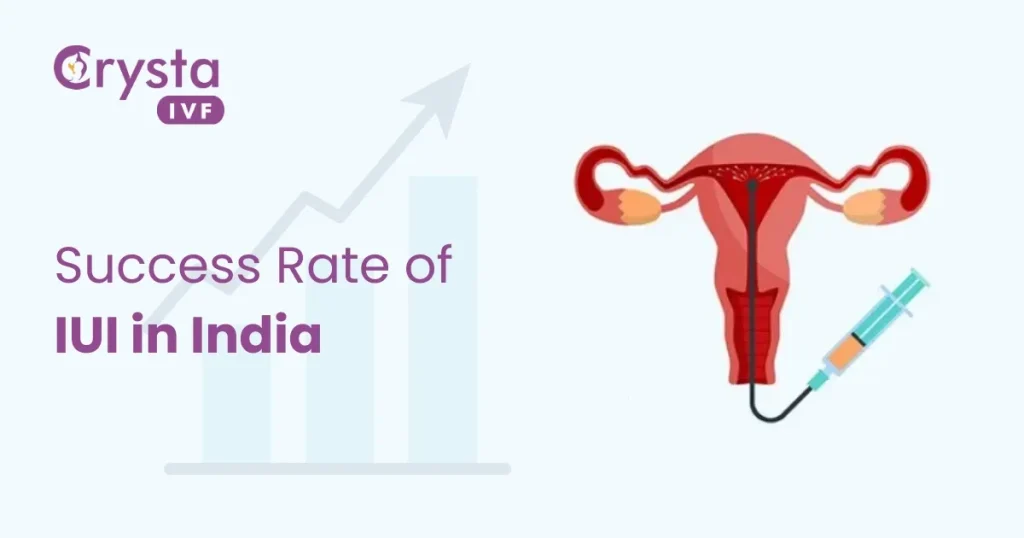
    success rate of IUI in India with a graphic of a uterus and syringe alongside a rising graph

    Understanding the Different Types of Fertility Clinics and Hospitals

    However, as these clinics are often associated with teaching hospitals, patients may experience longer wait times and may not receive the same level of personalized care as in private clinics. Additionally, treatments may be more expensive as these clinics may not accept insurance.

    Factors to Consider When Choosing a Fertility Clinic or Hospital

    1. Success Rates

    When choosing a fertility clinic or hospital, it is essential to consider their success rates. The success rates of a clinic can give you an idea of the quality of care and the likelihood of achieving a successful pregnancy. However, it is important to note that success rates can vary depending on the type of treatment, the age of the patient, and other factors.

    2. Services Offered

    Different clinics may offer different services, so it is crucial to consider the specific treatments and services you may need. For example, if you are interested in egg freezing, make sure the clinic offers this service. It is also essential to consider the cost of treatments and whether they are covered by insurance.

    3. Location

    The location of the fertility clinic or hospital is also an important factor to consider. Treatment may require frequent visits, so it is important to choose a clinic that is easily accessible and within a reasonable distance from your home or workplace.

    4. Reputation and Reviews

    Researching the reputation of a fertility clinic or hospital is crucial before making a decision. Read reviews from previous patients and consider the overall satisfaction rate. It is also a good idea to ask for recommendations from friends, family, or your primary care physician.

    5. Cost and Insurance Coverage

    Fertility treatments can be expensive, so it is important to consider the cost when choosing a clinic or hospital. Some clinics may offer payment plans or financial assistance programs, so it is worth asking about these options. Additionally, it is important to check if your insurance covers fertility treatments and which clinics or hospitals are in-network.

    Summary:

    Choosing the right fertility clinic or hospital is a crucial step for individuals and couples seeking fertility treatments. Private fertility clinics offer personalized care but can be costly, while public clinics may be more affordable but have longer wait times. Hospital-based and university-based clinics offer advanced technology and experienced specialists but may not provide the same level of personalized care. Factors to consider when choosing a clinic include success rates, services offered, location, reputation, and cost.

  • The Link Between Sperm Analysis, Semen Analysis, and Male Sexual Dysfunction

    The Link Between Sperm Analysis, Semen Analysis, and Male Sexual Dysfunction

    Sperm analysis and semen analysis are two medical tests that are often used to evaluate male fertility. While they may sound similar, they actually measure different aspects of male reproductive health. However, there is a growing body of research that suggests a link between these tests and male sexual dysfunction. In this blog post, we will explore the connection between sperm analysis, semen analysis, and male sexual dysfunction.

    What is Sperm Analysis?

    Sperm analysis, also known as a semen analysis, is a test that measures the quantity and quality of sperm in a man’s semen. This test is typically performed if a couple is having trouble conceiving or if a man is experiencing symptoms of low sperm count or poor sperm quality. During a sperm analysis, a sample of semen is collected and analyzed in a laboratory. The results of this test can provide valuable information about a man’s fertility and reproductive health.

    What is Semen Analysis?

    Semen analysis, on the other hand, is a broader test that evaluates the overall composition and health of semen. In addition to measuring sperm count and quality, semen analysis also looks at the volume, pH level, and presence of other substances such as white blood cells and fructose. This test is often used to diagnose conditions such as infections, hormonal imbalances, and ejaculatory duct obstruction.

    The Connection Between Sperm Analysis, Semen Analysis, and Male Sexual Dysfunction

    While sperm analysis and semen analysis are primarily used to assess male fertility, there is a growing body of evidence that suggests a link between these tests and male sexual dysfunction. Sexual dysfunction refers to a range of issues that can affect a man’s ability to have and enjoy sex. This includes conditions such as erectile dysfunction, premature ejaculation, and low libido.

    One study published in the Journal of Sexual Medicine found that men with abnormal sperm parameters were five times more likely to experience sexual dysfunction compared to men with normal sperm parameters. Another study found that men with ejaculatory dysfunction had significantly lower sperm motility and a higher percentage of abnormal sperm compared to men without this condition.

    diagram illustrating intrauterine insemination (IUI) with labeled reproductive anatomy and procedures

    The Link Between Sperm Analysis, Semen Analysis, and Male Sexual Dysfunction

    A possible explanation for this link is the role of hormones in both fertility and sexual function. Testosterone, the primary male sex hormone, plays a crucial role in sperm production and sexual desire. An imbalance in testosterone levels can lead to both fertility issues and sexual dysfunction. Additionally, conditions such as inflammation of the prostate or testicles, which can affect sperm production, have also been linked to sexual dysfunction.

    It is also important to note that sexual dysfunction can have a psychological component. Men who are experiencing fertility issues may feel anxious or stressed about their ability to father a child, which can impact their sexual performance and desire.

    Treatment Options

    If a man is experiencing both fertility issues and sexual dysfunction, it is essential to consult with a healthcare professional to determine the underlying cause. Depending on the diagnosis, treatment options may include lifestyle changes, medication, or therapy.

    For example, if hormonal imbalances are the cause, hormone replacement therapy may be prescribed. If inflammation is the issue, antibiotics or anti-inflammatory medications may be recommended. In cases where psychological factors are involved, therapy or counseling may be helpful.

    In some cases, addressing fertility issues may also improve sexual function. For example, if a man is experiencing erectile dysfunction due to low sperm count, treatments such as intrauterine insemination or in vitro fertilization may increase the chances of conception and alleviate stress and anxiety.

    In conclusion, while sperm analysis and semen analysis are primarily used to evaluate male fertility, there is a growing body of evidence that suggests a link between these tests and male sexual dysfunction. Hormonal imbalances, inflammation, and psychological factors can all play a role in both fertility and sexual function. If you are experiencing symptoms of sexual dysfunction, it is essential to consult with a healthcare professional to determine the underlying cause and develop an appropriate treatment plan.

    Summary:

    Sperm analysis and semen analysis are two medical tests used to evaluate male fertility. However, recent research suggests a link between these tests and male sexual dysfunction. This link may be due to hormonal imbalances, inflammation, or psychological factors. Treatment options may include lifestyle changes, medication, or therapy. It is essential to consult with a healthcare professional for an accurate diagnosis and treatment plan.

  • Sperm Analysis and Semen Analysis: What You Need to Know

    Blog Post:

    When it comes to fertility and reproductive health, there are many factors that can affect one’s ability to conceive. One important aspect that is often overlooked is sperm analysis, also known as semen analysis. This procedure helps assess the quality and quantity of a man’s sperm, which is crucial in determining fertility potential. In this blog post, we will delve deeper into sperm analysis and semen analysis, discussing what they are, why they are important, and what you need to know about them.

    What is Sperm Analysis?

    Sperm analysis is a laboratory test that evaluates the health and quality of a man’s sperm. It involves collecting a semen sample and examining it under a microscope to assess various parameters such as sperm count, motility, and morphology. These parameters give valuable insights into the overall reproductive health of a man and can help in diagnosing any underlying fertility issues.

    Why is Sperm Analysis Important?

    Sperm analysis is an essential tool in diagnosing male infertility, which accounts for about 40% of all infertility cases. It provides crucial information about the sperm’s ability to fertilize an egg and can help identify any potential problems that may be hindering conception. It also helps in determining the most appropriate course of treatment, whether it be lifestyle changes, medication, or assisted reproductive techniques.

    What to Expect During a Sperm Analysis?

    Sperm analysis is a simple and non-invasive procedure that can be done in a fertility clinic or a laboratory. The process involves collecting a semen sample through masturbation into a sterile container. It is vital to follow specific instructions provided by the healthcare provider, such as abstaining from ejaculation for 2-5 days before the test, to ensure accurate results. The sample is then sent to the lab, where it is examined for various parameters.

    What Are the Parameters Measured in a Sperm Analysis?

    test tube with sperm in blue liquid, promoting IUI success rate and factors influencing fertility.

    Sperm Analysis and Semen Analysis: What You Need to Know

    The three main parameters measured in a sperm analysis are sperm count, motility, and morphology. Sperm count refers to the number of sperm in a given sample, and a healthy count is considered to be 15 million or more per milliliter. Motility refers to the sperm’s ability to swim and move towards an egg, and a healthy motility rate is 40% or more. Lastly, morphology refers to the shape and structure of sperm, with a healthy range being 4% or more of normally shaped sperm.

    What is Semen Analysis?

    Semen analysis is a broader term that encompasses not just the sperm but also the other components of semen, such as fructose, enzymes, and white blood cells. It provides a more comprehensive evaluation of the semen and can help identify any potential issues that may not be detected through sperm analysis alone. Semen analysis is often performed alongside sperm analysis to provide a more complete picture of a man’s reproductive health.

    What Can Affect Sperm Quality?

    There are various factors that can affect sperm quality and potentially lead to fertility issues. Some of the most common causes include lifestyle factors such as smoking, excessive alcohol consumption, and drug use. Other factors include hormonal imbalances, genetic disorders, infections, and certain medications. Age can also play a role, as sperm quality tends to decline with age.

    What Can You Do to Improve Sperm Quality?

    If your sperm analysis results come back abnormal, there are steps you can take to improve sperm quality and increase your chances of conception. Maintaining a healthy weight, eating a balanced diet, and exercising regularly can all help improve sperm quality. Avoiding substances like tobacco, alcohol, and recreational drugs can also make a significant difference. It is also essential to manage any underlying health conditions that may be affecting your fertility.

    What Are the Treatment Options for Male Infertility?

    If the sperm analysis results show a severe abnormality, or if other underlying health issues are present, your healthcare provider may recommend specific treatments to help improve sperm quality. These may include medications to treat hormonal imbalances, surgery to correct structural issues, or assisted reproductive techniques such as intrauterine insemination (IUI) or in-vitro fertilization (IVF). The treatment plan will depend on the underlying cause of infertility and the specific needs of the couple.

    In summary, sperm analysis and semen analysis are crucial tools in assessing male fertility and identifying any issues that may be hindering conception. These procedures are simple, non-invasive, and can provide valuable insights into a man’s reproductive health. If you are trying to conceive and have been unsuccessful, it is essential to consult with a healthcare provider and consider undergoing a sperm analysis. With the right treatment and lifestyle changes, many couples can overcome male infertility and achieve their dream of starting a family.

  • Fertility Coaching vs Fertility Doctors: Understanding the Differences

    Fertility is a topic that can bring hope, joy, and excitement to a person’s life, but it can also bring feelings of frustration, disappointment, and sadness. For individuals and couples struggling with infertility, finding the right support and guidance is crucial. This is where fertility coaching and fertility doctors come into play. While both offer assistance to those trying to conceive, there are significant differences between the two approaches. In this blog post, we will dive into the world of fertility coaching and fertility doctors, understanding their differences, and the benefits they offer to individuals and couples facing infertility.

    Fertility Coaching:

    Fertility coaching is a relatively new concept in the world of fertility and is gaining popularity among individuals and couples trying to conceive. It is a holistic approach that focuses on the mind, body, and spirit of the individual. Fertility coaches aim to empower and support their clients through their journey of trying to conceive. They work closely with their clients to identify any emotional or psychological barriers that may be hindering their fertility and provide tools and techniques to overcome them.

    One of the main differences between fertility coaching and fertility doctors is the approach. While doctors focus on the medical aspect of fertility, fertility coaches take a more holistic approach, addressing not only the physical but also the emotional and mental well-being of their clients. They understand that infertility can take a toll on an individual’s mental health and offer emotional support and guidance throughout the process.

    Fertility coaching also takes into consideration the individual’s lifestyle and nutrition. Fertility coaches work with their clients to make necessary dietary and lifestyle changes that can improve their overall health and increase their chances of conceiving. They may also suggest alternative treatments such as acupuncture or herbal remedies to support the body’s natural fertility.

    Another significant aspect of fertility coaching is the focus on the mind-body connection. Fertility coaches believe that stress and negative emotions can have a significant impact on fertility. Through various techniques such as meditation, visualization, and positive affirmations, they help their clients reduce stress and create a positive mindset to enhance their fertility.

    Fertility Doctors:

    Fertility doctors, also known as reproductive endocrinologists, are medical professionals who specialize in diagnosing and treating infertility. They have extensive medical training and use assisted reproductive technology (ART) to help individuals and couples conceive. Some of the common treatments offered by fertility doctors include in vitro fertilization (IVF), intrauterine insemination (IUI), and fertility medications.

    Unlike fertility coaching, fertility doctors take a more medical approach to infertility. They use various tests and procedures to diagnose the root cause of infertility and provide treatment options based on their findings. Depending on the individual’s specific case, doctors may recommend a combination of treatments to increase the chances of conception.

    Comparison of IVF and IUI procedures with illustrations of each method.

    Fertility Coaching vs Fertility Doctors: Understanding the Differences

    Fertility doctors also play a crucial role in identifying any underlying medical conditions that may be causing infertility. They can also provide surgical interventions, such as correcting structural abnormalities or removing fibroids, to improve fertility.

    One of the significant benefits of working with a fertility doctor is the access to advanced medical treatments. For individuals and couples with complex fertility issues, fertility doctors can offer solutions that may not be available through other methods.

    Understanding the Differences:

    Now that we have looked at the basics of fertility coaching and fertility doctors, let’s dive deeper into the differences between the two approaches. One of the main distinctions between the two is the focus. Fertility coaching focuses on the emotional, mental, and lifestyle aspects of fertility, while fertility doctors focus on the medical aspect.

    Another difference is the level of support and guidance offered. Fertility coaches work closely with their clients, providing emotional support, and helping them navigate the ups and downs of infertility. On the other hand, fertility doctors may not have the same amount of time to spend with each patient, and their focus is primarily on the medical treatments.

    One of the significant benefits of fertility coaching is the ability to combine it with medical treatments. Many individuals and couples choose to work with both a fertility coach and a fertility doctor to get the best of both worlds. While fertility doctors provide medical treatments, fertility coaches offer emotional support and guidance to improve the overall well-being of the individual.

    Summary:

    In summary, fertility coaching and fertility doctors offer different approaches to individuals and couples facing infertility. Fertility coaching takes a holistic approach, focusing on the mind, body, and spirit, while fertility doctors focus on the medical aspect of fertility. Fertility coaching provides emotional support, lifestyle guidance, and a mind-body connection, while fertility doctors offer advanced medical treatments. Both approaches have their benefits, and many individuals and couples choose to combine them to get the best possible outcome.

    In the end, the key to success in the journey of infertility is finding the right support and guidance that suits your needs. Whether it’s through fertility coaching, fertility doctors, or a combination of both, the most important thing is to never lose hope and continue to believe that your dream of becoming a parent can come true.

  • The Role of Age in Male and Female Factor Infertility: How It Affects Treatment

    Blog Post: The Role of Age in Male and Female Factor Infertility: How It Affects Treatment

    Infertility is a common issue faced by many couples around the world. It is defined as the inability to conceive a child after a year of regular and unprotected intercourse. While infertility can be caused by various factors, age plays a significant role in both male and female fertility. As we age, our reproductive system also ages and undergoes changes that can affect our fertility. In this blog post, we will delve into the role of age in male and female factor infertility and how it affects treatment options.

    Female Factor Infertility and Age

    Women are born with a finite number of eggs in their ovaries, and as they age, their egg reserve decreases. This means that as women get older, their chances of getting pregnant decrease, and the risk of infertility increases. In fact, a woman’s fertility starts to decline in her early 30s and significantly decreases after the age of 35. This is because the quality of eggs also decreases with age, making it more difficult for fertilization and implantation to occur.

    Moreover, as women age, they are also at a higher risk of developing medical conditions that can affect their fertility, such as endometriosis, uterine fibroids, and polycystic ovary syndrome (PCOS). These conditions can interfere with the release of eggs and the implantation of fertilized eggs, making it challenging to conceive.

    Treatment Options for Female Factor Infertility Due to Age

    The most common treatment option for female factor infertility due to age is assisted reproductive technology (ART). This includes techniques such as in vitro fertilization (IVF), where eggs are retrieved and fertilized in a laboratory before being implanted into the uterus. However, as women get older, the success rates of ART also decrease due to the quality and quantity of eggs. This means that older women may need multiple rounds of IVF to achieve a successful pregnancy, which can be physically, emotionally, and financially taxing.

    Another treatment option for women with age-related infertility is donor eggs. This involves using eggs from a younger, fertile donor to be fertilized with the partner’s sperm and implanted into the woman’s uterus. While this can increase the chances of pregnancy, it may also come with ethical and emotional considerations for both the woman and her partner.

    Male Factor Infertility and Age

    While women are often solely blamed for infertility, male factor infertility also plays a significant role. As men age, their sperm quality and quantity also decline. This can lead to difficulty in fertilization and increasing the risk of miscarriage. In fact, studies have shown that men over the age of 40 are at a higher risk of fathering children with genetic abnormalities.

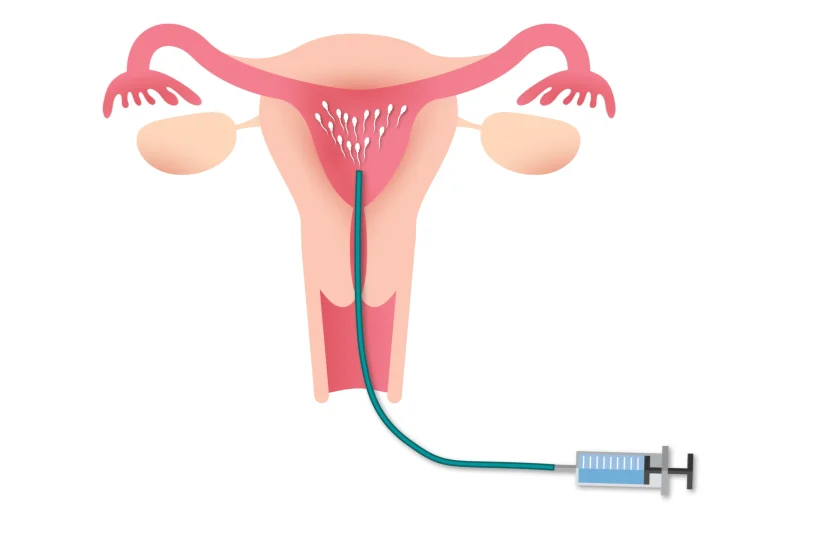
    diagram of a uterus with a syringe for intrauterine insemination procedure

    The Role of Age in Male and Female Factor Infertility: How It Affects Treatment

    Moreover, as men age, they are also at a higher risk of developing medical conditions that can affect their fertility, such as erectile dysfunction, hormonal imbalances, and prostate issues. These conditions can interfere with the production and release of healthy sperm, making it difficult to conceive.

    Treatment Options for Male Factor Infertility Due to Age

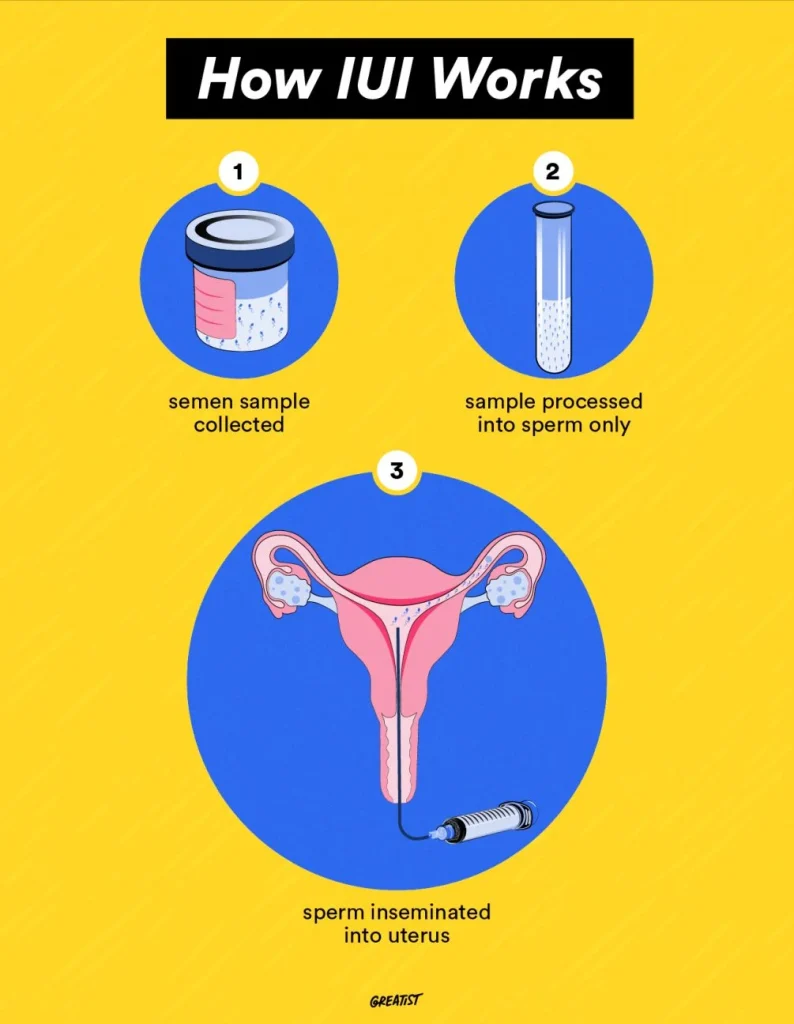
    The most common treatment option for male factor infertility is intrauterine insemination (IUI). This involves placing washed and concentrated sperm directly into the woman’s uterus during ovulation. However, as men get older, their sperm quality may not be sufficient for IUI to be successful. In such cases, IVF with intracytoplasmic sperm injection (ICSI) may be recommended. ICSI involves injecting a single sperm directly into an egg to increase the chances of fertilization.

    Another treatment option for male factor infertility is sperm donation. This involves using sperm from a donor to fertilize the woman’s eggs. While this can increase the chances of pregnancy, it may also come with emotional considerations for both the man and his partner.

    The Importance of Seeking Help Early

    As we can see, age plays a significant role in both male and female factor infertility. As we age, our fertility decreases, and the risks of medical conditions that can affect fertility increase. Therefore, it is crucial for couples to seek help early if they are struggling to conceive. This can increase their chances of success and reduce the need for more invasive and costly treatment options.

    Moreover, seeking help early can also help couples address any underlying medical conditions that may be affecting their fertility. This can improve their overall health and well-being, making it easier to conceive and have a healthy pregnancy.

    In conclusion, age is a crucial factor in both male and female factor infertility. As we age, our fertility decreases, and the risks of medical conditions that can affect fertility increase. Therefore, it is essential for couples to seek help early and explore their treatment options to increase their chances of success.

    Summary:

    Infertility is a common issue faced by many couples, and age plays a significant role in both male and female factor infertility. As women age, their egg reserve decreases, and the quality of eggs also declines, making it more difficult to conceive. Treatment options for female factor infertility due to age include assisted reproductive technology and donor eggs. On the other hand, as men age, their sperm quality and quantity also decline, leading to difficulty in fertilization. Treatment options for male factor infertility include intrauterine insemination, IVF with ICSI, and sperm donation. It is crucial for couples to seek help early to increase their chances of success and address any underlying medical conditions that may be affecting their fertility.

  • Male Factor Infertility: Causes and Treatment Options

    Male Factor Infertility: Causes and Treatment Options

    Infertility is a common issue that affects millions of couples around the world. In fact, it is estimated that 1 in 8 couples struggle with infertility. While many people assume that infertility is a female problem, the truth is that male factor infertility is just as common. In fact, male factor infertility is the sole cause or a contributing factor in about 30% of infertility cases. In this blog post, we will explore the causes of male factor infertility and the various treatment options available for men who are struggling with this issue.

    Causes of Male Factor Infertility:

    1. Low Sperm Count: One of the main causes of male factor infertility is a low sperm count. This means that a man’s semen contains fewer sperm than normal, making it more difficult for the sperm to reach and fertilize the egg. A normal sperm count is considered to be at least 15 million sperm per milliliter of semen. Anything lower than this is considered a low sperm count and can greatly decrease a man’s chances of fathering a child.

    2. Abnormal Sperm Shape or Movement: Another common cause of male factor infertility is abnormal sperm shape or movement. Sperm with an abnormal shape or poor motility (movement) are less likely to fertilize an egg, making it more difficult for a man to impregnate his partner. This can be caused by genetic factors, hormonal imbalances, or lifestyle choices such as smoking and excessive alcohol consumption.

    3. Varicocele: A varicocele is a condition in which the veins that drain the testicles become enlarged, leading to increased blood flow and higher testicular temperature. This can affect sperm production and quality, leading to male factor infertility. Varicoceles are a common cause of male infertility and can often be treated with surgery.

    4. Infections: Certain infections, such as sexually transmitted infections (STIs), can cause damage to the male reproductive system, leading to male factor infertility. These infections can affect sperm production, sperm quality, and the health of the reproductive organs. It is important for men to practice safe sex and seek treatment for any infections to prevent potential fertility issues in the future.

    illustration explaining the steps of intrauterine insemination (IUI) process on a bright yellow background

    Male Factor Infertility: Causes and Treatment Options

    5. Hormonal Imbalances: Hormonal imbalances can also contribute to male factor infertility. Testosterone, the male sex hormone, plays a crucial role in sperm production. Any imbalance in testosterone levels can result in a decrease in sperm count and quality, making it more difficult for a man to father a child. Hormonal imbalances can be caused by various factors such as obesity, certain medications, and underlying health conditions.

    Treatment Options for Male Factor Infertility:

    1. Lifestyle Changes: In some cases, making simple lifestyle changes can greatly improve male fertility. This includes quitting smoking, reducing alcohol consumption, and maintaining a healthy weight. These changes can help improve sperm production and quality, increasing a man’s chances of impregnating his partner.

    2. Medications: Depending on the underlying cause of male factor infertility, medications may be prescribed to help improve sperm production and quality. For example, hormonal therapy may be used to treat hormonal imbalances, while antibiotics may be prescribed to treat infections that are affecting fertility.

    3. Surgery: In cases where a physical issue is causing male factor infertility, such as a varicocele or blockage in the reproductive organs, surgery may be recommended. Surgery can help correct these issues and improve sperm production and quality, increasing a man’s chances of fathering a child.

    4. Assisted Reproductive Techniques (ART): ART refers to a range of fertility treatments that involve the handling of sperm and eggs outside of the body. These techniques include intrauterine insemination (IUI), in vitro fertilization (IVF), and intracytoplasmic sperm injection (ICSI). These techniques can help overcome male factor infertility by directly placing sperm in the woman’s uterus or fertilizing the egg in a laboratory setting.

    5. Donor Sperm: In cases where a man has a very low or non-existent sperm count, using donor sperm may be an option. Donor sperm can be obtained from a sperm bank and used in ART procedures to help a man’s partner become pregnant.

    In conclusion, male factor infertility is a common issue that affects many couples. The causes of male factor infertility can vary, but there are various treatment options available to help men overcome this issue and increase their chances of fathering a child. Whether it be lifestyle changes, medications, surgery, or ART, there is hope for men struggling with infertility. It is important for men to talk to their healthcare providers if they are experiencing fertility issues, as early diagnosis and treatment can greatly improve their chances of success.

  • The Importance of Early Detection: Diagnosing Male and Female Factor Infertility

    Blog post: The Importance of Early Detection: Diagnosing Male and Female Factor Infertility

    Infertility is a common issue that affects millions of couples around the world. While many people assume that infertility is solely a female problem, the reality is that both men and women can contribute to fertility issues. In fact, research shows that male factor infertility accounts for up to 40% of all infertility cases. However, the good news is that with early detection and proper treatment, many couples can overcome infertility and achieve their dream of having a family.

    In this blog post, we will explore the importance of early detection in diagnosing male and female factor infertility. We will discuss the causes of infertility, the role of early detection, and the available options for treatment. So, whether you are struggling to conceive or simply want to be proactive about your reproductive health, read on to learn more about this important topic.

    Causes of Infertility

    Infertility can be caused by a variety of factors, both in men and women. In women, the most common causes of infertility include hormonal imbalances, ovulation disorders, and structural issues with the reproductive organs. Endometriosis, a condition in which the tissue that lines the uterus grows outside of it, can also contribute to female infertility.

    On the other hand, male factor infertility is often caused by issues with sperm production, function, or delivery. These can include hormonal imbalances, genetic disorders, infections, and lifestyle factors such as smoking and excessive alcohol consumption. Additionally, certain medications and medical treatments, such as chemotherapy, can also affect sperm production and quality.

    The Role of Early Detection

    Early detection is crucial when it comes to diagnosing male and female factor infertility. Many couples wait until they have been trying to conceive for a year or more before seeking medical help. However, experts recommend that couples who are under 35 and have been trying to conceive for 12 months, or those over 35 and have been trying for 6 months, should seek medical advice. Early detection allows for a timely diagnosis, which can increase the chances of successful treatment.

    For women, early detection can help identify any underlying medical conditions that may be affecting fertility. This can include hormonal imbalances or structural issues with the reproductive organs. In some cases, early detection can also help diagnose conditions such as endometriosis, which may require surgical intervention for treatment.

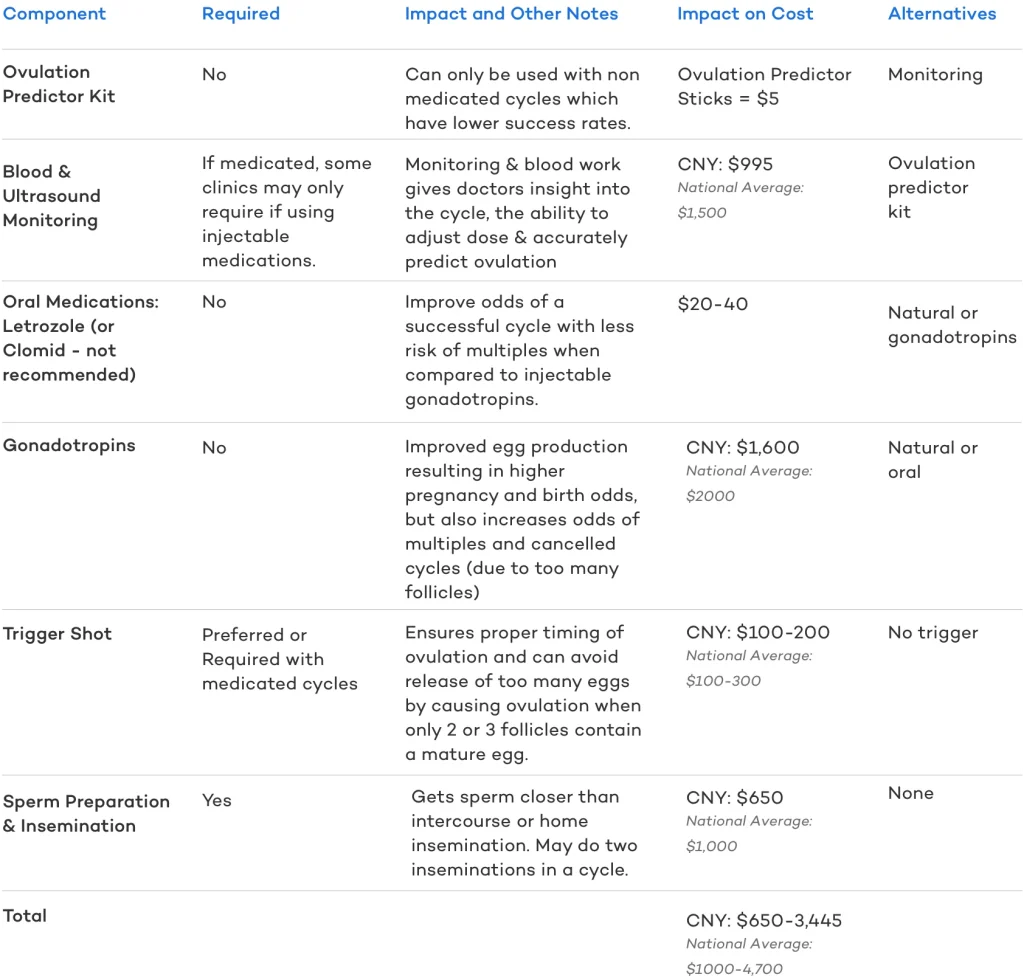
    Cost breakdown for IUI components, including requirements, impacts, and alternatives.

    The Importance of Early Detection: Diagnosing Male and Female Factor Infertility

    In men, early detection can help identify any issues with sperm production or function. A semen analysis, which is a simple and non-invasive test, can provide valuable information about sperm count, motility, and morphology. If any abnormalities are detected, further testing can help determine the cause and guide treatment options.

    Treatment Options

    The treatment for infertility will depend on the underlying cause and may involve a combination of medical, surgical, or assisted reproductive techniques. For women, hormonal therapies can help regulate ovulation and increase the chances of conception. In cases of structural issues, surgical intervention may be necessary to correct any abnormalities in the reproductive organs.

    For male factor infertility, treatment options may include hormonal therapy, antibiotics to treat infections, or surgery to correct any blockages or abnormalities in the reproductive organs. In cases of severe sperm abnormalities, assisted reproductive techniques such as intrauterine insemination (IUI) or in vitro fertilization (IVF) may be recommended.

    However, early detection is key in ensuring the success of these treatments. The longer a couple waits to seek medical help, the higher the chances of underlying fertility issues becoming more difficult to treat. This is why it is crucial to seek medical advice as soon as a couple suspects they may be facing fertility issues.

    In addition to medical treatments, lifestyle changes can also play a significant role in improving fertility. For both men and women, maintaining a healthy weight, reducing alcohol consumption, quitting smoking, and managing stress can all help increase the chances of successful conception.

    In conclusion, infertility is a common issue that can affect both men and women. Early detection is crucial in diagnosing and treating male and female factor infertility. By seeking medical help early on, couples can increase their chances of successful conception and start their journey towards building a family. So, if you and your partner are facing fertility issues, do not hesitate to seek medical advice and explore your options for treatment.

    Summary:

    Infertility is a common issue that affects both men and women, with male factor infertility accounting for up to 40% of all cases. The causes of infertility can vary, and early detection is crucial in identifying and treating these issues. For women, early detection can help diagnose conditions such as endometriosis, while in men, it can identify issues with sperm production or function. Treatment options for infertility can include medical, surgical, or assisted reproductive techniques, but early detection is key to their success. In addition to medical treatments, lifestyle changes can also play a significant role in improving fertility. Seeking medical advice early on can increase the chances of successful conception and help couples achieve their dream of starting a family.

  • Hope for Couples: Overcoming Infertility Through Male and Female Factor Treatments

    Title: Hope for Couples: Overcoming Infertility Through Male and Female Factor Treatments

    Introduction:
    Infertility is a common issue that affects many couples around the world. It can be a difficult and emotional journey for couples who are struggling to conceive. While there are many factors that can contribute to infertility, it is important to understand that both men and women can experience fertility issues. In this blog post, we will explore the different treatment options available for male and female factor infertility and how they can bring hope to couples who are trying to start a family.

    Understanding Male and Female Factor Infertility:
    Before diving into the treatments, it is important to understand the difference between male and female factor infertility. Male factor infertility refers to issues with sperm production, function, or delivery, while female factor infertility is related to problems with ovulation, egg quality, or the reproductive organs. In some cases, both partners may have contributing factors to infertility, making it even more challenging for couples to conceive.

    Male Factor Infertility Treatments:
    When it comes to male factor infertility, there are several treatment options available depending on the underlying cause. One common treatment is medication, which can help improve sperm production and function. In cases where there are blockages or obstructions in the reproductive organs, surgery may be necessary to clear the blockage. Another option is assisted reproductive technology (ART), such as intrauterine insemination (IUI) or in vitro fertilization (IVF), which involves collecting sperm and using it to fertilize the female partner’s egg. These treatments have shown high success rates in helping couples conceive.

    Female Factor Infertility Treatments:
    For women, the treatment options for infertility will depend on the underlying cause. If the issue is related to ovulation, medication such as Clomid or letrozole may be prescribed to stimulate ovulation. In cases where there are structural issues with the reproductive organs, surgery may be necessary to correct the problem. ART, such as IVF, may also be recommended for women with fertility issues. Additionally, lifestyle changes, such as maintaining a healthy weight and reducing stress, can also improve fertility in women.

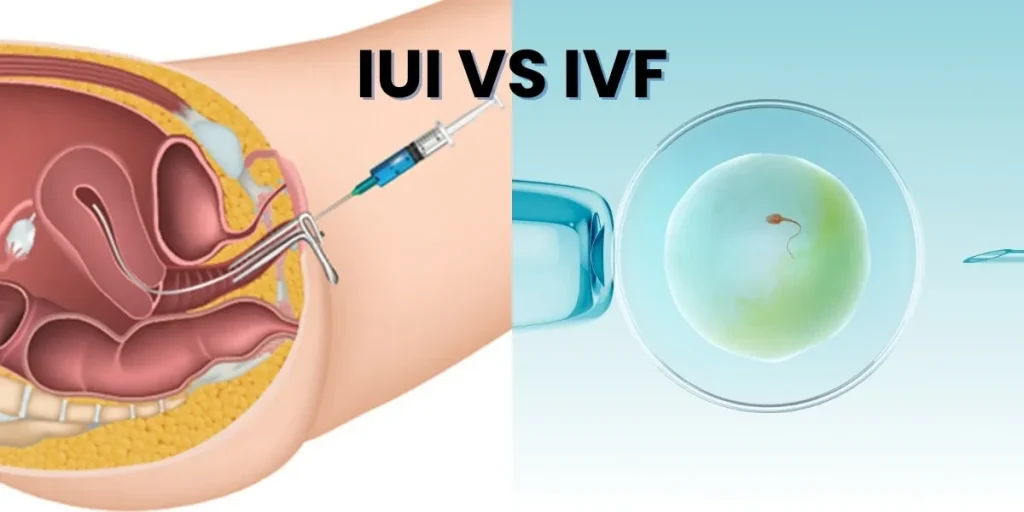
    comparison of IUI and IVF fertility treatments with illustrations of procedures and a petri dish with an egg and sperm

    Hope for Couples: Overcoming Infertility Through Male and Female Factor Treatments

    Combining Treatments for Better Results:
    In some cases, combining male and female factor infertility treatments can greatly increase the chances of conception. For example, if a man has a low sperm count and the woman has blocked fallopian tubes, using ART with donor sperm can be a viable option for couples. This is known as donor sperm IUI or IVF. By combining treatments, couples can have a better chance of overcoming their fertility struggles and achieving their dream of starting a family.

    The Emotional Impact of Infertility:
    Dealing with infertility can take a toll on the emotional wellbeing of both partners. It can cause feelings of stress, anxiety, and even depression. It is important for couples to communicate openly and support each other through this journey. Seeking the help of a therapist or joining a support group can also be beneficial in coping with the emotional impact of infertility.

    The Role of Nutrition and Lifestyle:
    While medical treatments play a significant role in overcoming infertility, paying attention to nutrition and lifestyle factors can also make a difference. A healthy and balanced diet can help regulate hormones and improve fertility in both men and women. Additionally, avoiding smoking, excessive alcohol consumption, and maintaining a healthy weight can also improve fertility. Couples can work together to make positive lifestyle changes that can improve their chances of conceiving.

    Conclusion:
    Infertility can be a challenging and emotional journey for couples, but there is hope. With the advancements in medical technology and treatments, many couples have been able to overcome their fertility struggles and start a family. By understanding the different treatment options available for male and female factor infertility and addressing any emotional and lifestyle factors, couples can increase their chances of conceiving and bringing a new life into the world.

    In summary, infertility can affect both men and women, and there are various treatment options available to help couples overcome their fertility struggles. These include medication, surgery, assisted reproductive technology, and lifestyle changes. By combining treatments and addressing emotional and lifestyle factors, couples can increase their chances of conceiving and fulfilling their dream of starting a family.